Water Damage Restoration
About this water damage restoration project
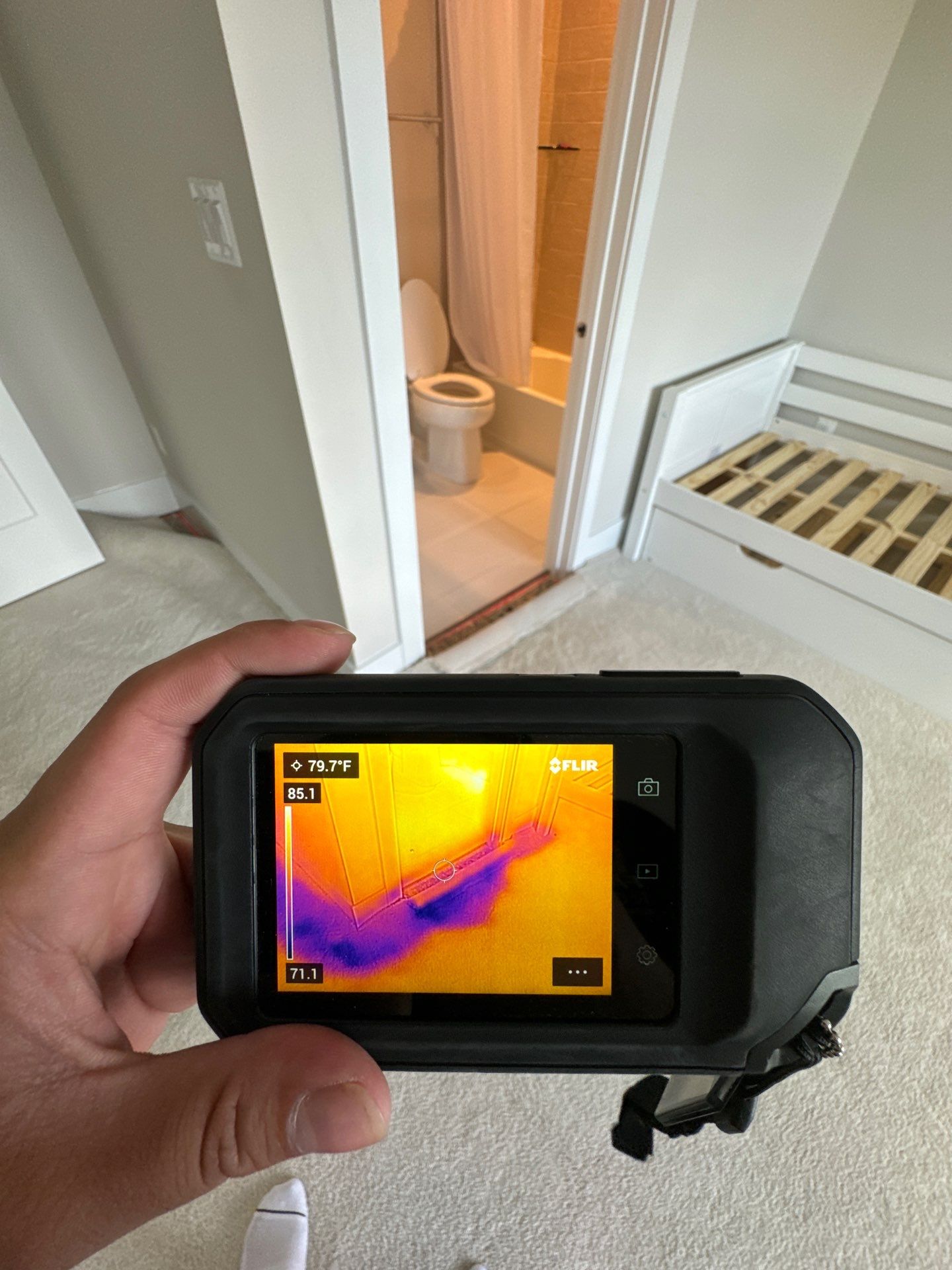
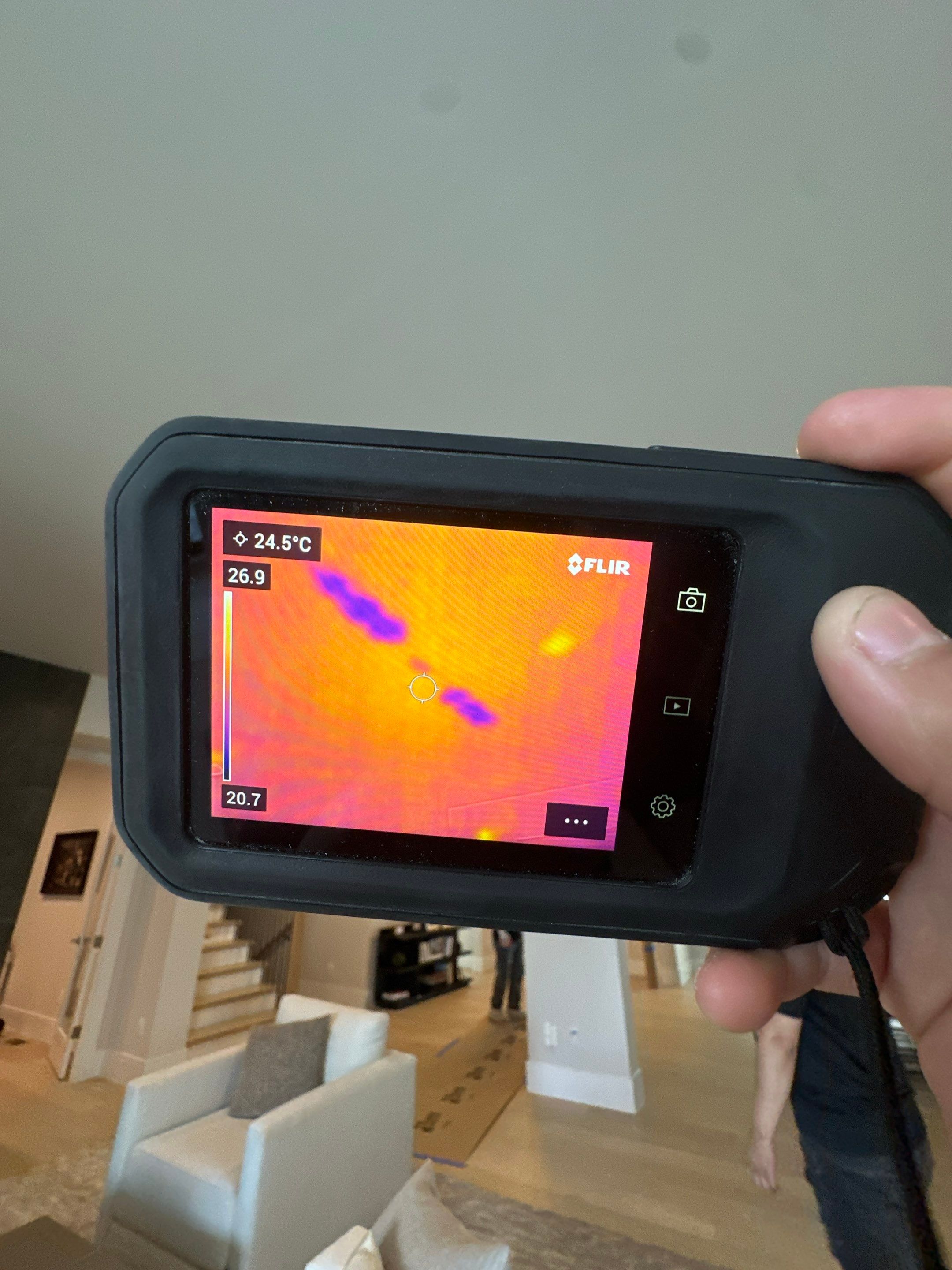
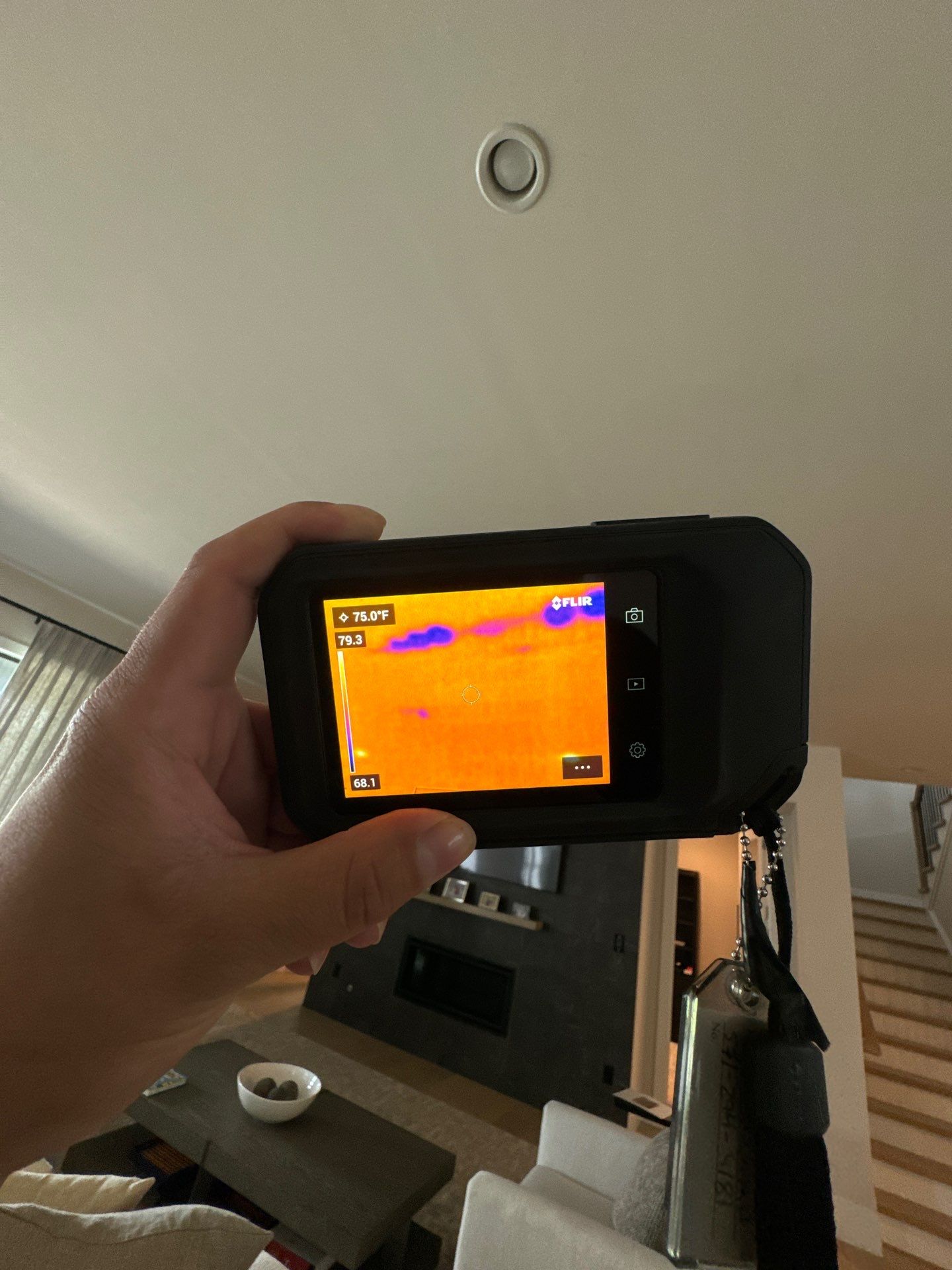
Thermal imaging revealed moisture intrusion behind a bathroom wall, guiding our restoration team to the exact source of the problem. In Great Falls, where Fairfax County's larger-lot homes often rely on older plumbing systems, winter freeze-thaw cycles and heavy regional rainfall can stress pipes and fixtures in ways that go unnoticed until water begins migrating through concealed cavities.
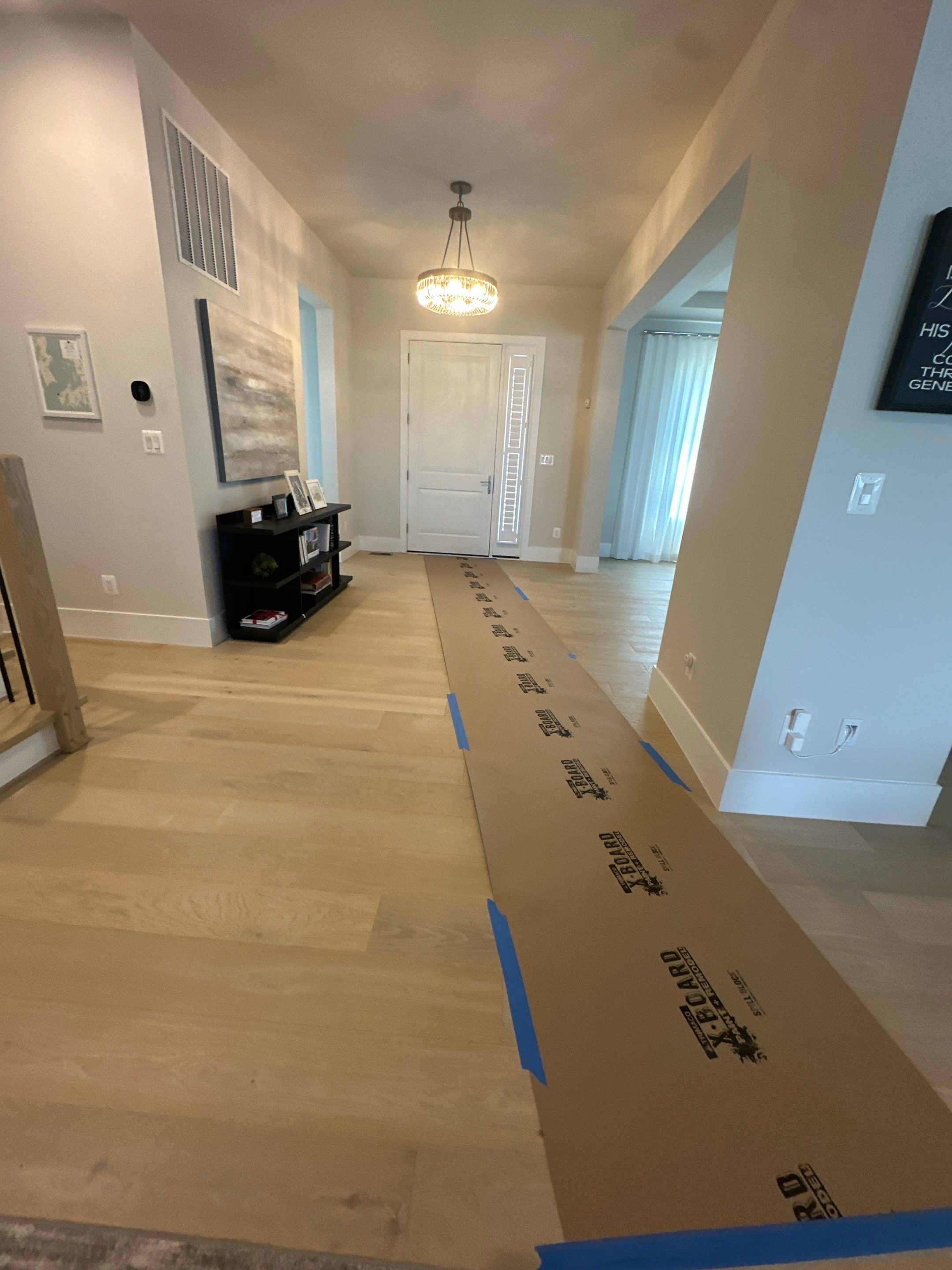
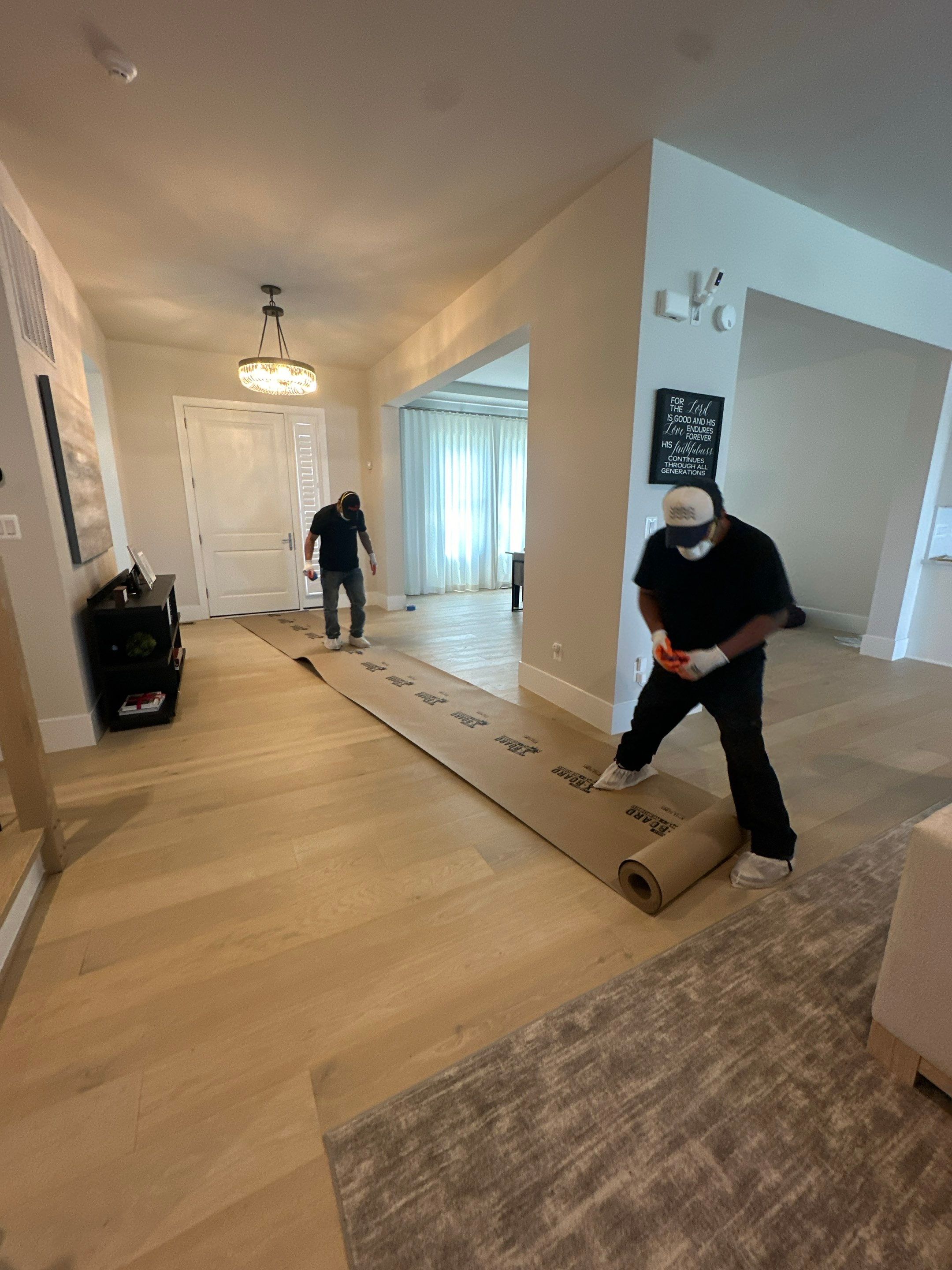
We removed the water-damaged materials from the affected wall assembly, following IICRC S500 water damage restoration protocols to ensure thorough remediation. Floor coverings were laid down throughout the work area to protect the home's finishes during the extraction and removal process. The homeowners remained informed at each stage, from initial moisture mapping through final material removal, allowing them to understand the scope and progress of the work.
The linked review reflects the satisfaction that comes from a methodical, transparent approach to an otherwise disruptive event. Thermal imaging allowed us to target the intervention precisely, minimizing unnecessary demolition while ensuring that all affected materials were identified and removed. By documenting moisture boundaries and keeping communication clear, we turned a discovered leak into a controlled, completed remediation rather than an expanding problem.
Frequently asked questions
Why is thermal imaging important for water damage detection in Great Falls homes?
Thermal imaging allows Restoration Doctor to locate hidden moisture intrusion behind walls and under flooring without invasive demolition, which is especially valuable in Great Falls' larger-lot homes where plumbing runs can be extensive and leaks may go unnoticed longer. In this Great Falls property, thermal scanning revealed moisture migration in the bathroom wall that wasn't visible to the eye, enabling targeted remediation of only the affected materials. This approach minimizes disruption and focuses drying efforts where they're actually needed, rather than guessing at the extent of water spread.
What does flooring and carpet remediation involve after water damage in Fairfax County?
Restoration Doctor's flooring remediation in Fairfax County begins with moisture mapping to determine which materials can be dried in place and which must be removed to prevent mold colonization or structural compromise. For this Great Falls job, water-damaged carpet and underlayment were carefully extracted after the thermal inspection confirmed saturation levels, and protective floor coverings were placed to shield unaffected areas during the work. The goal is to remove compromised materials while preserving as much of the original structure as possible, then prepare the subfloor for safe reinstallation once drying is complete.
How quickly should I call for water damage restoration in Great Falls, VA?
Restoration Doctor recommends contacting a water damage specialist in Great Falls within hours of discovery, as moisture begins affecting building materials and creating conditions for secondary damage almost immediately. In this case, the homeowner's prompt call allowed us to deploy thermal imaging and begin remediation before the intrusion spread beyond the bathroom wall cavity. Fairfax County's humid Mid-Atlantic climate accelerates deterioration, so early professional assessment protects both the structure and the homeowner's ability to document the loss for insurance.
Can water damage behind walls dry on its own, or does it need professional extraction?
Water trapped in wall cavities or beneath flooring rarely dries adequately without controlled intervention, especially in a climate like Fairfax County's where ambient humidity slows natural evaporation. Restoration Doctor uses thermal imaging to confirm the presence and extent of hidden moisture, then removes saturated materials—like the compromised bathroom wall components in this Great Falls home—to ensure thorough drying and prevent long-term issues. Leaving concealed water to air-dry risks mold growth, wood rot, and lingering odors that become far more expensive to address later.
What should I expect during a water damage inspection at my Great Falls property?
During Restoration Doctor's water damage inspection in Great Falls, a technician will use moisture meters and thermal-imaging cameras to map the full extent of intrusion, even in areas not visibly wet. For this job, the thermal scan identified moisture in the bathroom wall and guided the removal of affected flooring and carpet, while protective coverings were laid to prevent cross-contamination. The homeowner received a clear scope of work before remediation began, with regular updates throughout the process to ensure transparency and alignment on the restoration plan.
Explore more restoration work
All projects in Great Falls · Water Damage Restoration in Great Falls
Water, fire, or mold damage in Great Falls?
Restoration Doctor responds 24/7 across Great Falls and Northern Virginia. Free assessment and transparent, insurance-friendly estimates — no obligation.
See our Water Damage Restoration services at restorationdoctors.com →