Thorough Water Damage Remediation and Mold Prevention
About this mold remediation project
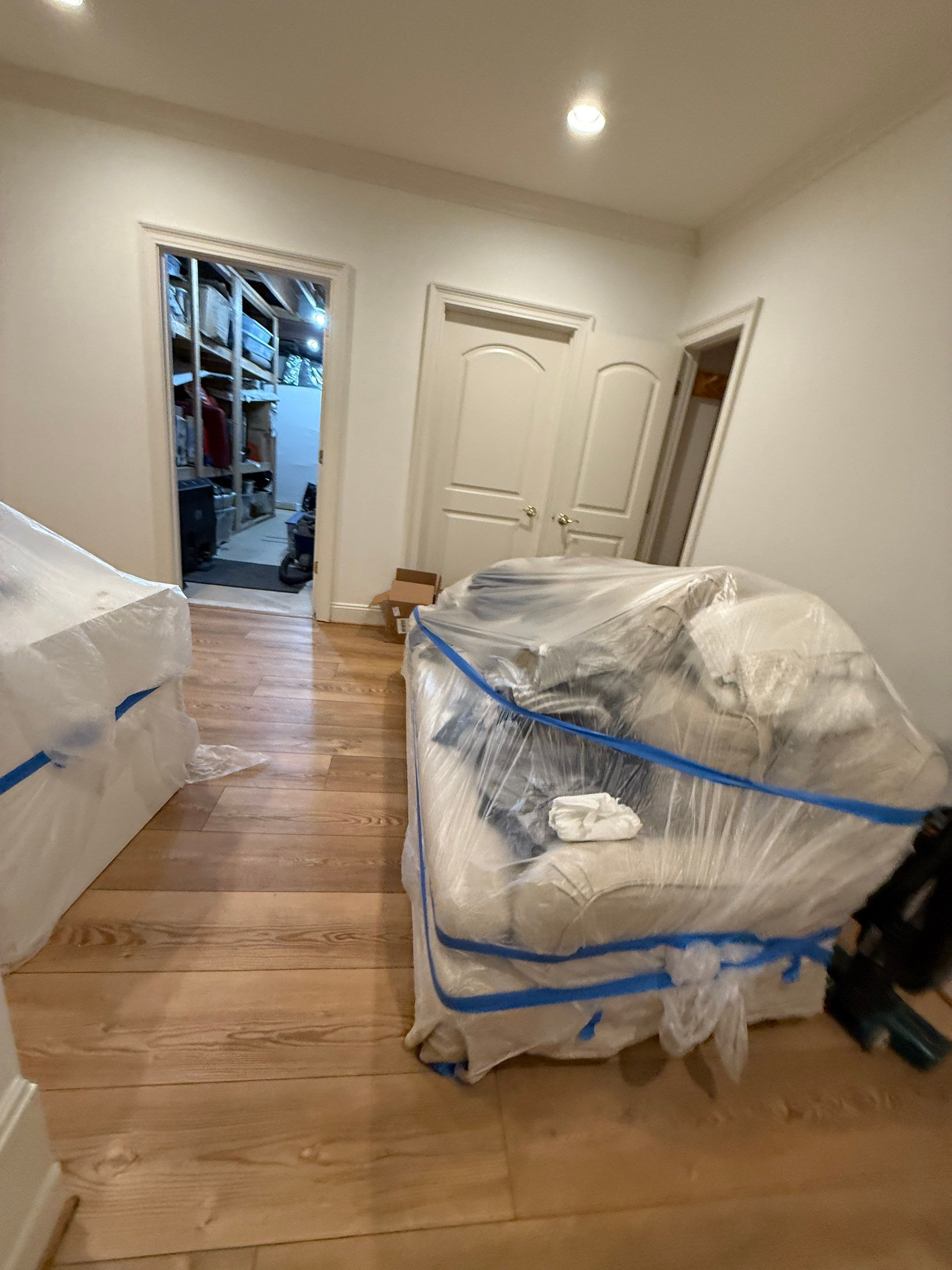
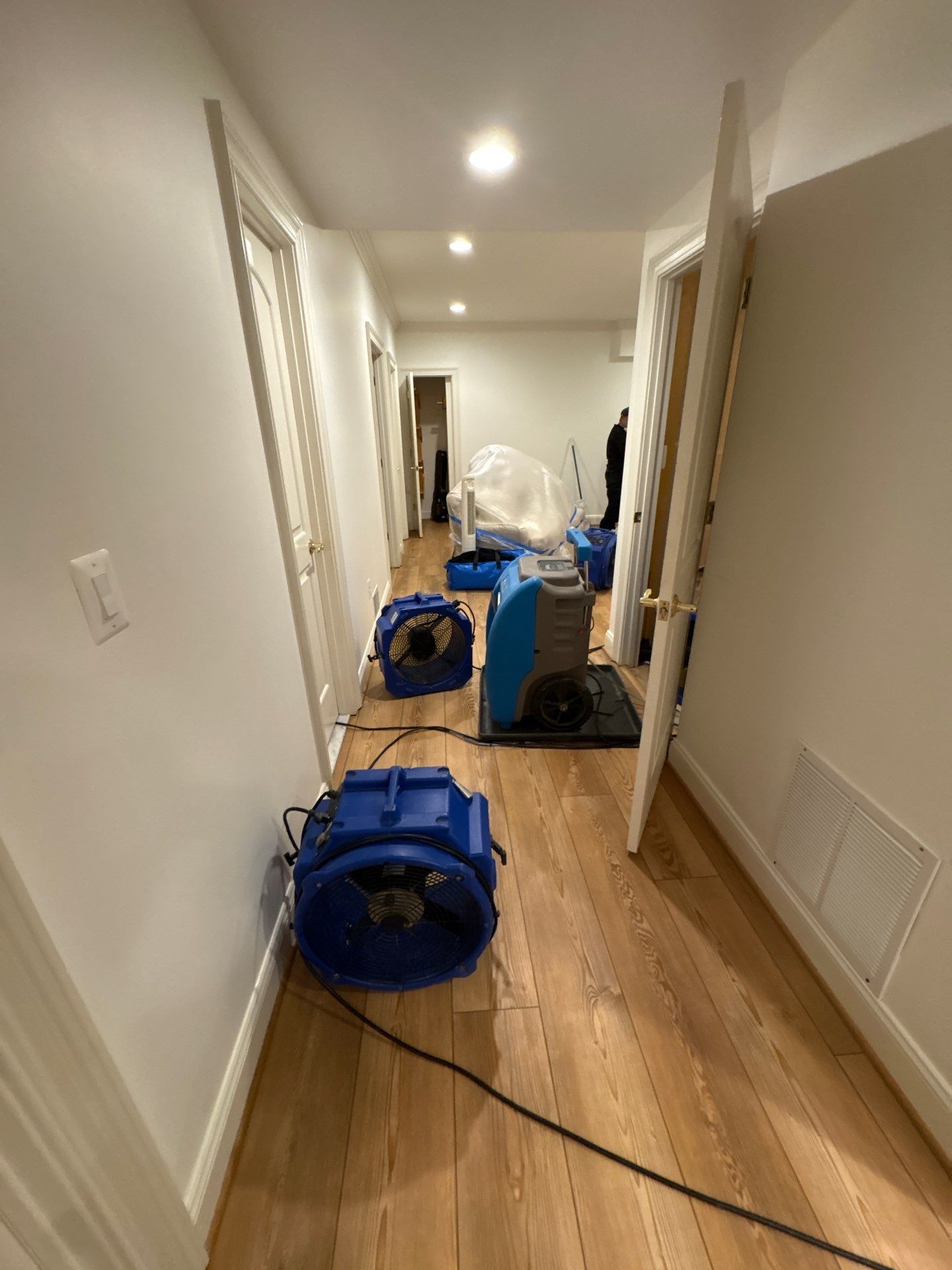
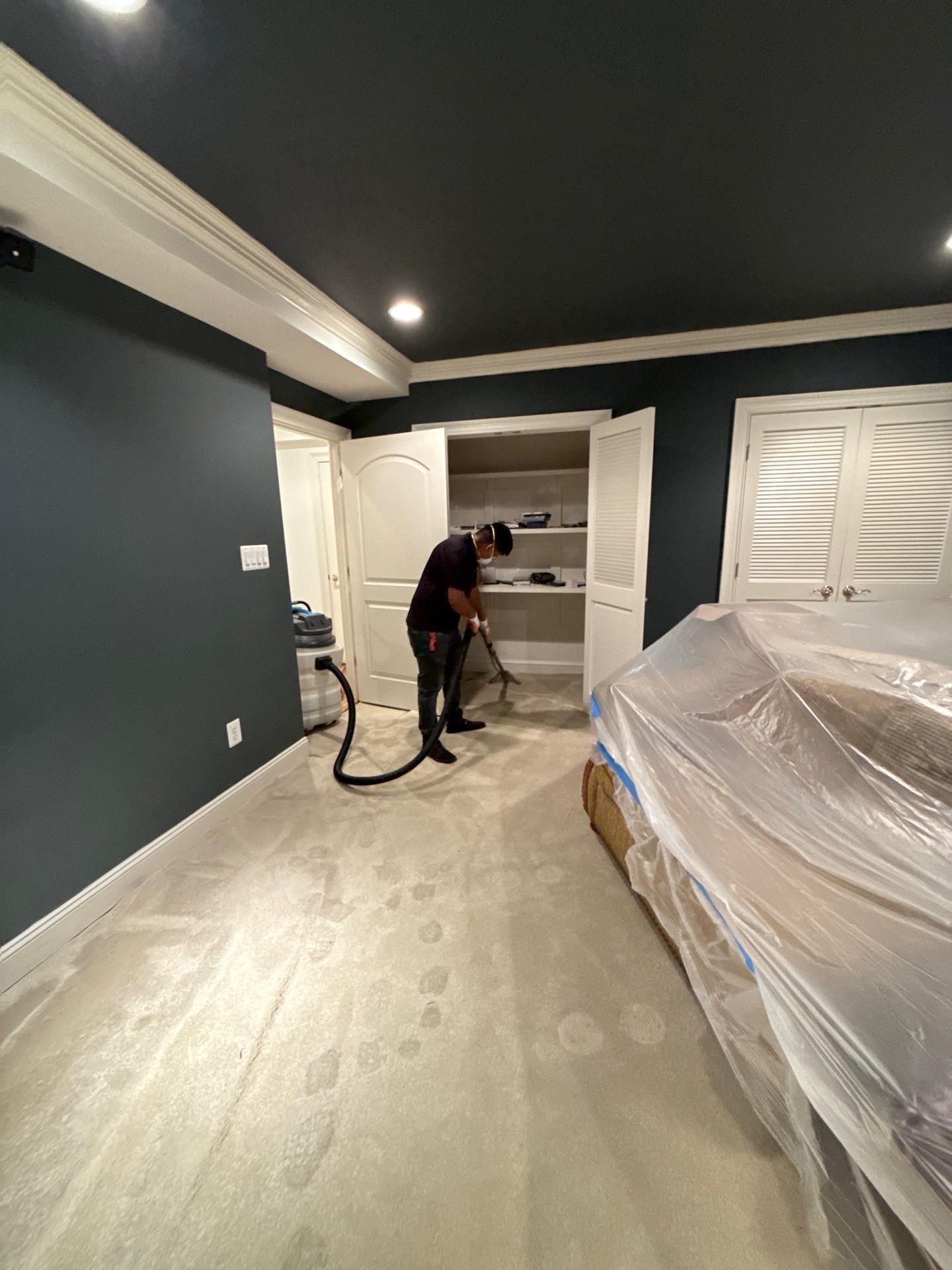
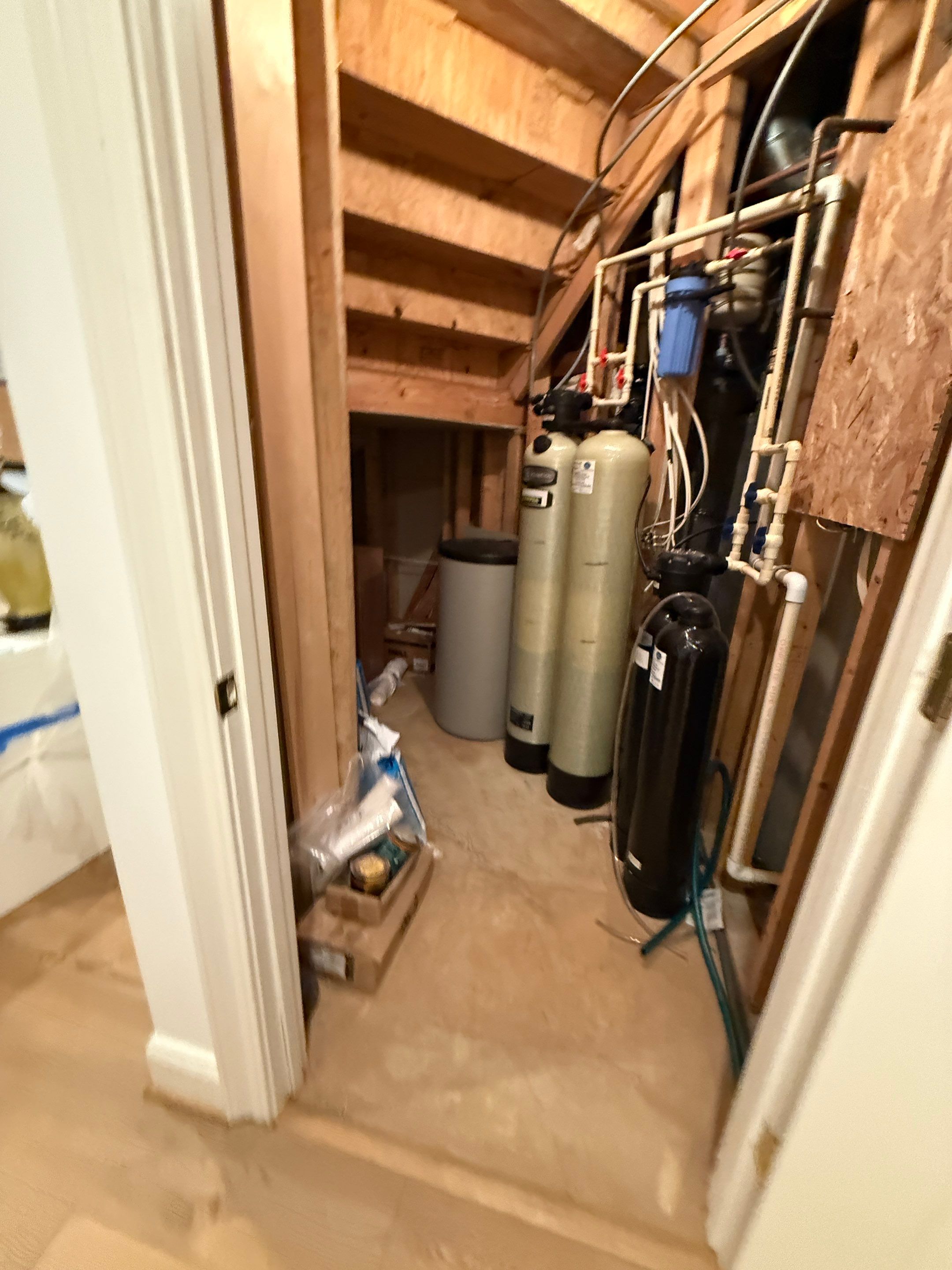
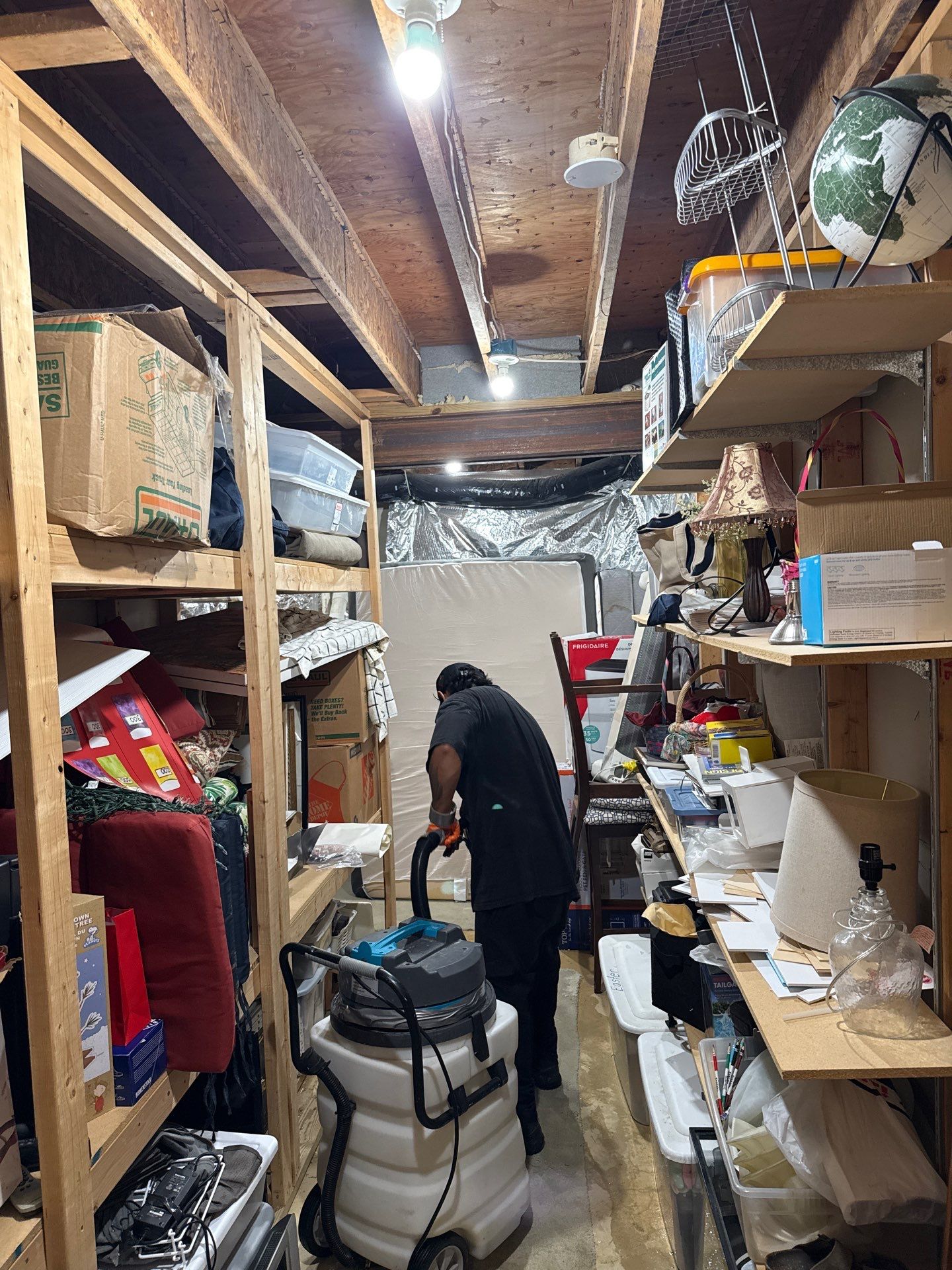
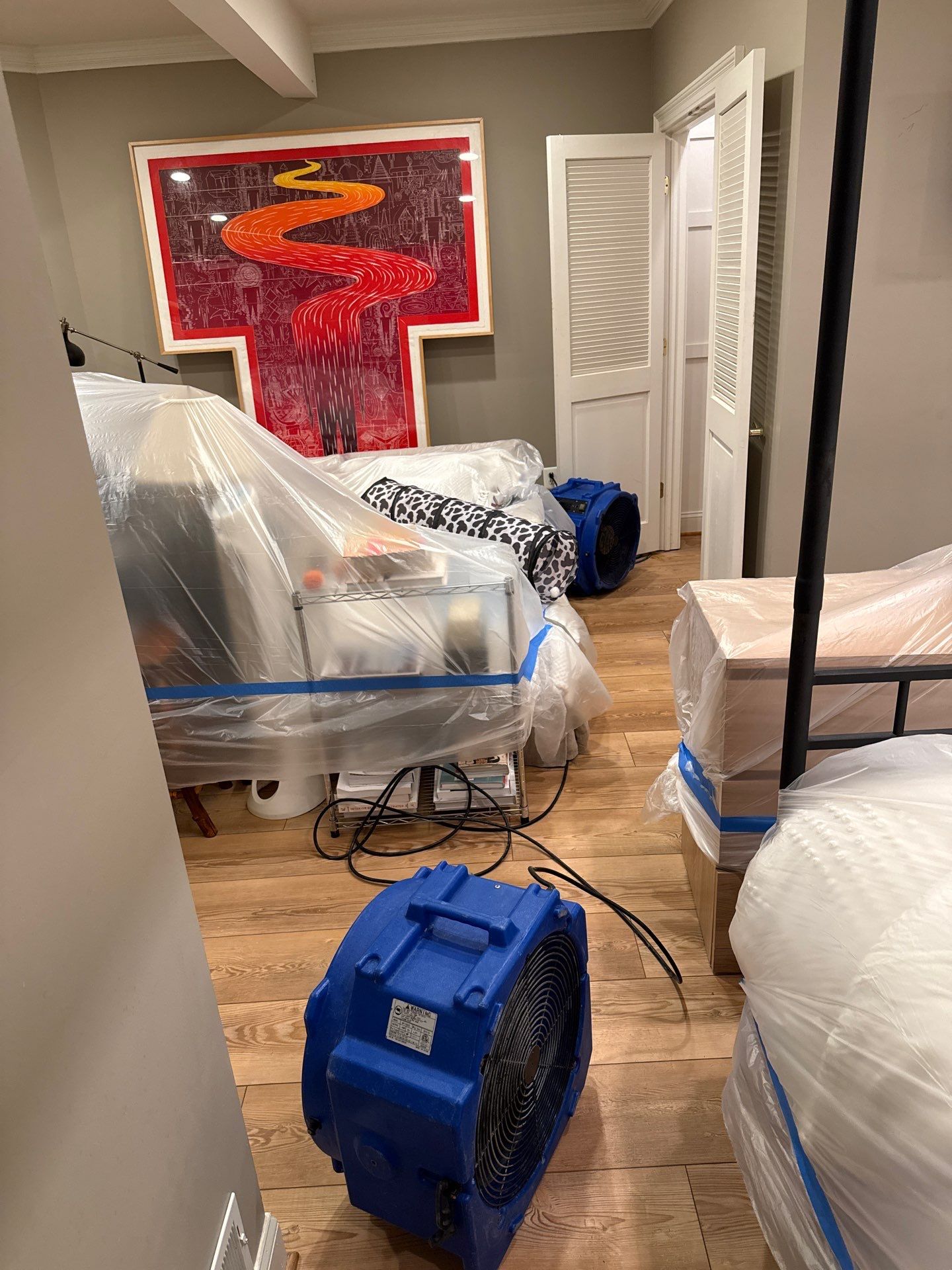
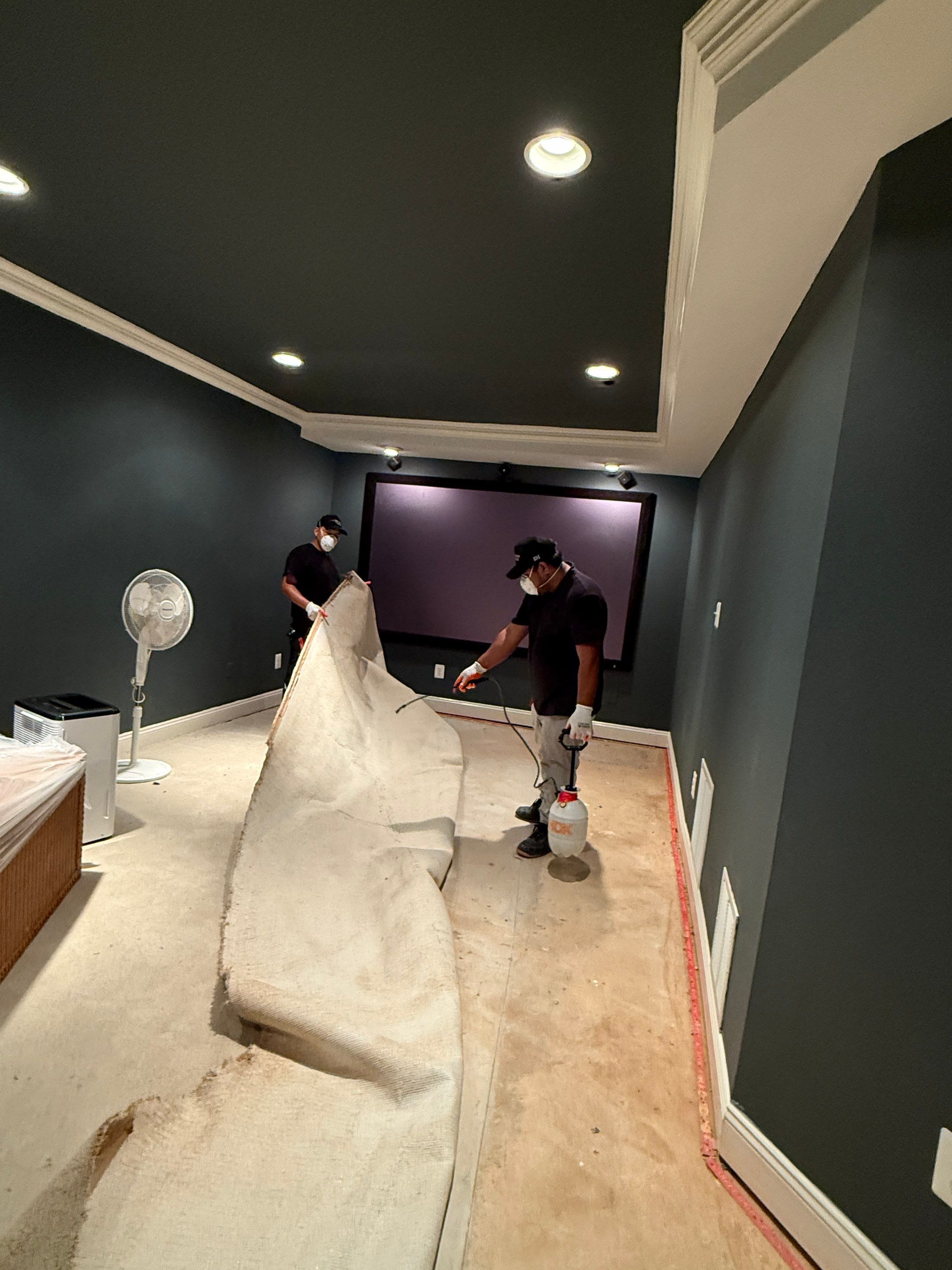
Water intrusion had allowed mold to take hold in a Great Falls residence, a scenario that unfolds quickly in Fairfax County's humid Mid-Atlantic climate, where larger-lot homes on well and septic systems often face moisture management challenges compounded by heavy regional rain events. The first priority was safeguarding unaffected belongings—plastic sheeting went down to isolate furnishings from the work zone while we extracted standing water with commercial vacuums. Compromised wall sections came out entirely; surface drying alone would have left hidden moisture pockets to fuel regrowth. With damaged materials removed, we positioned air movers and dehumidifiers to bring structural moisture content back to baseline, following IICRC S520 protocols for post-water mold remediation. The final step was a comprehensive antimicrobial treatment of all affected surfaces, ensuring no viable spores remained to recolonize once the space returned to service. The homeowner noted in their review how relieved they were to see the process handled methodically from containment through final sanitation, and the completed work restored both the structural integrity and the indoor air quality the home had lost to prolonged moisture exposure.
Frequently asked questions
Why is mold remediation after water intrusion common in Great Falls homes on septic systems?
In Great Falls, many larger-lot homes sit on well and septic systems with crawlspaces or basements that can trap moisture after heavy regional rain events. When standing water from a leak or intrusion isn't extracted quickly, the humid Mid-Atlantic climate accelerates microbial growth on organic building materials. Restoration Doctor combines water extraction, structural drying, and sanitizing to address both the moisture source and the mold colonization before it spreads through the home.
What does contents protection involve during mold remediation in Fairfax County?
Restoration Doctor covers furniture, electronics, and other belongings with plastic sheeting to shield them from cross-contamination during the remediation process. This step is especially important when standing water has already affected living spaces, as airborne spores can settle on porous items during demolition and cleaning. Once the affected structural materials are removed and the space is sanitized, contents can be safely uncovered and returned.
How does Restoration Doctor prevent mold from returning after removing damaged wall sections in Great Falls?
After extracting standing water and cutting out compromised drywall, we deploy commercial dehumidifiers and air movers to dry the framing and subfloor to industry moisture benchmarks. The space is then sanitized with an antimicrobial treatment that addresses residual spores on non-porous surfaces. Eliminating the moisture that fed the original growth—and confirming dry conditions with moisture mapping—prevents recolonization in the same cavity.
Does homeowners insurance typically cover mold remediation following sudden water intrusion in Virginia?
Most Northern Virginia homeowners policies cover mold remediation if the growth resulted from a sudden, accidental water event—such as a burst pipe or appliance failure—rather than long-term neglect or maintenance issues. Restoration Doctor documents the cause of loss, the moisture readings, and the scope of work to support the claim, but coverage terms vary by carrier and policy endorsements. Homeowners should review their declarations page and file promptly after discovering the loss.
What drying equipment does Restoration Doctor use after standing-water extraction in Fairfax County homes?
We position low-grain refrigerant dehumidifiers and high-velocity air movers in the affected rooms to create controlled airflow across wet structural surfaces and pull moisture from the air. In Great Falls homes with crawlspaces or finished basements, equipment placement accounts for the layout and the presence of well/septic infrastructure that may limit electrical capacity. Daily moisture readings guide equipment repositioning until materials reach dry-standard thresholds and the risk of secondary microbial growth is eliminated.
Explore more restoration work
All projects in Great Falls · Mold Remediation in Great Falls
Water, fire, or mold damage in Great Falls?
Restoration Doctor responds 24/7 across Great Falls and Northern Virginia. Free assessment and transparent, insurance-friendly estimates — no obligation.
See our Mold Remediation services at restorationdoctors.com →