Extensive Water Damage Restoration
About this water damage restoration project
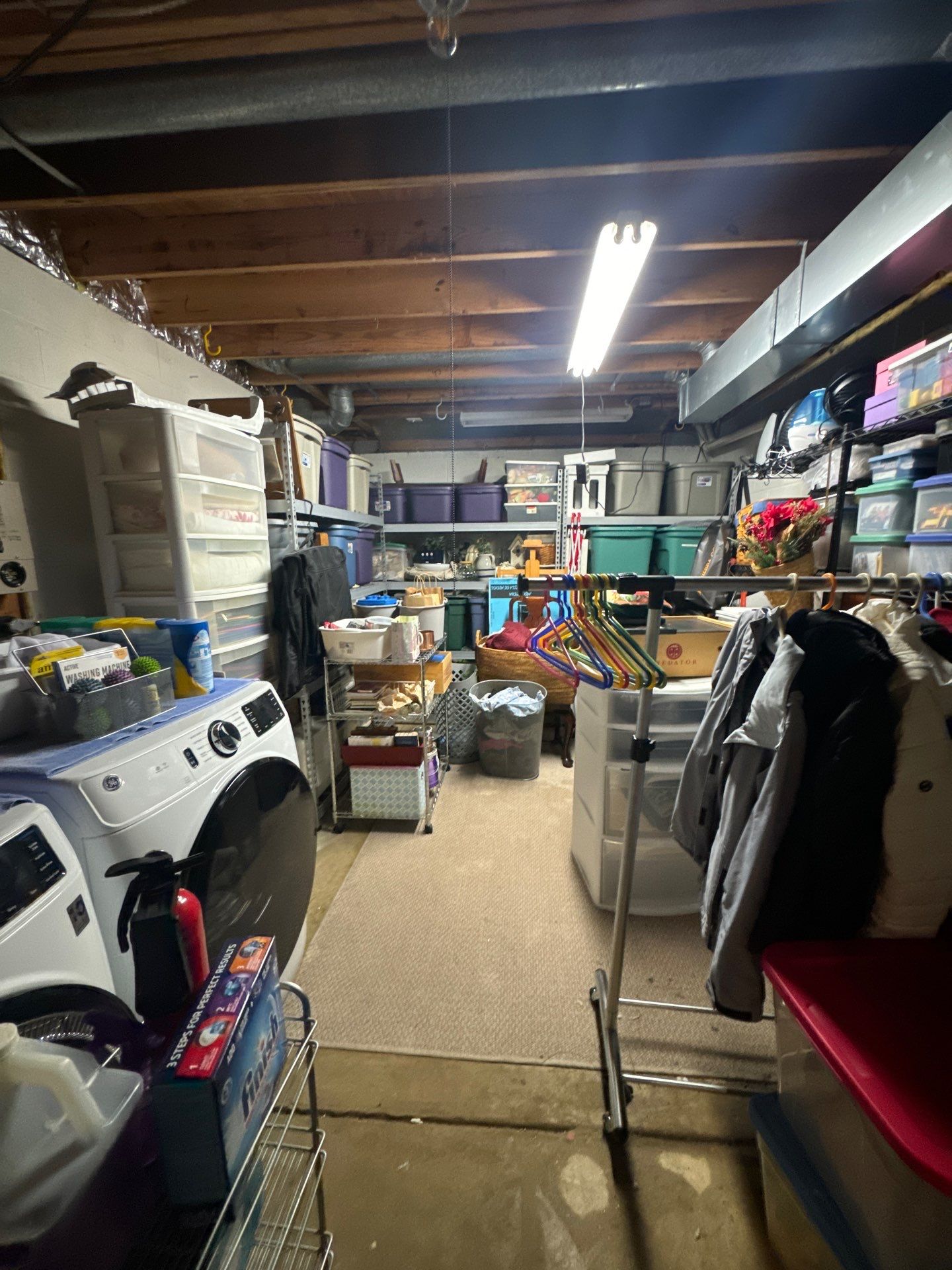
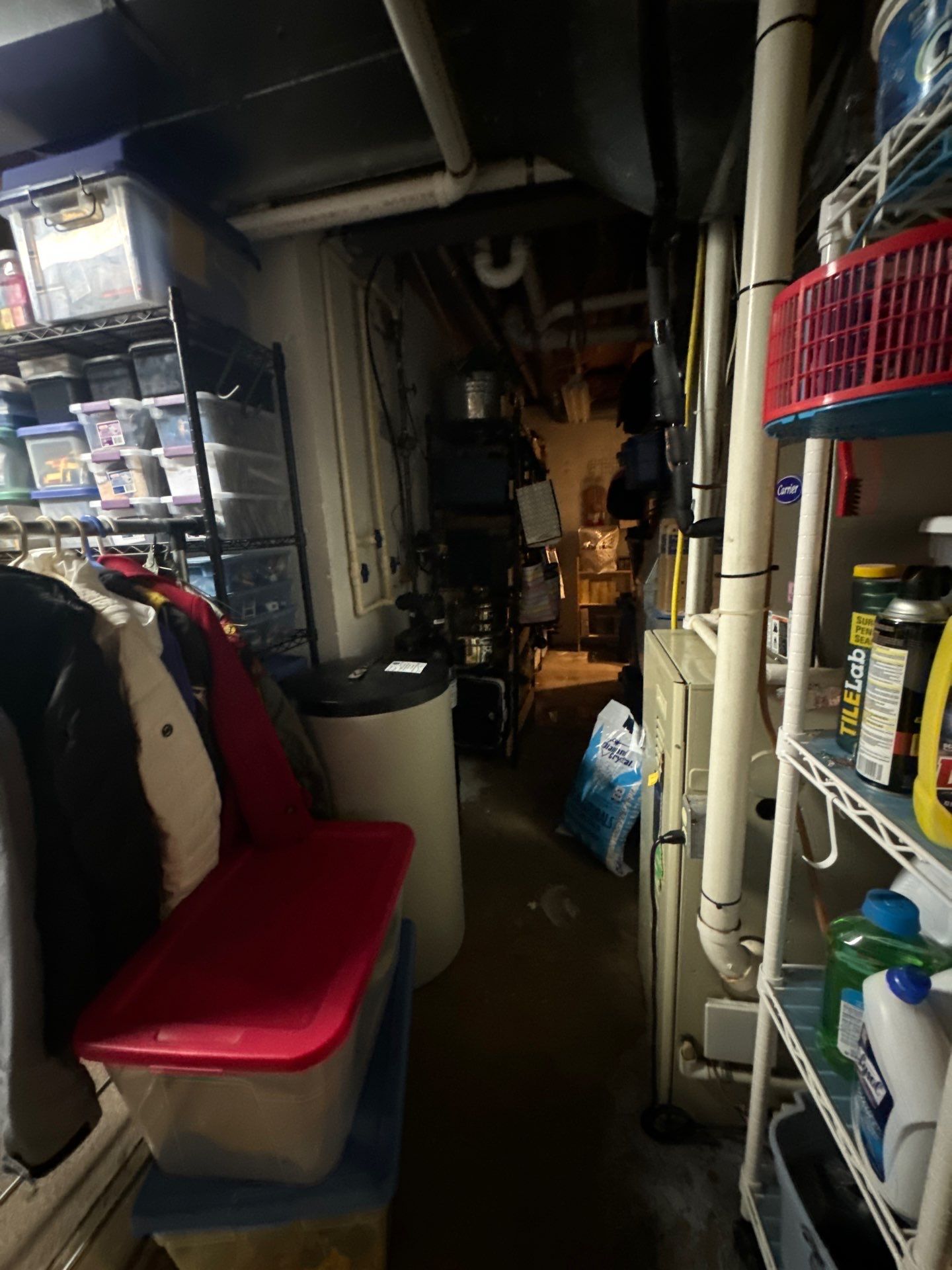
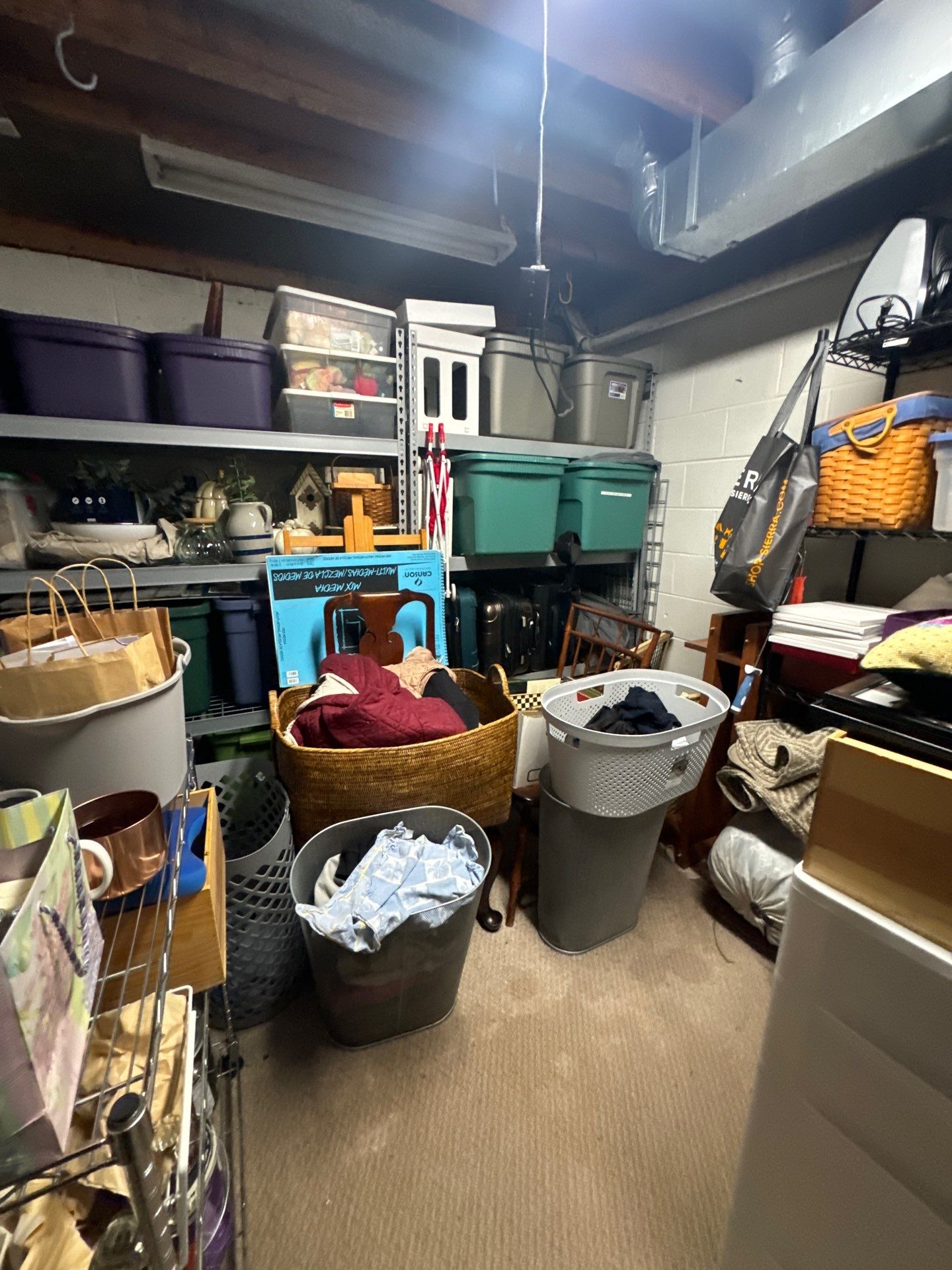
A packed basement storage area in a Great Falls home sustained extensive water damage, a scenario familiar in Fairfax County's larger-lot properties where heavy regional rain events and aging foundation drainage systems can converge. The challenge here was immediate: moisture had infiltrated a densely packed space, limiting access and making standard assessment difficult.
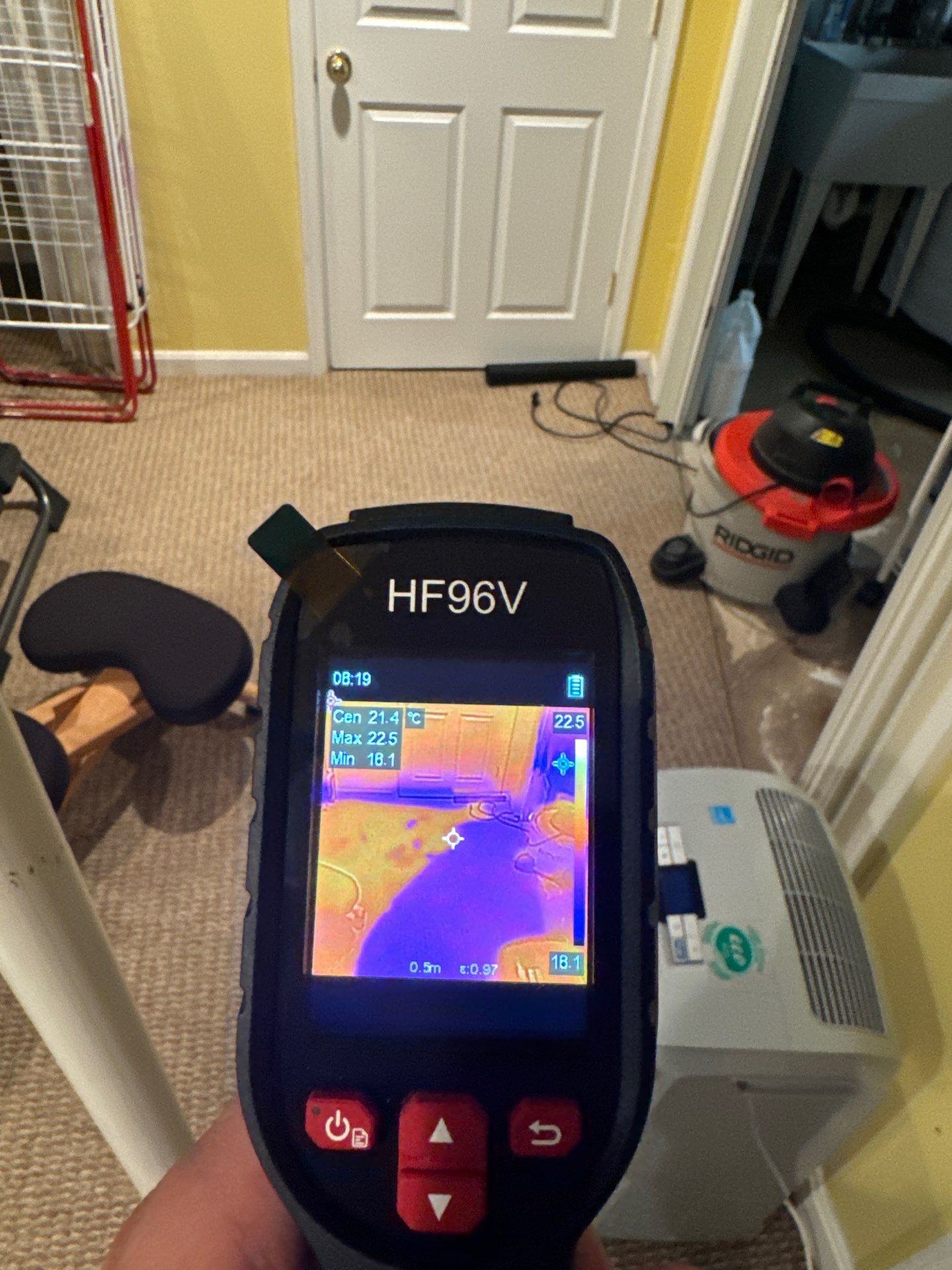
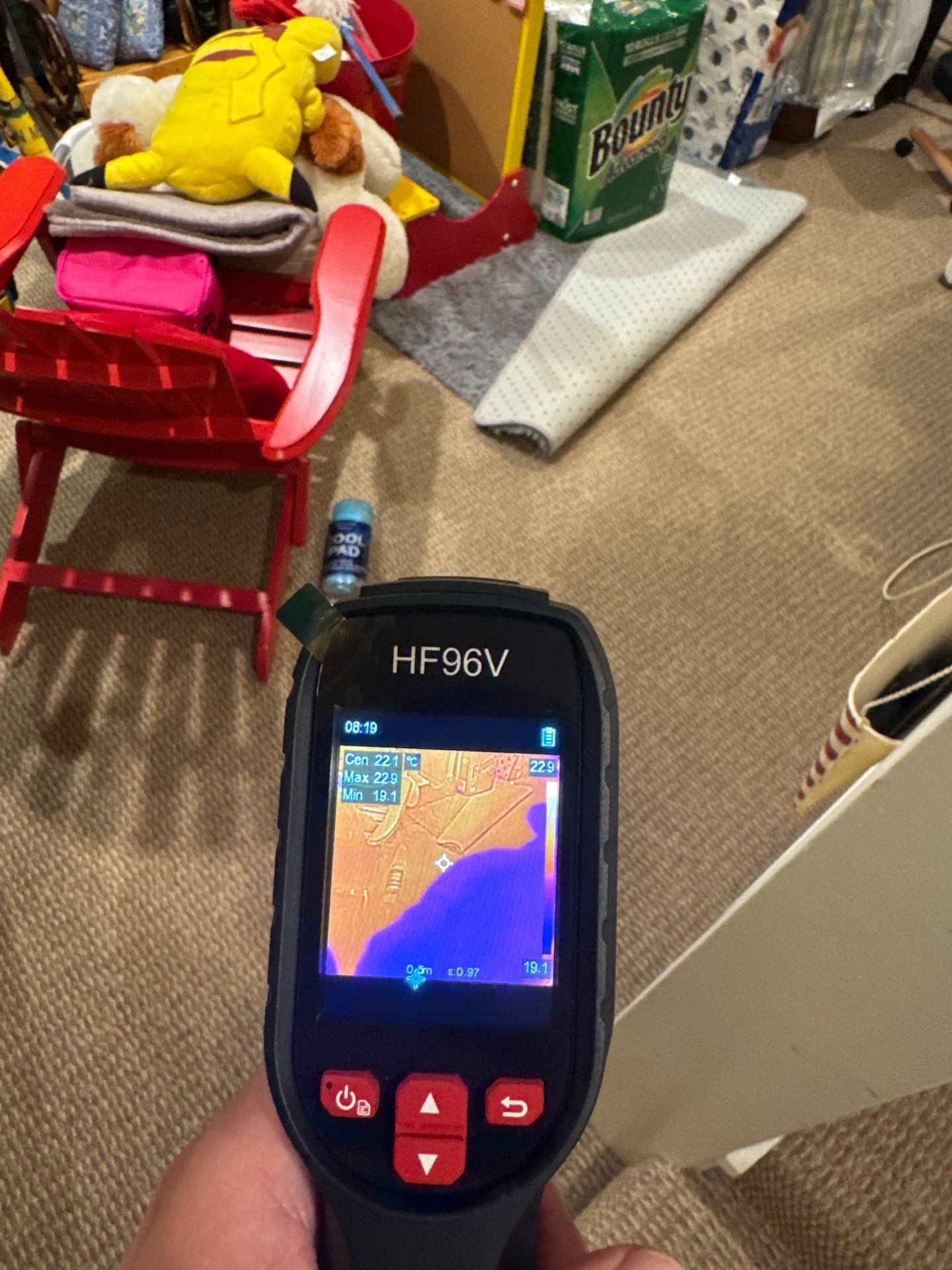
We began with infrared thermal imaging to map moisture hotspots through the stored belongings, identifying saturated zones that visual inspection alone would have missed. This initial scan guided our extraction and drying strategy, ensuring no hidden pockets of moisture were overlooked. Working methodically through the confined area, we positioned high-powered air movers and commercial dehumidifiers in a configuration that maintained airflow despite the obstacles, following IICRC S500 principles for controlled drying.
The homeowner's belongings remained in place where feasible, with our team navigating around them to treat affected structural surfaces—subfloor, lower wall sections, and any compromised framing. Daily moisture mapping tracked progress as readings dropped toward equilibrium. The review left by the homeowner reflected confidence in the measured approach and the care taken around stored items during a disruptive process. The basement is now dry, with all monitored areas meeting target thresholds.
Frequently asked questions
How does Restoration Doctor handle water damage in a packed basement with limited access?
For this Great Falls structural drying project, Restoration Doctor used infrared technology to map moisture hotspots in the tight storage area, then carefully positioned high-powered drying equipment to treat all affected zones without disturbing the homeowner's belongings more than necessary. We document the layout and prioritize critical areas first, ensuring thorough treatment even when working around dense contents. The approach keeps disruption minimal while achieving a complete dry-down.
Why is infrared scanning important for water damage restoration in larger homes?
In Fairfax County's larger-lot homes like those in Great Falls, water can migrate through framing and insulation in ways not visible to the eye, especially in finished basements with extensive storage. Restoration Doctor's infrared cameras detect temperature differentials that reveal hidden moisture pockets behind walls or under flooring, so drying equipment targets the actual affected areas rather than guessing. This precision prevents secondary damage and ensures nothing is missed in a sprawling layout.
What does 'structural drying' mean in a basement water damage job?
Structural drying focuses on removing moisture from the building materials themselves—concrete slabs, framing lumber, drywall, insulation—rather than just surface water. Restoration Doctor deploys air movers and dehumidifiers in Great Falls to create controlled airflow that pulls moisture out of porous materials, monitored with moisture meters until readings return to normal. The goal is to dry the structure to a stable state that prevents mold growth and material degradation.
How long does basement structural drying typically take after water damage?
Drying duration depends on the extent of saturation, the materials affected, and environmental conditions, but most residential basement jobs in Great Falls take three to seven days of continuous equipment operation. Restoration Doctor tracks moisture levels daily with meters and adjusts equipment placement as readings drop, completing the process when all materials meet the dry standard. Homes on septic systems or in humid summer conditions may require slightly longer monitoring to ensure stability.
Can contents be protected in place during basement water damage restoration?
When space allows, Restoration Doctor often leaves non-affected contents in place and works around them, as we did in this Great Falls basement storage area. Items in the direct path of drying equipment or sitting in wet zones are relocated temporarily, but the majority of belongings can stay put if they're dry and out of the treatment footprint. We document and photograph placement so everything returns to its original location once drying completes.
Explore more restoration work
All projects in Great Falls · Water Damage Restoration in Great Falls
Water, fire, or mold damage in Great Falls?
Restoration Doctor responds 24/7 across Great Falls and Northern Virginia. Free assessment and transparent, insurance-friendly estimates — no obligation.
See our Water Damage Restoration services at restorationdoctors.com →