Water Damage Restoration
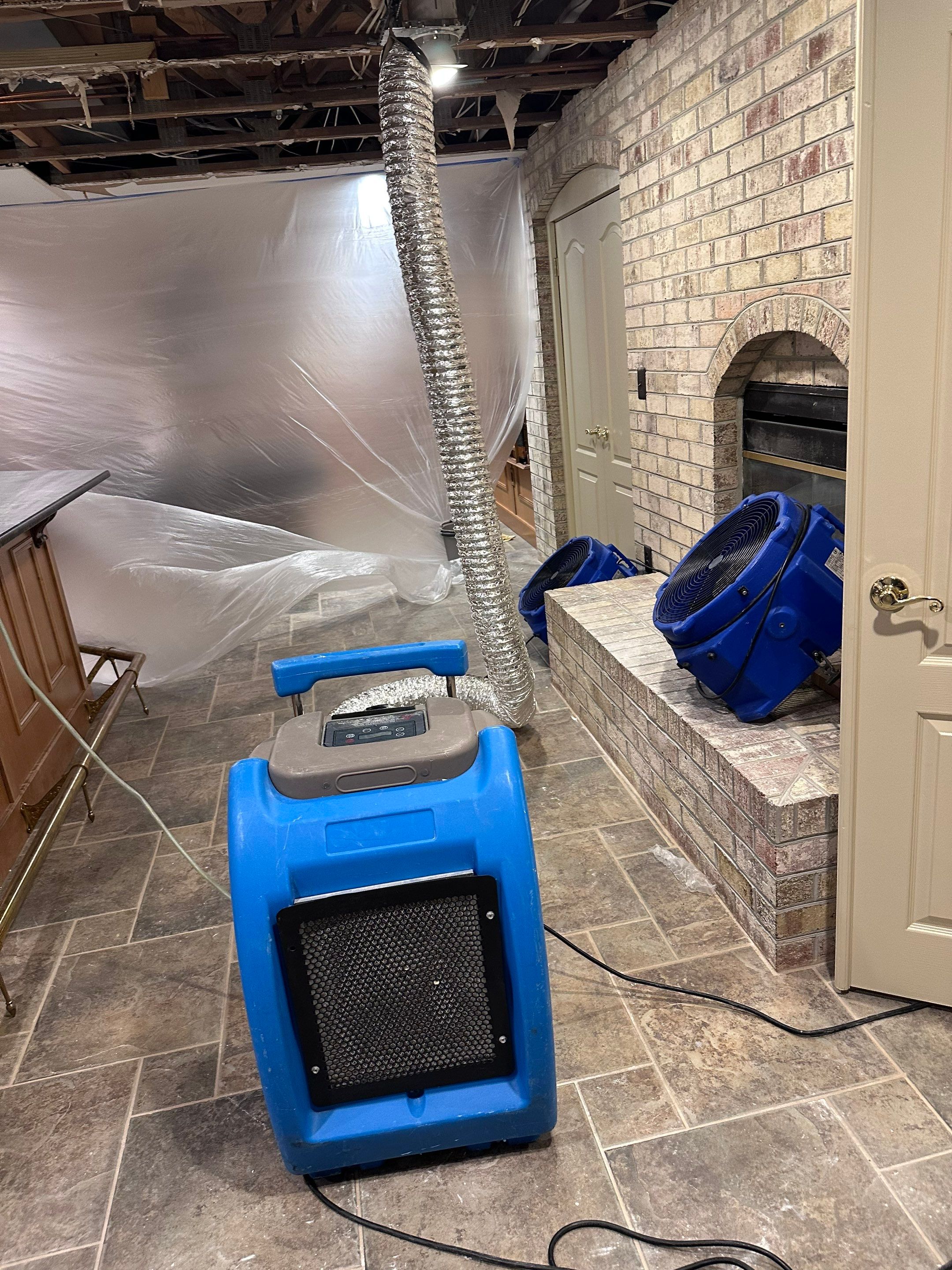
About this water damage restoration project
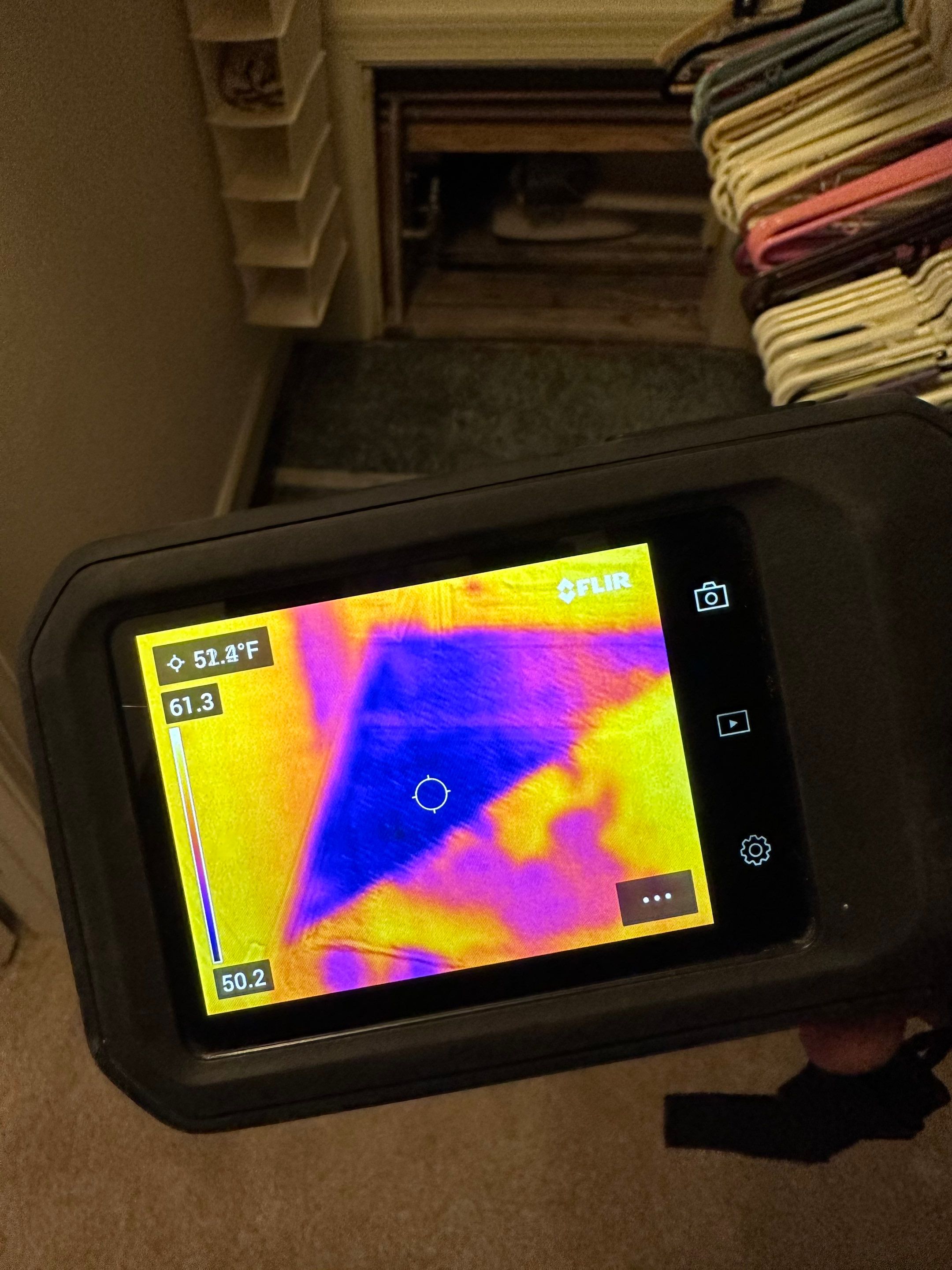
A ceiling water intrusion in a Great Falls home revealed the kind of hidden damage that often accompanies the area's heavy rain events, particularly in Fairfax County's larger-lot properties where roof systems cover more square footage and age variably. Thermal imaging became the diagnostic cornerstone of this project, mapping moisture that had migrated beyond the visible stain into adjacent ceiling cavities and wall assemblies—exactly the kind of concealed wetting that, left unaddressed, seeds secondary damage in wood framing.
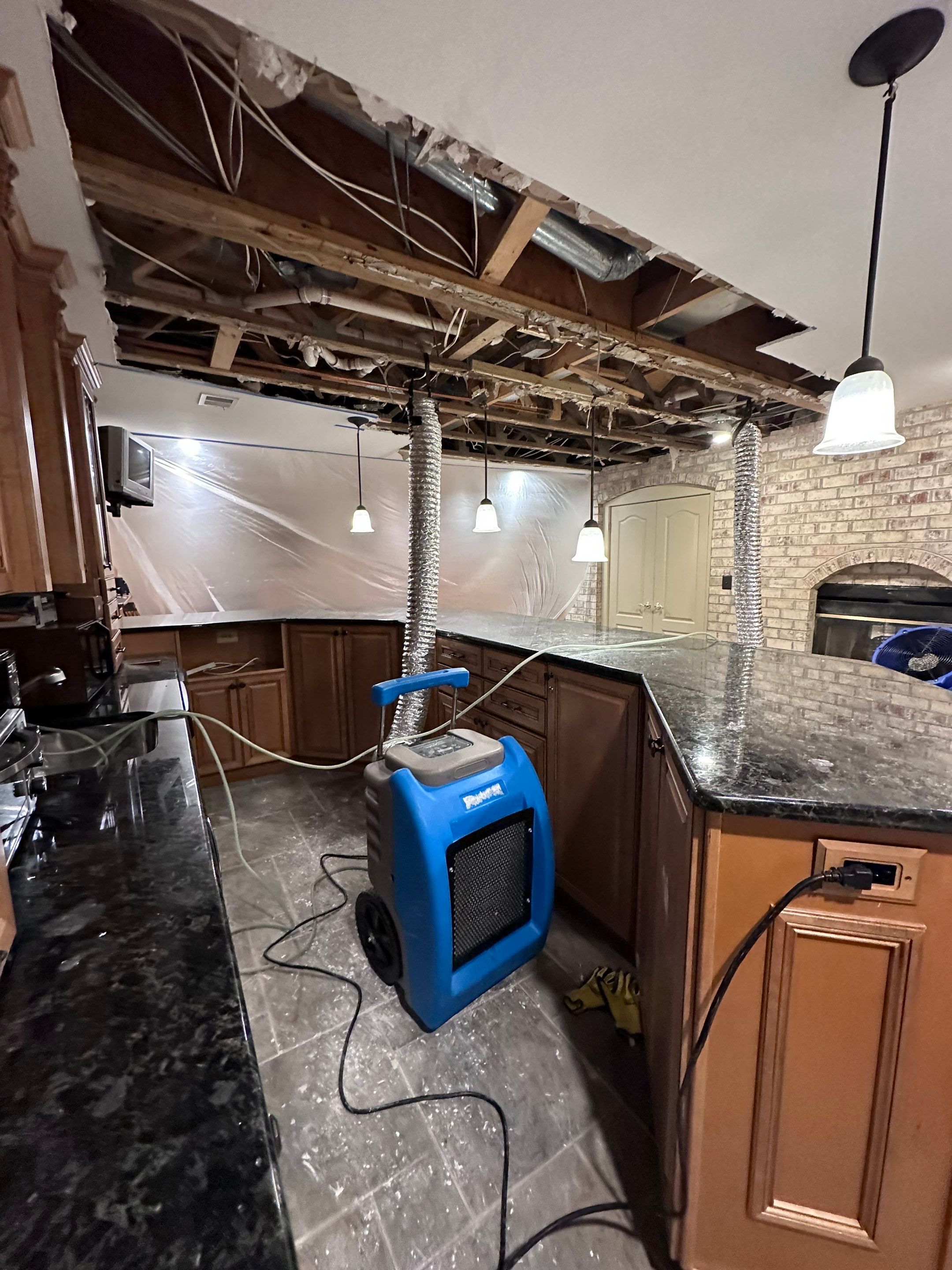
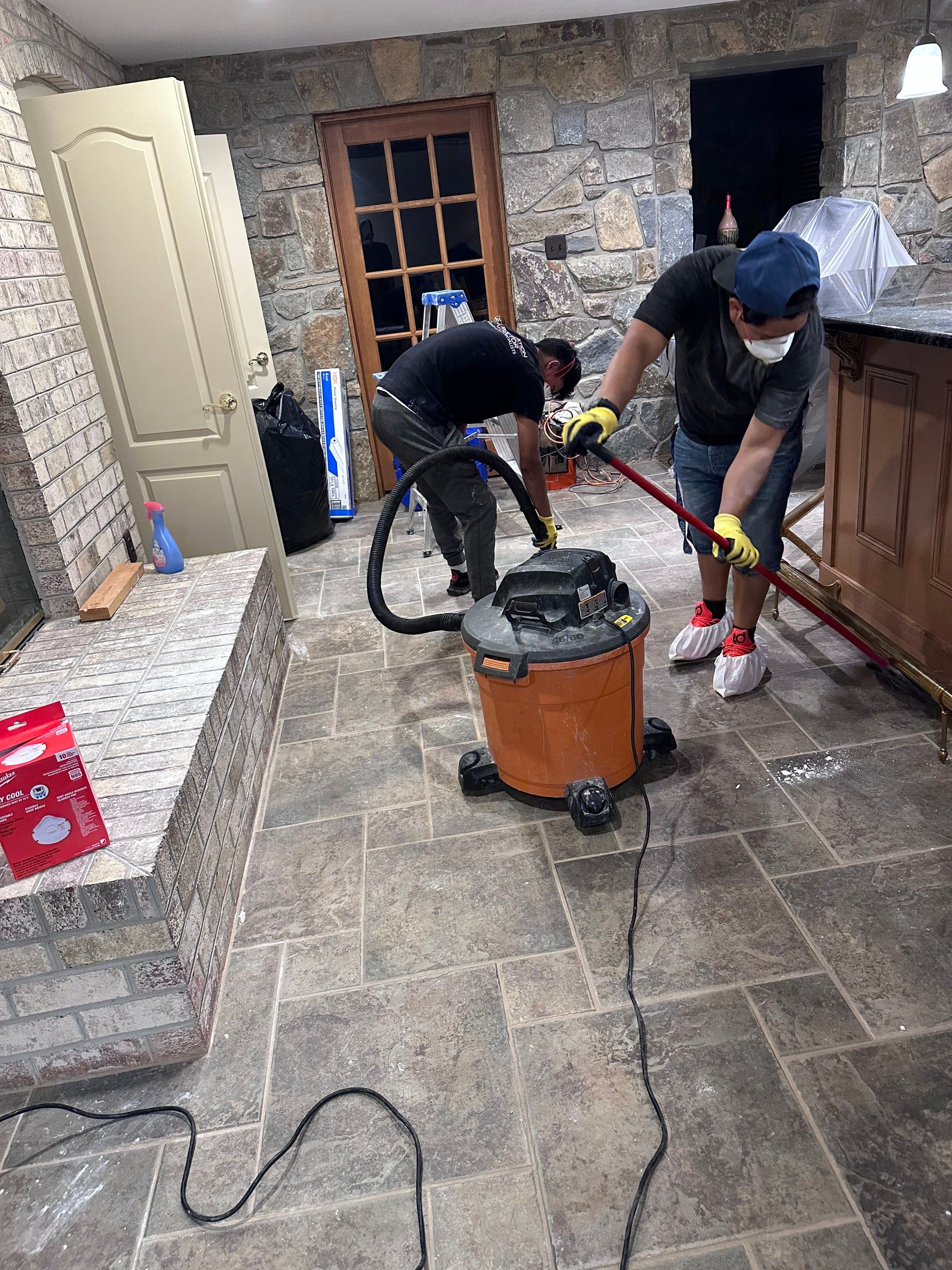
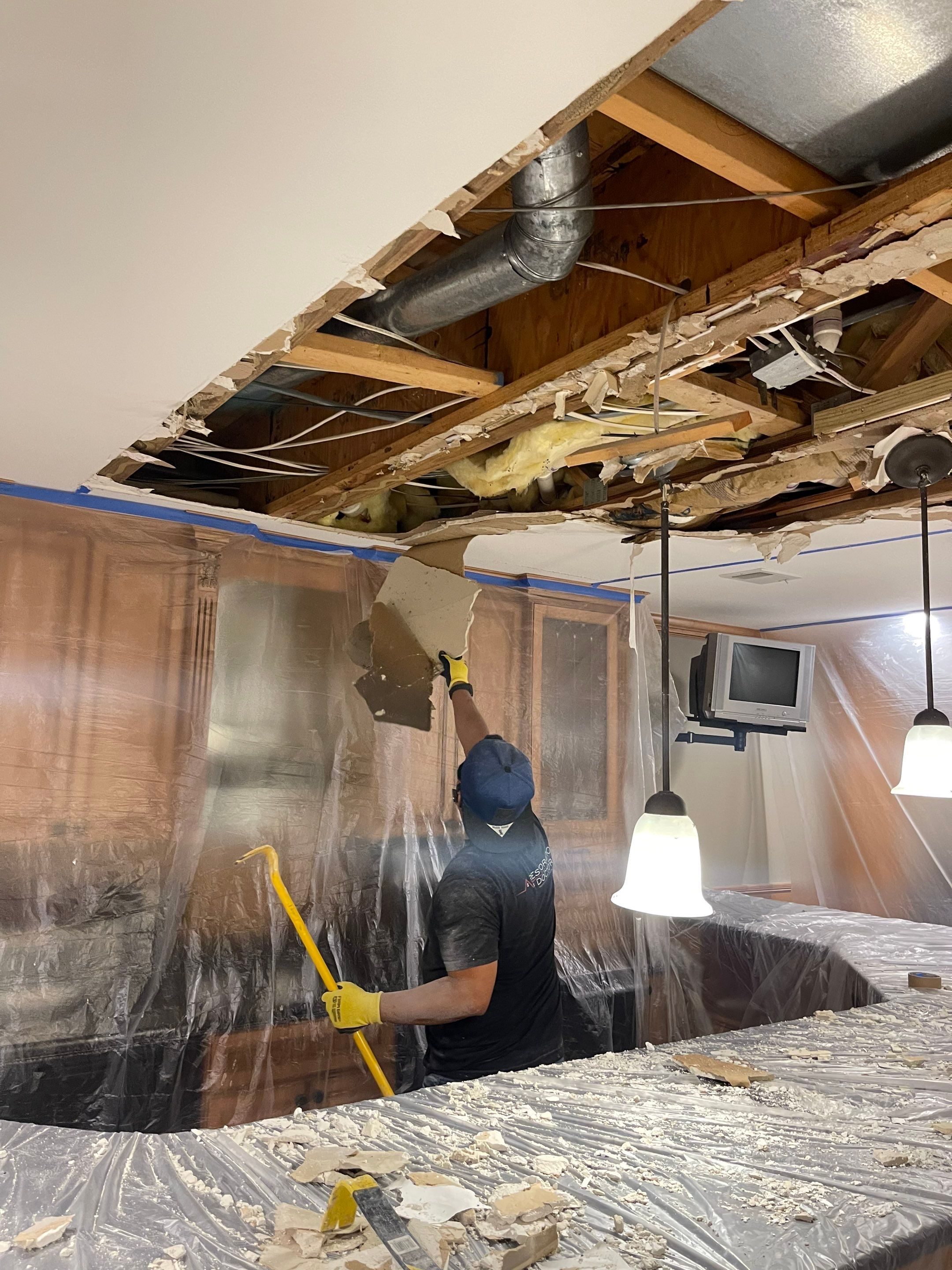
Once the full extent was charted, the team established containment barriers to isolate the affected zones, then deployed industrial-grade extraction vacuums to pull standing water from saturated materials. Air movers and commercial dehumidifiers ran in tandem to drive drying, a process guided by the IICRC S500 water-damage standard's protocols for controlled evaporation in structural cavities. Compromised ceiling sections were carefully removed to expose the deck above, allowing airflow to reach surfaces that would otherwise trap moisture and prolong the dry-down.
The homeowner noted in their review how thoroughly the work was explained and how quickly the space returned to normal—a reflection of the methodical sequence that began with imaging and ended with verified dryness across every affected plane.
Frequently asked questions
Why is thermal imaging important for roof leak water damage in Great Falls homes?
Thermal imaging allows Restoration Doctor to detect moisture trapped behind ceiling and wall surfaces that visual inspection alone would miss. In Great Falls properties—many with larger footprints and complex rooflines—hidden moisture from roof intrusion can migrate through framing and insulation, creating secondary damage sites far from the visible leak. Identifying these pockets early prevents structural decay and microbial growth that would otherwise go undetected until drying is complete.
How does Restoration Doctor protect unaffected areas during water extraction and drying in Great Falls?
Restoration Doctor establishes physical containment barriers using poly sheeting and zippered access panels to isolate the water-damaged zones from the rest of the home. This approach is especially valuable in Great Falls' larger single-family homes, where containing the work area prevents airborne moisture, dust from damaged ceiling removal, and equipment noise from spreading into living spaces. Negative air pressure within the containment further ensures that humid air does not migrate into adjacent rooms during the drying process.
What does the structural drying process involve after a ceiling water intrusion in Fairfax County?
Restoration Doctor uses a combination of industrial dehumidifiers and air movers to reduce moisture levels in affected framing, insulation, and finishes to the dry standard defined by the IICRC S500 water damage restoration guidelines. After standing water is extracted and damaged ceiling sections are removed for access, the equipment runs continuously—monitored with moisture meters and hygrometers—until readings confirm that structural materials have returned to their pre-loss moisture content. This prevents warping, swelling, and the conditions that support mold colonization in Fairfax County's humid Mid-Atlantic climate.
How quickly should I call for water damage restoration after a roof leak in Great Falls, VA?
Contact Restoration Doctor as soon as you discover active intrusion or standing water from a roof leak in Great Falls. Prompt response—ideally within hours—allows technicians to extract water, set containment, and begin drying before moisture penetrates deeper into ceiling joists, wall cavities, and insulation. Delays of even a day significantly increase the risk of secondary structural damage and create an environment where microbial growth can begin, particularly during the region's rainy spring and fall seasons when relative humidity stays elevated.
Does homeowners insurance typically cover roof leak water damage restoration in Fairfax County?
Coverage depends on whether the roof failure resulted from a sudden, accidental event—such as storm damage or a fallen tree limb—or from deferred maintenance like worn shingles or clogged gutters. Restoration Doctor works directly with Fairfax County homeowners and their insurers to document the loss with thermal imaging, moisture logs, and scope photos, helping to clarify the cause and support the claim. Policies vary widely, so reviewing your specific coverage and deductible with your agent early in the process is essential.
Explore more restoration work
All projects in Great Falls · Water Damage Restoration in Great Falls
Water, fire, or mold damage in Great Falls?
Restoration Doctor responds 24/7 across Great Falls and Northern Virginia. Free assessment and transparent, insurance-friendly estimates — no obligation.
See our Water Damage Restoration services at restorationdoctors.com →