Water Damage Restoration in Living Room from Second Floor Bathroom Leak
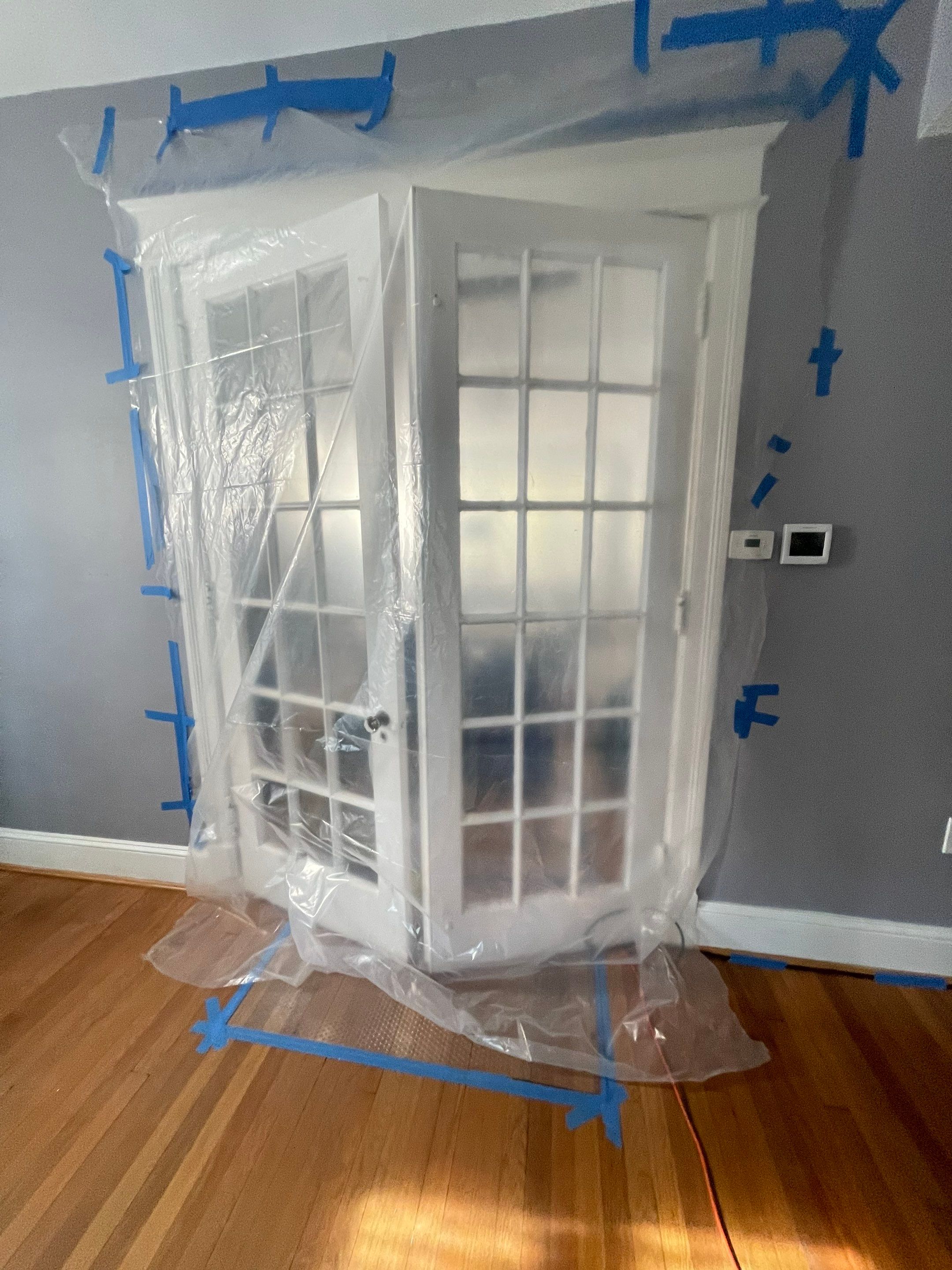
About this water damage restoration project
A clogged second-floor bathroom drain in Washington's established housing stock created a cascading water intrusion that damaged the living room directly below—a vertical loss pattern common in the region's multi-story residential construction. The overflow saturated ceiling materials, drywall, and flooring before the homeowner could isolate the source.
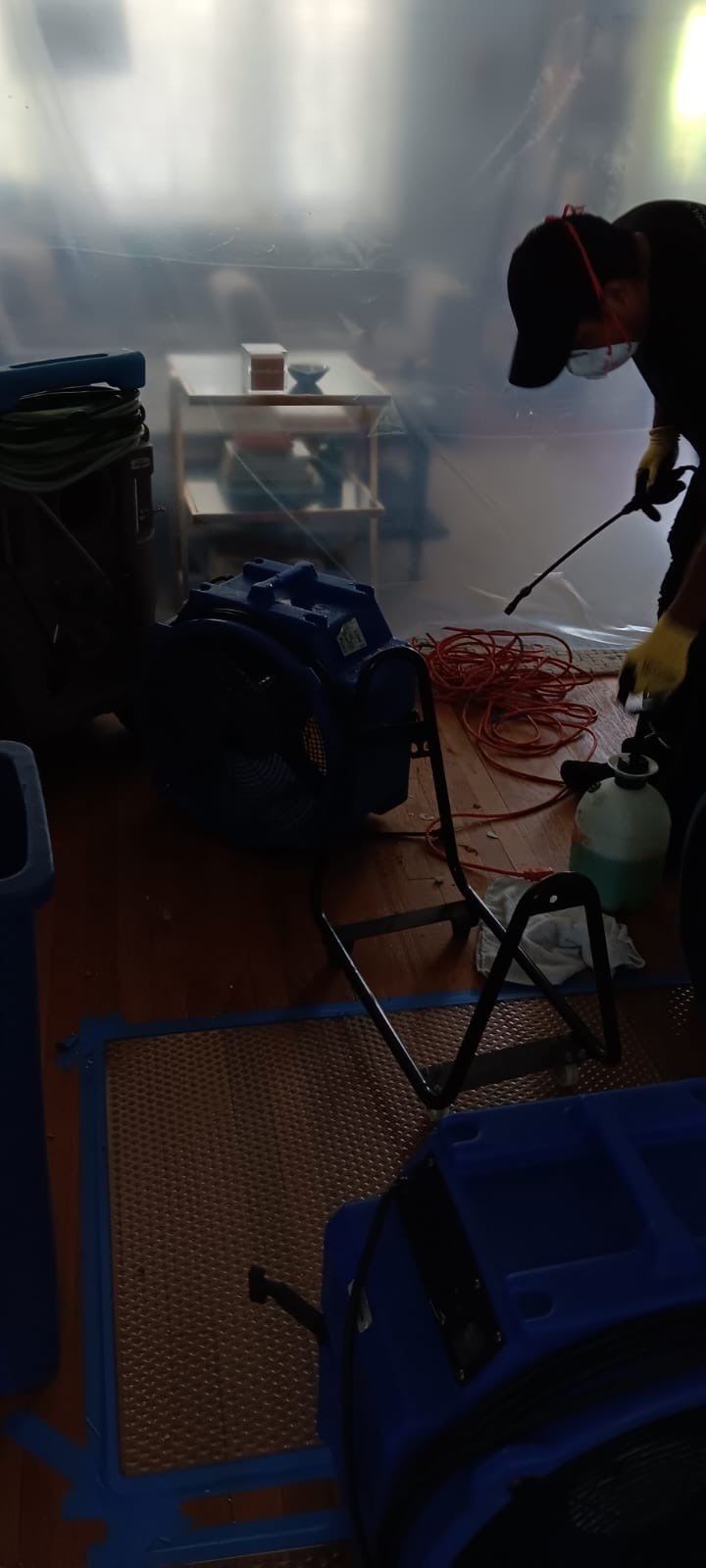
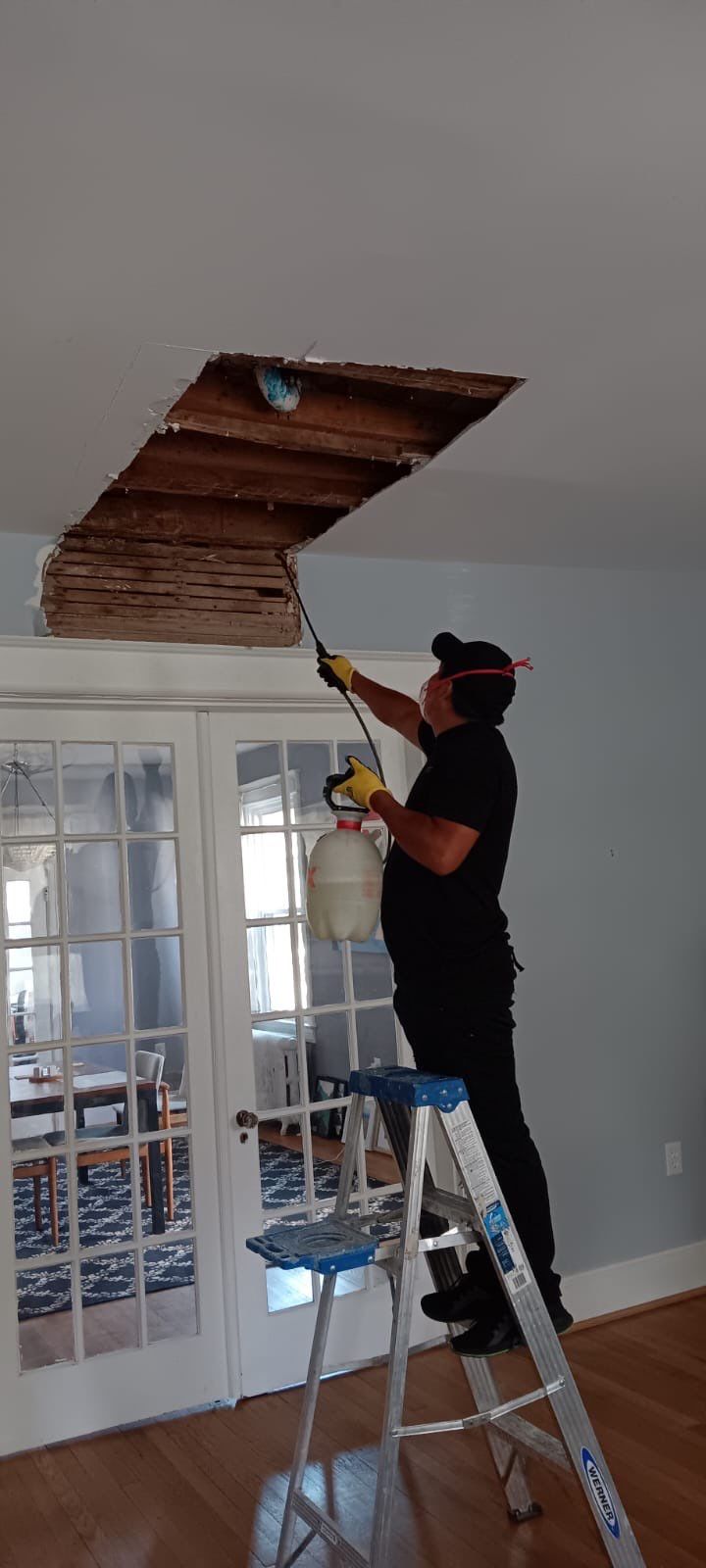
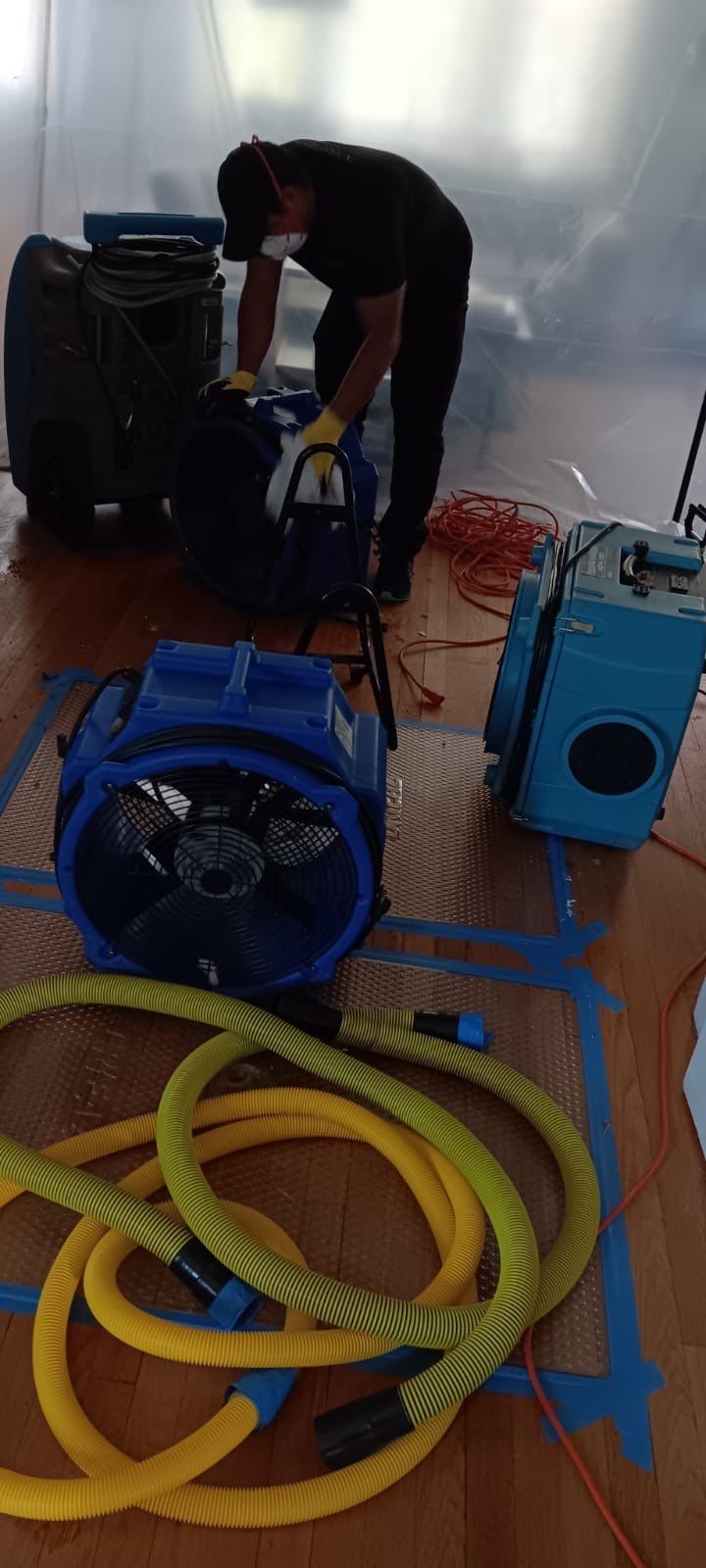
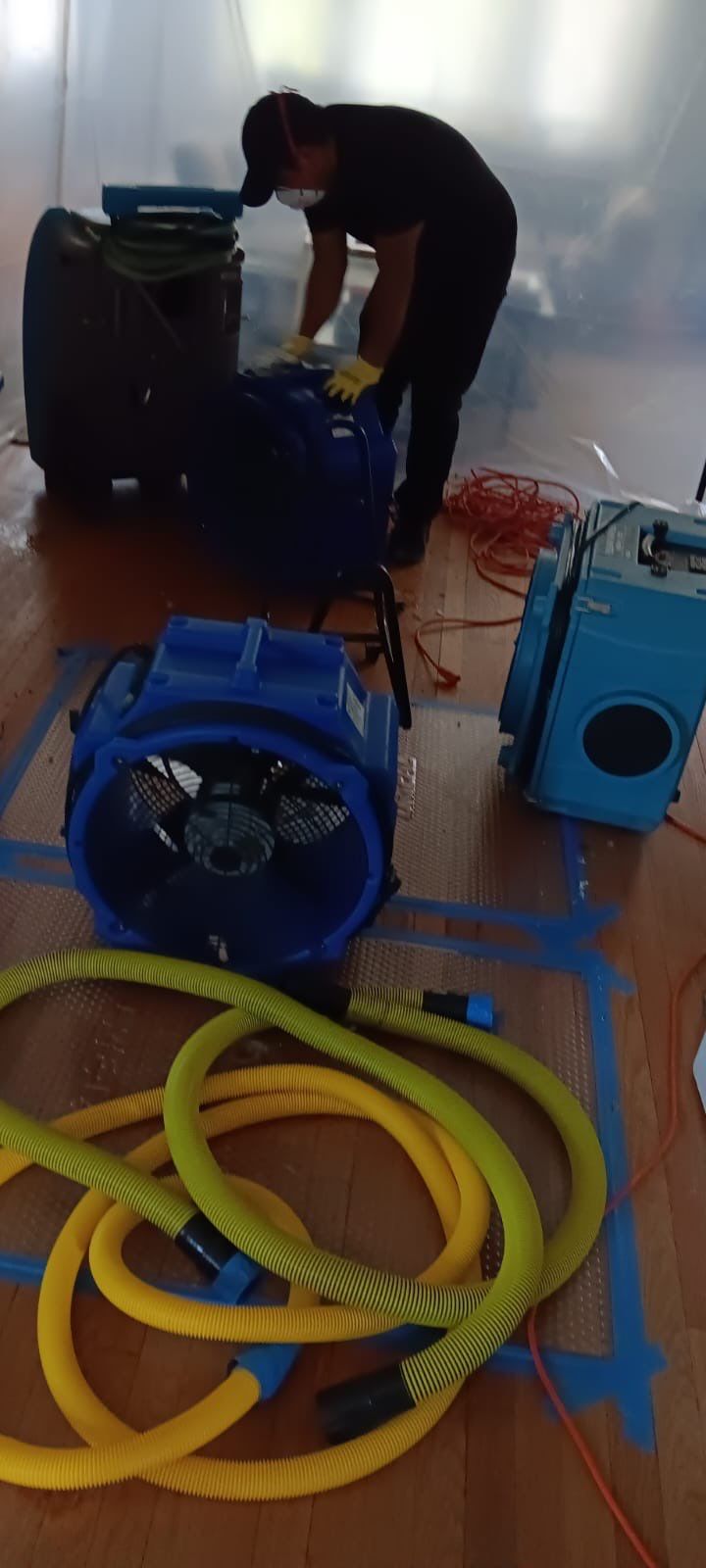
We extracted standing water from the living room, then cleared and repaired the bathroom drainage to prevent recurrence. Saturated drywall and ceiling sections were removed and replaced, and compromised flooring was torn out and reinstalled. Because the Mid-Atlantic's humid summers accelerate secondary microbial growth, we deployed commercial dehumidifiers throughout the affected space, monitoring moisture levels until all building materials returned to dry standard per IICRC S500 protocol.
Furniture and fixtures that had been exposed were cleaned, treated, and returned to position. The living room was reconstructed to match its original layout and finishes, and the homeowner confirmed full satisfaction with the outcome. The job illustrates how quickly an unnoticed plumbing failure in upper-level bathrooms can compromise finished living spaces below, and why immediate water extraction and controlled drying are critical to preventing long-term structural and air-quality issues.
Frequently asked questions
What happens when a second-floor bathroom drain clogs and overflows into the living room below in a Washington, DC rowhouse?
When a clogged drain on an upper floor overflows, water travels downward through ceiling joists and wall cavities, saturating drywall, insulation, and flooring in the rooms below. Restoration Doctor's water damage restoration team in Washington, DC responds by extracting standing water, repairing the source drainage failure, and replacing compromised structural materials—drywall, ceiling panels, and flooring—before dehumidifying the affected spaces to arrest secondary damage. In the dense, multi-story rowhouse construction common across DC, vertical water migration demands prompt containment to prevent cascading losses through multiple levels.
Why is dehumidification critical after extracting water from a living room affected by bathroom overflow in DC's humid climate?
Extraction removes visible standing water, but porous materials—subfloor, drywall backing, carpet pad—retain moisture that evaporates slowly into the air, especially during DC's hot, humid summers when ambient humidity already runs high. Restoration Doctor deploys commercial dehumidifiers to pull that moisture from the air and materials, driving conditions below the threshold where mold colonies establish (typically within 24–48 hours of saturation). Without active dehumidification, the Mid-Atlantic's summer humidity can stall natural drying and turn a water loss into a mold remediation project.
Can water-damaged drywall and ceiling panels in a DC rowhouse be dried in place, or do they require replacement?
Drywall and ceiling panels that have been saturated—particularly by Category 2 water from a bathroom overflow—typically require replacement rather than drying, because the paper facing delaminates, the gypsum core loses structural integrity, and microbial contamination becomes embedded. Restoration Doctor's protocol in Washington, DC involves removing compromised panels, treating framing for residual moisture, and installing new drywall to match the existing wall and ceiling plane. Attempting to dry saturated drywall in place often results in warping, mold growth behind the surface, and a failed restoration.
How does Restoration Doctor prevent mold growth after repairing water damage from a plumbing failure in Washington, DC?
Prevention begins with rapid moisture removal—extraction, material replacement, and dehumidification—to deny mold the 24–48-hour window it needs to colonize wet surfaces. Restoration Doctor's process in DC includes moisture mapping with thermal and pin meters to confirm all affected materials (subfloor, wall cavities, ceiling joists) have returned to dry standard before reconstruction begins. Any materials that cannot be dried to standard are removed, and treated framing is verified dry before new drywall, flooring, and finishes are installed, eliminating the reservoir mold requires to establish.
Does homeowners insurance in Washington, DC typically cover water damage and repairs from a clogged bathroom drain?
Most homeowners policies cover sudden and accidental water damage—such as an overflow from a clogged drain—including the cost of extraction, demolition, material replacement, and contents restoration. Restoration Doctor works directly with insurers serving the DC market to document the loss, provide detailed scoping and moisture readings, and streamline the claims process for the homeowner. Coverage specifics vary by policy, so we recommend homeowners review their declarations page and file promptly to preserve their claim rights.
Explore more restoration work
All projects in Washington · Water Damage Restoration in Washington
Water, fire, or mold damage in Washington?
Restoration Doctor responds 24/7 across Washington and Northern Virginia. Free assessment and transparent, insurance-friendly estimates — no obligation.
See our Water Damage Restoration services at restorationdoctors.com →