Thorough Water Damage Restoration Process
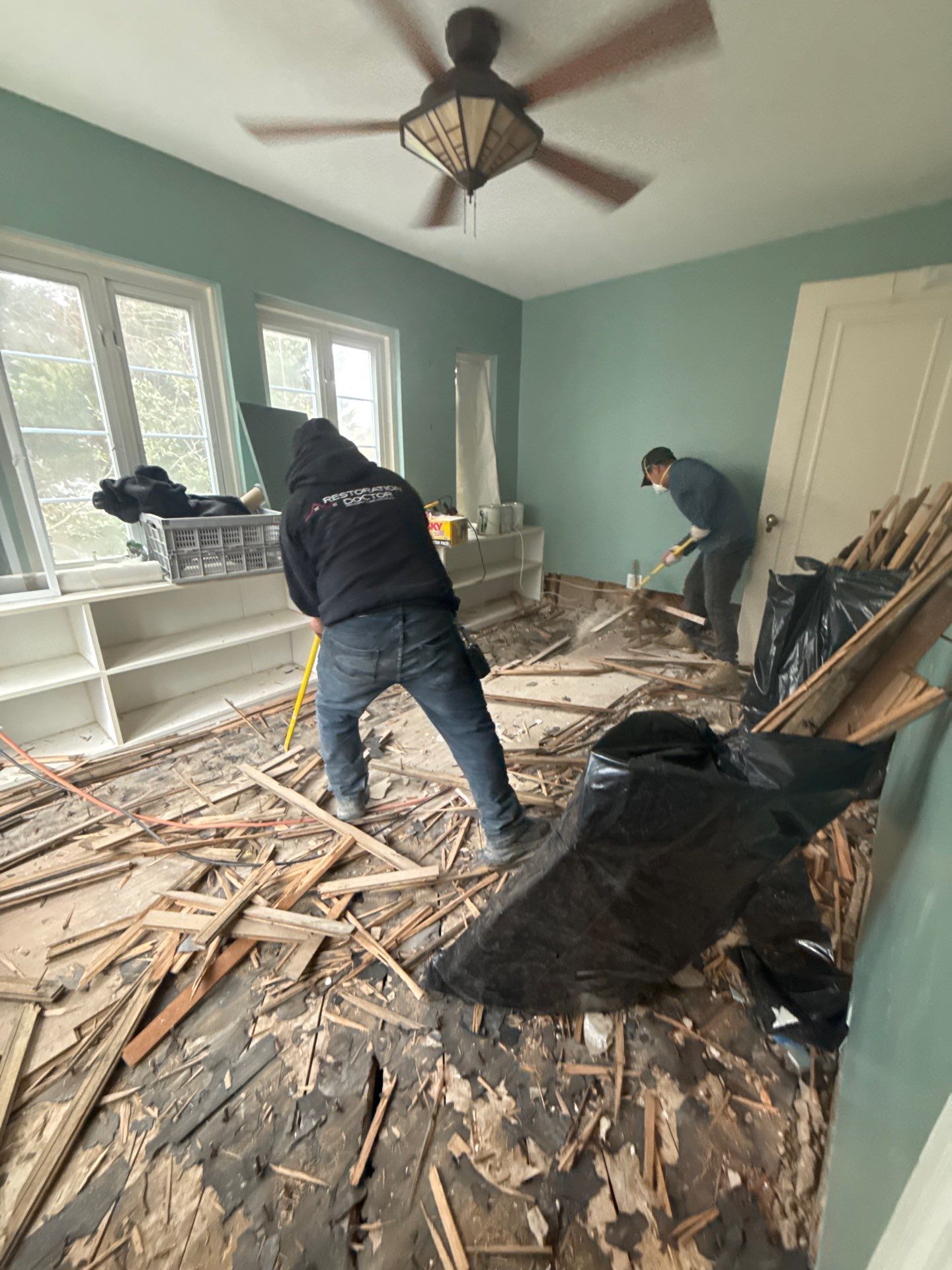
About this mold remediation project
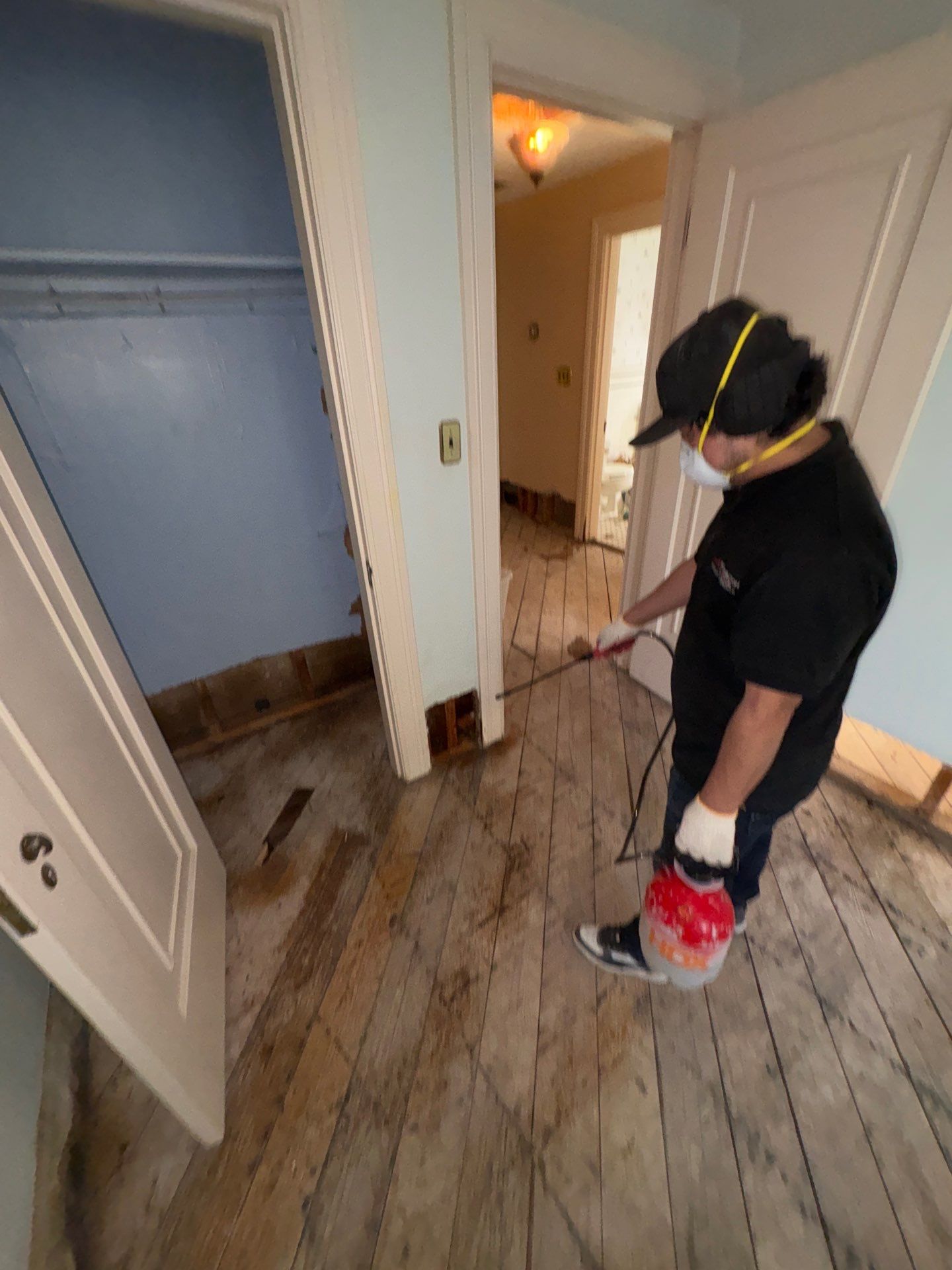
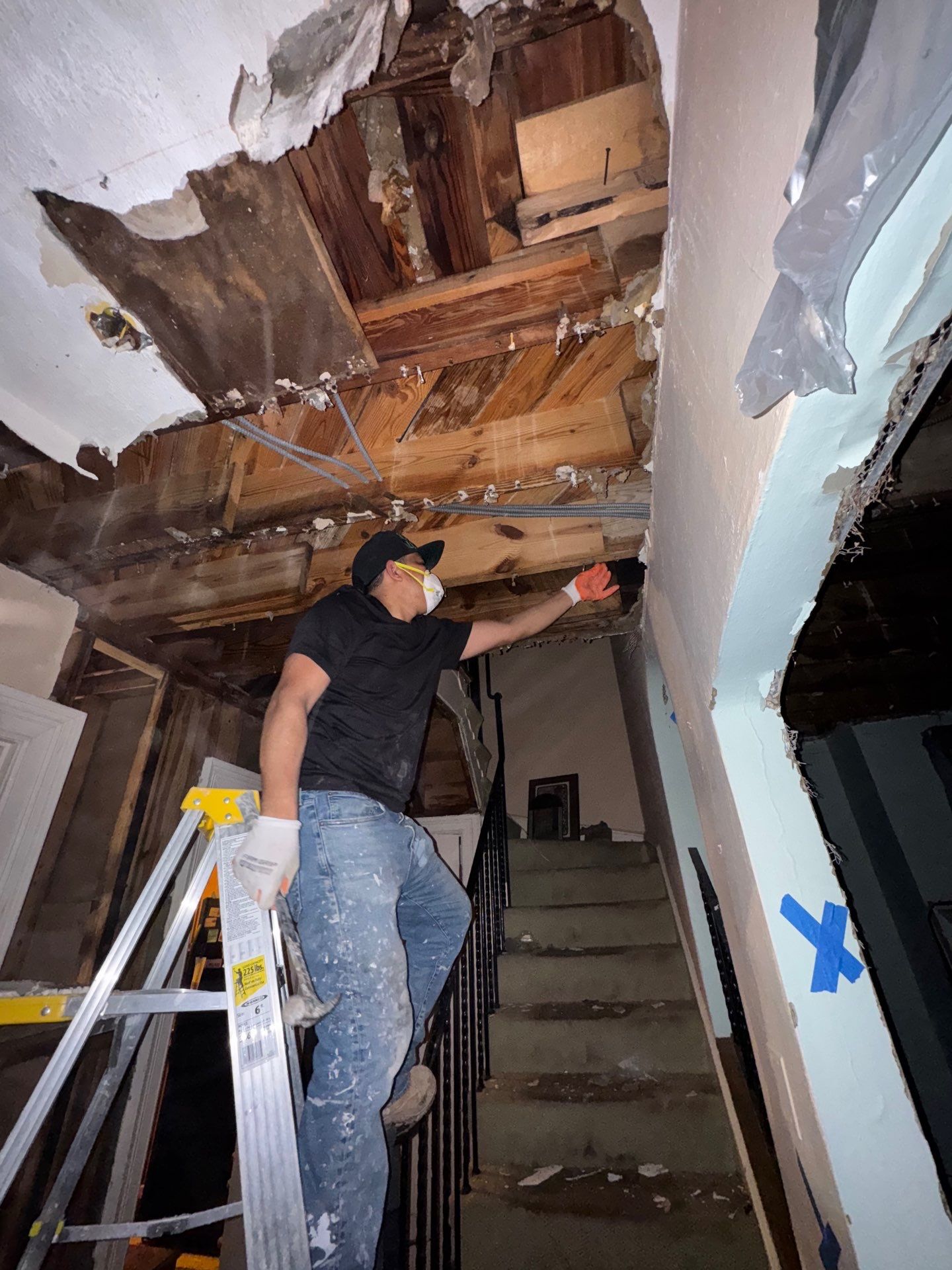
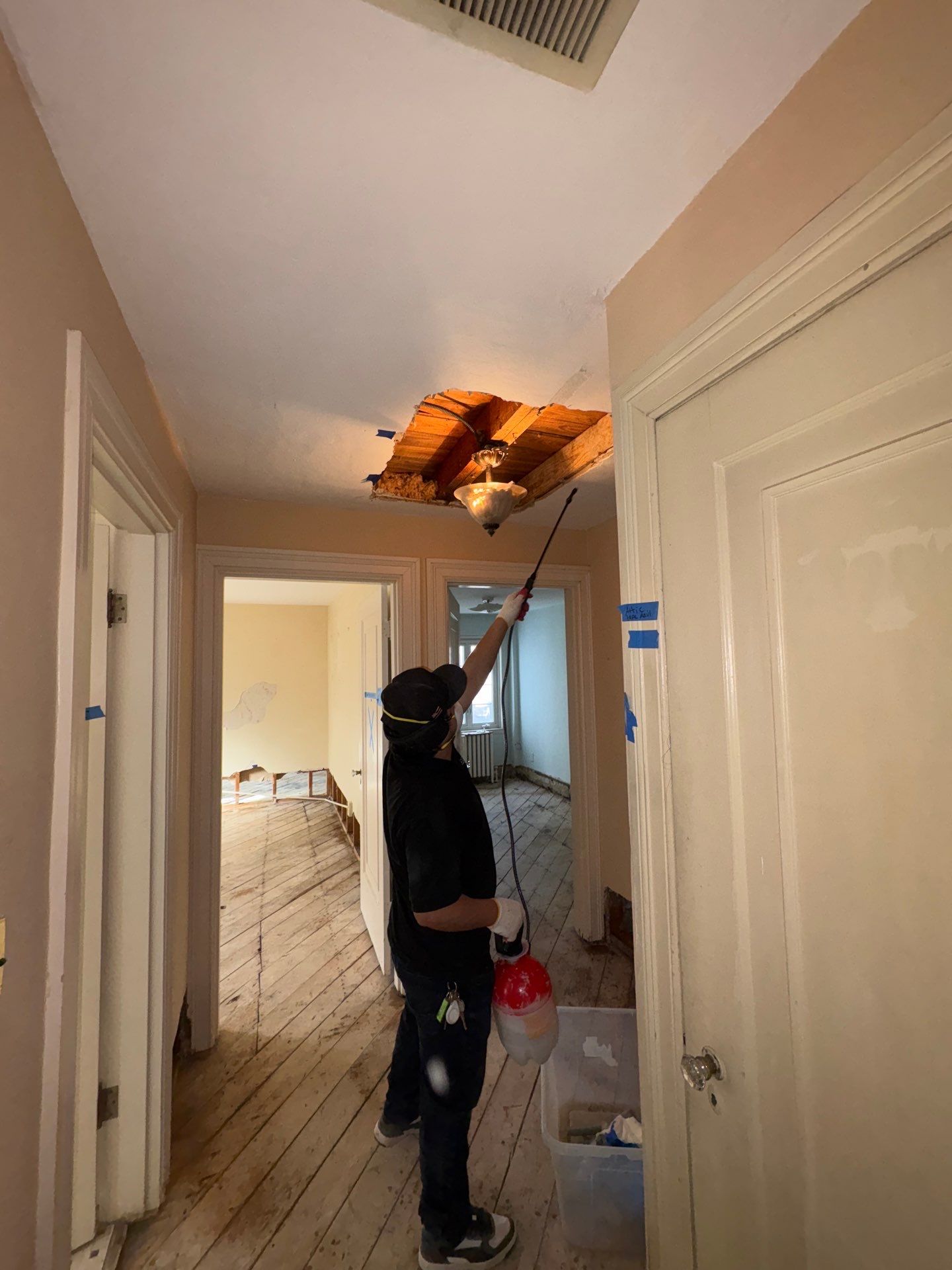
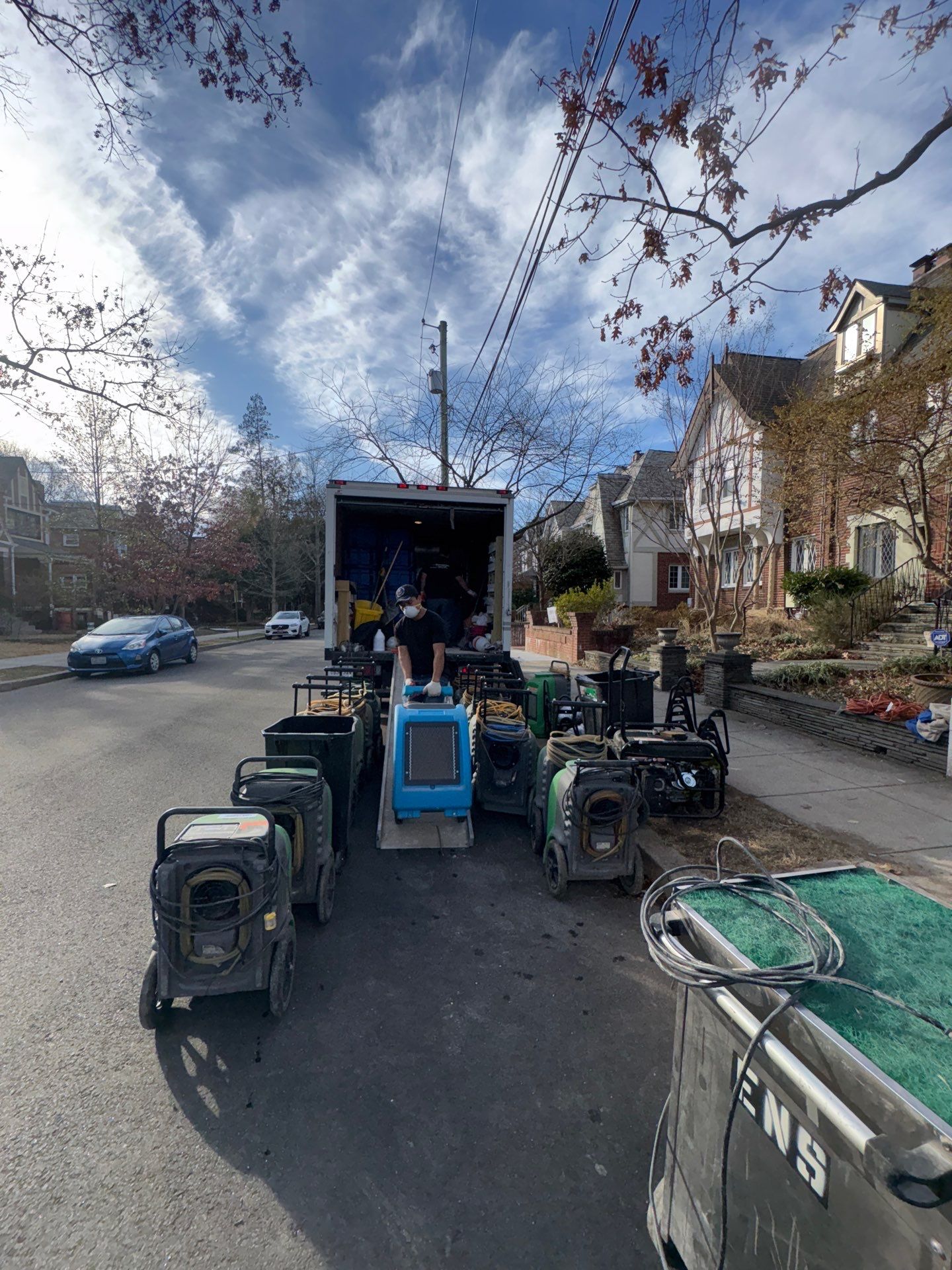
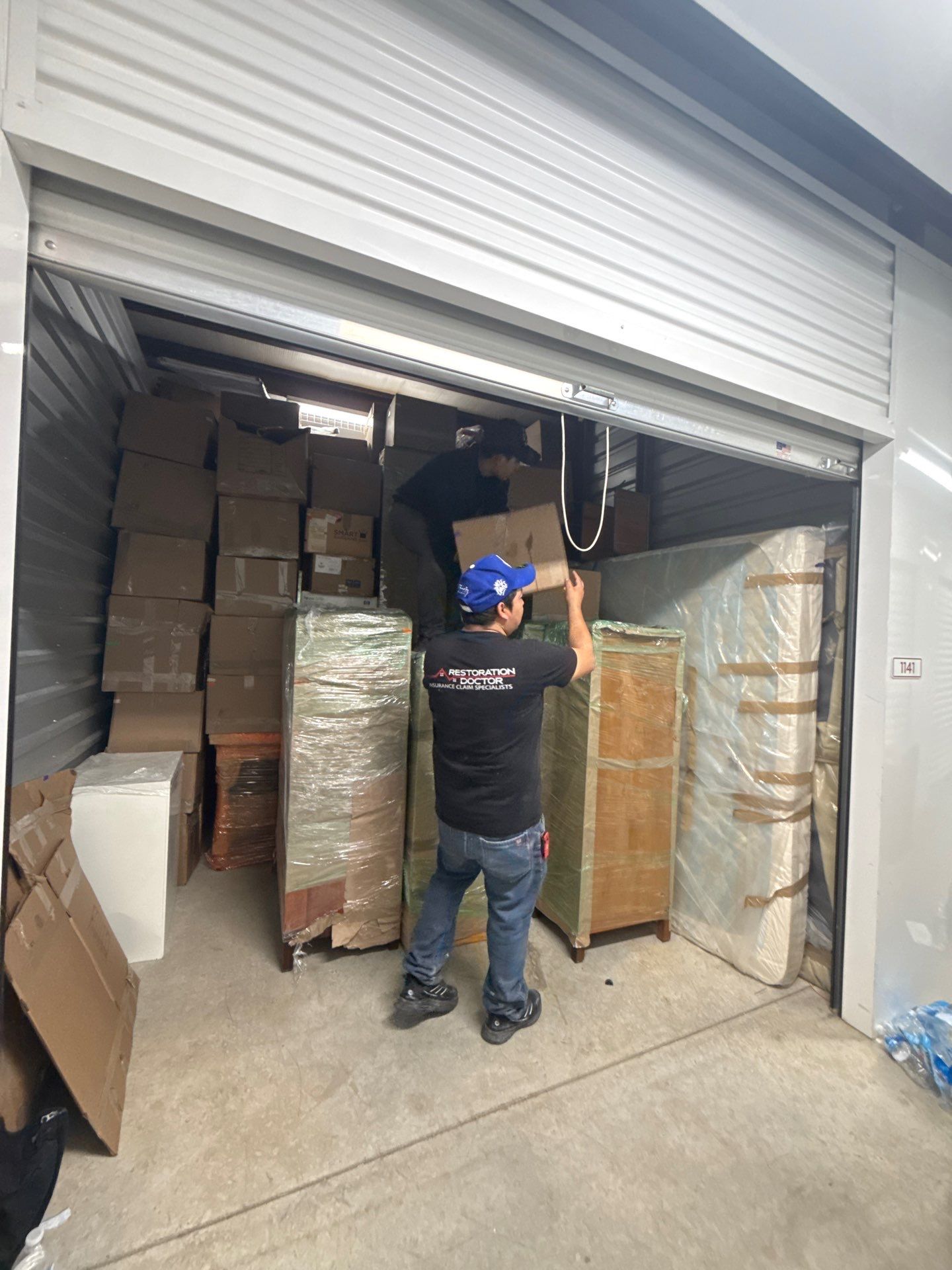
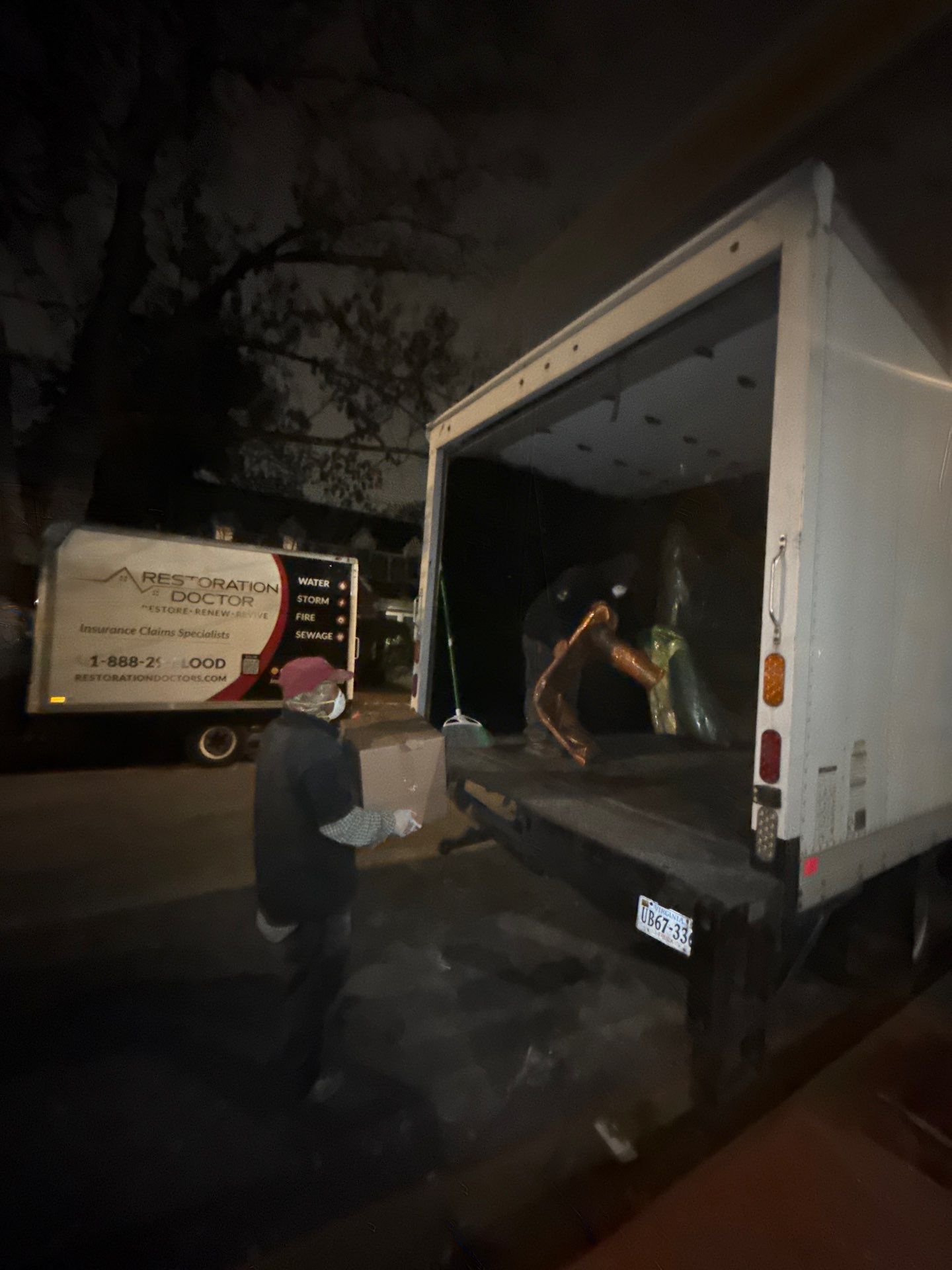
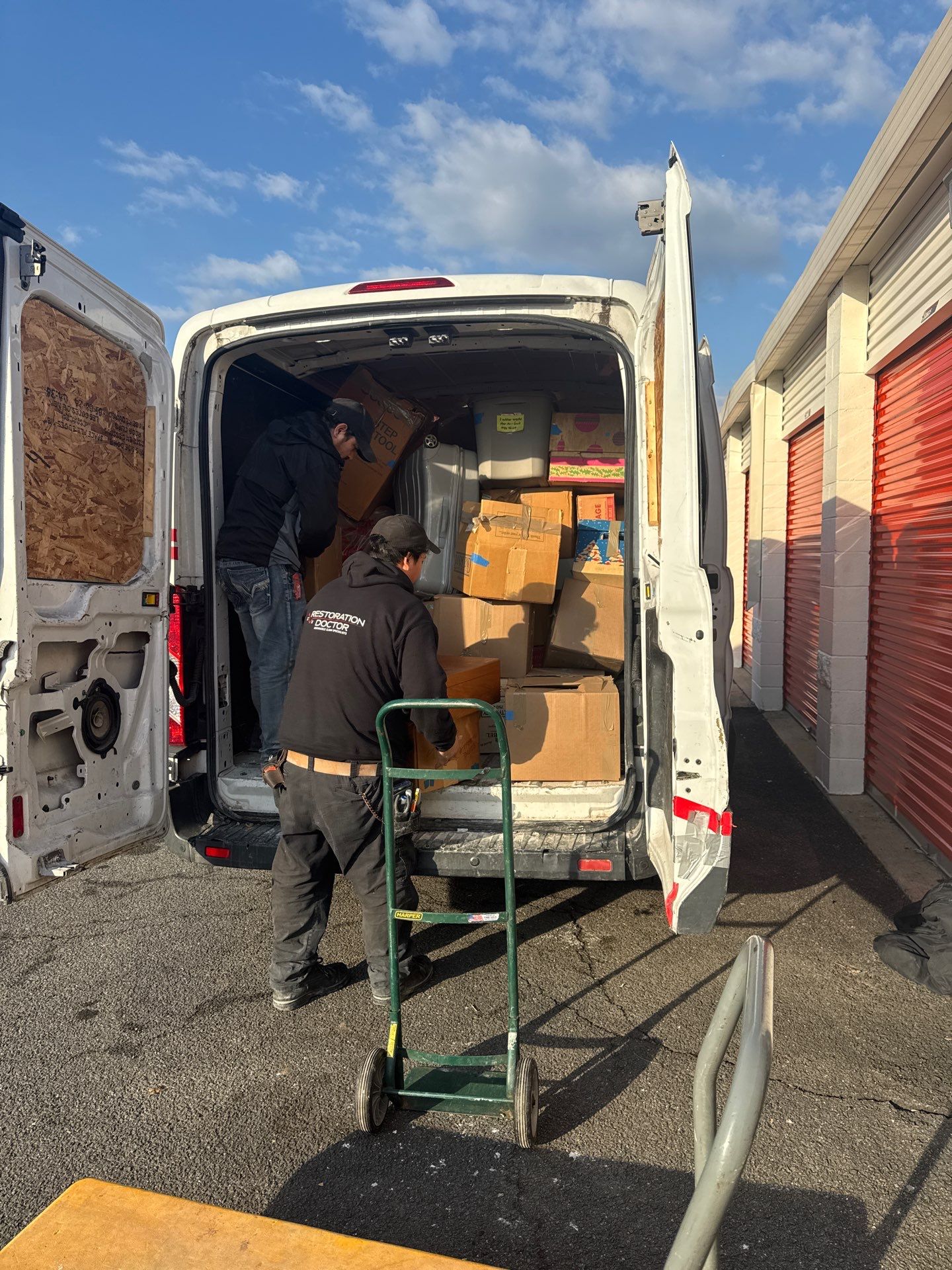
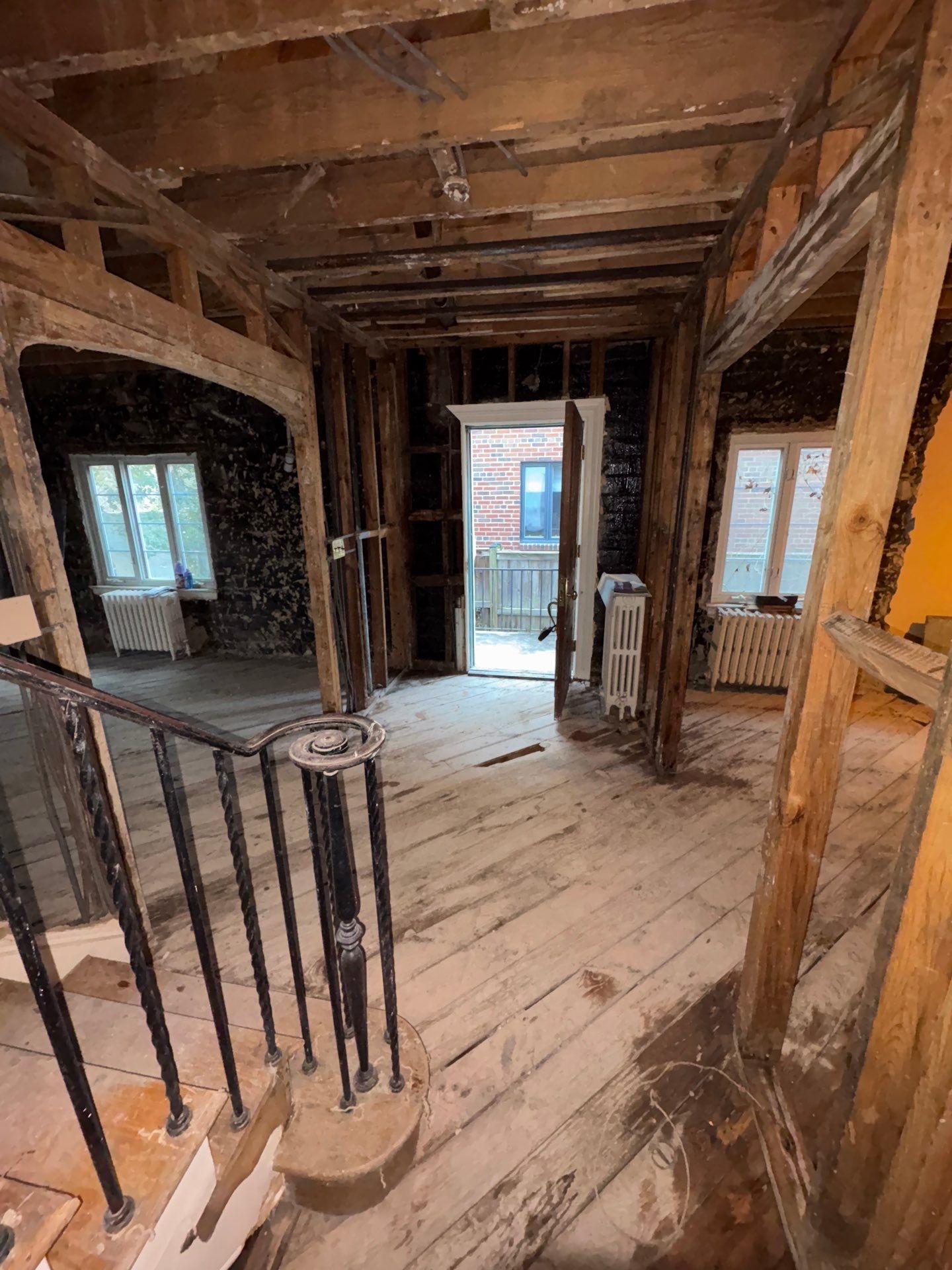
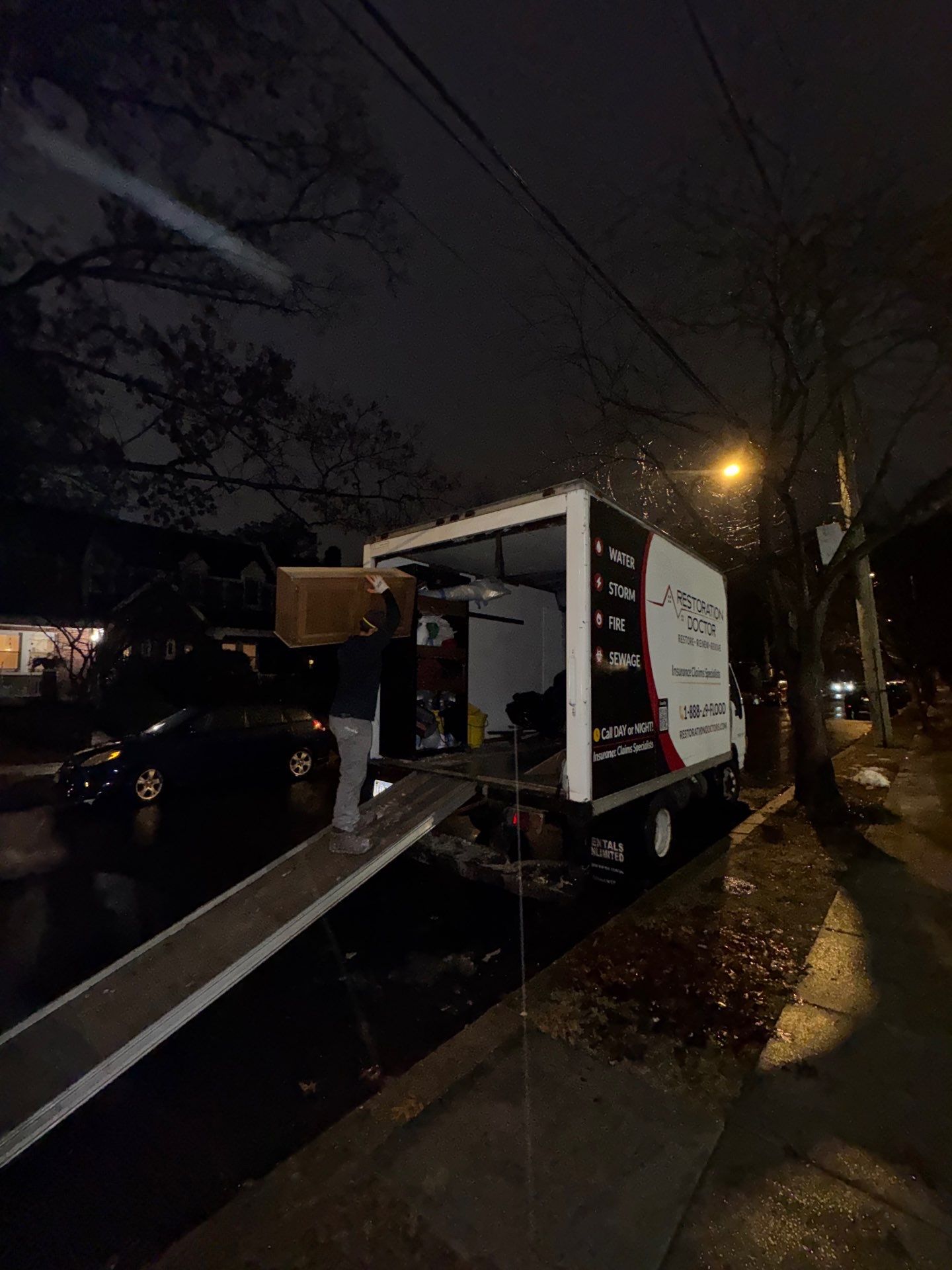
A Washington, DC home in the region's established housing stock developed mold following water intrusion—a common sequence in the Mid-Atlantic's humid summers, where standing moisture creates conditions for rapid fungal growth if not addressed promptly. The restoration began with a complete contents pack-out, transferring all belongings to a secure climate-controlled facility to protect them during the drying and remediation phases.
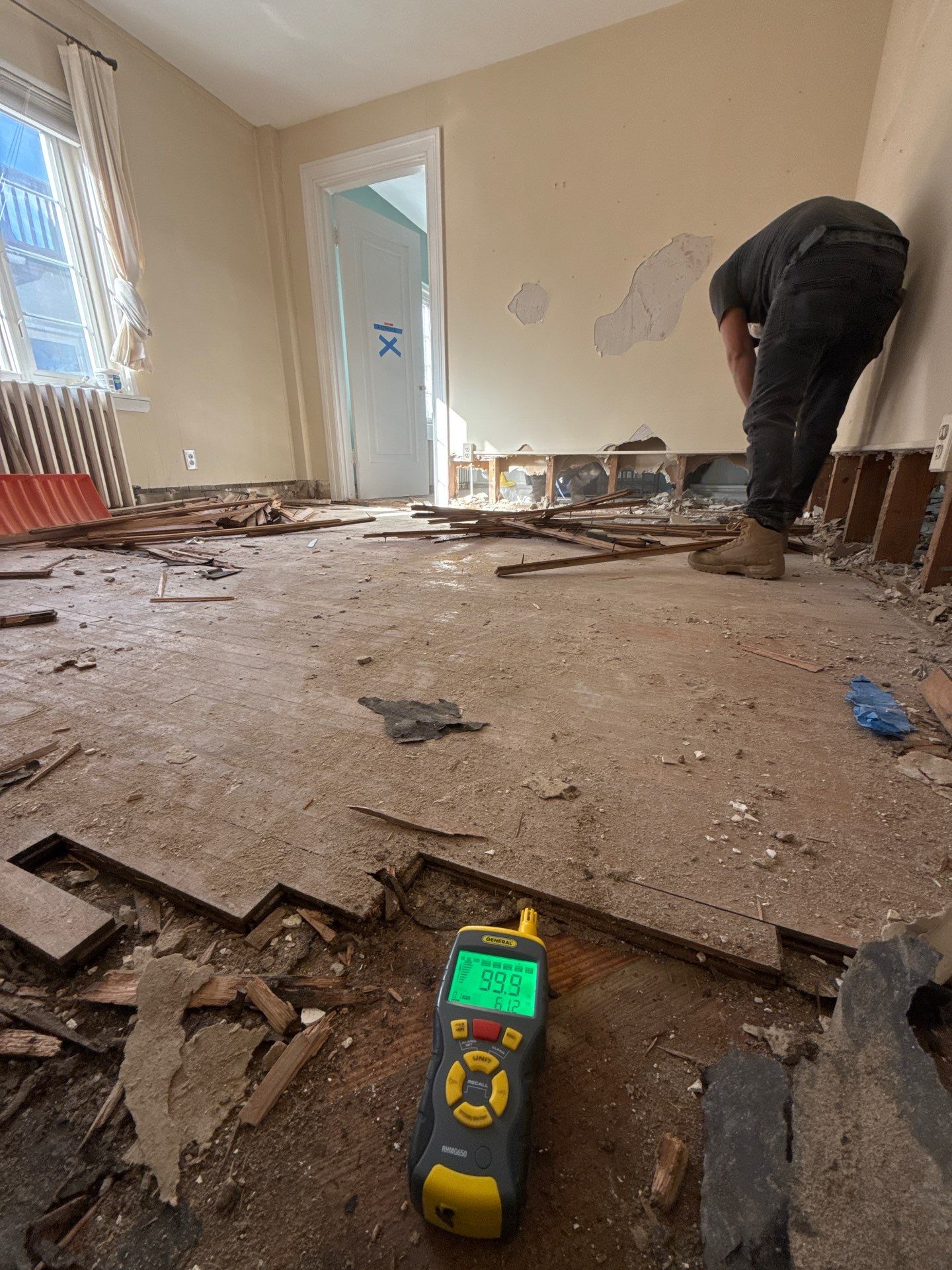
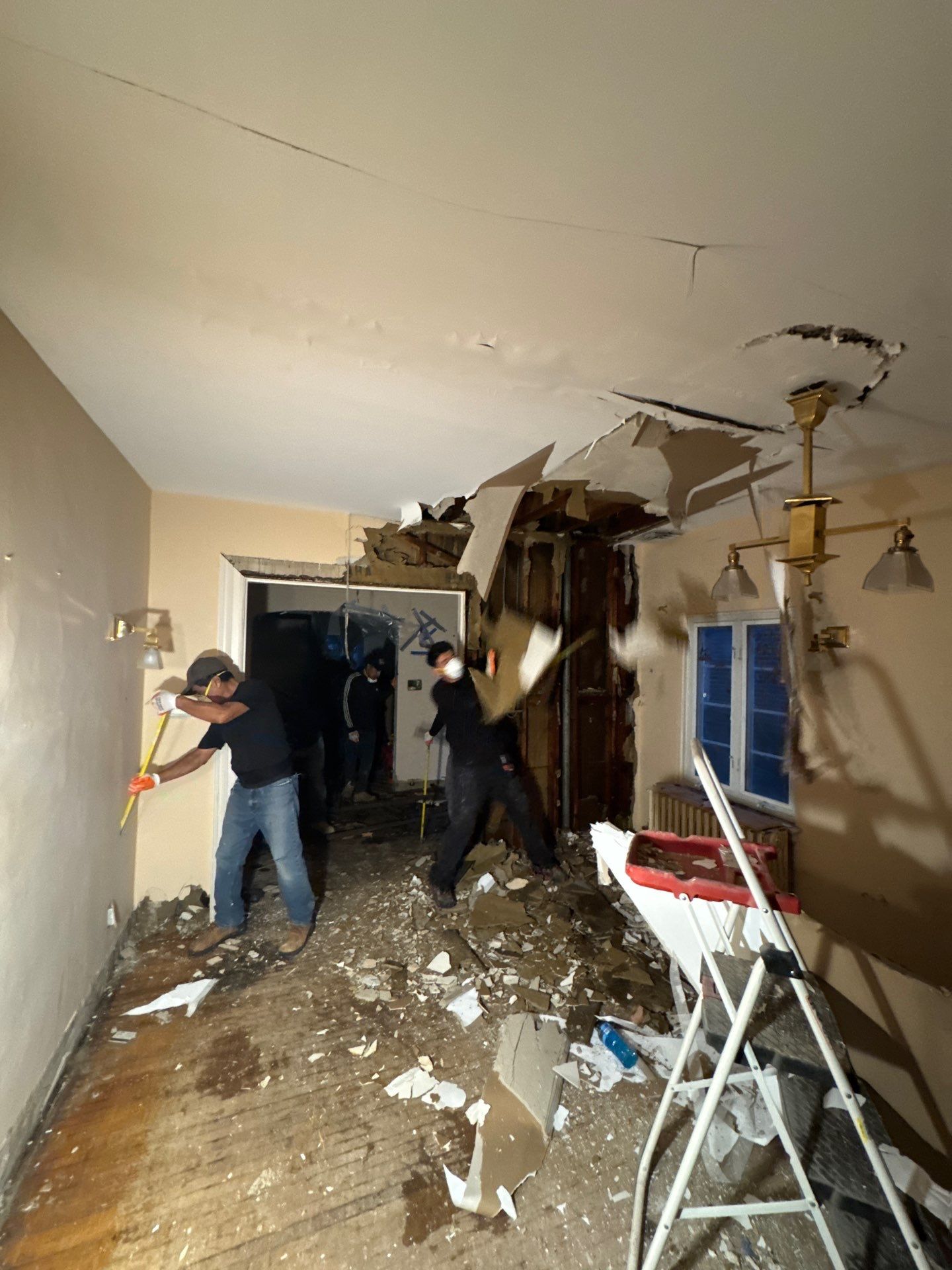
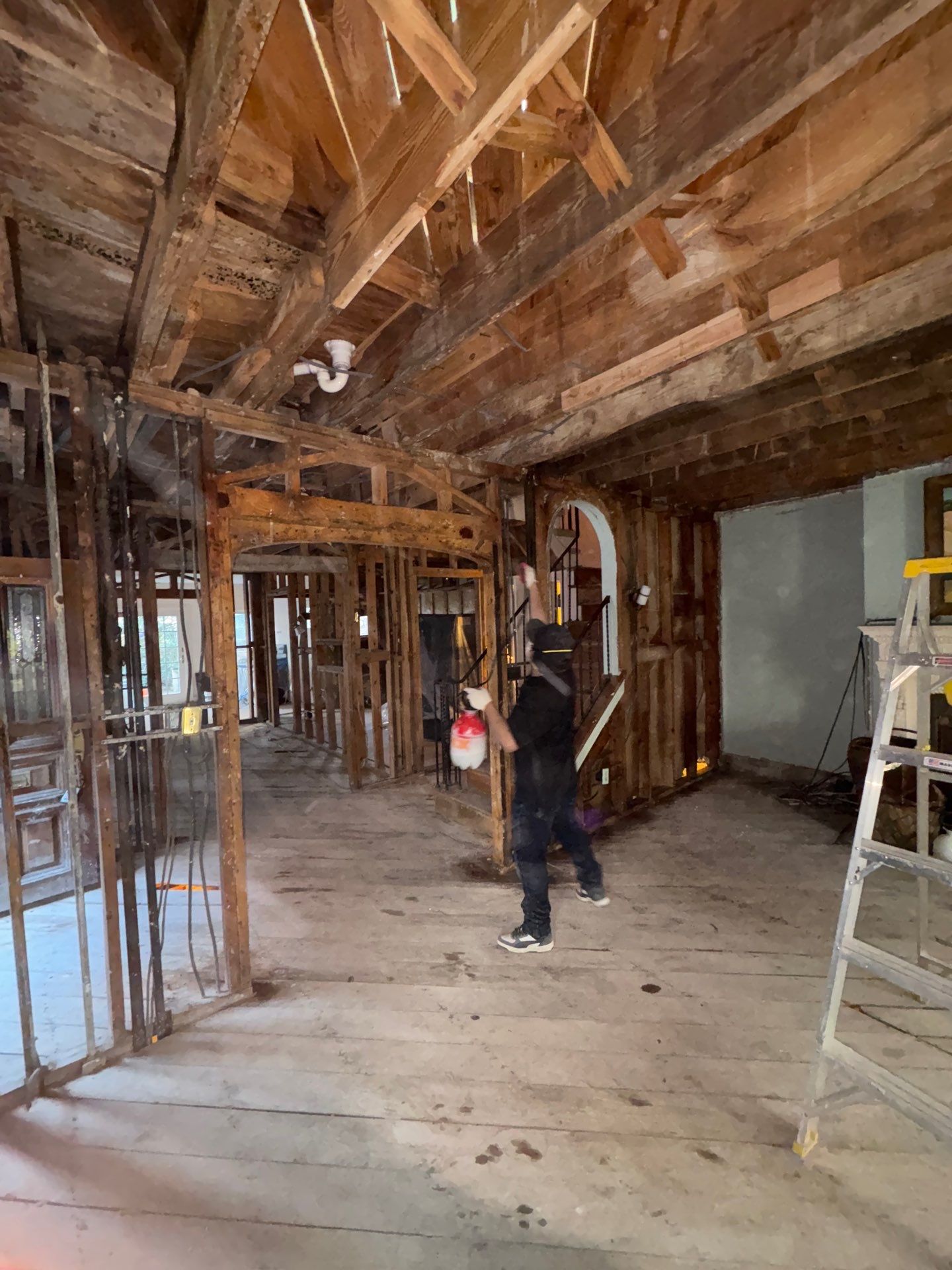
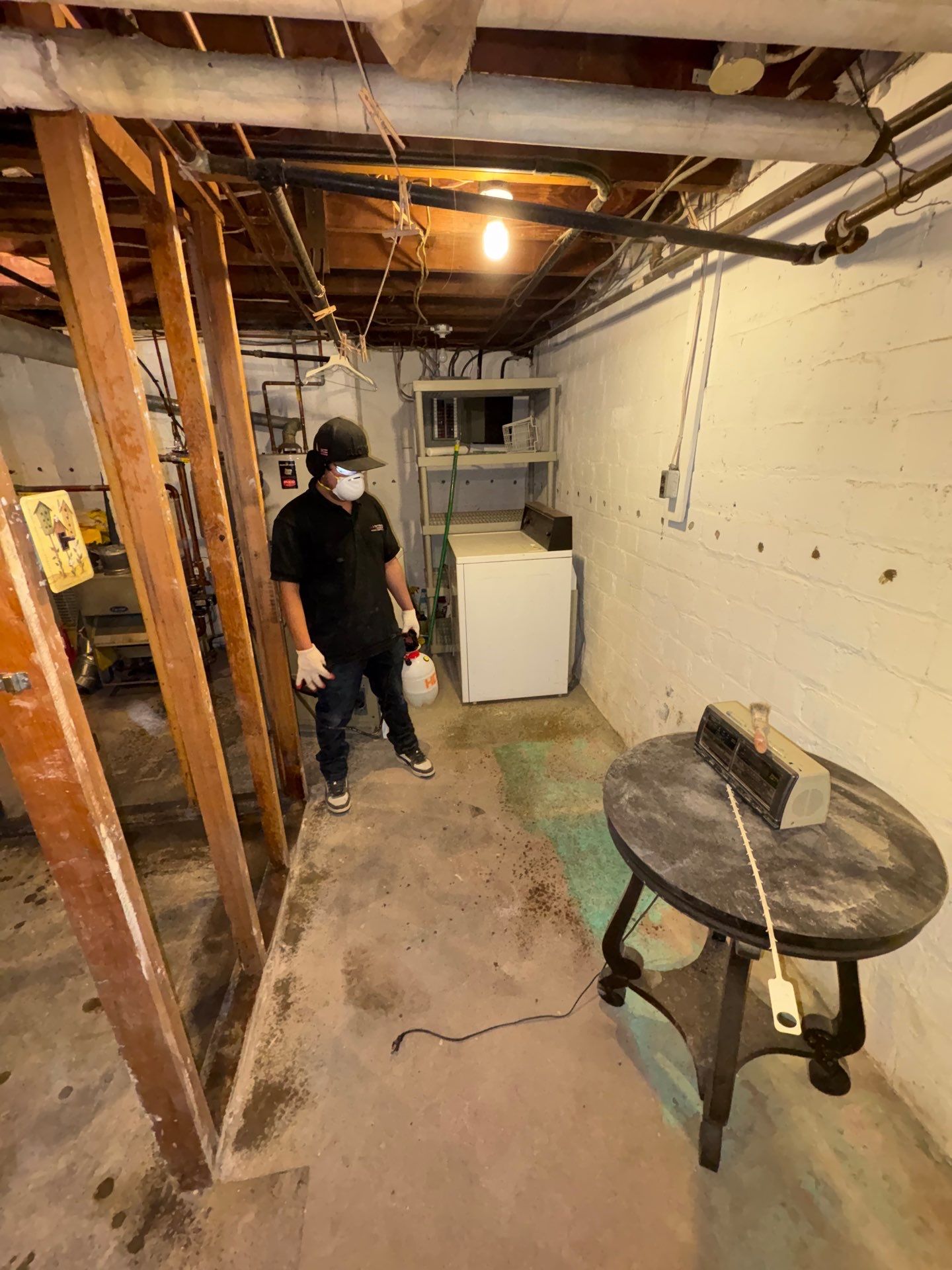
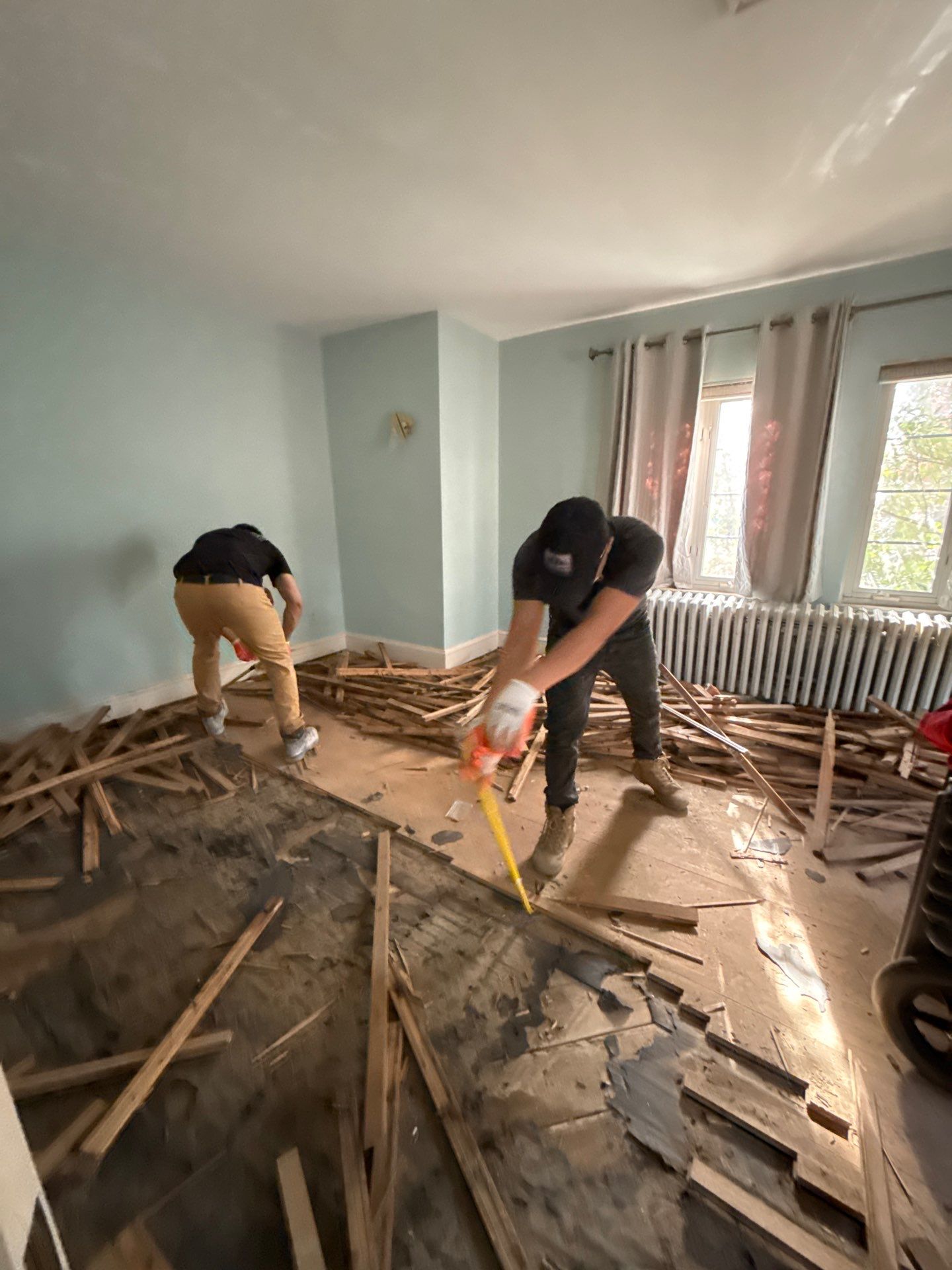
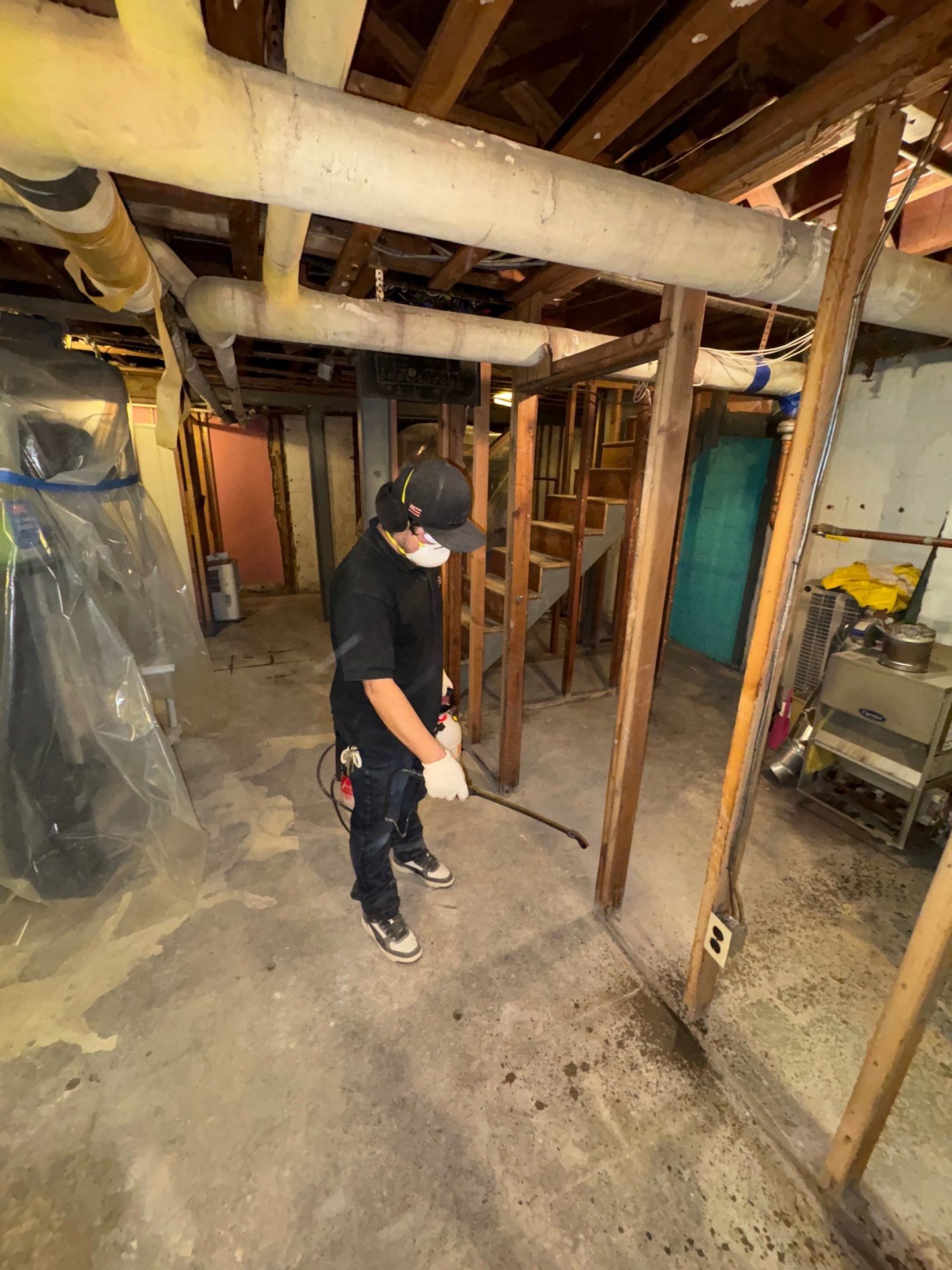
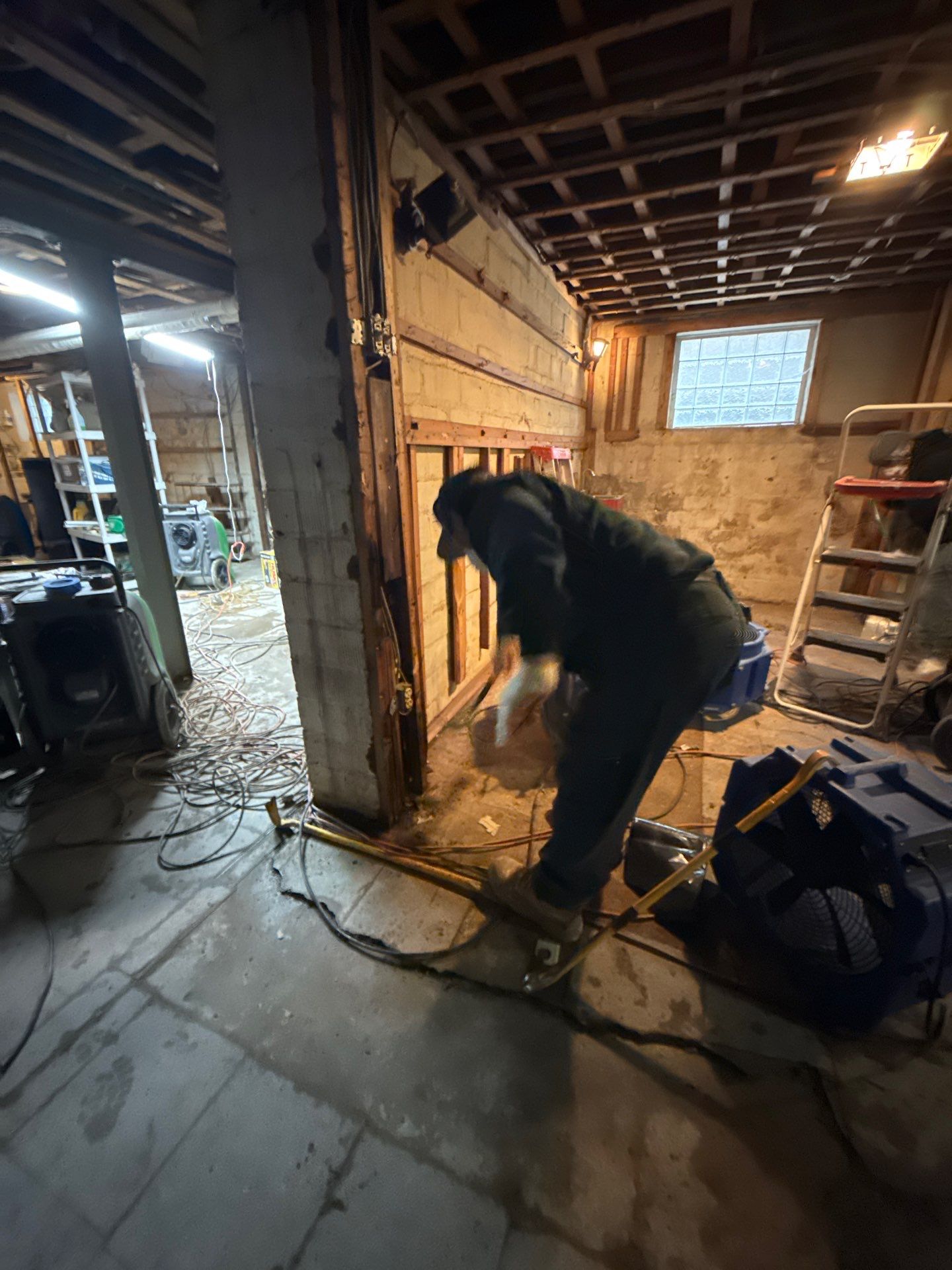
With the structure cleared, we deployed commercial dehumidifiers and air movers throughout the affected areas, working to the IICRC S500 water damage standard's drying protocols. Moisture mapping guided equipment placement, and daily monitoring confirmed that all building materials returned to acceptable moisture levels before remediation could proceed. Once drying was complete, we addressed the mold growth and restored finishes damaged by the original intrusion.
The homeowner's review reflected satisfaction with both the thoroughness of the process and the care taken with their belongings during the extended drying period. The job concluded with the home returned to pre-loss condition and contents reinstalled—a complete restoration cycle from emergency response through final walk-through.
Frequently asked questions
Why is structural drying critical after water intrusion in Washington, D.C. rowhouses?
In Washington's dense historic rowhouses, water intrusion can migrate through shared walls and aging masonry, creating hidden moisture pockets that fuel mold growth. Restoration Doctor deployed structural drying equipment throughout the affected areas to eliminate moisture at the source, preventing secondary damage and ensuring the home's framework returned to a dry, stable condition before any mold could establish itself.
How does Restoration Doctor protect belongings during mold remediation work in D.C. homes?
During this Washington, D.C. mold remediation project, Restoration Doctor safely transferred all contents to a secure off-site location before beginning structural drying and moisture elimination. This protocol prevents cross-contamination, protects valuables from further exposure, and allows technicians to address every surface without obstruction—standard practice in urban homes where space constraints make on-site containment impractical.
What role does humidity play in mold risk after water damage in the Mid-Atlantic?
Washington's hot, humid summers accelerate mold colonization on damp building materials, especially in older urban homes with limited ventilation. Restoration Doctor's structural drying process targets elevated moisture levels quickly, using commercial dehumidification to bring interiors below the thresholds where mold spores can germinate—essential in a climate where ambient humidity alone can sustain growth on wet surfaces.
Does mold remediation in Washington, D.C. require full reconstruction of water-damaged areas?
Not always. In this case, Restoration Doctor's focus was on thorough structural drying and moisture elimination to restore the home to its original condition without unnecessary demolition. When water intrusion is caught early and dried properly, many building materials can be salvaged, avoiding the cost and disruption of a full rebuild—though each D.C. job is assessed individually based on the extent of saturation and material condition.
Explore more restoration work
All projects in Washington · Mold Remediation in Washington
Water, fire, or mold damage in Washington?
Restoration Doctor responds 24/7 across Washington and Northern Virginia. Free assessment and transparent, insurance-friendly estimates — no obligation.
See our Mold Remediation services at restorationdoctors.com →