Water damage Restoration
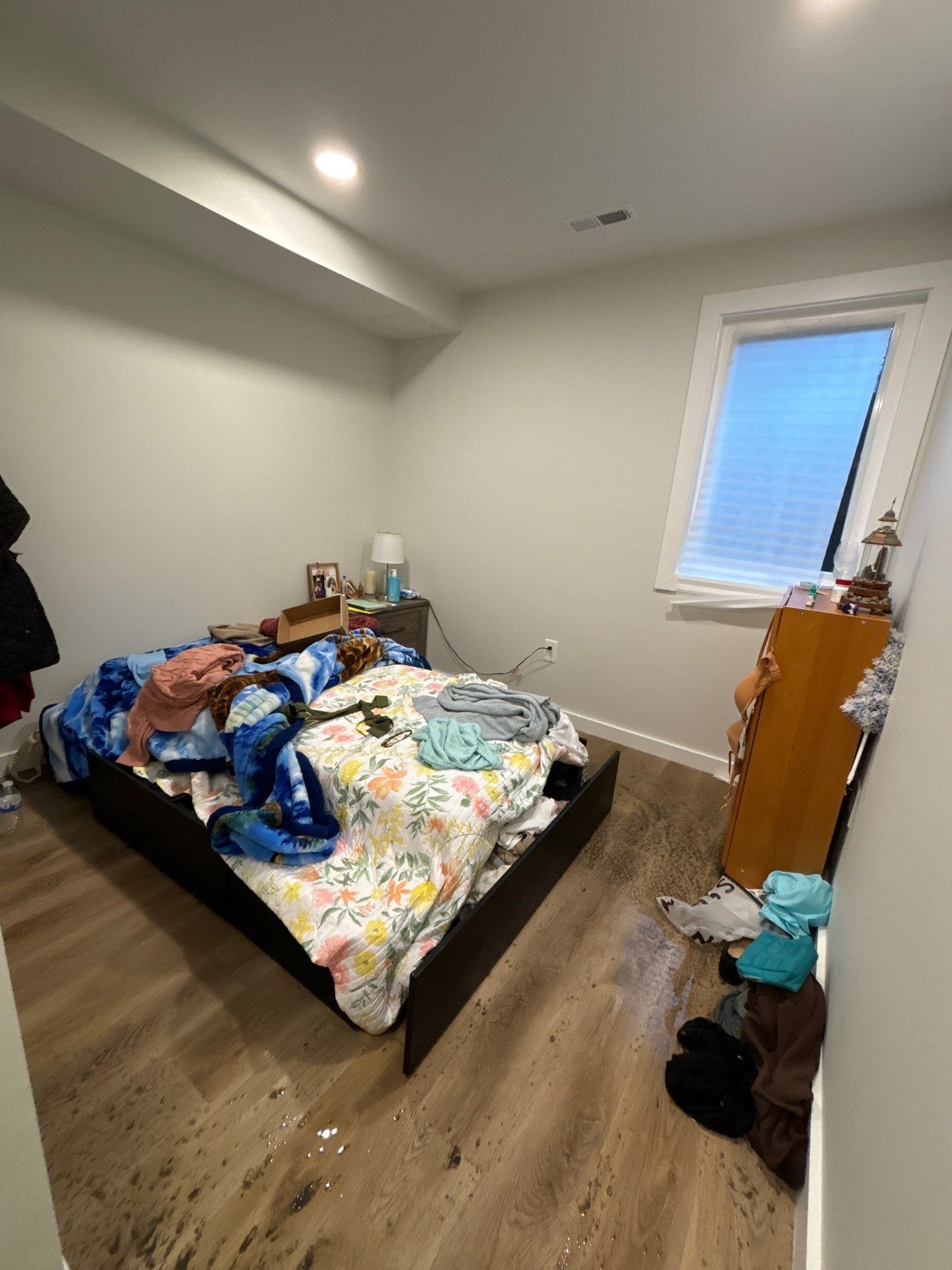
About this water damage restoration project
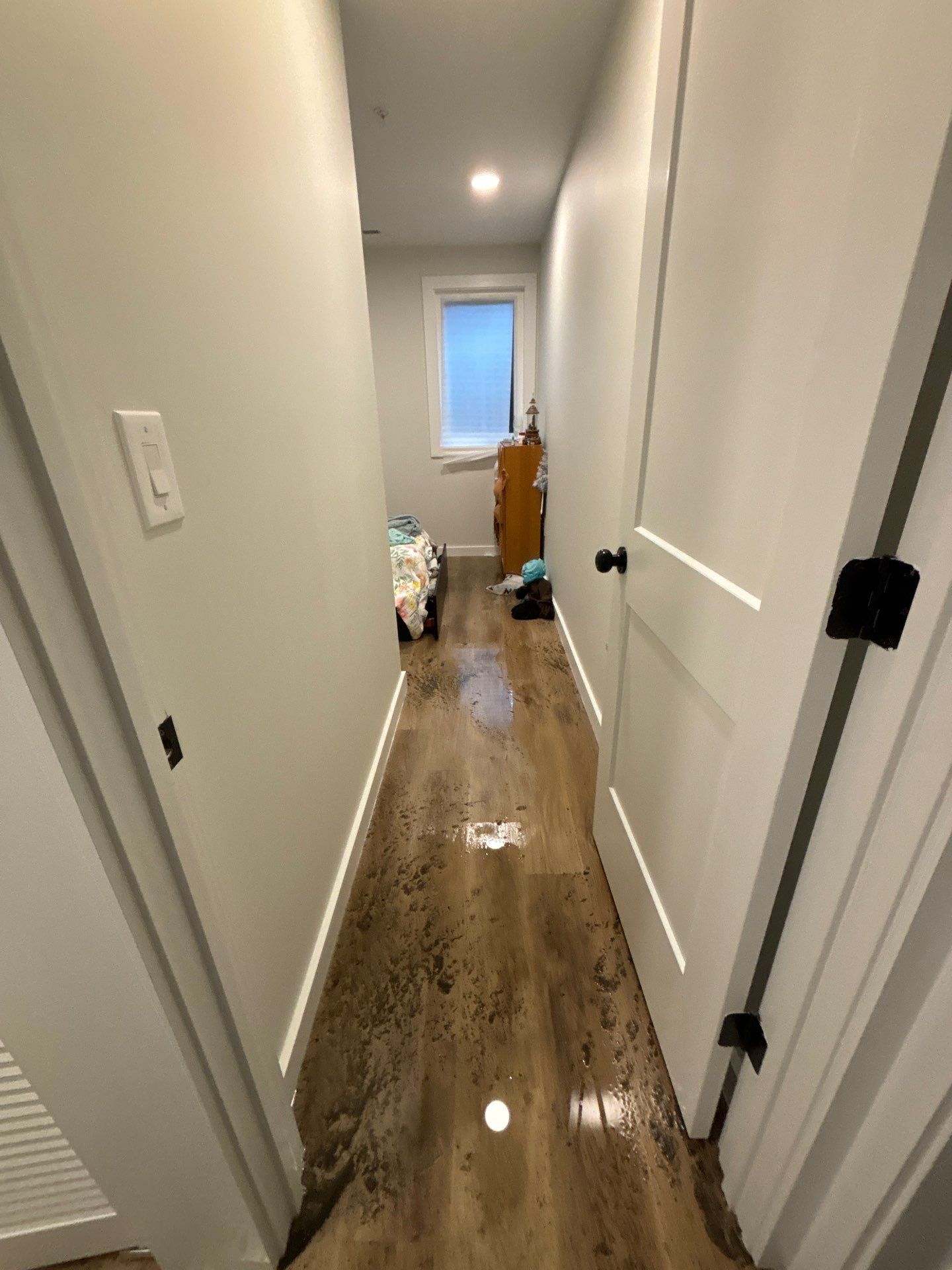
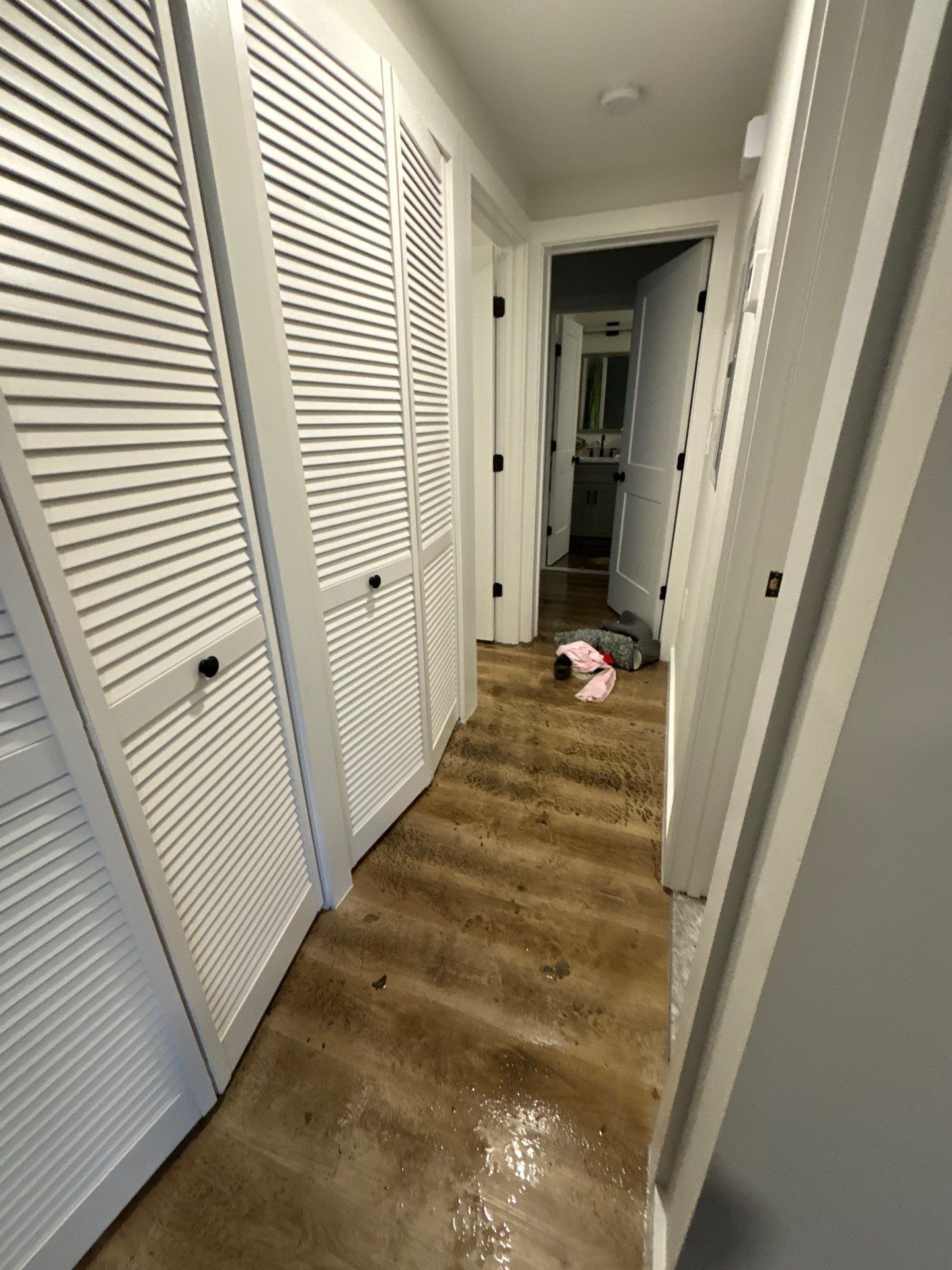
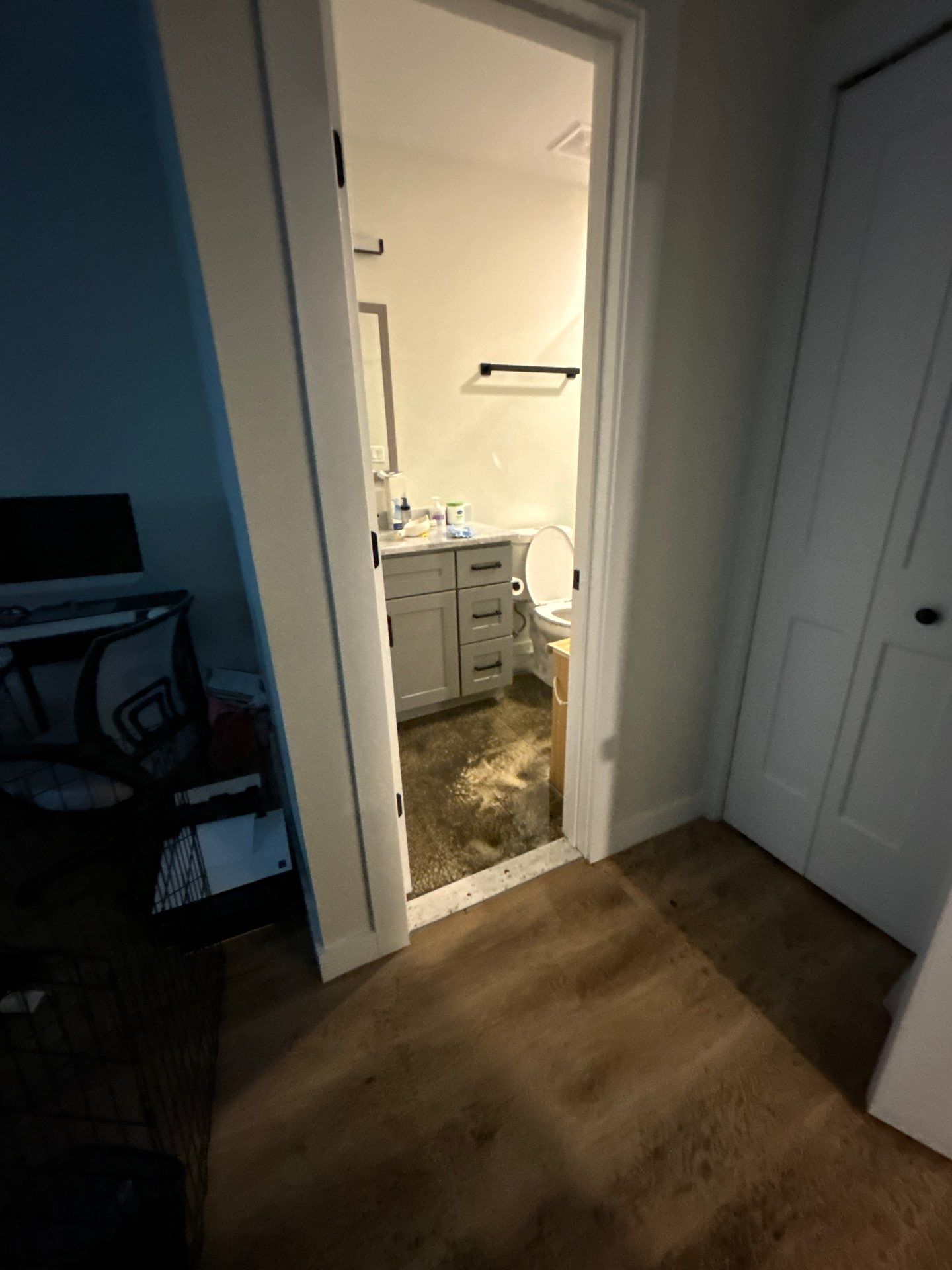
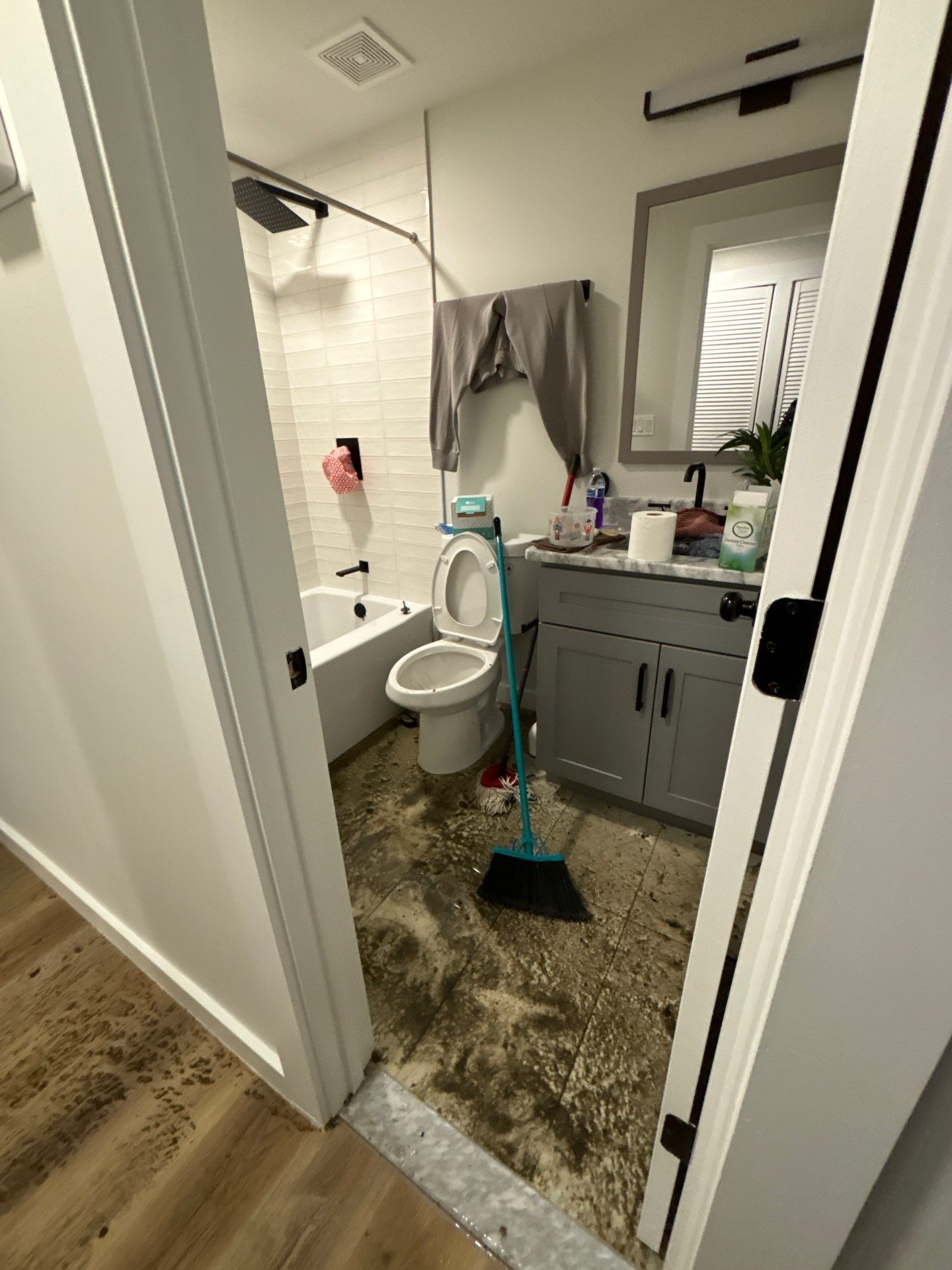
An attic leak in a Washington, DC home created water damage that spread into a bedroom and hallway below—a scenario common to the region's older housing stock, where hot, humid Mid-Atlantic summers can mask slow leaks until secondary moisture problems develop. When the homeowner discovered standing water and early signs of mold, we moved quickly to contain the loss.
Our team sealed the attic penetration to stop further intrusion, then extracted standing water from the affected rooms. We placed drying equipment to lower humidity and mapped moisture readings in the ceiling, walls, and flooring to guide our scope. Following IICRC S520 mold remediation standards, we removed compromised materials, applied antimicrobial treatments to inhibit further growth, and rebuilt the damaged assemblies. Affected furniture was dried and treated where salvageable.
Once drying verification confirmed the structure had returned to normal moisture conditions, we completed finish repairs to match the existing interior. The homeowner was able to reoccupy the restored spaces with confidence that the underlying water source had been addressed and the environment made safe.
Reviews from Restoration Doctor customers
These guys showed up fast and helped save my hardwood flooring from disaster when a water pipe busted. They were quick to show up and had the water dried up quickly then went right to work on the floor. After couple days it looked better than it did before! Excellent work!
Frequently asked questions
What makes attic leaks in Washington, DC homes particularly prone to causing mold problems?
Hot, humid Mid-Atlantic summers create ideal conditions for mold growth when attic leaks go undetected, especially in the region's mix of established single-family homes where roof systems may be aging. Restoration Doctor responds to water intrusion in Washington by sealing the source, extracting standing water immediately, and deploying commercial dehumidifiers to bring moisture levels down before mold can colonize affected ceilings, walls, and flooring. Our mold remediation work follows containment and antimicrobial protocols to ensure the bedroom and hallway spaces are safe for occupancy again.
How does Restoration Doctor handle carpet and flooring after standing water sits in a room?
When standing water from an attic leak saturates carpet and underlying flooring—as happened in this Washington bedroom and hallway—Restoration Doctor first extracts all free water using truck-mounted or portable extractors, then assesses whether the materials can be dried in place or require removal. Hardwood, laminate, and padding often retain moisture that feeds mold, so we measure subsurface readings and remove compromised sections while drying salvageable areas with air movers and dehumidifiers. The goal is to restore structural integrity and prevent hidden microbial growth beneath the surface.
Does water damage restoration in DC always include mold remediation, or are they separate services?
Water damage restoration and mold remediation overlap when the initial intrusion has already allowed mold to establish—common in Washington's humid climate if a leak runs unnoticed for even a few days. Restoration Doctor provides both services in sequence: we extract water, dry structural components, and then perform containment, removal of contaminated materials, and antimicrobial treatment where mold is present. In this attic-leak case, the scope included both water extraction and full mold remediation to return the bedroom and hallway to safe, pre-damage condition.
What does antimicrobial treatment mean in the context of a water-damage job?
Antimicrobial treatment involves applying EPA-registered solutions to surfaces that have been exposed to contaminated water or mold growth, killing residual spores and inhibiting future colonization. Restoration Doctor used antimicrobials in this Washington home after removing affected ceiling, wall, and flooring materials and drying the structure, ensuring that hidden moisture pockets would not support regrowth. It is a standard finishing step in mold remediation and Category 2 or 3 water losses, not a substitute for proper drying and removal of contaminated materials.
How long does it typically take to fully restore a home after water intrusion and mold are found?
The timeline depends on the extent of saturation, the materials affected, and how quickly drying equipment is deployed—jobs involving standing water, ceiling repair, and mold remediation in Washington's humid conditions often require several days of active drying followed by reconstruction work. Restoration Doctor monitors moisture readings daily and does not begin repairs until all structural components meet the IICRC S500 drying standard, which prevents trapped moisture from causing secondary mold. This attic-leak restoration included sealing the source, extraction, drying, mold remediation, and repairs to ceilings and flooring, returning the space to move-in condition once all phases were complete.
Explore more restoration work
All projects in Washington · Water Damage Restoration in Washington
Water, fire, or mold damage in Washington?
Restoration Doctor responds 24/7 across Washington and Northern Virginia. Free assessment and transparent, insurance-friendly estimates — no obligation.
See our Water Damage Restoration services at restorationdoctors.com →