Water Damage Restoration
About this water damage restoration project
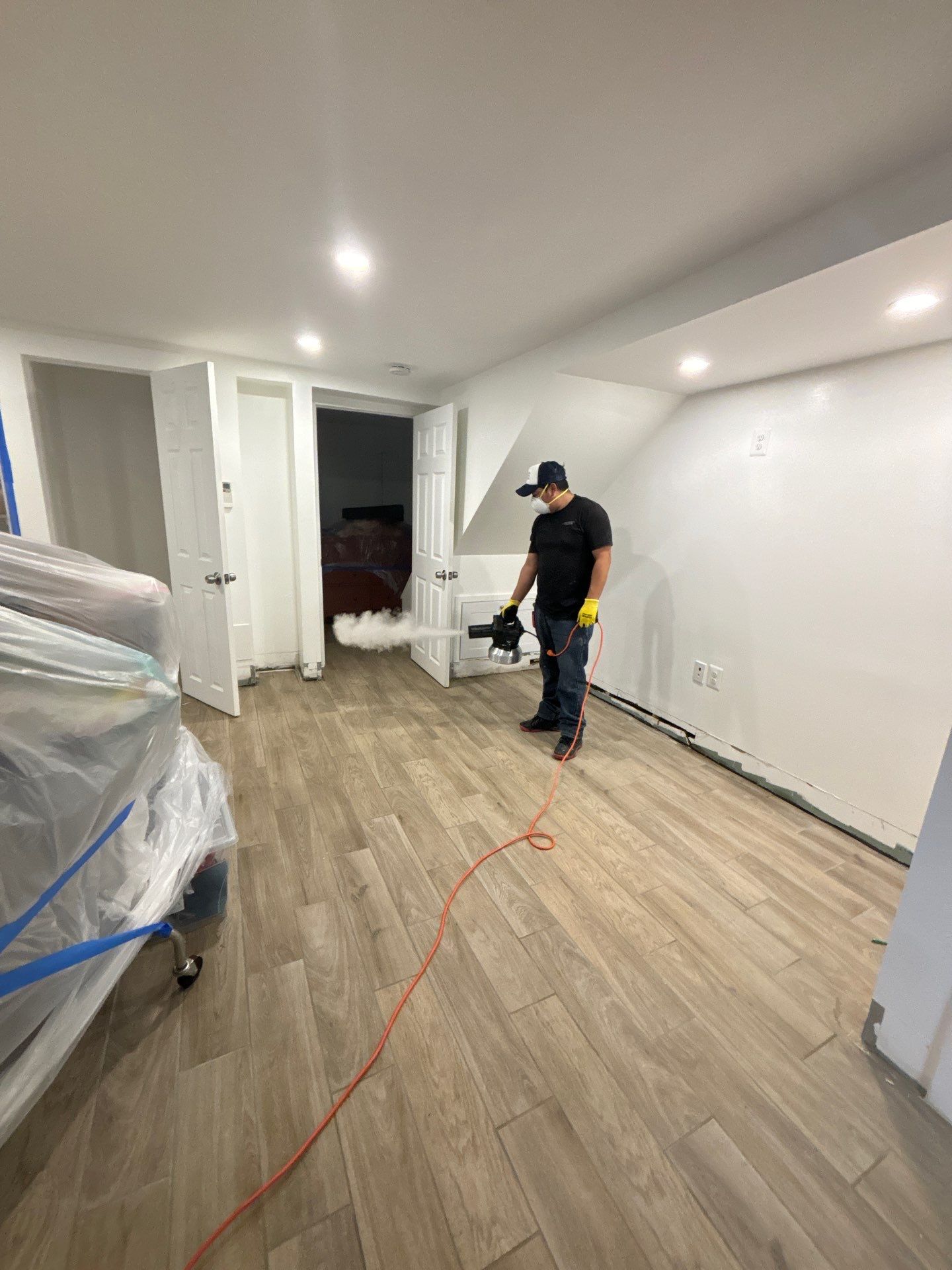
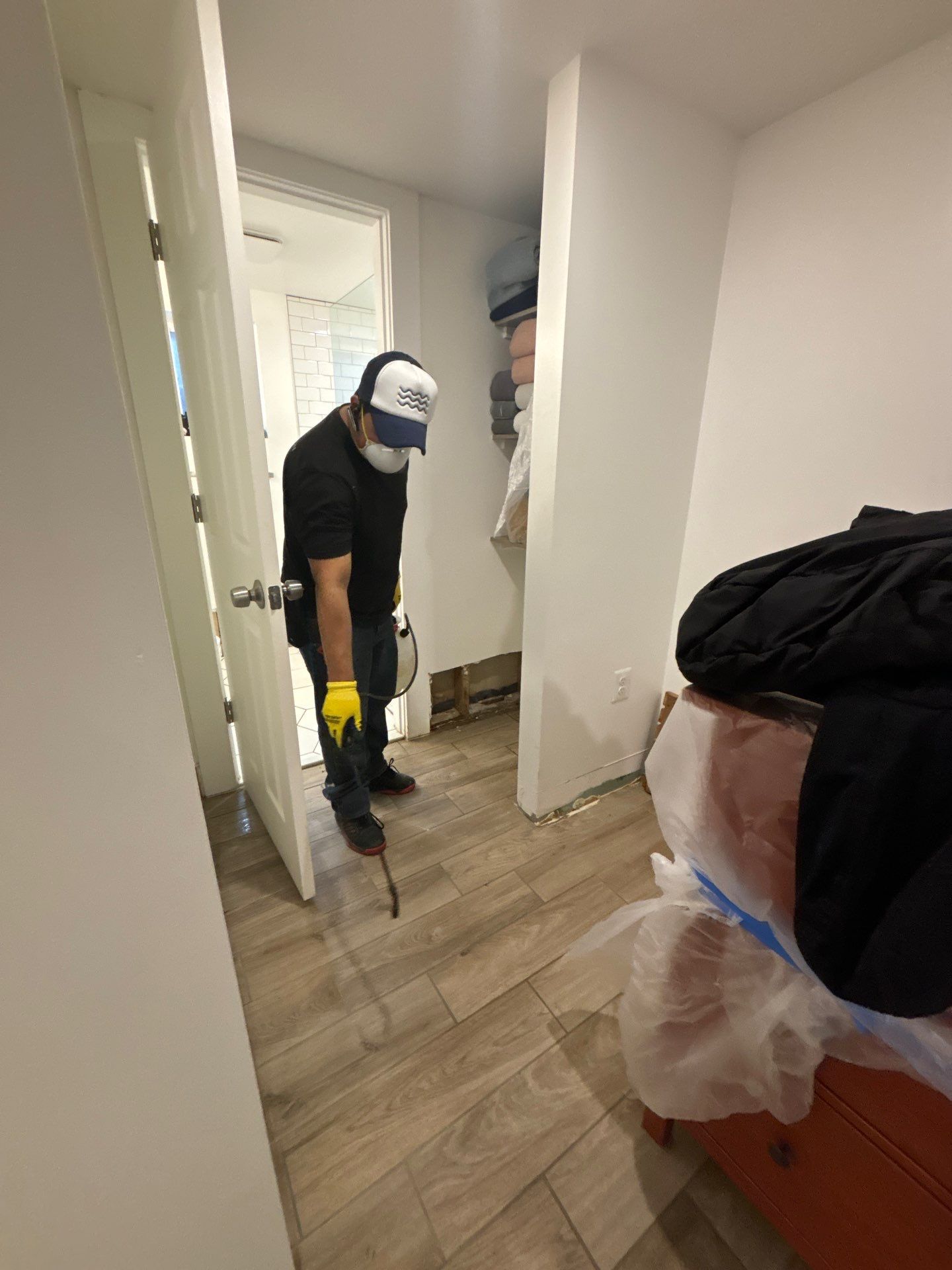
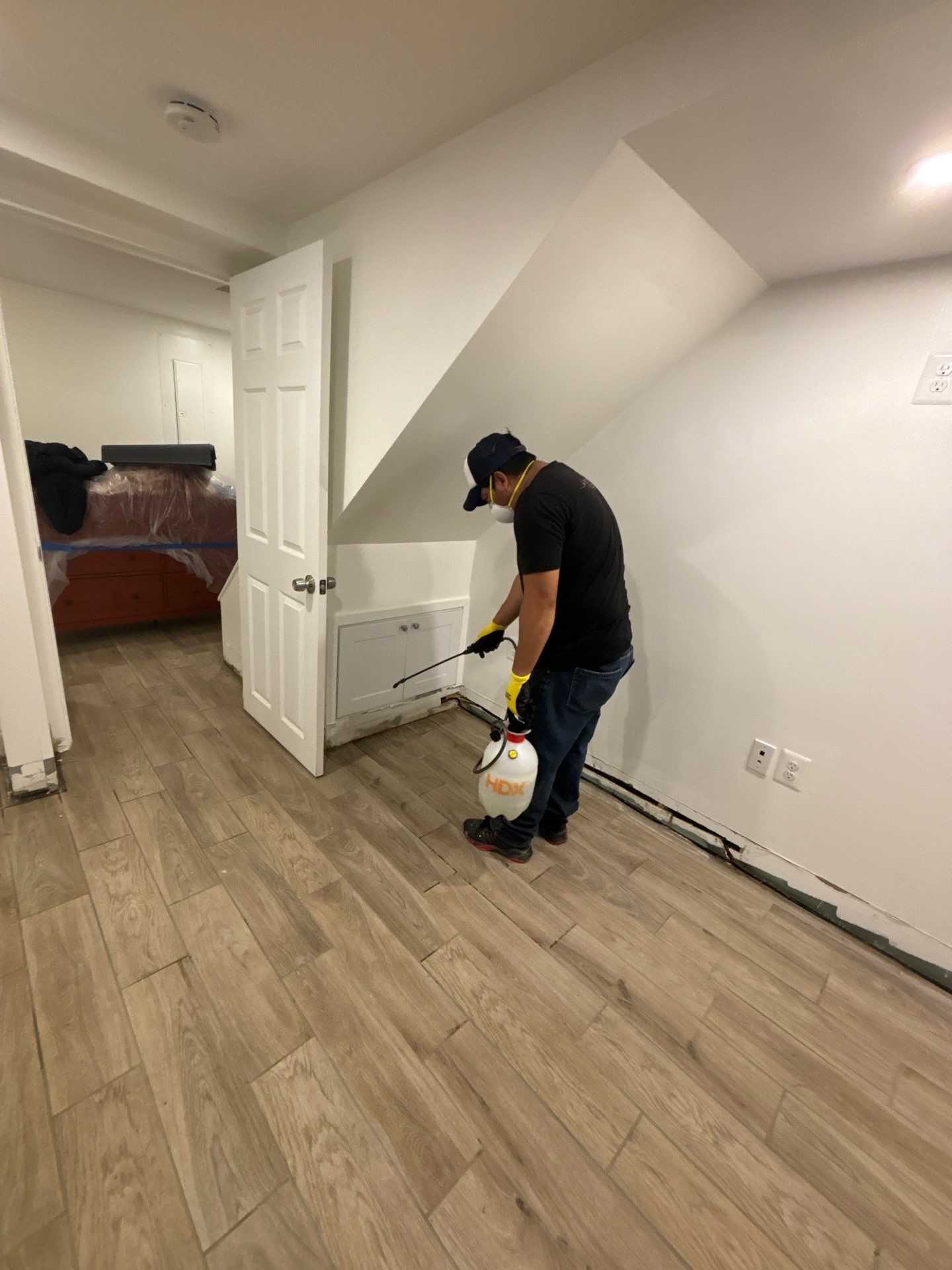
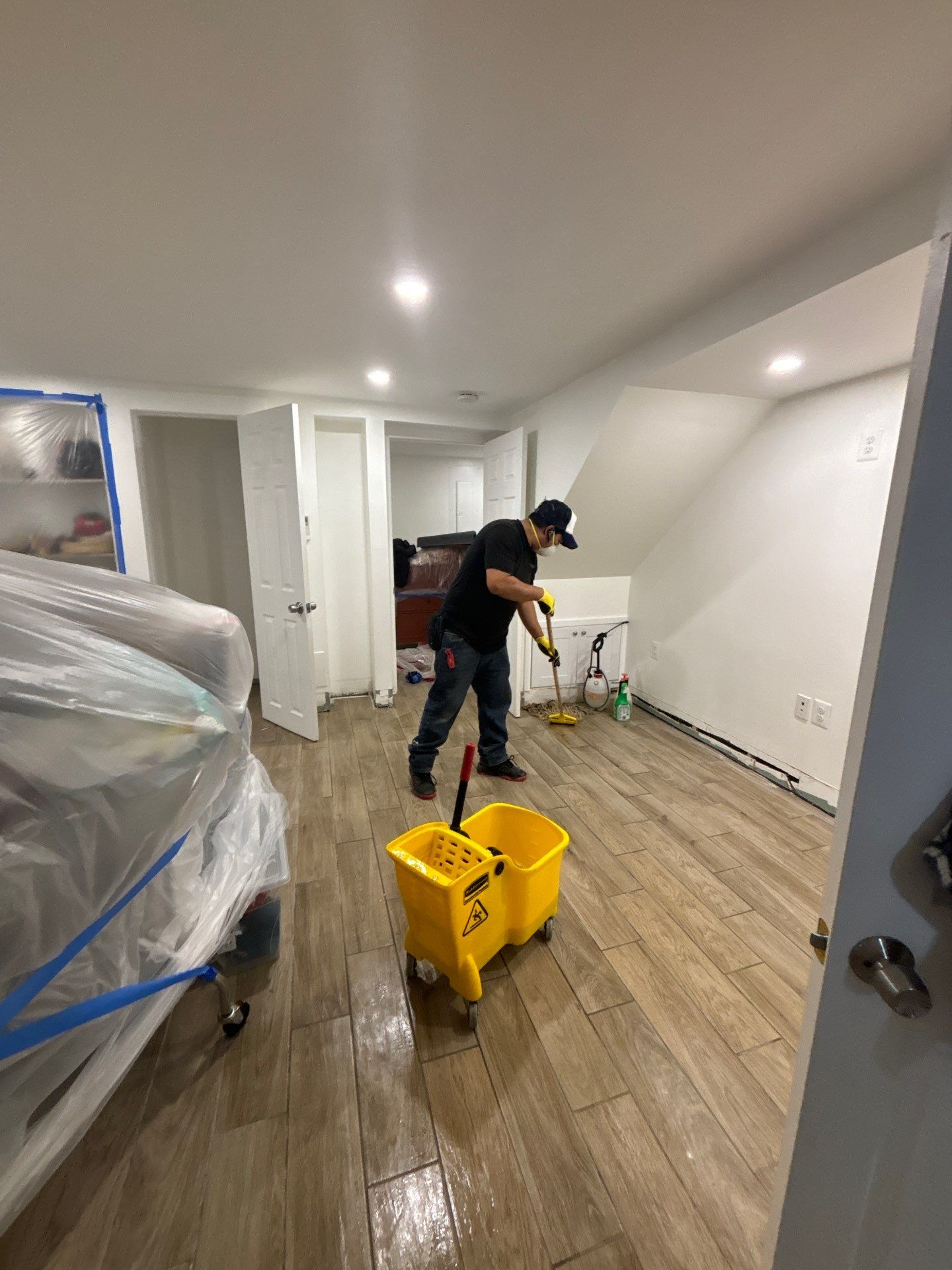
A washing machine leak in a Washington, DC basement presented the dual threat common to the Mid-Atlantic's humid summers: standing water and the mold growth that often follows when moisture persists in below-grade spaces typical of the region's established neighborhoods. We responded by stopping the leak at its source, extracting the standing water with industrial equipment, and deploying dehumidifiers and air movers to dry the affected structure completely—an essential first step before any reconstruction could begin.
Once moisture readings confirmed the space was dry, we turned to repair: damaged flooring was removed and replaced, wall surfaces were patched where water had wicked upward, and compromised subflooring was reinforced to restore structural integrity. Because the homeowner's description noted mold had already begun to establish, we applied antimicrobial treatments to affected surfaces in line with IICRC S520 protocols, ensuring no hidden reservoirs remained behind the new finishes.
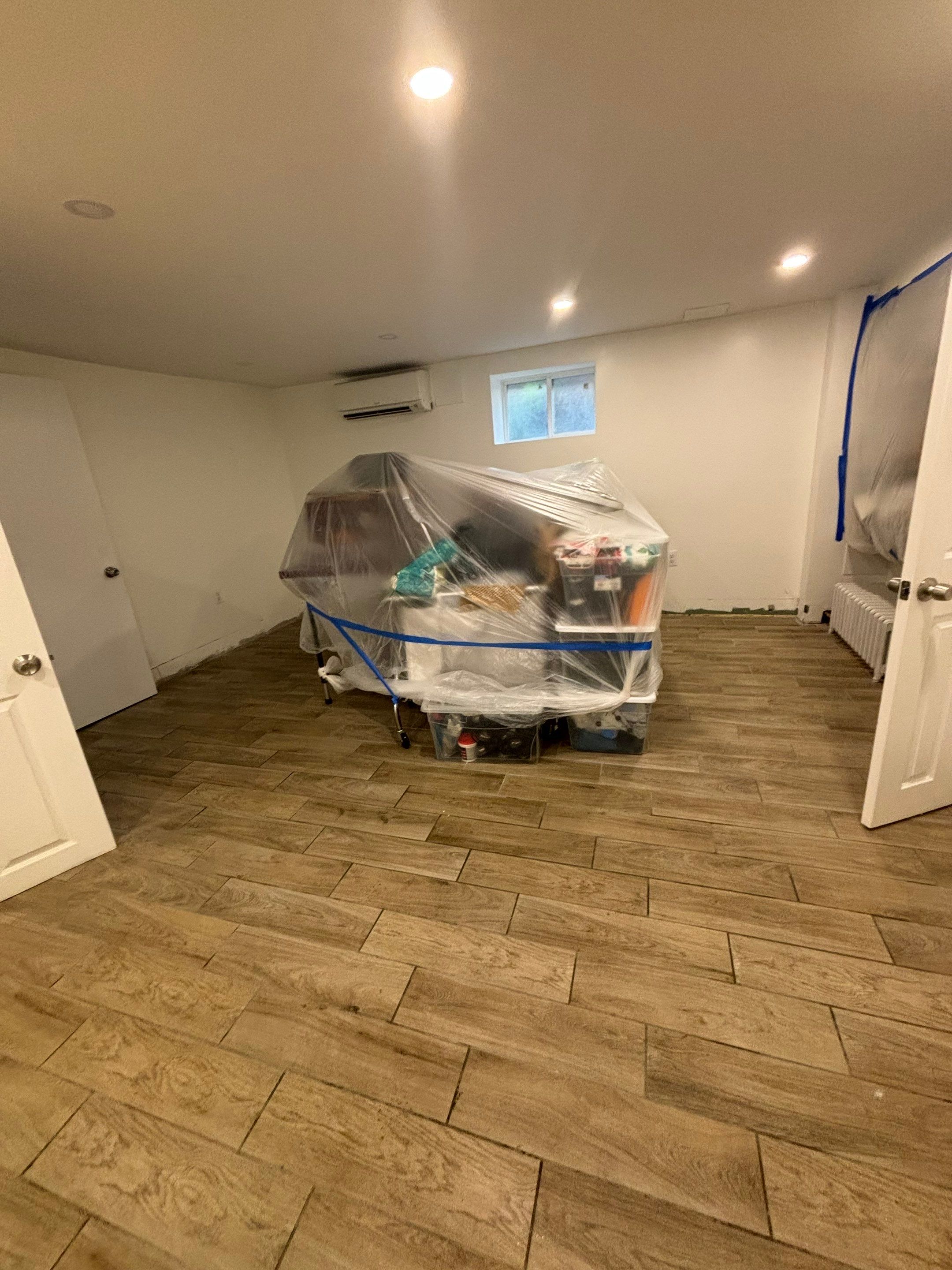
A final walkthrough verified that the basement had returned to a safe, functional condition. The homeowner's feedback reflected confidence that the work had addressed both the visible damage and the less obvious microbial risk, restoring the space as a usable part of the home.
Reviews from Restoration Doctor customers
I recently had a flooded basement due to a burst pipe, and I called Restoration Doctor 24/7 Rapid Response. They were there in a little more than an hour on a Sunday night! Everything was done very well. They were professional and knowledgeable. They were able to save my home from irreparable damage and went above and beyond to help me with my insurance claim afterwards. I would highly recommend Restoration Doctor 24/7 Rapid Response to anyone who needs water damage restoration services. These guys are great and if anything happens in the future i know exactly who to call! https://restorationdoctordc.com
I had been putting off restoring my basement because I thought it would be too expensive or something but I found these guys and the level of work they put in was amazing and surprisingly not as costly as I imagined so was able to do some shopping to decorate as well!!! Win win!
Frequently asked questions
How does a basement washing machine leak lead to mold in Washington, DC rowhouses and apartment buildings?
In Washington's dense urban housing stock—much of it historic rowhouses and mid-rise buildings with limited ventilation—a basement washing machine leak introduces standing water into enclosed spaces where humidity already runs high during Mid-Atlantic summers. Restoration Doctor responds by extracting the water immediately, deploying structural drying equipment, and applying antimicrobial treatments to affected surfaces, preventing mold colonization before it takes hold in porous materials like drywall and subflooring.
What does wall replacement after water damage involve in a DC basement restoration?
When water intrusion saturates drywall beyond the point where drying alone can restore structural integrity, Restoration Doctor removes and replaces the compromised sections, ensuring the new material is installed over thoroughly dried framing. In this Washington basement, we patched walls where localized damage occurred and replaced sections where prolonged moisture had degraded the substrate, then sanitized all surfaces to eliminate residual contamination from the washing machine leak.
Why is subflooring reinforcement necessary after a basement water extraction in Washington?
Standing water from a plumbing failure can weaken subflooring, particularly in older urban construction common throughout Washington's rehabilitated neighborhoods. Restoration Doctor assesses the subfloor after extraction and drying; in this job, we reinforced areas where moisture had compromised load-bearing capacity, then installed new flooring over a structurally sound base to prevent future sagging or failure.
How long does industrial drying equipment need to run after a basement flood in DC?
Drying timelines depend on the volume of water, affected materials, and ambient humidity—Washington's hot, humid summers can slow evaporation if not actively managed. Restoration Doctor monitors moisture levels with calibrated meters throughout the drying process; in this basement water damage case, we ran dehumidifiers and air movers until all structural materials reached equilibrium moisture content, typically several days for concrete and wood assemblies saturated by a washing machine leak.
What antimicrobial treatment does Restoration Doctor use after water damage in Washington basements?
Following extraction, drying, and material replacement in this Washington basement, Restoration Doctor applied EPA-registered antimicrobial agents to all affected surfaces—walls, subflooring, and surrounding framing—to eliminate bacteria and inhibit mold spores introduced by the washing machine leak. The treatment is part of our standard protocol for water intrusion jobs where organic contamination or prolonged moisture exposure creates conditions favorable to microbial growth in the district's humid climate.
Explore more restoration work
All projects in Washington · Water Damage Restoration in Washington
Water, fire, or mold damage in Washington?
Restoration Doctor responds 24/7 across Washington and Northern Virginia. Free assessment and transparent, insurance-friendly estimates — no obligation.
See our Water Damage Restoration services at restorationdoctors.com →