Water Damage from a Leaky Refrigerator Ice Maker
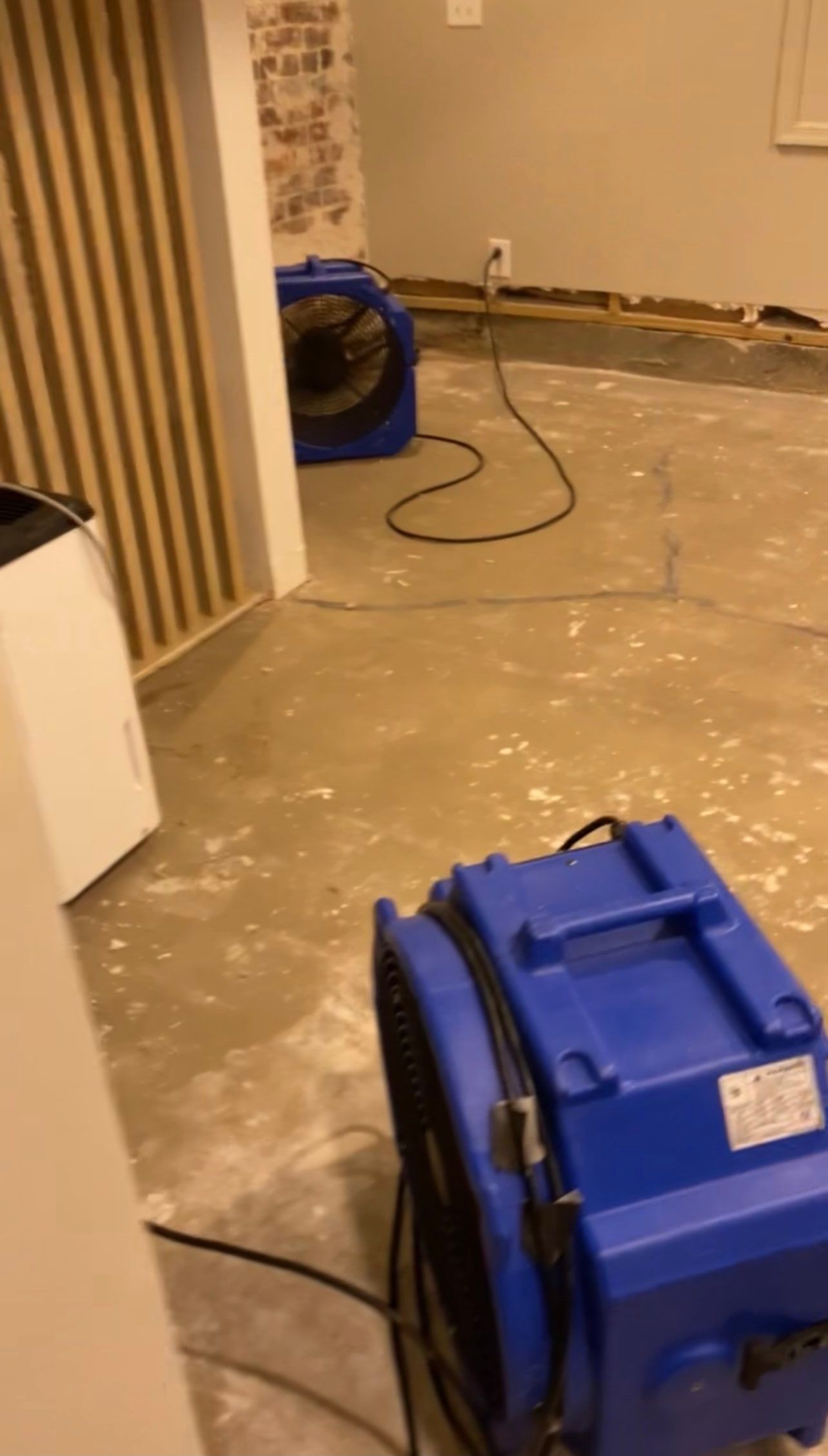
About this water damage restoration project
A refrigerator ice maker leak in a Washington basement underscored a common appliance vulnerability in the region's established housing stock, where older plumbing connections and humid Mid-Atlantic conditions can turn a slow drip into a flooded lower level before the homeowner realizes the supply line has failed.
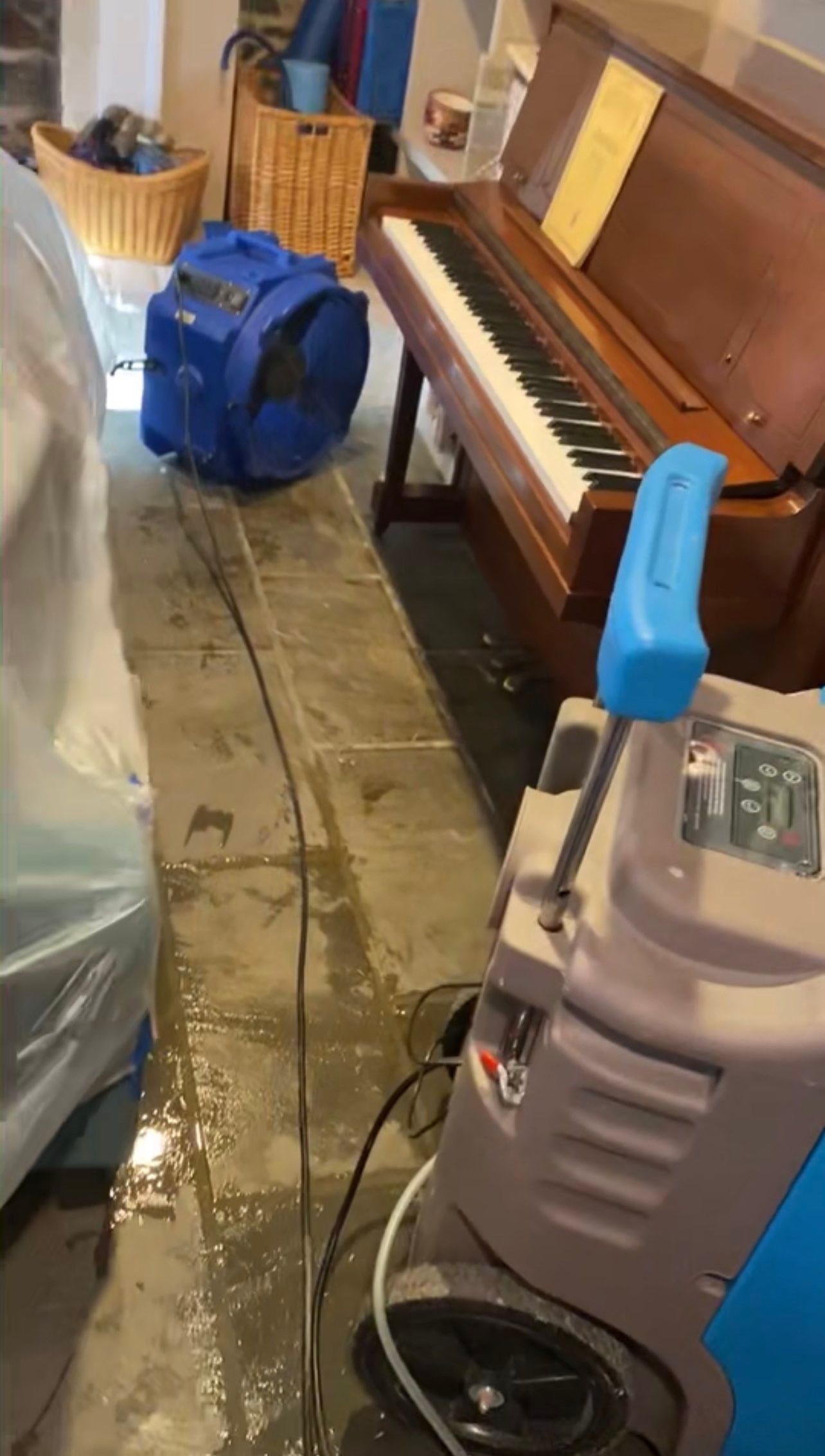
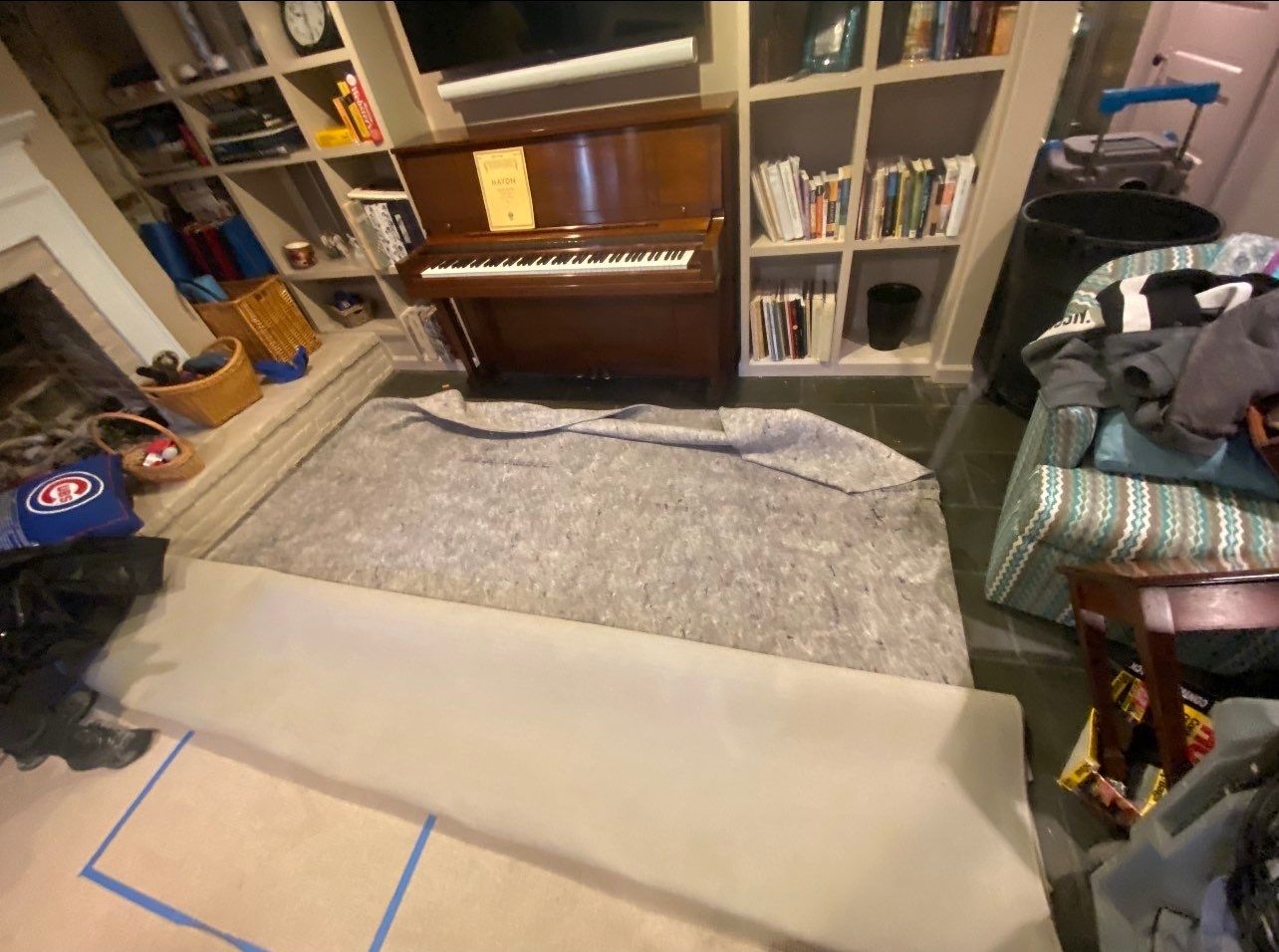
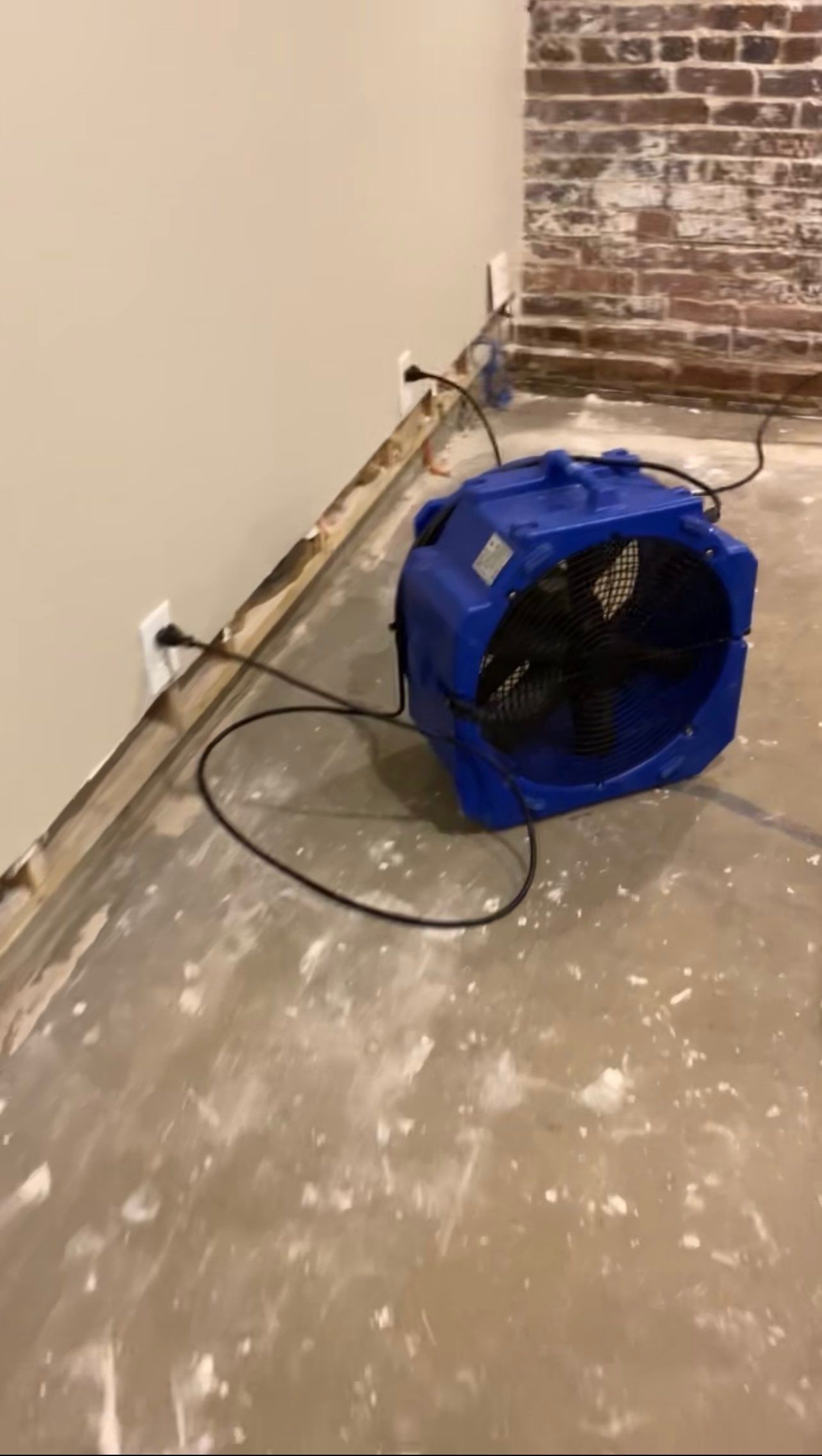
We arrived to find standing water across the basement floor. Our crew began with immediate extraction using truck-mounted equipment, pulling saturated water from carpet and pad before it could migrate further into wall cavities or subfloor assemblies. Once the bulk moisture was removed, we assessed the extent of damage to baseboards, drywall, and framing, then established containment to isolate affected zones from occupied living space. Water-damaged materials that could not be dried in place—sections of baseboard and insulation—were removed and staged for disposal.
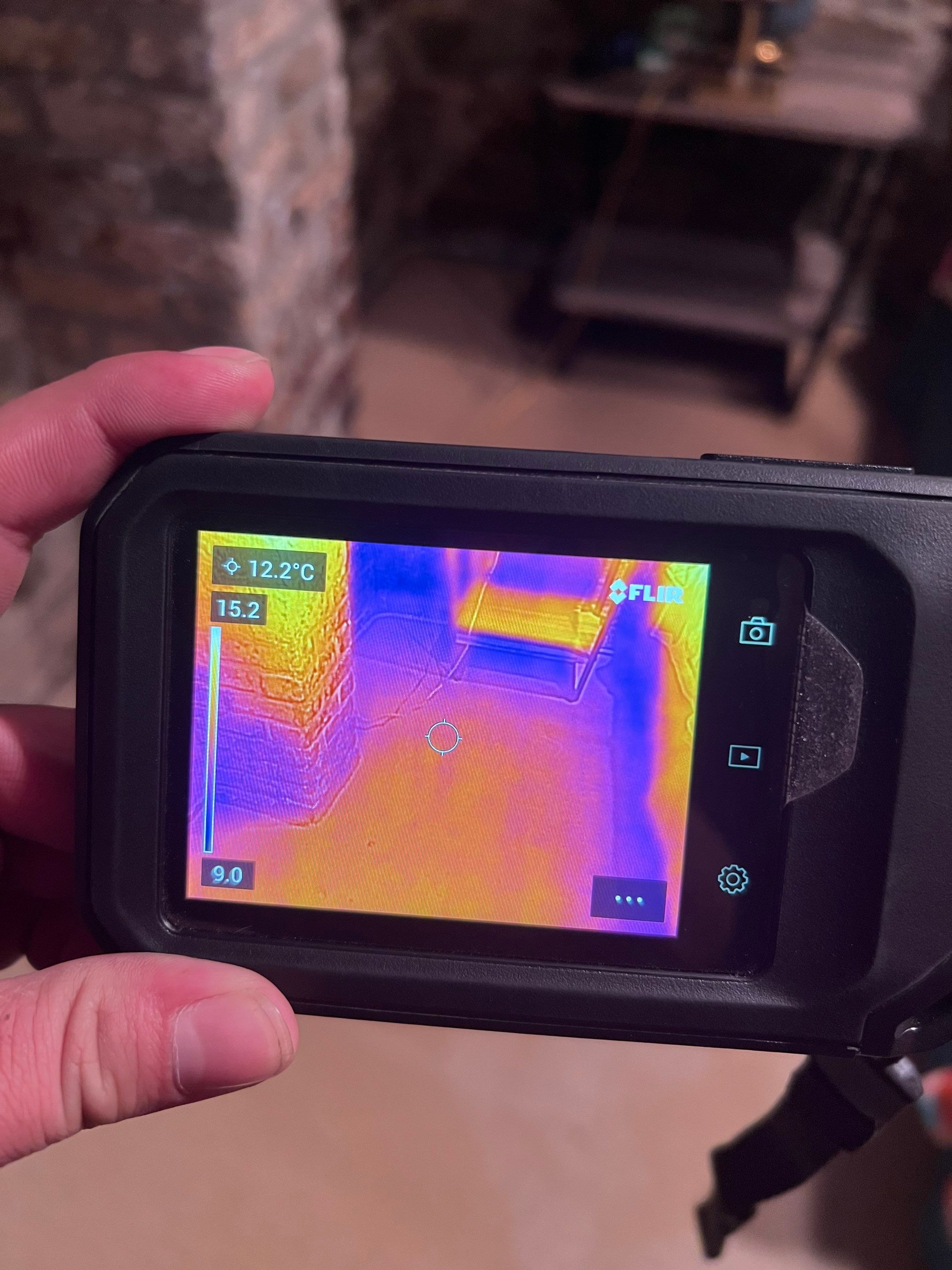
Industrial dehumidifiers and air movers ran continuously to drive remaining moisture from structural cavities, following IICRC S500 protocols for Class 2 water intrusion. Daily moisture mapping confirmed drying progress. After the space reached equilibrium moisture content, we sanitized all surfaces with an EPA-registered antimicrobial and completed finish repairs to return the basement to pre-loss condition. A final walkthrough with the homeowner confirmed both the quality of the work and that the ice maker supply line had been properly secured to prevent recurrence.
Frequently asked questions
How quickly does Restoration Doctor respond to a refrigerator leak in Washington, DC?
Restoration Doctor mobilizes immediately when a refrigerator ice maker or other appliance leak is reported in Washington, DC. Our team arrives equipped to extract standing water, assess structural damage, and begin containment before moisture migrates through the dense rowhouse or apartment construction common in the district. Speed is critical in urban settings where shared walls and aging infrastructure can accelerate secondary damage.
What does standing-water extraction involve after a plumbing leak in a DC basement?
For this basement water damage in Washington, DC, Restoration Doctor used truck-mounted extractors and portable wet vacuums to remove standing water from affected flooring and subflooring. We then assessed moisture penetration into framing and drywall, removed saturated materials that couldn't be saved, and deployed industrial air movers and dehumidifiers to dry the structure to IICRC S500 standards. The goal is to halt moisture migration before it reaches adjoining spaces or feeds microbial growth.
Why is sanitizing necessary after water extraction in Washington, DC homes?
Even clean supply-line water from an ice maker can pick up contaminants as it sits on basement surfaces, especially in older urban buildings where dust, organic debris, and biofilm are present. Restoration Doctor applies EPA-registered antimicrobial treatments to all affected surfaces after drying to eliminate bacteria and prevent odor. In the humid Mid-Atlantic climate, sanitizing is a standard step to ensure the space remains safe and healthy once restored.
What preventative measures can stop future appliance leaks in DC rowhouses?
After completing the water damage restoration, Restoration Doctor recommended inspecting the refrigerator's water supply line for age and wear, installing a leak-detection alarm near the appliance, and ensuring the basement floor drain remains clear—common concerns in Washington's historic housing stock. We also advised the homeowner to periodically check for slow leaks behind the unit, as early detection prevents the kind of standing-water event that required extraction and structural drying in this case.
Explore more restoration work
All projects in Washington · Water Damage Restoration in Washington
Water, fire, or mold damage in Washington?
Restoration Doctor responds 24/7 across Washington and Northern Virginia. Free assessment and transparent, insurance-friendly estimates — no obligation.
See our Water Damage Restoration services at restorationdoctors.com →