Swift Action on Severe Water Damage
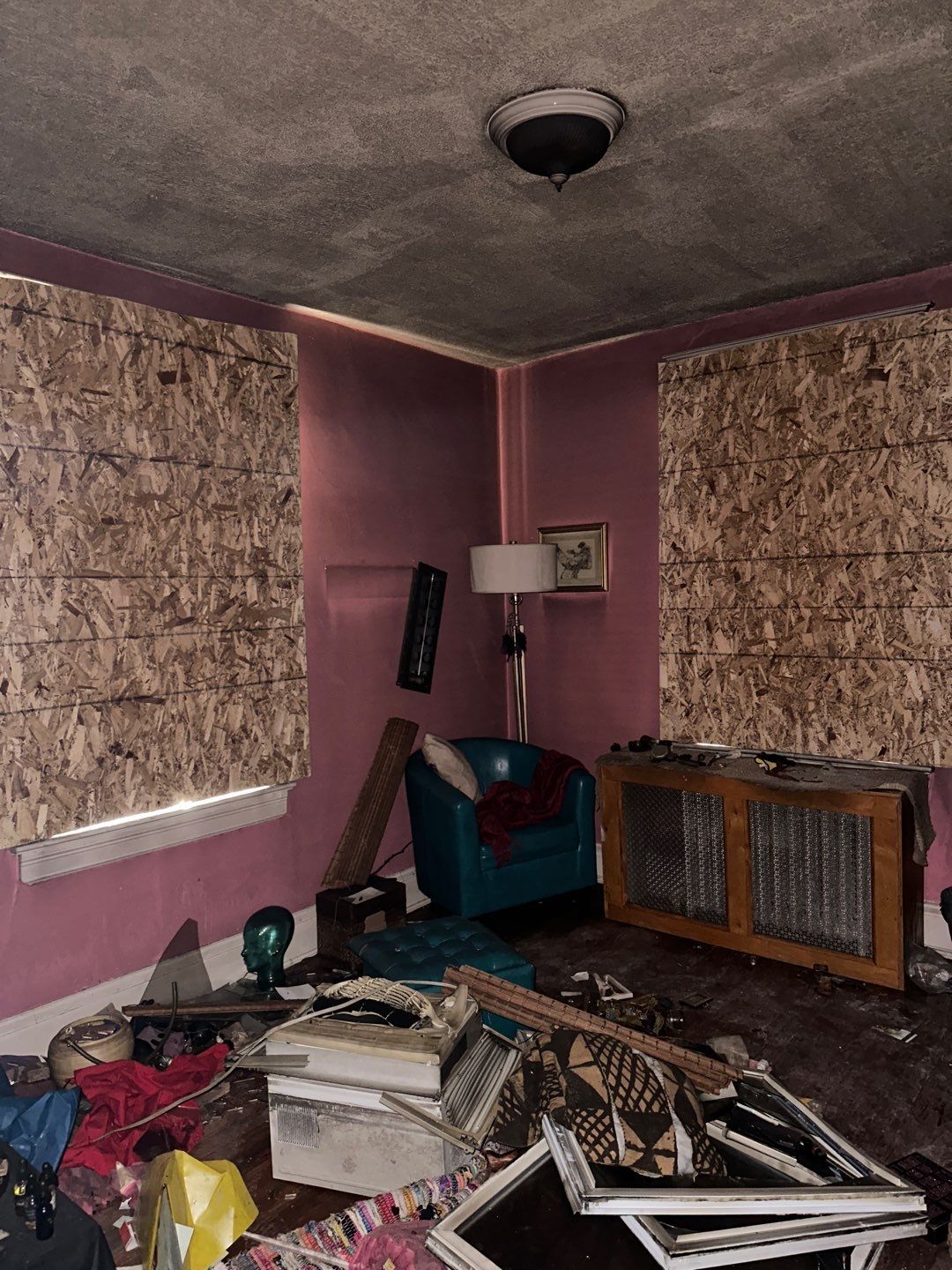
About this water damage restoration project
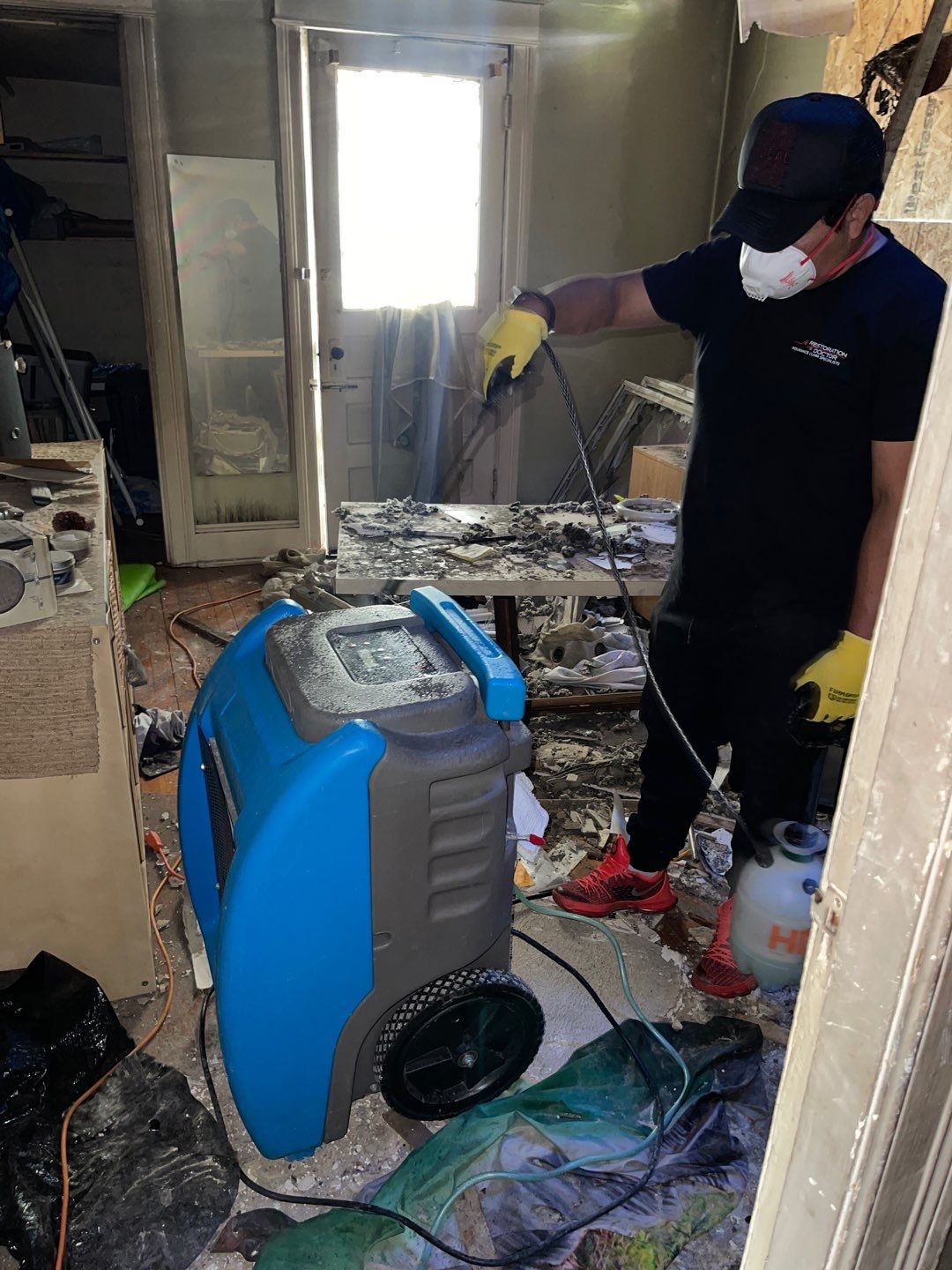
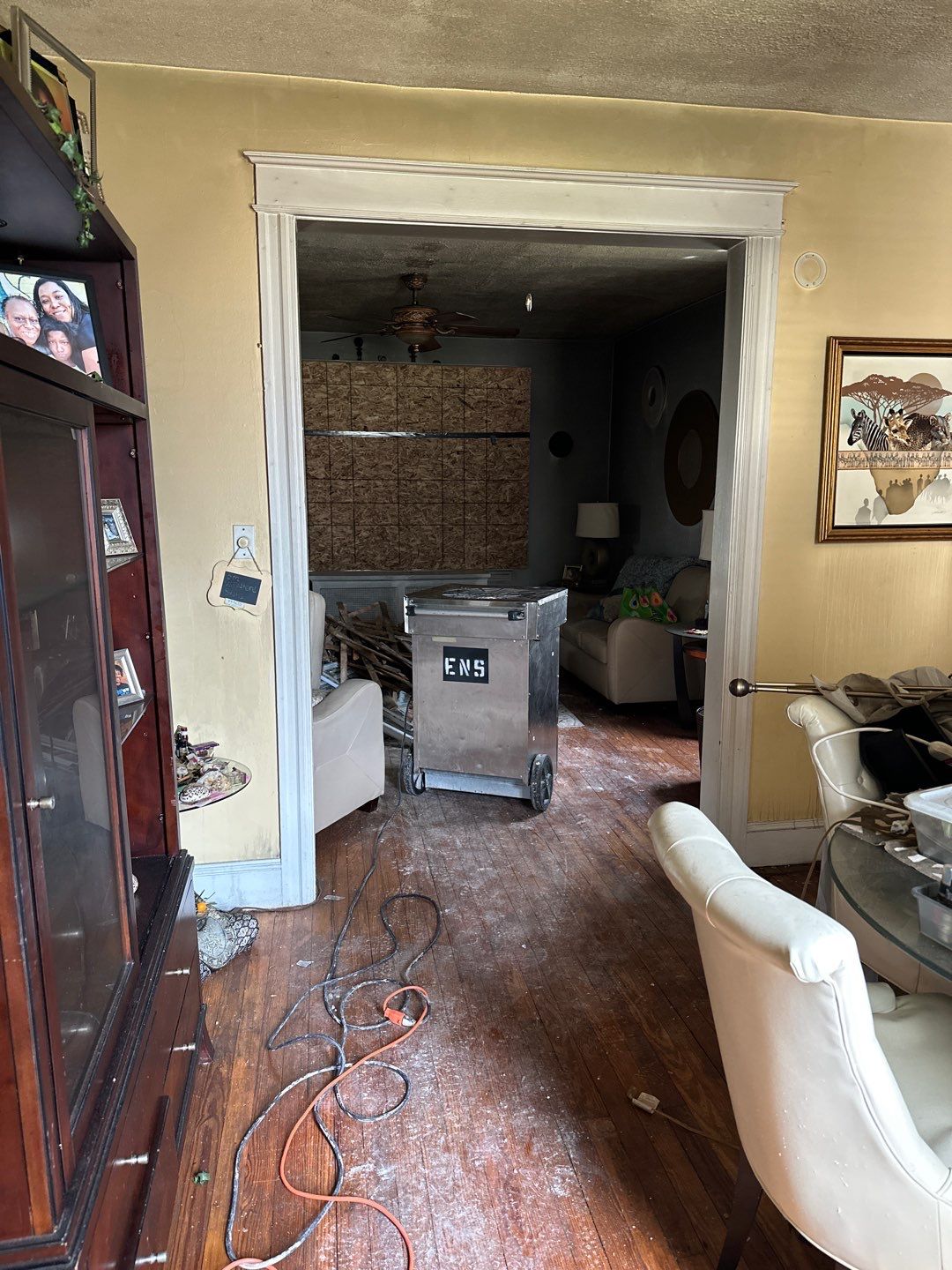
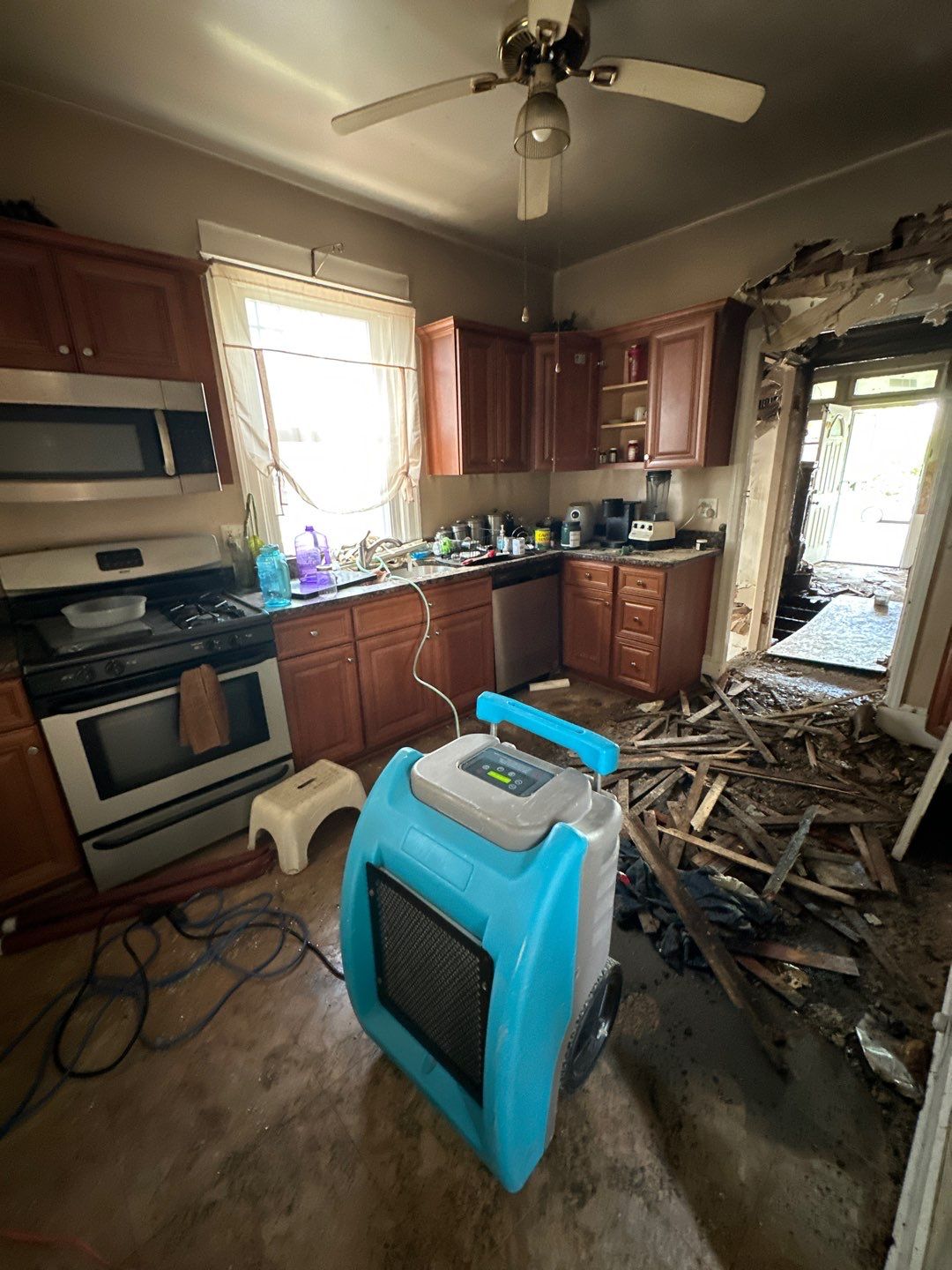
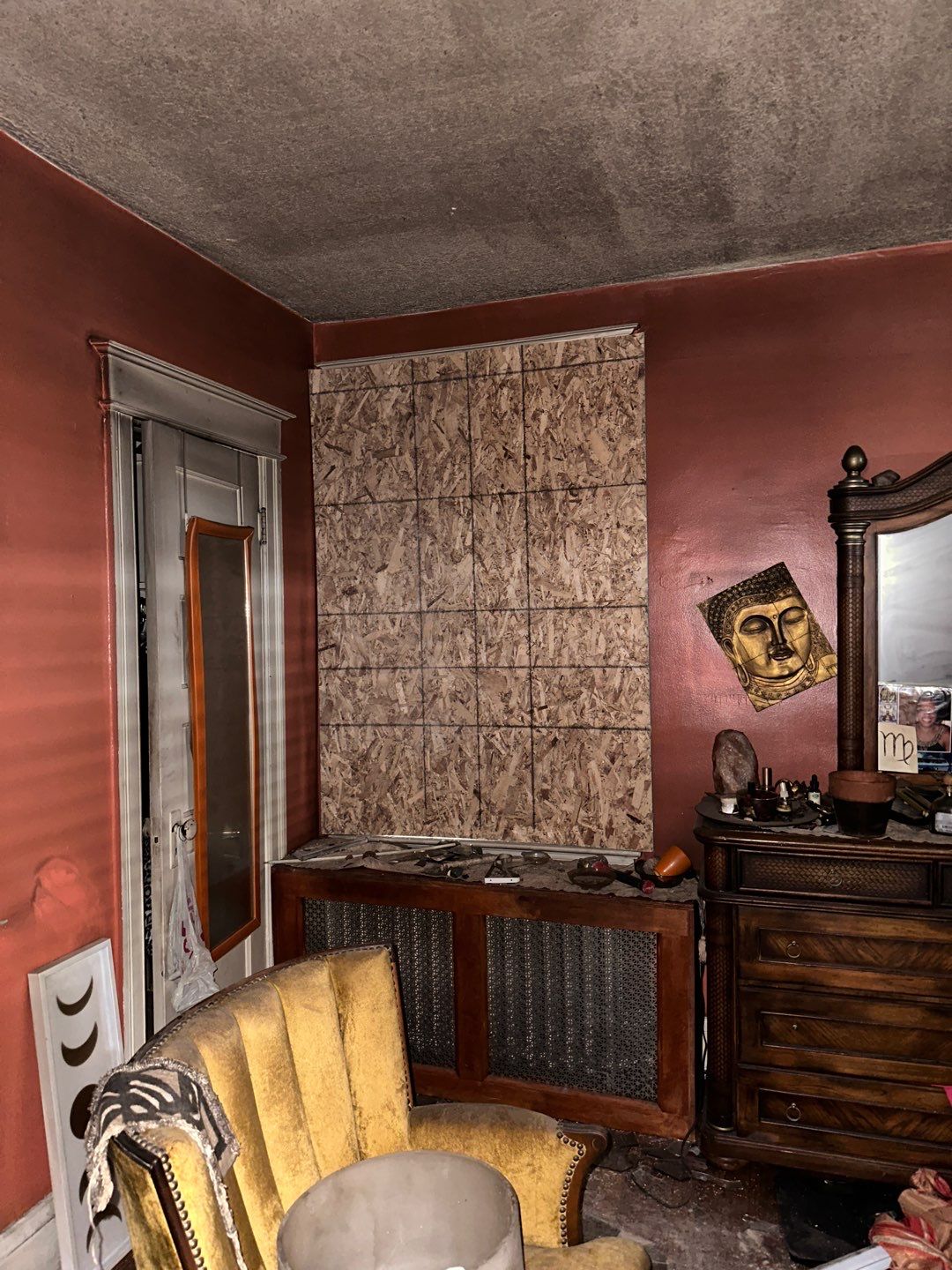
A severe storm overwhelmed drainage systems and sent floodwater through multiple floors of a rehabilitated urban residence, triggering the mold growth that brought us to the site. In Washington's federal district, where hot, humid summers follow spring deluges and aging infrastructure concentrates stormwater failures, water intrusion in密closed rowhouses and converted buildings creates ideal conditions for secondary microbial amplification if not addressed within the first 48 hours.
Our response centered on immediate extraction of standing water from flooring and wall cavities, followed by industrial dehumidification and air movement to bring materials back to dry standard. We removed and replaced compromised drywall and flooring where saturation had progressed beyond salvage, then turned to the mold remediation that the initial intrusion had triggered—containment, HEPA filtration, antimicrobial treatment, and removal of affected materials in accordance with IICRC S520 protocols. Electrical systems submerged during the event were inspected, dried, and restored to safe operation.
Continuous psychrometric monitoring confirmed that hidden moisture pockets in framing and subfloor assemblies had returned to equilibrium before we closed containment. The homeowner noted in their review the thoroughness of our process and the care taken to limit disruption during a multi-phase restoration, and the building returned to occupancy in pre-loss condition.
Frequently asked questions
How does Washington, D.C.'s aging urban infrastructure contribute to water damage and mold growth after storms?
In Washington, D.C., aging stormwater systems and older plumbing in historic rowhouses and rehabilitated buildings can concentrate water intrusion during severe weather, overwhelming drainage capacity. When standing water isn't extracted quickly, the district's hot, humid summers create ideal conditions for mold colonization on flooring, drywall, and structural materials. Restoration Doctor addresses both the immediate flooding and the secondary mold risk through extraction, structural drying, and remediation protocols tailored to urban building stock.
What does mold remediation after water intrusion involve in a D.C. property?
Following water damage in Washington, D.C., Restoration Doctor's mold remediation begins with thorough inspection to map affected areas, then containment and controlled removal of colonized materials like carpet and drywall. We apply antimicrobial treatments where appropriate and verify drying with moisture monitoring to prevent recurrence. The process restores indoor air quality and structural integrity in the dense urban housing common to the district.
How long does structural drying take after severe storm flooding in Washington, D.C.?
Structural drying duration in Washington, D.C. depends on the extent of water intrusion, affected materials, and ambient humidity levels—particularly during the district's humid summer months. Restoration Doctor uses continuous moisture monitoring and dehumidification equipment to dry flooring, framing, and wall cavities to industry standards, typically completing the process within several days to a week for moderate losses. Each job is tracked to documented dryness before reconstruction begins.
Can electrical systems be safely restored after standing water floods a D.C. building?
Yes—Restoration Doctor coordinates electrical system assessment and restoration after standing-water events in Washington, D.C., ensuring all circuits, panels, and outlets are inspected, dried, and tested before re-energizing. Water-damaged wiring and components are repaired or replaced as needed to meet code and safety standards. This work proceeds in parallel with structural drying to minimize downtime and restore full building function.
What flooring materials in D.C. rowhouses are most vulnerable to water damage and mold?
In Washington, D.C.'s historic rowhouses, hardwood flooring, carpet over concrete slabs, and older subflooring are highly susceptible to water absorption and mold growth when flooding occurs. Restoration Doctor evaluates each affected material for salvageability, removes and replaces compromised sections, and ensures underlying structures are fully dried. Proper remediation prevents long-term moisture issues common in the district's dense, older housing stock.
Explore more restoration work
All projects in Washington · Water Damage Restoration in Washington
Water, fire, or mold damage in Washington?
Restoration Doctor responds 24/7 across Washington and Northern Virginia. Free assessment and transparent, insurance-friendly estimates — no obligation.
See our Water Damage Restoration services at restorationdoctors.com →