Sprinkler System Malfunction
About this water damage restoration project
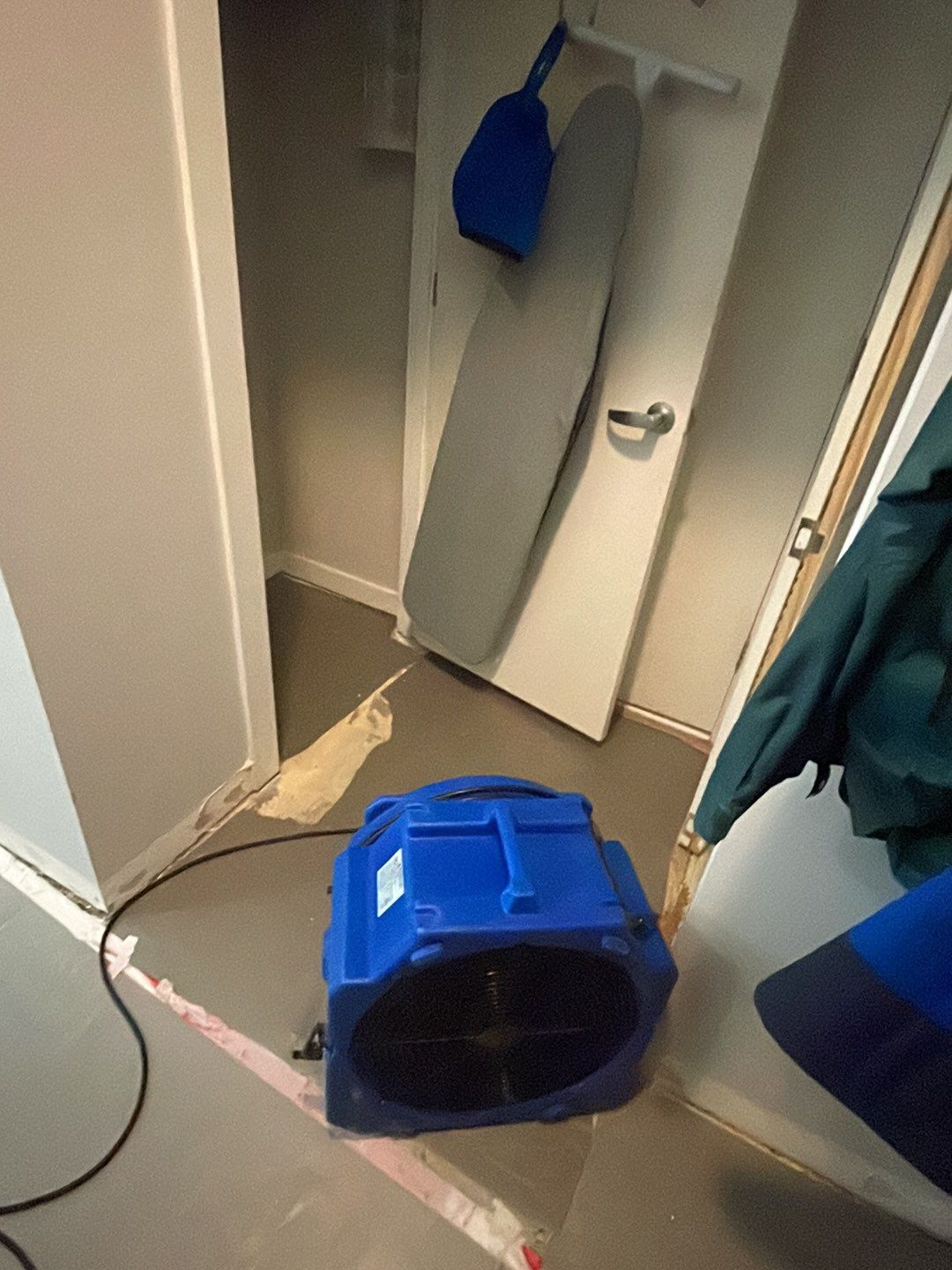
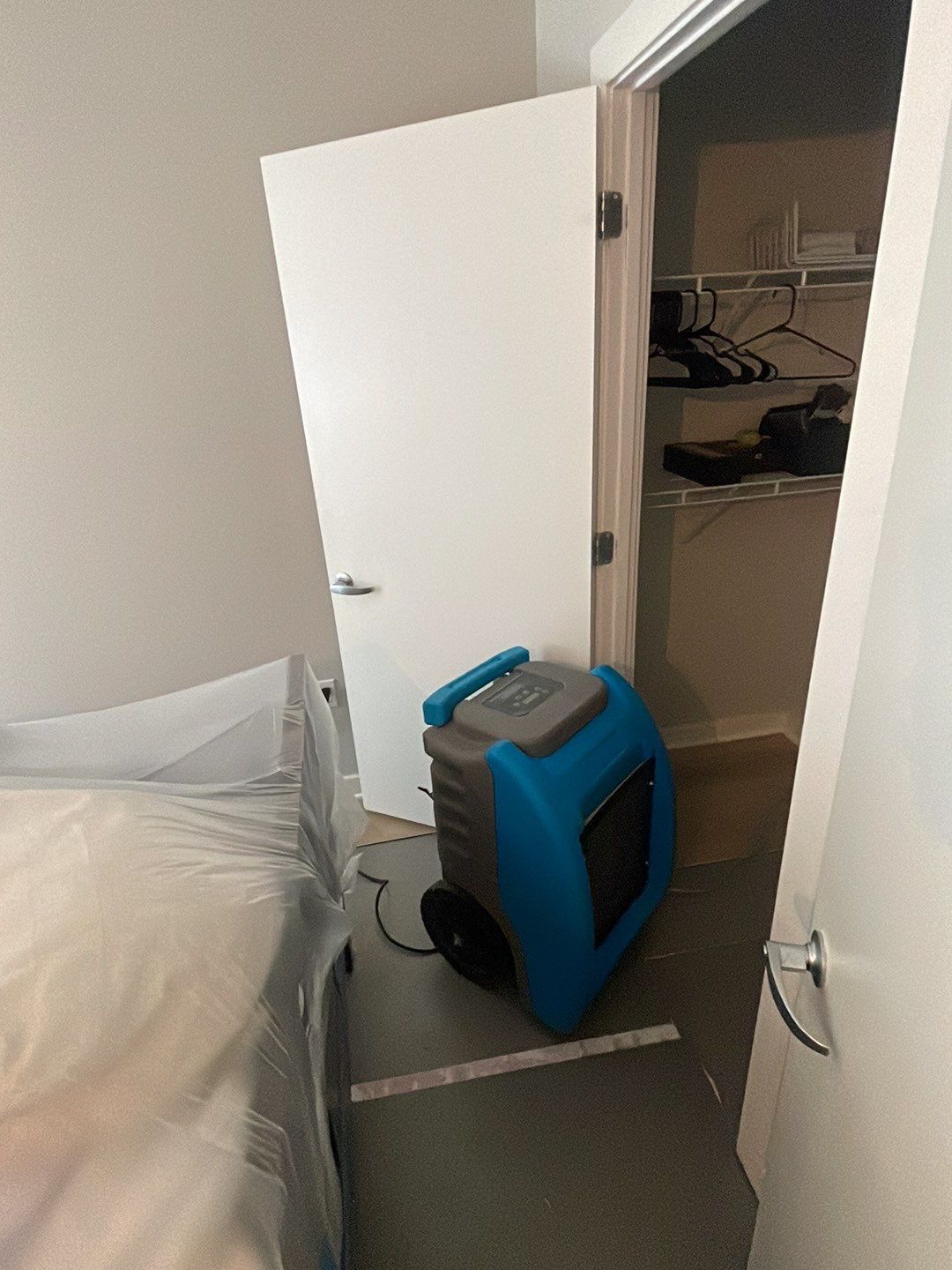
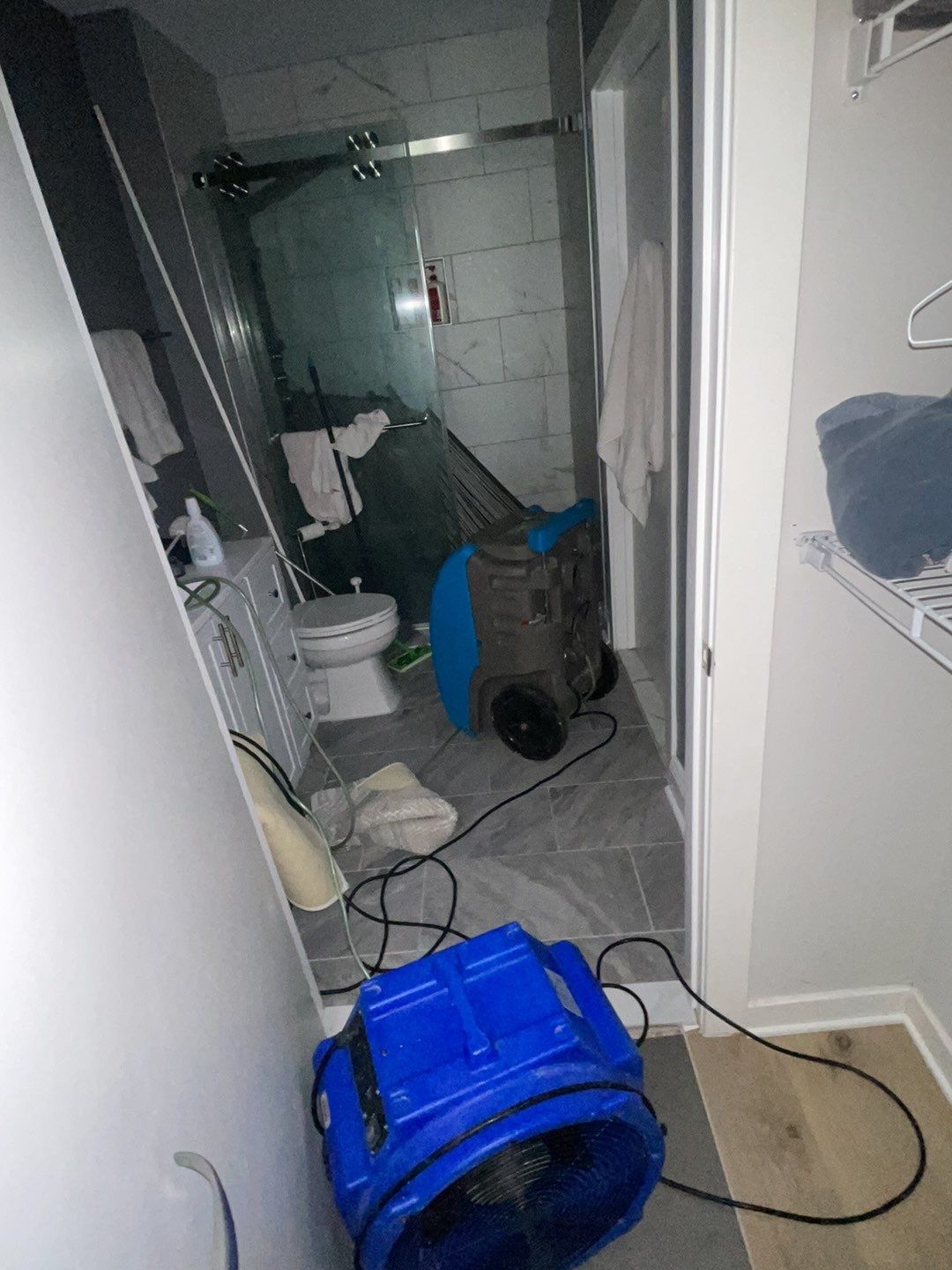
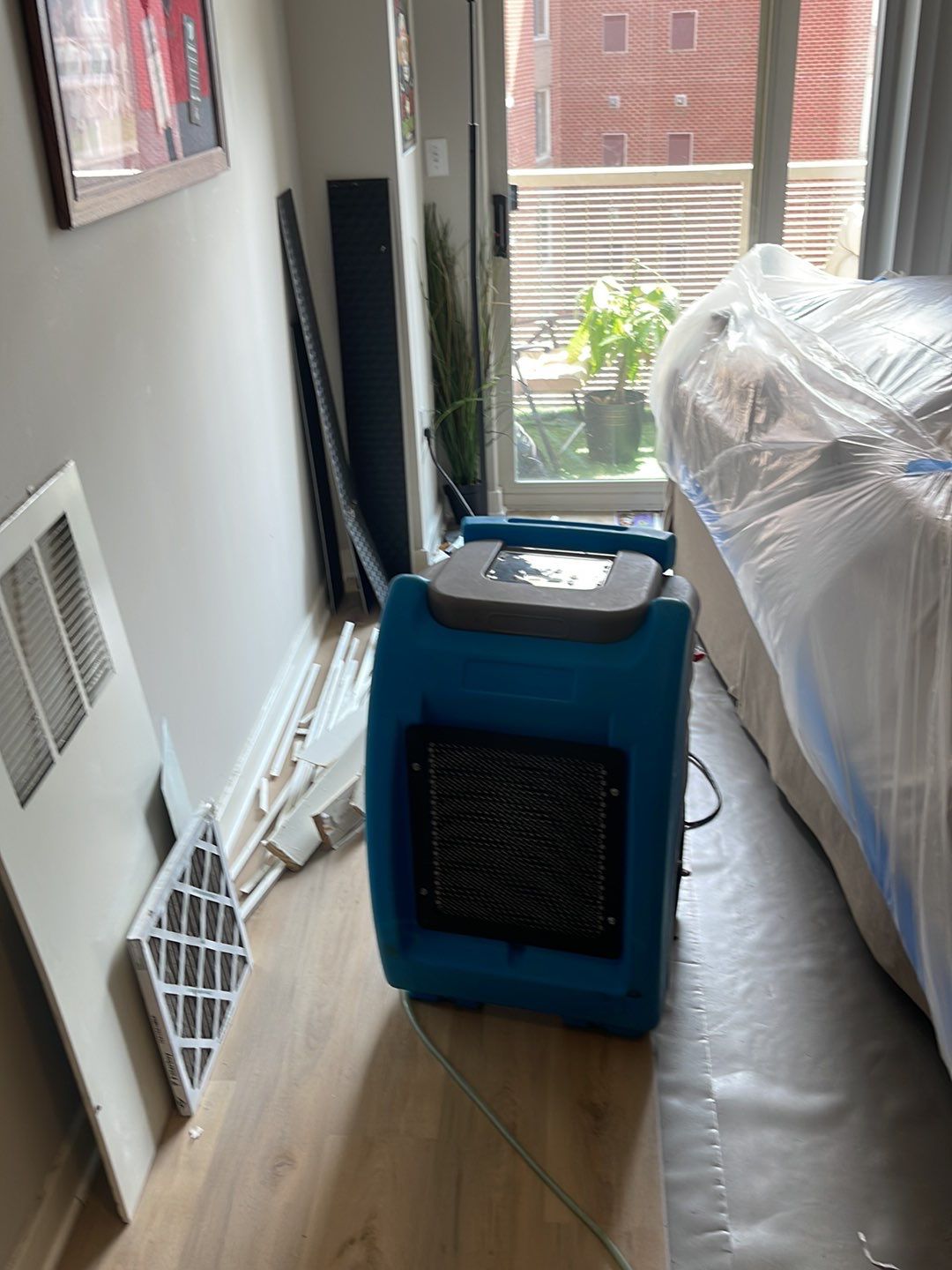
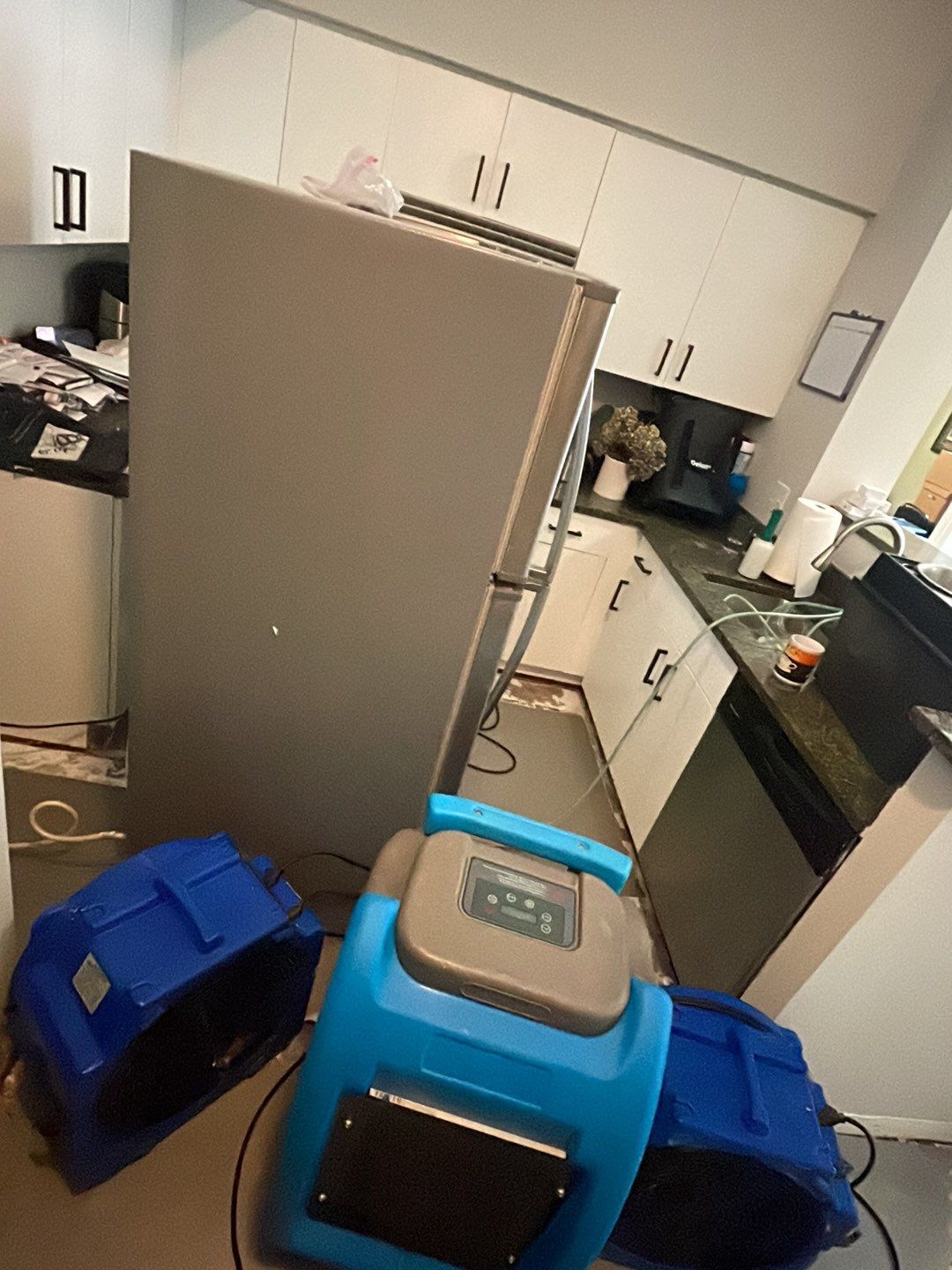
A malfunctioning sprinkler system in a Washington, DC residence created the kind of multi-floor flooding scenario that demands rapid response—especially in the Mid-Atlantic's humid climate, where standing water can fuel mold growth within 48 hours. The system failure sent water cascading through multiple levels, saturating furniture, electronics, and irreplaceable documents before the homeowner could intervene.
Our crew began with immediate extraction, using truck-mounted pumps to remove standing water from affected floors. Once the bulk water was cleared, we deployed industrial-grade dehumidifiers and air movers to address trapped moisture in subflooring and wall cavities, following IICRC S500 protocols for Category 2 water intrusion. Critical documents were carefully removed and assessed for salvage; electronics and furniture received triage to determine what could be restored versus what required replacement.
With structural drying underway, we applied antimicrobial treatments to all impacted surfaces—a necessary step given the job's cause of loss, which had already begun to support early mold colonization in concealed spaces. The containment and sanitation work created a baseline for safe occupancy while drying equipment continued to pull moisture levels down to pre-loss readings. The homeowner noted in their review the efficiency of the process and the care taken with their belongings, which allowed them to return to a fully functional home far sooner than they'd expected after such extensive flooding.
Frequently asked questions
How does Restoration Doctor handle standing water from a sprinkler malfunction in a Washington, DC multi-story building?
Restoration Doctor responds to sprinkler failures in DC's dense urban buildings by first extracting all standing water using truck-mounted and portable extraction equipment, then deploying industrial air movers and dehumidifiers to dry structural cavities and prevent migration between floors. We monitor moisture levels in walls, ceilings, and subfloors to ensure thorough drying, which is critical in multi-story structures where water travels vertically through chases and floor assemblies. Our technicians document the drying process to meet insurance requirements and prevent secondary damage.
Can water-damaged documents and electronics be salvaged after flooding in Washington, DC?
Restoration Doctor assesses all affected documents and electronics immediately after water extraction to determine salvageability—time is the deciding factor, especially in DC's humid summer climate where mold can begin colonizing wet paper and circuit boards within days. We use specialized drying chambers for vital documents and coordinate with electronics recovery specialists when feasible, though success depends on the duration of water contact and contamination level. Homeowners should never attempt to power on wet electronics, as residual moisture can cause permanent failure or safety hazards.
Why is mold remediation necessary after water damage in Washington, DC homes?
Mold remediation becomes essential in DC's hot, humid Mid-Atlantic climate because elevated indoor moisture from water intrusion—combined with organic building materials common in the district's historic rowhouses and older apartments—creates ideal conditions for fungal growth. Restoration Doctor follows IICRC S520 protocols to contain affected areas, remove contaminated materials, apply antimicrobial treatments, and verify clearance, preventing health risks and structural deterioration. Without proper remediation, mold can spread through HVAC systems and hidden wall cavities, making early intervention critical.
How long does structural drying take after carpet and flooring are damaged by water in Washington, DC?
Drying timelines in Washington, DC depend on the flooring type, the volume of water, and ambient humidity—carpet and pad typically dry faster than hardwood or engineered flooring, which may require specialized mat systems to pull moisture from beneath. Restoration Doctor uses moisture meters and thermal imaging to track progress daily, with most residential jobs reaching dry standard within three to seven days if conditions are controlled. DC's summer humidity can extend drying times, so we adjust dehumidification capacity and airflow to compensate for outdoor moisture infiltration.
What sanitizing steps does Restoration Doctor take after extracting standing water from a flooded building?
After water extraction, Restoration Doctor sanitizes all affected surfaces using EPA-registered antimicrobial agents to eliminate bacteria, viruses, and organic residues left by floodwater—especially important when plumbing or sprinkler water has contacted furnishings, walls, and subfloors. We focus on porous materials like drywall and wood framing that can harbor contaminants, and we treat HVAC components if water reached ductwork or air handlers. Sanitizing reduces odor, prevents microbial amplification during drying, and ensures the space is safe for occupants to re-enter once structural drying is complete.
Explore more restoration work
All projects in Washington · Water Damage Restoration in Washington
Water, fire, or mold damage in Washington?
Restoration Doctor responds 24/7 across Washington and Northern Virginia. Free assessment and transparent, insurance-friendly estimates — no obligation.
See our Water Damage Restoration services at restorationdoctors.com →