Sewage Backup in Bathroom
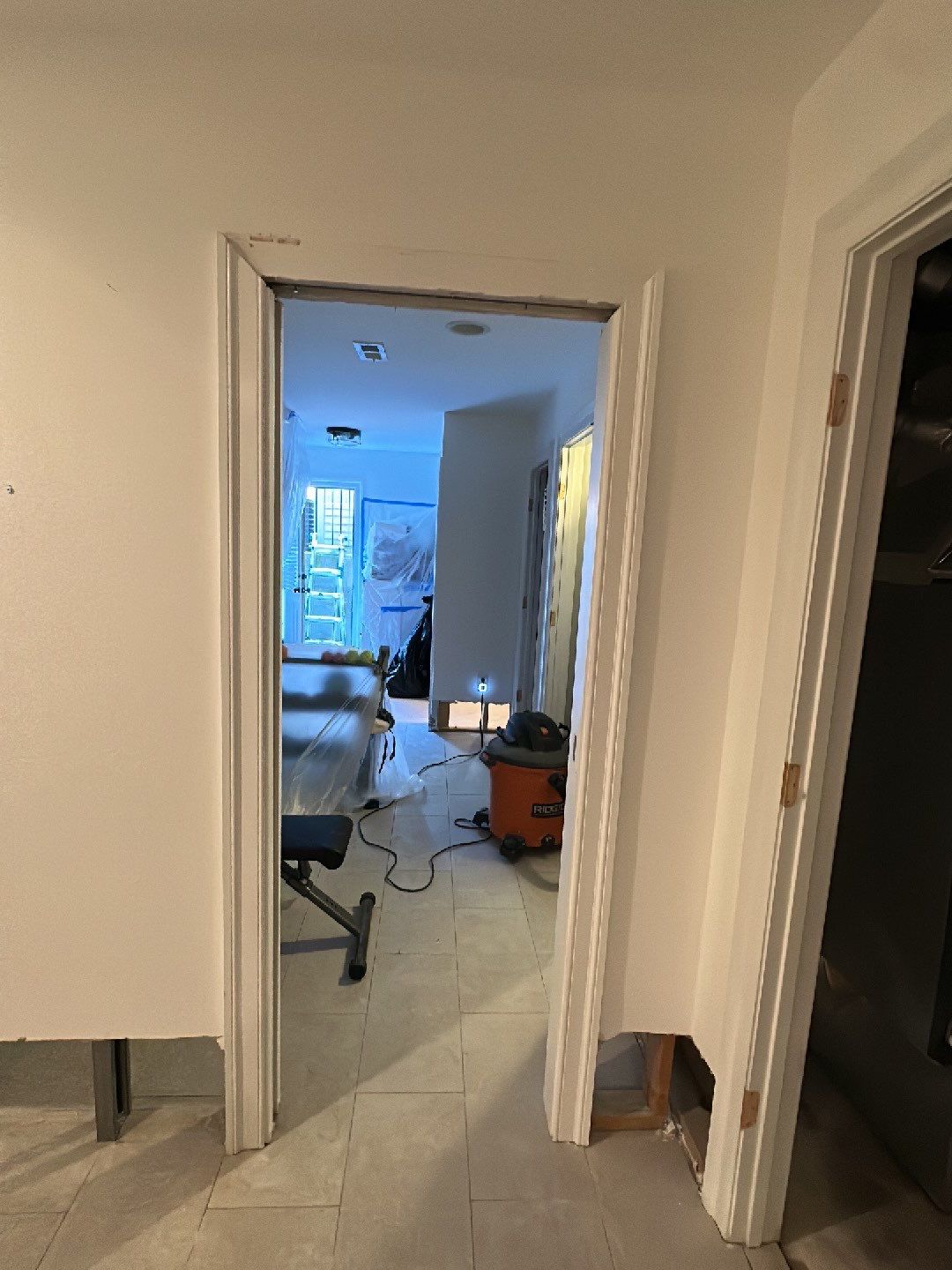
About this water damage restoration project
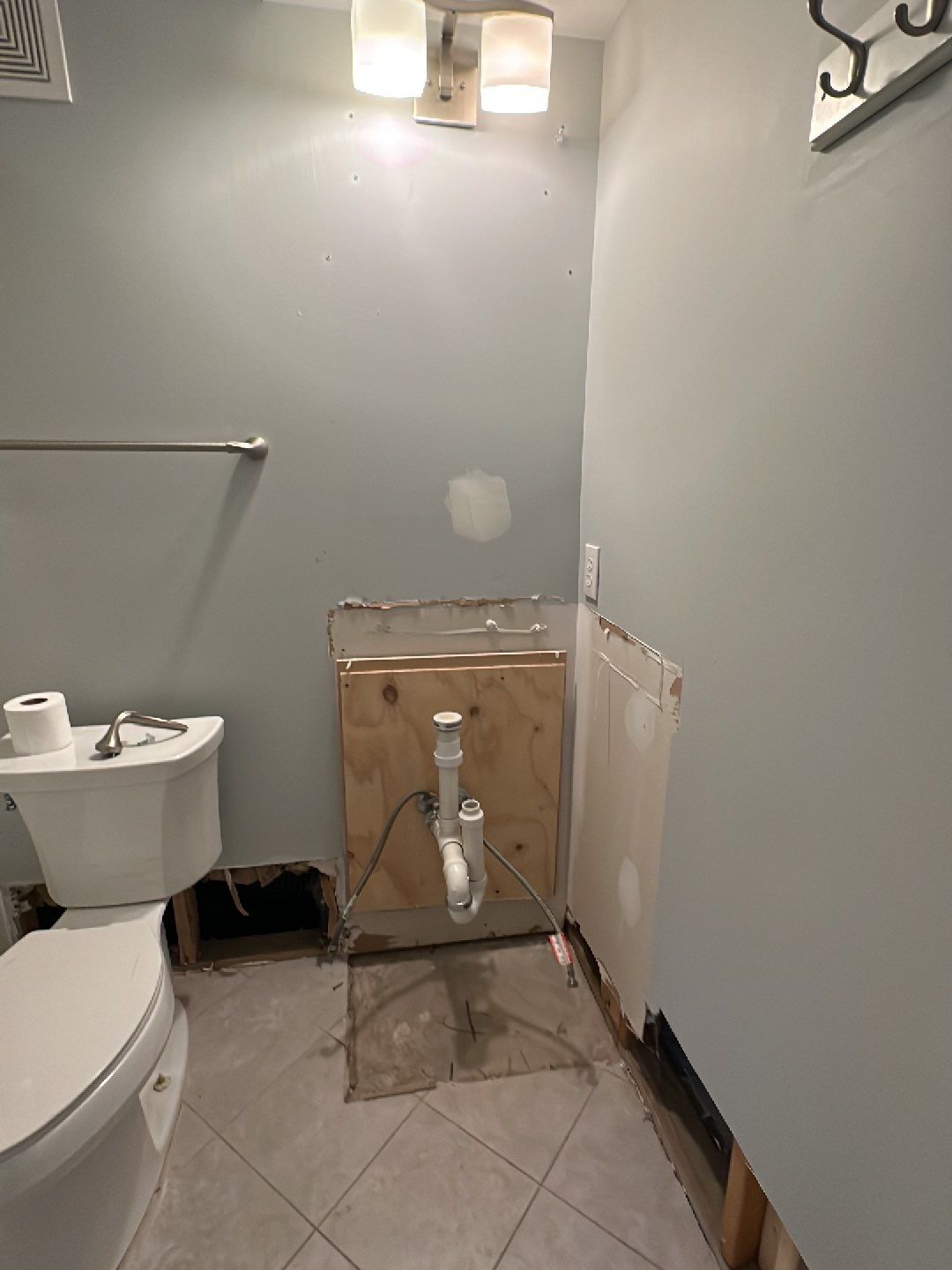
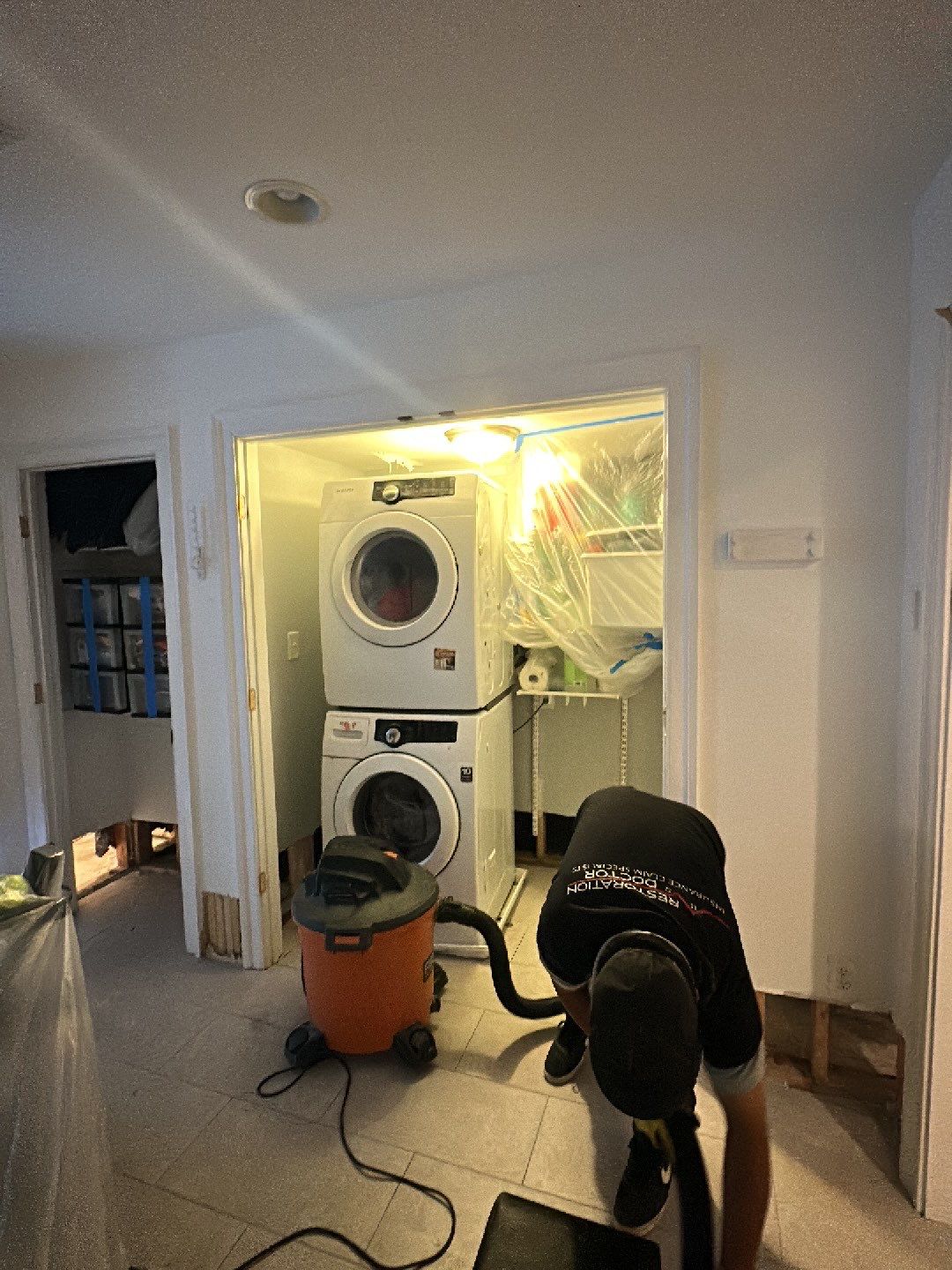
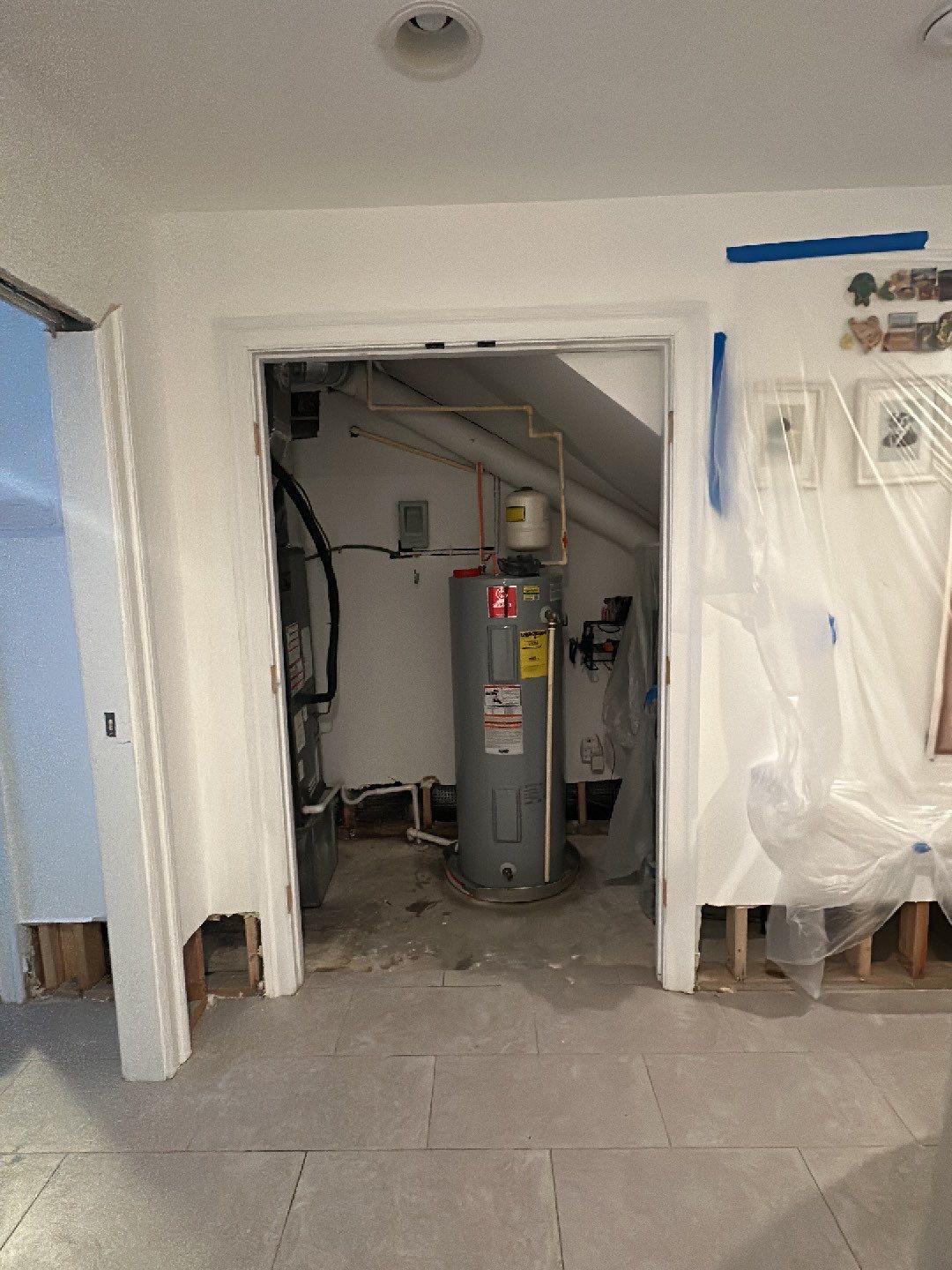
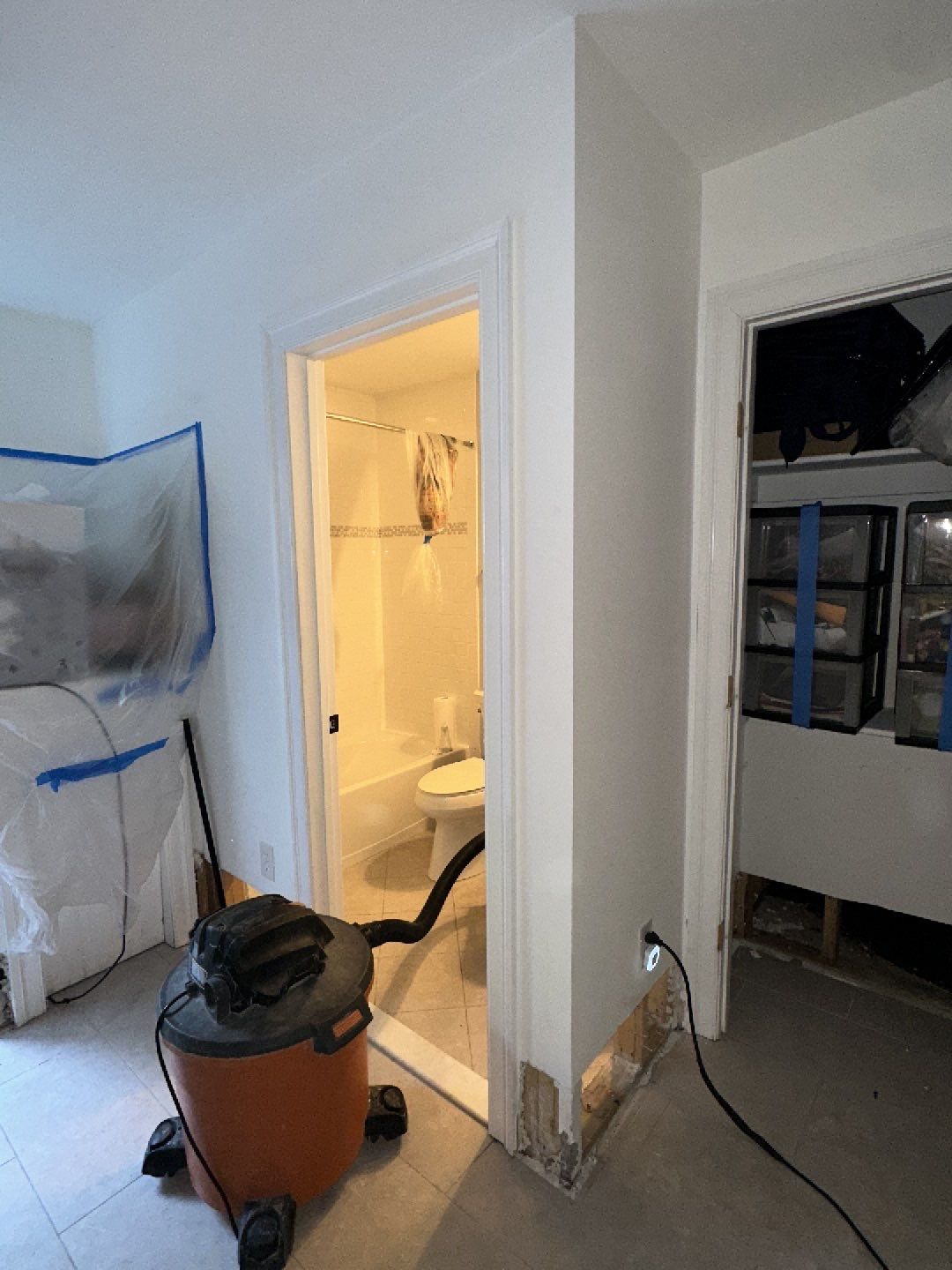
A severe sewage backup in a residential bathroom created an immediate Category 3 contamination event requiring full biohazard protocols. In Washington's dense urban fabric—where aging infrastructure beneath historic rowhouses and rehabilitated neighborhoods often concentrates plumbing failures—sewage intrusions demand rapid containment and thorough decontamination to protect occupants from pathogenic exposure.
Our technicians extracted all contaminated water and removed damaged porous materials that could not be salvaged, then performed complete sanitization and disinfection of all affected surfaces following IICRC S500 water damage restoration protocols. Because the property had experienced prior water intrusion that led to mold growth, we applied antimicrobial treatments to all cleaned substrates to eliminate residual spores and prevent recurrence during reconstruction.
After advanced deodorization eliminated all sewage odors from the space, we rebuilt the bathroom to match its original configuration. The reconstruction phase included new flooring, drywall replacement where contaminated materials had been removed, and fixture reinstallation—restoring the room to a fully functional, sanitary condition. The multilayered approach ensured not only visible cleanliness but verifiable microbial safety in a space where water quality and pathogen control are non-negotiable.
Frequently asked questions
What makes sewage backup cleanup in Washington, D.C. rowhouses more urgent than standard water damage?
Sewage backups introduce Category 3 water containing harmful pathogens and bacteria that pose immediate health risks, particularly in the close quarters of D.C.'s historic rowhouses where contamination can spread quickly through shared walls and floors. Restoration Doctor responds with full PPE, extracting all contaminated water, removing porous materials that cannot be salvaged, and applying hospital-grade disinfectants before antimicrobial treatments. The federal district's aging urban infrastructure makes sewage intrusions more common, so rapid professional intervention is critical to protect occupants.
How does Restoration Doctor prevent mold after extracting standing water from a bathroom in Washington, D.C.?
After extracting contaminated water and removing damaged materials from the bathroom, Restoration Doctor applies EPA-registered antimicrobial treatments to all affected surfaces to inhibit mold colonization. We then use commercial dehumidifiers and air movers to dry the space to IICRC S500 standards, monitoring moisture levels in walls and subfloors until they return to normal. Washington's hot, humid summers create ideal conditions for mold growth, so controlling moisture immediately after water extraction is essential.
Can a bathroom be fully reconstructed after sewage contamination, or does the damage require permanent changes?
Restoration Doctor routinely reconstructs bathrooms to their original condition following sewage backups, once all contaminated materials are removed and the space is thoroughly sanitized. We replace flooring, drywall, fixtures, and finishes damaged during extraction and remediation, matching existing materials where possible. The goal is a safe, clean bathroom that shows no trace of the loss—not a compromise space.
Why does sanitizing after a sewage backup require more than just cleaning visible surfaces?
Sewage-contaminated water penetrates porous materials like drywall, subflooring, and insulation, carrying bacteria deep into building assemblies where surface cleaning cannot reach. Restoration Doctor removes and disposes of these materials, then disinfects all remaining structural elements with professional-grade antimicrobials before reconstruction. In Washington's dense urban housing, where shared plumbing and close-set buildings are common, thorough sanitization protects both the affected unit and adjacent spaces from cross-contamination.
How long does mold remediation and bathroom reconstruction typically take after a sewage intrusion in D.C.?
Timeline depends on the extent of contamination and the materials involved, but most residential bathroom restorations following sewage backup and mold remediation in Washington, D.C. take one to three weeks from extraction through final reconstruction. Restoration Doctor prioritizes drying and antimicrobial treatment first, then rebuilds once moisture readings confirm the space is safe to close back up. We work efficiently to return the bathroom to service without rushing steps that protect long-term indoor air quality.
Explore more restoration work
All projects in Washington · Water Damage Restoration in Washington
Water, fire, or mold damage in Washington?
Restoration Doctor responds 24/7 across Washington and Northern Virginia. Free assessment and transparent, insurance-friendly estimates — no obligation.
See our Water Damage Restoration services at restorationdoctors.com →