Room Skylight Leak
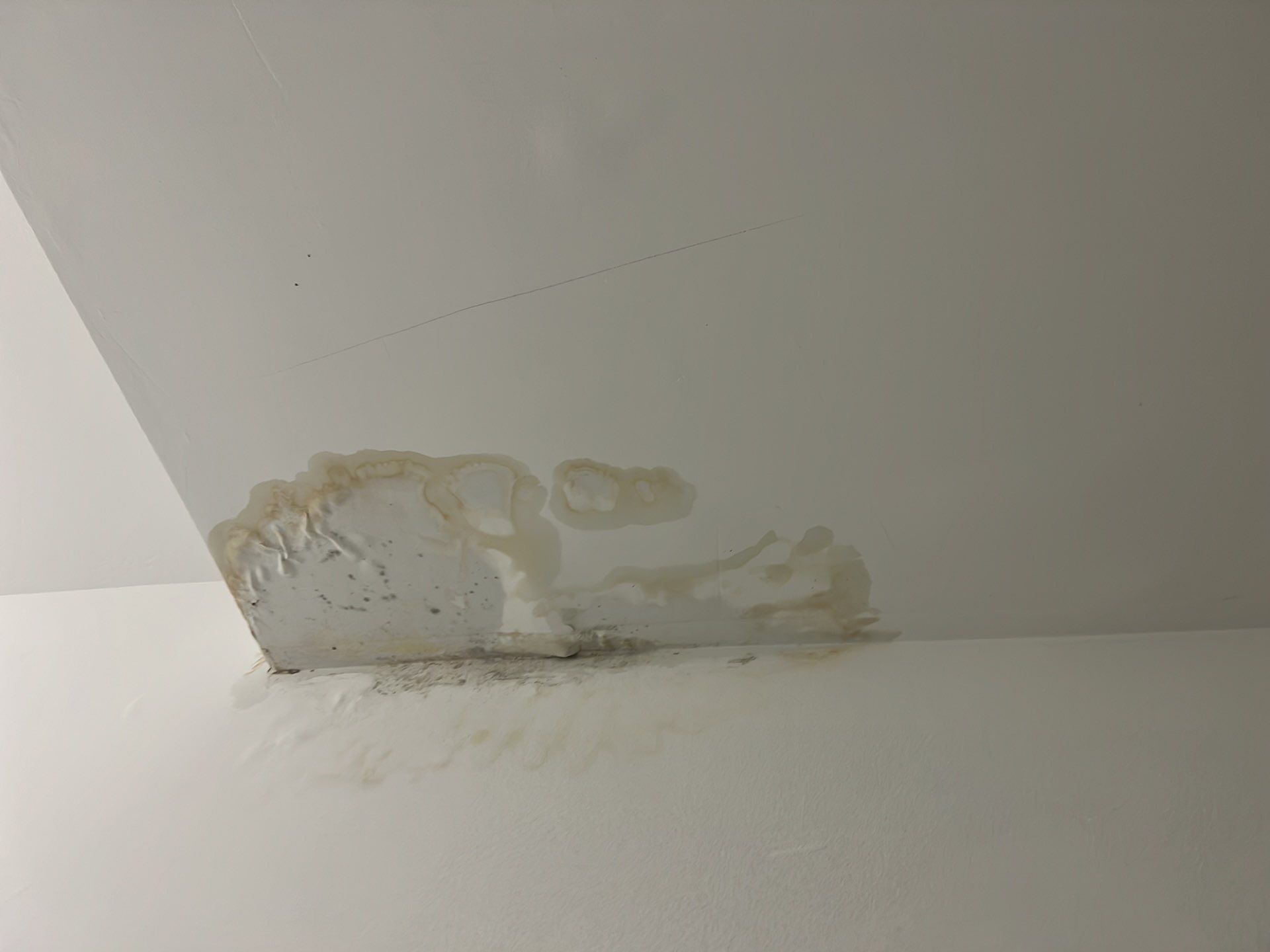
About this water damage restoration project
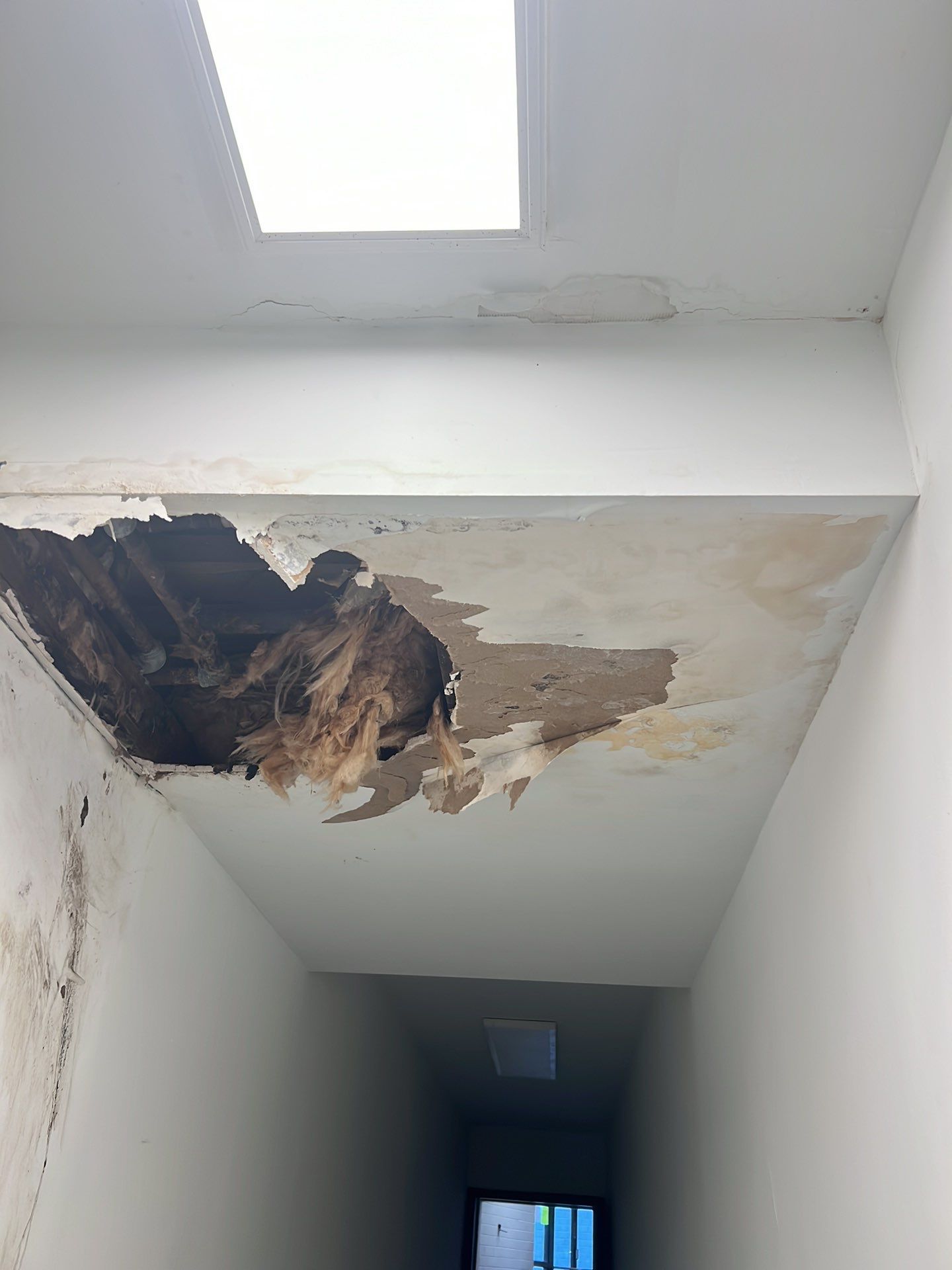
A skylight leak during a heavy rainstorm flooded the living room of a Washington, DC home in the 20020 area—a loss pattern typical in the region's mix of established single-family neighborhoods and newer subdivisions, where seasonal storms and Mid-Atlantic humidity create persistent mold risk following any water intrusion. The homeowner called after discovering ceiling stains, wet walls, and saturated furniture following the downpour.
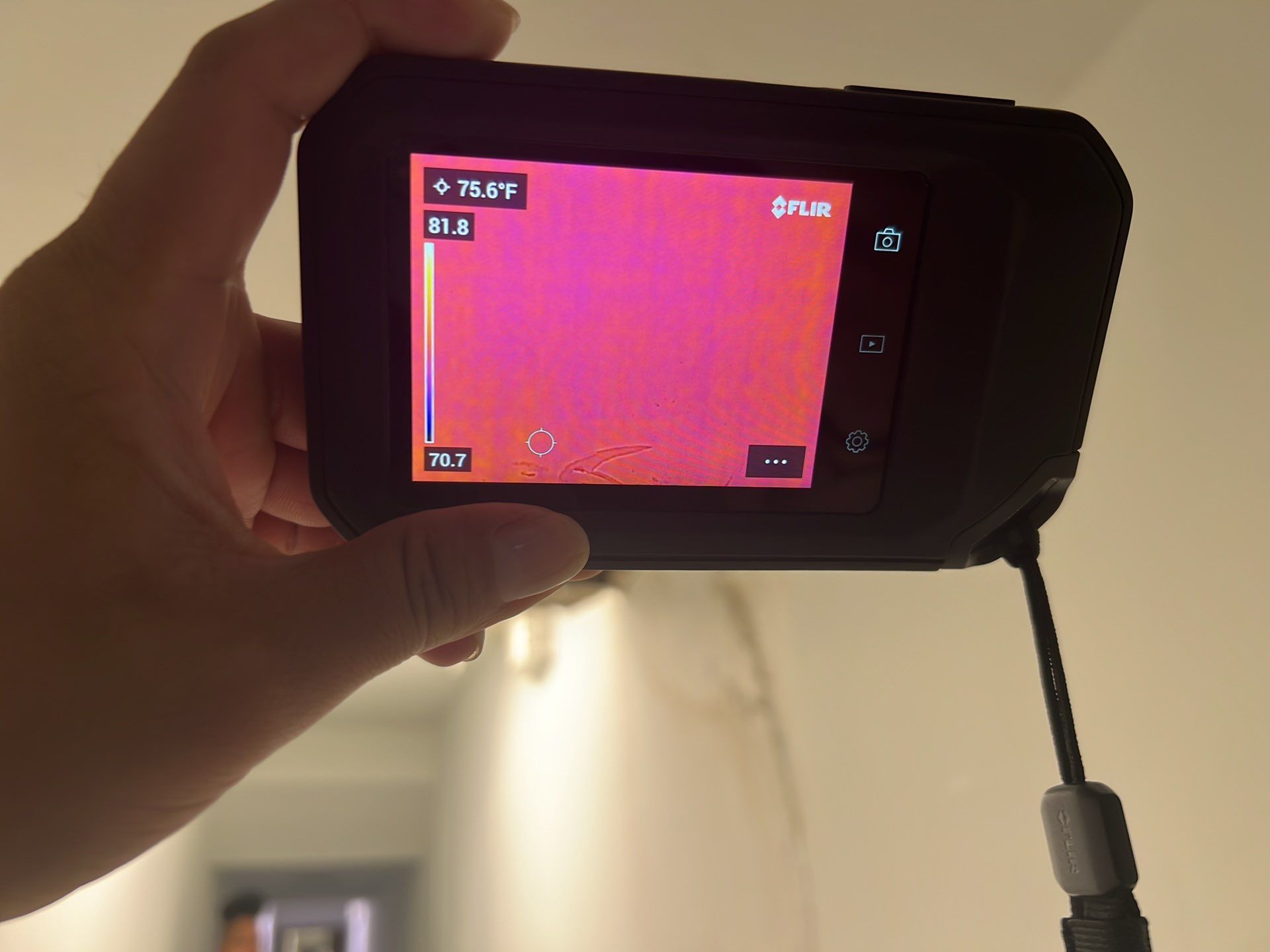
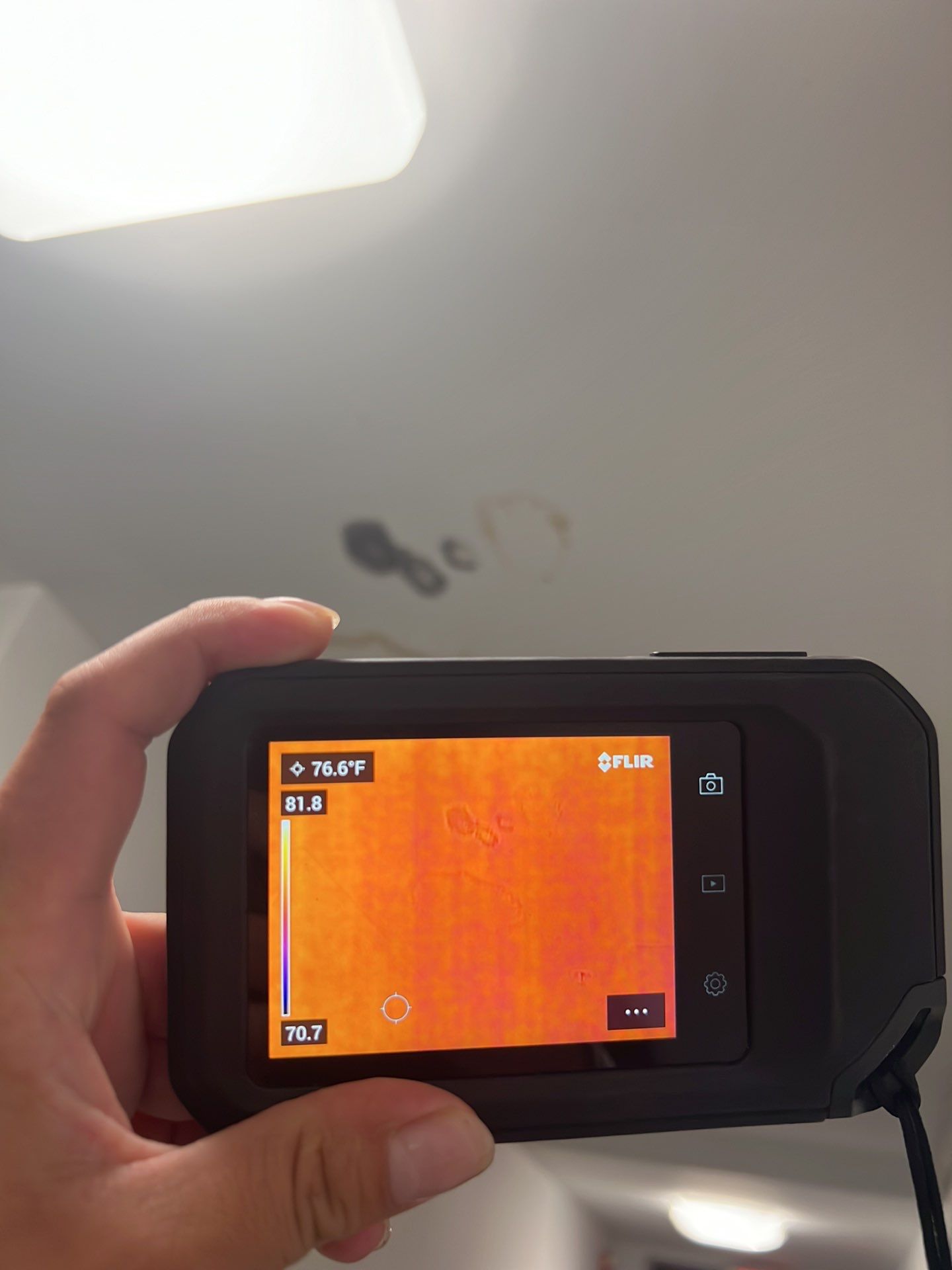
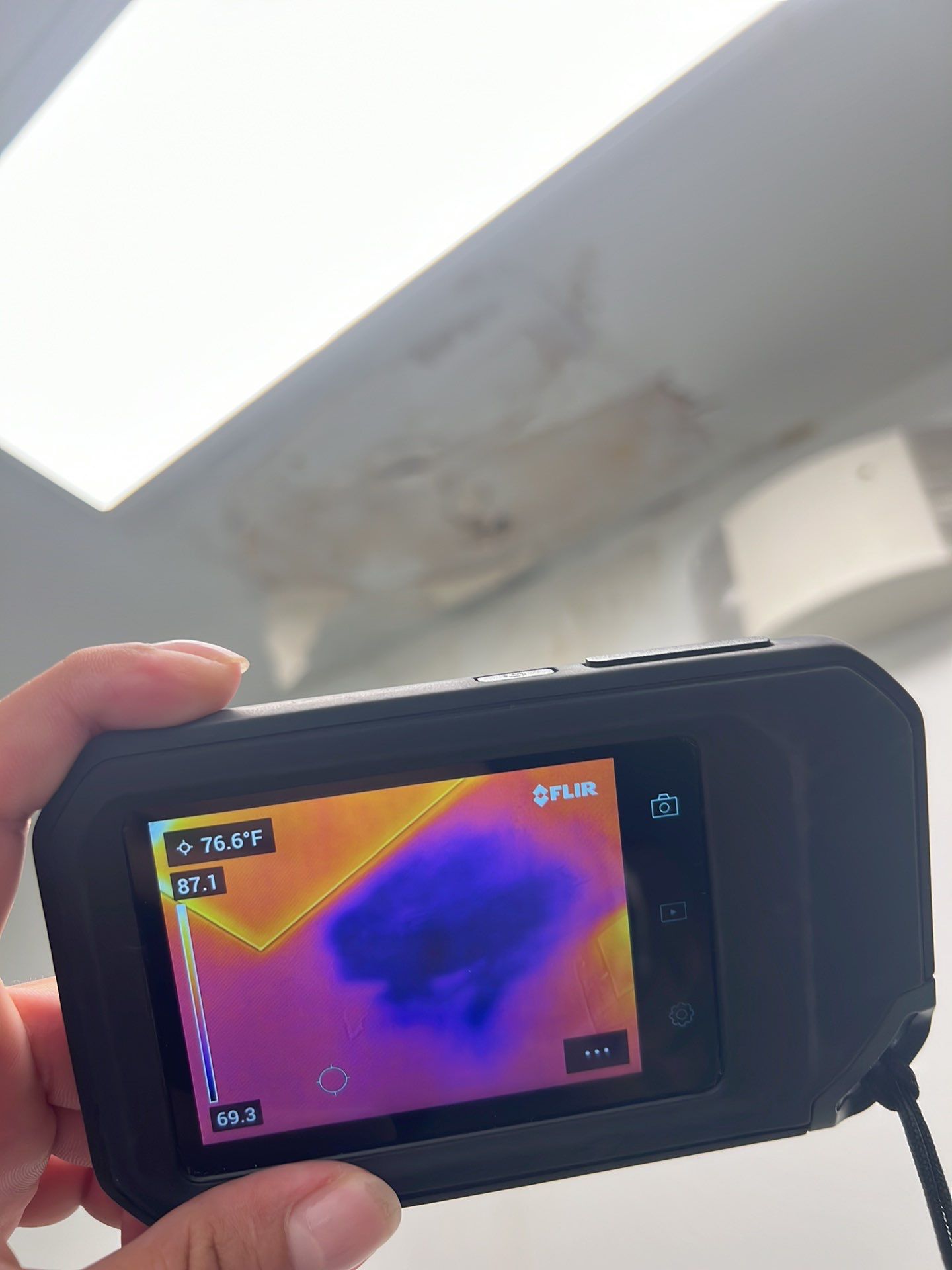
We began with source control, repairing the compromised skylight seal to prevent further ingress, then extracted standing water and deployed air movers and dehumidifiers to dry structural cavities. Moisture mapping confirmed elevated readings in the ceiling and wall assemblies, requiring removal of water-damaged drywall and soaked insulation. Once the framing dried to acceptable levels, we replaced the removed materials and turned attention to the affected furniture, cleaning and treating each piece to arrest early microbial activity.
Antimicrobial application throughout the living room followed IICRC S520 protocols, targeting surfaces where mold colonization had begun. A final inspection verified complete drydown and clearance. The homeowner expressed satisfaction with the outcome and the restored condition of the space.
Frequently asked questions
How does a skylight leak lead to both water damage and mold growth in a Washington, DC home?
In the humid Mid-Atlantic climate around Washington, DC, a leaking skylight introduces water directly into ceiling cavities and wall assemblies, saturating drywall and insulation. When that moisture isn't extracted and dried quickly, the region's warm summers create ideal conditions for mold to colonize on wet building materials within days. Restoration Doctor addresses both the immediate water intrusion—extraction, structural drying, and ceiling repair—and the biological threat through antimicrobial treatment and mold remediation to prevent ongoing growth.
What does structural drying involve after standing water is removed from a living room?
After Restoration Doctor extracts standing water, structural drying uses professional-grade air movers and dehumidifiers to pull moisture from framing, subfloors, and wall cavities that extraction alone cannot reach. Technicians monitor moisture levels in affected materials until readings return to the dry standard, which in this Washington job meant ensuring the ceiling assembly and walls were fully dry before replacing damaged drywall and insulation. This step is critical to prevent hidden mold development behind finished surfaces.
Why was antimicrobial treatment necessary after the water damage was dried and repaired?
Even after extraction and drying, water intrusion from the skylight leak had already exposed porous materials—drywall, insulation, and furniture—to contamination. Restoration Doctor applied antimicrobial treatments to sanitize surfaces and inhibit any mold spores that began colonizing during the wet period, following mold-remediation protocols. This step, combined with replacing compromised materials, ensured the living room was returned to a safe, healthy condition verified by final inspection.
Can furniture affected by water damage be saved, or does it need to be discarded?
In many cases, water-damaged furniture can be cleaned, dried, and restored if addressed promptly, as Restoration Doctor did in this Washington living room. Technicians assess the material type, saturation level, and contamination risk; upholstered and wood pieces that haven't been submerged for extended periods often respond well to professional extraction, drying, and sanitizing. Severe structural compromise or Category 3 (sewage) contamination may require disposal, but targeted restoration is frequently both possible and cost-effective.
How long does a typical water-damage restoration project take from emergency call to final inspection?
The timeline depends on the extent of saturation and structural involvement, but a job like this Washington living-room restoration—standing-water extraction, drying, ceiling and wall repair, and antimicrobial treatment—typically spans several days to a week. Restoration Doctor begins extraction and drying immediately, monitors moisture readings daily, and schedules reconstruction and final inspection once materials meet the dry standard. Complex losses involving multiple floors or hidden moisture migration can extend the process, but most residential projects complete within one to two weeks.
Explore more restoration work
All projects in Washington · Water Damage Restoration in Washington
Water, fire, or mold damage in Washington?
Restoration Doctor responds 24/7 across Washington and Northern Virginia. Free assessment and transparent, insurance-friendly estimates — no obligation.
See our Water Damage Restoration services at restorationdoctors.com →