Roof Vent Leak Restoration
About this water damage restoration project
A loose roof vent in Washington allowed sustained water intrusion into the attic—a failure mode common in the region's older housing stock, where decades of Mid-Atlantic freeze-thaw cycles and humid summers gradually compromise flashing and vent seals. By the time the homeowner noticed ceiling discoloration, moisture had already damaged insulation and framing, creating conditions favorable to mold.
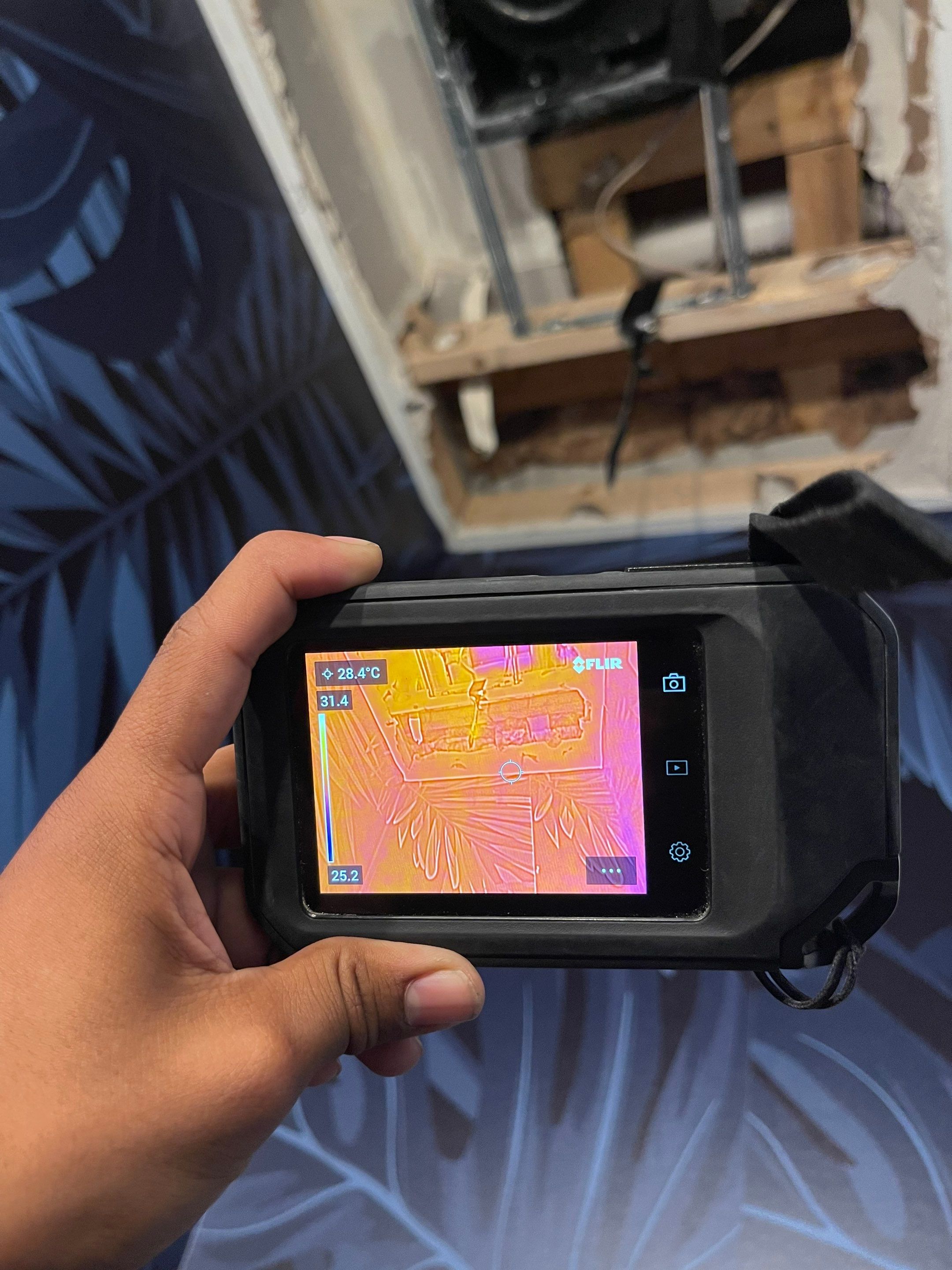
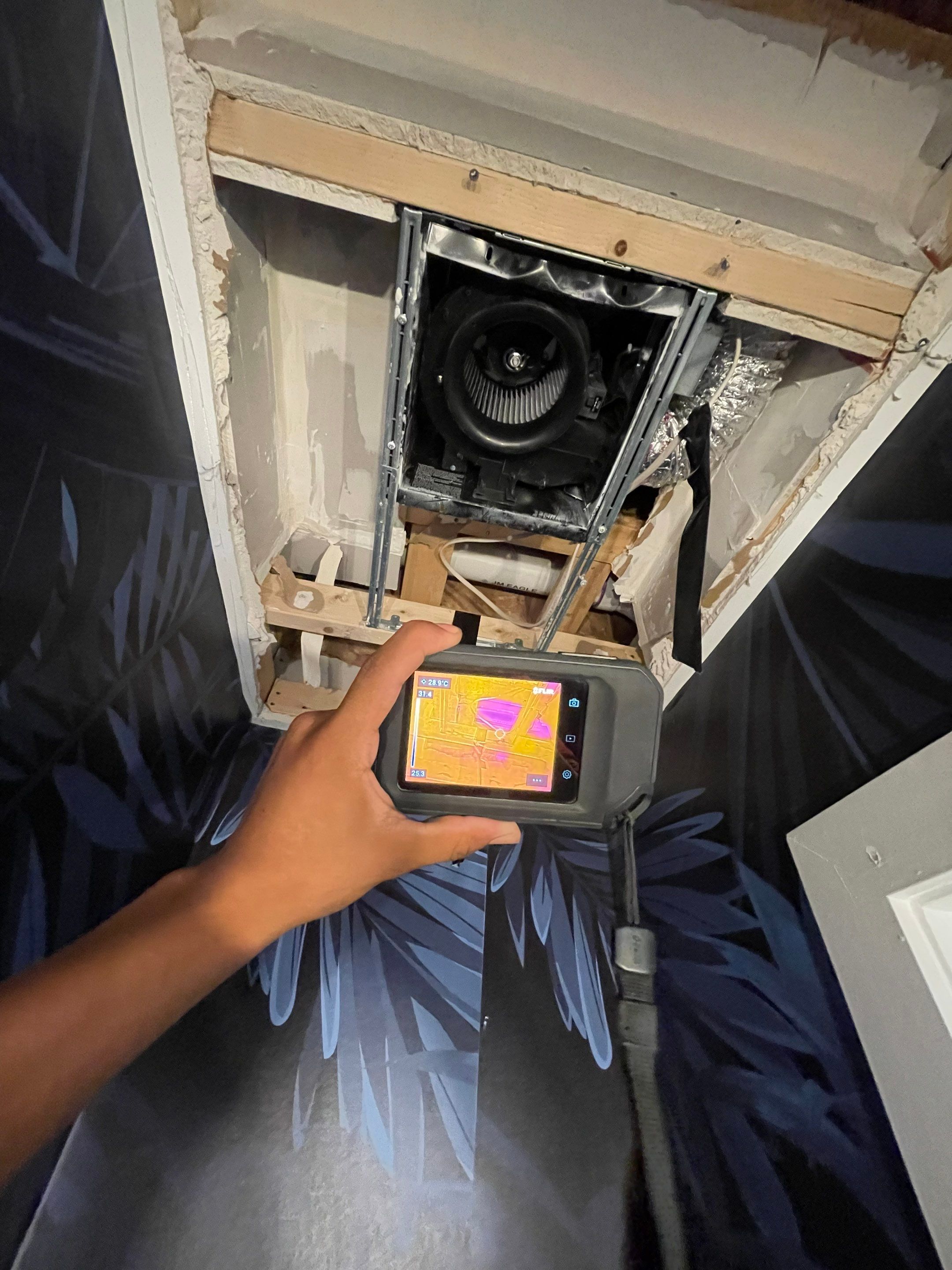
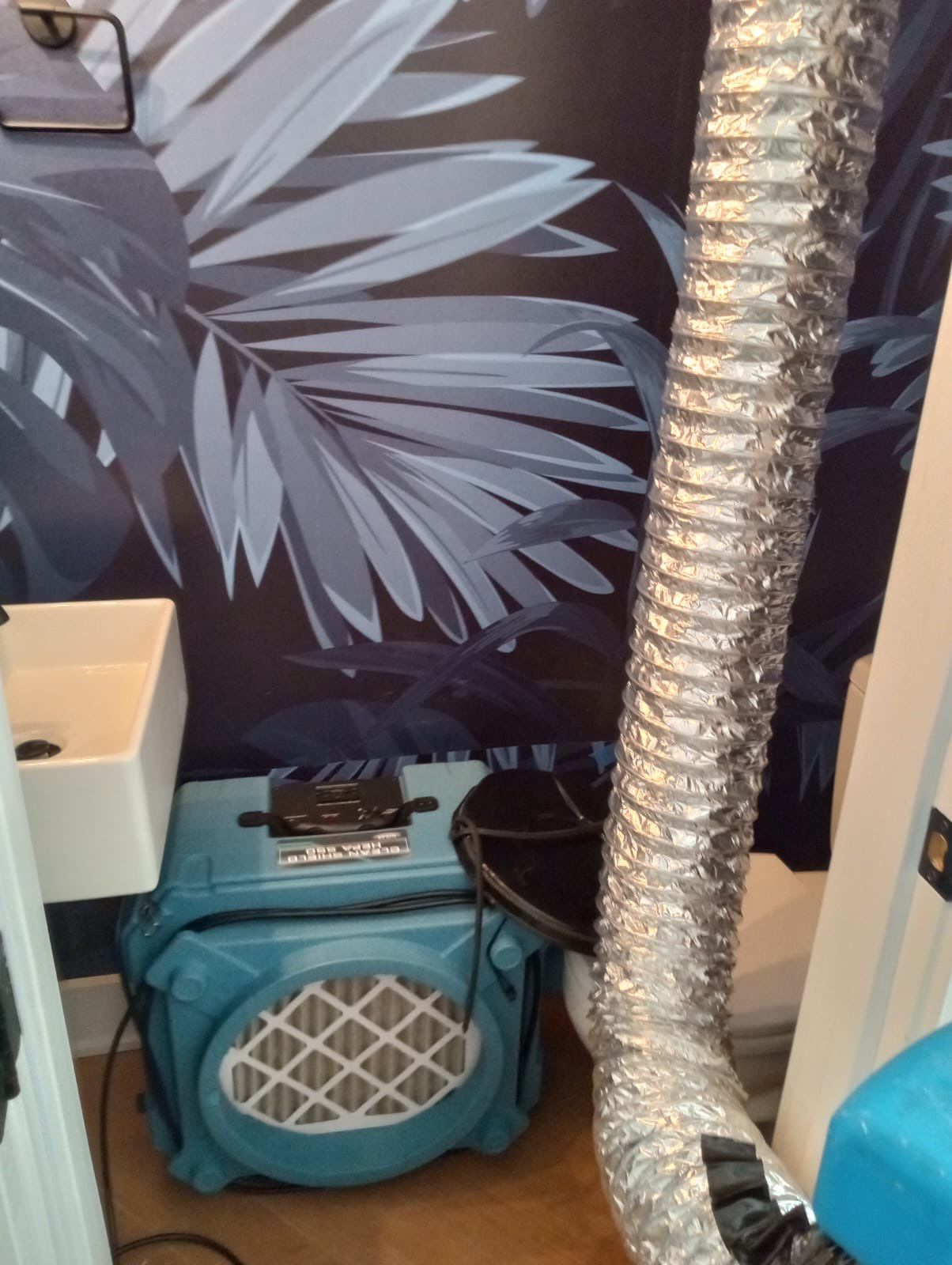
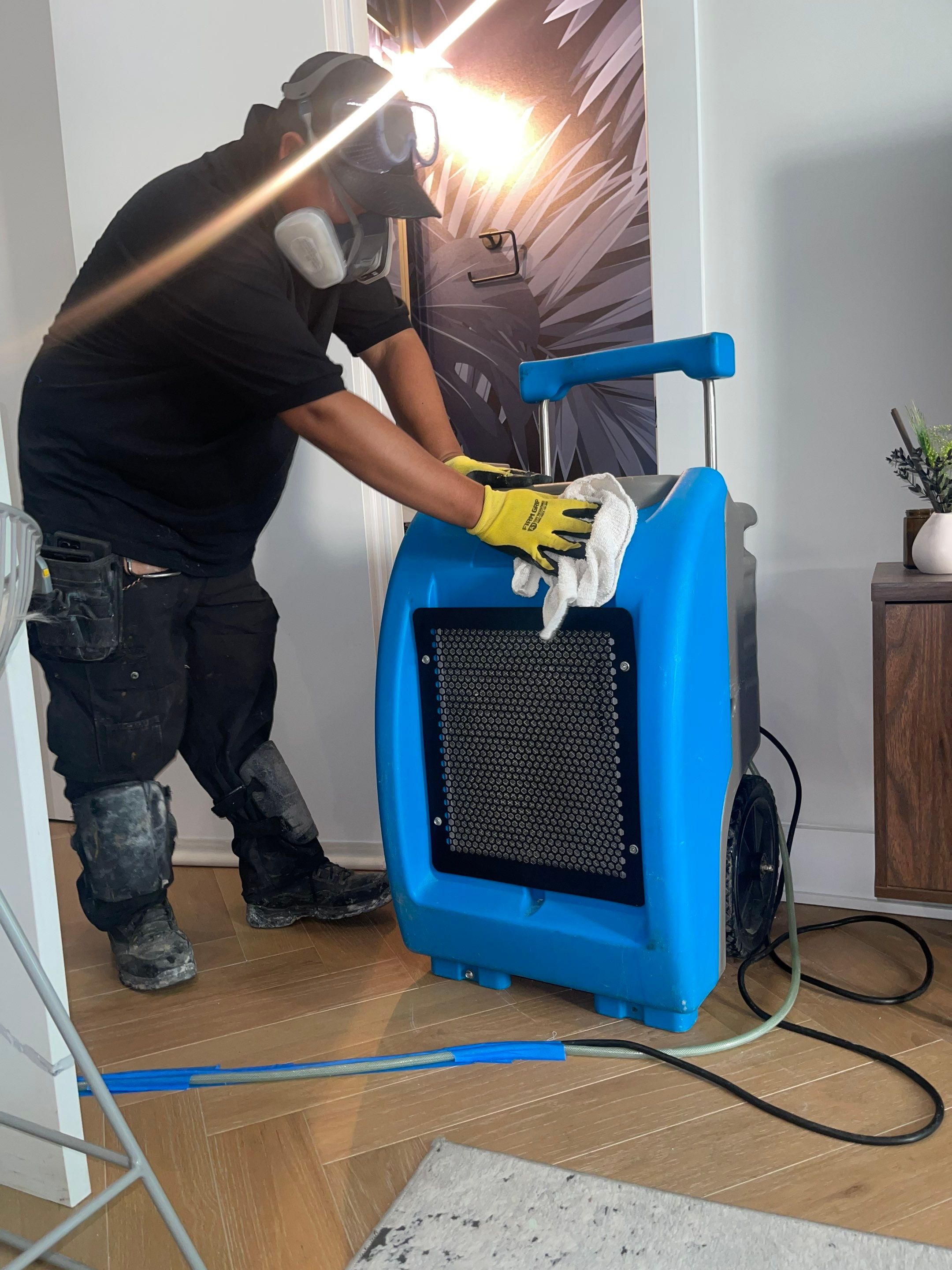
We began by securing and sealing the vent to stop further leakage, then extracted standing water and set up targeted drying equipment throughout the attic and affected ceiling cavities. Once moisture readings stabilized, we removed compromised insulation and assessed the extent of structural damage to ceiling drywall and wall surfaces below. Following IICRC S520 protocols, we applied antimicrobial treatment to all previously wet surfaces to prevent mold establishment, then replaced insulation and repaired the damaged ceilings and walls.
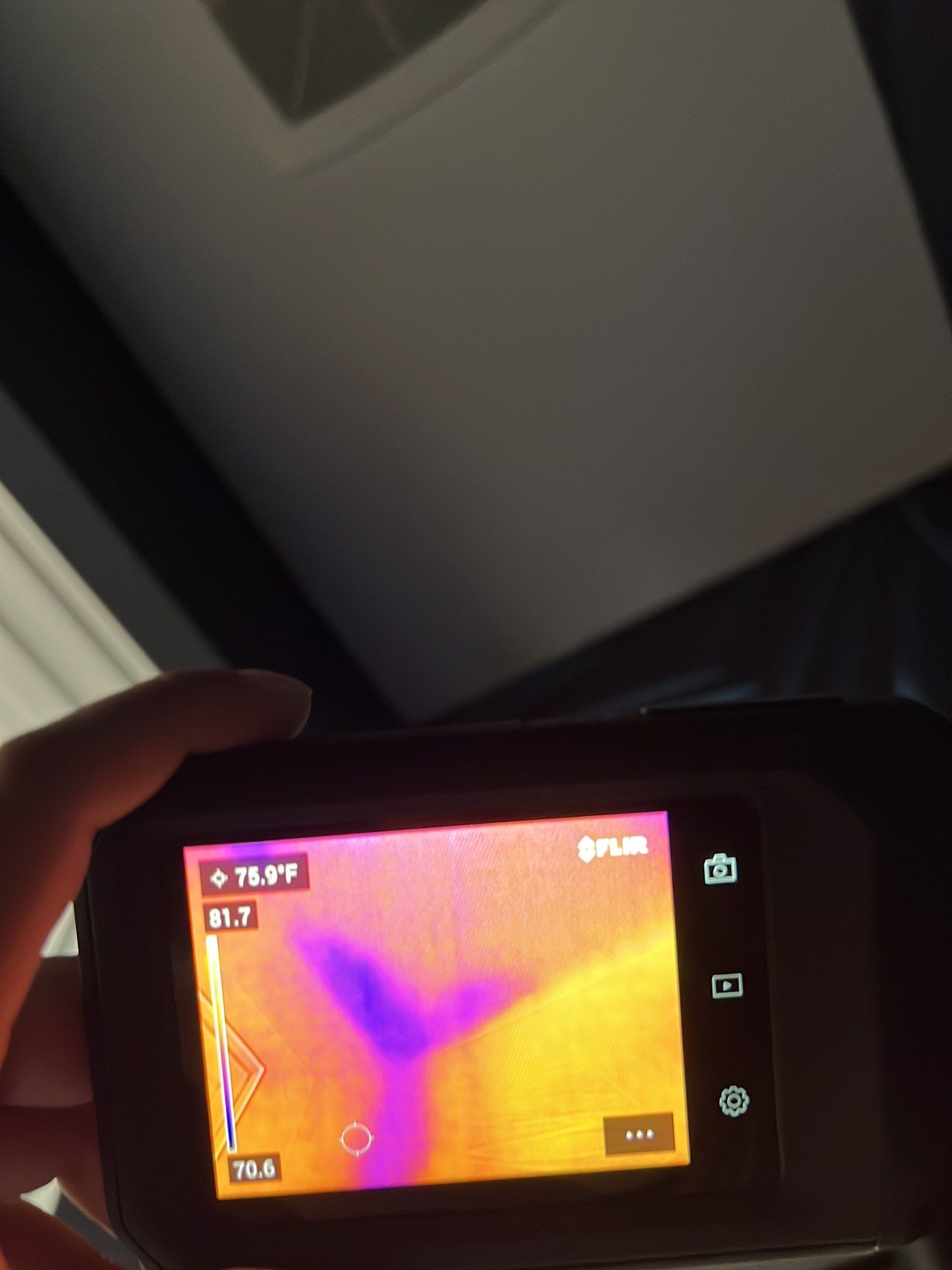
A final moisture scan and visual inspection confirmed the attic and living spaces had returned to normal, dry conditions. The homeowner's review reflected relief that the issue was caught and corrected before mold became a larger problem—a common concern in humid climates where hidden moisture can persist undetected for weeks.
Frequently asked questions
What happens when a roof vent fails in a Washington, DC rowhouse or older building?
A compromised roof vent allows rain and snowmelt to enter the attic continuously, saturating insulation and ceiling joists and eventually damaging plaster or drywall below. In Washington's dense, aging housing stock—where many roofs share party walls or have limited attic ventilation—undetected leaks can spread laterally and create conditions for mold colonization within days. Restoration Doctor responds by locating and sealing the entry point, extracting standing water, and drying structural cavities to prevent secondary damage.
How does Restoration Doctor handle mold after attic water intrusion in Washington, DC?
Following water extraction and structural drying, we assess affected surfaces for visible mold or elevated moisture that would support fungal growth. For this job, we applied EPA-registered antimicrobial treatments to attic framing, replaced contaminated insulation, and repaired water-stained ceilings and walls. Our process follows IICRC S520 mold-remediation principles, ensuring that spores are contained and surfaces are returned to a condition that will not support recurrence in Washington's humid Mid-Atlantic climate.
Why is ceiling and wall repair part of water-damage restoration in DC homes?
Water that migrates through attic insulation into ceiling cavities often stains, warps, or weakens plaster and drywall, making cosmetic patching insufficient. Restoration Doctor removes compromised materials, verifies that underlying framing has dried to standard moisture content, and rebuilds ceilings and walls to match existing finishes. This integrated approach prevents hidden moisture pockets that could feed mold in Washington's summer humidity or cause paint failure and odor down the line.
How long does it take to dry an attic and repair water damage in Washington, DC?
Drying timelines depend on the volume of water, the porosity of materials, and ambient humidity—typically several days for structural cavities in Washington's climate. Restoration Doctor uses dehumidifiers and air movers to accelerate evaporation, monitors moisture readings daily, and proceeds to insulation replacement and ceiling repair only after confirming dry conditions. The entire process—from extraction through final antimicrobial treatment and reconstruction—is tailored to the specific extent of damage discovered during our initial assessment.
Explore more restoration work
All projects in Washington · Water Damage Restoration in Washington
Water, fire, or mold damage in Washington?
Restoration Doctor responds 24/7 across Washington and Northern Virginia. Free assessment and transparent, insurance-friendly estimates — no obligation.
See our Water Damage Restoration services at restorationdoctors.com →