Roof Leak in Residential Area in Washington, DC
About this water damage restoration project
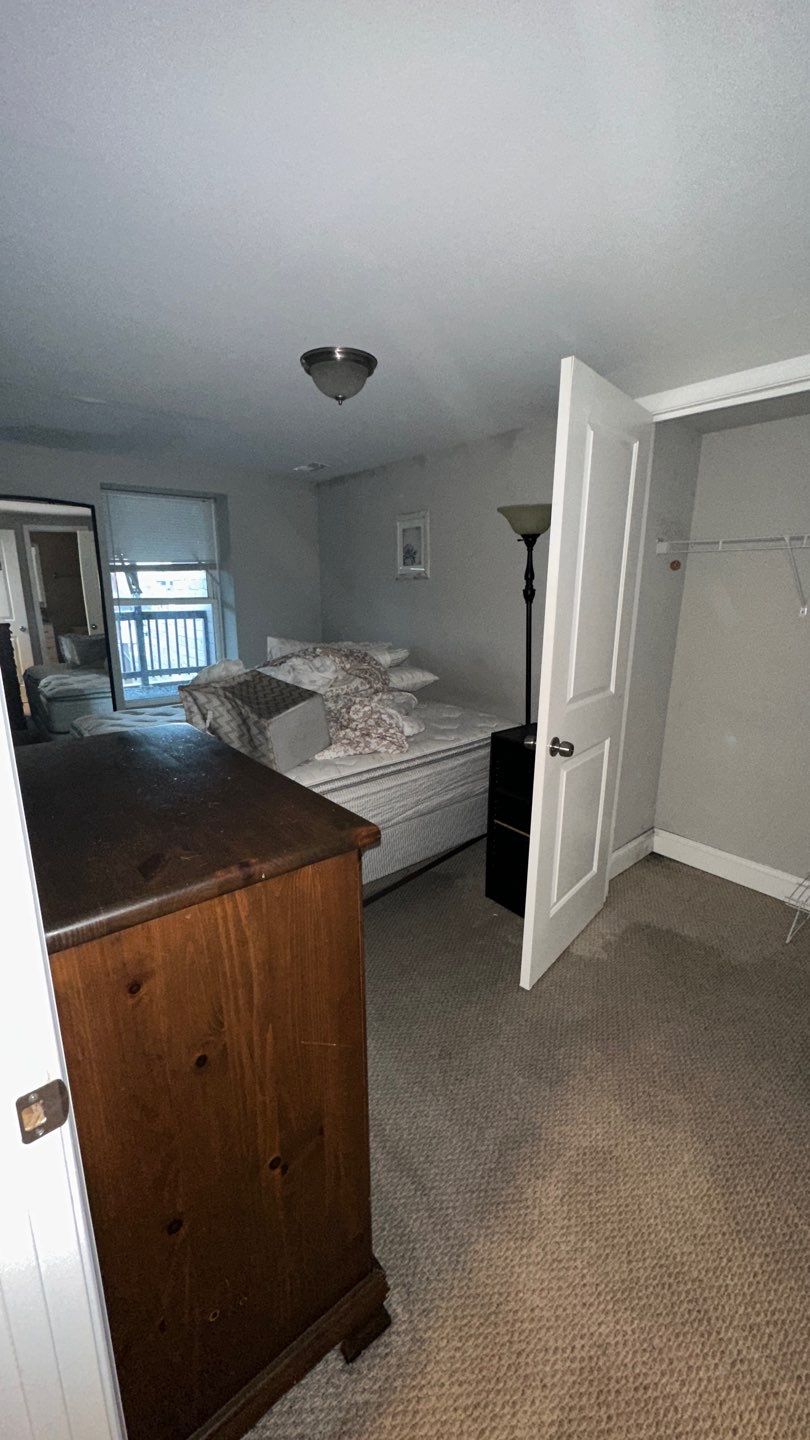
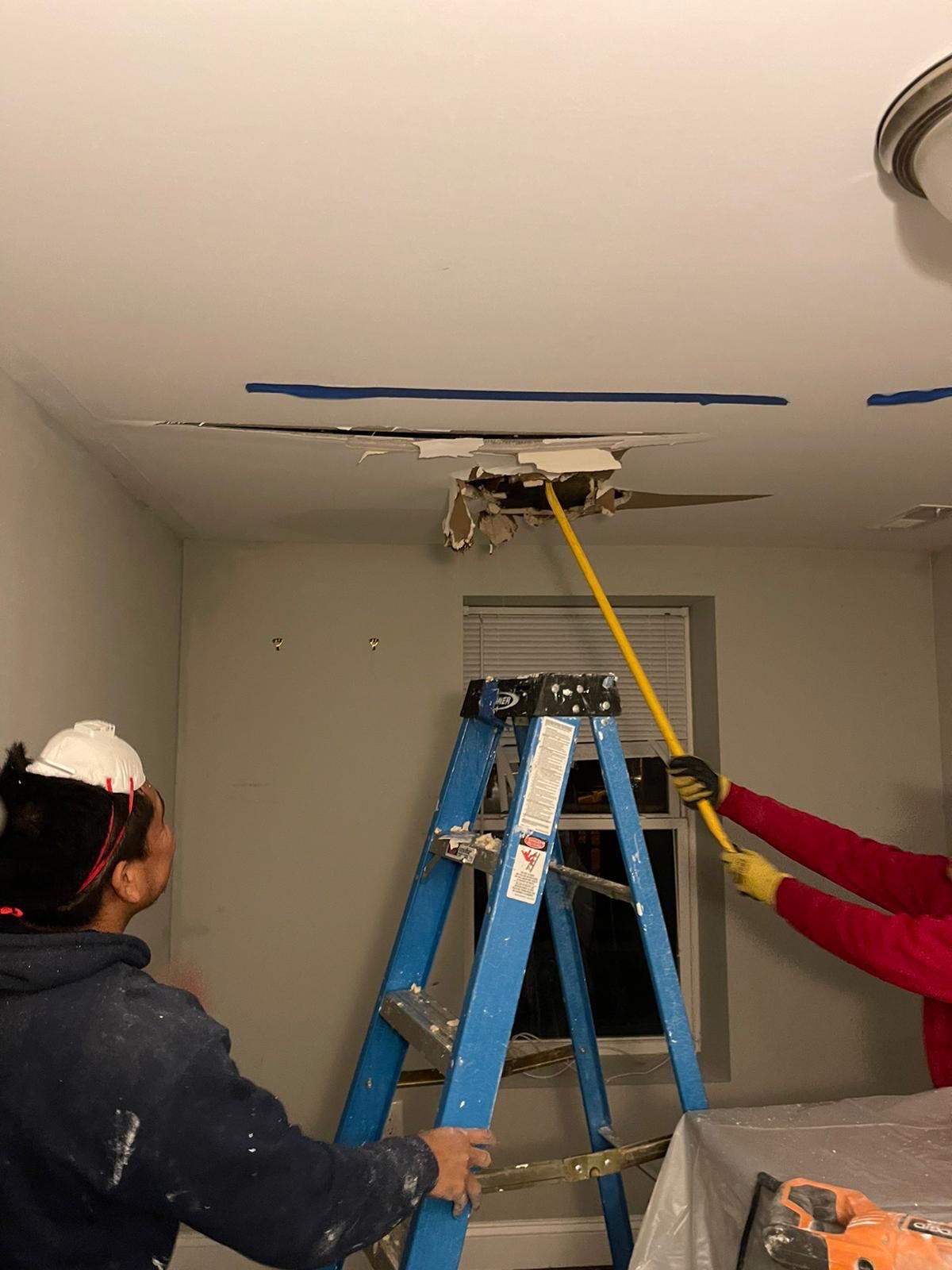
A roof leak at a residential property in Washington exposed the vulnerability common to the region's housing stock during the Mid-Atlantic's humid summer months—when even a small intrusion can seed mold growth quickly in warm, damp conditions. The homeowner discovered water damage extending through interior spaces and furnishings, with visible mold already forming in affected areas.
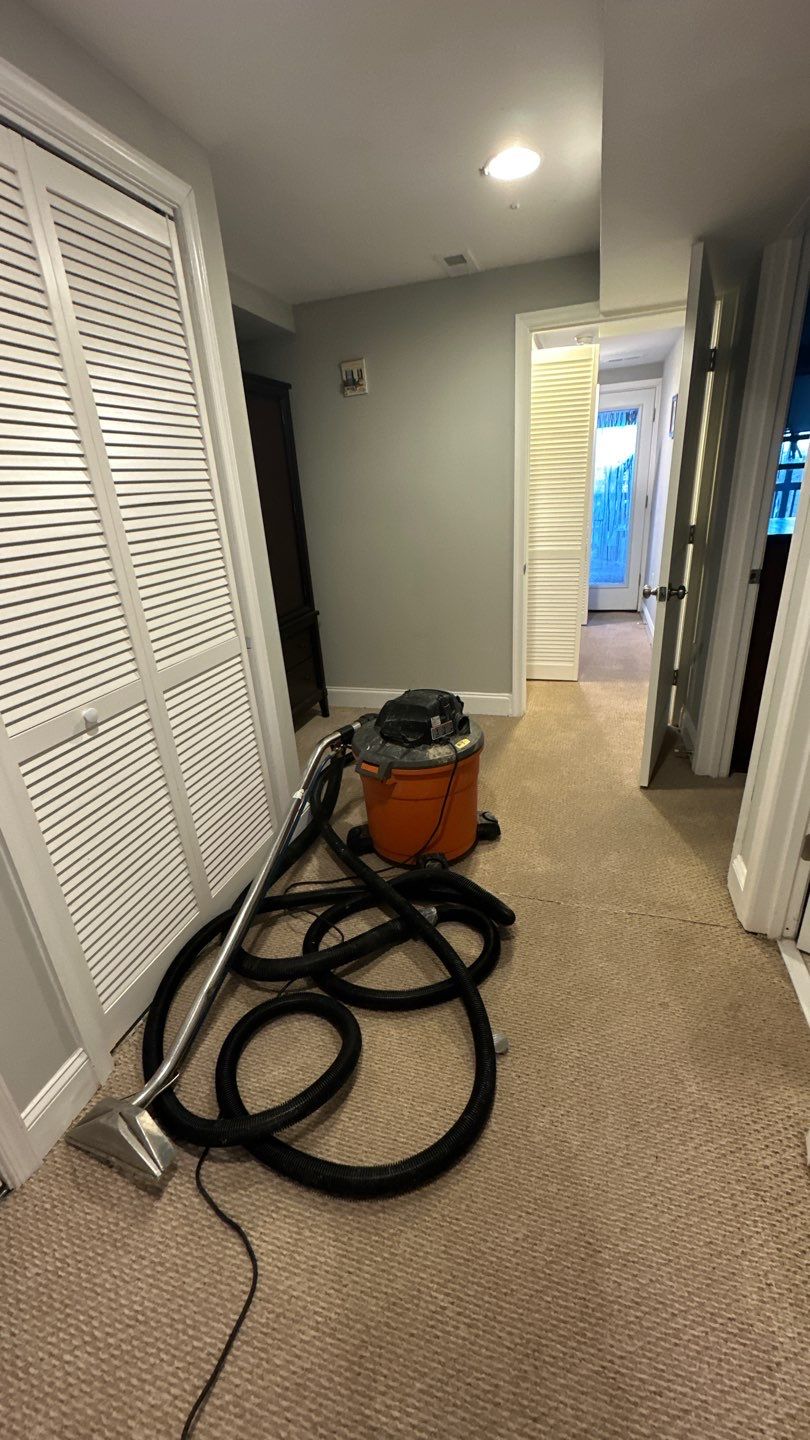
We began by extracting standing water and conducting a thorough assessment to map the full extent of moisture penetration. The compromised roof section was sealed immediately to halt further intrusion, then industrial dehumidifiers and air movers were positioned to dry structural cavities and surface materials according to IICRC S500 water damage restoration protocols. Monitoring continued until readings confirmed complete drying.
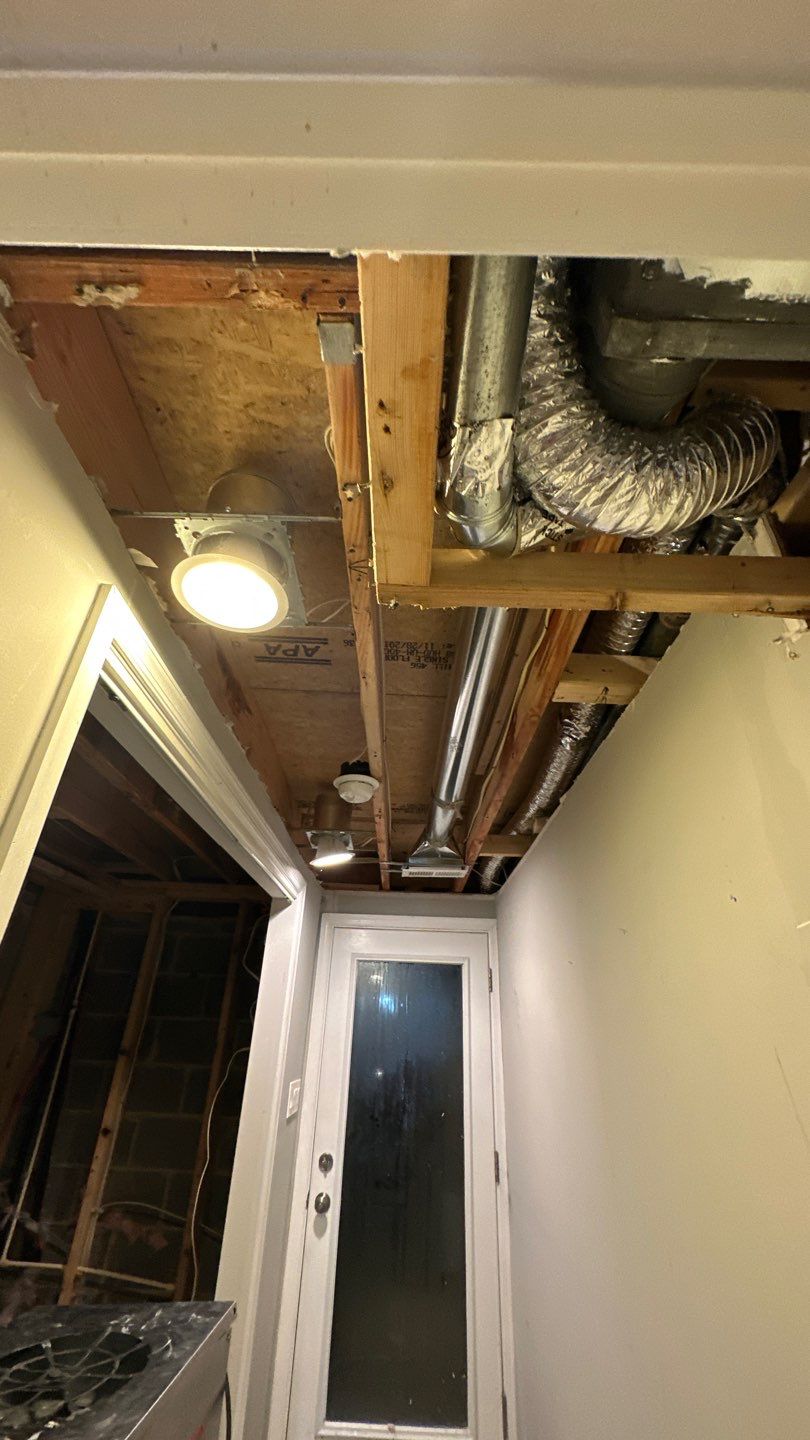
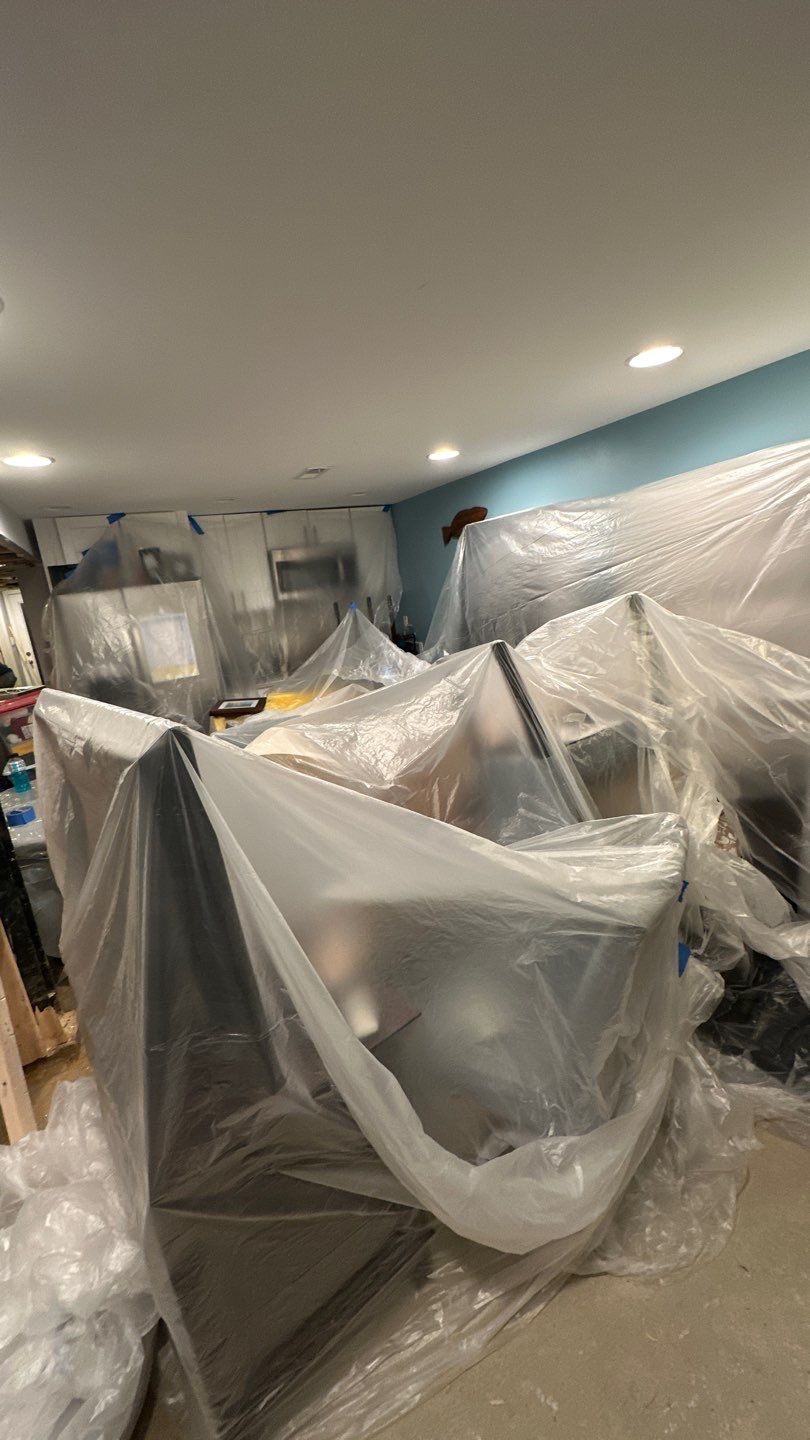
With the envelope secure and moisture eliminated, we turned to rebuilding—replacing damaged drywall, repairing ceilings, and restoring flooring to match existing finishes. Mold remediation involved containment of affected zones, removal of compromised materials, and antimicrobial treatment of surfaces to prevent recurrence. Air scrubbers ran throughout to filter particulates and restore indoor air quality.
The homeowner noted their satisfaction with both the thoroughness of the work and the condition of the completed restoration, which returned the home to a safe, livable state without visible trace of the original loss.
Frequently asked questions
How does a roof leak in a Washington, DC rowhouse lead to both water damage and mold growth?
In Washington's dense historic rowhouses, a roof leak can saturate ceiling cavities and wall assemblies before becoming visible, creating ideal conditions for mold colonization as organic materials remain wet. Restoration Doctor's response to this DC property included extracting standing water, drying structural elements with industrial equipment, and performing mold remediation to address both the immediate water intrusion and the secondary microbial growth. The hot, humid Mid-Atlantic climate accelerates mold development when moisture lingers in enclosed building cavities.
What does ceiling repair after water damage involve in a Washington, DC restoration project?
Ceiling repair following water intrusion typically requires removing damaged drywall sections, drying the framing and insulation above, and replacing affected materials once moisture readings confirm the assembly is dry. For this Washington property, Restoration Doctor extracted standing water, dried the ceiling structure using dehumidifiers and air movers, then rebuilt the damaged drywall and refinished the surface. Sealing the roof leak first was critical to prevent recurring damage during the drying and reconstruction phases.
Can flooring and carpet be saved after standing water from a roof leak, or does it need replacement?
Whether flooring and carpet are salvageable depends on the water category, how long materials remained wet, and the substrate condition—carpet over wood subfloors often requires removal if saturation exceeds 24 hours. In this DC restoration, Restoration Doctor assessed the flooring after extracting standing water and determined remediation was necessary given the extent of saturation and contamination risk. Structural drying of the subfloor preceded any new flooring installation to ensure moisture levels met industry standards.
How long does water damage restoration typically take in Washington, DC after a roof leak?
Water damage restoration timelines in Washington depend on the extent of saturation, affected materials, and drying conditions—structural drying alone often requires several days of monitored dehumidification and air movement. For this property, Restoration Doctor coordinated standing-water extraction, multi-day drying with industrial equipment, mold remediation, and reconstruction of ceilings and flooring in a phased approach. Sealing the roof immediately prevented further water entry and allowed the drying process to proceed without interruption.
Why is mold remediation necessary even after water is extracted and surfaces appear dry?
Mold spores can colonize within porous materials and hidden cavities where moisture persists beyond what's visible on surfaces, requiring targeted removal and antimicrobial treatment to prevent regrowth. Restoration Doctor's work on this Washington property included not only extracting standing water and drying structural components, but also remediating mold growth that had developed in affected areas and improving indoor air quality. The district's humid summers mean that any residual moisture in building assemblies can sustain microbial activity if not properly addressed.
Explore more restoration work
All projects in Washington · Water Damage Restoration in Washington
Water, fire, or mold damage in Washington?
Restoration Doctor responds 24/7 across Washington and Northern Virginia. Free assessment and transparent, insurance-friendly estimates — no obligation.
See our Water Damage Restoration services at restorationdoctors.com →