Restoring Dining Room Ceiling After Water Leak
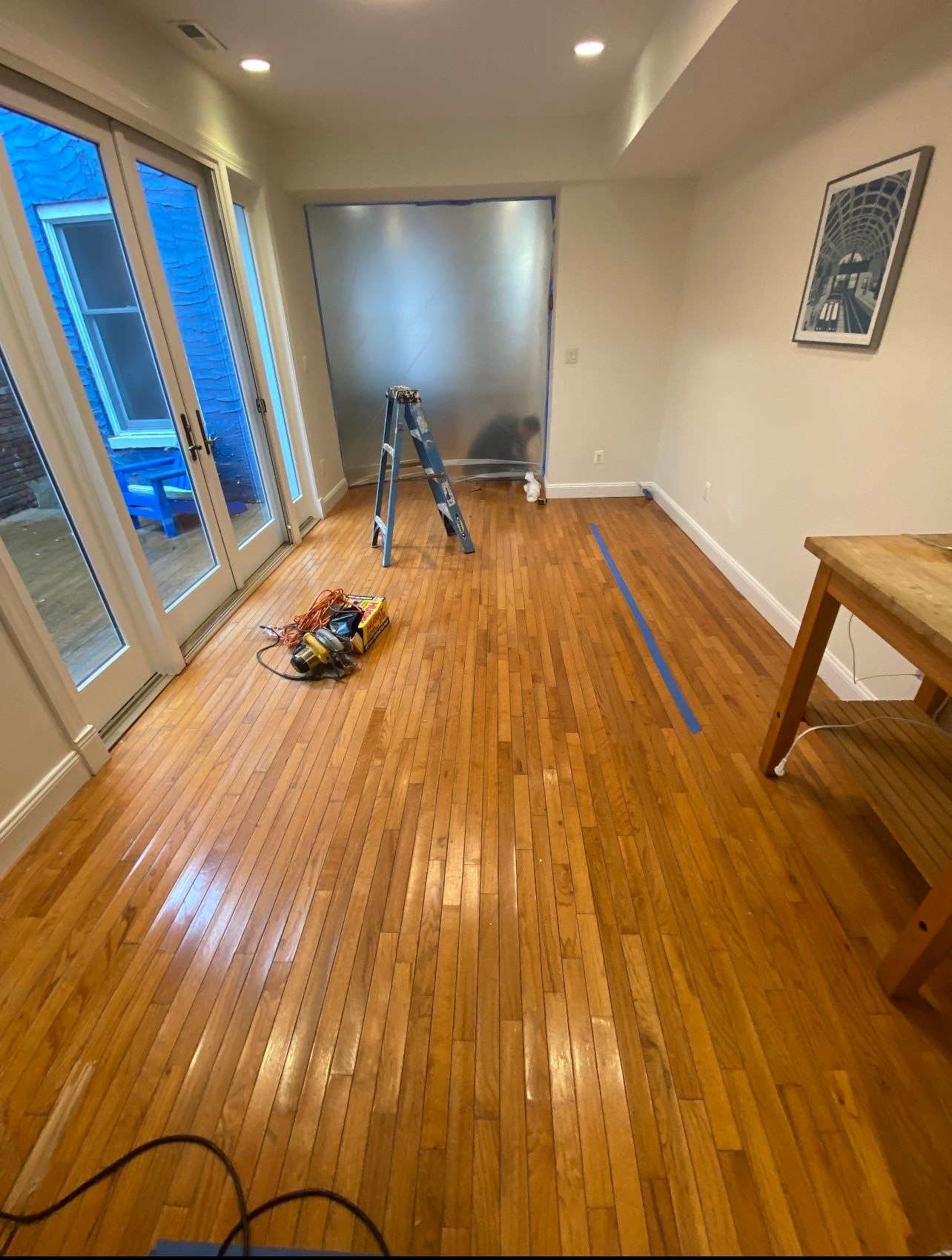
About this water damage restoration project
A water leak in an established Washington, DC home led to significant ceiling damage in the dining room—a scenario that becomes particularly urgent in the humid Mid-Atlantic climate, where moisture accelerates secondary mold colonization. The homeowner contacted us immediately upon discovering the extent of the intrusion overhead.
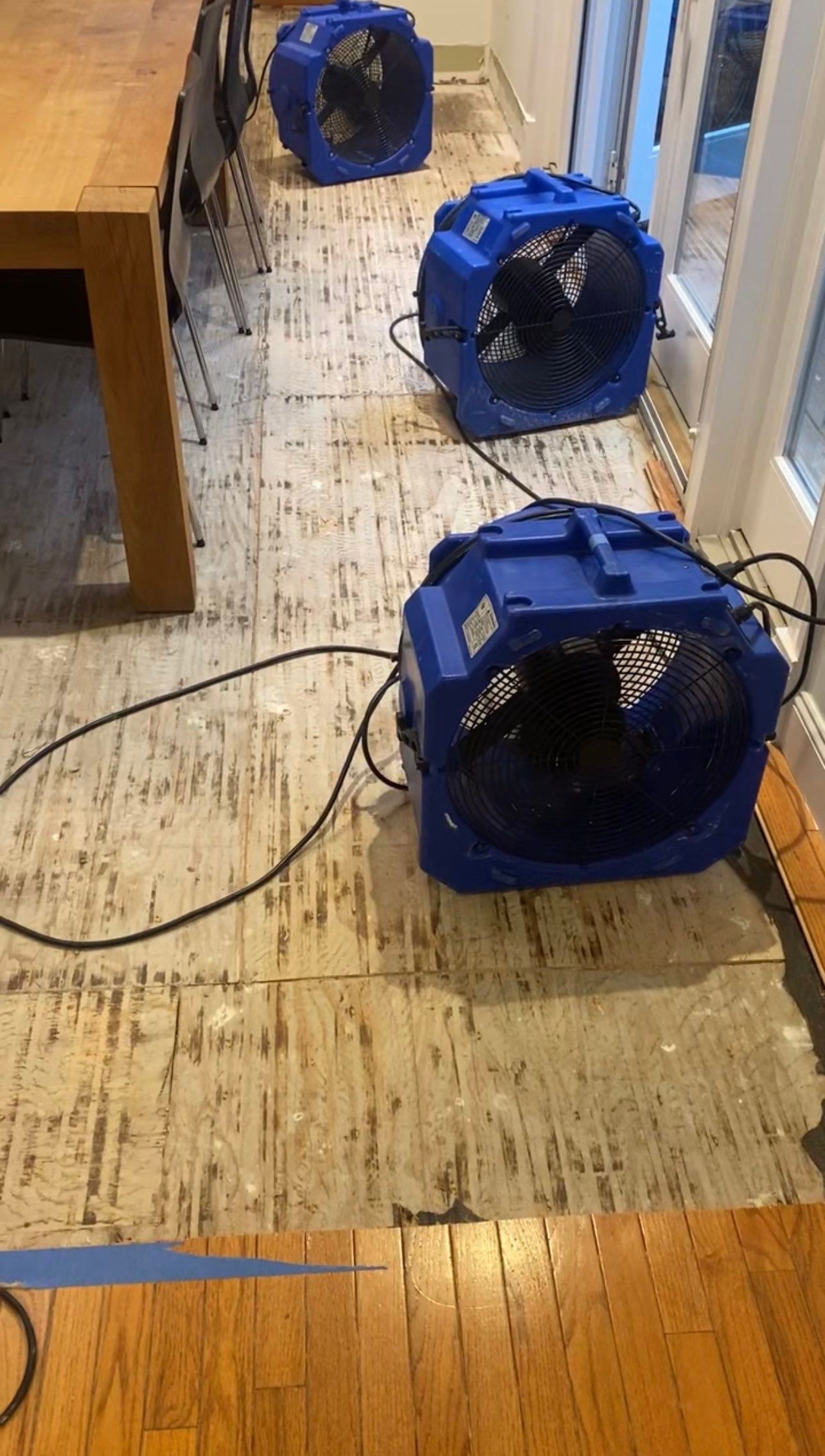
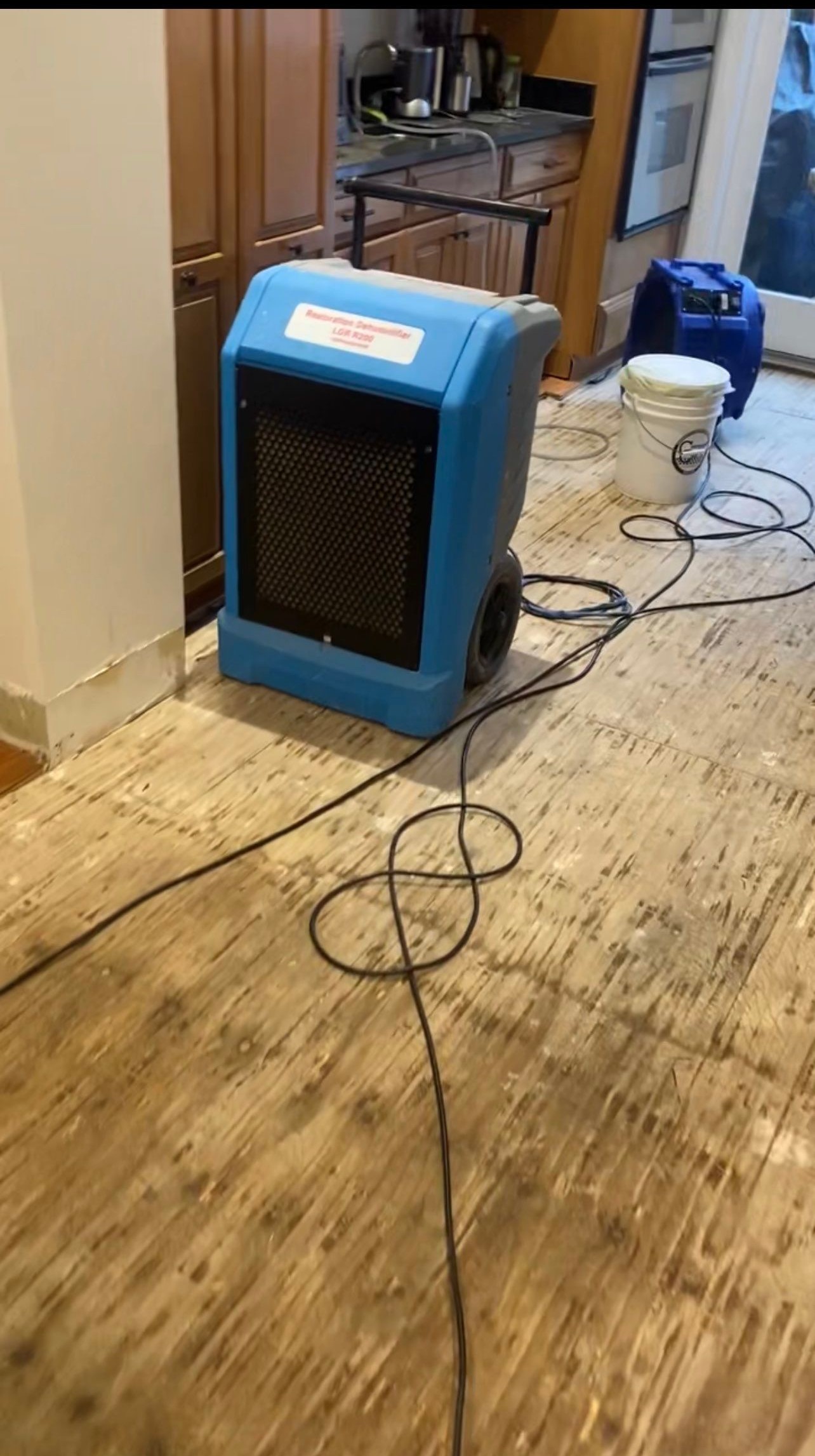
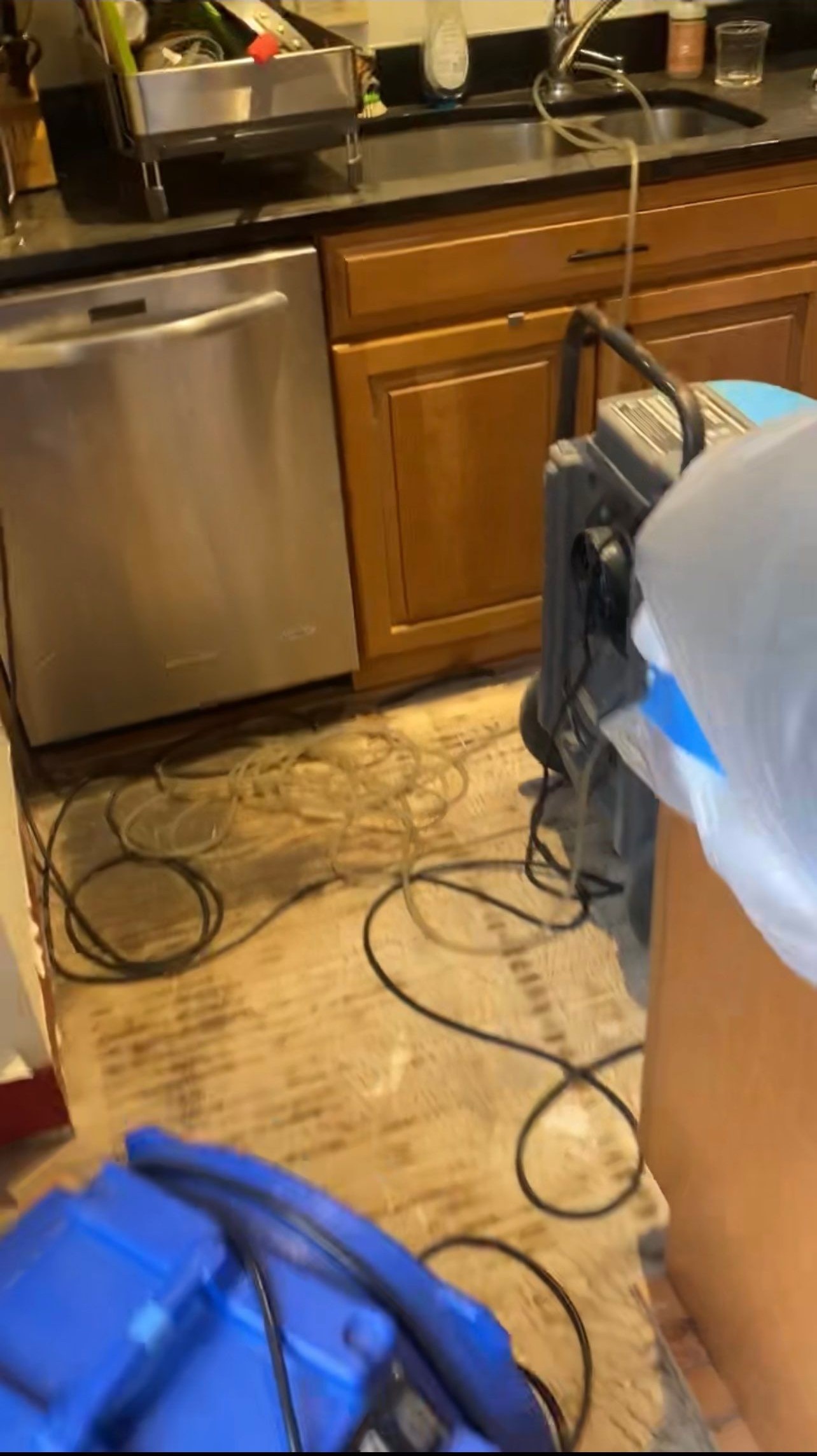
Our team contained the active leak at its source, then conducted a thorough assessment of the ceiling cavity and structural members. Standing water was extracted using commercial-grade equipment, followed by targeted drying of all affected framing and substrate. Because the intrusion had persisted long enough to produce visible mold growth, we applied EPA-registered antimicrobial treatments and mold inhibitors throughout the affected zones, consistent with IICRC S520 protocols for remediation in occupied residential spaces.
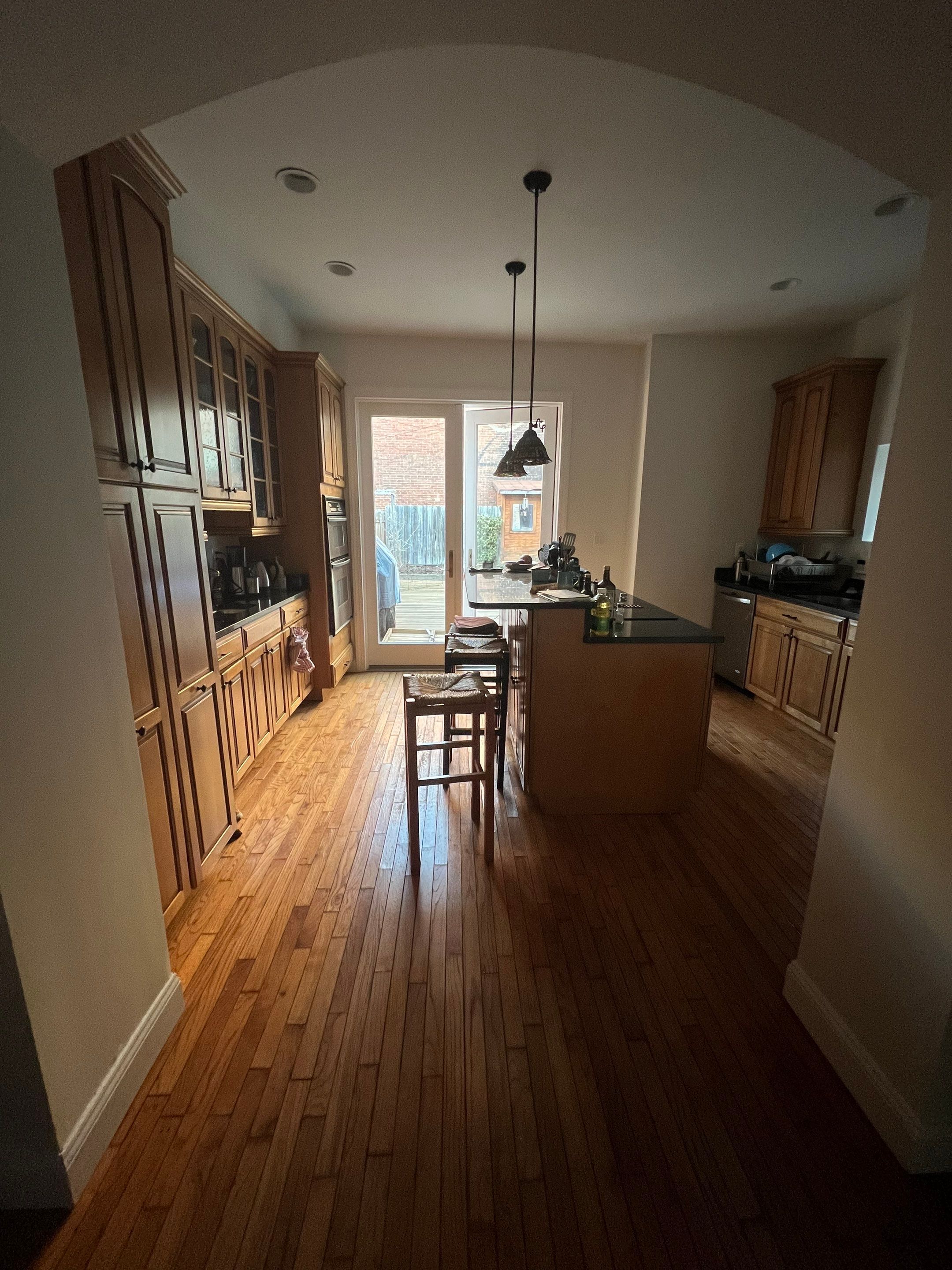
Once moisture levels returned to normal and microbial risk was eliminated, we replaced compromised ceiling materials and repaired the underlying structure. The dining room ceiling was restored to match its original finish and profile. The homeowner's review reflects complete satisfaction with both the technical outcome and the project timeline—a restoration that moved from active leak to finished ceiling without lingering moisture concerns.
Frequently asked questions
What steps does Restoration Doctor take when a dining room ceiling is damaged by a water leak in Washington, DC?
When Restoration Doctor responds to ceiling water damage in Washington, DC, we first contain the active leak and extract all standing water using commercial-grade equipment. We then dry the affected structural elements—including the ceiling substrate and framing—using dehumidifiers and air movers, monitor moisture levels until readings meet industry standards, and repair or replace damaged ceiling materials. Before reconstruction, we apply sanitizers and mold inhibitors to prevent future growth in the humid Mid-Atlantic climate.
Why is mold remediation often necessary after water intrusion in DC's historic rowhouses and urban buildings?
Mold remediation becomes essential in Washington's dense housing stock because the hot, humid summers and older building envelopes create ideal conditions for fungal colonization once water intrusion occurs. Restoration Doctor addresses this by combining structural drying with targeted sanitization and antimicrobial treatment, particularly on porous materials like ceiling drywall and wood framing that retain moisture. The combination of rapid extraction and controlled drying prevents spore proliferation in these enclosed urban spaces.
How long does it typically take to dry and restore a water-damaged ceiling in Washington, DC?
Drying timelines for ceiling water damage in Washington depend on the extent of saturation, the building materials involved, and ambient humidity levels—urban buildings with limited airflow may require longer drying cycles. Restoration Doctor monitors moisture readings daily and typically achieves dry-standard conditions within several days, after which ceiling repair and finishing can proceed. The entire process, from extraction through final restoration, is managed to minimize disruption while ensuring thorough drying and mold prevention.
Does homeowners insurance usually cover water damage and mold remediation from a ceiling leak in DC?
Coverage for ceiling water damage in Washington, DC, generally depends on whether the leak was sudden and accidental—such as a burst pipe or appliance failure—or the result of deferred maintenance. Restoration Doctor works directly with insurers to document the loss, provide detailed moisture mapping and photo evidence, and clarify the scope of covered work, which often includes extraction, drying, and structural repair but may exclude mold if the carrier determines it was preventable through earlier action.
What equipment does Restoration Doctor use to extract standing water and dry structural elements after a leak?
Restoration Doctor deploys truck-mounted or portable extractors to remove standing water quickly, followed by commercial dehumidifiers and high-velocity air movers positioned to target saturated ceiling cavities, wall assemblies, and subflooring. We use moisture meters and thermal imaging to track drying progress in hidden structural elements, ensuring that wood framing and drywall return to equilibrium moisture content before any reconstruction begins. This equipment-driven approach prevents secondary damage and supports the antimicrobial treatments applied during the final phases of the job.
Explore more restoration work
All projects in Washington · Water Damage Restoration in Washington
Water, fire, or mold damage in Washington?
Restoration Doctor responds 24/7 across Washington and Northern Virginia. Free assessment and transparent, insurance-friendly estimates — no obligation.
See our Water Damage Restoration services at restorationdoctors.com →