Older Roof Leak Causes Extensive Damage
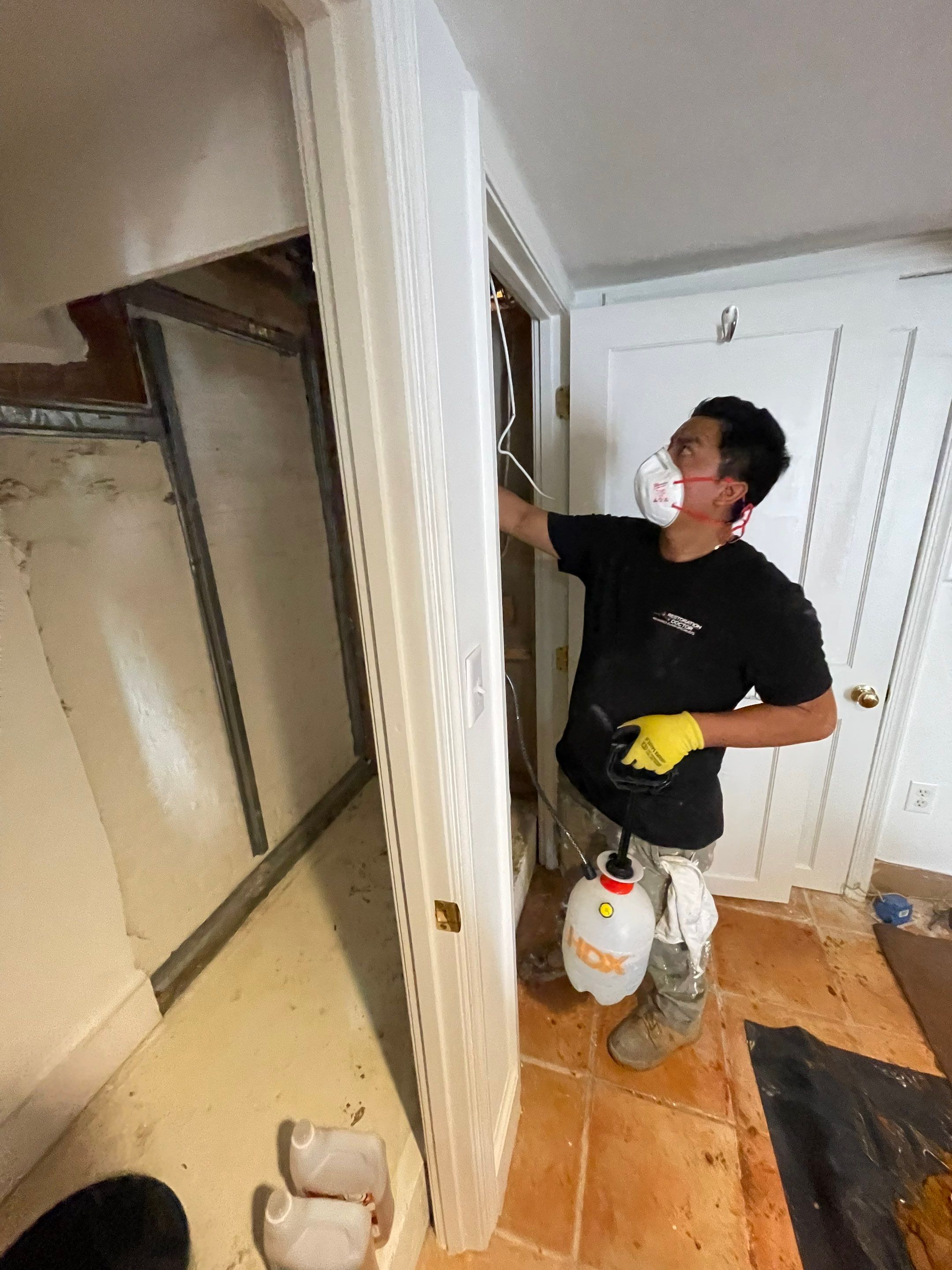
About this water damage restoration project
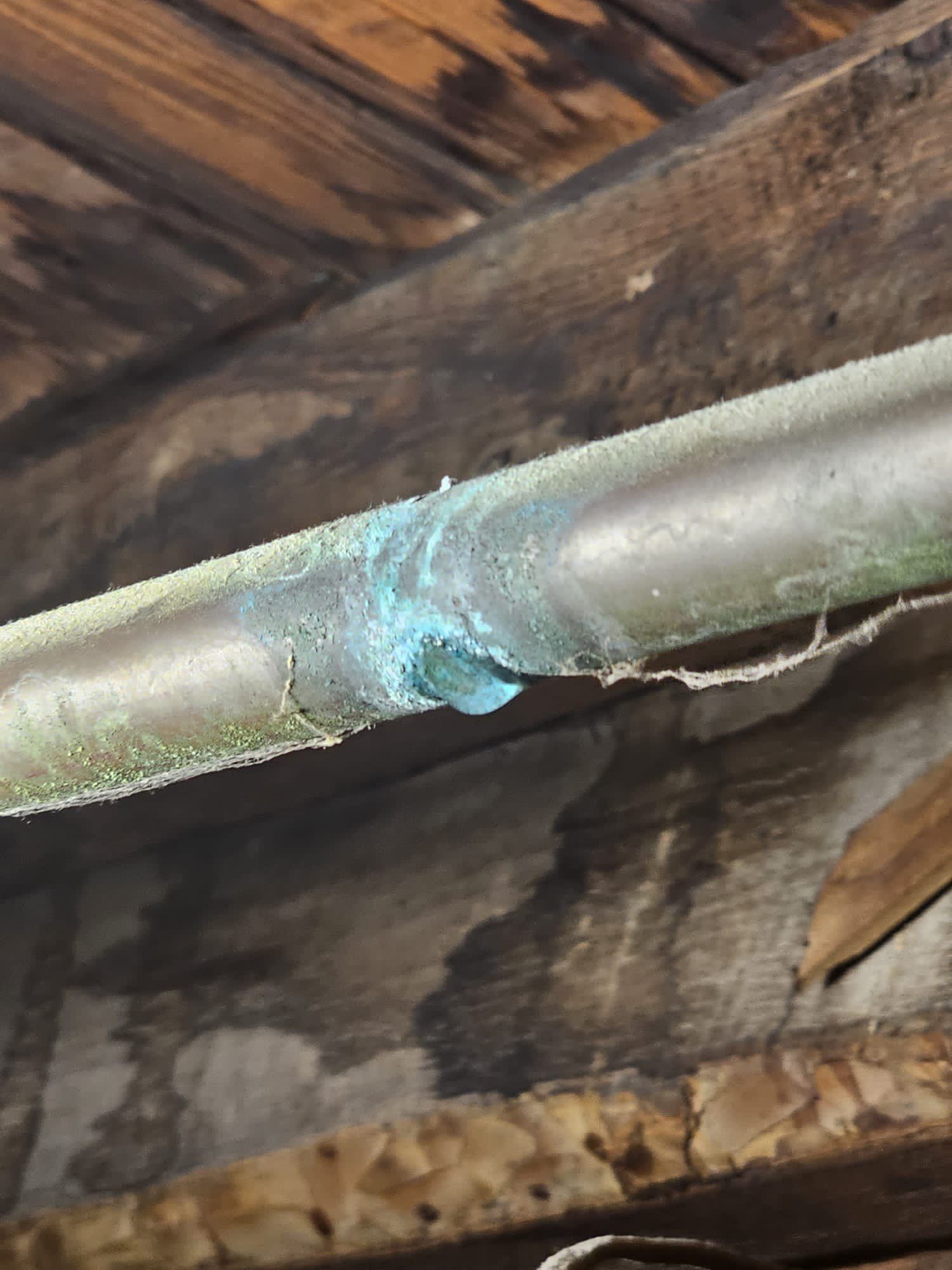
An aging roof on an established Washington, DC home gave way to persistent water intrusion—a common failure mode in the region's mix of older housing stock, where freeze-thaw cycles and humid summers accelerate wear on original roofing materials. By the time the homeowner noticed interior staining, the leak had been active long enough to saturate insulation and wall cavities, creating conditions favorable to mold colonization.
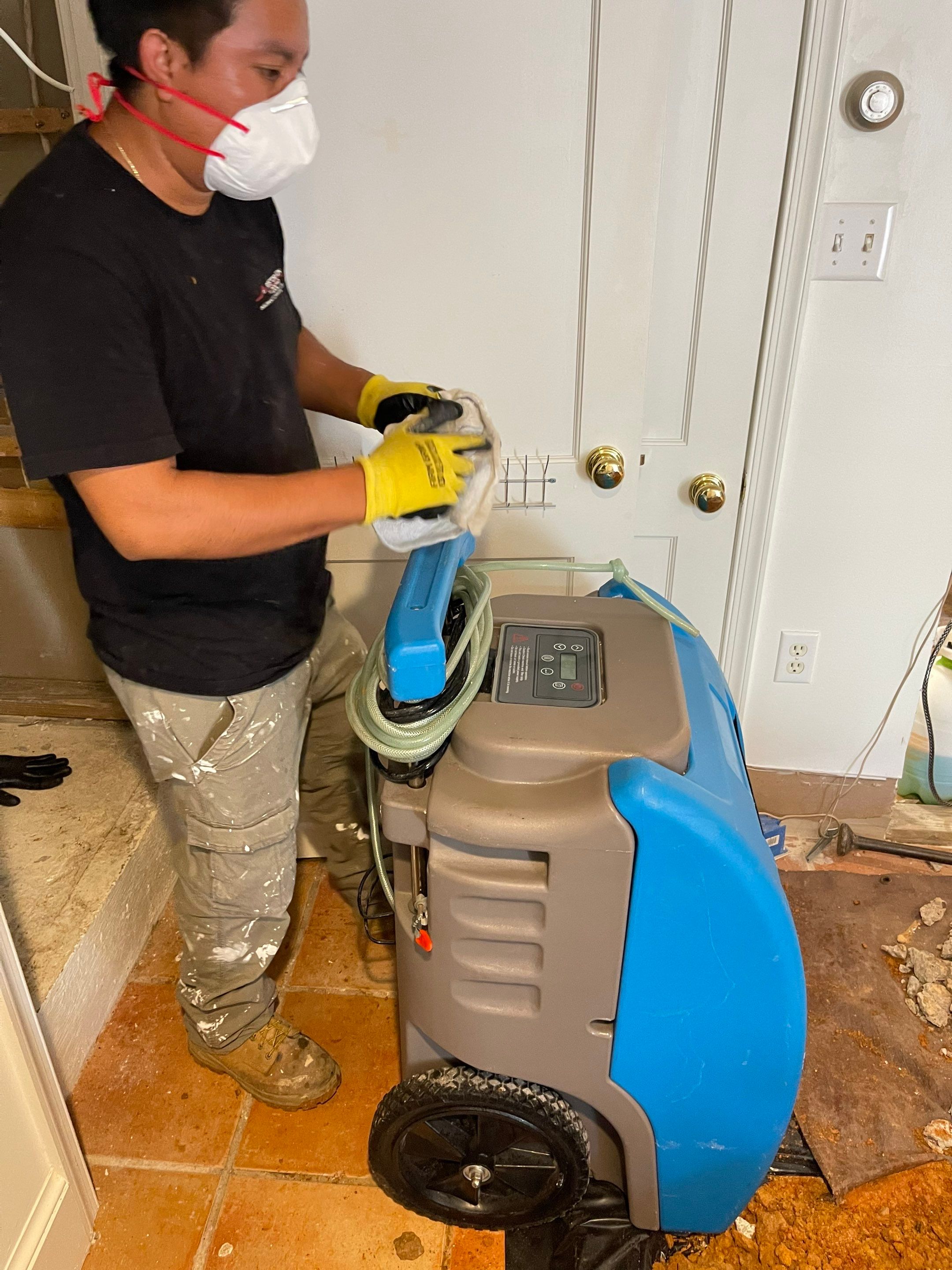
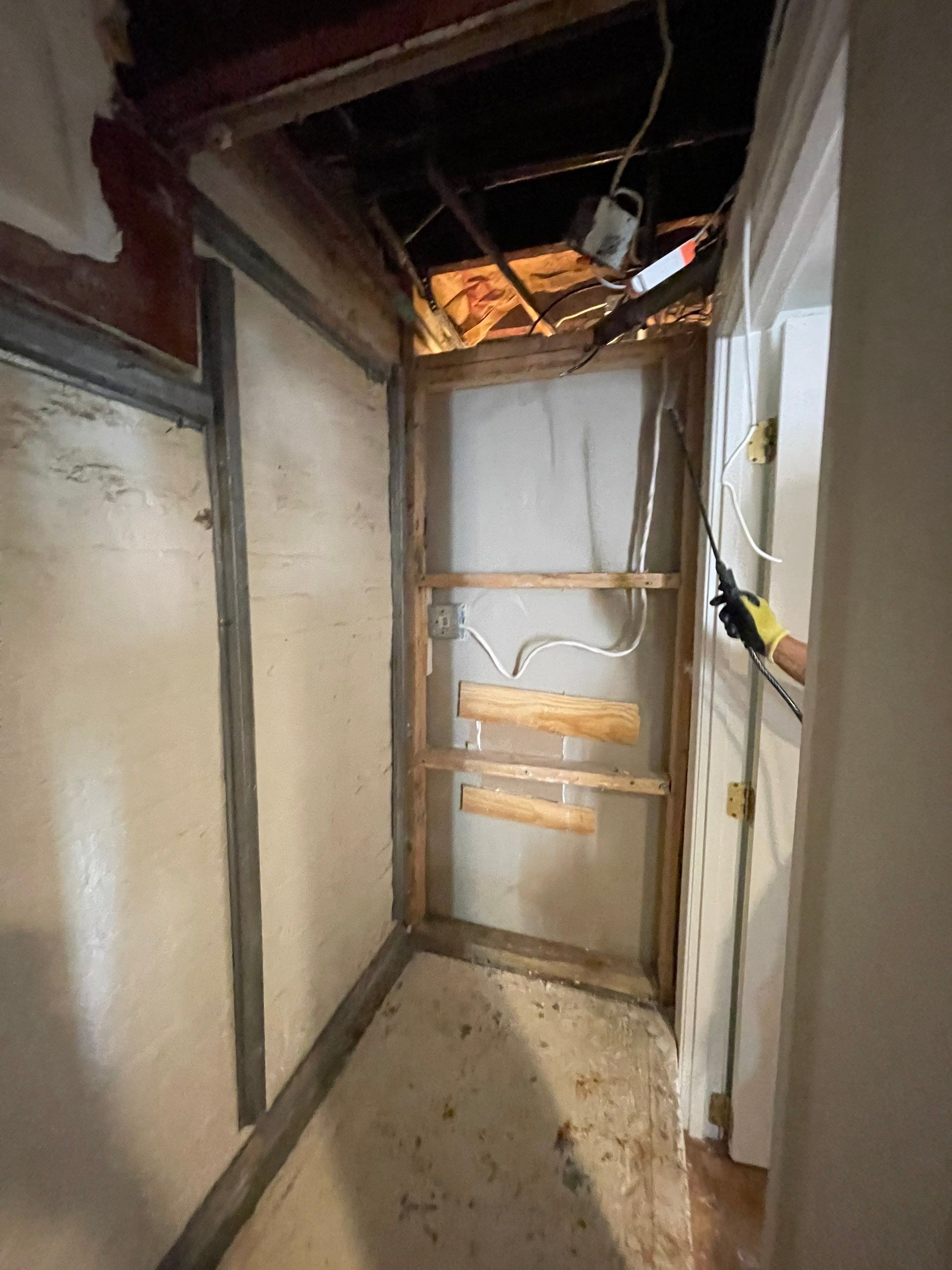
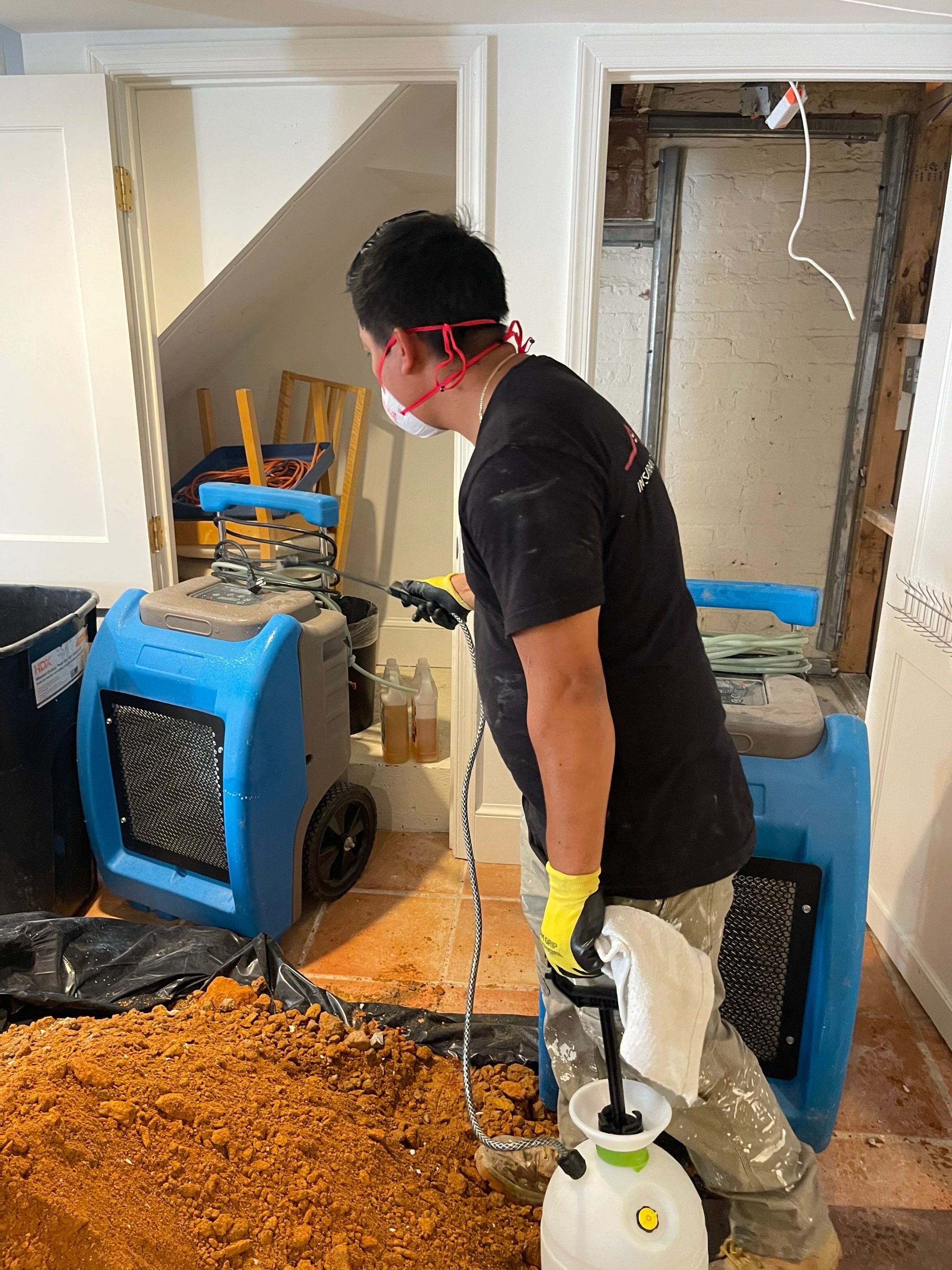
We began by locating and repairing the compromised roof sections, then turned to extraction and structural drying. Industrial dehumidifiers and air movers addressed moisture migration through ceiling assemblies and wall framing, following IICRC S500 protocols for thorough evaporation. Once materials reached acceptable equilibrium, we applied EPA-registered mold inhibitors to treated surfaces and rebuilt the damaged ceiling and wall sections.
The homeowner's review reflected relief that the work was completed without further disruption. The roof repair eliminated the intrusion source; the drying and antimicrobial treatment addressed the secondary mold risk; and the structural rebuild returned the home to its pre-loss condition, secure against future weather exposure.
Frequently asked questions
How does roof leak water damage differ in older Washington, DC-area homes?
Older roofing systems in the Washington, DC region often show wear from years of freeze-thaw cycles and intense summer heat, making them vulnerable to leaks that penetrate insulation and ceiling cavities. Restoration Doctor addresses these intrusions by locating and repairing the roof breach, then extracting standing water and drying affected structural layers with industrial equipment. Mold inhibitors are applied during the process to prevent colonization in the humid Mid-Atlantic climate, ensuring the home returns to safe, pre-damage condition.
What equipment is used to dry ceilings and walls after a roof leak?
Following water extraction, Restoration Doctor deploys industrial-grade dehumidifiers and air movers to remove moisture from insulation, drywall, and framing within ceiling and wall assemblies. These systems work continuously to bring materials back to dry standard, which is critical in preventing secondary damage. Monitoring ensures structural components reach safe moisture levels before any repair or restoration work proceeds.
Why is mold remediation necessary after water intrusion in this region?
Hot, humid Mid-Atlantic summers create ideal conditions for mold to establish on damp building materials, especially when water has soaked insulation or ceiling cavities. Restoration Doctor's mold remediation for this Washington job included containment, removal of affected materials, antimicrobial treatment, and application of mold inhibitors to prevent recurrence. The work followed recognized mold-remediation protocols to restore indoor air quality and structural integrity.
Can water damage from a roof leak spread beyond the visible ceiling stain?
Water from a roof breach often travels along framing, wicking into insulation and wall cavities well beyond the initial drip point, especially in the region's typical single-family construction. Restoration Doctor uses moisture mapping to trace the full extent of saturation, ensuring all affected areas—visible and hidden—are dried and treated. This comprehensive approach prevents concealed mold growth and structural weakening that surface repairs alone would miss.
How long does a typical water extraction and structural drying project take?
Drying timelines depend on the extent of water intrusion, the materials affected, and ambient humidity levels during the work. For a job like this Washington roof-leak restoration—involving ceiling, wall, and insulation drying—Restoration Doctor monitors moisture readings daily and adjusts equipment as needed until materials reach dry standard. The process prioritizes thorough drying over speed, as incomplete drying invites mold and compromises structural repairs.
Explore more restoration work
All projects in Washington · Water Damage Restoration in Washington
Water, fire, or mold damage in Washington?
Restoration Doctor responds 24/7 across Washington and Northern Virginia. Free assessment and transparent, insurance-friendly estimates — no obligation.
See our Water Damage Restoration services at restorationdoctors.com →