Mold Remediation from Unsealed Vent
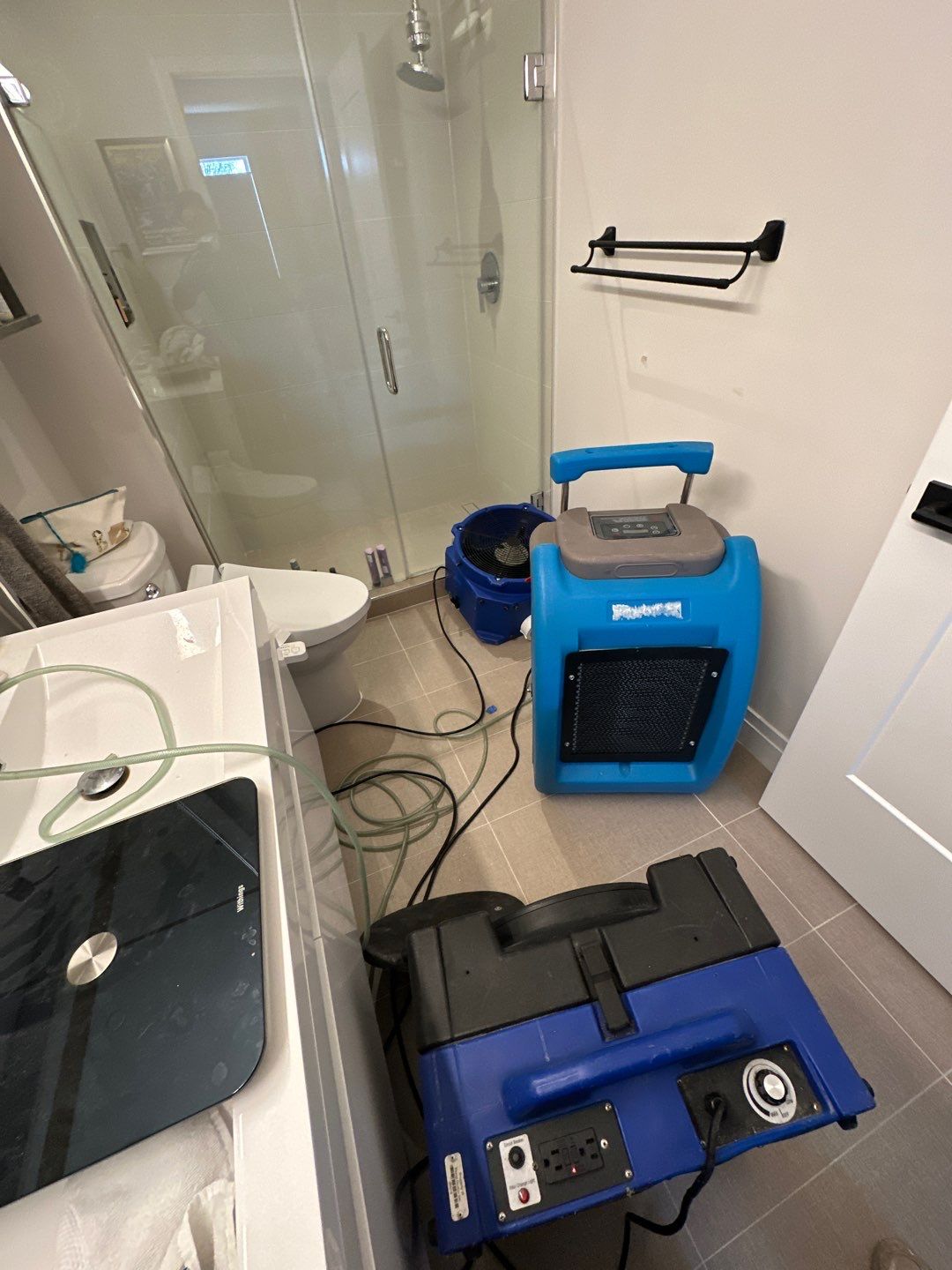
About this water damage restoration project
An improperly sealed vent behind a shared wall had allowed microbial growth to take hold, producing a persistent odor that reached the living spaces. In Washington's dense historic rowhouses and rehabilitated urban neighborhoods, shared-wall construction and aging infrastructure often create concealed pathways where moisture accumulates unnoticed, making thorough investigation essential when odor complaints arise.
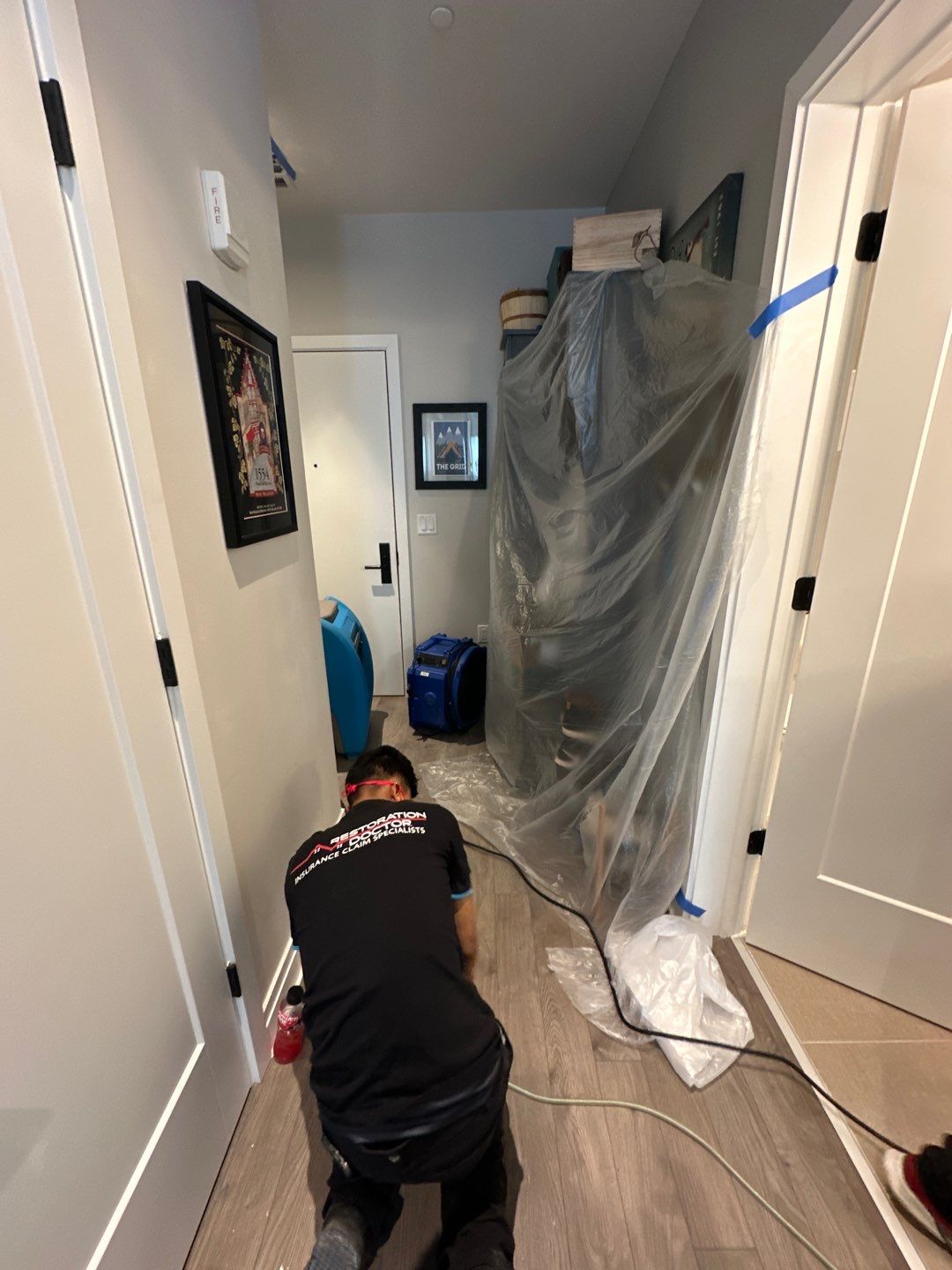
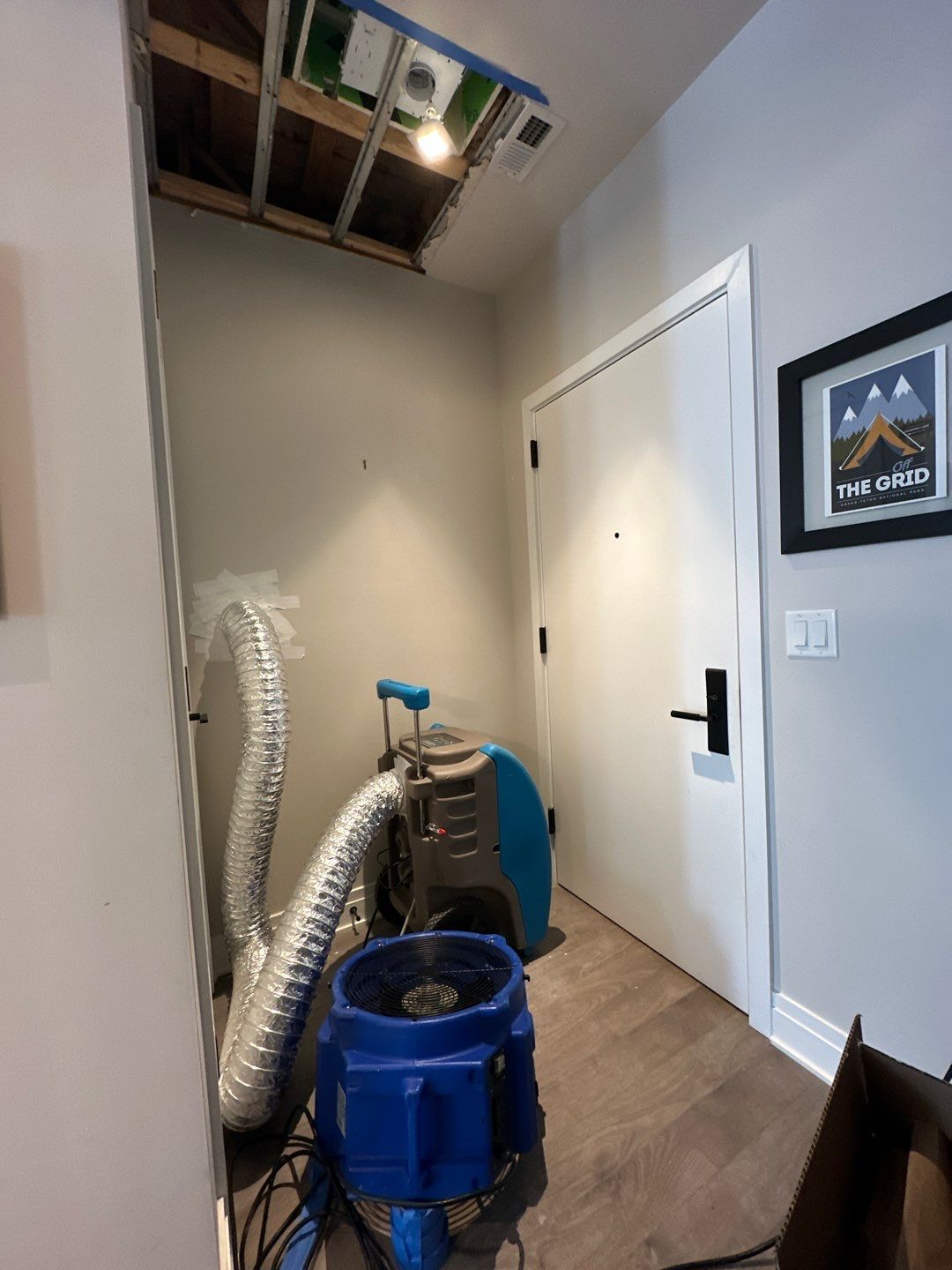
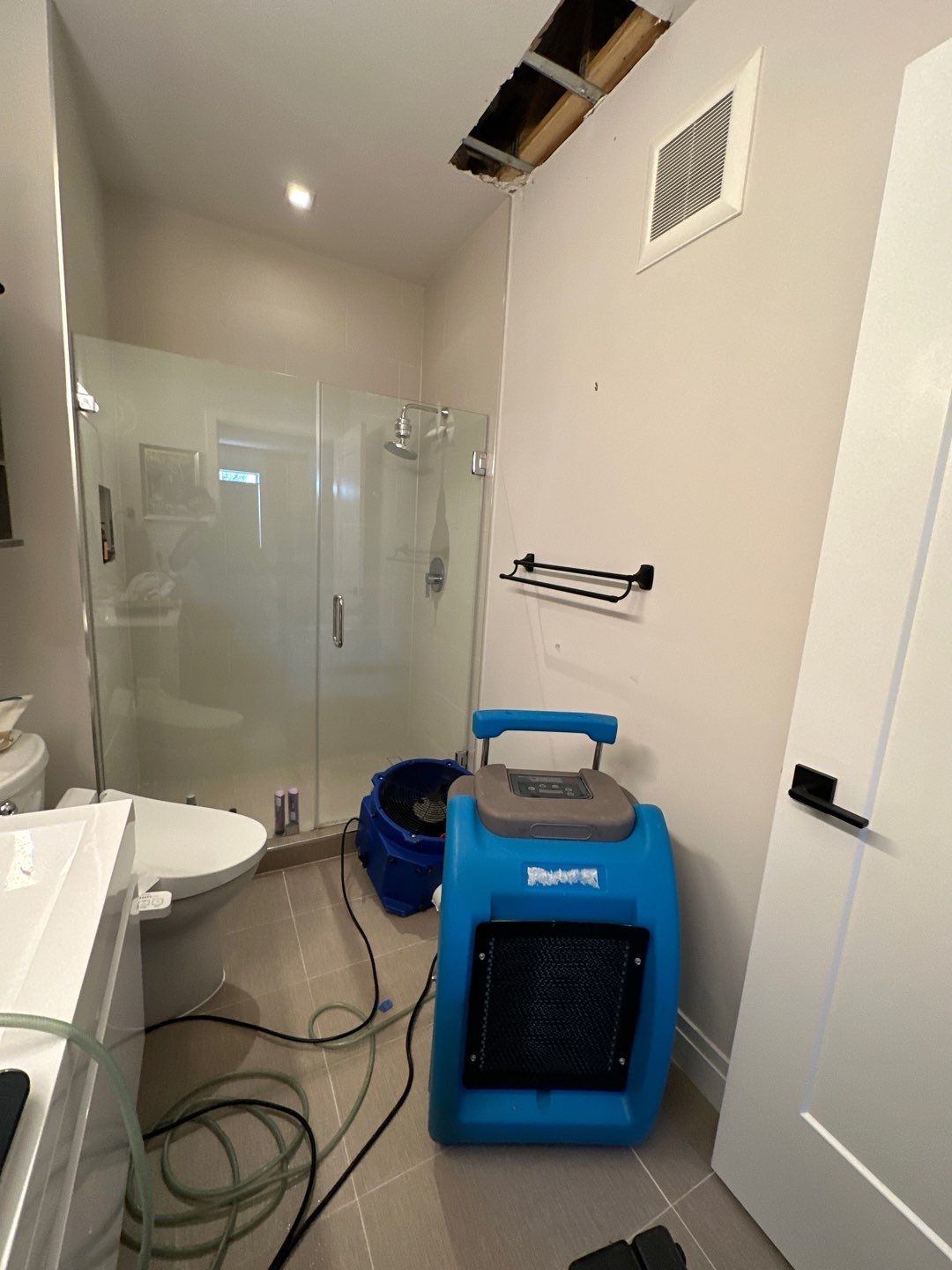
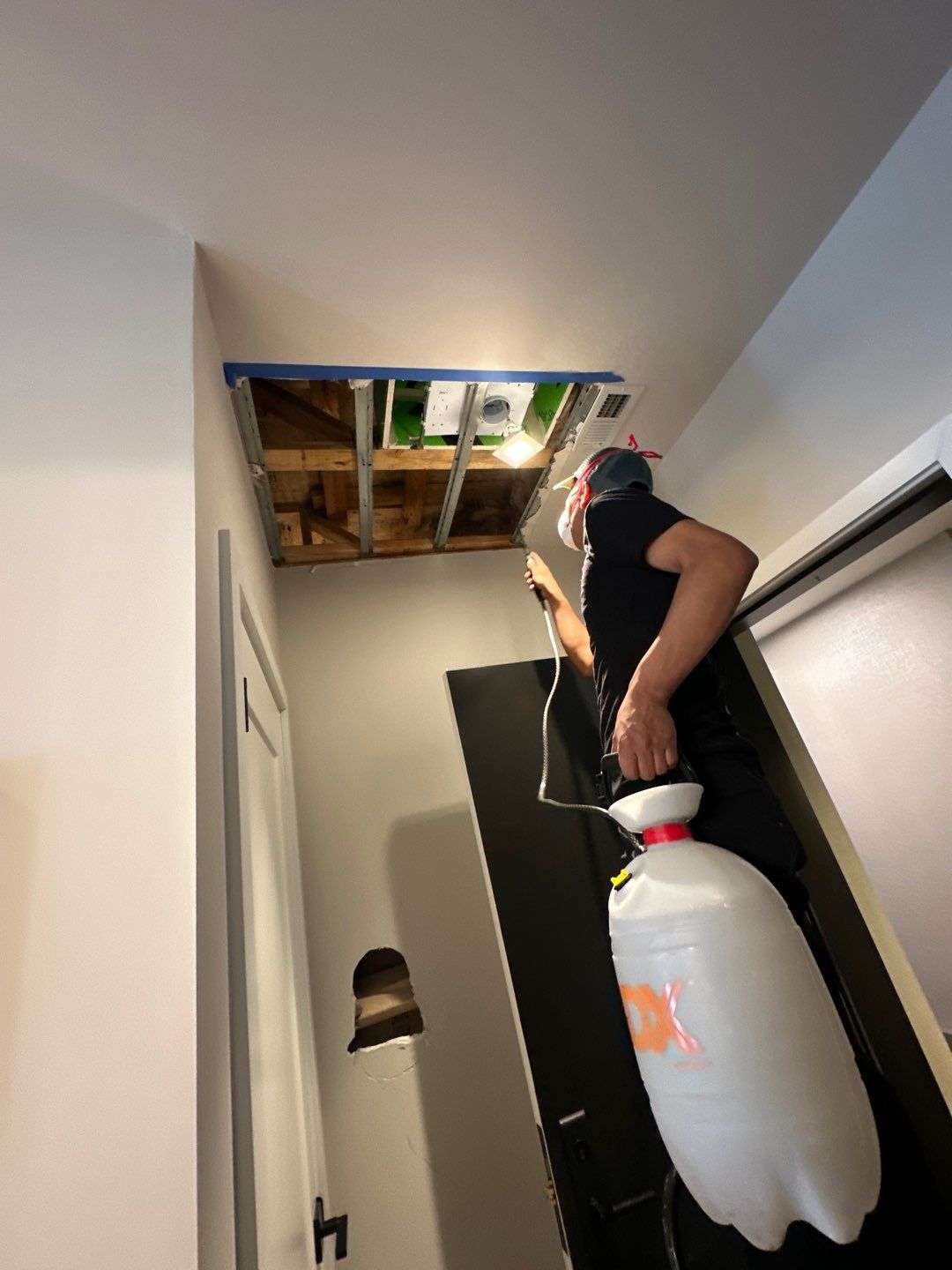
Our team conducted a detailed inspection to locate the source, then sealed the old vent that had permitted moisture intrusion. Following IICRC S520 mold remediation protocols, we carefully removed all affected materials from behind the wall, cleaned exposed surfaces, and dried the cavity to stable conditions. Structural repairs restored the wall assembly, and post-remediation air quality testing confirmed that spore counts had returned to normal background levels.
The homeowner noted in their review that the odor was completely eliminated and appreciated the preventive guidance we provided to help avoid recurrence. We recommended periodic inspection of concealed vent terminations and monitoring humidity levels in shared-wall cavities—practical steps that address the conditions mold requires to establish itself. The residence now offers a healthy indoor environment, free of the microbial odor that had compromised daily comfort.
Frequently asked questions
What causes odor from microbial growth behind walls in Washington, DC rowhouses?
In Washington's dense historic rowhouses, odor from microbial growth typically stems from hidden moisture intrusion—often through improperly sealed old vents, shared-wall plumbing leaks, or condensation trapped in poorly ventilated cavities. Hot, humid Mid-Atlantic summers accelerate colonization when moisture goes undetected. Restoration Doctor addresses the source (sealing penetrations, repairing leaks) and removes affected materials to eliminate both the growth and the odor at its root.
How does Restoration Doctor remediate mold behind a shared wall in DC?
For mold behind a shared wall in Washington, Restoration Doctor establishes containment to protect adjacent units, removes all affected drywall and insulation, and cleans structural framing with antimicrobial solutions following IICRC S520 guidelines. We then dry the cavity with commercial dehumidifiers and air movers, repair the moisture source (such as sealing an old vent), and conduct post-remediation air quality testing to verify the space is safe before reconstruction.
What structural repairs follow mold removal in a DC apartment building?
After mold remediation in a Washington apartment, Restoration Doctor replaces removed drywall, insulation, and any damaged framing members, ensuring all new materials are installed in a dry cavity. We coordinate with building management to match finishes and restore the unit to pre-loss condition. The repairs include addressing the original defect—like sealing a vent or upgrading a shared-wall penetration—so the problem does not recur.
How long does structural drying take after mold remediation in Washington, DC?
Structural drying after mold remediation in Washington typically requires three to five days, depending on cavity depth, humidity levels, and the extent of affected materials. Restoration Doctor monitors moisture readings daily with calibrated meters and adjusts drying equipment until all framing and substrates reach equilibrium. In DC's humid summers, dehumidification is critical to prevent rebound moisture that could trigger new growth.
What preventive steps can DC residents take to avoid future mold behind walls?
Restoration Doctor recommends that Washington residents inspect old vents, plumbing penetrations, and shared walls annually for signs of moisture or musty odors, especially in aging rowhouse and mid-rise construction. Use exhaust fans during cooking and bathing, maintain indoor humidity below 60 percent, and address any leaks or condensation immediately. Sealing historic penetrations and upgrading ventilation in enclosed cavities are the most effective long-term defenses against hidden microbial growth.
Explore more restoration work
All projects in Washington · Water Damage Restoration in Washington
Water, fire, or mold damage in Washington?
Restoration Doctor responds 24/7 across Washington and Northern Virginia. Free assessment and transparent, insurance-friendly estimates — no obligation.
See our Water Damage Restoration services at restorationdoctors.com →