Mold and Water Issues from Refrigerator Leak
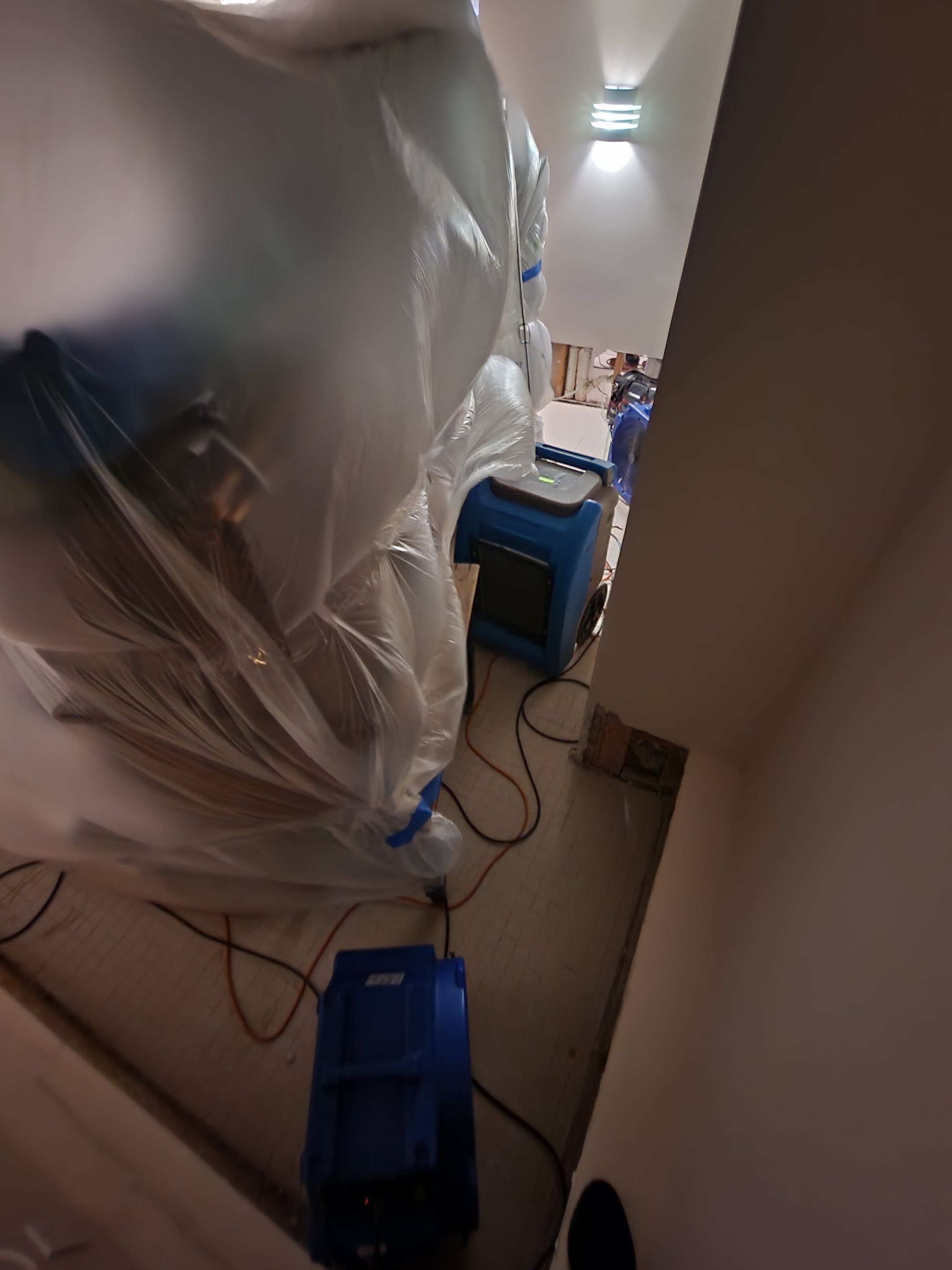
About this water damage restoration project
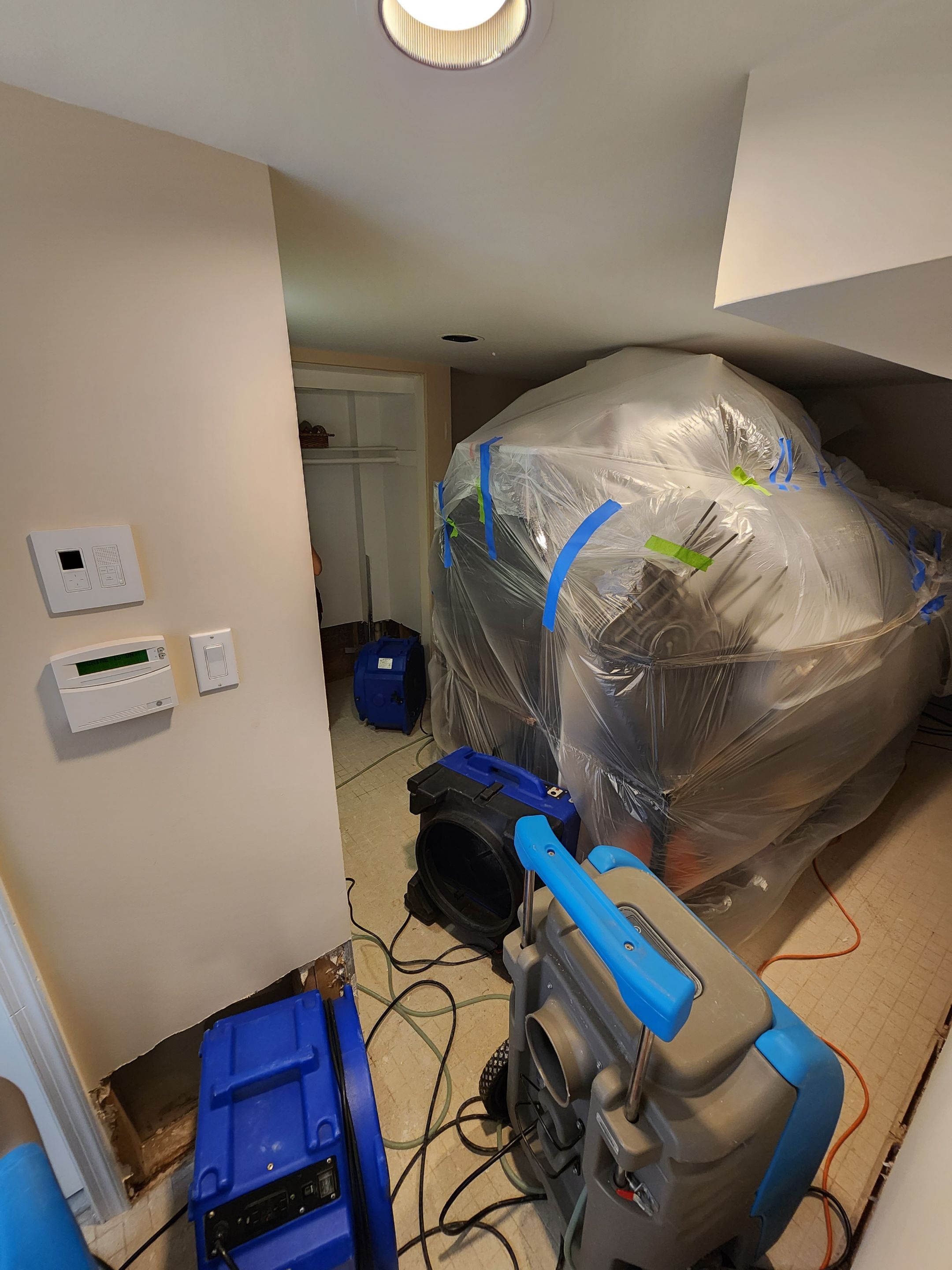
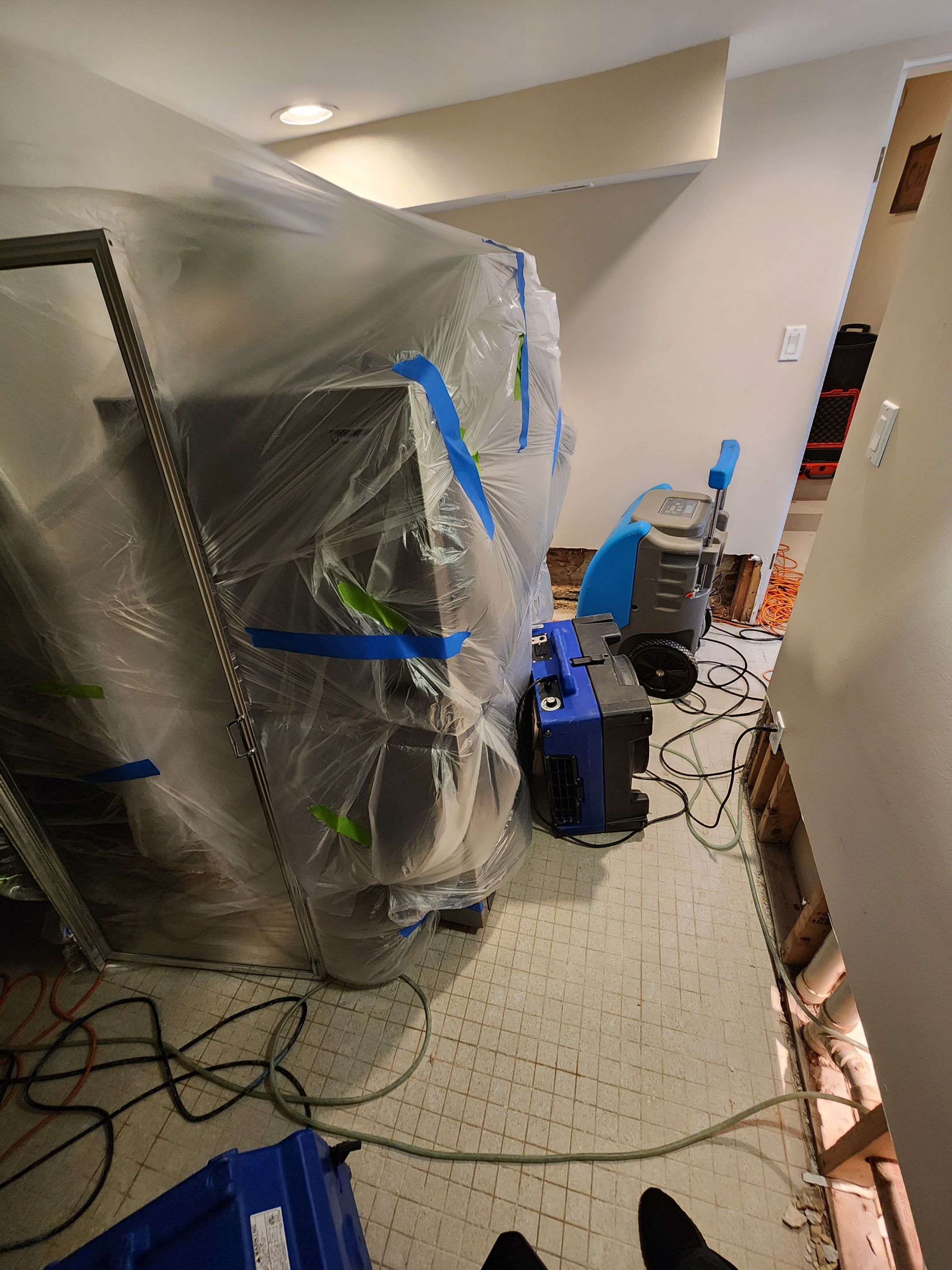
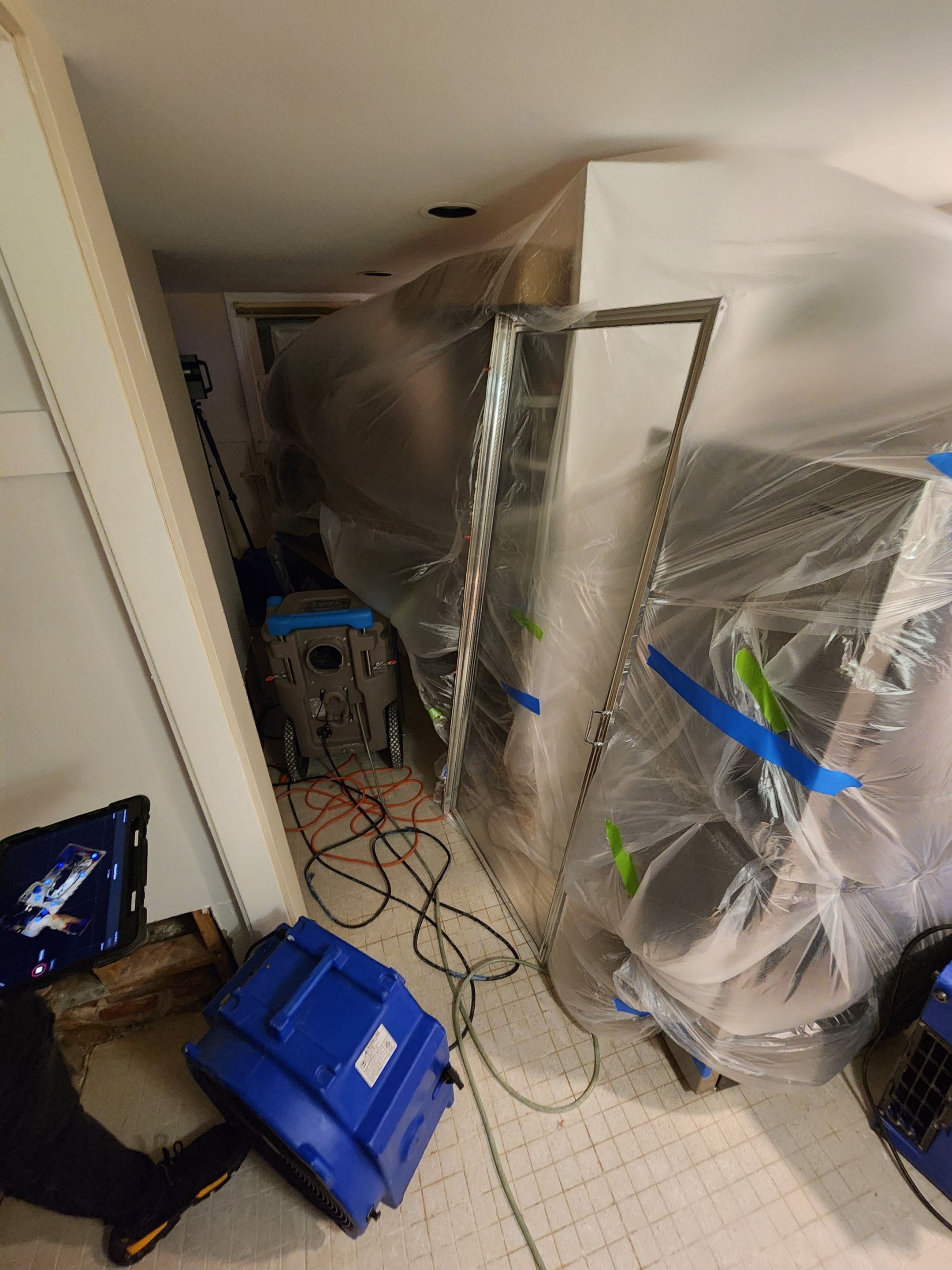
A refrigerator leak in a Washington, DC home had gone unnoticed long enough for mold to take hold—a common outcome in the humid Mid-Atlantic climate, where even minor water intrusions can quickly escalate indoors. Our inspection revealed both standing water and microbial growth concentrated around the appliance, requiring a coordinated water extraction and mold remediation response.
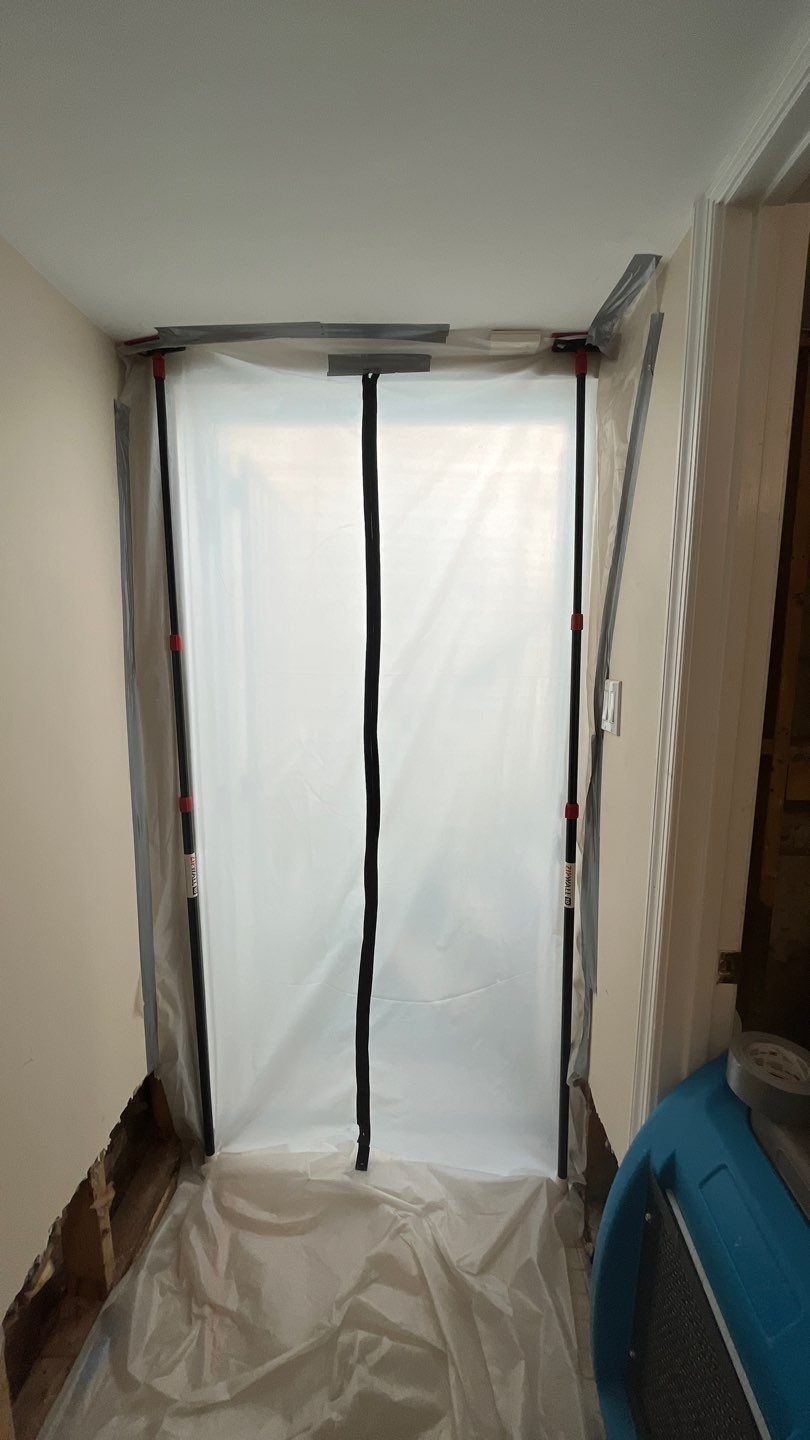
We began by extracting the water with commercial-grade equipment, then deployed industrial dehumidifiers and air movers to dry the affected structure to ambient conditions. Once moisture levels stabilized, we shifted to mold remediation under IICRC S520 protocol: physically removing compromised materials, establishing containment to prevent cross-contamination, and applying EPA-registered antimicrobial treatments to all exposed surfaces.
The final phase involved structural repair—replacing removed drywall and baseboards, then refinishing to match the surrounding area. The homeowner noted in their review that the work was completed thoroughly and with minimal disruption, restoring both the space and their confidence in the home's indoor air quality.
Frequently asked questions
How does a refrigerator leak lead to mold growth in a Washington, DC rowhouse?
In Washington's humid Mid-Atlantic climate, a refrigerator leak can saturate flooring and wall cavities quickly, creating conditions where mold colonizes within 24 to 48 hours if not dried promptly. Restoration Doctor responded to this DC property with immediate water extraction and structural drying to halt microbial growth. Our IICRC-trained technicians then conducted mold remediation, removing affected materials and applying antimicrobial treatments to restore a safe indoor environment.
What does mold remediation involve after water damage in Washington, DC?
For this refrigerator-leak job in DC, Restoration Doctor's mold remediation process included containment of the affected area, safe removal of compromised materials, and antimicrobial application to prevent recurrence. We followed the IICRC S520 mold standard, ensuring thorough drying with industrial dehumidifiers and air movers before rebuilding. The dense construction of DC's historic rowhouses and mid-rise buildings requires careful moisture mapping to prevent hidden mold pockets in adjoining units or wall cavities.
How long does it take to dry out water damage from an appliance leak in DC?
Drying timelines depend on the extent of saturation and the building's construction, but Restoration Doctor typically achieves dry-standard conditions within several days using professional-grade equipment. In Washington's older urban housing stock—where plaster, hardwood, and shared-wall construction are common—we monitor moisture levels continuously to ensure thorough drying before proceeding to repairs. This refrigerator-leak job required both extraction and targeted structural drying to protect the surrounding living space.
Can insurance cover mold remediation after a water leak in Washington, DC?
Coverage varies by policy, but many homeowners' policies in DC cover mold remediation when it results from a sudden, accidental water event like an appliance failure—provided the homeowner acts promptly. Restoration Doctor works directly with insurers to document the scope of water extraction, drying, and mold removal, streamlining the claims process. We recommend reviewing your policy's mold exclusions and water-damage provisions with your carrier as soon as a leak is discovered.
Explore more restoration work
All projects in Washington · Water Damage Restoration in Washington
Water, fire, or mold damage in Washington?
Restoration Doctor responds 24/7 across Washington and Northern Virginia. Free assessment and transparent, insurance-friendly estimates — no obligation.
See our Water Damage Restoration services at restorationdoctors.com →