Leak and Damage Repair Service
About this water damage restoration project
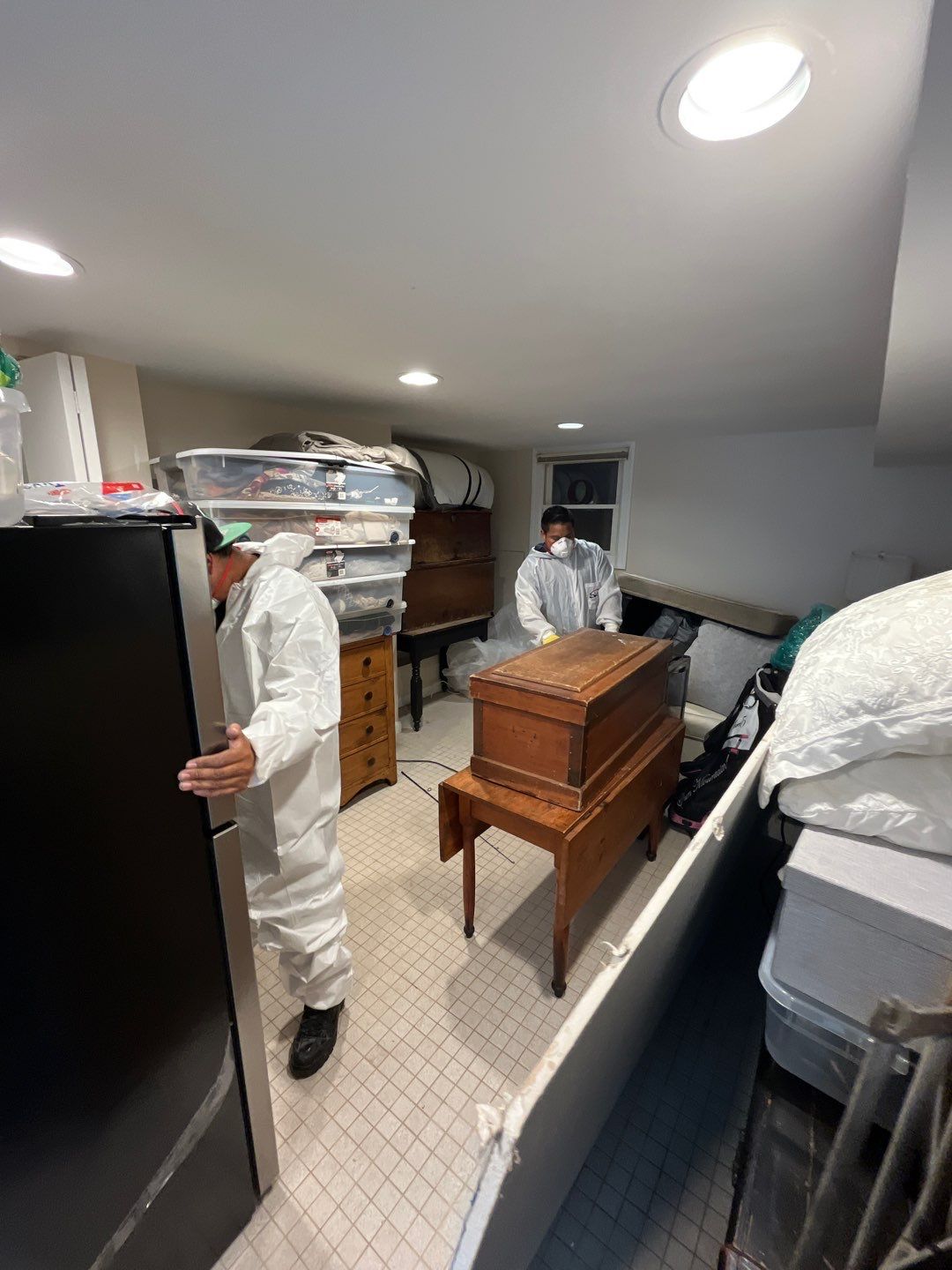
A water leak in a Washington, DC home had caused structural damage that required immediate professional intervention—the kind of failure that can escalate quickly in the District's older housing stock, where aging supply lines meet the region's humid summers and freeze-thaw winter cycles. Our first step was a systematic assessment to locate the leak's source, then repair it to eliminate the active intrusion before any mitigation could begin.
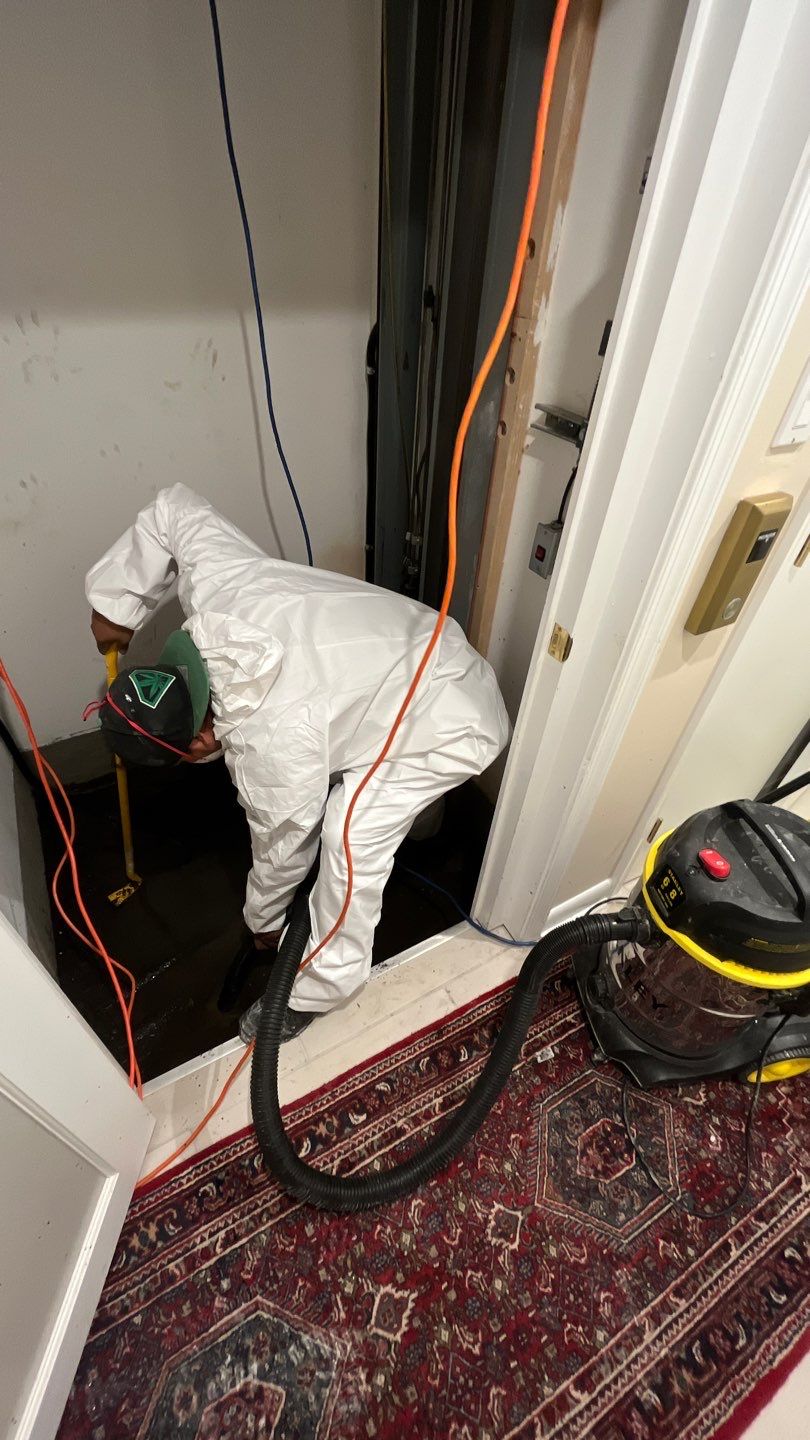
With the leak sealed, we moved to damage control: extracting standing water and deploying drying equipment to bring moisture levels back within acceptable ranges, following IICRC S500 water damage restoration protocols. The timeline was dictated by measured readings, not guesswork—structural drying is a process that requires monitoring, not haste.
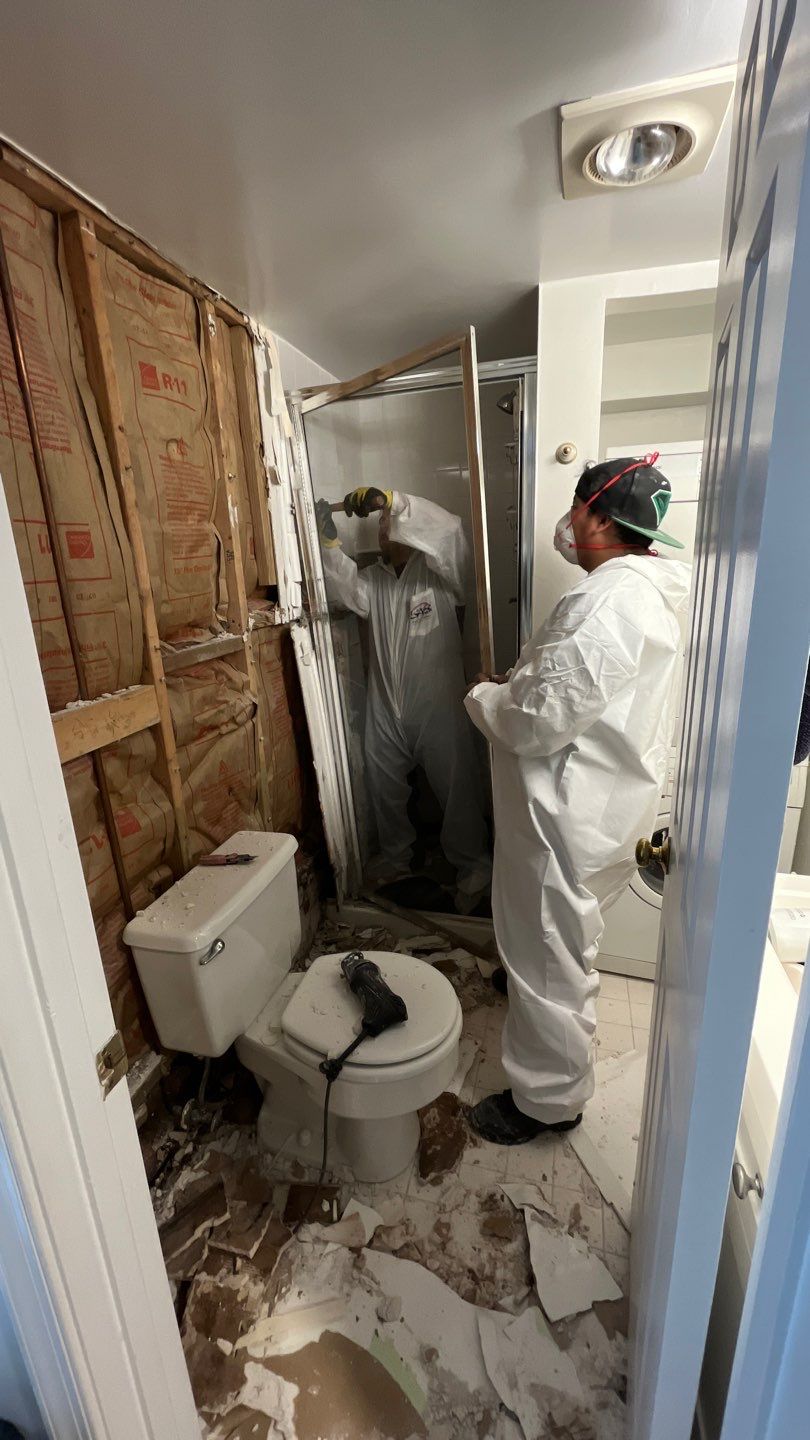
Final restoration addressed the affected surfaces and materials, returning the home to its pre-loss condition. The homeowner remained informed throughout each phase, and their review reflected satisfaction with both the technical outcome and the communication that supported it. A leak is a straightforward problem when caught and addressed methodically.
Frequently asked questions
How quickly should standing water be extracted after a leak in a Washington, DC rowhouse?
Restoration Doctor responds immediately to extract standing water in DC homes, because delays allow moisture to migrate through shared party walls and into subflooring common in historic rowhouse construction. Our extraction and structural drying process begins as soon as we've identified and stopped the source, preventing secondary damage to wood framing and plaster finishes typical in the district's older housing stock.
What does structural drying involve after water extraction in Washington?
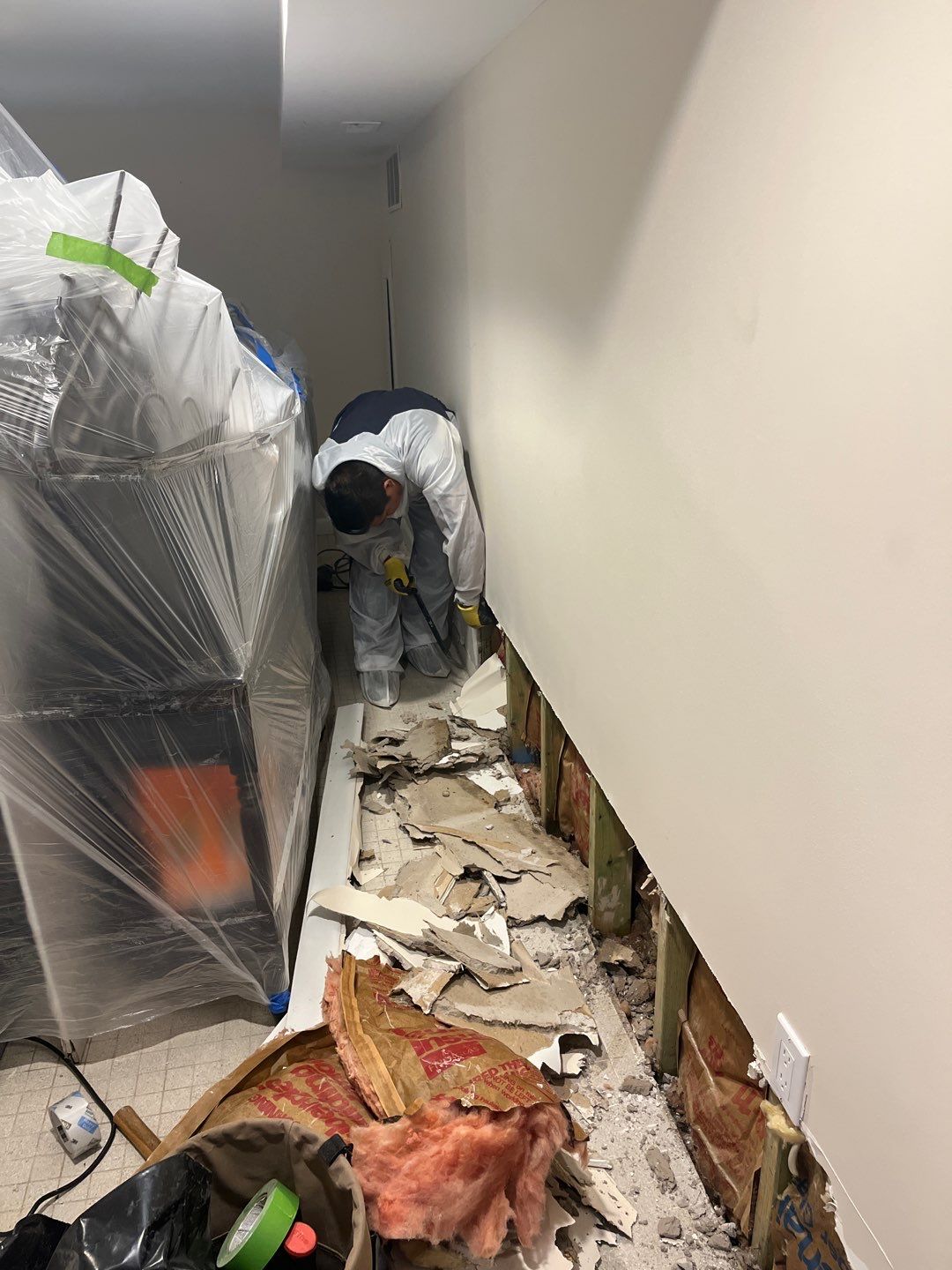
Structural drying in Washington involves placing commercial dehumidifiers and air movers to pull moisture from framing, subfloors, and wall cavities after extraction is complete. Restoration Doctor monitors moisture levels daily until materials return to dry standard, which is critical in DC's humid Mid-Atlantic summers when ambient humidity can slow evaporation and create conditions favorable to microbial growth if drying is incomplete.
Can a water leak in a DC apartment building affect neighboring units?
Yes—in Washington's mid-rise apartment buildings and attached rowhouses, water from a leak can travel through floor assemblies and shared walls to impact adjacent units. Restoration Doctor's assessment includes checking for lateral moisture migration and coordinating with property management when necessary, ensuring that extraction and drying address the full extent of the intrusion rather than only the visible damage in the origin unit.
How does Restoration Doctor locate the source of a water leak during mitigation?
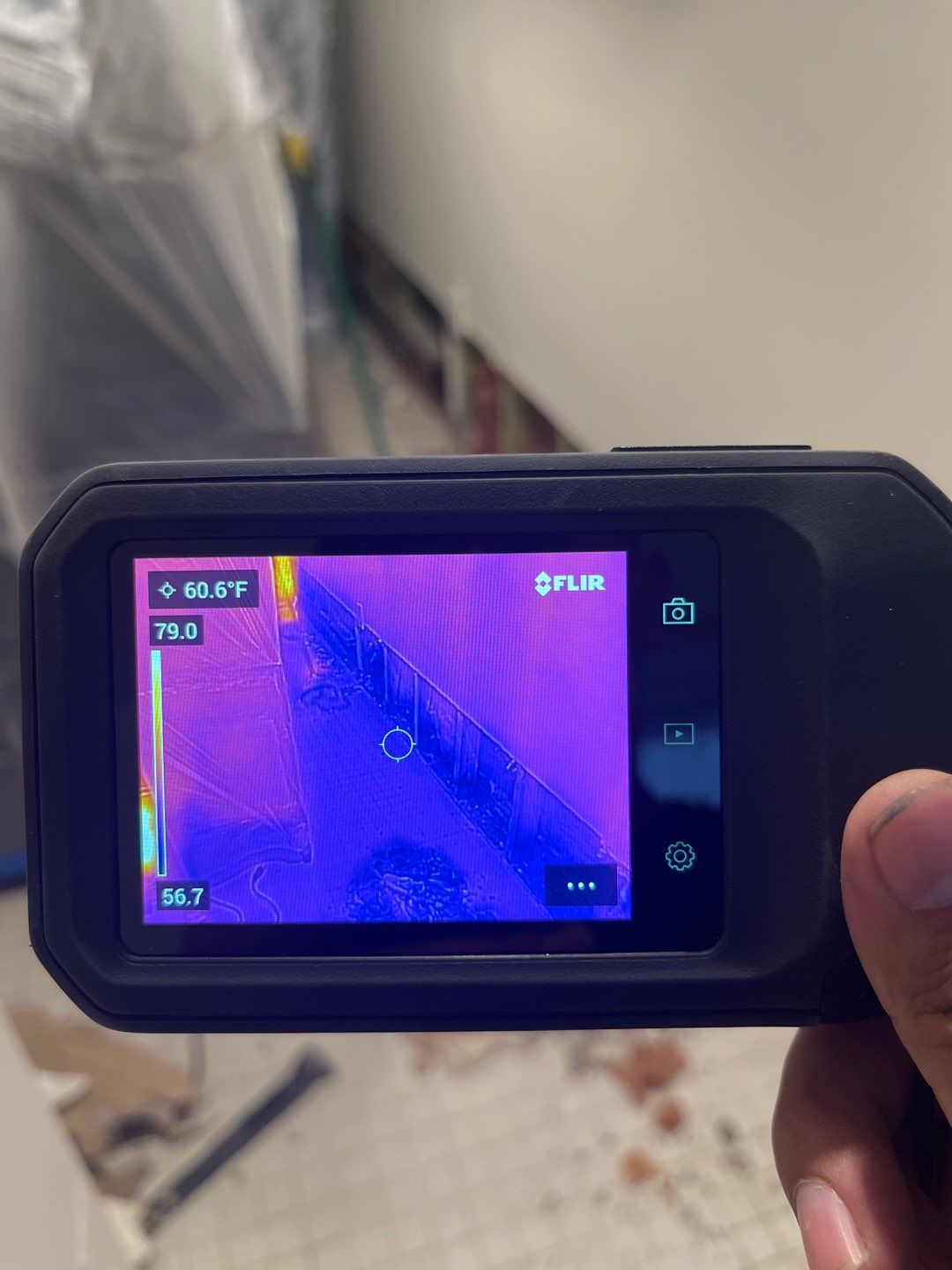
We use moisture meters and thermal imaging to trace elevated readings back to the point of intrusion, whether it's a failed supply line, a roof penetration, or a plumbing fixture. For this Washington job, identifying and repairing the source was the first step before extraction and drying could proceed, preventing recurring damage and ensuring that restoration efforts addressed the root cause rather than just the symptoms.
What does 'returned to original condition' mean after water damage restoration in Washington, DC?
Restoration Doctor's goal is to dry affected materials to standard, repair or replace damaged finishes, and leave the home safe and functional as it was before the loss. In this DC case, that meant extracting standing water, drying structural components, and restoring affected areas—matching finishes where possible and maintaining clear communication with the homeowner so expectations were aligned throughout the process.
Explore more restoration work
All projects in Washington · Water Damage Restoration in Washington
Water, fire, or mold damage in Washington?
Restoration Doctor responds 24/7 across Washington and Northern Virginia. Free assessment and transparent, insurance-friendly estimates — no obligation.
See our Water Damage Restoration services at restorationdoctors.com →