Kitchen Skylight Leak
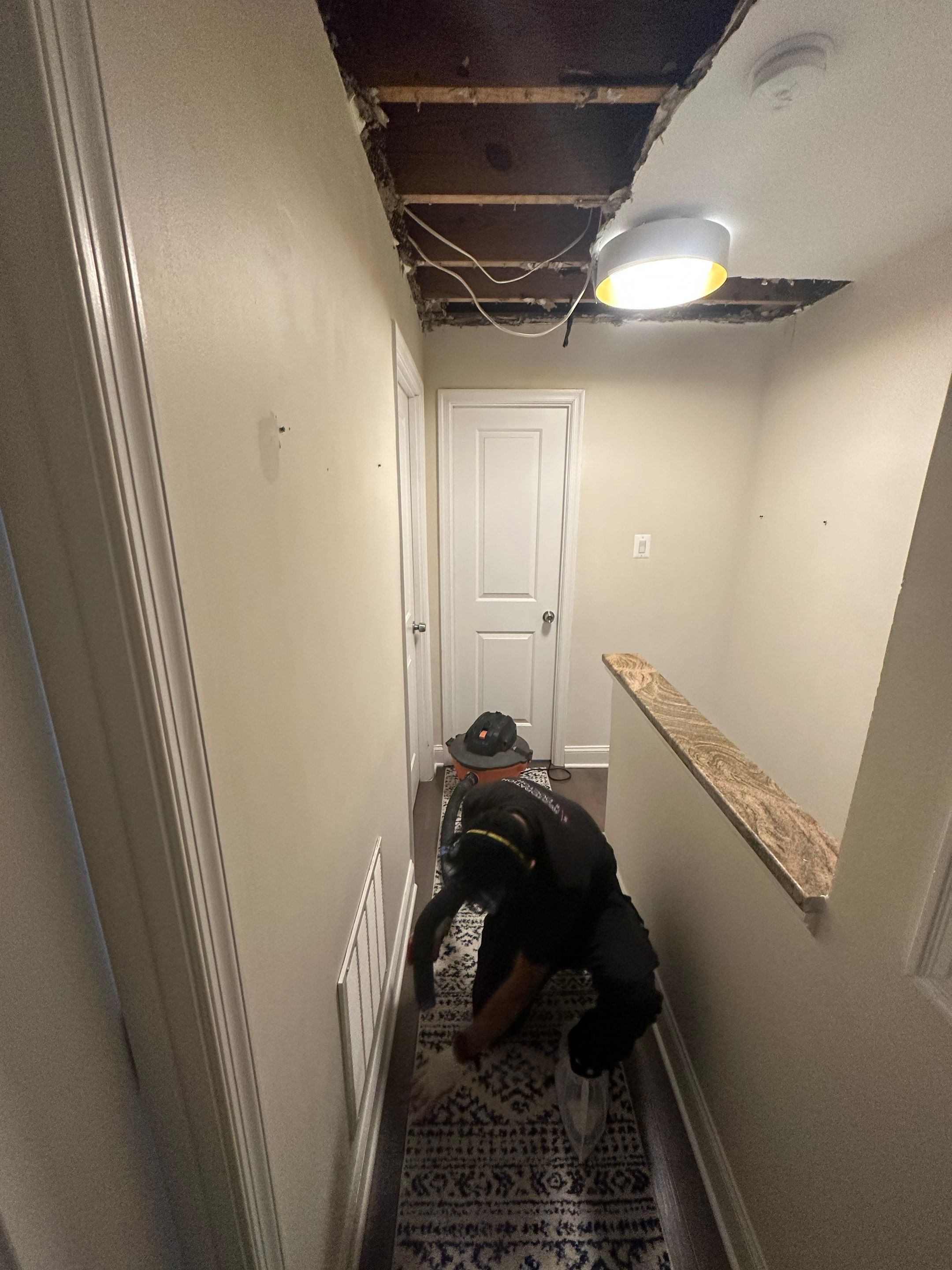
About this water damage restoration project
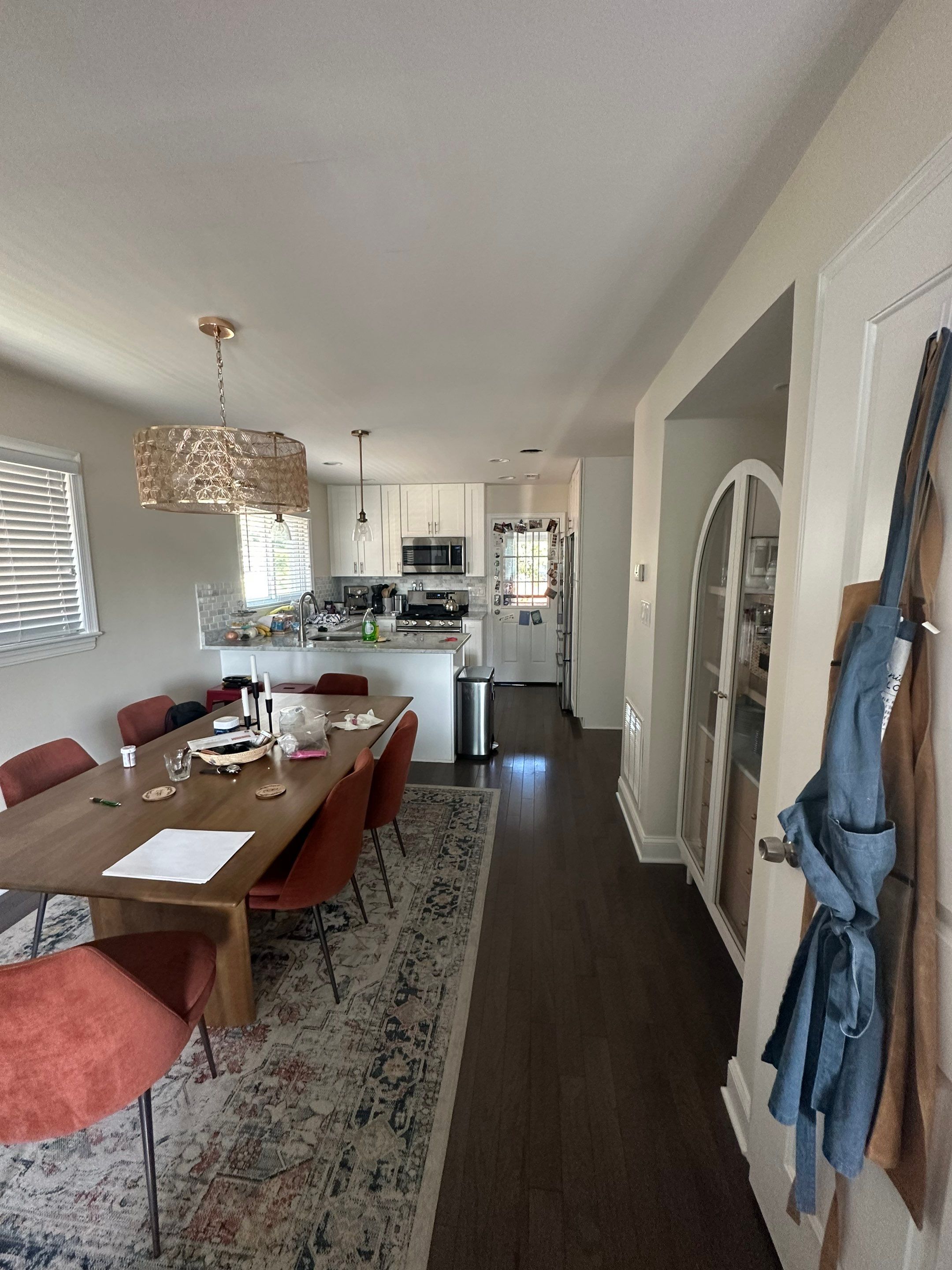
A failed skylight flashing in a kitchen created a pathway for water intrusion that eventually triggered mold growth. The property sat within Washington, D.C.'s dense urban fabric, where rehabilitated rowhouses and mid-rise buildings often retain original roof penetrations that become vulnerable points as flashing compounds age and crack under the district's humid Mid-Atlantic climate.
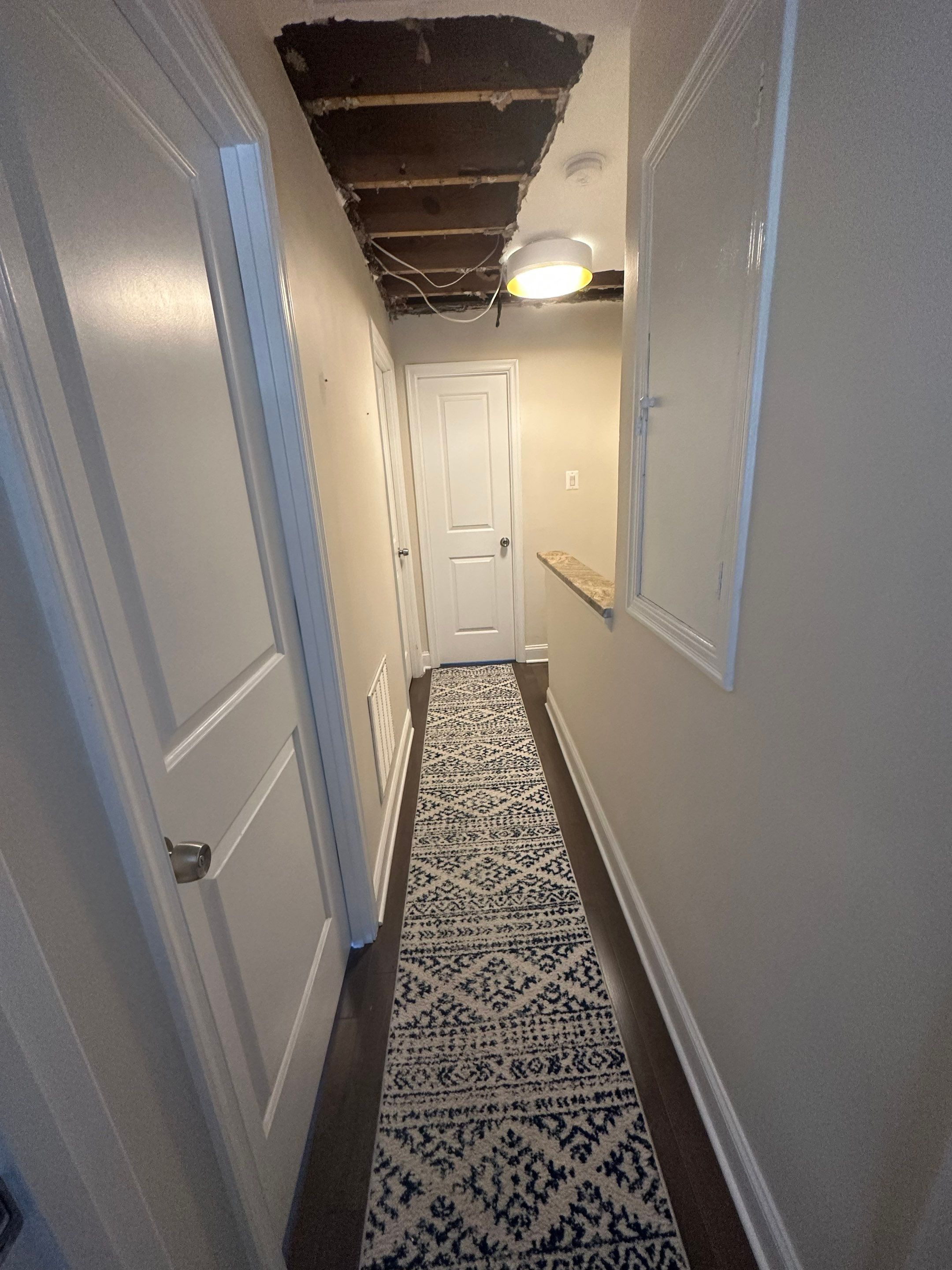
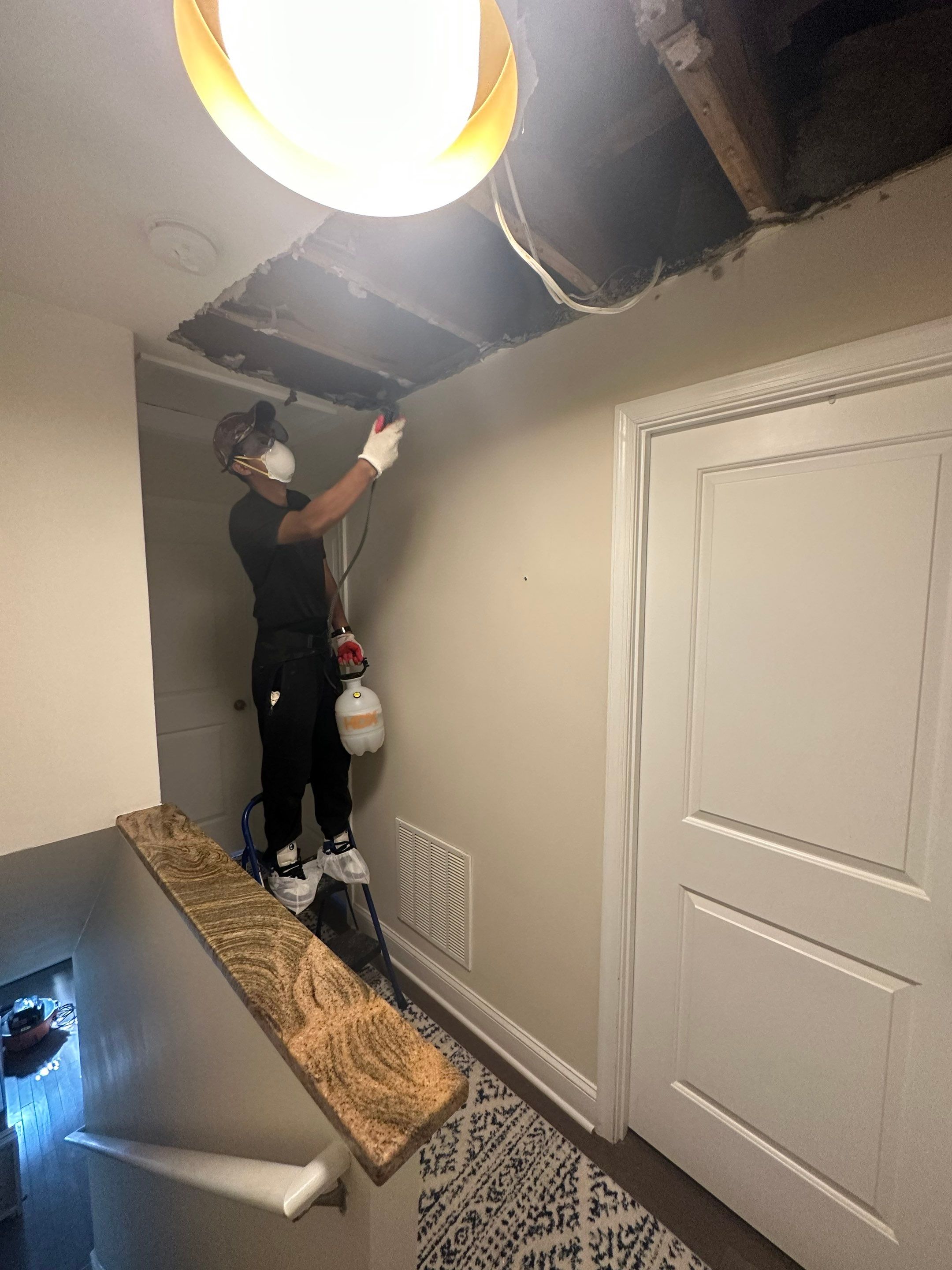
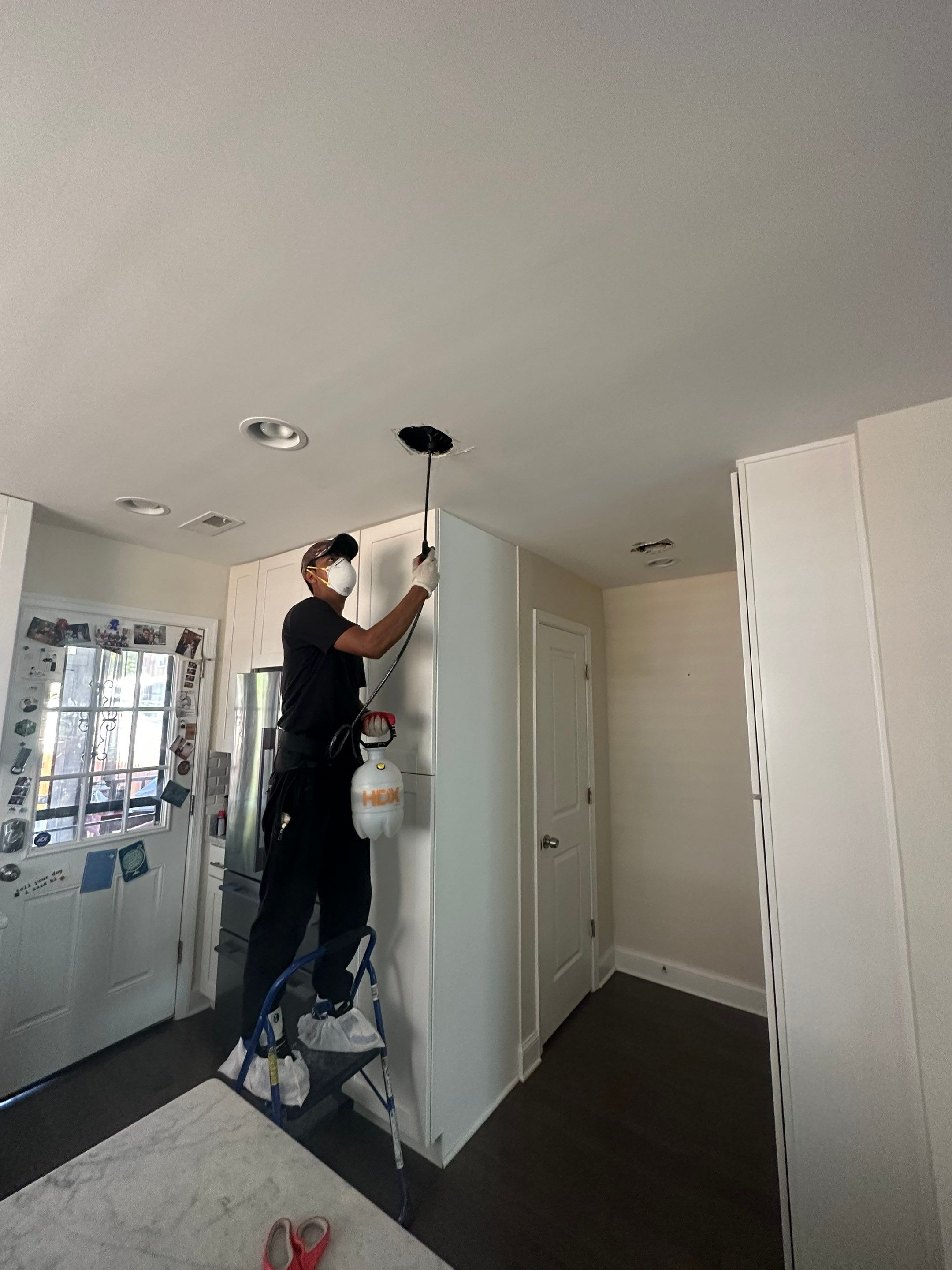
We began by repairing the compromised flashing to eliminate the active leak, then extracted standing water from the kitchen floor and began controlled drying of the ceiling, walls, and cabinetry. Moisture mapping confirmed saturation in the drywall above the island and along adjoining wall cavities. Once readings stabilized, we removed and replaced the damaged ceiling sections and wall materials where water had compromised structural integrity, then rebuilt the kitchen island framework where prolonged exposure had weakened the substrate.
Because mold had already colonized damp surfaces, we applied antimicrobial treatments to all affected areas in accordance with IICRC S520 protocols, ensuring no residual growth remained before closing the cavities. The kitchen was returned to a clean, functional state with matching finishes and no visible trace of the intrusion. Correcting the flashing at the source meant the repair addressed both the immediate damage and the underlying failure that caused it.
Frequently asked questions
How does failed skylight flashing lead to water damage and mold in a Washington, DC kitchen?
Failed skylight flashing allows rainwater to bypass the roof envelope and infiltrate interior spaces, particularly during Washington's heavy summer storms. When water intrudes into a kitchen ceiling or wall cavity, it creates the sustained moisture conditions mold needs to colonize on drywall, insulation, and framing within 24 to 48 hours. Restoration Doctor addressed this DC kitchen by repairing the flashing at the source, extracting standing water, drying structural cavities, and applying antimicrobial treatments to prevent regrowth.
What does mold remediation after water intrusion involve in a Washington rowhouse or apartment kitchen?
Mold remediation in a Washington kitchen following water intrusion typically includes containment of the affected area, removal of compromised porous materials like drywall or insulation that cannot be salvaged, HEPA vacuuming of surfaces, and antimicrobial application to inhibit future growth. Restoration Doctor's work in this DC kitchen also required structural drying of the ceiling and walls, replacement of damaged materials, and restoration of the kitchen island to pre-loss condition, all conducted in accordance with industry protocols for urban residential spaces.
Why is ceiling and wall repair necessary after standing water is extracted in Washington, DC?
Standing water that migrates into ceiling cavities and wall assemblies saturates drywall, insulation, and framing beyond the point where drying alone can restore structural integrity or prevent microbial growth. In Washington's dense housing stock—where rowhouses and mid-rise buildings often share common walls or roof structures—compromised materials must be removed and replaced to prevent hidden mold reservoirs and secondary damage to adjacent units. Restoration Doctor repaired this DC kitchen's ceiling, walls, and cabinetry after extraction and drying confirmed which materials required replacement.
How long does structural drying take after water damage in a Washington, DC kitchen?
Structural drying timelines in a Washington kitchen depend on the extent of saturation, ambient humidity, and airflow—typically ranging from three to seven days for moderate intrusions when dehumidification and air movers are deployed continuously. Washington's humid Mid-Atlantic summers can extend drying periods if indoor humidity is not actively controlled. Restoration Doctor monitors moisture levels daily with calibrated meters to ensure all affected materials reach the dry standard before reconstruction begins, preventing conditions that allow mold to establish.
What role does antimicrobial treatment play in preventing mold after water damage in Washington?
Antimicrobial treatments applied to cleaned, dried surfaces create an inhospitable chemical environment that inhibits mold spore germination and hyphal growth, particularly important in Washington's humid climate where elevated indoor moisture can persist even after visible water is removed. Restoration Doctor applied antimicrobials to this kitchen's repaired ceiling, walls, and cabinetry surfaces as a preventive measure following extraction, drying, and material replacement, reducing the likelihood of post-remediation colonization in the dense urban environment.
Explore more restoration work
All projects in Washington · Water Damage Restoration in Washington
Water, fire, or mold damage in Washington?
Restoration Doctor responds 24/7 across Washington and Northern Virginia. Free assessment and transparent, insurance-friendly estimates — no obligation.
See our Water Damage Restoration services at restorationdoctors.com →