Kitchen Leak Restoration
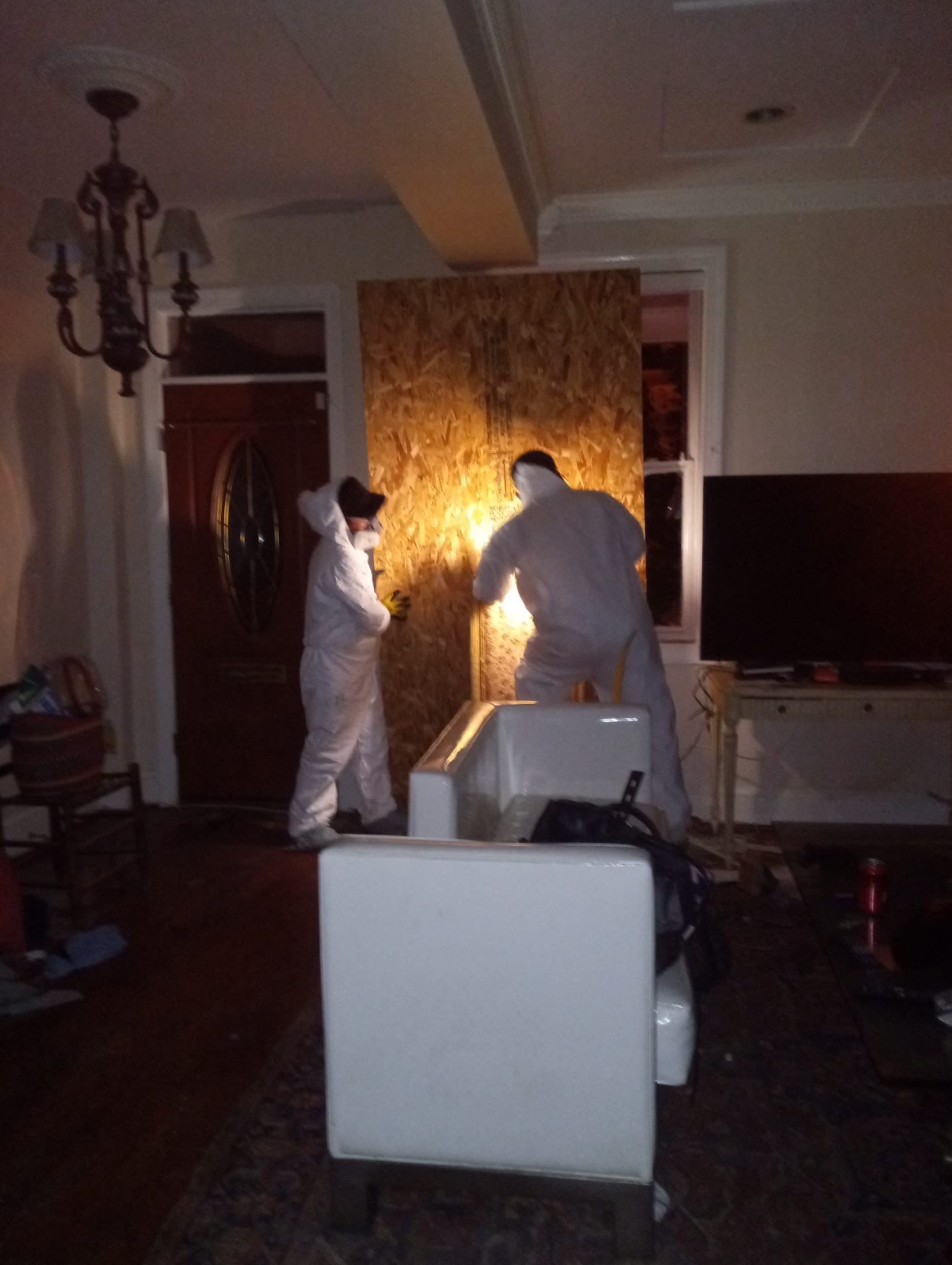
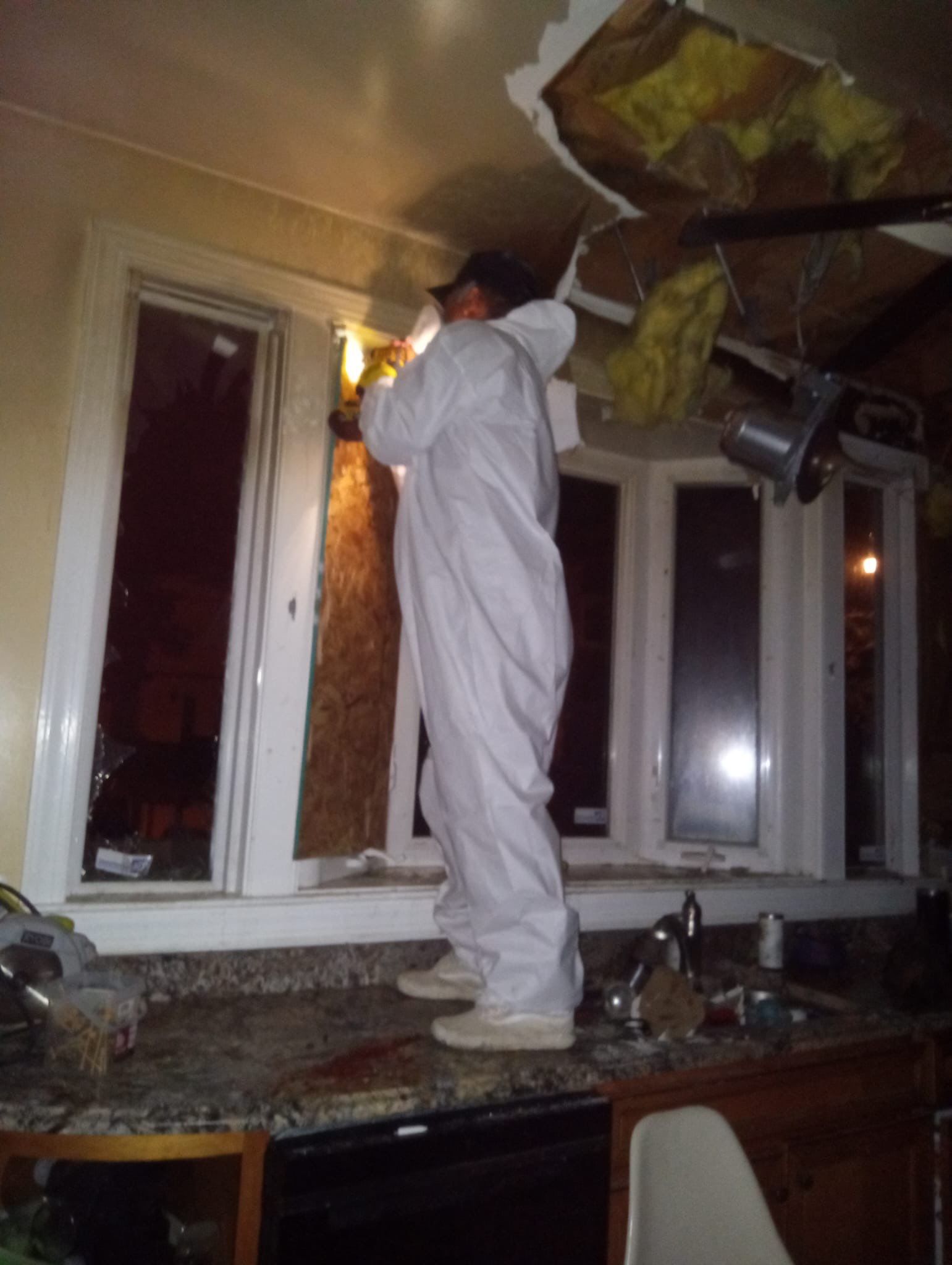
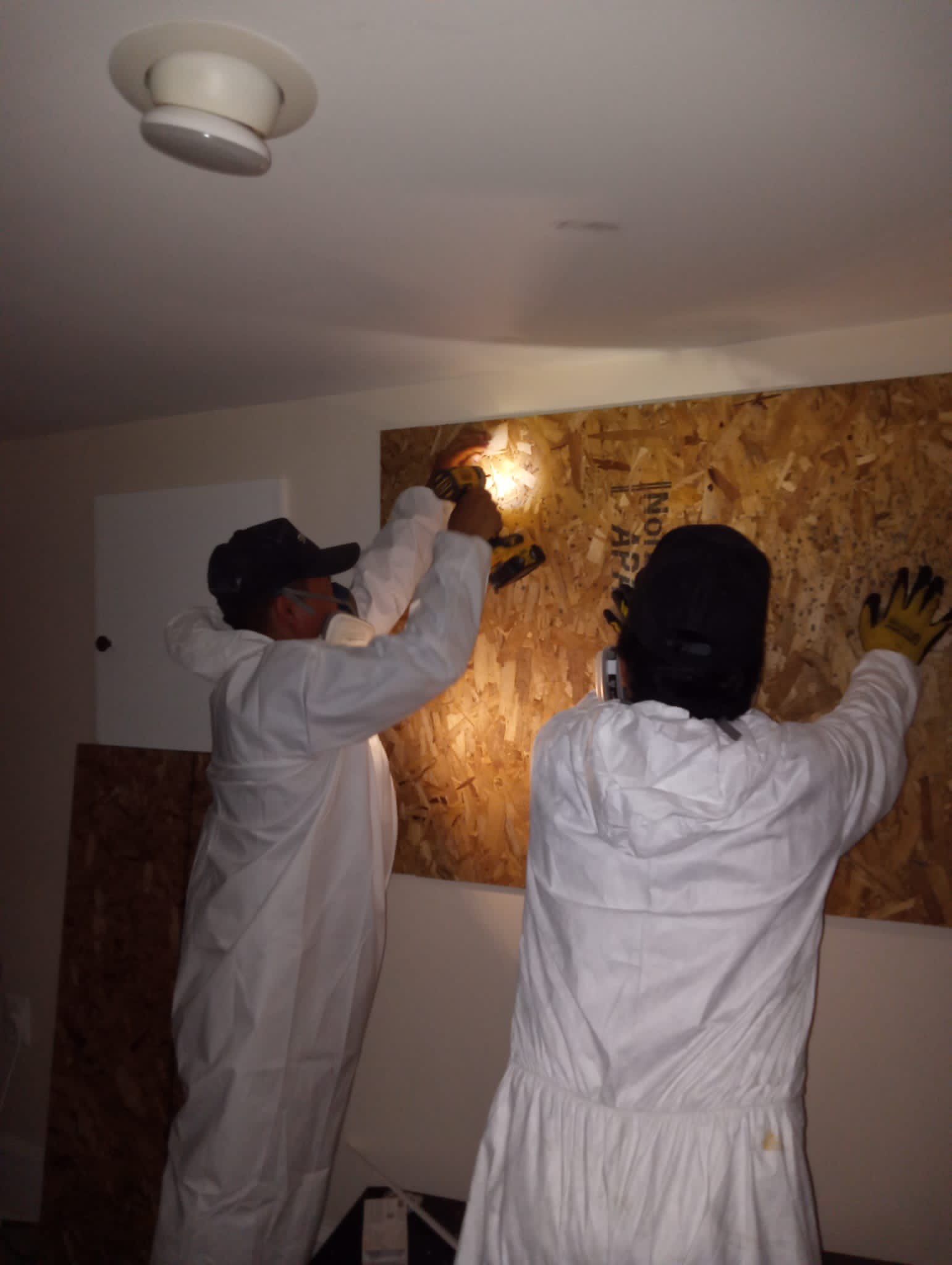
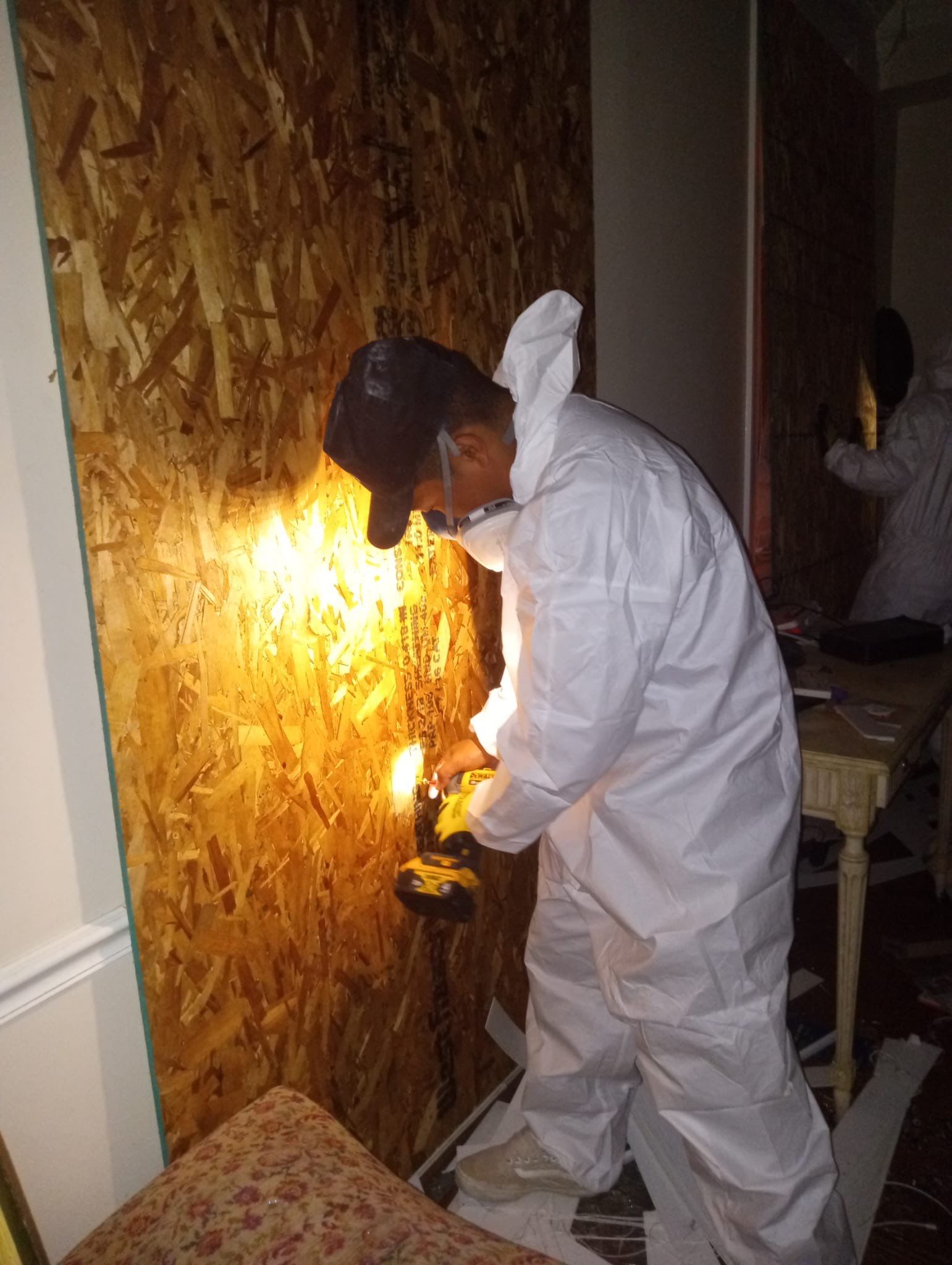
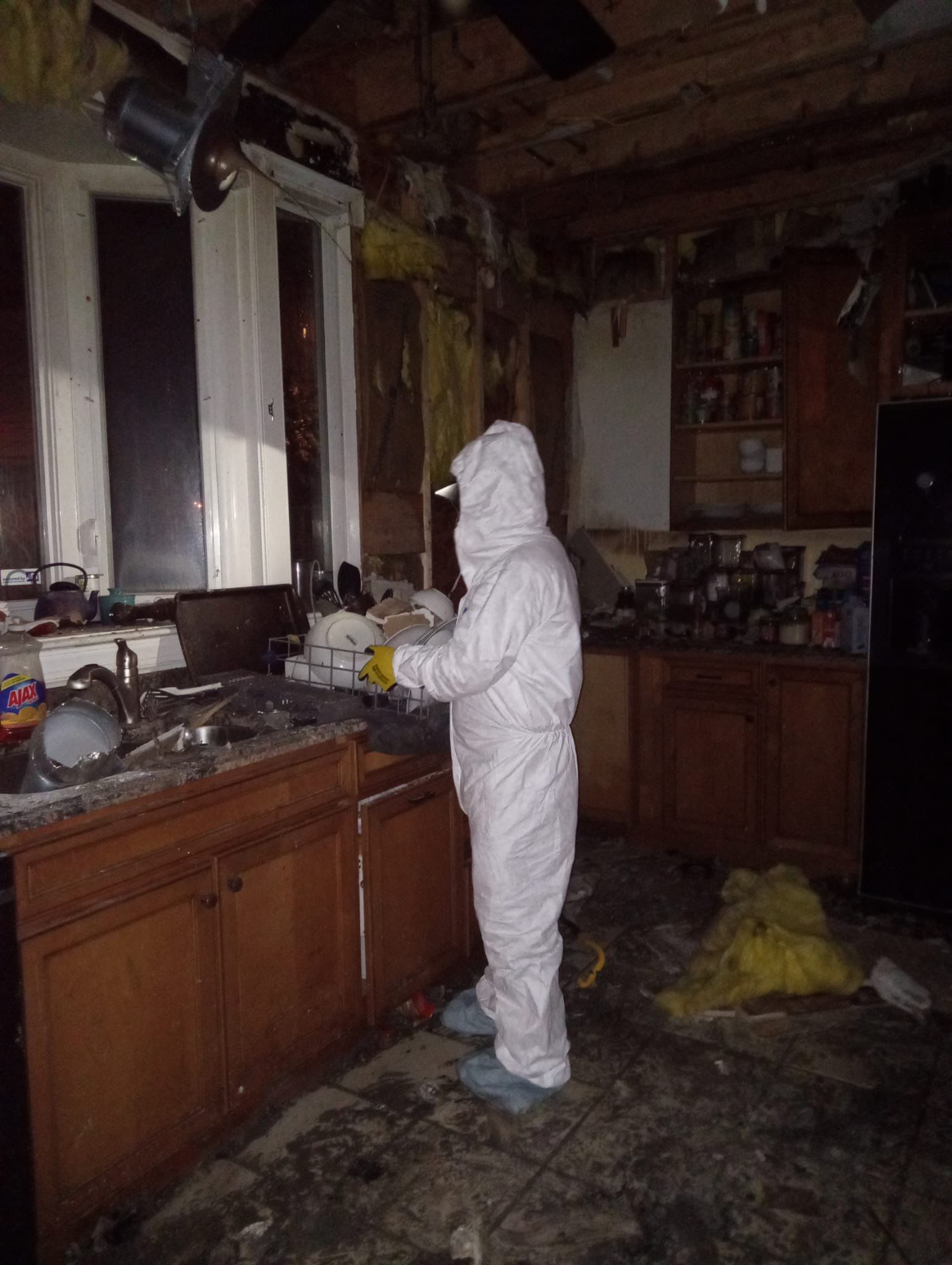
About this water damage restoration project
A failed roof installation allowed water to penetrate the ceiling and walls of a kitchen, creating conditions that quickly escalated to mold growth in Washington's hot, humid Mid-Atlantic climate—a common progression in the district's dense mix of rowhouses and rehabilitated urban buildings where aging infrastructure compounds moisture problems. The immediate priority was stopping the source: we repaired the compromised roof to eliminate further intrusion, then extracted standing water from the affected spaces using truck-mounted equipment. Industrial dehumidifiers and air movers followed, drying the ceiling cavity, wall assemblies, and subfloor to arrest microbial activity in line with IICRC S520 mold remediation protocols.
With the structure stabilized, we turned to the kitchen itself. Cabinetry and appliances were assessed for salvageability; water-damaged components were either restored through controlled drying or replaced where saturation had compromised structural integrity. Flooring materials that had wicked moisture were removed and reinstalled after confirming the substrate had returned to normal moisture levels. Antimicrobial treatments were applied to all affected surfaces to prevent future colonization, leaving the homeowners with a fully functional kitchen and the assurance that hidden moisture reservoirs had been eliminated at the source.
Frequently asked questions
How does a roof leak in a Washington, D.C. rowhouse lead to mold growth in the kitchen?
When poor roof installation allowed water to drip through the ceiling and walls of this D.C. kitchen, the combination of standing water, porous building materials, and the district's humid Mid-Atlantic summers created ideal conditions for mold colonization. Restoration Doctor responded by repairing the roof, extracting standing water, and applying antimicrobial treatments to halt fungal growth. Structural drying with industrial equipment brought moisture levels back to safe thresholds, protecting the home's historic fabric and the homeowners' health.
What does ceiling repair after water intrusion involve in an older D.C. home?
In this case, Restoration Doctor assessed the extent of water damage to the kitchen ceiling caused by roof leakage, removing compromised drywall or plaster where saturation had occurred. After drying the framing and cavity spaces to prevent hidden mold, we rebuilt the ceiling structure and finished surfaces to match the existing aesthetic. The repair process also addressed any affected wall sections where water had traveled, ensuring the kitchen was structurally sound and visually restored.
Can kitchen appliances and cabinets be saved after standing water exposure in Washington, D.C.?
Restoration Doctor evaluates each item individually based on the duration and depth of water contact, material type, and contamination level. In this D.C. kitchen, we assessed appliances and cabinetry for warping, electrical damage, and mold intrusion, restoring salvageable components and recommending replacement where water had compromised structural integrity or safety. Prompt extraction and drying improve the odds of saving wood cabinetry, but porous materials that absorbed contaminated water often require removal to meet health standards.
How long does water damage restoration typically take for a kitchen in the D.C. area?
Timeline depends on the extent of saturation, the materials involved, and whether mold remediation is required, but a kitchen loss like this one—with standing water, ceiling damage, and flooring replacement—often takes one to two weeks from initial extraction through final sanitizing and reconstruction. Restoration Doctor uses moisture monitoring to confirm structural drying is complete before closing walls or installing new flooring, ensuring no hidden moisture remains in the dense, older construction common to Washington's urban neighborhoods.
Why is antimicrobial treatment necessary after water damage in a D.C. kitchen?
The district's hot, humid summers accelerate microbial growth on damp surfaces, making antimicrobial application a critical step after water intrusion. For this kitchen, Restoration Doctor applied EPA-registered treatments to all affected areas following extraction and drying, targeting surfaces where mold spores had begun to colonize due to prolonged moisture exposure. This step, combined with thorough structural drying, prevents future outbreaks and ensures the kitchen environment is safe for food preparation and daily use.
Explore more restoration work
All projects in Washington · Water Damage Restoration in Washington
Water, fire, or mold damage in Washington?
Restoration Doctor responds 24/7 across Washington and Northern Virginia. Free assessment and transparent, insurance-friendly estimates — no obligation.
See our Water Damage Restoration services at restorationdoctors.com →