Kitchen Appliance Overflow
About this water damage restoration project
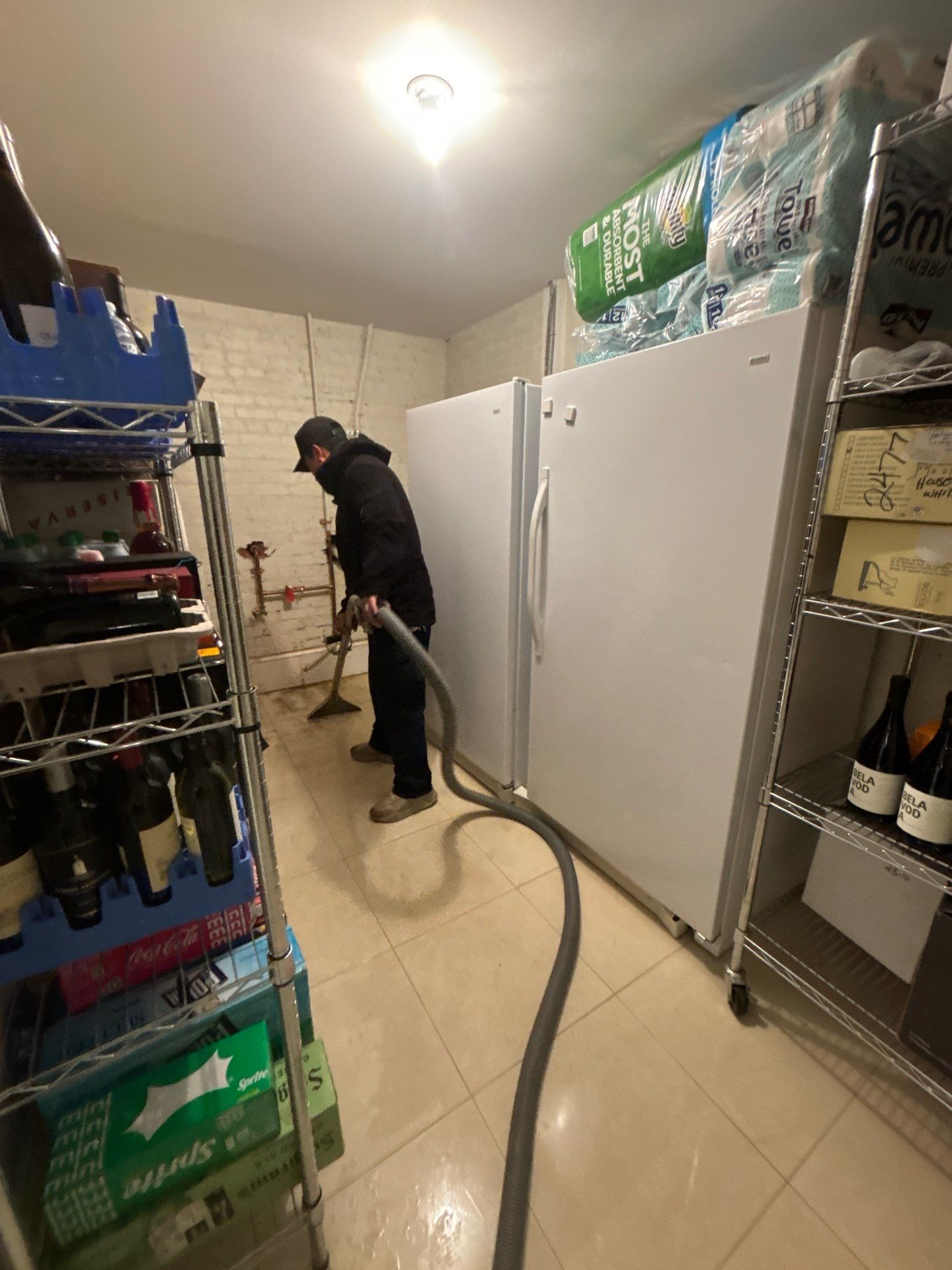
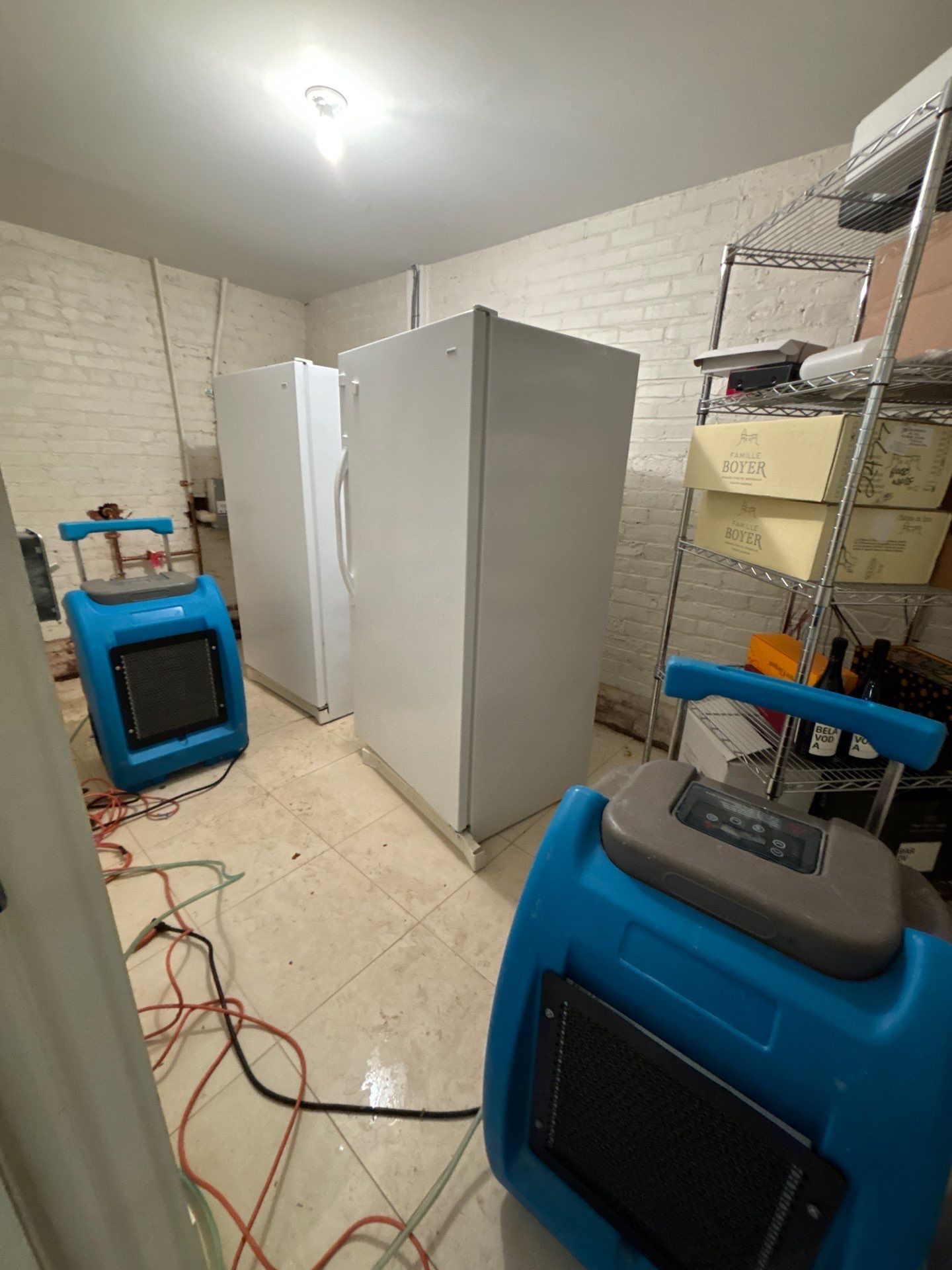
A malfunctioning kitchen appliance sent water across the floor of this Washington, DC home, where the Mid-Atlantic's humid summers can turn lingering moisture into a mold concern within days—especially when water reaches subflooring and hidden cavities beneath cabinets and baseboards. By the time we arrived, standing water had already saturated the flooring and wicked into the subflooring and base trim.
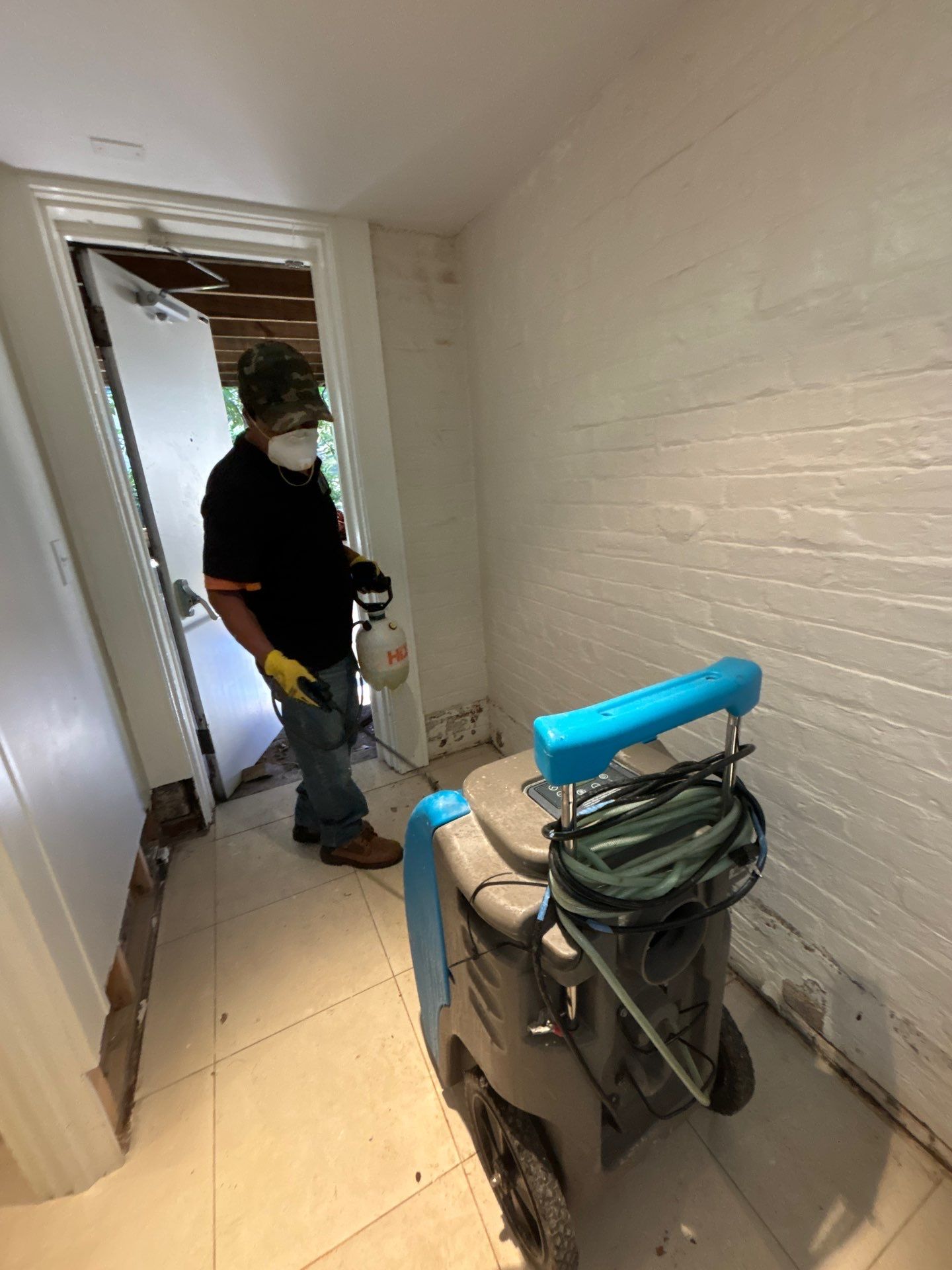
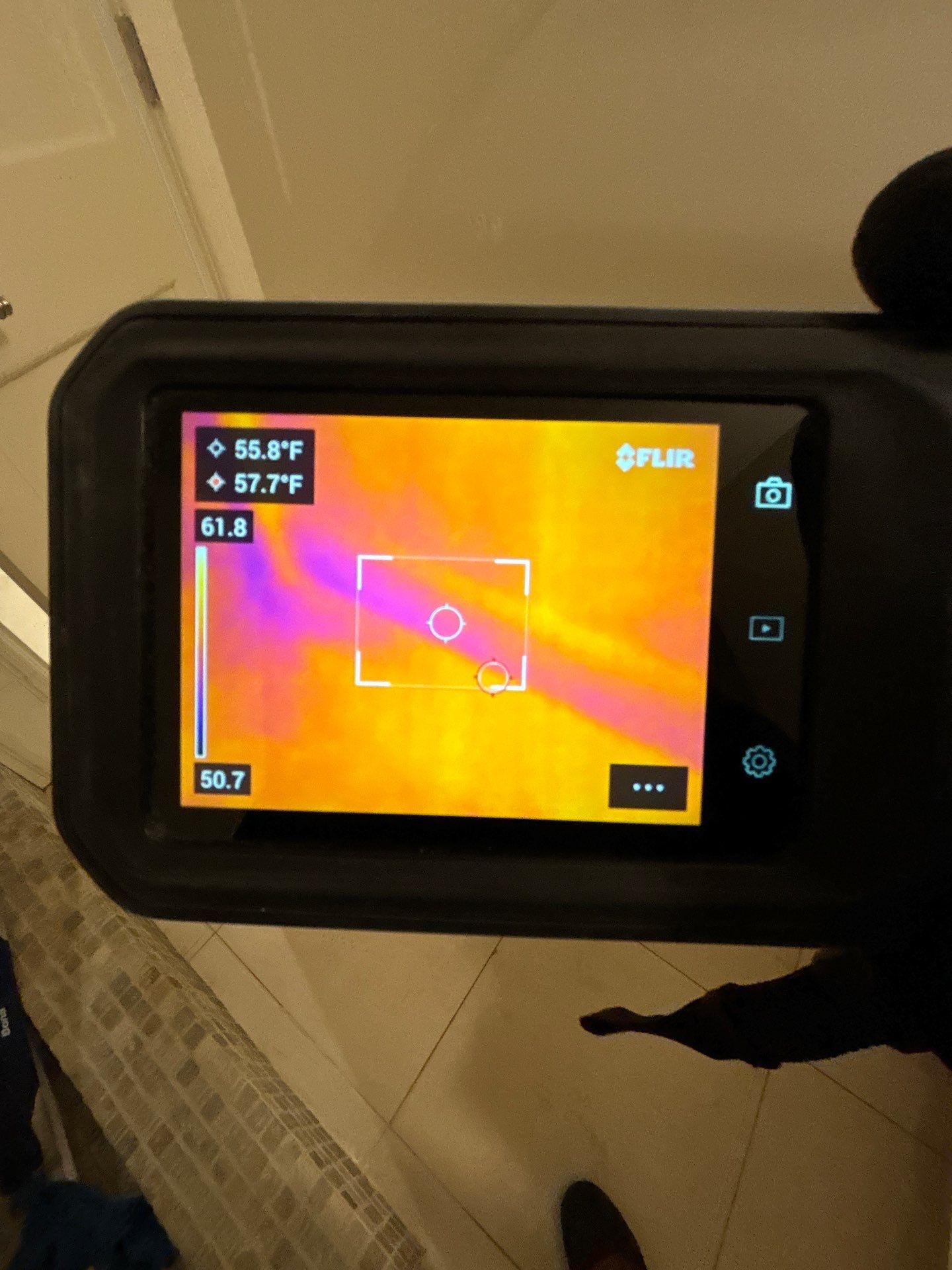
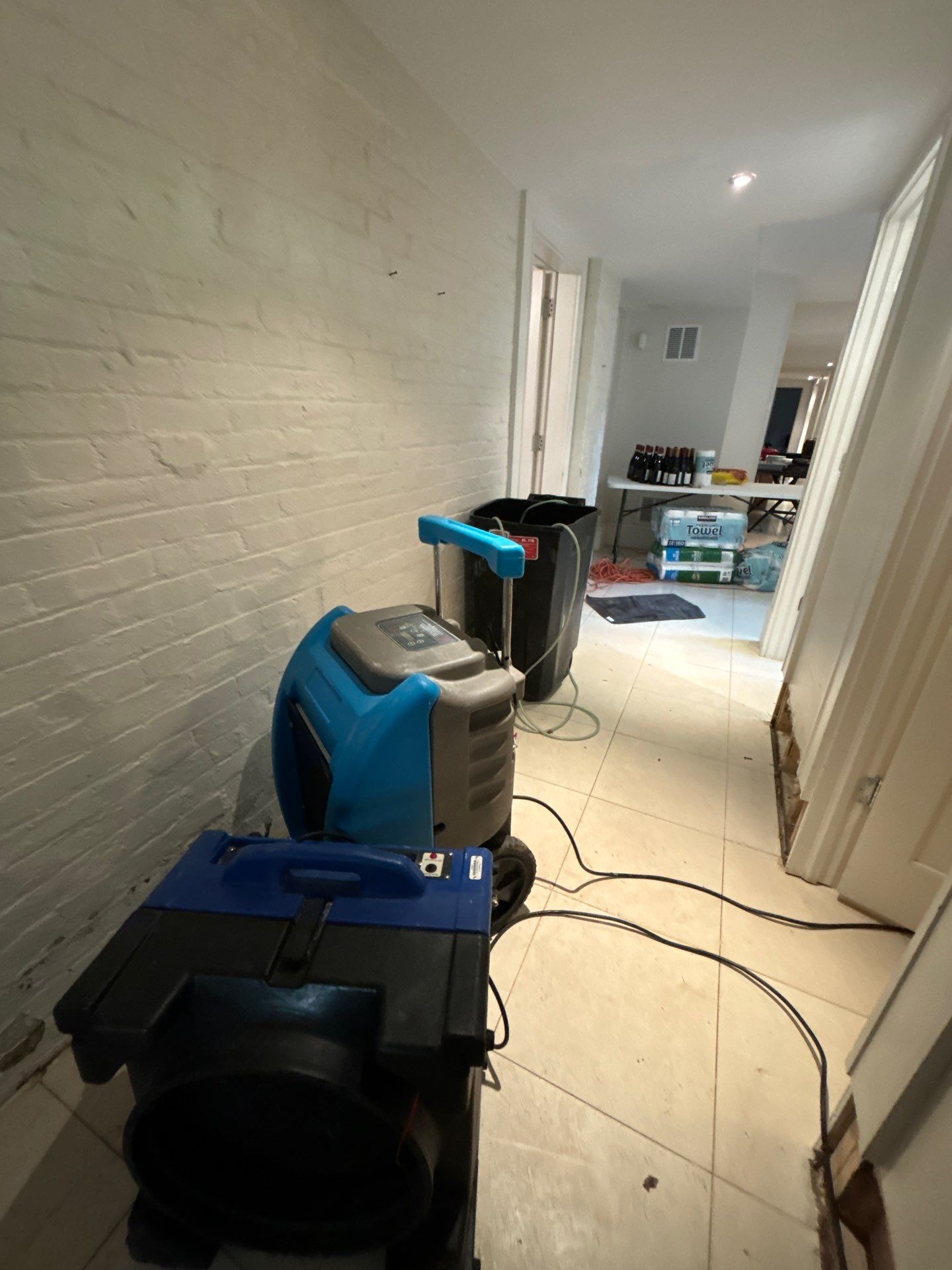
We began with extraction to remove the pooled water, then positioned dehumidifiers and air movers to pull residual moisture from the affected materials. Moisture mapping confirmed intrusion beneath the surface layer, requiring removal of compromised flooring, baseboards, and sections of subflooring that could not be salvaged. With the structure exposed and dried to standard, we applied antimicrobial treatment to all affected surfaces—a necessary step given the mold growth that had begun in the damp environment, consistent with IICRC S520 protocols for remediation after water intrusion.
Once drying and treatment were complete, we installed replacement subflooring, new flooring material, and base trim, returning the kitchen to a functional and safe state. We also repaired the appliance itself to prevent recurrence. The homeowner's review reflected satisfaction with both the thoroughness of the work and the condition of the restored space.
Reviews from Restoration Doctor customers
In the recent rains a pipe in my house became a disaster and a friend recommended Restoration Doctor to me and I did not hesitate to call them, they came super fast and fixed the problem, I am very satisfied with the work they did, they are very professional and fast
Frequently asked questions
How does Restoration Doctor handle standing water from an appliance overflow in a Washington, DC rowhouse kitchen?
Restoration Doctor begins with immediate extraction using commercial water extractors to remove standing water from the kitchen floor and any affected subflooring. We then deploy industrial dehumidifiers and air movers to drive moisture from structural materials like joists and underlayment, following IICRC S500 drying protocols. In DC's dense rowhouse stock, where kitchens often share party walls and limited ventilation, thorough structural drying prevents moisture migration into adjacent units and underlying framing.
Why did mold develop after the kitchen water damage, and how was it addressed?
Mold followed the initial water intrusion because organic materials—flooring adhesive, wood subflooring, paper-backed baseboards—remained damp long enough for spores to colonize, a process accelerated by Washington's humid Mid-Atlantic summers. Restoration Doctor removed all compromised materials (flooring, baseboards, and saturated subfloor sections) and applied EPA-registered antimicrobial treatments to exposed framing and concrete to disrupt any residual growth. Controlled dehumidification brought the space to a dry standard before reconstruction, eliminating the moisture source mold requires.
What flooring and baseboard work is involved in a kitchen water-damage restoration in DC?
Restoration Doctor removes and disposes of water-damaged flooring (tile, vinyl, or hardwood) along with any subflooring that has delaminated or retained moisture beyond safe thresholds. Baseboards are pulled to expose the wall-floor junction for drying and antimicrobial treatment, then replaced with primed, moisture-resistant material. In Washington's older rowhouses and rehabilitated urban buildings, we often encounter layered flooring or plaster-over-lath walls that require careful detachment to avoid collateral damage during the controlled demolition phase.
How long does drying take after standing-water extraction in a DC kitchen, and what determines the timeline?
Drying duration depends on the volume of water absorbed, the materials affected, and ambient humidity—DC's summer humidity can slow evaporation if not mechanically controlled. Restoration Doctor uses moisture meters and thermal imaging to track progress in real time, typically achieving structural dryness in flooring and subflooring within three to seven days under continuous dehumidification. We do not remove equipment until readings confirm the space has returned to a stable, dry equilibrium suitable for safe reconstruction.
Does homeowners insurance in Washington, DC typically cover water damage from a malfunctioning kitchen appliance?
Most homeowners policies in Washington cover sudden and accidental appliance failures—such as a dishwasher or refrigerator overflow—as a covered water-damage peril, including the cost of extraction, drying, material removal, and antimicrobial treatment. Restoration Doctor works directly with insurers to document the loss with moisture maps, photo logs, and scope narratives, streamlining the claims process. Coverage specifics vary by policy, so we recommend reviewing your declarations page or contacting your adjuster early in the restoration to confirm your deductible and limits.
Explore more restoration work
All projects in Washington · Water Damage Restoration in Washington
Water, fire, or mold damage in Washington?
Restoration Doctor responds 24/7 across Washington and Northern Virginia. Free assessment and transparent, insurance-friendly estimates — no obligation.
See our Water Damage Restoration services at restorationdoctors.com →