Ice Dam Formation
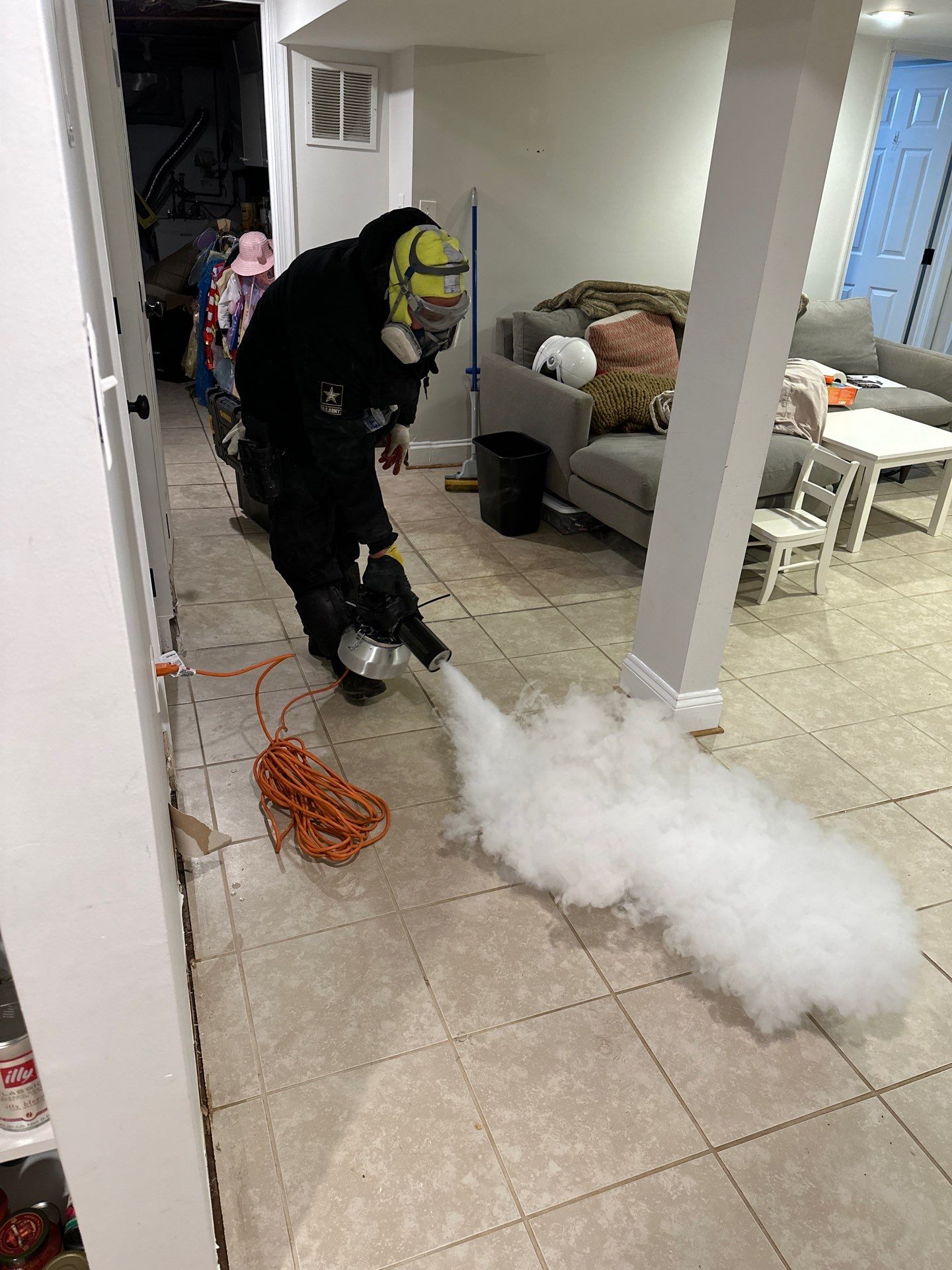
About this water damage restoration project
Winter freeze-thaw cycles in the Mid-Atlantic can turn standing snow into destructive ice dams, and when one formed on the roof of this Washington residence, meltwater found its way through the roofline and into the kitchen below. The homeowner discovered ceiling leaks and early signs of moisture damage, prompting an immediate call to address both the active intrusion and the mold risk that follows prolonged dampness.
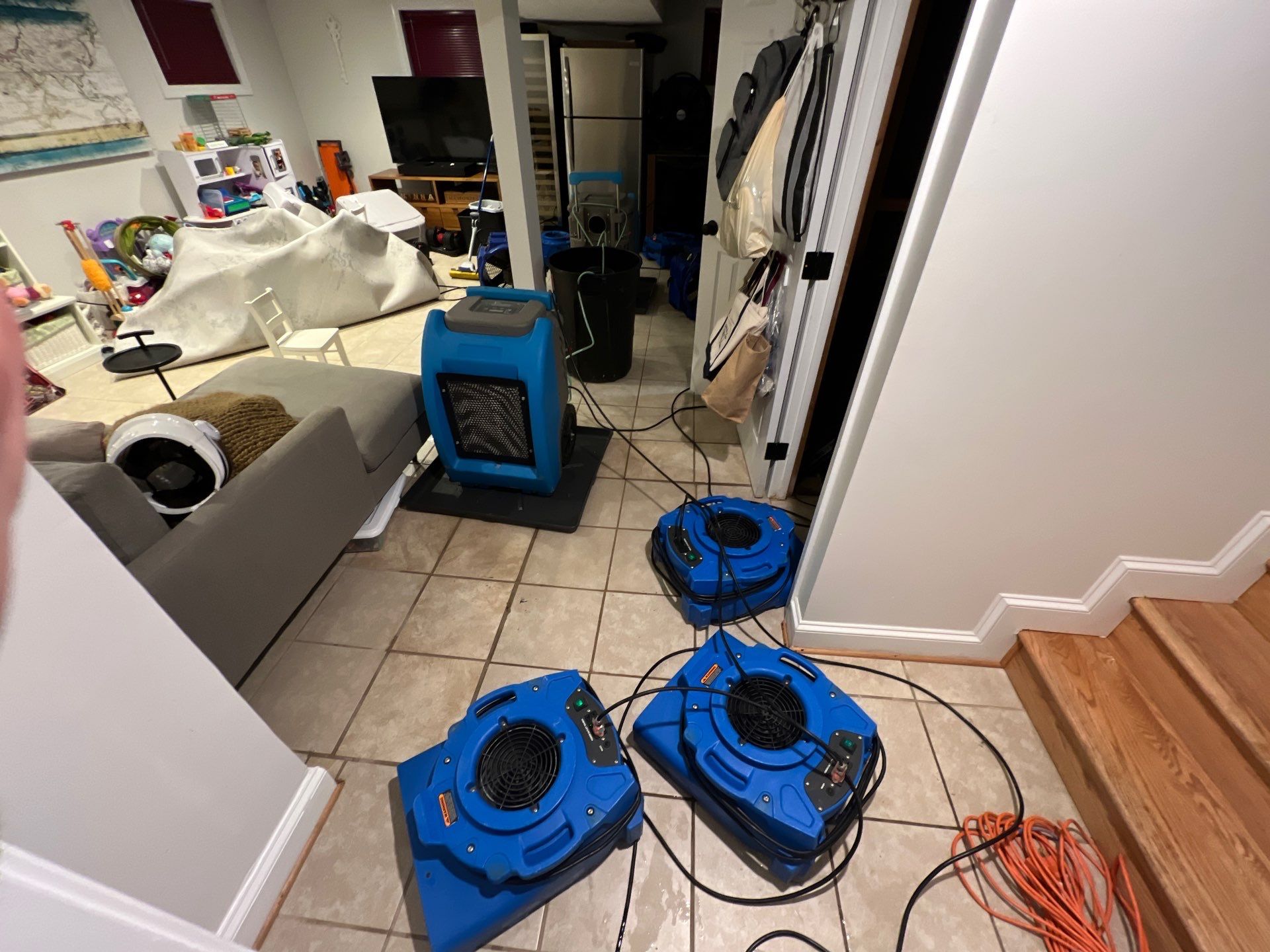
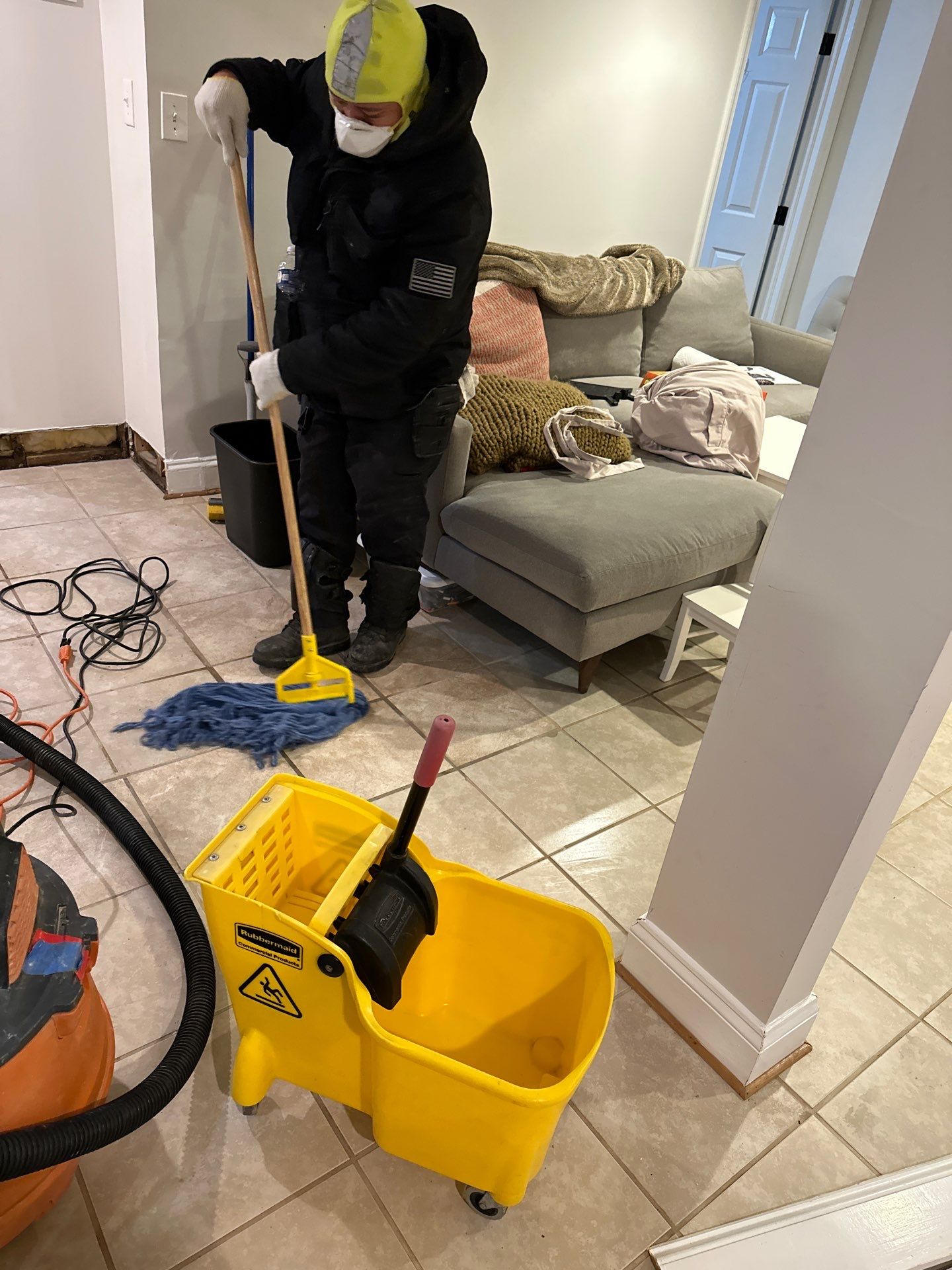
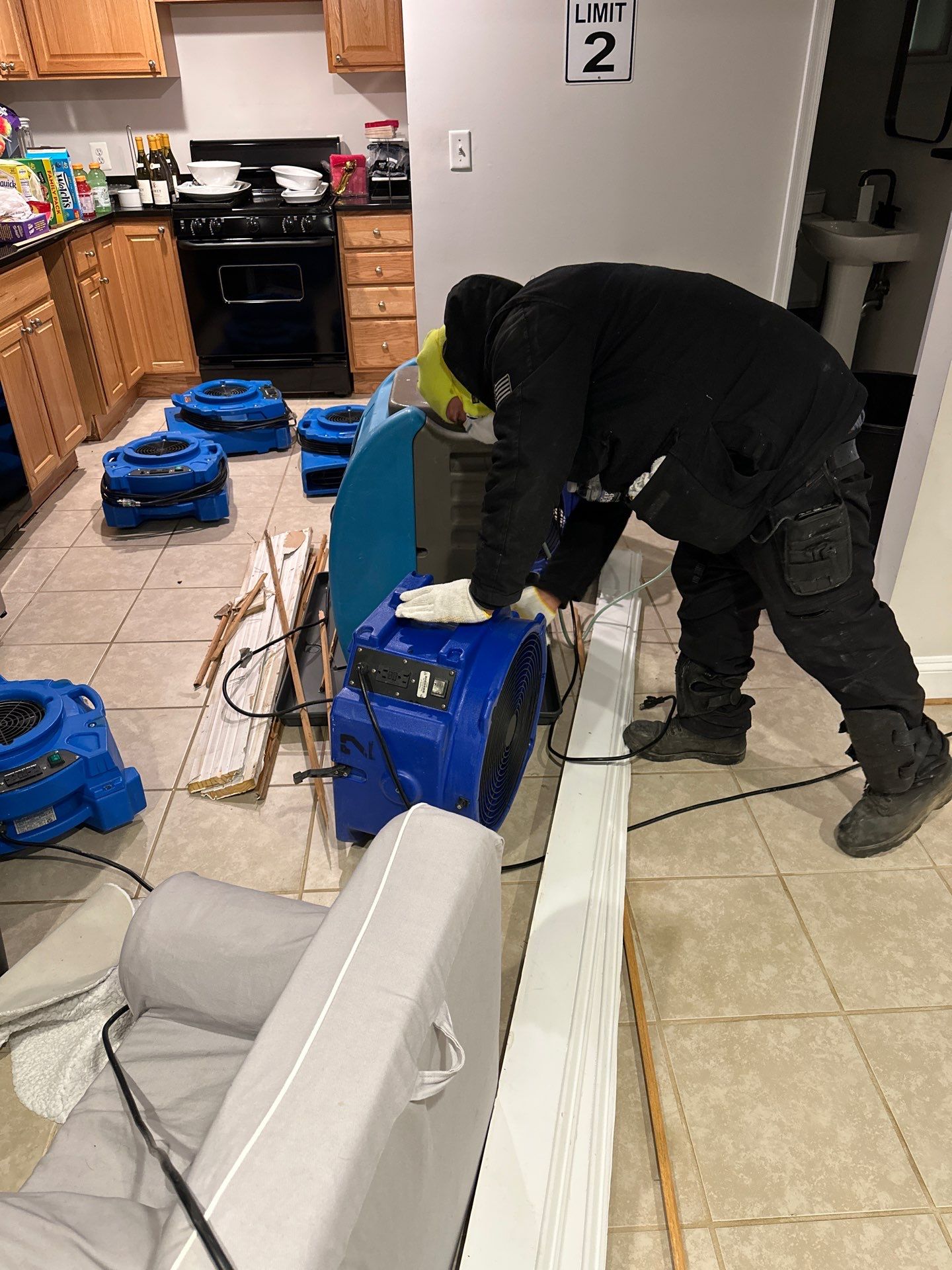
We began by removing the ice dam to stop further meltwater infiltration, then extracted standing water from the kitchen and set industrial dehumidifiers and air movers to dry the affected ceiling cavity, walls, and cabinetry. Moisture mapping confirmed that the drying envelope extended beyond the visible stain, so we monitored readings until all structural materials returned to dry standard. With the space stabilized, we repaired damaged insulation, replaced compromised ceiling sections, and restored cabinetry finishes to match the original.
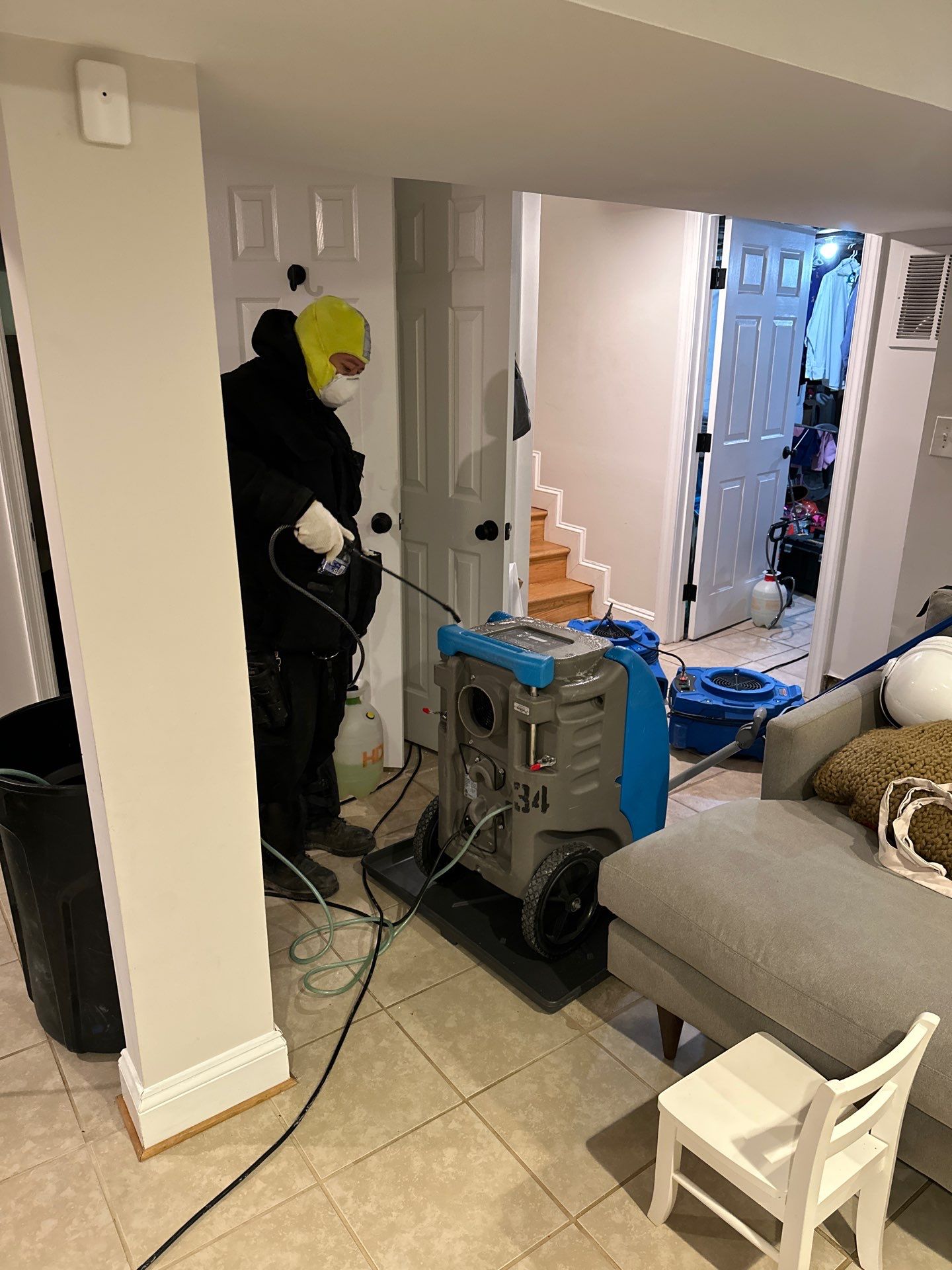
Following IICRC S520 protocol, we applied antimicrobial treatment to surfaces where moisture had lingered, ensuring no fungal colonization could take hold post-drying. A final inspection confirmed the kitchen was structurally sound and visually intact. The homeowner expressed relief that the work was completed efficiently and the space returned to full use, with preventive measures now in place against future winter roof events.
Frequently asked questions
How does ice dam damage lead to mold in a Washington, DC area home?
In the Mid-Atlantic region's freeze-thaw winter cycles, ice dams trap melting snow on roofs, forcing water under shingles and into ceiling cavities. When Restoration Doctor responded to this Washington kitchen, standing water from an ice dam had saturated insulation and drywall long enough to create conditions for mold colonization. Our team extracted the water, dried structural materials with industrial equipment, and applied antimicrobial treatments to prevent further growth.
What does mold remediation after water intrusion involve?
For this Washington job, Restoration Doctor's mold remediation followed the IICRC S520 standard: we contained affected areas, removed compromised ceiling materials, treated surfaces with antimicrobials, and verified moisture levels returned to normal before reconstruction. The process addressed both visible mold and the underlying water intrusion that fed it, ensuring the kitchen was safe to rebuild.
Can ceiling and cabinetry damaged by roof leaks be saved, or does everything need replacement?
Restoration Doctor assesses each material individually—in this Washington kitchen, we dried and sanitized salvageable cabinetry while replacing water-damaged ceiling sections and insulation that couldn't be restored. The goal is to preserve what's structurally sound and safe while replacing only what the intrusion compromised, balancing thoroughness with practicality.
How long does it take to dry out a ceiling after a roof leak?
Drying time depends on the extent of saturation and the materials involved—this Washington job required industrial dehumidifiers and air movers to bring ceiling cavities and insulation back to stable moisture levels before repair work could begin. Restoration Doctor monitors readings throughout the process to confirm structural materials are dry enough to close up safely, which varies by job but typically spans several days for significant intrusions.
Why is antimicrobial treatment necessary after water damage in humid climates?
Hot, humid Mid-Atlantic summers create persistent moisture conditions that can reactivate mold spores even after initial drying. Restoration Doctor applied antimicrobial treatments to this Washington kitchen's affected surfaces to inhibit regrowth while the home's humidity stabilized post-restoration, a standard precaution in the region's climate where ambient moisture remains elevated much of the year.
Explore more restoration work
All projects in Washington · Water Damage Restoration in Washington
Water, fire, or mold damage in Washington?
Restoration Doctor responds 24/7 across Washington and Northern Virginia. Free assessment and transparent, insurance-friendly estimates — no obligation.
See our Water Damage Restoration services at restorationdoctors.com →