Handling Water backup
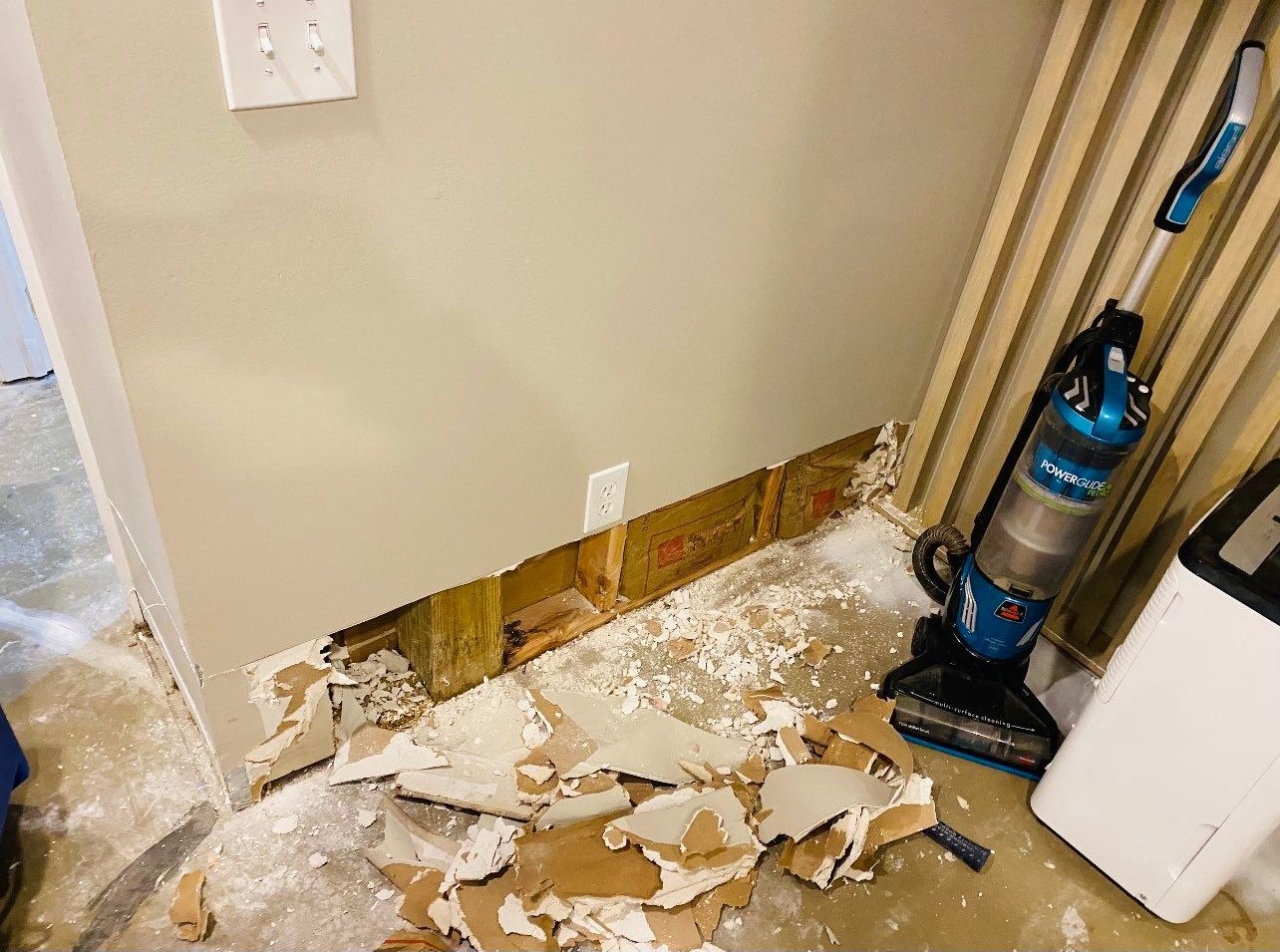
About this water damage restoration project
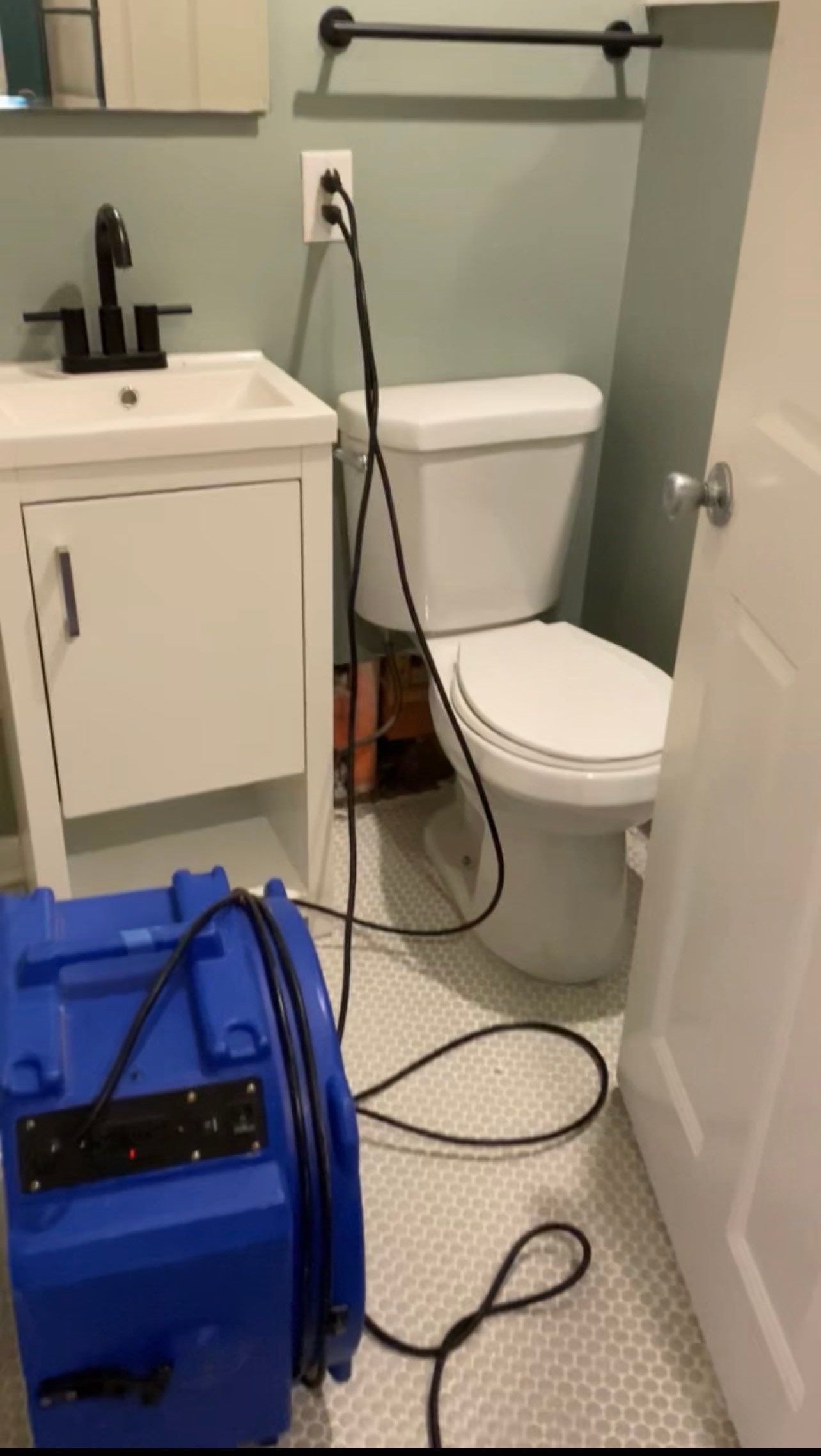
A water backup in Washington's finished basement—common in the region's older housing stock where aging infrastructure meets humid Mid-Atlantic conditions—had left standing water across multiple rooms and created immediate mold risk. The homeowner faced damage extending from the basement through a first-floor hallway and bathroom, with water saturating carpets, drywall, and structural cavities.
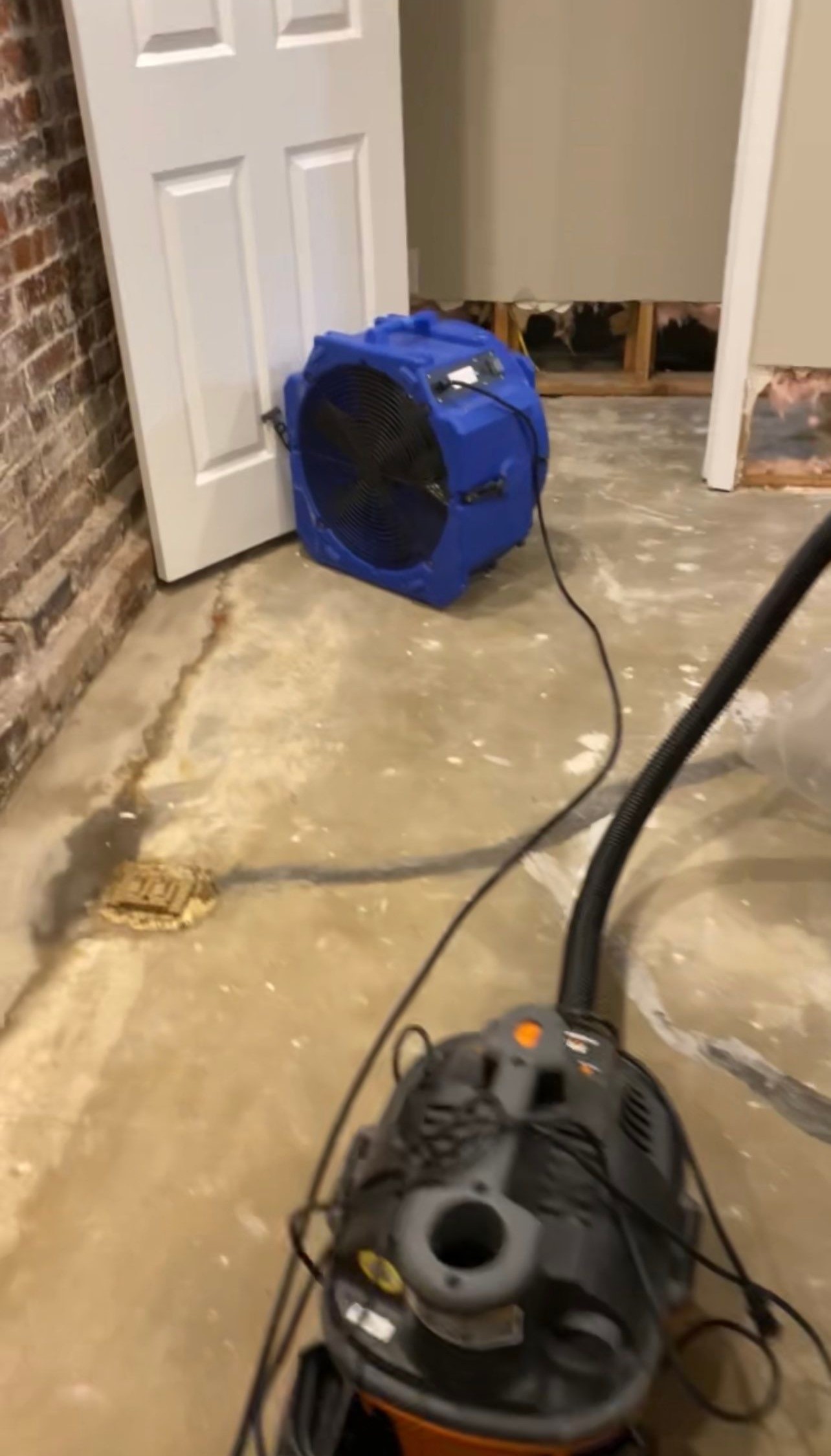
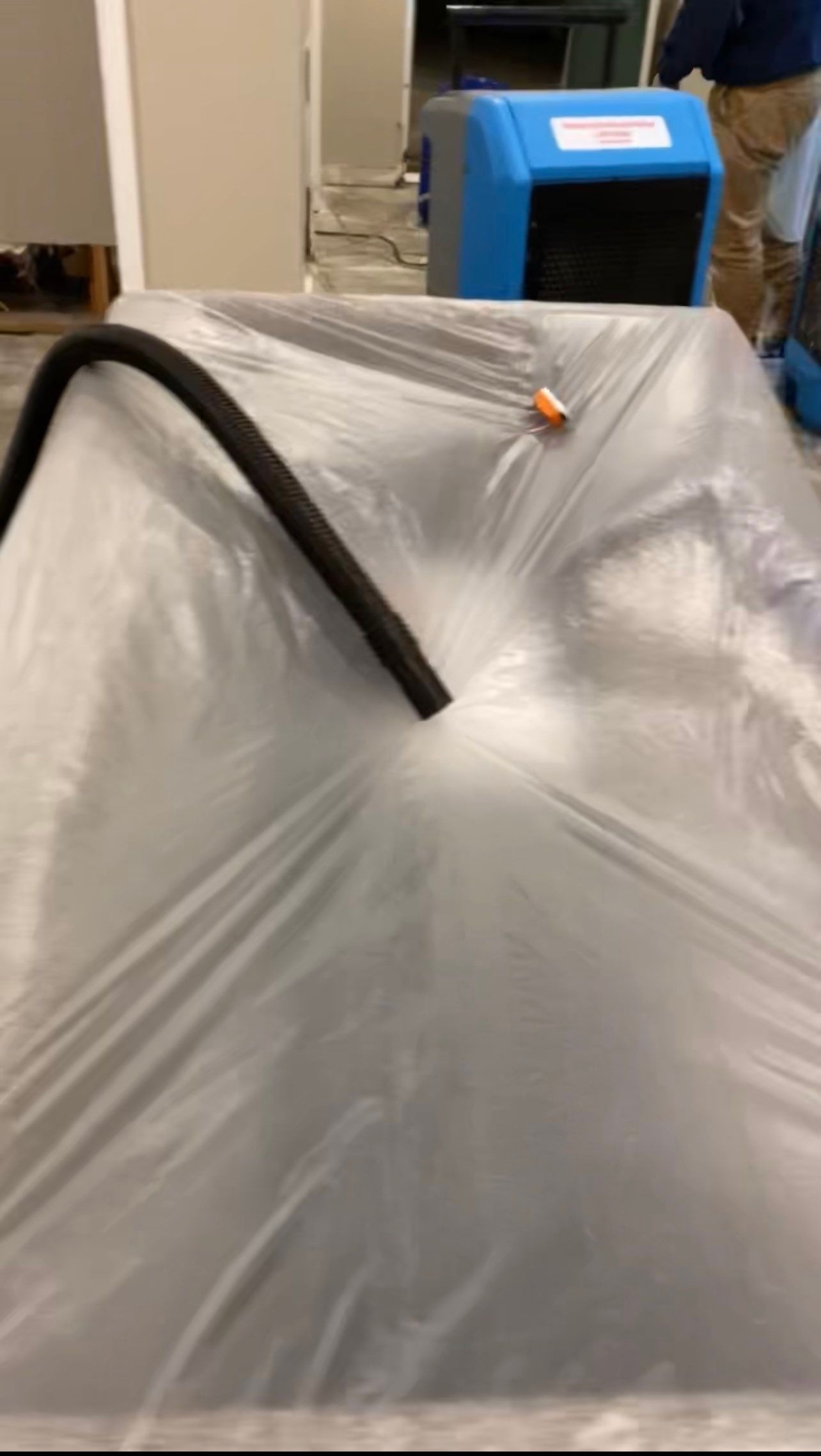
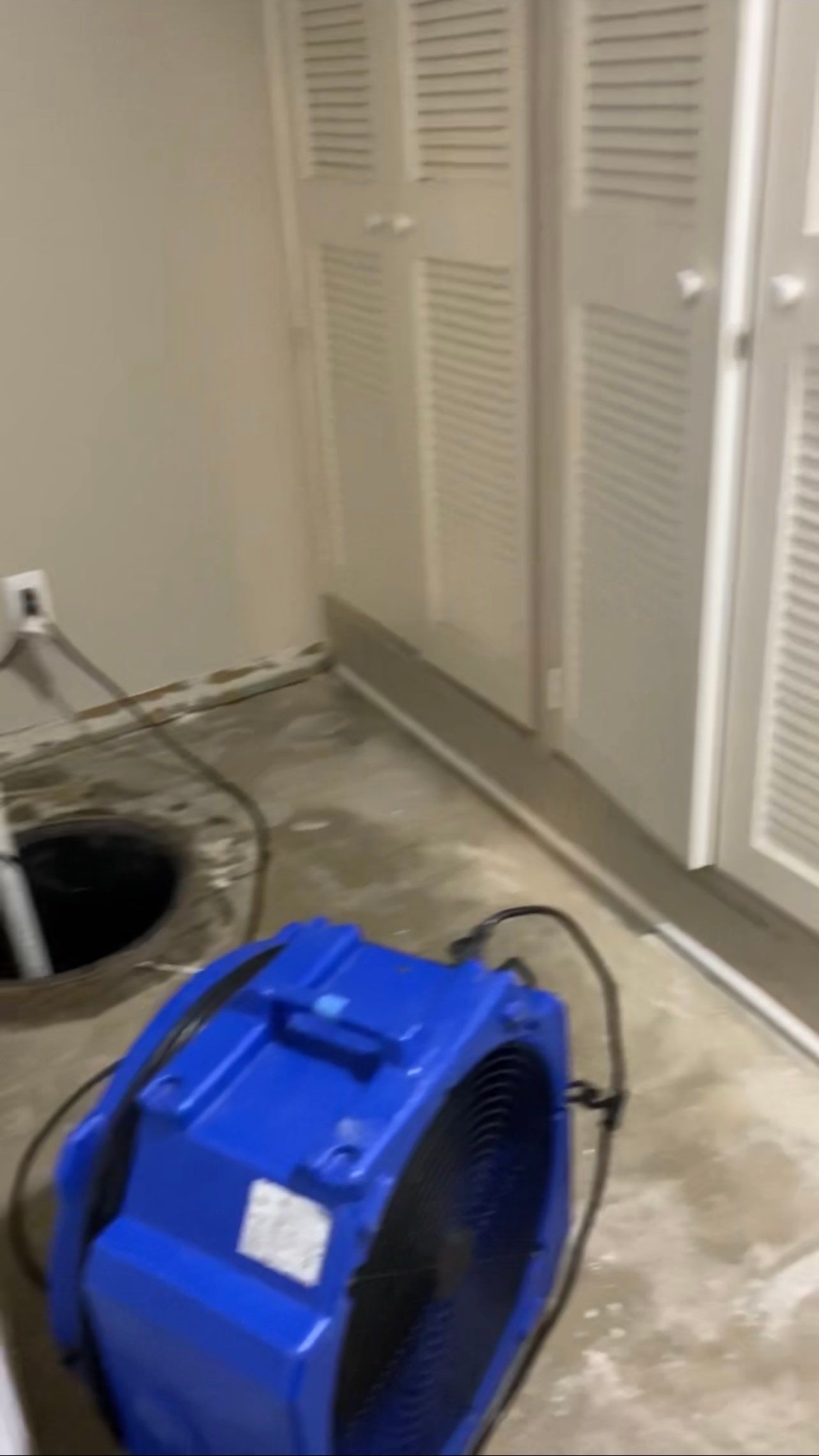
We arrived to extract standing water using high-powered pumps, then built containment barriers to isolate the affected zones and prevent airborne spore migration during the removal phase. Moisture mapping revealed concealed saturation behind wall assemblies, prompting selective demolition of compromised materials that could not be saved. With the source materials removed, we placed commercial dehumidifiers and air movers to dry the remaining structure to acceptable moisture content, following IICRC S520 protocol for mold remediation environments.
After confirming dry conditions through follow-up readings, we sanitized all affected surfaces and rebuilt the structural elements, matching the basement and bathroom finishes to their pre-loss state. The homeowner noted their satisfaction with both the thoroughness of the work and the restored living space, which returned to service without lingering moisture concerns.
Frequently asked questions
What containment measures does Restoration Doctor use during water damage restoration in Washington, DC rowhouses and apartments?
Restoration Doctor establishes physical containment barriers to isolate affected areas—critical in Washington's dense rowhouse and apartment settings where shared walls and common spaces risk cross-contamination. For this job, we built containment around the finished basement, hallway, and bathroom before extraction and drying began, preventing airborne moisture and contaminants from migrating to adjacent living areas. Negative air pressure and sealed barriers kept the work zone controlled throughout the process.
How quickly can standing water in a DC basement lead to mold growth after a water backup?
In Washington's hot, humid summers, standing water in a finished basement creates ideal conditions for mold colonization—often within 24 to 72 hours if materials remain wet. Restoration Doctor responded to this water backup by extracting standing water immediately with high-powered pumps, then removing saturated materials and running commercial dehumidifiers to drop humidity levels before mold could establish. Speed and thorough structural drying are essential in the Mid-Atlantic climate.
What does structural drying involve after water extraction in a finished basement?
Structural drying targets moisture trapped in framing, subfloors, and wall cavities that extraction alone cannot remove. For this Washington, DC job, Restoration Doctor placed commercial dehumidifiers and air movers throughout the basement, hallway, and bathroom to pull residual moisture from wood studs, drywall backing, and concrete—monitoring levels daily until materials met dry standards. This prevents hidden moisture from fueling mold or rot long after the visible water is gone.
Does homeowners insurance typically cover water damage restoration from a backup in Washington, DC?
Coverage depends on the policy and the backup's source—sewer or sump backups often require a separate rider, while supply-line failures are usually covered under standard policies. Restoration Doctor works directly with insurers serving Washington homeowners to document the loss, provide detailed scope reports, and streamline claims for water extraction, drying, and restoration. We recommend reviewing your policy's water-backup endorsement, especially given the aging urban infrastructure common in the district.
Why is sanitizing necessary after water damage in a DC home?
Water backups—especially those involving gray or black water—introduce bacteria, pathogens, and organic debris into living spaces. After drying this basement, hallway, and bathroom, Restoration Doctor applied EPA-registered antimicrobial treatments to all affected surfaces, ensuring the space was hygienically safe before reconstruction. Sanitizing is a standard step in water restoration and particularly important in finished basements where families spend time daily.
Explore more restoration work
All projects in Washington · Water Damage Restoration in Washington
Water, fire, or mold damage in Washington?
Restoration Doctor responds 24/7 across Washington and Northern Virginia. Free assessment and transparent, insurance-friendly estimates — no obligation.
See our Water Damage Restoration services at restorationdoctors.com →