Flooded Basement Due to Backup Drainage in Washington, DC
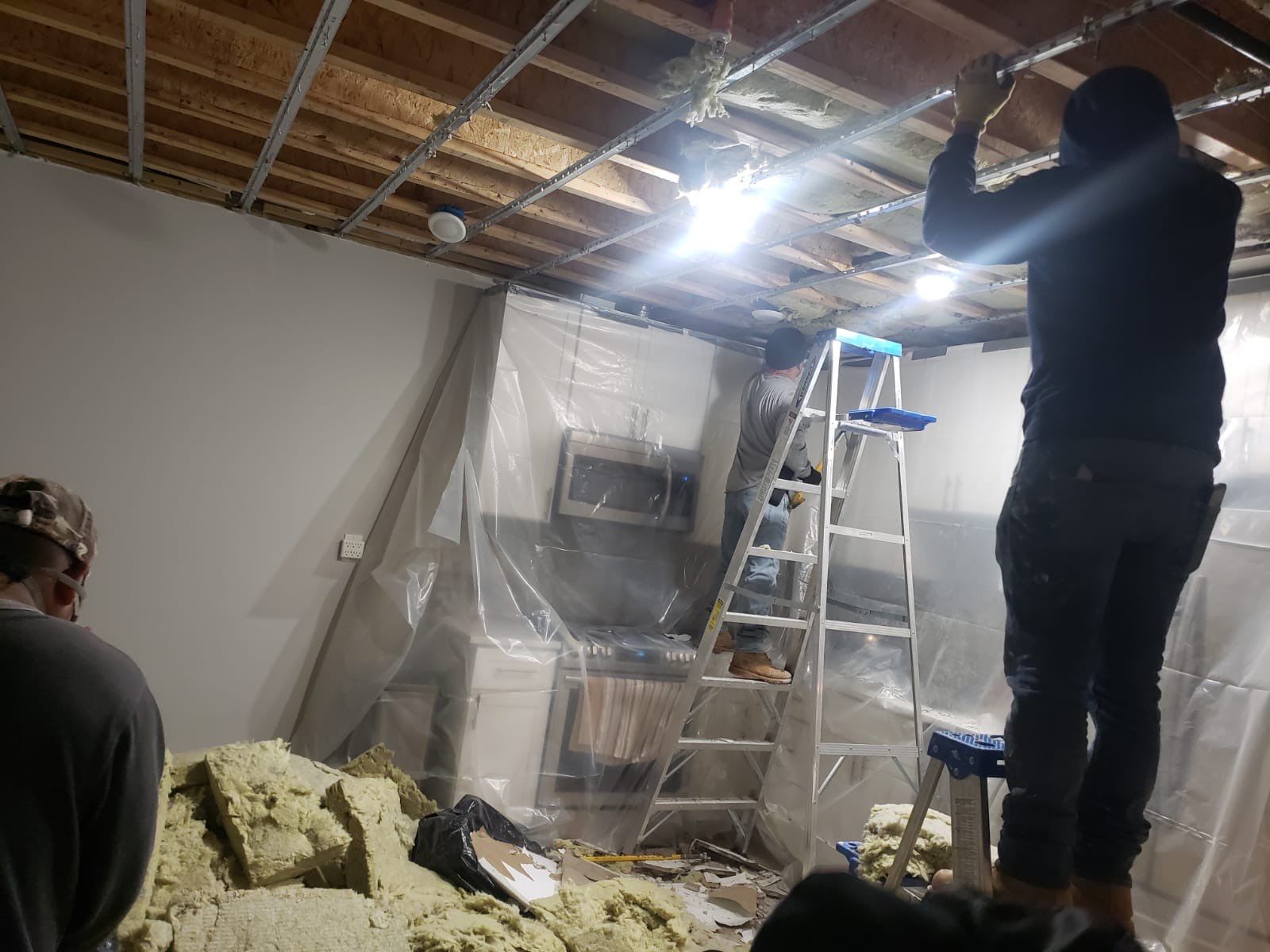
About this water damage restoration project
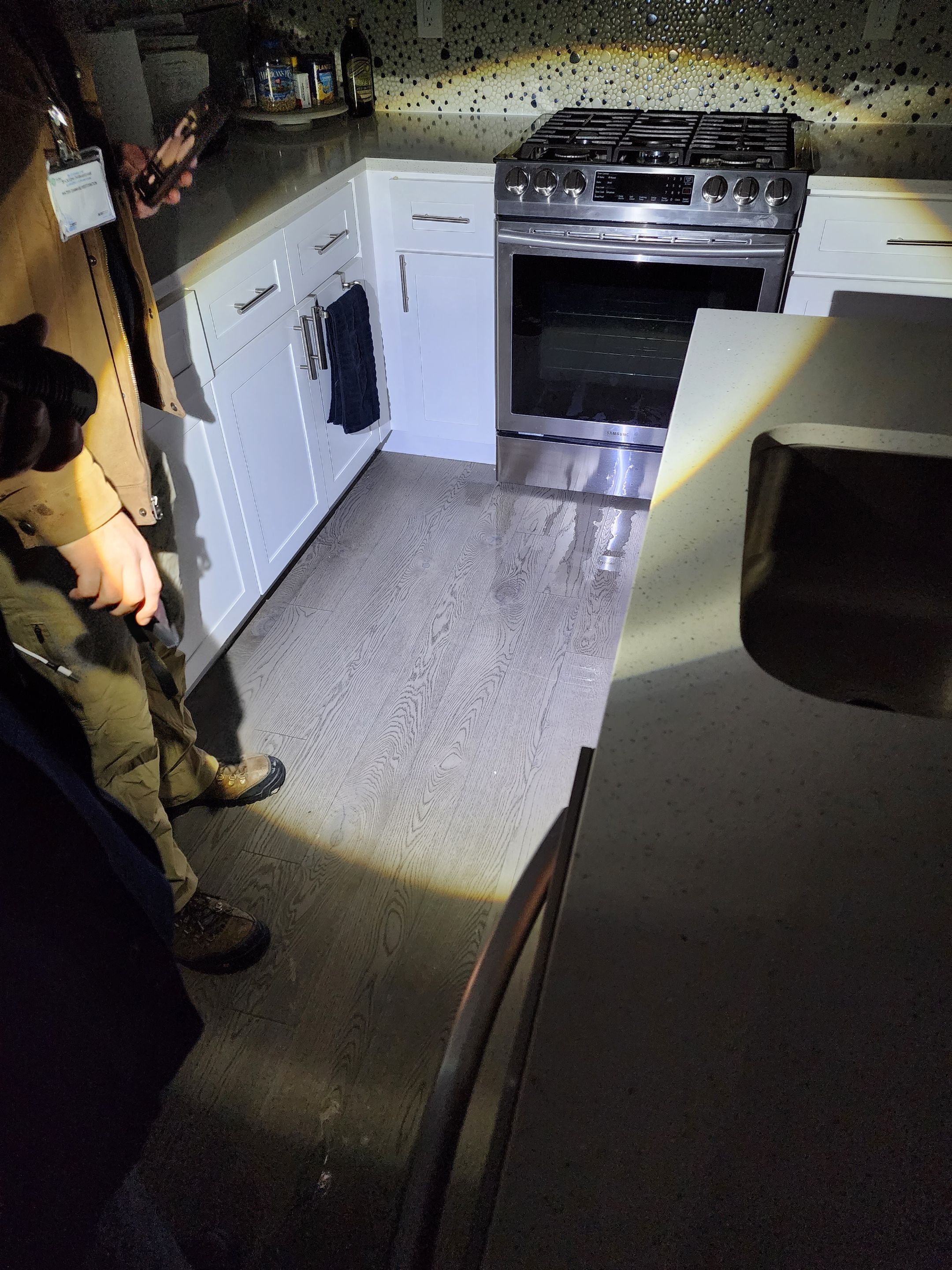
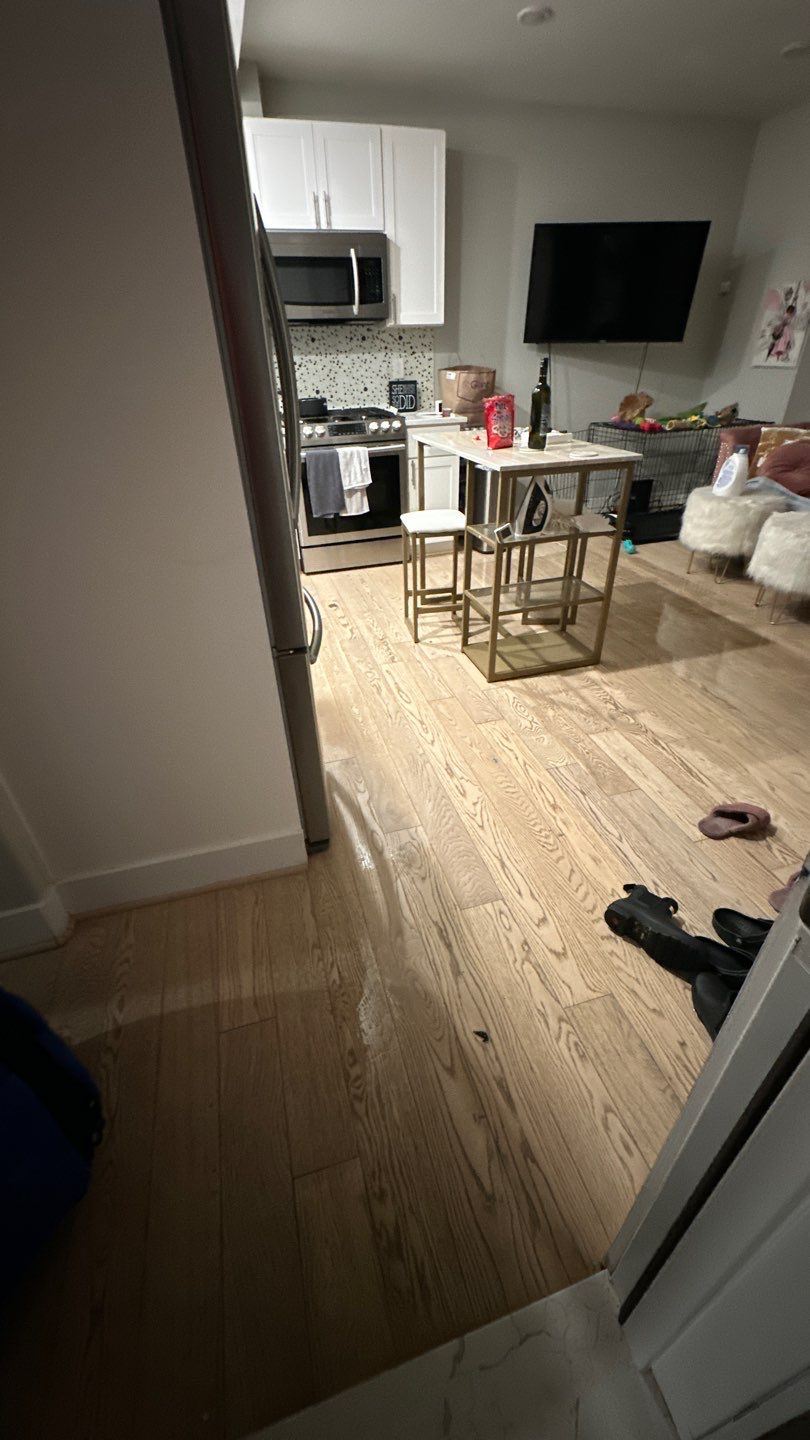
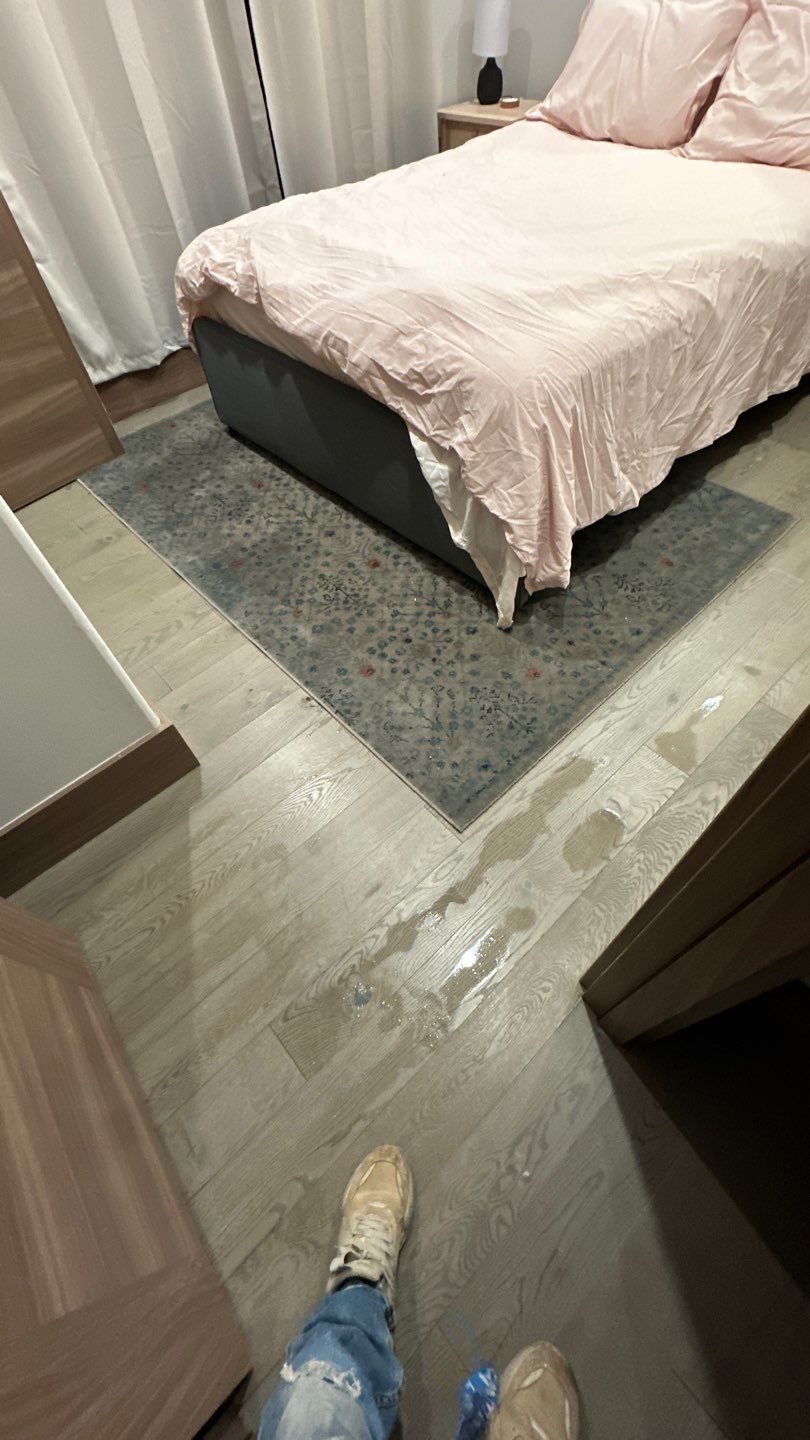
A drainage system backup left a basement in Washington's dense urban core submerged under standing water, a common scenario in the district's aging infrastructure where stormwater and plumbing failures concentrate in older residential buildings. Our crew deployed high-capacity pumps immediately to remove the standing water, then conducted a detailed assessment to map the extent of saturation and identify mold growth that had developed from the prolonged intrusion.
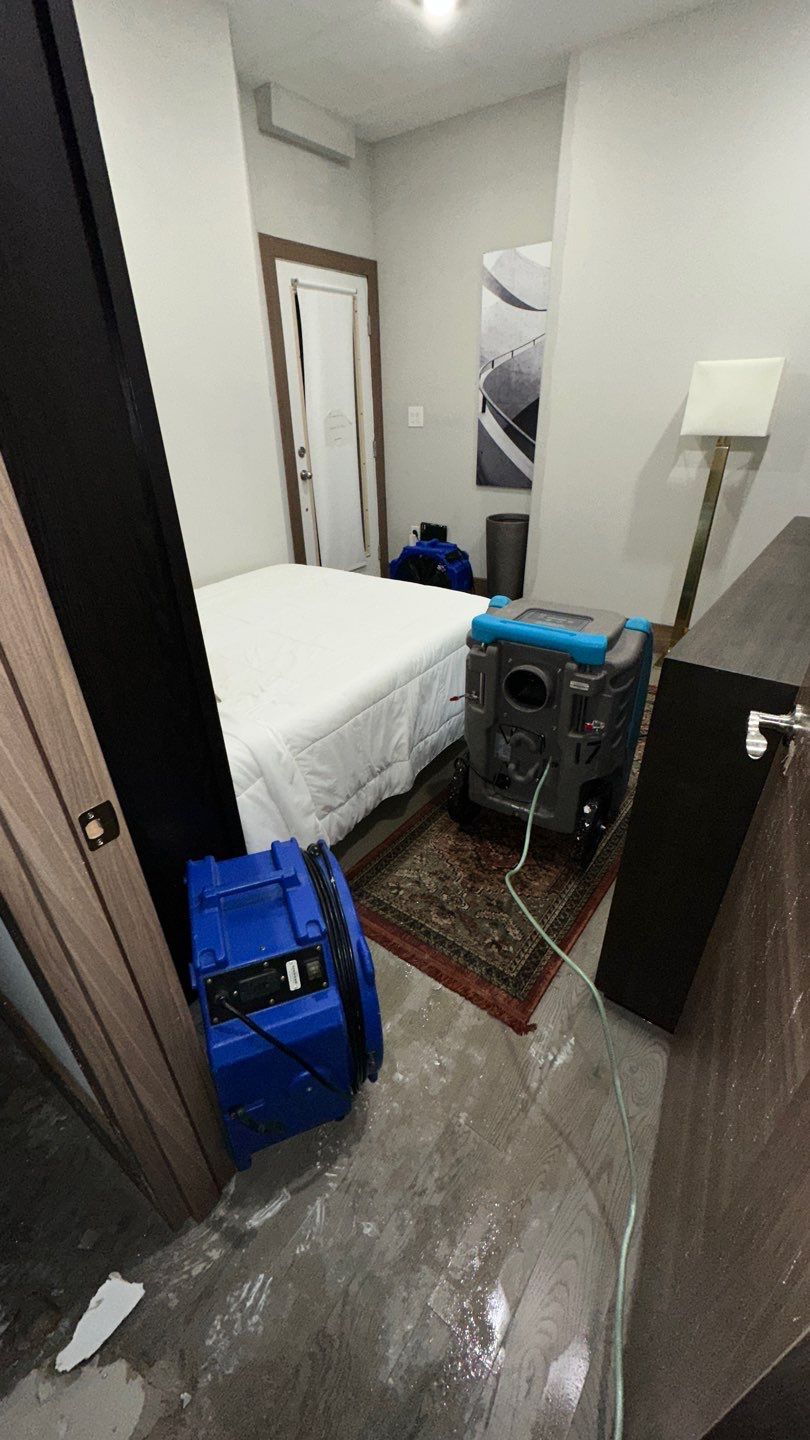
The drying process followed IICRC S500 protocols, with industrial dehumidifiers and air movers positioned to target every corner of the below-grade space. Moisture meters guided our technicians as they monitored progress over several days, ensuring that hidden pockets in wall cavities and beneath floor assemblies reached safe equilibrium levels. Once drying was verified, we removed and replaced damaged materials—baseboards, sections of drywall, and compromised insulation—while salvaging and treating personal belongings where feasible.
Mold remediation addressed the colonies that had taken hold during the wet period, using containment barriers and HEPA filtration to prevent cross-contamination to upper floors. We applied antimicrobial treatments to affected surfaces, then restored finishes and conducted a final air quality check. The basement returned to service as clean, dry storage space, with improved drainage recommendations provided to reduce the risk of future backups.
Frequently asked questions
What causes basement flooding from drainage backups in Washington, DC rowhouses and older buildings?
In Washington, DC's dense urban core, aging storm and sanitary sewer infrastructure can overwhelm during heavy rainfall, forcing water back through basement floor drains and foundation cracks. Restoration Doctor responds to these drainage-driven floods across the district's historic rowhouse neighborhoods and rehabilitated blocks, where combined sewer systems and limited lot drainage concentrate stormwater pressure on below-grade spaces. Our crews extract standing water with high-capacity pumps and assess foundation entry points to prevent recurrence.
How did Restoration Doctor handle mold growth after the basement water intrusion in this Washington, DC property?
After extracting standing water and drying structural elements with industrial dehumidifiers and air movers, Restoration Doctor performed mold remediation to address colonization triggered by the prolonged moisture exposure. We contained affected zones, removed compromised materials where necessary, applied antimicrobial treatments, and verified air quality before closure. The hot, humid Mid-Atlantic summer climate in DC accelerates mold development, making rapid drying and remediation critical to protecting both the structure and indoor air.
What does structural drying involve for a flooded basement in Washington, DC?
Restoration Doctor's structural drying process in this Washington, DC basement combined industrial dehumidifiers to pull moisture from the air and focused air movers to accelerate evaporation from concrete floors, drywall, and framing. We monitored moisture levels in porous materials daily until readings met dry standards, ensuring no hidden pockets remained that could feed mold or rot. The district's dense building stock and limited ventilation in below-grade spaces require controlled airflow and dehumidification rather than passive drying alone.
How long does water damage restoration typically take for a flooded basement in Washington, DC?
Restoration Doctor's timeline for a flooded basement in Washington, DC depends on the volume of standing water, the extent of material saturation, and whether mold remediation is required. Extraction and initial setup occur within hours of arrival; structural drying to standard typically requires three to seven days of continuous dehumidification and monitoring. This job involved both drying and mold remediation, extending the timeline to ensure thorough moisture removal and safe air quality before final restoration work.
Can contents and personal belongings be saved after a basement flood in Washington, DC?
Restoration Doctor prioritizes contents protection during basement water extraction and drying in Washington, DC. We inventory salvageable items, relocate them to dry zones or climate-controlled storage, and clean or dry materials that can be restored. Items with prolonged water contact or mold contamination may require specialized treatment or disposal, but rapid response and controlled drying often preserve furniture, documents, and household goods that would otherwise be lost to secondary damage.
Explore more restoration work
All projects in Washington · Water Damage Restoration in Washington
Water, fire, or mold damage in Washington?
Restoration Doctor responds 24/7 across Washington and Northern Virginia. Free assessment and transparent, insurance-friendly estimates — no obligation.
See our Water Damage Restoration services at restorationdoctors.com →