Drain Blockage
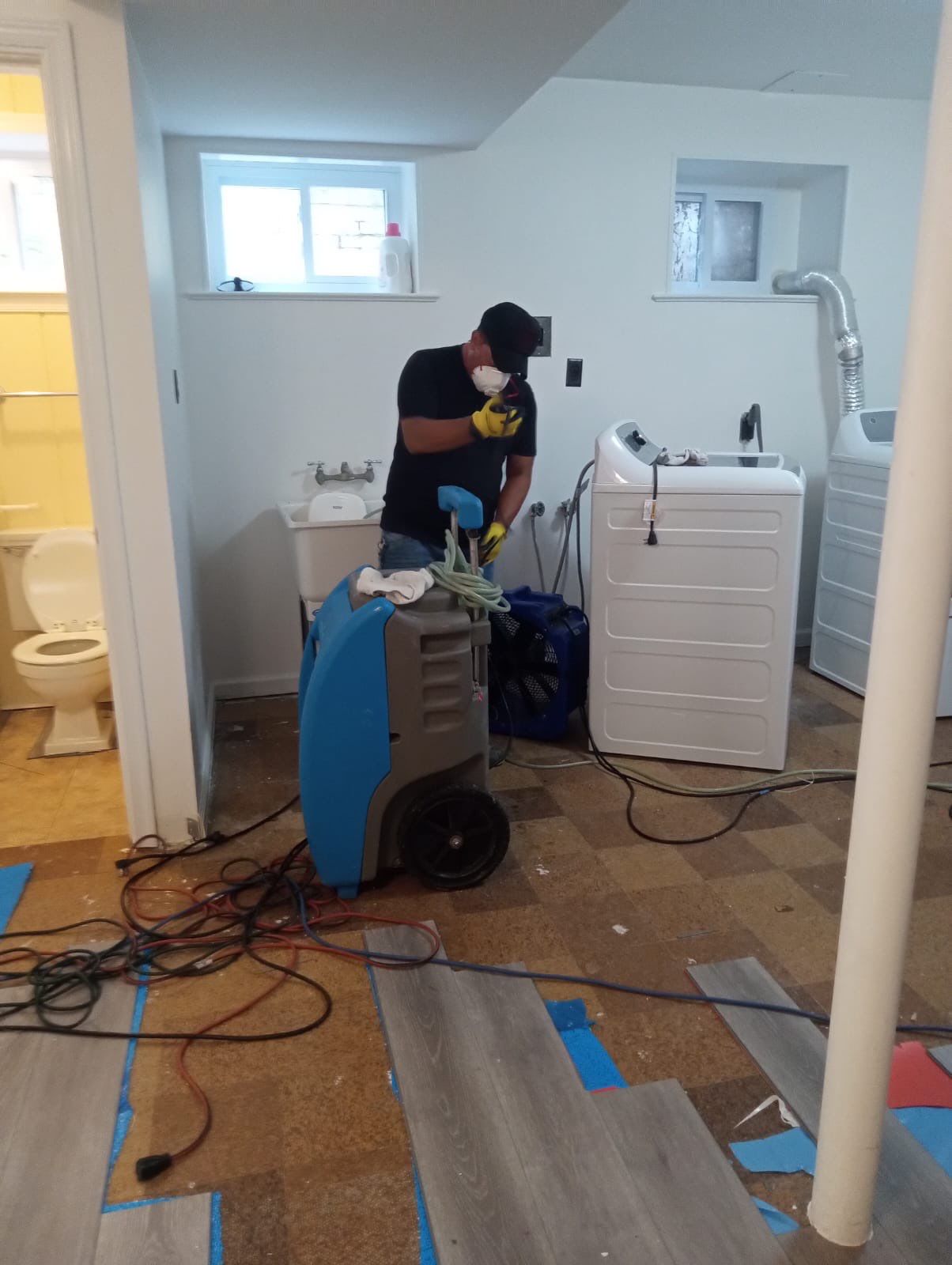
About this water damage restoration project
A severe drain blockage in Washington's typical mix of established homes—where aging plumbing infrastructure sometimes struggles under daily use—sent wastewater backing up through floor drains, saturating rugs and hardwood in multiple rooms. The backup left standing water and a pervasive odor that made the space unlivable.
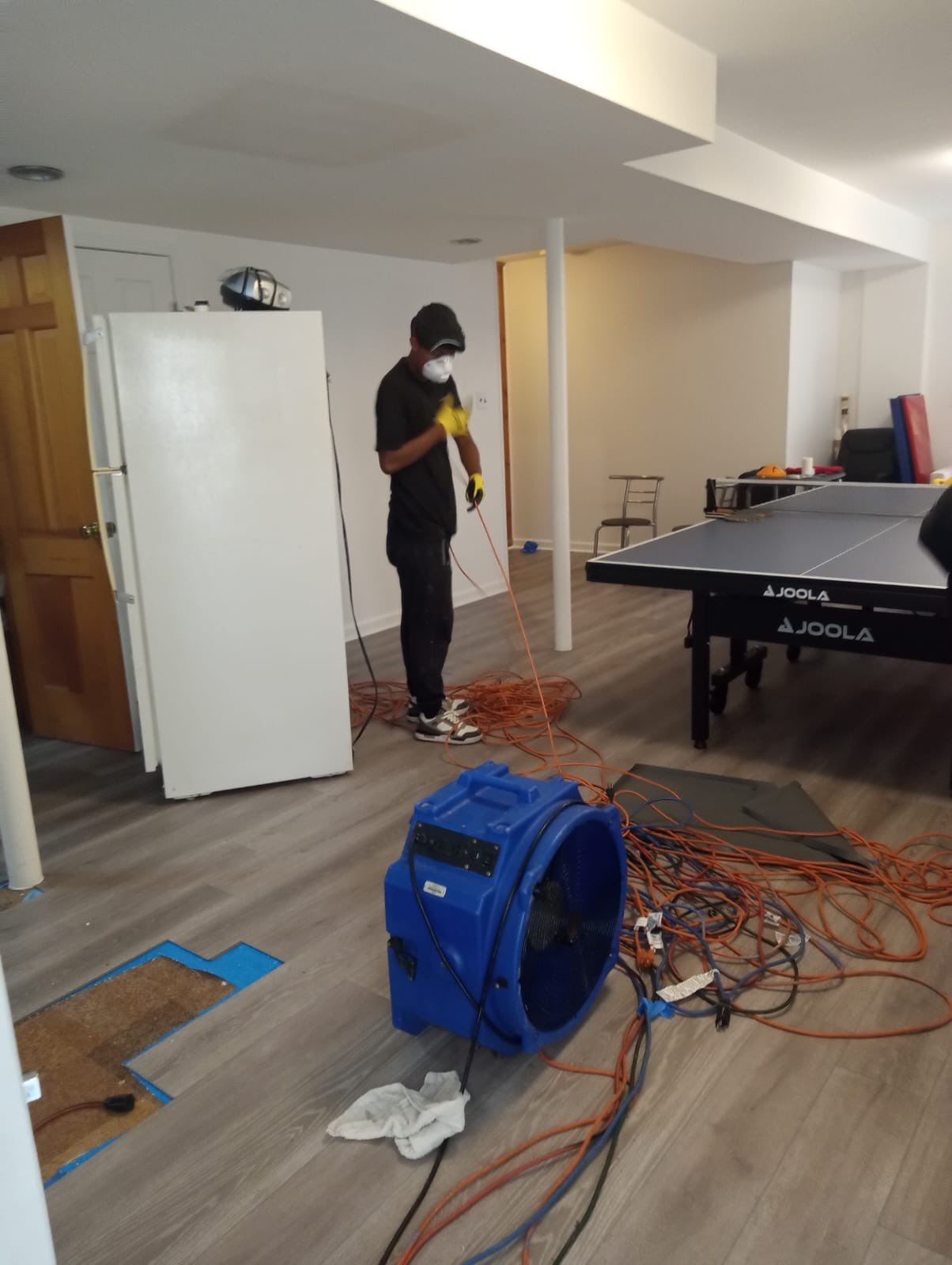
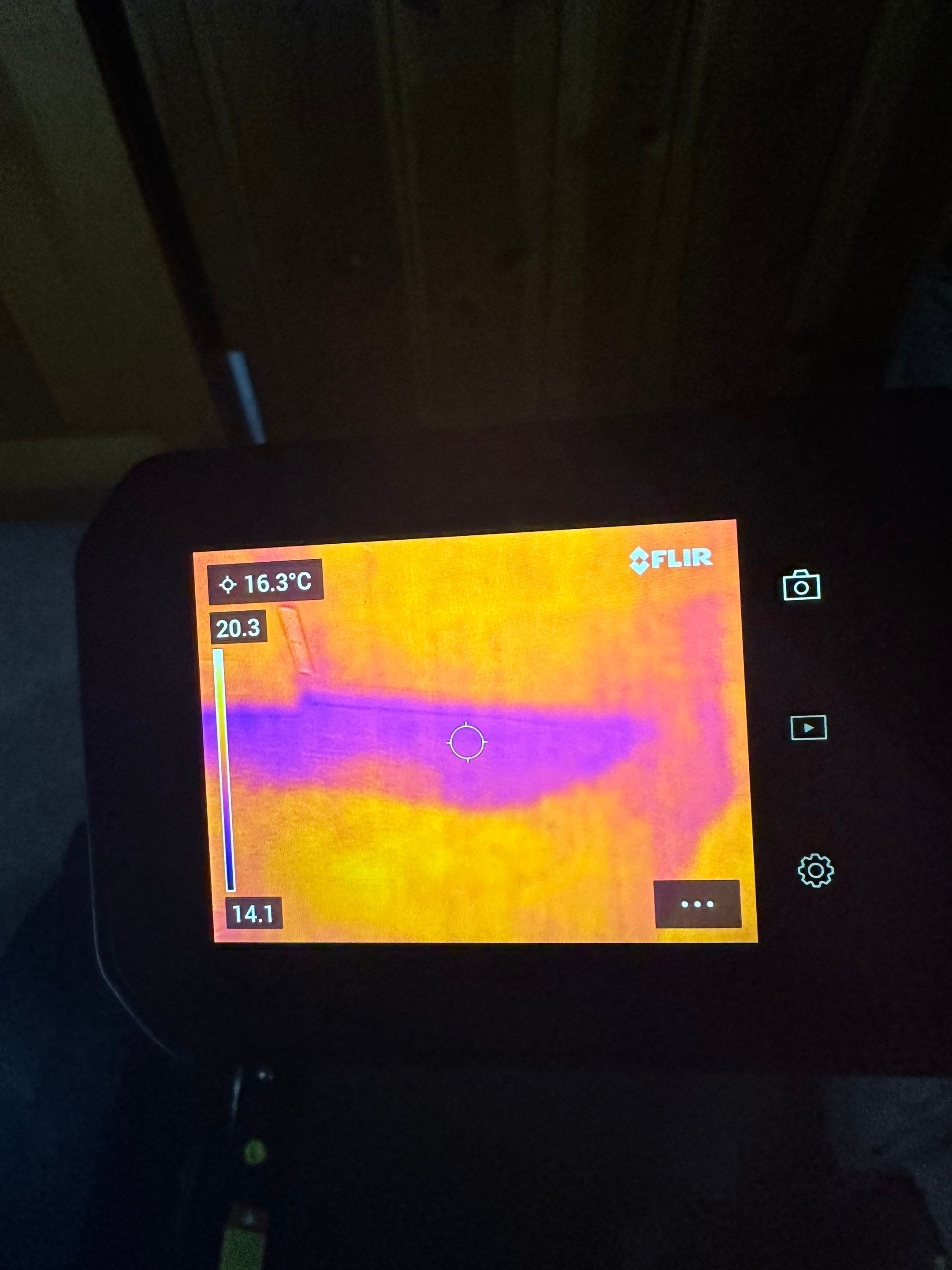
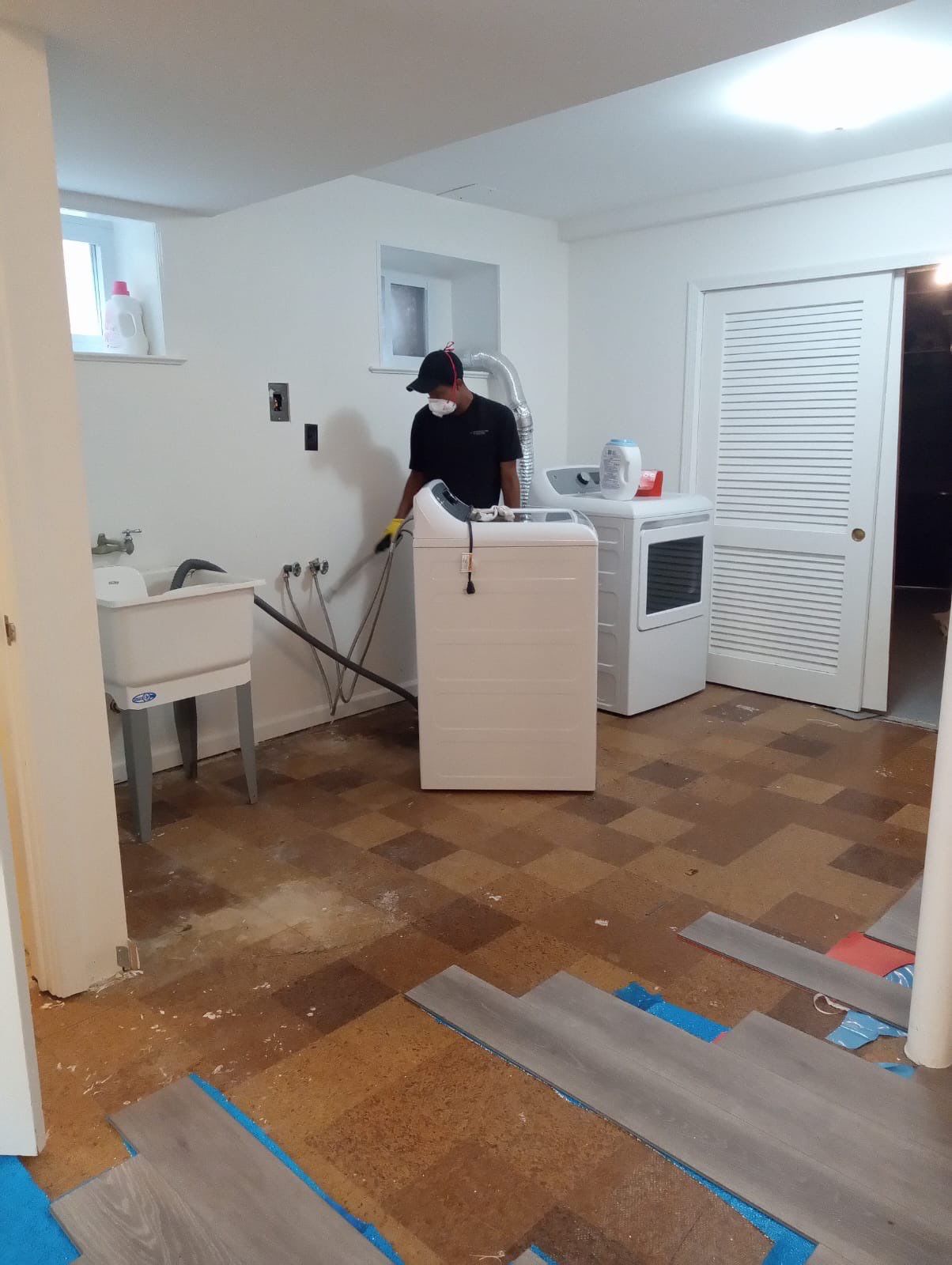
We began with a damage assessment to map the extent of contamination, then extracted the standing water using truck-mounted equipment. Industrial dehumidifiers and air movers ran continuously to dry the subfloor and prevent secondary moisture damage in the humid Mid-Atlantic climate. Because the water originated from a drain line, we treated all affected surfaces with EPA-registered antimicrobial solutions to address sanitation concerns, following IICRC S500 water damage protocols for Category 2 intrusion.
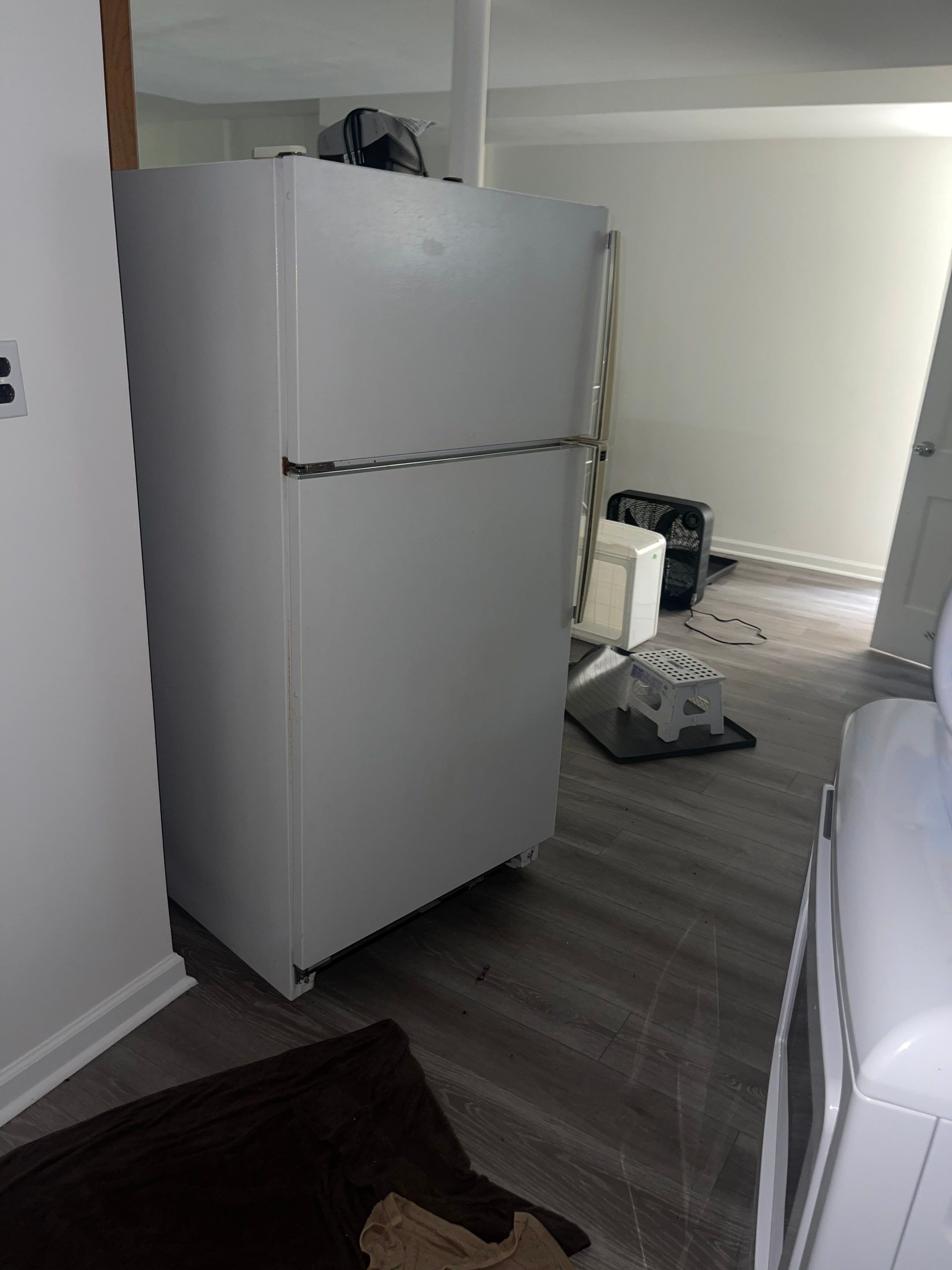
Deodorizing treatments neutralized the lingering smell as drying progressed. Once moisture readings stabilized, we professionally cleaned and restored the rugs and flooring, returning them to a hygienic, occupiable state. The homeowner noted their satisfaction with how quickly the space felt livable again, and the photos document the transformation from waterlogged disarray to a clean, dry interior.
Frequently asked questions
How does Restoration Doctor handle standing water from a drain blockage in a Washington, D.C. rowhouse?
When a severe drain blockage floods floors in a D.C. rowhouse, Restoration Doctor begins with rapid water extraction using truck-mounted or portable extractors to remove standing water before it migrates to adjoining units or compromises wood subfloors. We then deploy industrial dehumidifiers and air movers calibrated to the building's envelope, monitoring moisture levels in flooring and baseboards until readings return to dry standard. The dense, shared-wall construction common in D.C. rowhouses requires careful containment to protect neighboring units during the drying process.
Why did odors persist after the drain backup in my D.C. home, and how were they eliminated?
Odors from a drain blockage often stem from organic material in the wastewater saturating carpet padding, wood flooring, or porous grout—materials that trap bacteria even after visible water is gone. Restoration Doctor applied targeted antimicrobial treatments to affected surfaces and used professional deodorizing agents that neutralize odor molecules rather than masking them. In Washington's humid summer climate, untreated moisture can also feed microbial growth that compounds odor issues, so thorough structural drying was essential to prevent recurrence.
What does sanitizing involve after water damage from a plumbing failure in Washington, D.C.?
Sanitizing after a plumbing leak in Washington, D.C. means applying EPA-registered antimicrobial solutions to all water-contacted surfaces—floors, baseboards, and any porous materials that absorbed contaminated water. Restoration Doctor follows this with professional cleaning of salvageable rugs and flooring to remove residue and restore hygienic conditions. This step is critical in dense urban settings where aging infrastructure and confined spaces can concentrate biological contaminants from drain backups.
How long does water damage restoration typically take in Washington, D.C.?
The timeline for water damage restoration in Washington, D.C. depends on the extent of saturation, the materials affected, and ambient humidity levels during Mid-Atlantic summers, which can slow evaporation. For a drain-blockage loss involving carpet and flooring remediation like this one, Restoration Doctor's extraction and drying phase typically runs several days, with daily moisture monitoring to confirm structural components have reached dry standard before final cleaning and sanitizing. Each job's duration varies based on measured conditions, not a fixed schedule.
Can rugs and carpets be saved after a severe drain backup, or do they need replacement?
Whether rugs and carpets are salvageable after a drain backup depends on the water category, saturation duration, and the material's construction—natural fibers and padding are more vulnerable than synthetic face yarns. In this Washington, D.C. job, Restoration Doctor professionally cleaned and restored the rugs and floors after extraction and antimicrobial treatment, demonstrating that prompt action and thorough sanitizing can often save materials that might otherwise require costly replacement. Delayed response or prolonged contact with contaminated water, however, typically necessitates removal.
Explore more restoration work
All projects in Washington · Water Damage Restoration in Washington
Water, fire, or mold damage in Washington?
Restoration Doctor responds 24/7 across Washington and Northern Virginia. Free assessment and transparent, insurance-friendly estimates — no obligation.
See our Water Damage Restoration services at restorationdoctors.com →