Deteriorated Flashing Around Vent Pipe
About this water damage restoration project
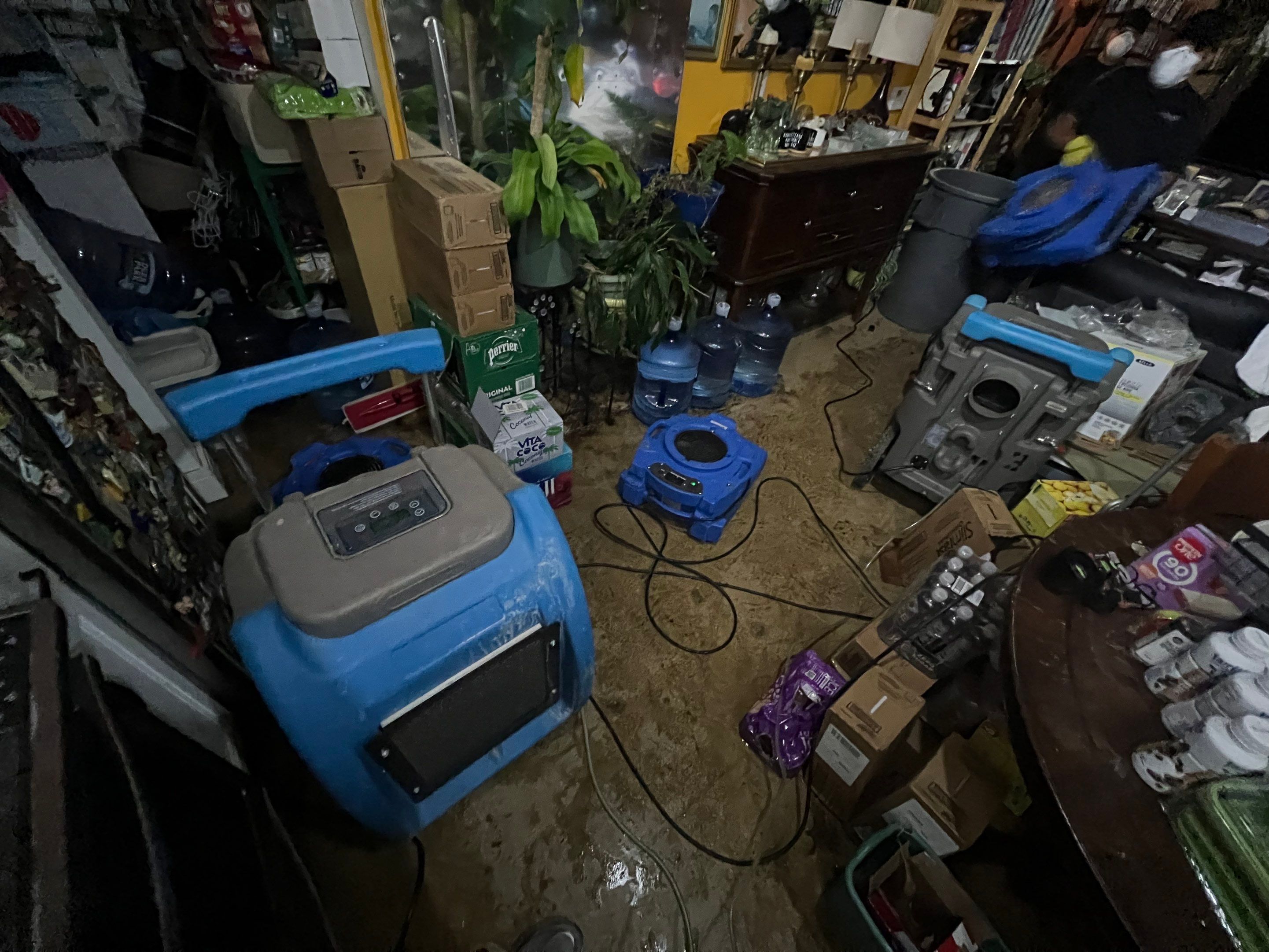
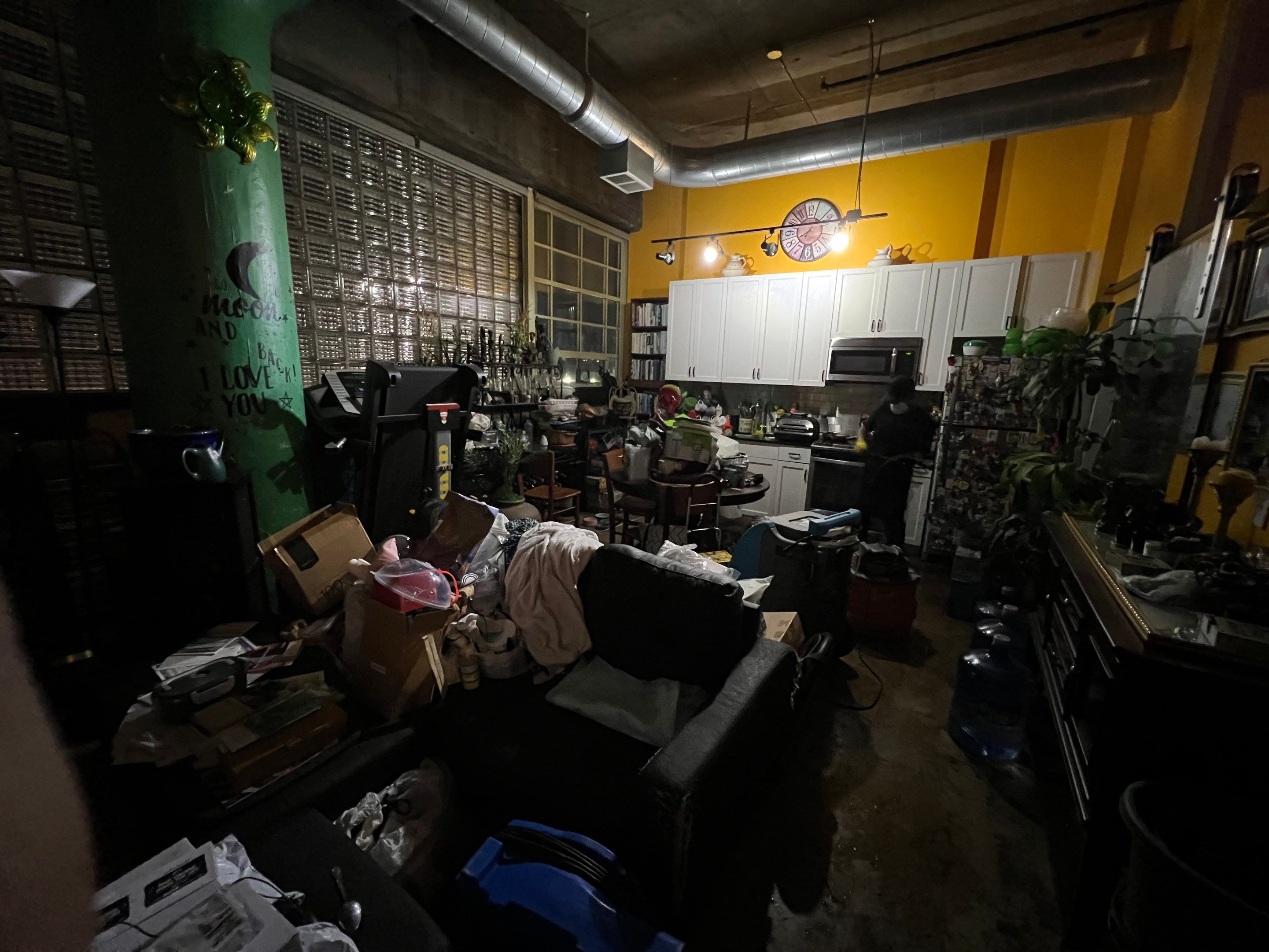
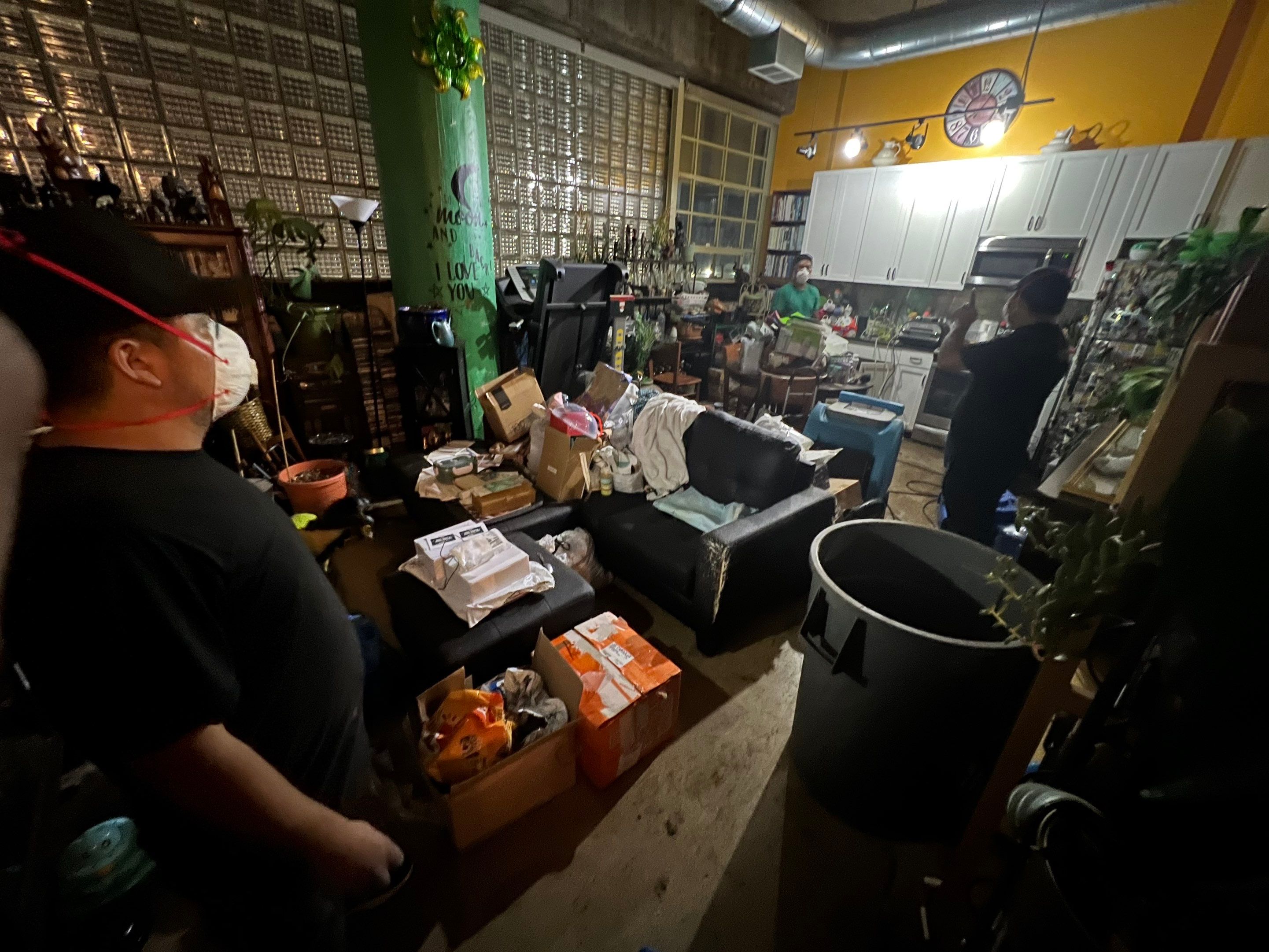
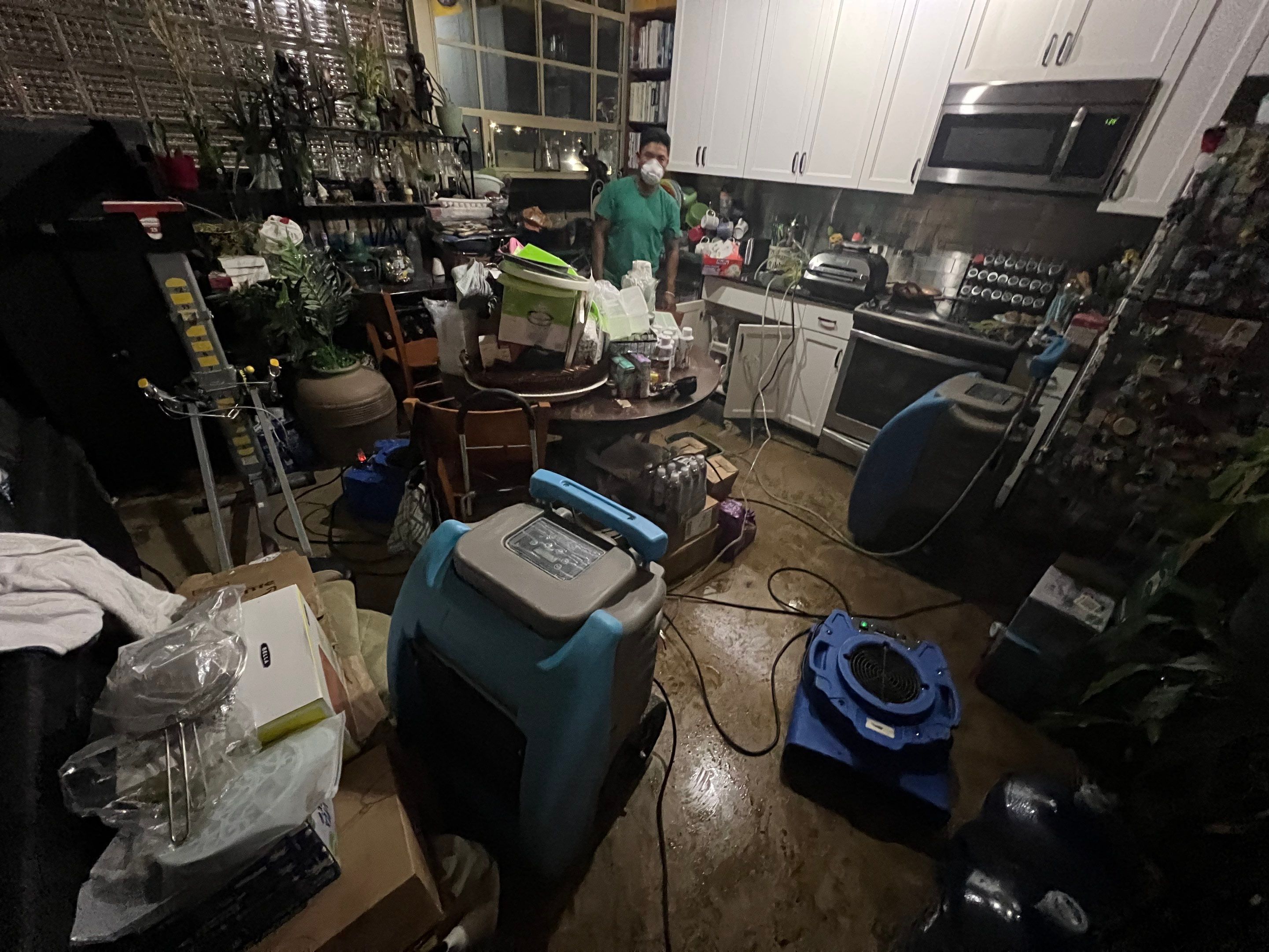
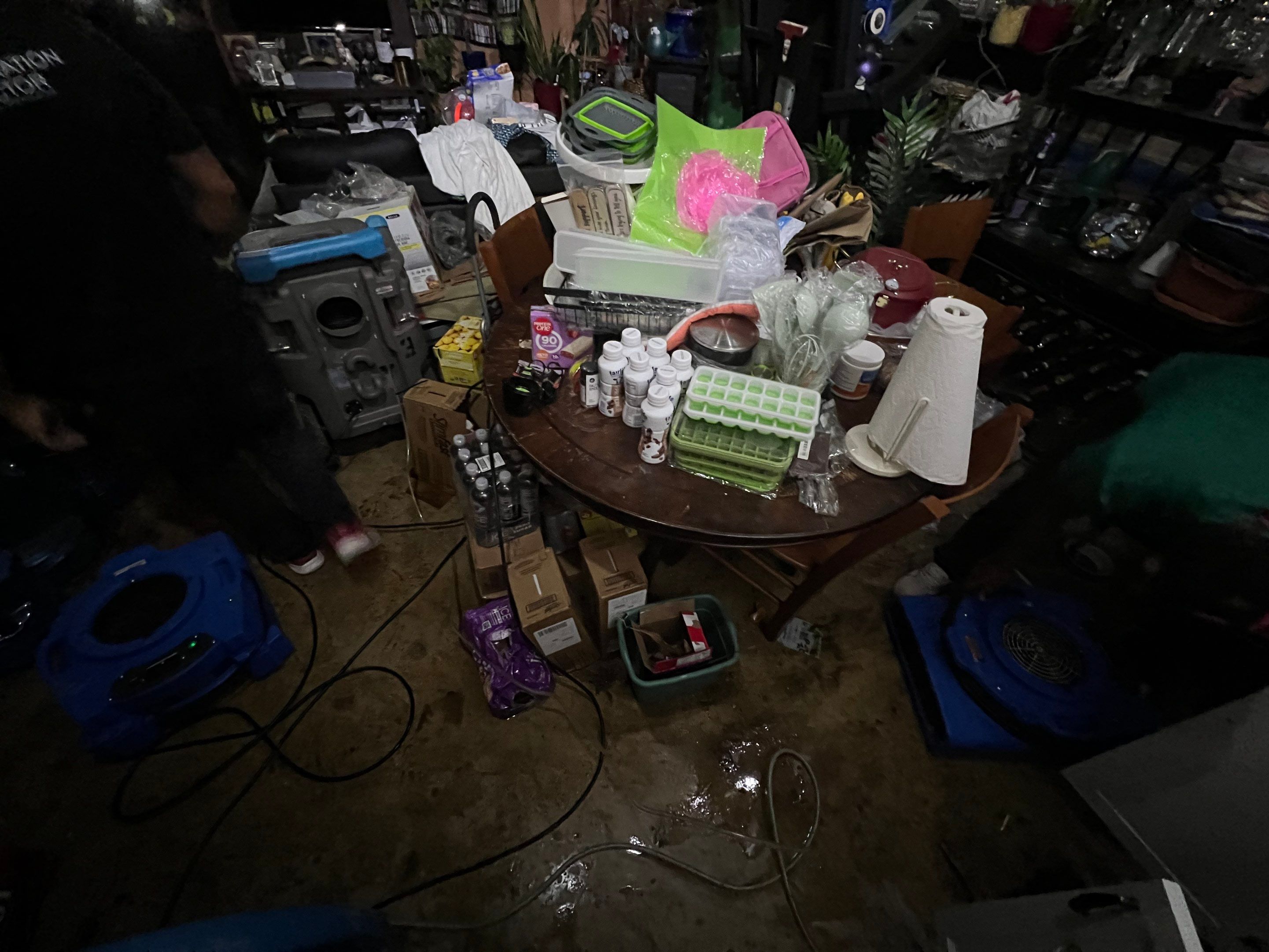
In a historic rowhouse kitchen in Washington, D.C., deteriorated flashing around a roof vent pipe had allowed water to seep through the ceiling envelope. The federal district's aging urban infrastructure and humid Mid-Atlantic climate often expose these vulnerabilities in rehabilitated neighborhoods, where older attachment details fail before the damage becomes visible inside. We found standing water beneath fixtures and moisture tracking along interior wall cavities—conditions that had already begun supporting mold colonization.
Our technicians extracted the standing water and placed commercial dehumidifiers and air movers to draw residual moisture from the affected structure, following IICRC S520 protocol for category-two water intrusion with microbial amplification. The roof flashing was rebuilt to proper lap and seal at the vent penetration, eliminating the entry point. Inside, we removed compromised ceiling drywall and treated framing with an EPA-registered antimicrobial to arrest further growth, then rebuilt the damaged surfaces to match the existing finish plane.
The homeowner noted in their review that the kitchen was returned to full function without lingering odor or visible staining. By addressing both the envelope failure and the interior contamination in sequence, we restored the space to a dry, code-compliant baseline that should perform through future storm cycles.
Frequently asked questions
How does roof flashing failure lead to mold growth in Washington, D.C. rowhouses and apartment buildings?
In Washington's dense urban housing stock, deteriorated flashing around vent pipes and roof penetrations allows water to seep into wall cavities and ceilings undetected. Combined with the district's hot, humid Mid-Atlantic summers, trapped moisture creates ideal conditions for mold colonization within days. Restoration Doctor addresses both the water intrusion source—repairing or replacing failed flashing—and the resulting mold through containment, remediation to IICRC S520 standards, and structural drying to prevent recurrence.
What does standing-water extraction and structural drying involve after a kitchen ceiling leak in D.C.?
Restoration Doctor's water damage restoration process in Washington begins with truck-mounted or portable extractors to remove standing water from floors and saturated materials, followed by placement of commercial dehumidifiers and air movers to dry ceiling cavities, wall assemblies, and subflooring. Moisture mapping with thermal imaging and pin meters guides equipment placement and confirms when materials have reached dry standard, typically before any ceiling repair or finish work proceeds.
Can mold grow behind repaired drywall if the roof leak source isn't fixed?
Yes—cosmetic ceiling repair without addressing the underlying flashing defect or ensuring complete structural drying will trap residual moisture and allow mold to colonize hidden wall and ceiling cavities. Restoration Doctor's protocol for this Washington job included flashing repair at the roof penetration, verified drying of all affected framing and sheathing, antimicrobial treatment where warranted, and then reconstruction, ensuring no moisture reservoir remained to fuel future growth.
How long does mold remediation and kitchen restoration take after water intrusion in Washington, D.C.?
Timeline depends on the extent of water migration, affected materials, and drying conditions, but a contained kitchen loss with ceiling and wall involvement typically requires several days of drying, followed by remediation and reconstruction phases. Restoration Doctor's approach in the district prioritizes thorough moisture removal and verification over speed—humid Mid-Atlantic conditions can slow evaporation, and premature closure risks trapping moisture that will cause recurring mold.
Why is sanitizing important after water damage and mold remediation in urban D.C. properties?
Standing water in aging urban buildings often carries contaminants from roof runoff, plumbing cross-connections, or degraded building materials, and mold remediation disturbs spores and particulates. Restoration Doctor applies EPA-registered antimicrobial and disinfectant treatments to affected surfaces in Washington properties after extraction and demolition, reducing microbial load and odor before reconstruction begins, particularly critical in multi-unit buildings where cross-contamination pathways exist.
Explore more restoration work
All projects in Washington · Water Damage Restoration in Washington
Water, fire, or mold damage in Washington?
Restoration Doctor responds 24/7 across Washington and Northern Virginia. Free assessment and transparent, insurance-friendly estimates — no obligation.
See our Water Damage Restoration services at restorationdoctors.com →