Damage Under Walls and Wood Flooring
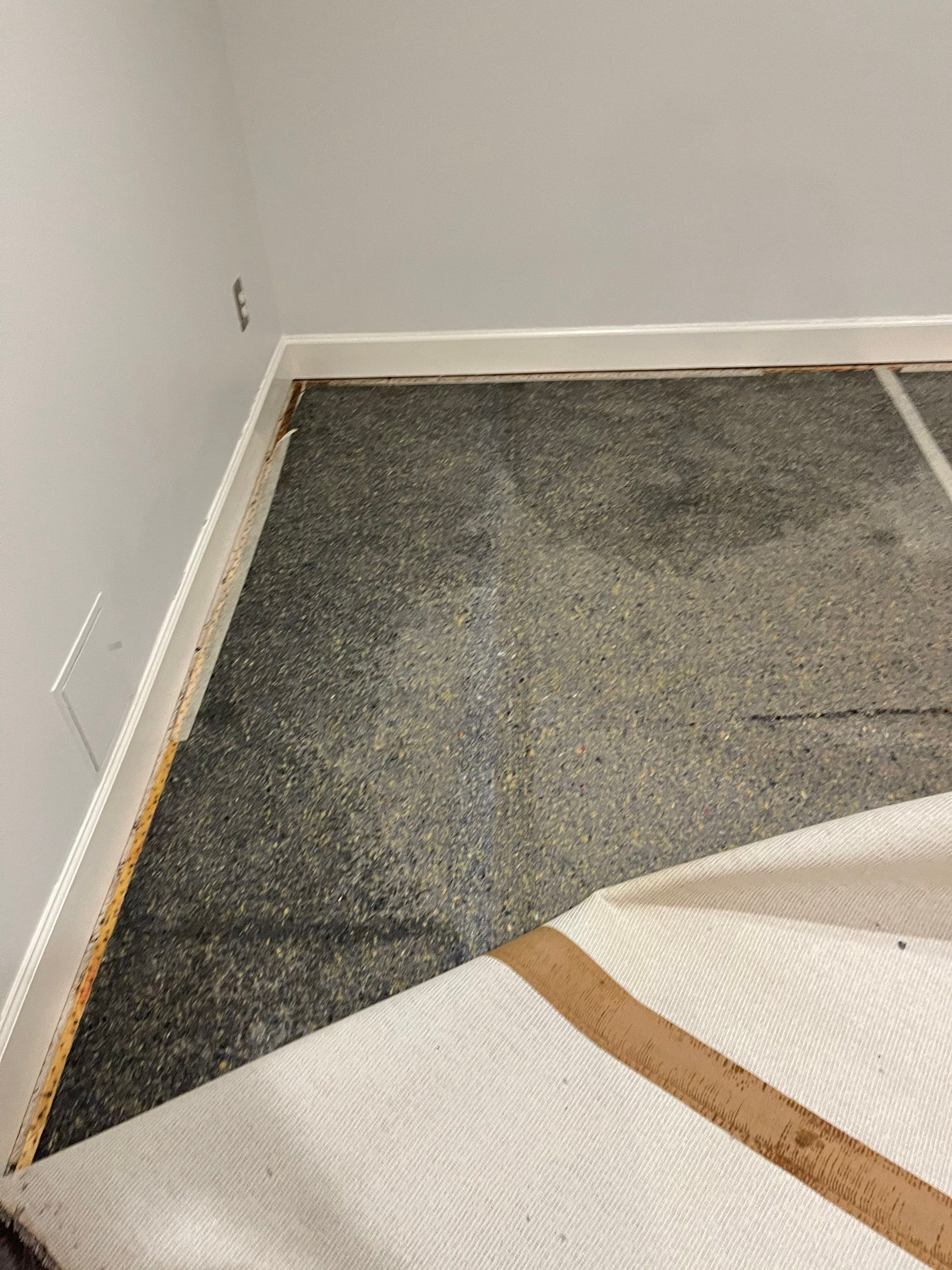
About this water damage restoration project
Historic rowhouses and rehabilitated urban buildings throughout Washington, D.C., often conceal moisture problems within their aging structures until damage becomes visible. When mold appeared following water intrusion beneath walls and wood flooring in this federal district residence, the challenge demanded both precision assessment and systematic intervention guided by IICRC S520 protocols for mold remediation.
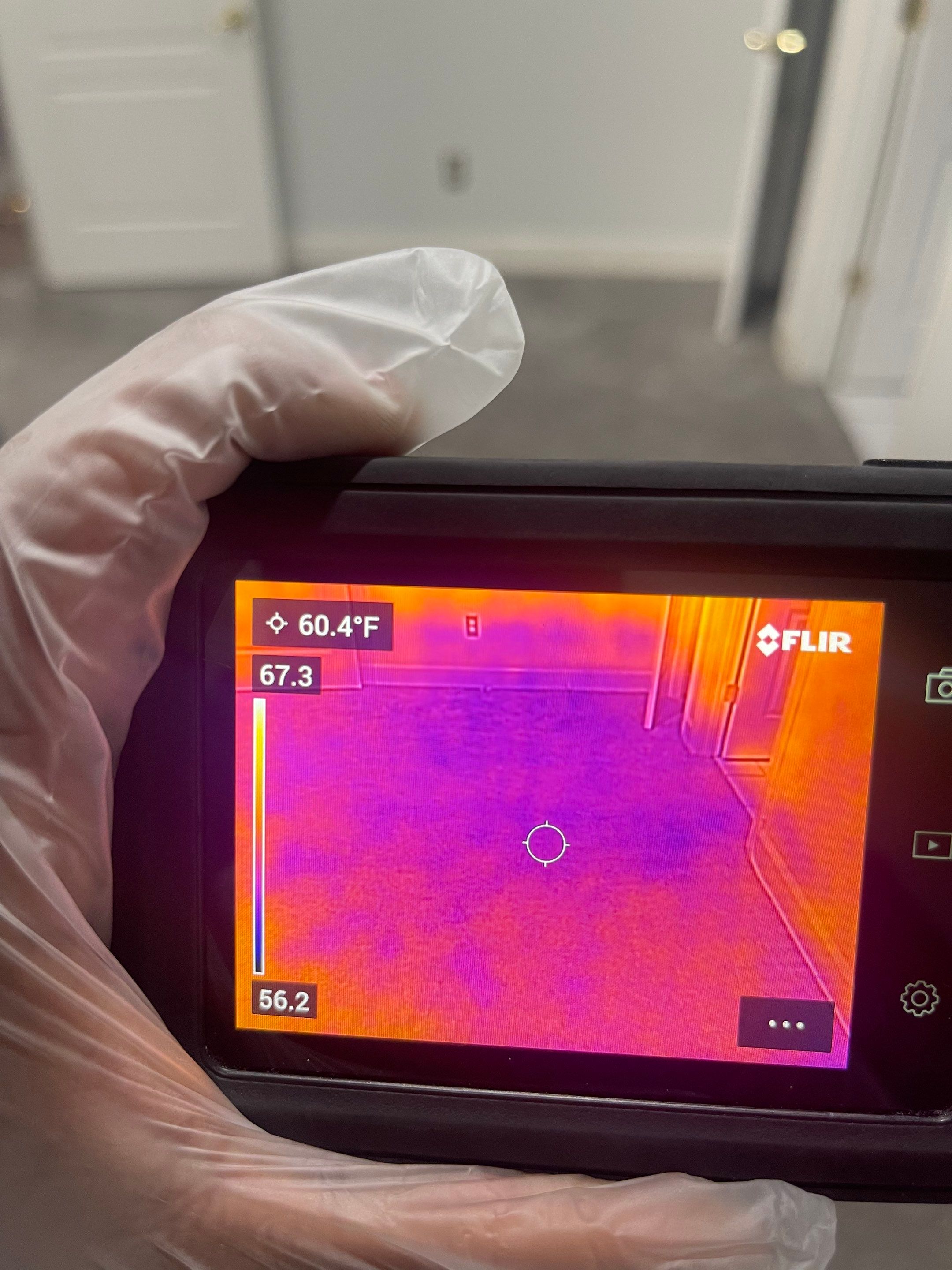
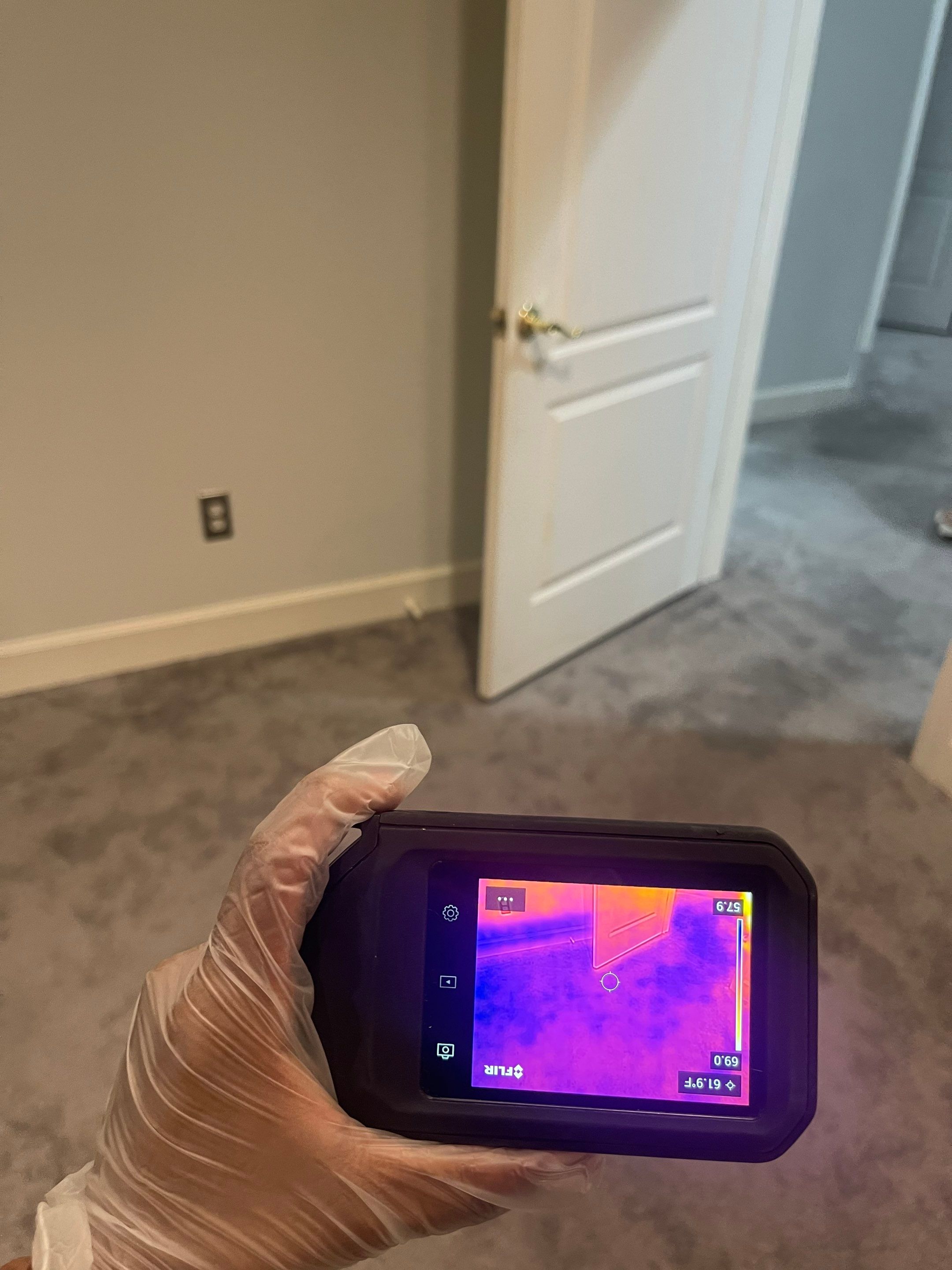
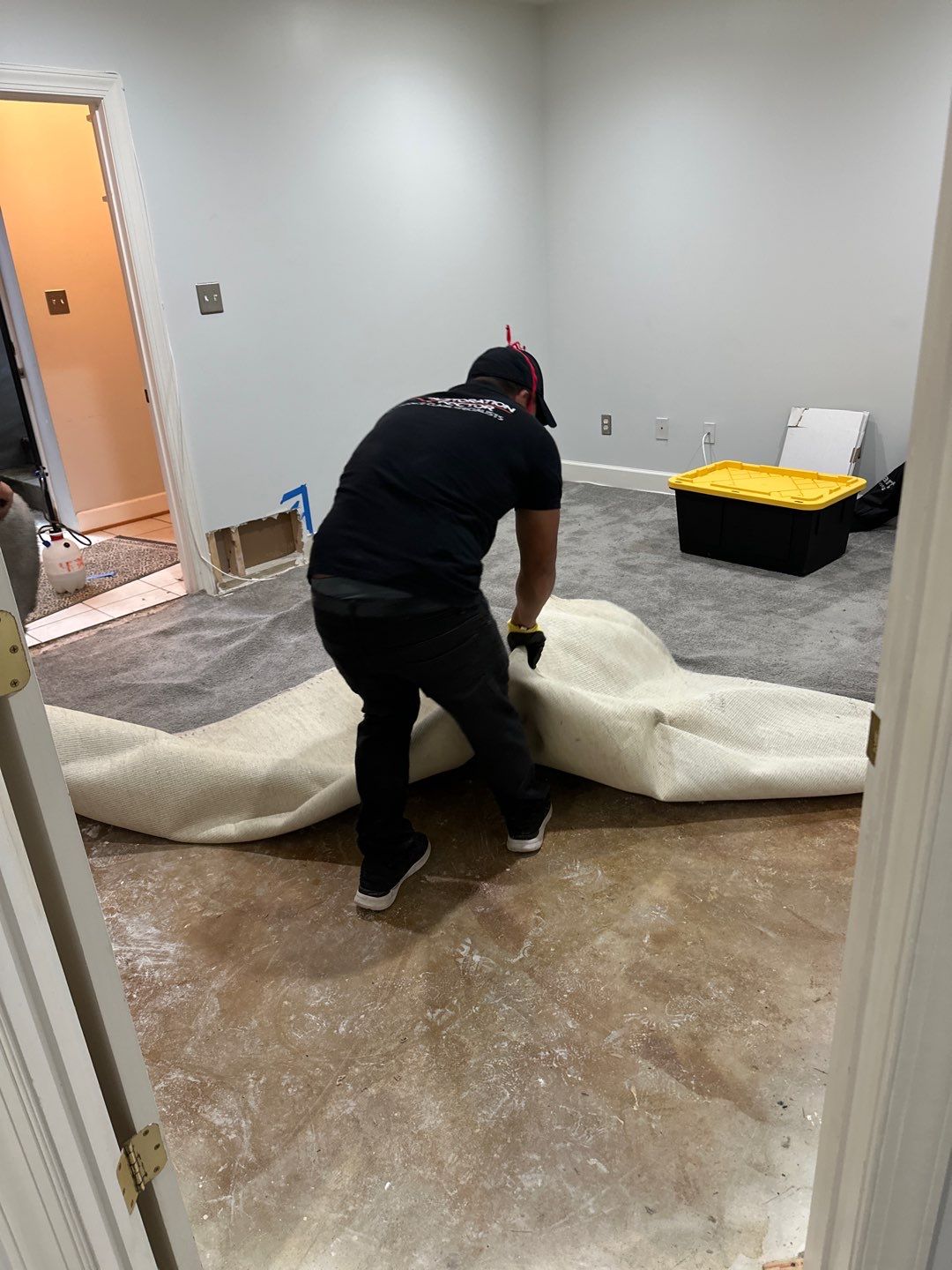
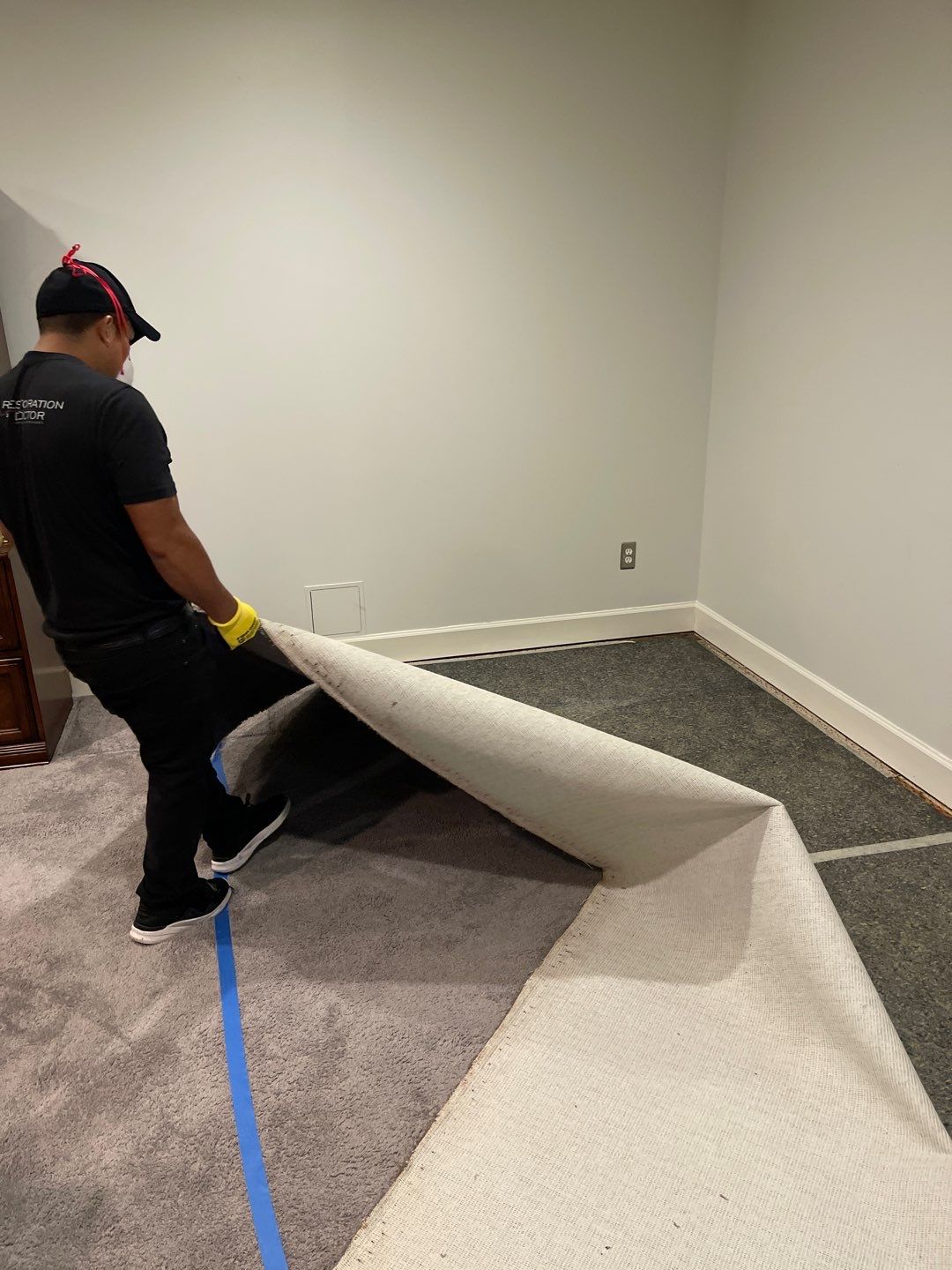
Our technicians began with a comprehensive inspection to map the full extent of hidden moisture migration—critical in dense urban housing where water can travel laterally between units and vertically through shared structural elements. Once all affected zones were identified, we extracted standing water and deployed advanced drying equipment to draw residual moisture from wall cavities and the subfloor system. Mid-Atlantic humidity makes thorough dehumidification essential; we monitored conditions until readings confirmed the envelope had returned to equilibrium.
With the structure dry, cleaning and antimicrobial treatment addressed surface contamination and created an inhospitable environment for future growth. The final phase restored compromised wall sections and wood flooring to match the original construction, ensuring both structural integrity and aesthetic continuity. The property returned to safe occupancy with no visible trace of the loss and the assurance that hidden moisture—the true driver of mold colonization—had been fully resolved.
Frequently asked questions
Why is standing water extraction critical for rowhouses and older buildings in Washington, D.C.?
In Washington, D.C.'s dense urban neighborhoods, where historic rowhouses and rehabilitated buildings often share walls and aging infrastructure, standing water can quickly migrate laterally into adjacent units and saturate structural framing. Restoration Doctor's extraction and dehumidification process removes bulk water immediately, then targets hidden moisture in wall cavities and beneath flooring to prevent secondary damage. This approach protects both the affected property and neighboring structures from prolonged exposure.
How does Restoration Doctor address mold risk after water intrusion beneath wood flooring in Washington, D.C.?
When water seeps beneath wood flooring—especially common in D.C.'s humid Mid-Atlantic summers—the trapped moisture creates ideal conditions for mold colonization on subflooring and joists. Restoration Doctor uses structural drying and dehumidification to bring concealed moisture levels down to safe thresholds, then applies sanitizing treatments to affected surfaces. Our flooring remediation ensures that both visible and hidden organic materials are dried and treated before any reconstruction begins.
What does the sanitizing process involve after water damage in a Washington, D.C. home?
Restoration Doctor's sanitizing process in Washington, D.C. targets microbial contamination introduced by water intrusion, particularly important in urban settings where aging plumbing and concentrated stormwater can carry contaminants. After extraction and drying, we apply EPA-registered antimicrobial agents to all affected surfaces—walls, subflooring, and structural framing—to eliminate bacteria and inhibit mold growth. This step ensures the indoor environment is safe for occupancy before any finishes are restored.
How long does structural drying typically take for a water loss affecting walls and flooring in Washington, D.C.?
Drying timelines in Washington, D.C. depend on the extent of saturation, building materials, and ambient humidity, but most residential water losses affecting walls and wood flooring require three to five days of monitored dehumidification. Restoration Doctor uses moisture meters and psychrometric readings to track progress and adjust equipment placement, ensuring that hidden moisture in wall cavities and beneath flooring reaches industry-standard dry conditions. Hot, humid summer weather can extend drying times if outdoor air is not properly managed.
Can Restoration Doctor restore water-damaged flooring to its original condition in Washington, D.C.?
Restoration Doctor's flooring remediation in Washington, D.C. focuses on salvaging materials wherever structurally sound—hardwood can often be dried, sanded, and refinished if the water exposure was brief and extraction was prompt. When subflooring or finish flooring is too degraded by prolonged saturation or mold contamination, we remove and replace only the affected sections, matching materials to preserve the original aesthetic. Our goal is a seamless repair that integrates with the existing home, common in D.C.'s rehabilitated urban neighborhoods.
Explore more restoration work
All projects in Washington · Water Damage Restoration in Washington
Water, fire, or mold damage in Washington?
Restoration Doctor responds 24/7 across Washington and Northern Virginia. Free assessment and transparent, insurance-friendly estimates — no obligation.
See our Water Damage Restoration services at restorationdoctors.com →