Comprehensive Restoration of a Home Following Major Water Leak
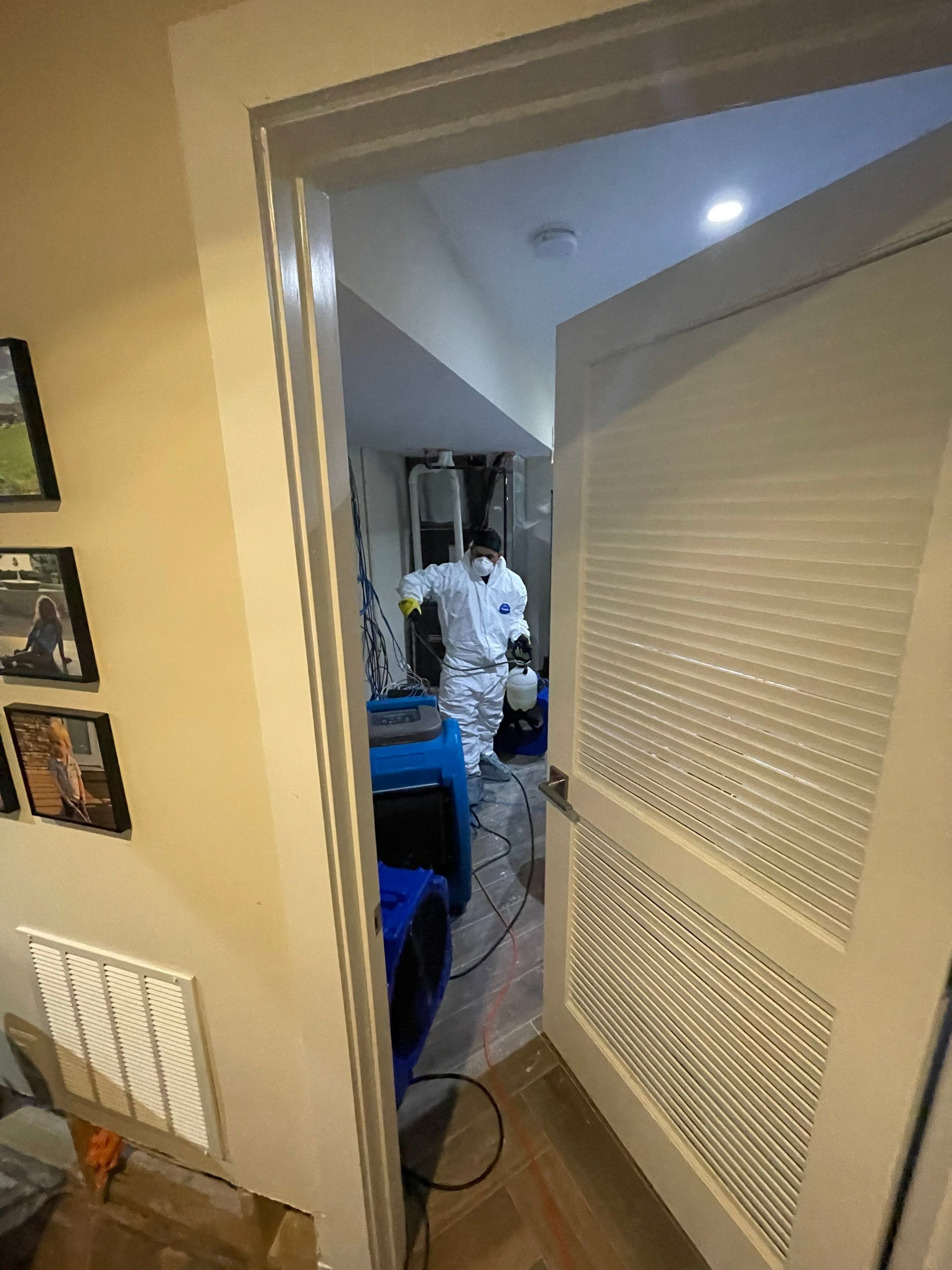
About this water damage restoration project
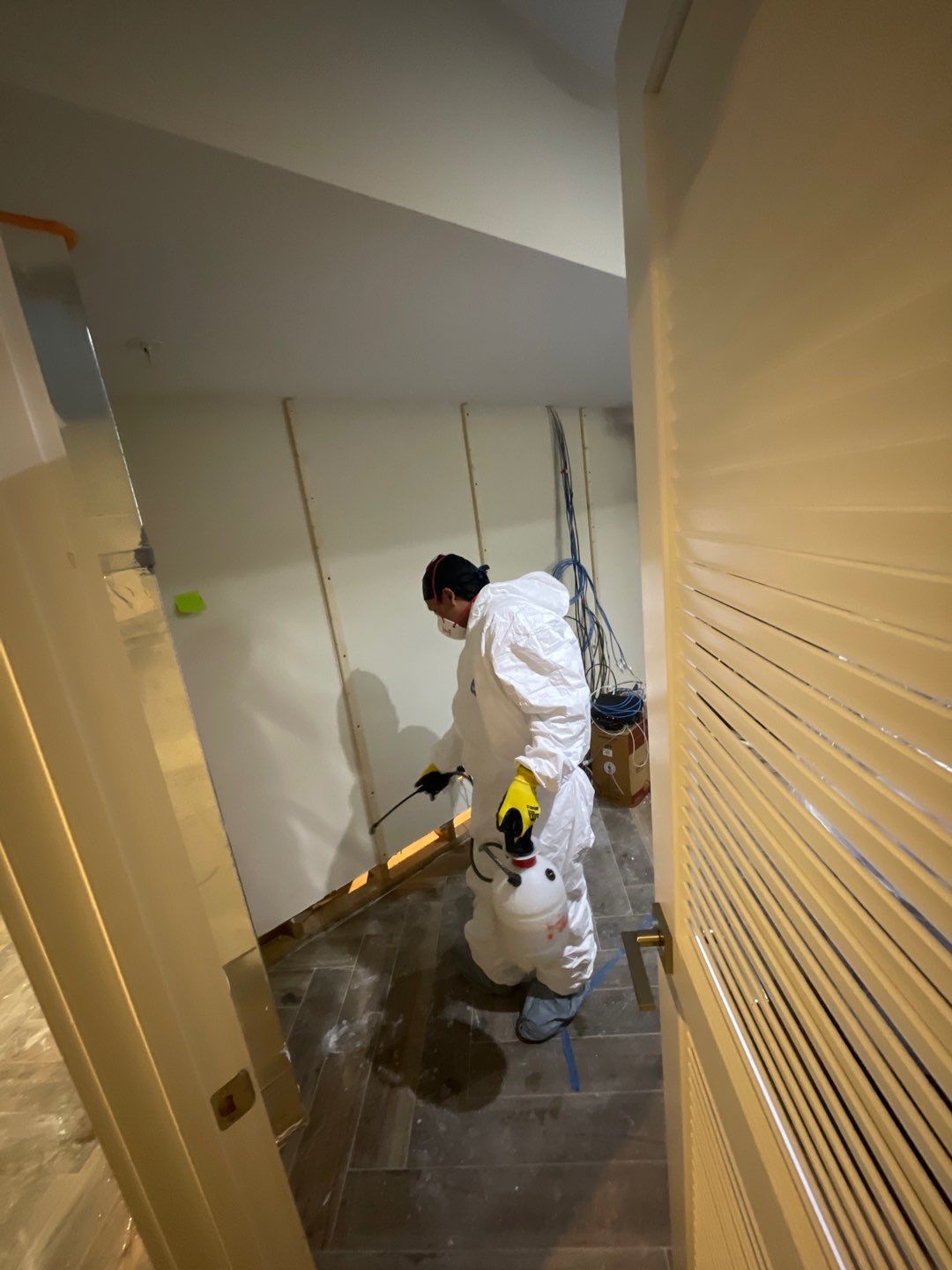
A major water leak in a Washington, DC residence—typical of the region's established single-family neighborhoods where aging supply lines can fail under the strain of hot, humid summers and winter freeze-thaw cycles—triggered mold growth that required immediate, methodical intervention. We contained the active leak, then conducted a full property assessment that documented damage across three floors and multiple affected walls.
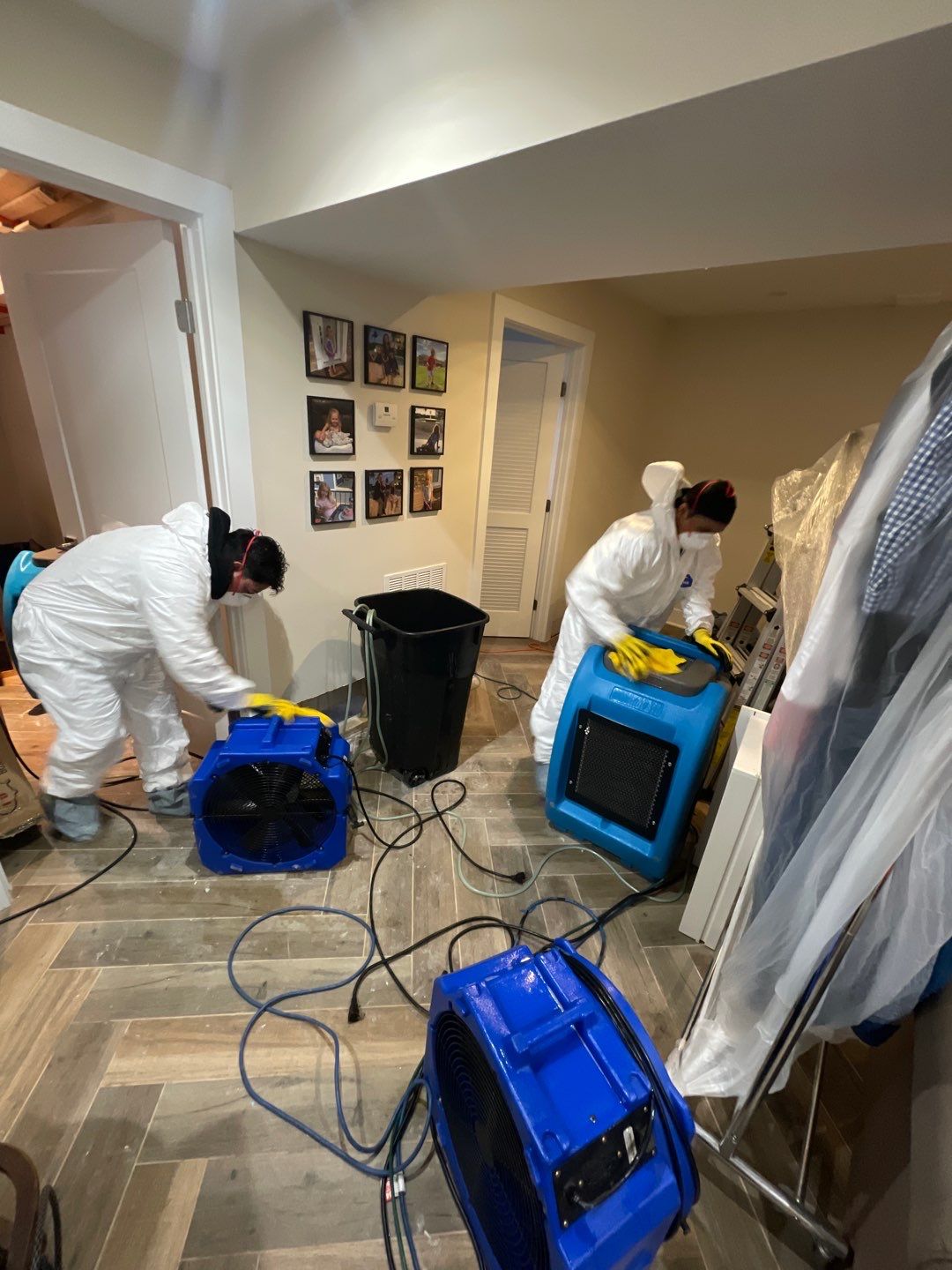
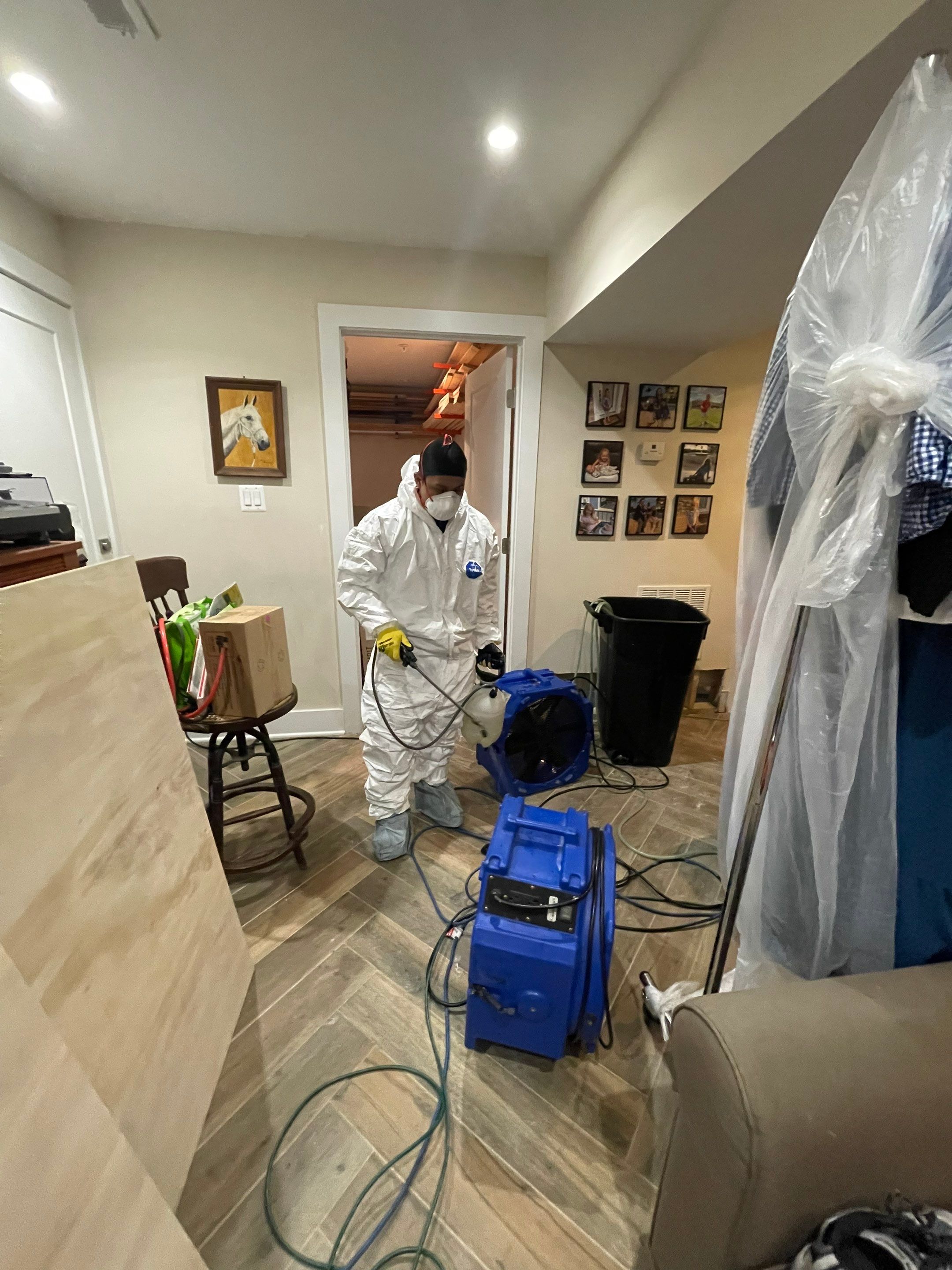
Our team deployed advanced water extraction and structural drying techniques to halt moisture migration, followed by targeted mold remediation to address contamination in line with IICRC S520 protocol. Once drying and remediation were complete, we repaired compromised structural elements and restored interior finishes to match the home's original design.
A final walkthrough confirmed that all affected areas had been returned to a safe, dry condition. The homeowner expressed satisfaction with both the thoroughness of the work and the outcome, noting peace of mind in knowing the property had been properly restored.
Frequently asked questions
How does water damage across three floors in a Washington, D.C. rowhouse complicate the restoration process?
Multi-floor water intrusion in D.C.'s historic rowhouses often follows shared plumbing risers or gravity flow through interconnected floor assemblies, requiring Restoration Doctor to trace moisture pathways vertically and contain each affected level independently. Our structural drying protocol addresses each floor's unique moisture load while coordinating access in tight urban layouts. This vertical scope demands thorough moisture mapping to ensure hidden cavities between floors dry completely before reconstruction begins.
What does mold remediation after standing-water extraction involve in a D.C. residential property?
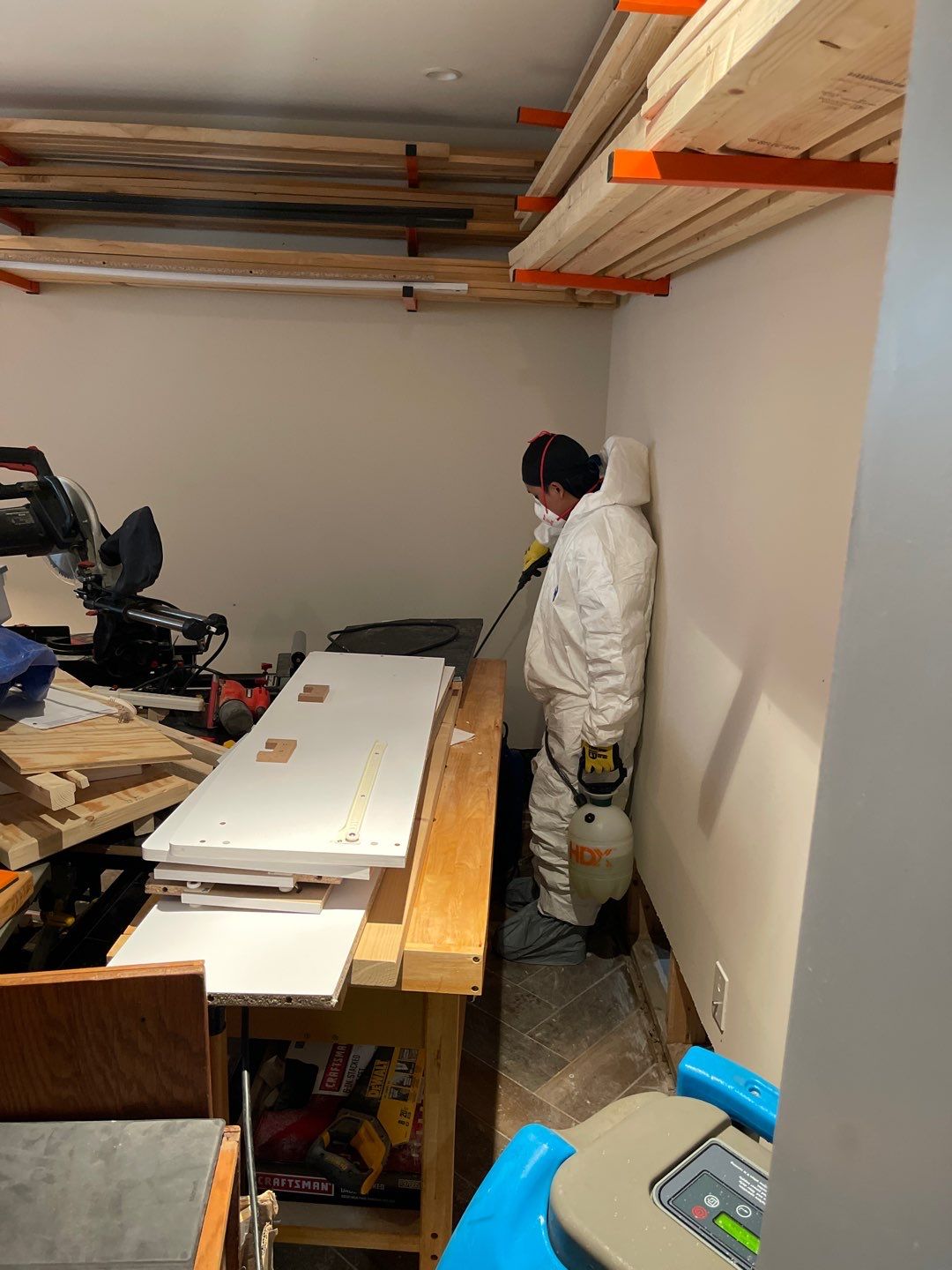
Following standing-water extraction in Washington, D.C., Restoration Doctor performs mold remediation under containment to prevent cross-contamination, removing affected materials that cannot be salvaged and treating surfaces with antimicrobial solutions. The district's humid Mid-Atlantic summers accelerate mold colonization on wet substrates, so remediation begins as soon as structural drying stabilizes moisture levels. Our work follows IICRC S520 principles to address both visible growth and underlying moisture sources that fed the original intrusion.
Why is flooring and carpet remediation necessary after a major leak in an urban D.C. home?
Carpet and flooring materials in Washington, D.C. properties absorb standing water rapidly and retain moisture against subfloors, creating ideal conditions for microbial growth and subfloor delamination. Restoration Doctor extracts embedded water, assesses whether materials can dry in place or require removal, and coordinates replacement to match the home's original finishes. In dense urban neighborhoods where properties share walls, prompt flooring remediation also prevents moisture migration into adjacent structural cavities.
How long does water damage restoration typically take for a three-floor residential loss in Washington, D.C.?
A multi-floor water damage restoration in Washington, D.C. typically requires one to three weeks depending on the extent of structural drying needed, the scope of mold remediation, and coordination of finish repairs across affected levels. Restoration Doctor monitors moisture levels daily with calibrated meters until all materials reach dry standard, then proceeds with sanitization and reconstruction. Timeline variability reflects the specific materials involved and the complexity of matching historic finishes common in the district's housing stock.
What role does sanitizing play after water intrusion and mold remediation in a D.C. home?
Sanitizing after water intrusion and mold remediation in Washington, D.C. eliminates residual contaminants introduced by the leak and ensures affected surfaces are safe for occupancy and reconstruction. Restoration Doctor applies EPA-registered antimicrobial treatments to all impacted structural and finish surfaces following extraction and drying, targeting bacteria and organic residues that standing water deposits. This step is critical in urban environments where aging infrastructure can introduce sewer backflow or contaminated stormwater into living spaces.
Explore more restoration work
All projects in Washington · Water Damage Restoration in Washington
Water, fire, or mold damage in Washington?
Restoration Doctor responds 24/7 across Washington and Northern Virginia. Free assessment and transparent, insurance-friendly estimates — no obligation.
See our Water Damage Restoration services at restorationdoctors.com →