Comprehensive Commercial Flooding Restoration
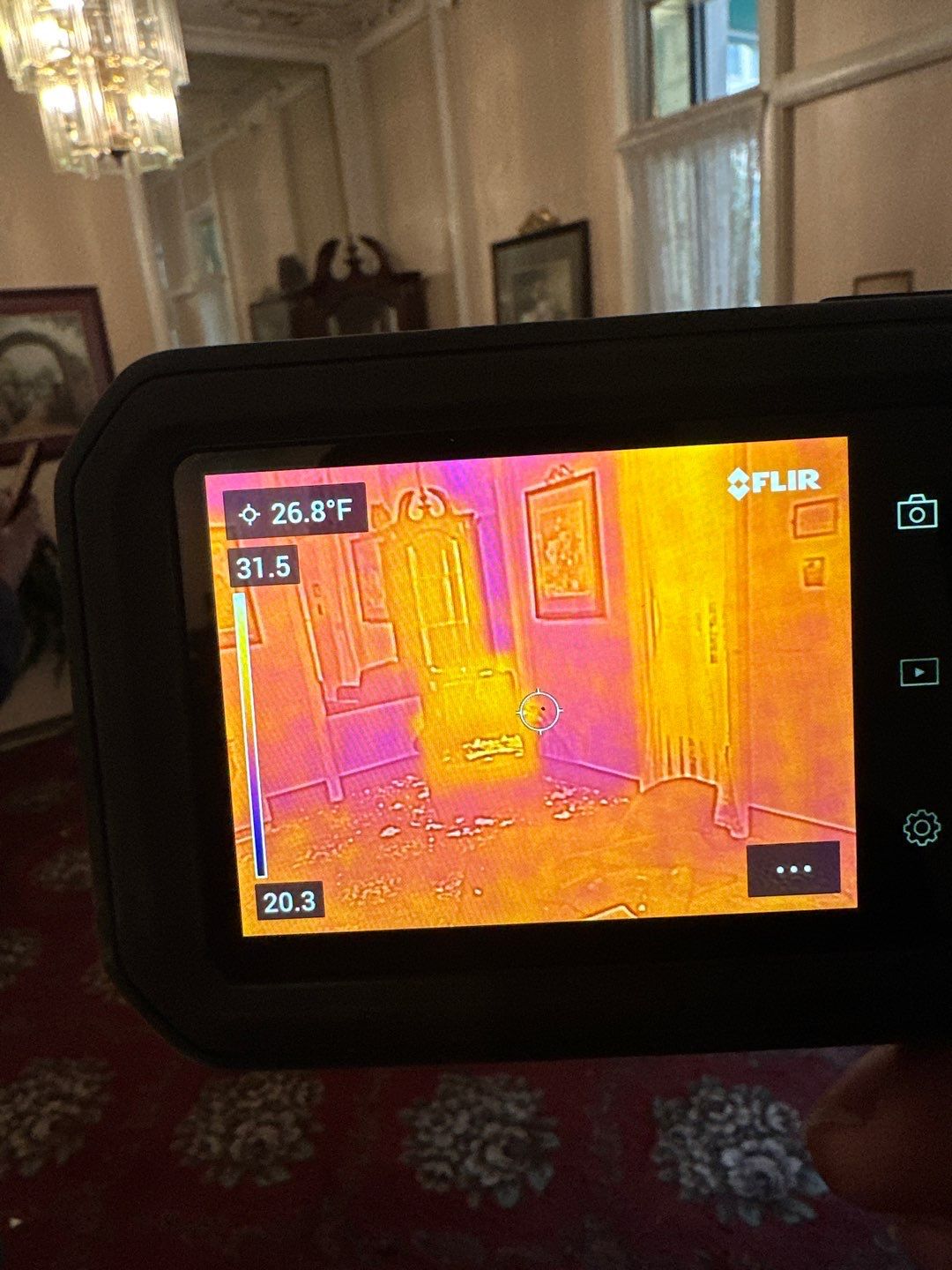
About this water damage restoration project
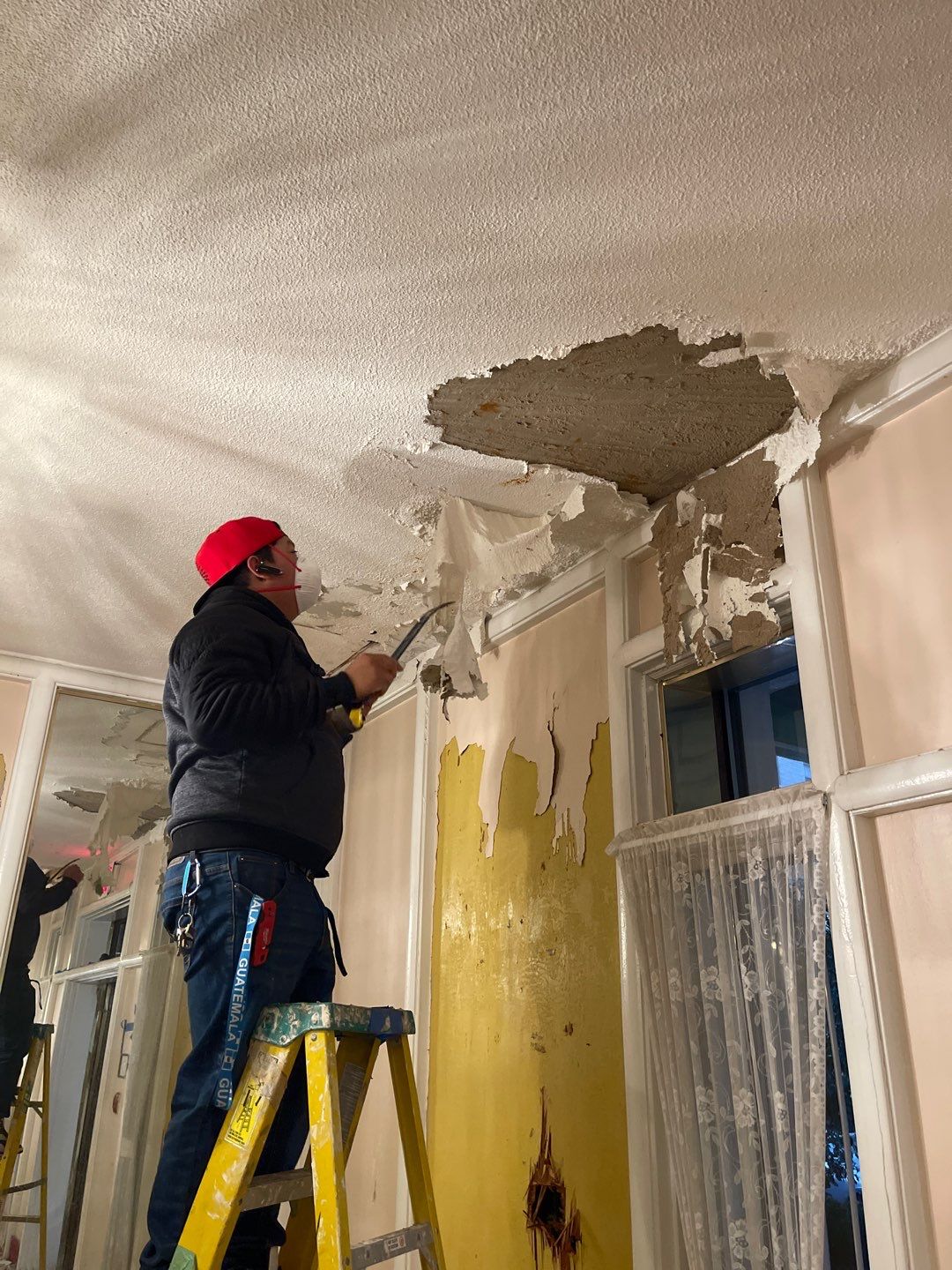
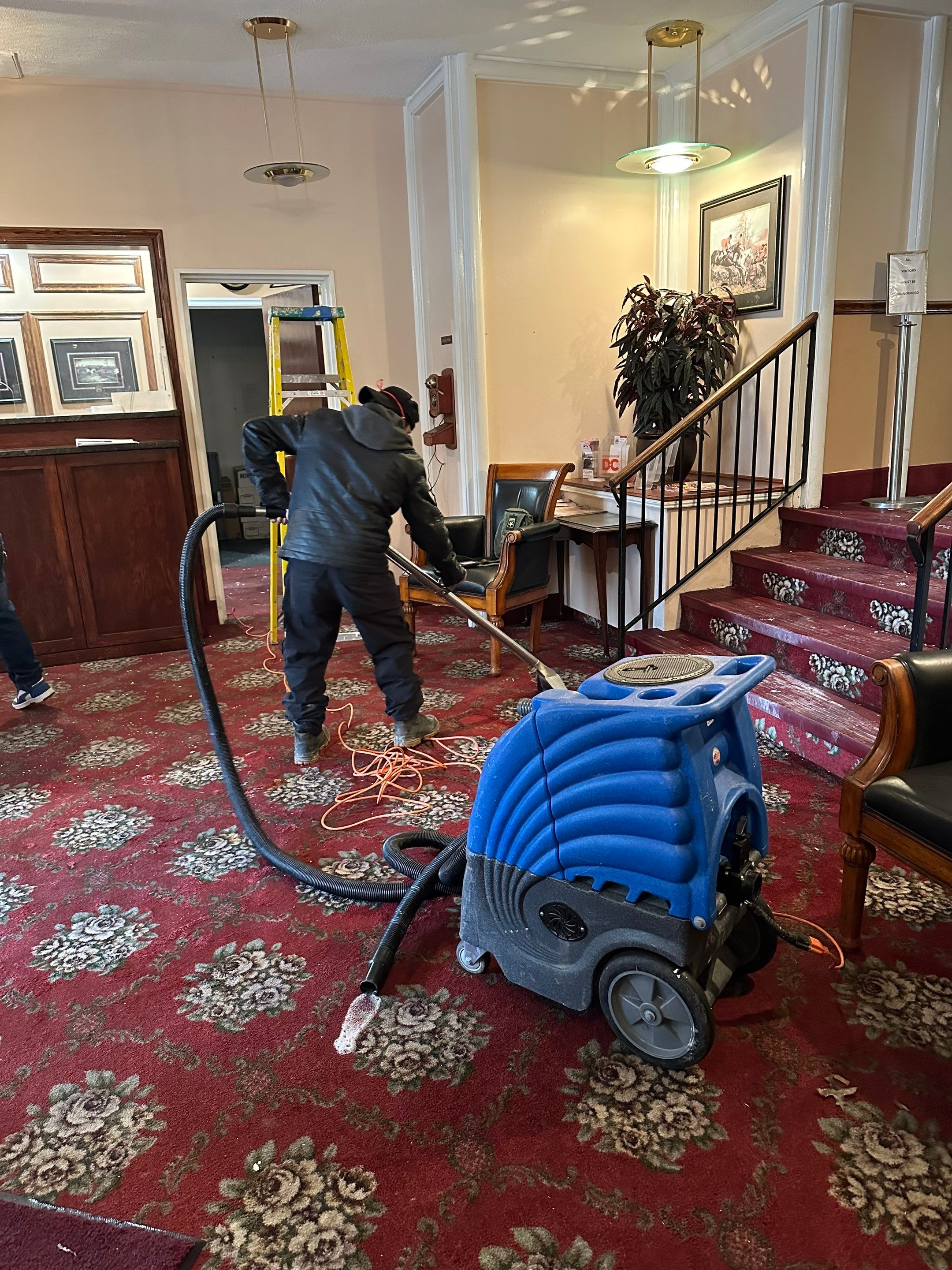
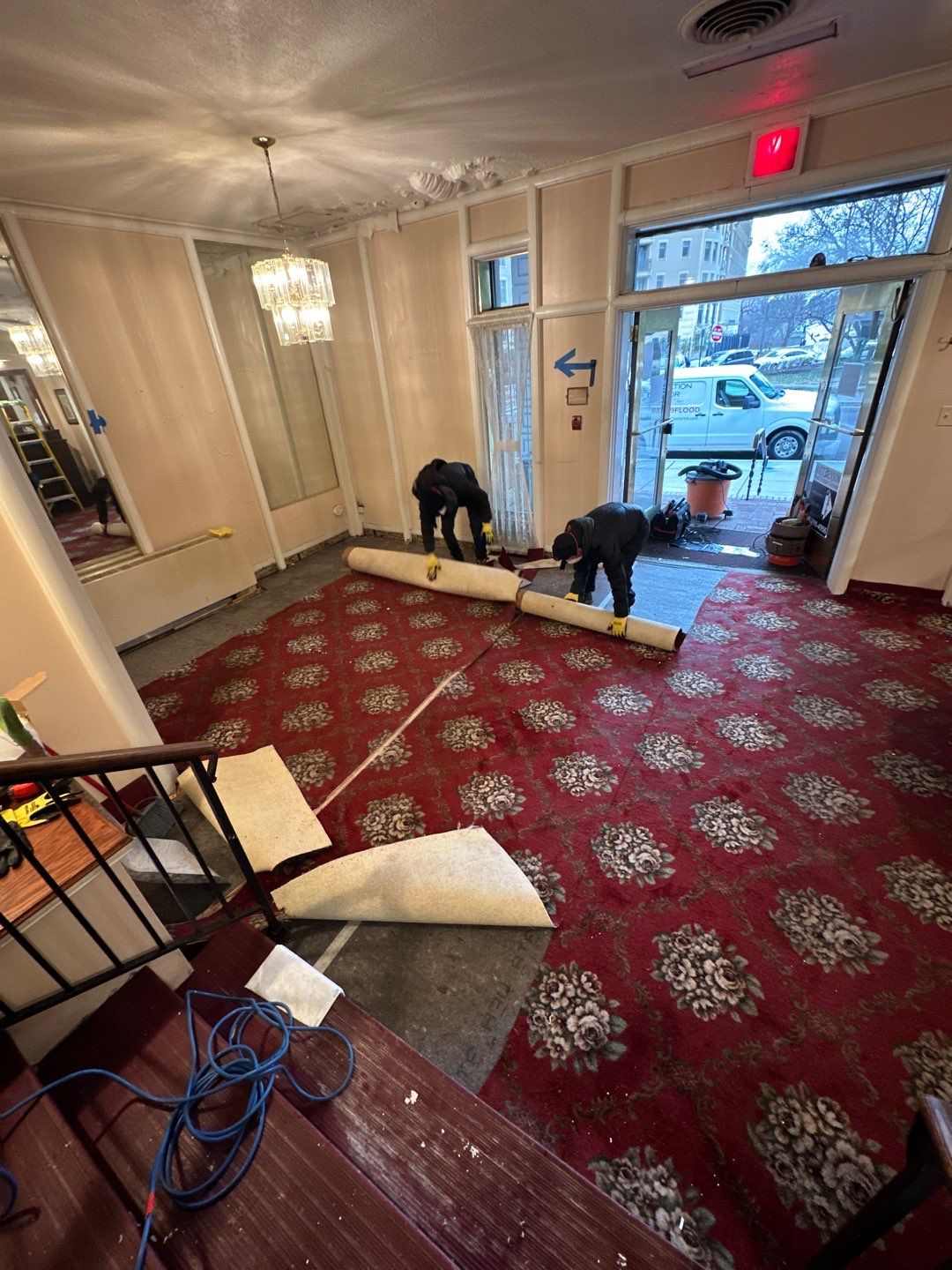
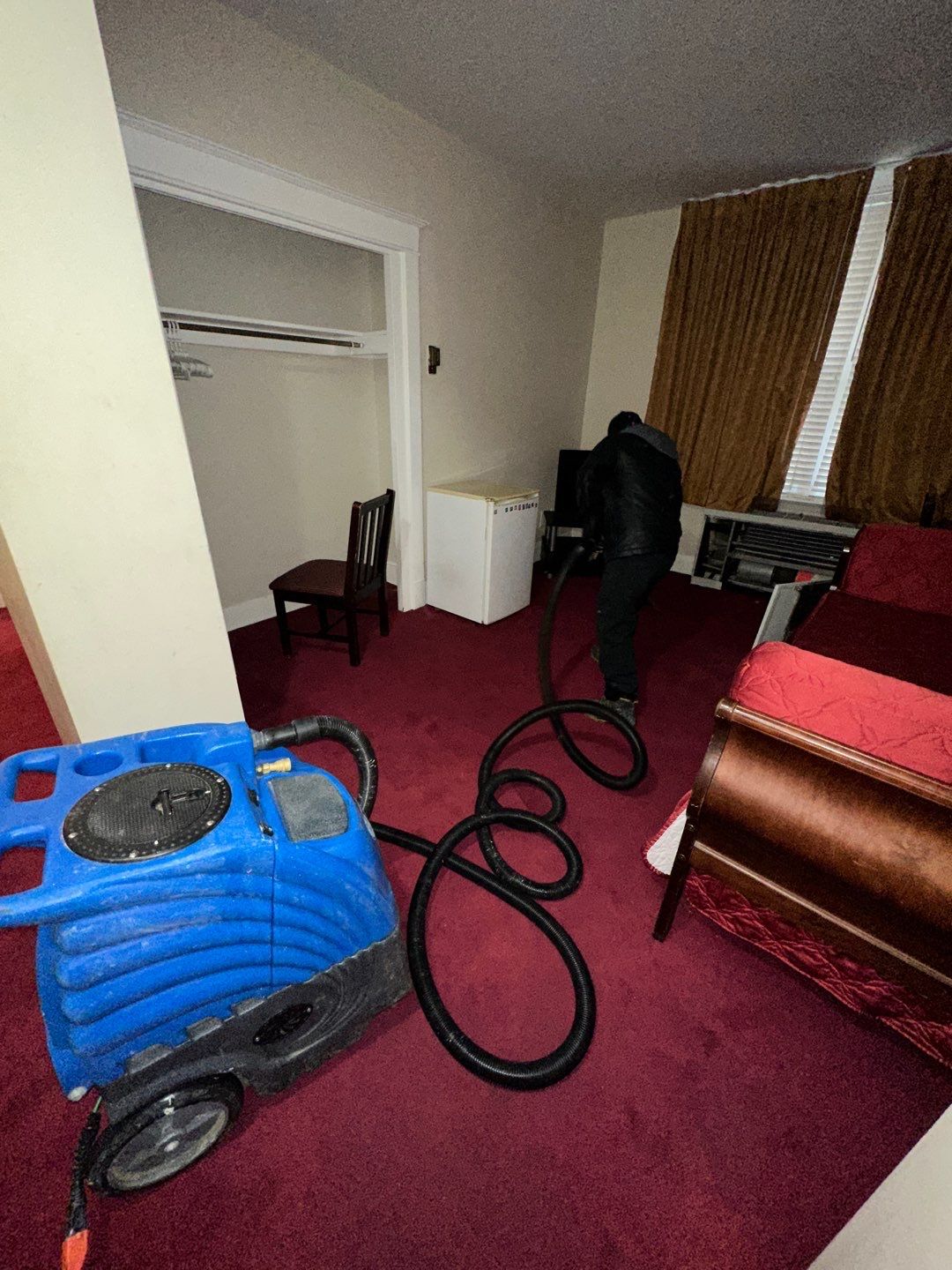
When severe roof damage during a heavy Mid-Atlantic rainstorm allowed water to pour into a Washington, DC property, the humid summer conditions quickly escalated the loss from standing water to active mold growth in the lobby and several adjoining rooms. Our team arrived to find contaminated materials already compromised, requiring immediate extraction and containment to prevent further spread through the building's interior.
We began by extracting standing water from all affected areas, then deployed industrial dehumidifiers to bring moisture levels down to safe thresholds. Once drying was underway, we identified and removed all contaminated materials—drywall, insulation, and flooring that had absorbed water and supported mold colonization. This phase followed IICRC S520 protocols for safe removal and disposal, ensuring no cross-contamination to unaffected spaces.
With the structure dried and cleared of compromised materials, we completed the necessary repairs to restore the lobby and rooms to their pre-loss condition. Every surface was sanitized, and the space was returned to a safe, occupiable state. The client noted their satisfaction with both the thoroughness of the work and the care taken to minimize disruption throughout the restoration process.
Frequently asked questions
How does roof damage lead to mold growth in Washington, D.C. buildings?
In Washington's hot, humid Mid-Atlantic summers, water intrusion from compromised roofs creates ideal conditions for mold colonization, especially in dense urban structures with limited ventilation. When Restoration Doctor responded to this lobby flooding and mold remediation project, we extracted standing water, deployed industrial dehumidifiers to bring moisture levels down, and removed contaminated materials before mold could spread further. Roof-related water intrusion requires both immediate drying and thorough sanitizing to prevent recurrence in D.C.'s humid climate.
What does standing-water extraction involve after flooding in a D.C. lobby?
Standing-water extraction uses commercial pumps and extractors to remove pooled water from affected floors and furnishings before structural damage worsens. For this Washington, D.C. project, Restoration Doctor's team quickly assessed the lobby and impacted rooms, extracted the standing water, and then transitioned to dehumidification to dry hidden moisture in walls and subfloors. Rapid extraction is critical in urban buildings where water can migrate through shared walls and compromise adjacent spaces.
Why is sanitizing necessary after water damage and mold remediation in Washington?
Water intrusion often carries contaminants from roof runoff, urban stormwater, or compromised plumbing, and mold itself releases spores and mycotoxins that require professional sanitizing. Restoration Doctor applied antimicrobial treatments after removing contaminated materials in this D.C. building, ensuring all affected surfaces were safe for occupants. Sanitizing is a standard final step in mold remediation to address both visible growth and microscopic residue left behind.
How long does dehumidification take after severe flooding in a Washington, D.C. building?
Drying timelines depend on the volume of water, affected materials, and ambient humidity, but most projects in D.C.'s dense housing stock require several days of continuous dehumidification to reach safe moisture levels. For this lobby and multi-room flooding, Restoration Doctor used industrial dehumidifiers and monitored drying progress with moisture meters until all structural elements met industry standards. Washington's humid summers can slow evaporation, so professional equipment and daily monitoring are essential to prevent secondary mold growth.
Does insurance typically cover mold remediation following water intrusion in Washington?
Coverage varies by policy, but mold remediation is often covered if it results from a sudden, accidental water event like roof damage or a burst pipe, rather than long-term neglect. Restoration Doctor works directly with insurance adjusters in Washington, D.C. to document the scope—standing-water extraction, dehumidification, contaminated-material removal, and sanitizing—so homeowners and property managers receive appropriate claim support. We recommend reviewing your policy's mold exclusions and contacting your carrier promptly after any water intrusion.
Explore more restoration work
All projects in Washington · Water Damage Restoration in Washington
Water, fire, or mold damage in Washington?
Restoration Doctor responds 24/7 across Washington and Northern Virginia. Free assessment and transparent, insurance-friendly estimates — no obligation.
See our Water Damage Restoration services at restorationdoctors.com →