Commercial Water Damage from Gutter Overflow
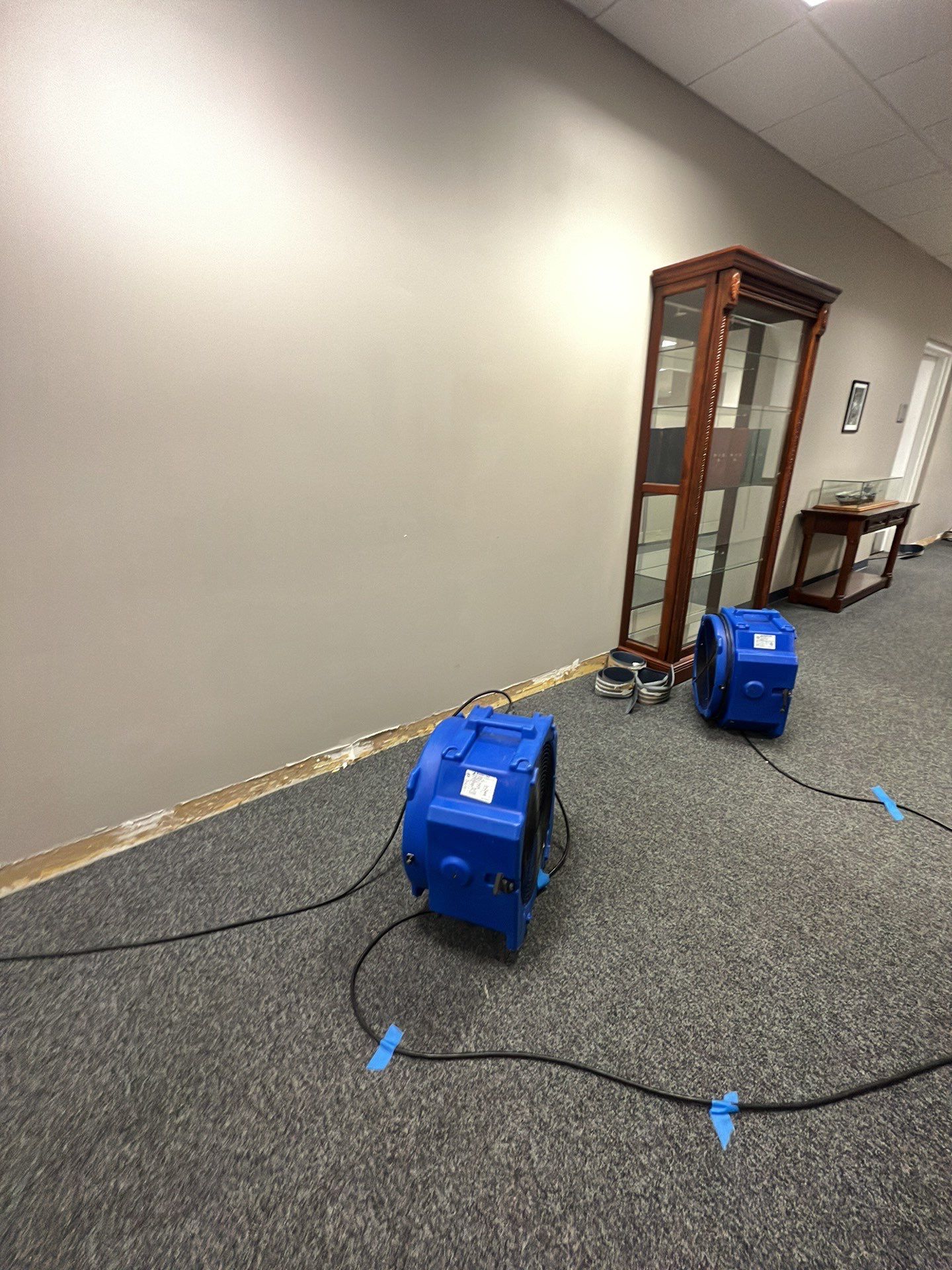
About this water damage restoration project
A commercial property in Washington, DC confronted a water intrusion driven by the same Mid-Atlantic storm patterns that routinely test aging gutter systems across the region—clogged downspouts had diverted runoff directly into the building envelope, saturating ceilings, walls, and flooring. The loss began overhead, where pooled water found every seam, then migrated downward through finishes until standing water collected at grade.
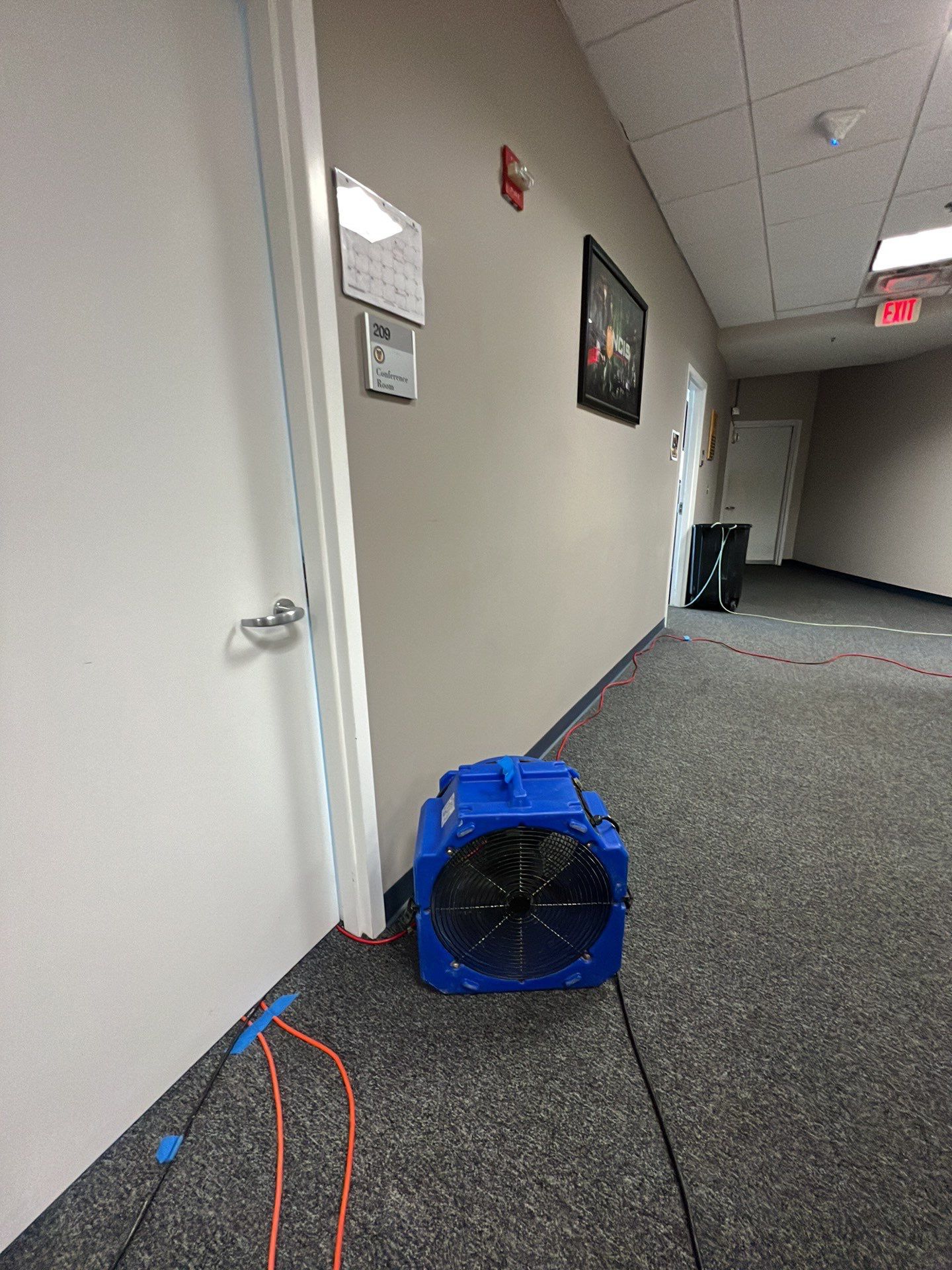
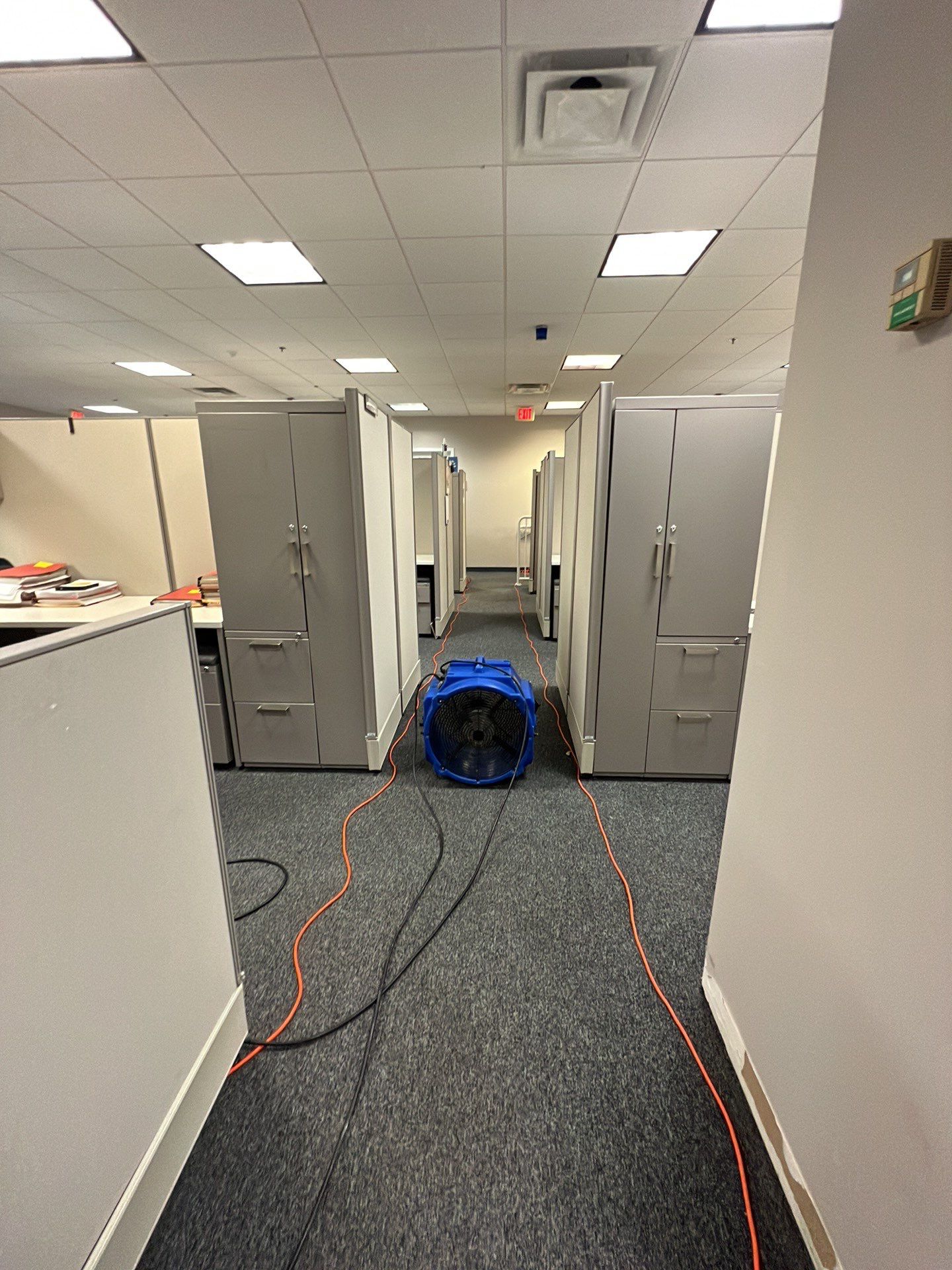
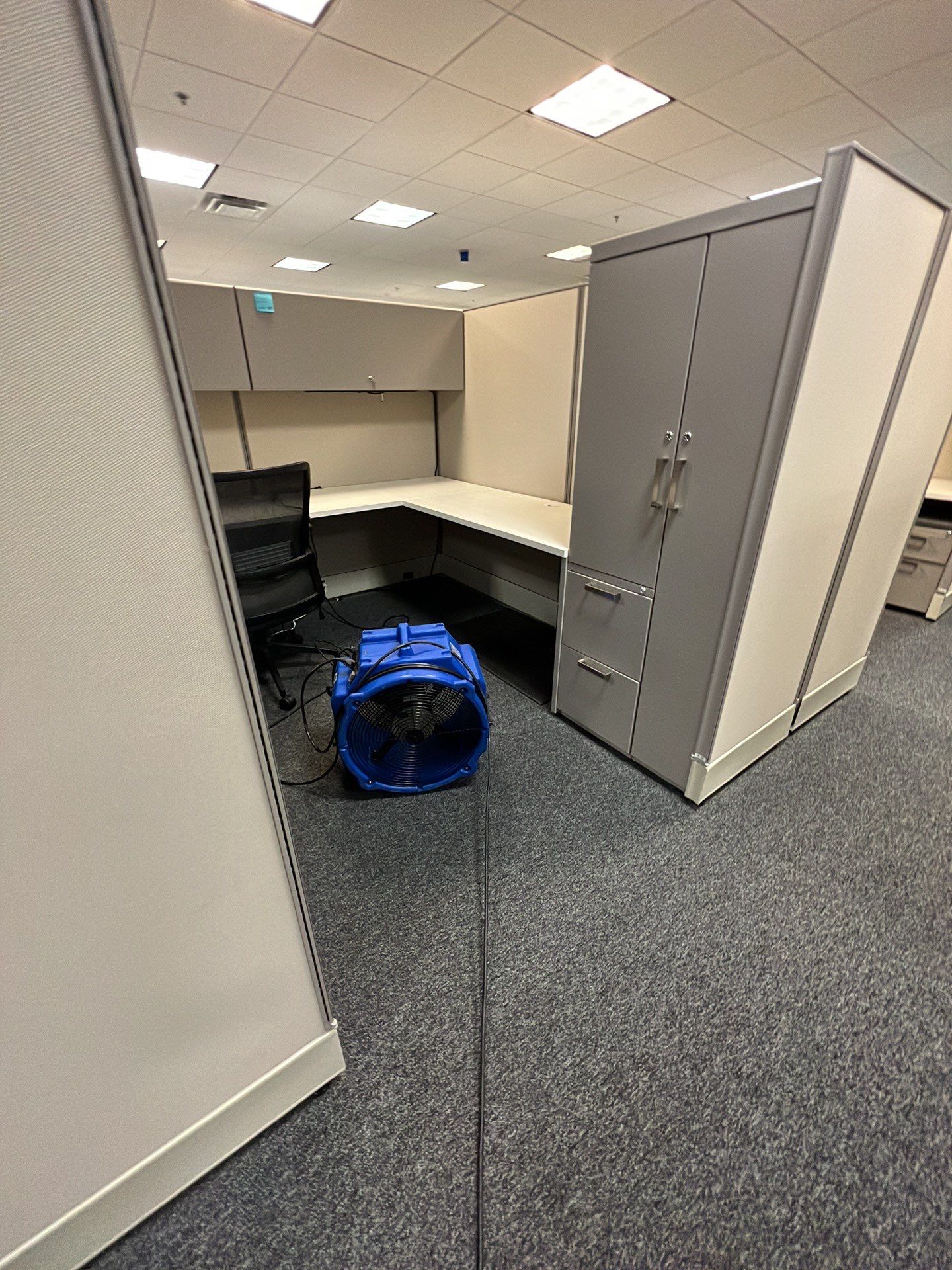
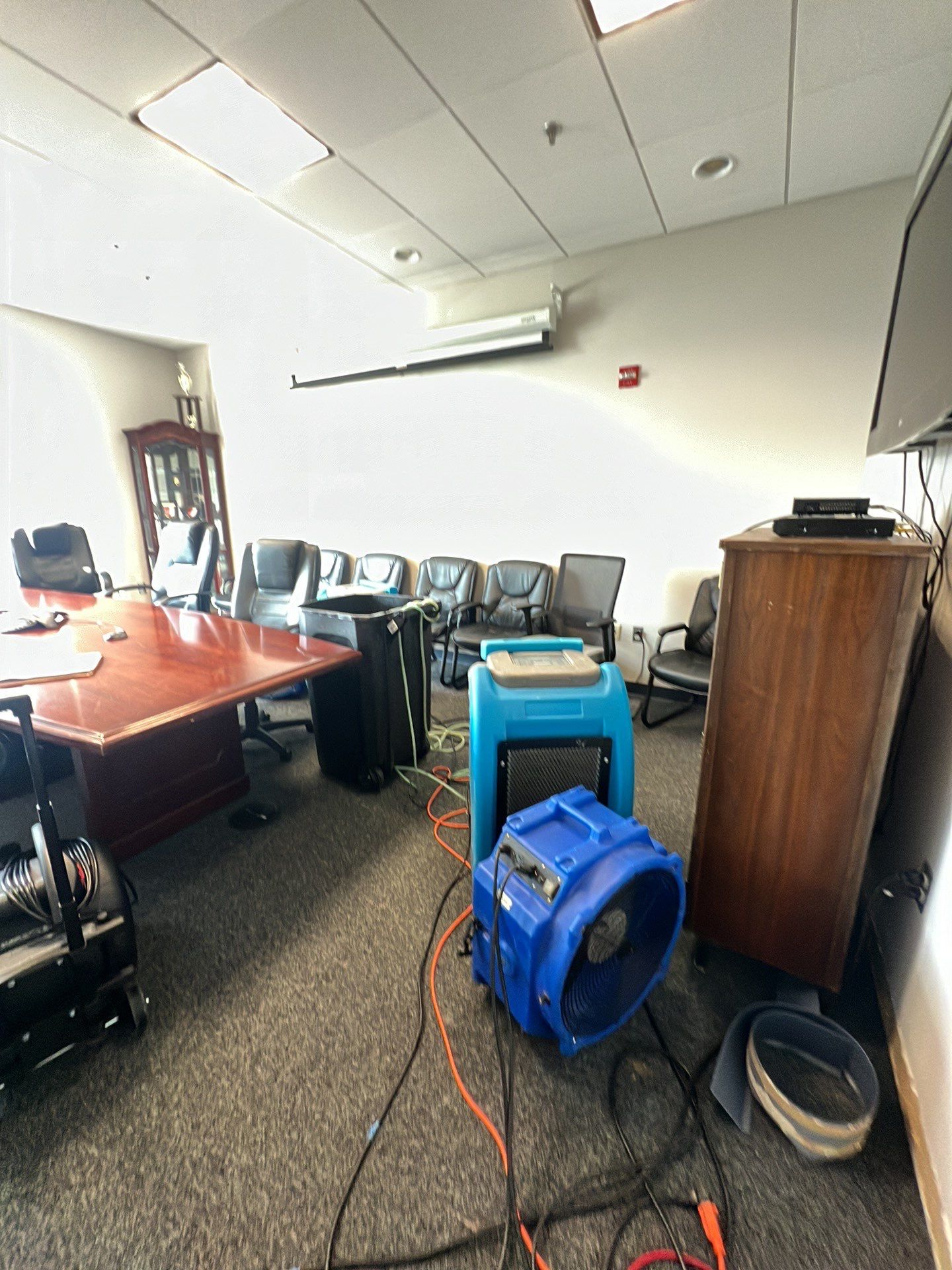
We cleared the obstruction and repaired the compromised gutter assembly to halt further inflow, then deployed truck-mounted extractors to remove standing water from affected rooms. Industrial dehumidifiers established the controlled environment necessary for structural drying, a process guided by IICRC S500 protocol to bring materials back within acceptable moisture thresholds. Thermal imaging confirmed hidden moisture pockets behind wall cavities; compromised drywall and insulation were removed and replaced where saturation had exceeded salvage limits.
Because the loss description noted mold following the intrusion, we applied EPA-registered antimicrobial treatments to all affected surfaces after drying was verified complete, then rebuilt the interior to its original specification. The property returned to full operational use with no lingering moisture risk, and the client's review reflected confidence in both the technical work and the timeline.
Frequently asked questions
How does Washington, DC's humid climate affect water damage and mold risk after a leak?
The Mid-Atlantic's hot, humid summers create ideal conditions for mold colonization when water intrusion occurs, particularly in the region's mix of established and newer construction. Restoration Doctor's water damage restoration in Washington addresses this by pairing extraction and structural drying with antimicrobial treatments to interrupt mold growth before it takes hold. Dehumidification continues until materials reach equilibrium moisture content, preventing secondary damage even during the humid season.
What does standing-water extraction involve in a commercial building?
For this Washington water damage restoration, Restoration Doctor used truck-mounted extractors to remove standing water from flooring and carpet, then deployed industrial dehumidifiers to pull residual moisture from the structure. Extraction addresses the visible water; dehumidification targets moisture absorbed into subflooring, drywall, and framing that would otherwise fuel mold or cause warping. The process continues until moisture mapping confirms the affected areas have returned to dry standard.
Can ceiling and wall leaks from clogged gutters cause long-term structural damage?
Yes—water that enters through compromised gutters often migrates behind wall cavities and ceiling assemblies, saturating insulation and framing before visible signs appear. Restoration Doctor's scope for this Washington property included ceiling repair and assessment of all compromised materials, replacing sections where prolonged saturation had degraded structural integrity. Clearing the gutter obstruction and repairing the system prevents recurrence, but the hidden damage from the initial intrusion still requires professional remediation.
How long does a commercial water damage restoration typically take?
Timelines depend on the extent of saturation, the materials affected, and ambient conditions during drying. For a job like this Washington restoration—standing water, ceiling and flooring damage, antimicrobial application—the extraction and initial setup happen within the first day, while dehumidification and structural drying often continue for several days until moisture readings stabilize. Restoration Doctor monitors progress with daily checks and adjusts equipment as needed to meet the building's operational schedule.
Why apply antimicrobial treatment if mold isn't visible yet?
Water intrusion that reaches porous materials like drywall, insulation, and carpet creates a hospitable environment for mold spores already present in the air, particularly in humid climates like the Mid-Atlantic. Restoration Doctor applied antimicrobial treatments to this Washington property as a preventive measure after extraction and drying, targeting surfaces that had been saturated to disrupt colonization before growth becomes visible. It's a standard step in water damage restoration when conditions favor microbial amplification.
Explore more restoration work
All projects in Washington · Water Damage Restoration in Washington
Water, fire, or mold damage in Washington?
Restoration Doctor responds 24/7 across Washington and Northern Virginia. Free assessment and transparent, insurance-friendly estimates — no obligation.
See our Water Damage Restoration services at restorationdoctors.com →