Burst Water Pipe
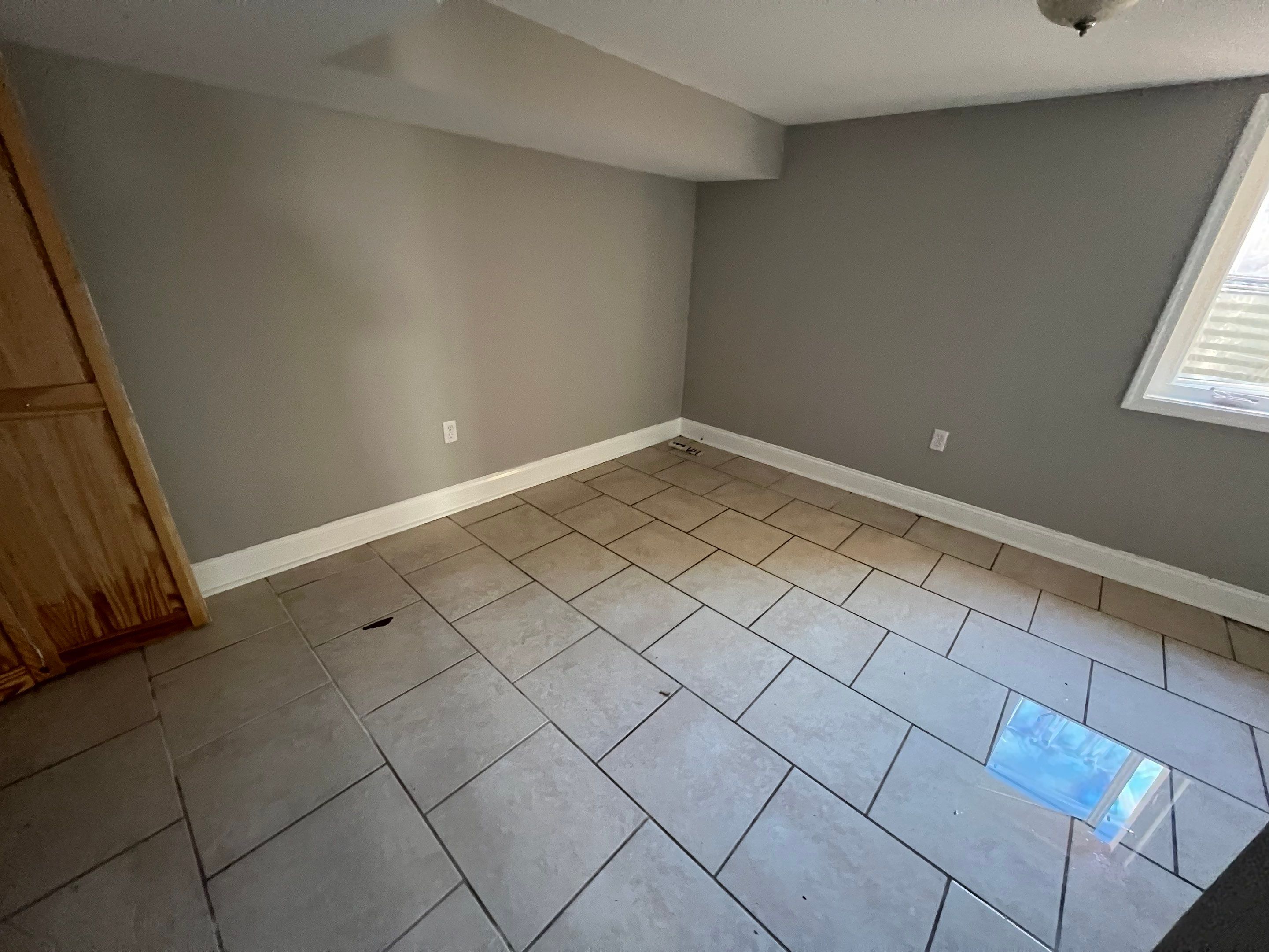
About this water damage restoration project
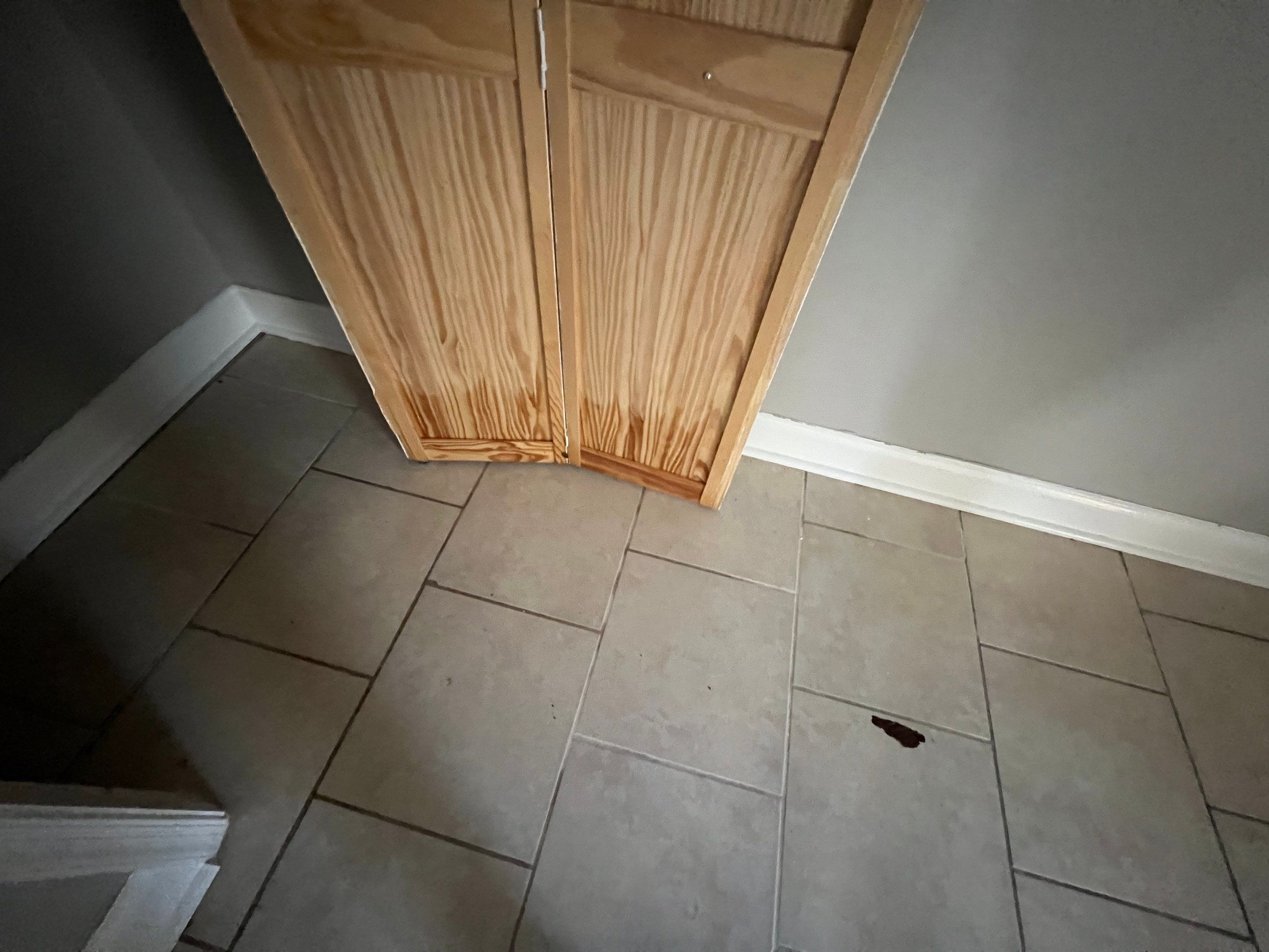
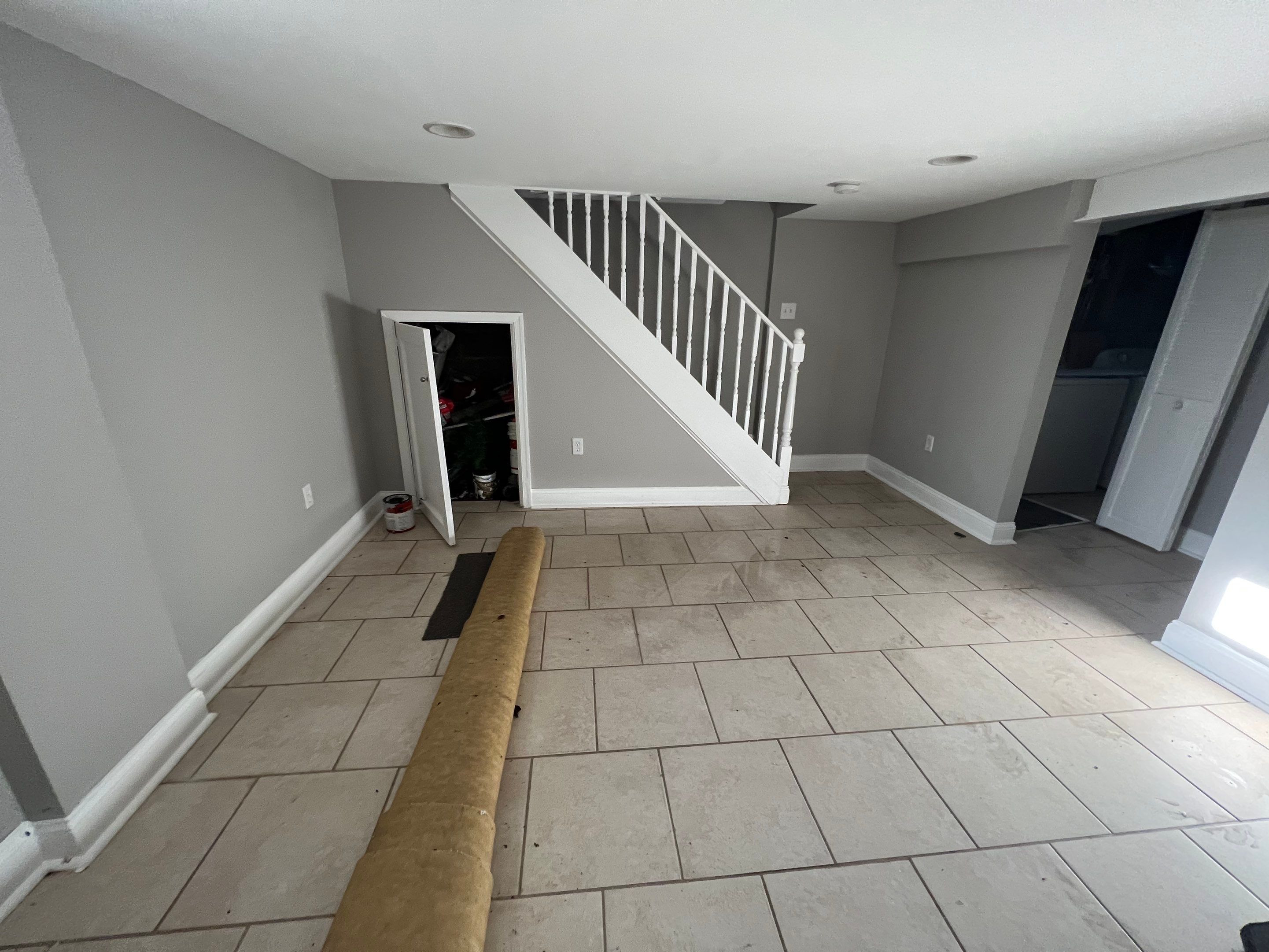
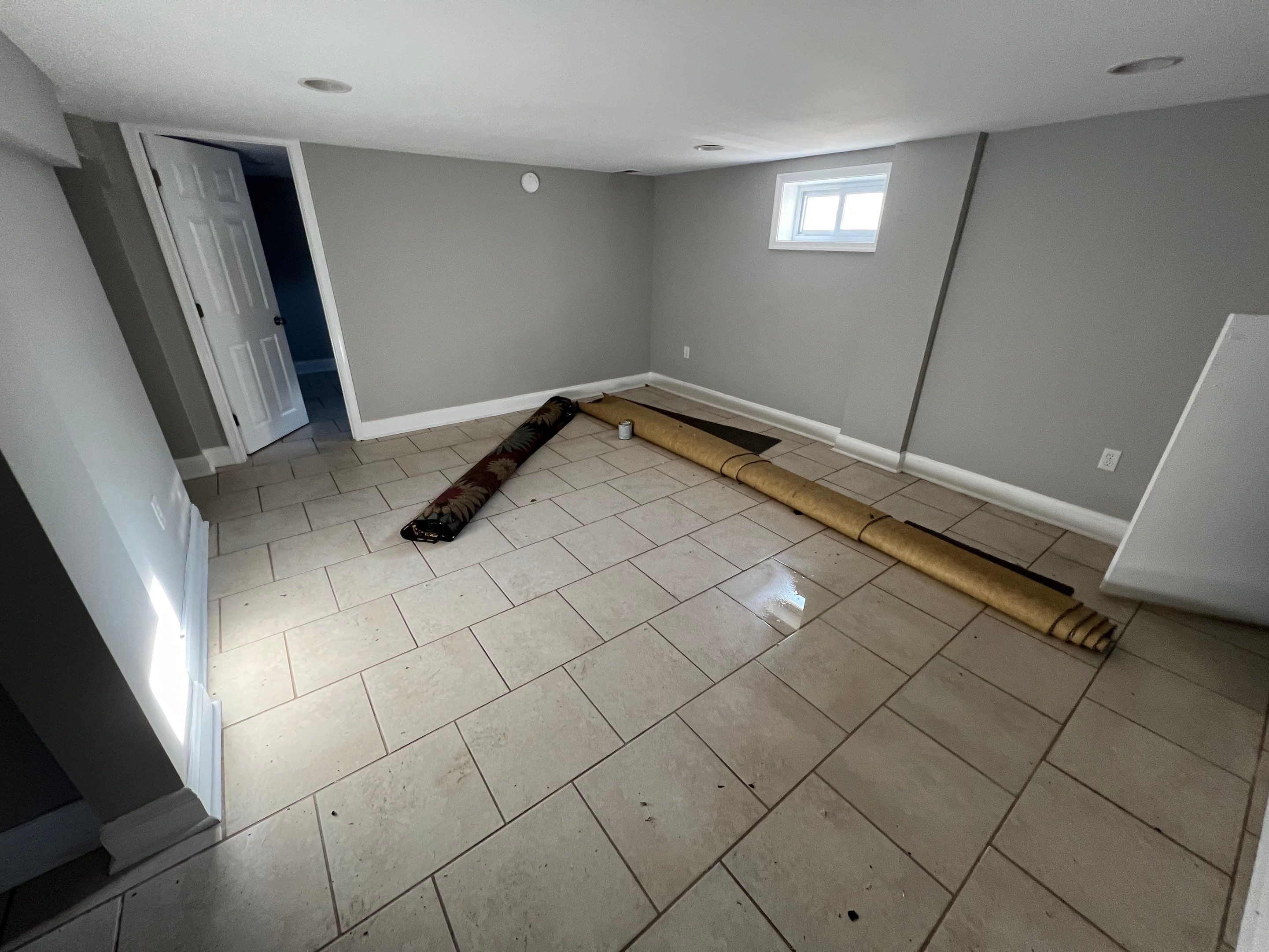
A burst supply pipe in a Washington, DC basement brought the kind of rapid flooding that challenges older plumbing throughout the Mid-Atlantic, where freeze-thaw cycles stress aging infrastructure in the region's established single-family neighborhoods. The break released enough water to require immediate extraction before standing moisture could migrate into porous foundation materials.
Our crew arrived to find the basement inundated. We pulled the standing water with truck-mount extractors, then built containment barriers to isolate affected zones from the upper floors. Waterlogged drywall and insulation came out to eliminate hidden moisture reservoirs—the step that determines whether mold takes hold later. Industrial dehumidifiers and air movers ran continuously, dropping relative humidity below the threshold where microbial growth can establish, consistent with IICRC S500 protocols for Category 2 water intrusion.
Once moisture readings confirmed the structure had dried to baseline, we sanitized all exposed surfaces and coordinated the pipe repair with a licensed plumber. The basement was returned to pre-loss condition, and we walked the homeowner through preventative measures—insulation for vulnerable runs, a leak-detection system—to reduce the risk of a repeat event. The client's review reflected confidence that the work had been thorough and the space genuinely safe to reoccupy.
Frequently asked questions
What containment steps does Restoration Doctor take during a water-and-mold job in Washington, DC?
For this basement flooding in Washington, DC, Restoration Doctor built a physical containment barrier to isolate the affected area before extraction and drying began. Containment prevents mold spores from migrating into clean zones during removal of saturated materials, a critical step in the region's humid Mid-Atlantic climate where airborne contamination spreads quickly. The barrier stayed in place through structural drying and sanitization, ensuring the rest of the home remained protected throughout the restoration.
How does Restoration Doctor dry out a flooded basement after standing water is removed?
After extracting standing water from this Washington, DC basement, Restoration Doctor deployed industrial-grade dehumidifiers and air movers to pull moisture from structural materials—subfloors, wall cavities, and concrete. Drying continued until moisture readings returned to normal for the material type, preventing the secondary mold growth that often follows water intrusion in the region's older housing stock. The process addresses both visible water and trapped moisture that standard ventilation cannot reach.
Why does a burst pipe in a DC-area basement often lead to mold problems?
In the Mid-Atlantic's hot, humid summers, a burst pipe flooding a basement creates ideal mold conditions: standing water, organic materials like drywall and wood framing, and elevated indoor humidity. Restoration Doctor's response to this Washington, DC job included immediate extraction and dehumidification specifically to interrupt that timeline, removing the moisture source before colonies could establish in porous materials. Without professional drying, basements in the region's established neighborhoods stay damp long enough for mold to take hold even after visible water is gone.
What does sanitization involve after water damage and mold exposure?
For this job, Restoration Doctor applied antimicrobial treatments to all affected surfaces after drying was complete, addressing both residual contamination from the floodwater and mold spores released during material removal. Sanitization kills remaining microbes on structural surfaces and helps prevent recolonization, a standard final step before reconstruction can safely begin. The process ensures the basement environment is safe for occupancy and future finishing work.
How quickly should a homeowner call for water damage restoration after a pipe bursts?
Restoration Doctor recommends calling immediately—this Washington, DC homeowner's urgent response allowed us to begin extraction and containment the same day, limiting damage spread. Delayed action in the region's humid climate means moisture migrates deeper into framing and subfloors, expanding both the drying timeline and the risk of mold development. Early professional intervention keeps a plumbing failure from becoming a multi-room reconstruction.
Explore more restoration work
All projects in Washington · Water Damage Restoration in Washington
Water, fire, or mold damage in Washington?
Restoration Doctor responds 24/7 across Washington and Northern Virginia. Free assessment and transparent, insurance-friendly estimates — no obligation.
See our Water Damage Restoration services at restorationdoctors.com →