Bedroom Water Damage from Loose Vent
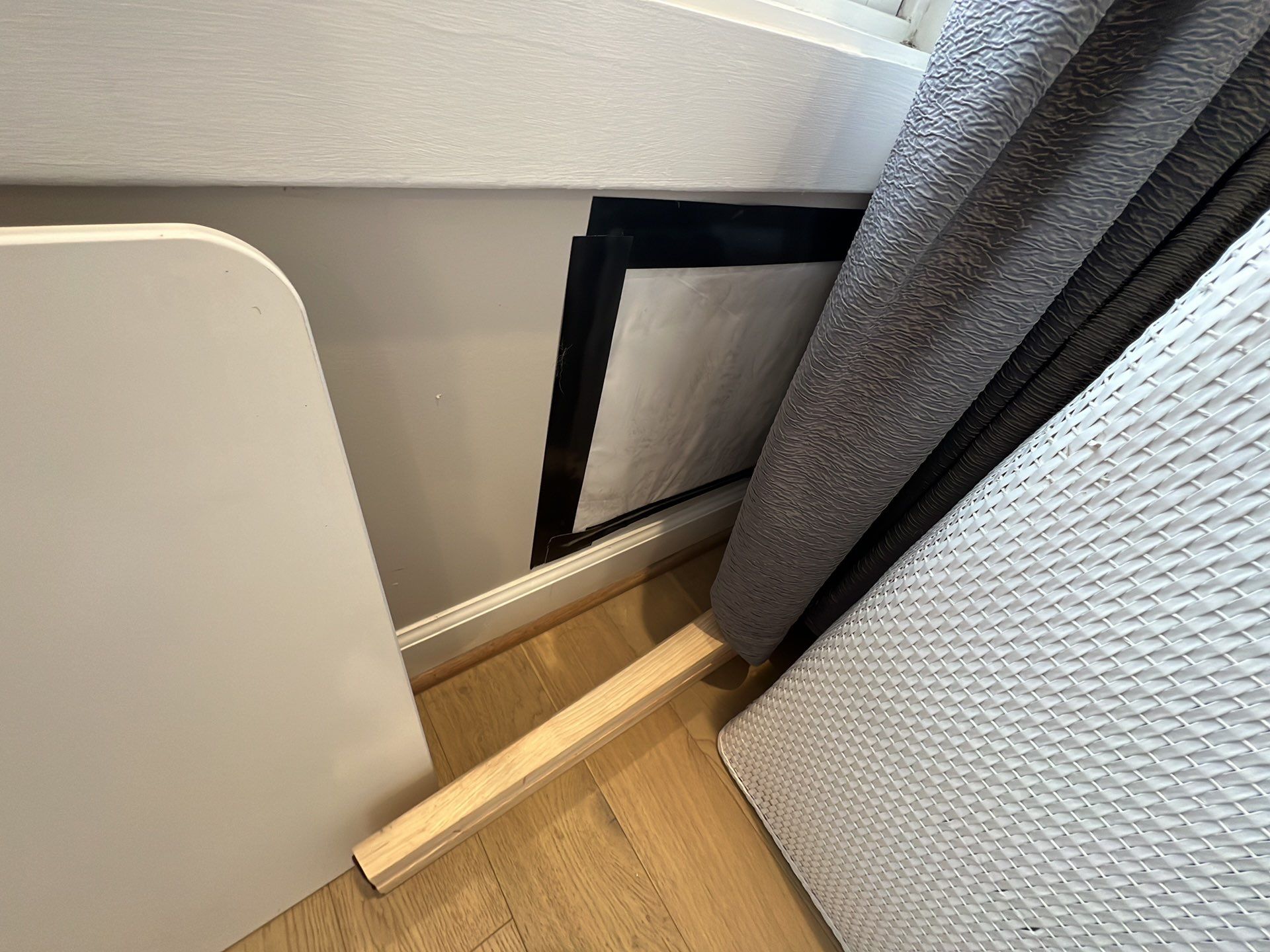
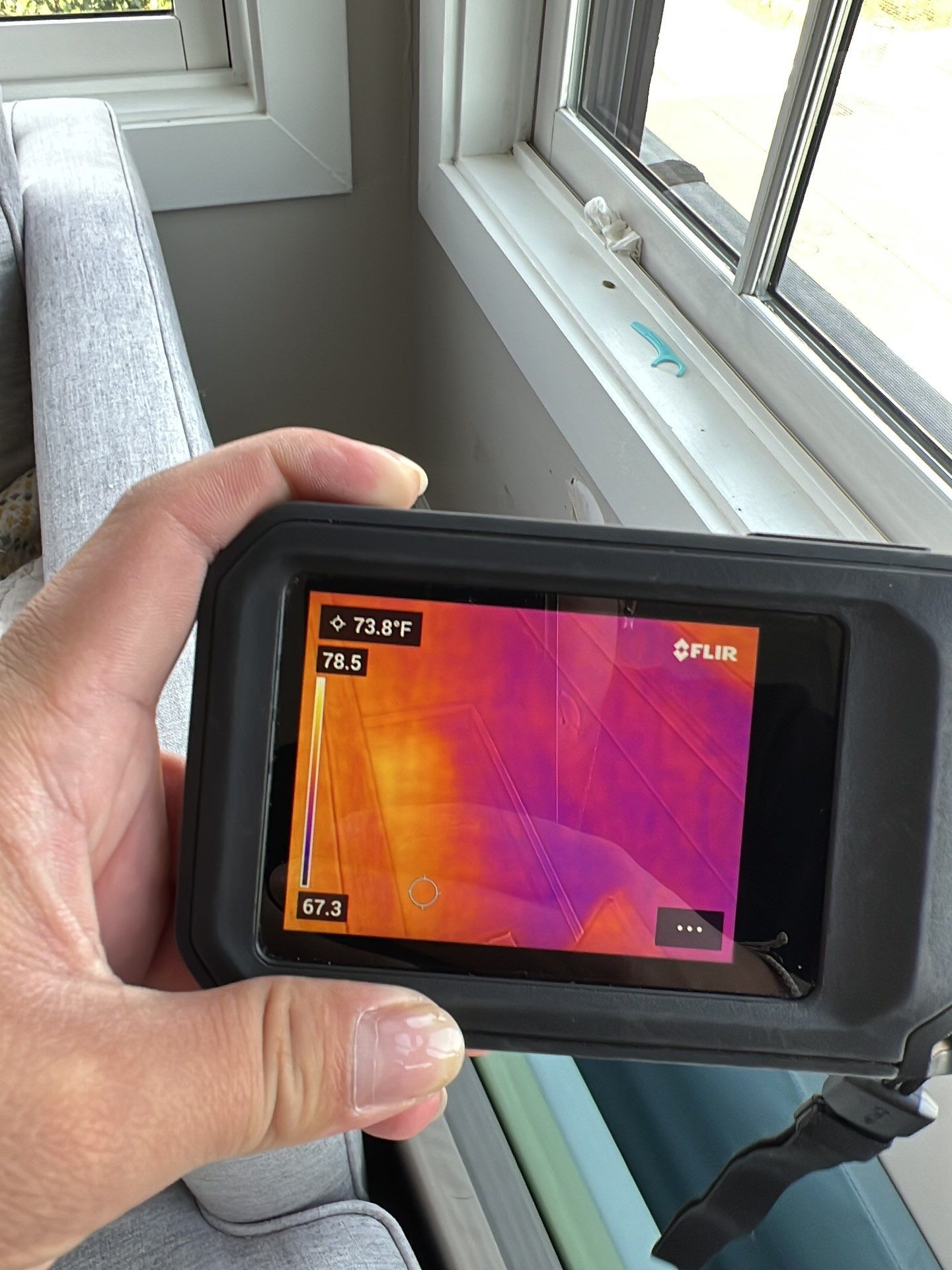
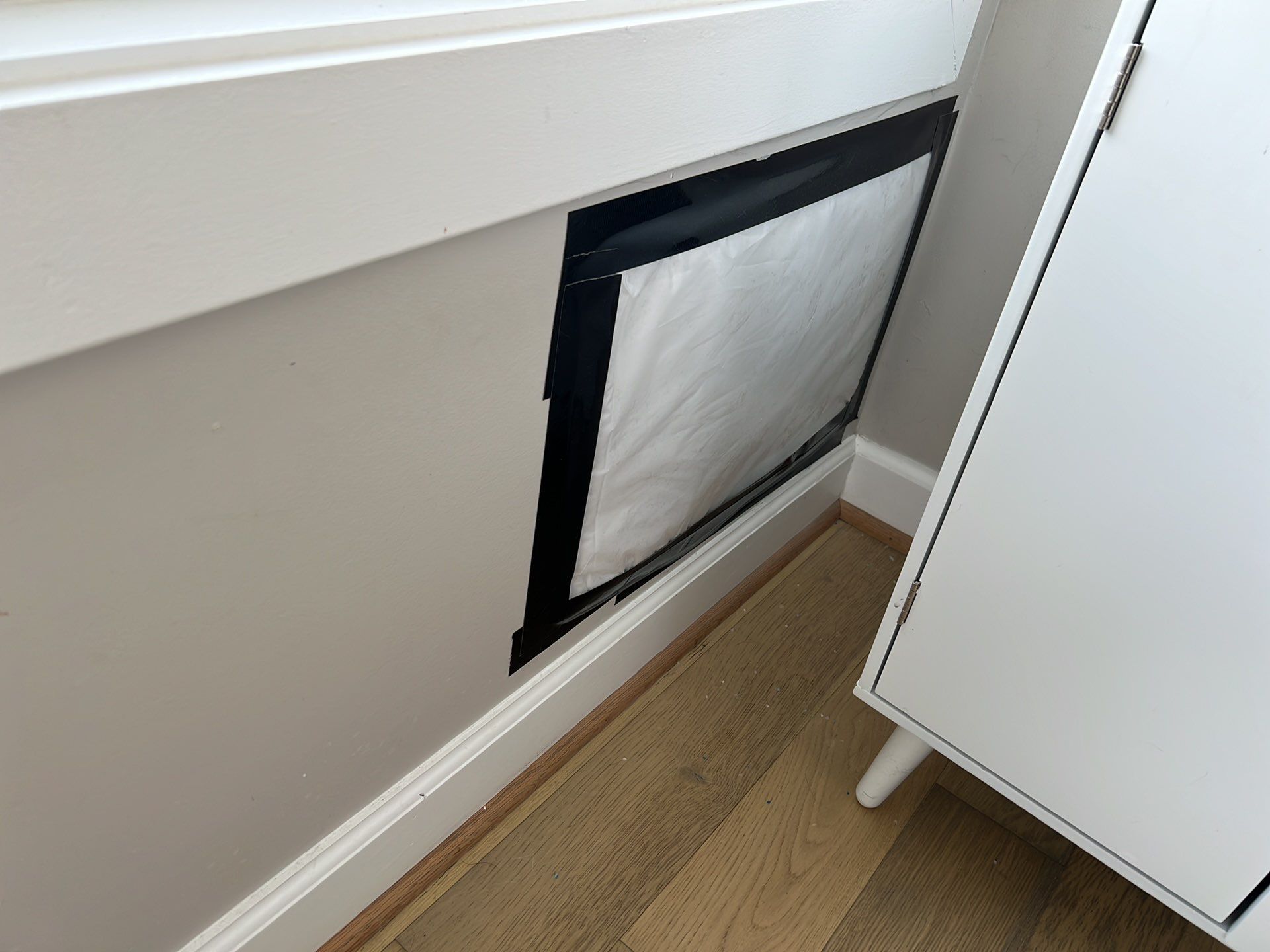
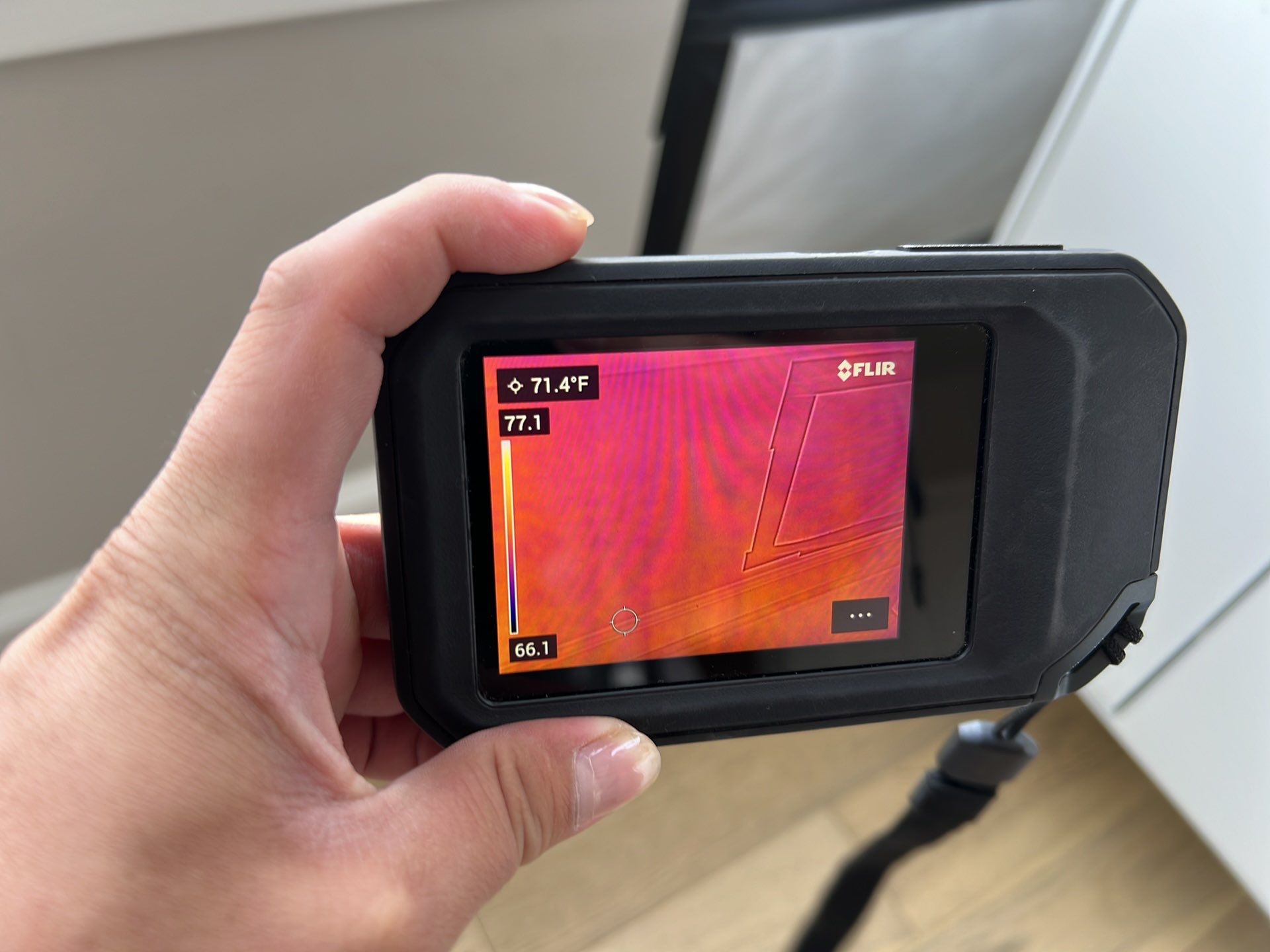
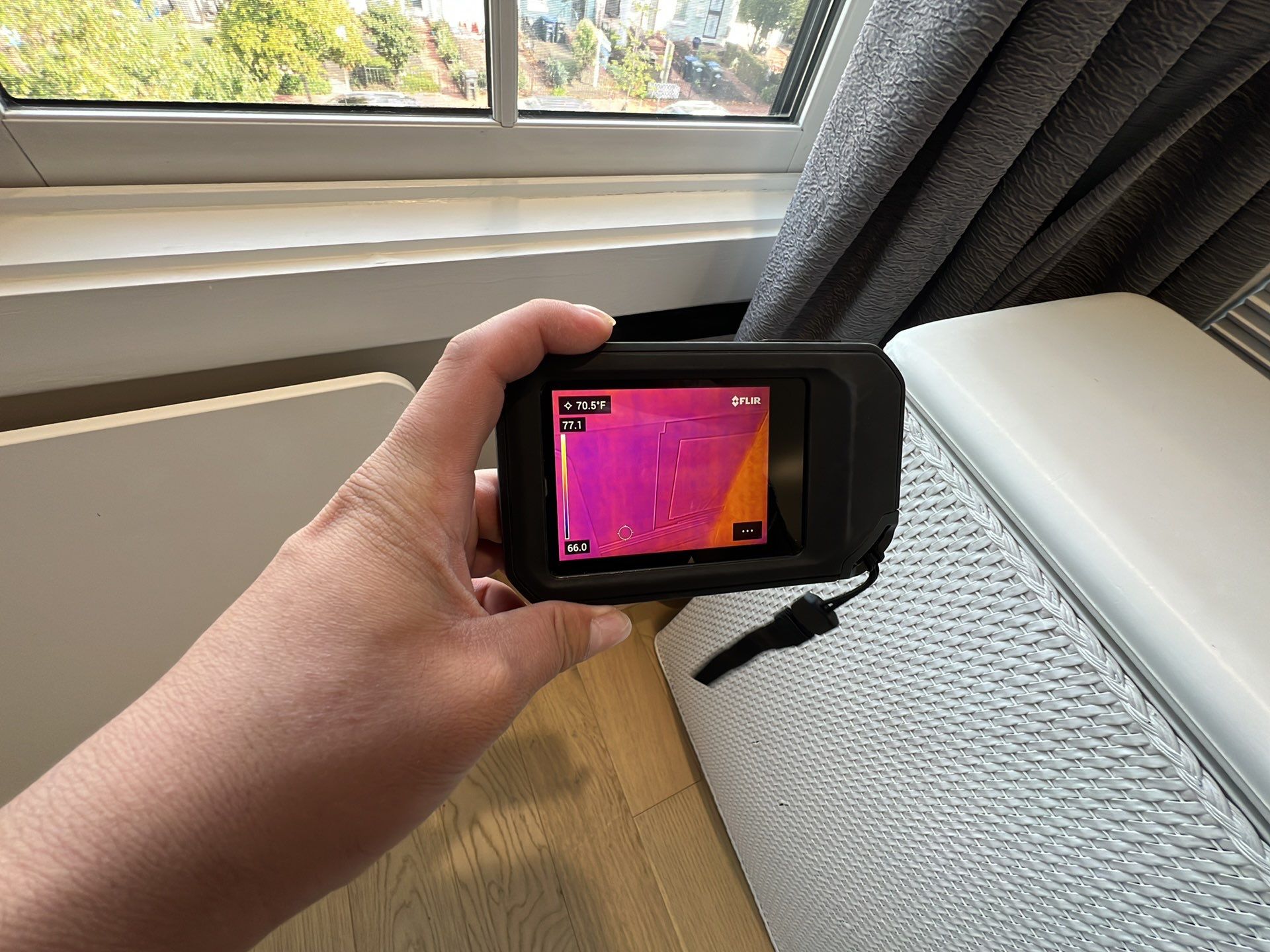
About this water damage restoration project
A loose vent in a Washington, DC bedroom created an entry point for rainwater—a common vulnerability in the region's established housing stock, where hot, humid Mid-Atlantic summers and seasonal storms test older flashing and penetration seals. The homeowner discovered ceiling staining and dampness after a period of heavy rain, prompting our emergency call.
We began by sealing the compromised vent to stop further intrusion, then deployed high-efficiency extraction equipment to pull moisture from the affected ceiling cavity and wall assembly. Moisture mapping confirmed saturation levels that required targeted drying before reconstruction could proceed. Once readings stabilized, we repaired the damaged ceiling and wall surfaces and assessed the flooring; minor restoration brought it back to pre-loss condition.
Because the leak had gone undetected long enough to create visible mold, we applied antimicrobial treatments to all affected surfaces in accordance with IICRC S520 mold remediation protocols. A final inspection verified that humidity levels had returned to normal and that no secondary growth remained. The homeowner expressed satisfaction with both the thoroughness of the work and the bedroom's full return to safe, dry use.
Frequently asked questions
What steps does Restoration Doctor take when a bedroom in Washington, DC has both water damage and mold from a roof leak?
Restoration Doctor first stops the intrusion source—in this case, sealing the compromised vent—then extracts standing water and moisture using commercial-grade equipment. Affected ceilings, walls, and flooring are repaired or replaced as needed, and antimicrobial treatments are applied to inhibit mold colonization. A final inspection confirms the room meets drying standards and is safe for occupancy.
How does Washington's humid Mid-Atlantic climate affect mold risk after water intrusion in a home?
Washington's hot, humid summers create ideal conditions for mold spores to colonize wet building materials quickly, often within a day or two of water intrusion. Restoration Doctor addresses this by combining rapid moisture extraction with targeted antimicrobial application and controlled drying to prevent secondary mold growth in the dense urban housing stock common to the district.
Can ceiling and flooring damaged by rainwater leaks in DC rowhouses be restored, or do they need full replacement?
Many water-damaged ceilings and floors in Washington's historic rowhouses can be dried, sanitized, and repaired if addressed promptly. Restoration Doctor assesses each material's moisture content and structural integrity; when drying to standard is feasible, targeted repair is more cost-effective than full replacement, preserving original finishes where possible.
What does antimicrobial treatment involve during water damage restoration in Washington, DC?
Antimicrobial treatment involves applying EPA-registered solutions to cleaned and dried surfaces to inhibit mold and bacterial growth. Restoration Doctor uses these treatments after extracting moisture and repairing structural damage, ensuring that hidden spores in porous materials like drywall or subflooring do not reactivate as humidity fluctuates in Washington's climate.
How long does water damage restoration typically take for a single bedroom in a DC residence?
A contained bedroom restoration—extraction, drying, repair, and antimicrobial treatment—often takes several days to a week, depending on the extent of saturation and the materials involved. Restoration Doctor monitors moisture levels throughout the process to confirm complete drying before final inspection, ensuring the room is safe and habitable.
Explore more restoration work
All projects in Washington · Water Damage Restoration in Washington
Water, fire, or mold damage in Washington?
Restoration Doctor responds 24/7 across Washington and Northern Virginia. Free assessment and transparent, insurance-friendly estimates — no obligation.
See our Water Damage Restoration services at restorationdoctors.com →