Basement Water Damage Remediation
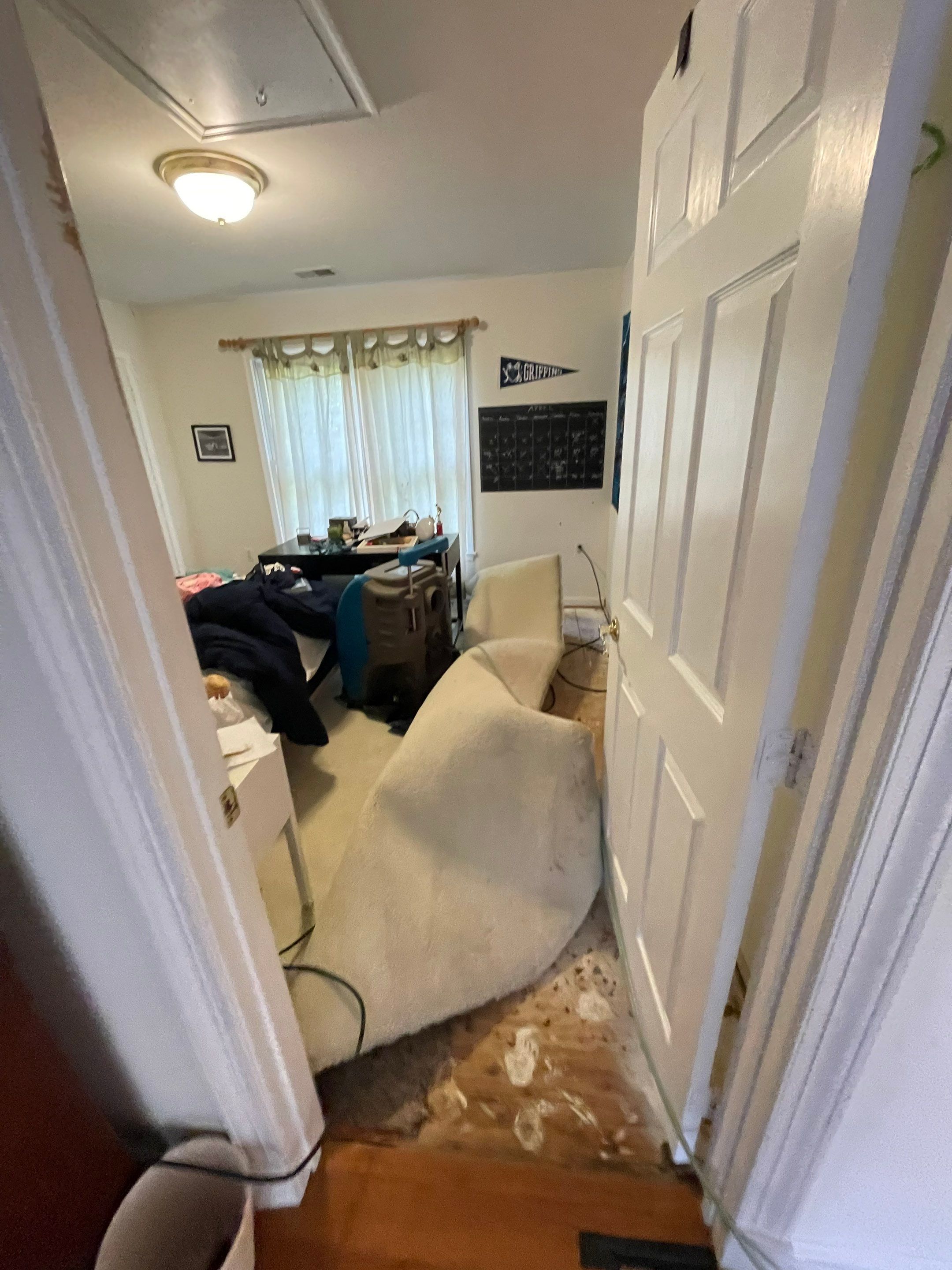
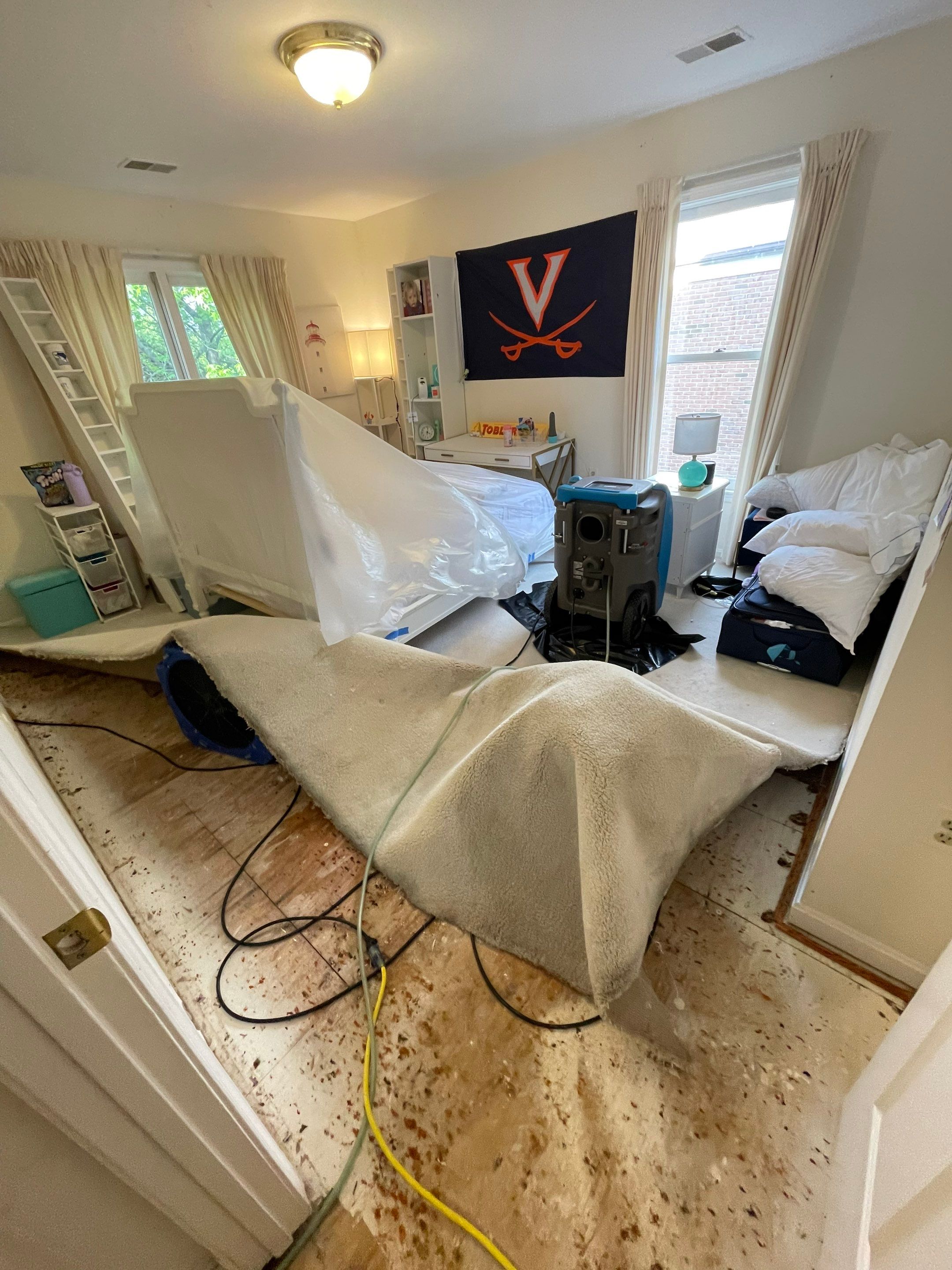
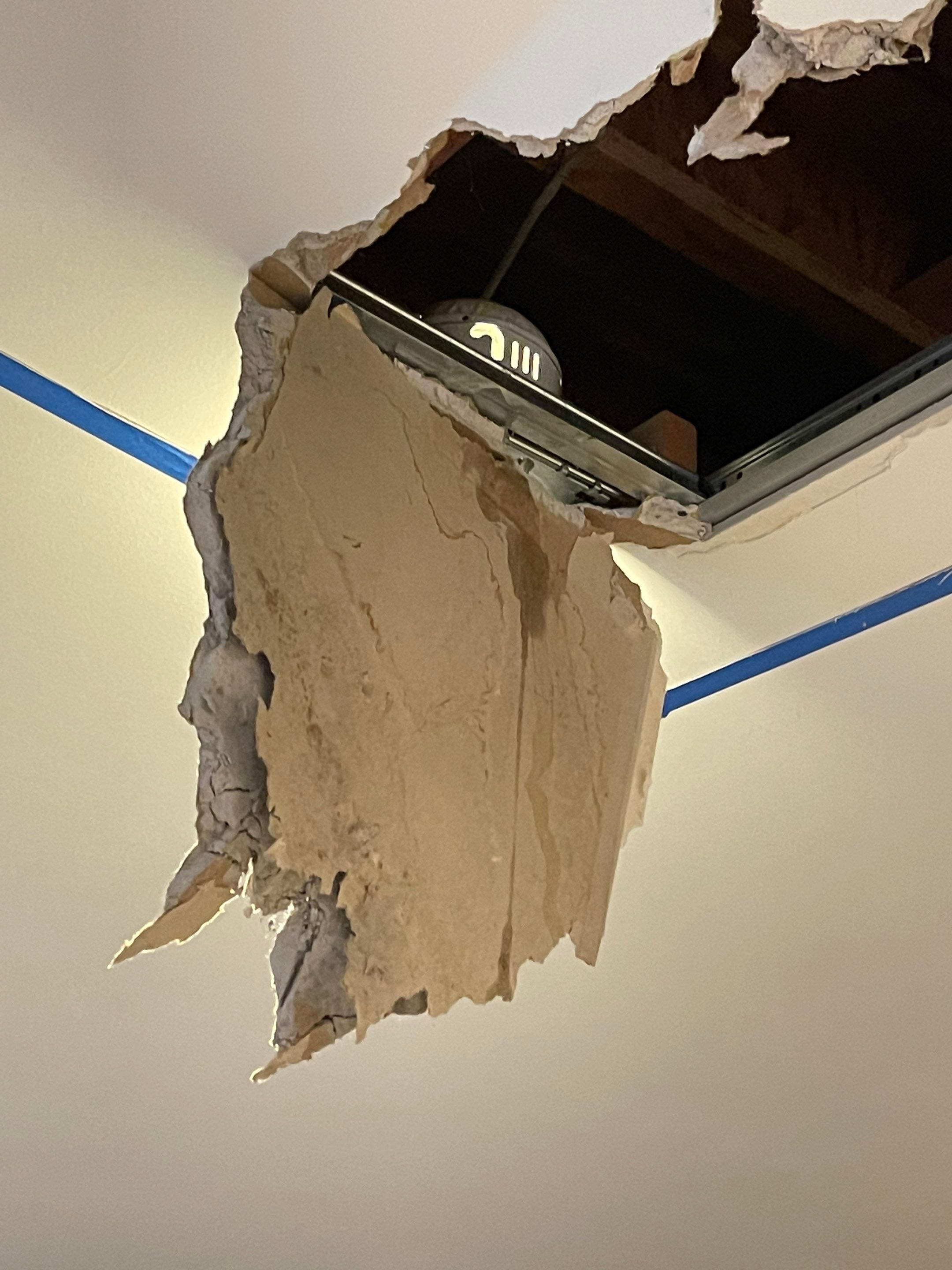
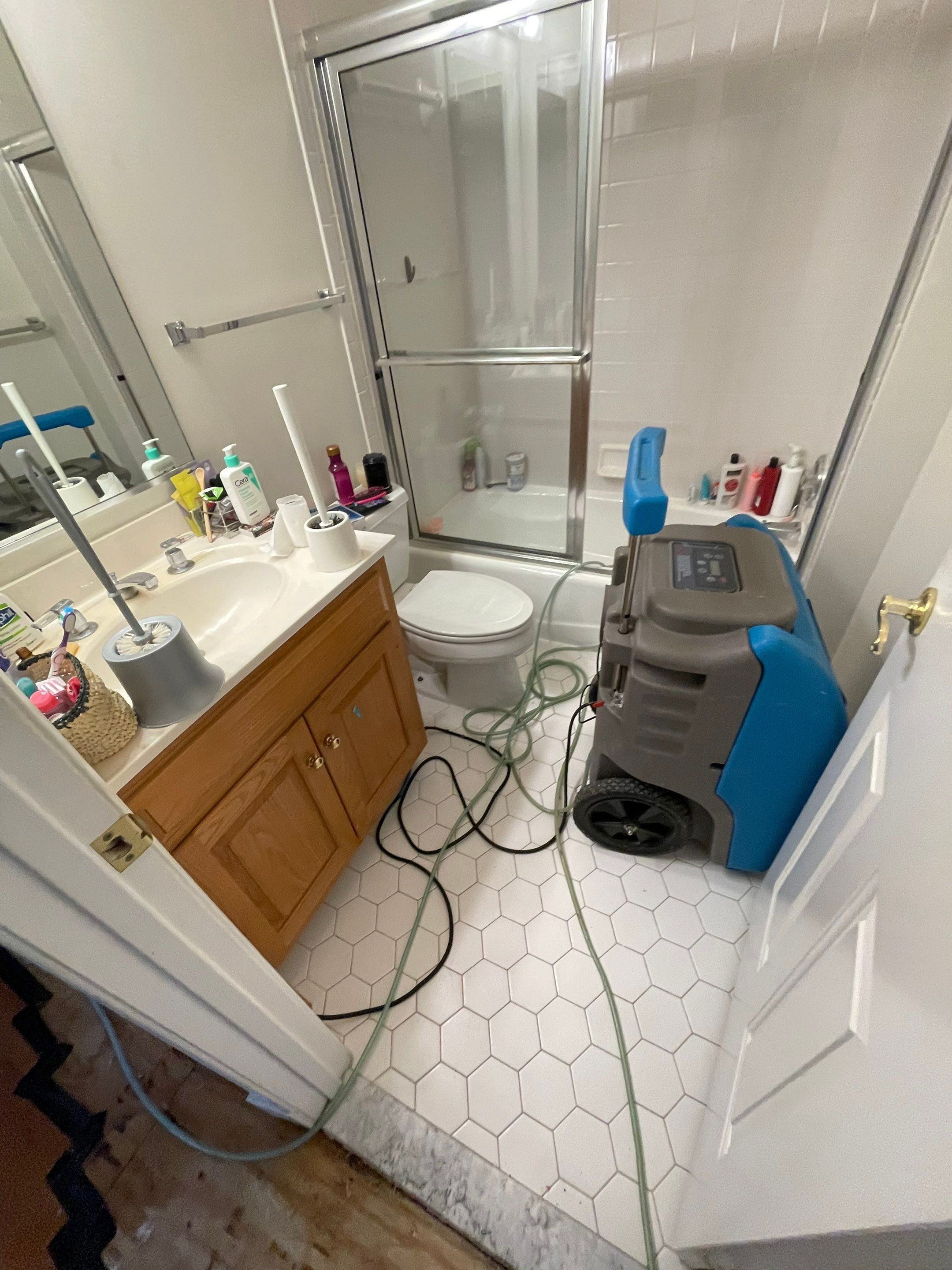
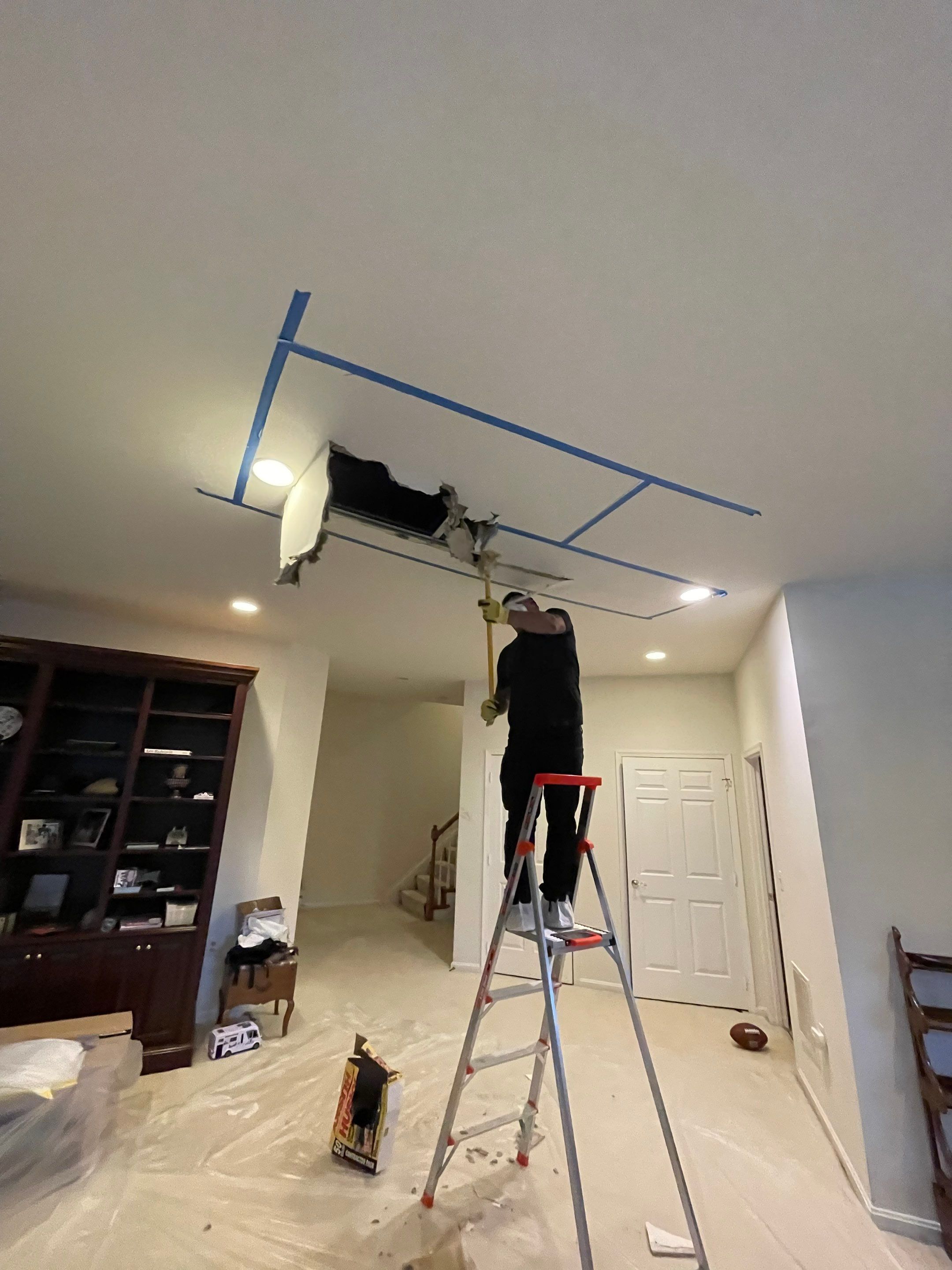
About this water damage restoration project
A basement in Washington experienced prolonged water intrusion that progressed into active mold growth—a sequence Mid-Atlantic humidity accelerates once moisture penetrates the envelope of the region's established single-family housing stock. The homeowner called when the space had become unsanitary, standing water still present and microbial contamination visible.
We began with a moisture assessment to map the extent of intrusion, then extracted standing water using truck-mounted equipment. With the bulk water removed, we applied hospital-grade antimicrobial treatments to all affected surfaces, addressing both the bacterial load from the standing water and the mold colonization that had taken hold. Containment barriers and negative air machines isolated the work zone during sanitization, preventing cross-contamination to upper floors.
Once sanitized, we deployed commercial dehumidifiers and air movers in accordance with IICRC S520 protocols, drying structural cavities to stable moisture levels and confirming readings before closing walls. The final phase restored damaged finishes—drywall, trim, and flooring—returning the basement to its pre-loss condition. The homeowner's review reflected relief that a distressing situation had been resolved thoroughly, the space now clean and safe for use.
Frequently asked questions
How does standing water in a Washington, D.C. basement lead to mold growth?
In the humid Mid-Atlantic climate of Washington, D.C., standing water creates ideal conditions for mold colonization—elevated moisture levels in enclosed basement spaces allow spores to establish within days if not addressed. Restoration Doctor responded to this job by extracting the standing water immediately, then implementing advanced structural drying to bring moisture levels back to safe thresholds before mold could proliferate. Our mold remediation process followed IICRC S520 protocols to address any growth that had already begun.
What sanitizing steps are required after basement water extraction in a historic D.C. rowhouse?
After removing standing water from this basement, Restoration Doctor meticulously sanitized all affected surfaces to eliminate bacteria and contaminants introduced by the intrusion. Older urban infrastructure in Washington often means water carries debris and sewage risk, so we applied EPA-registered antimicrobials to hard surfaces and ensured porous materials were either cleaned to standard or removed. The goal was to restore the space to a safe, healthy condition suitable for occupancy.
How long does structural drying take after water damage in a D.C. basement?
Drying timelines depend on the volume of water, materials affected, and ambient humidity—Washington's humid summers can slow evaporation if not managed with dehumidification. For this job, Restoration Doctor deployed commercial-grade air movers and dehumidifiers to accelerate moisture removal from concrete, framing, and any salvageable finishes, monitoring daily until readings confirmed the structure had returned to dry standard. The process typically takes several days to a week under controlled conditions.
Can a basement be fully restored after severe water intrusion and mold remediation?
Yes—this Washington, D.C. basement was returned to its original condition after standing-water extraction, structural drying, sanitizing, and mold remediation. Restoration Doctor's approach included removing any materials too compromised to salvage, treating affected framing and masonry, and rebuilding finishes to match the pre-loss state. The result was a clean, safe space with no residual moisture or microbial contamination.
What causes plumbing failures in older Washington, D.C. neighborhoods?
Aging urban infrastructure in rehabilitated D.C. neighborhoods—including original cast-iron drains, galvanized supply lines, and shifting foundation settlement—often leads to leaks, backups, and sudden failures that introduce water into basements and lower floors. In this case, water intrusion created standing conditions that required immediate extraction and drying to prevent structural damage and mold. Restoration Doctor works frequently with these older building systems and understands the failure modes common to the district's housing stock.
Explore more restoration work
All projects in Washington · Water Damage Restoration in Washington
Water, fire, or mold damage in Washington?
Restoration Doctor responds 24/7 across Washington and Northern Virginia. Free assessment and transparent, insurance-friendly estimates — no obligation.
See our Water Damage Restoration services at restorationdoctors.com →