Basement Flood Due to Burst Water Heater
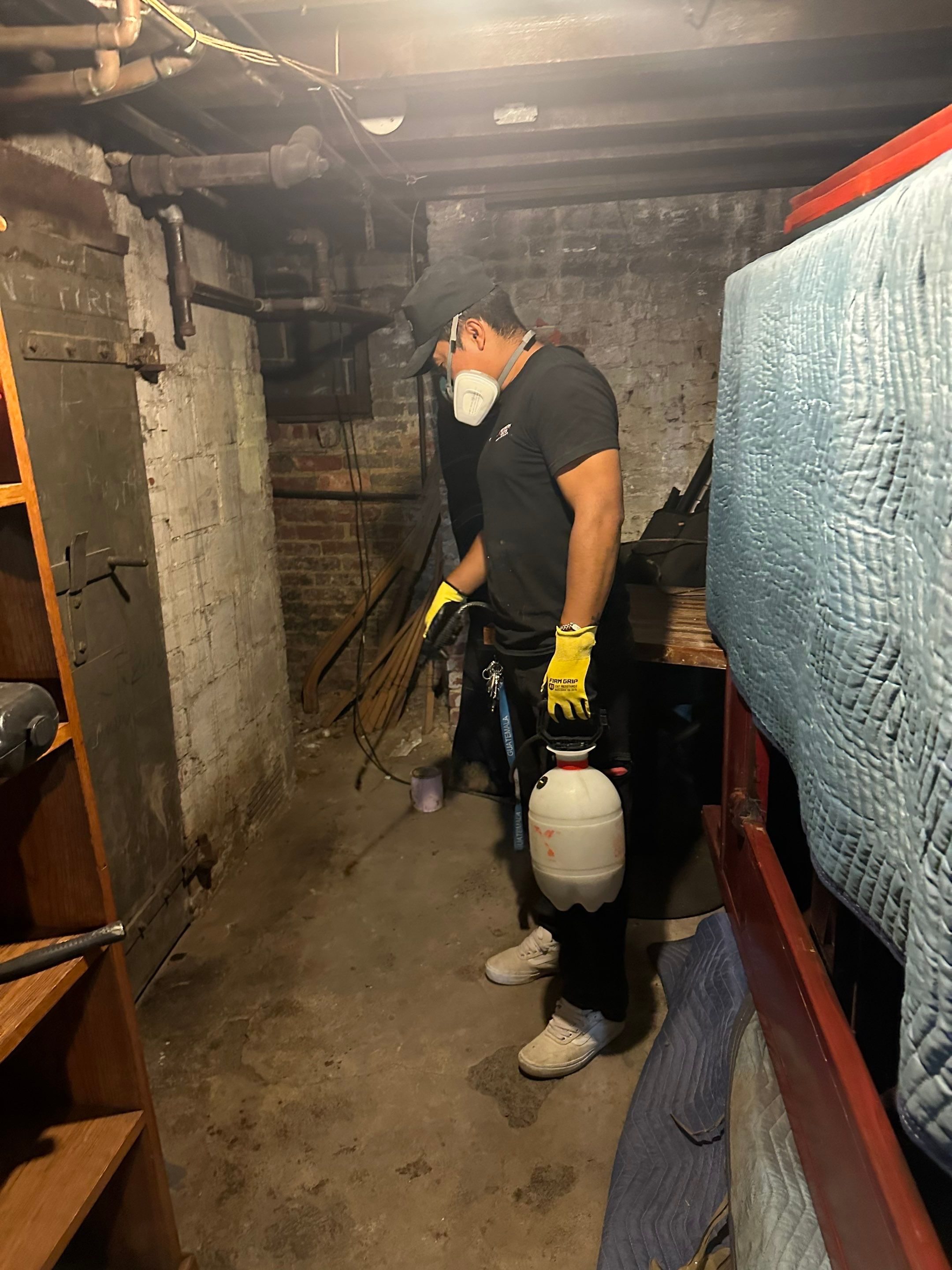
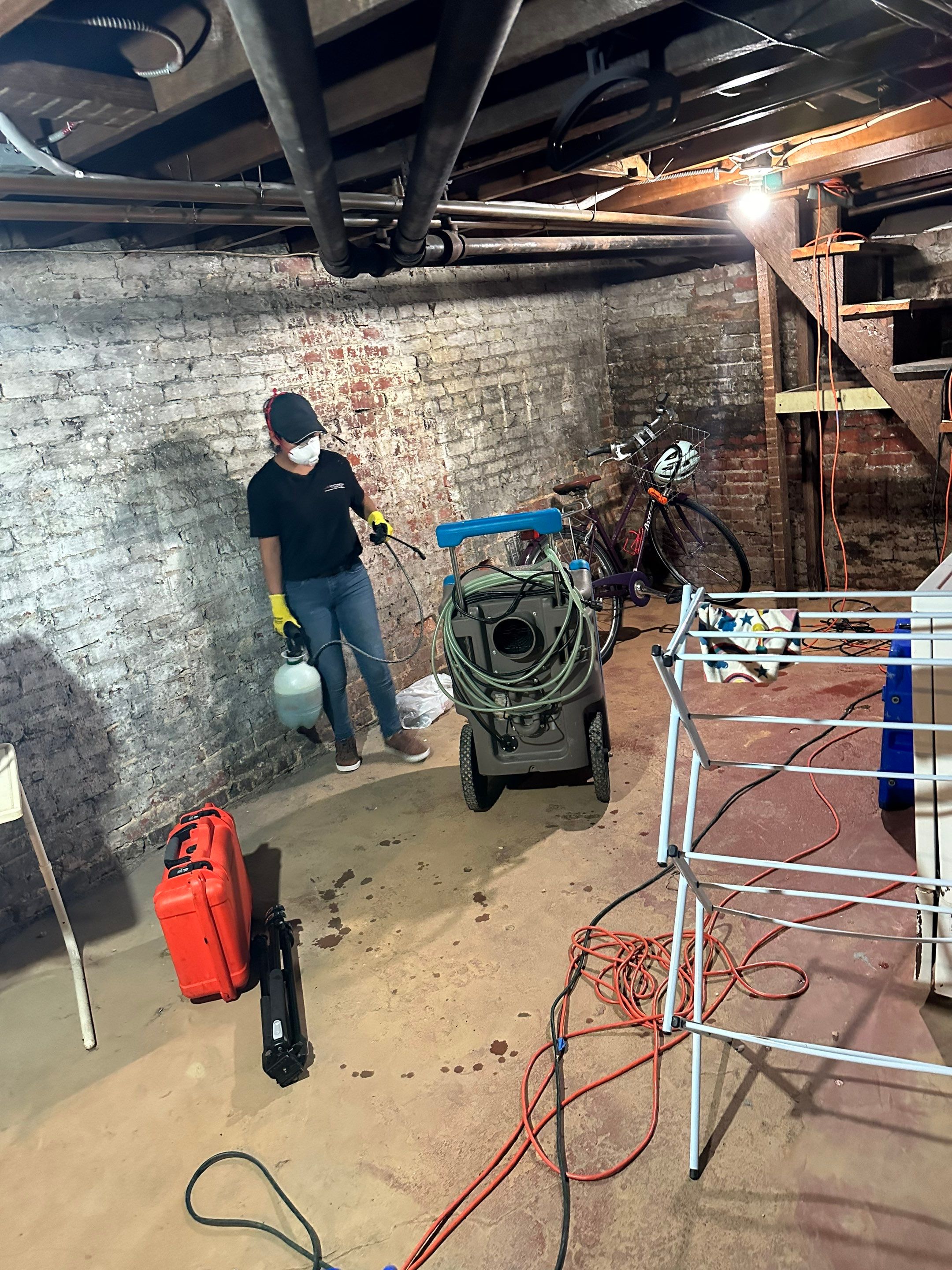
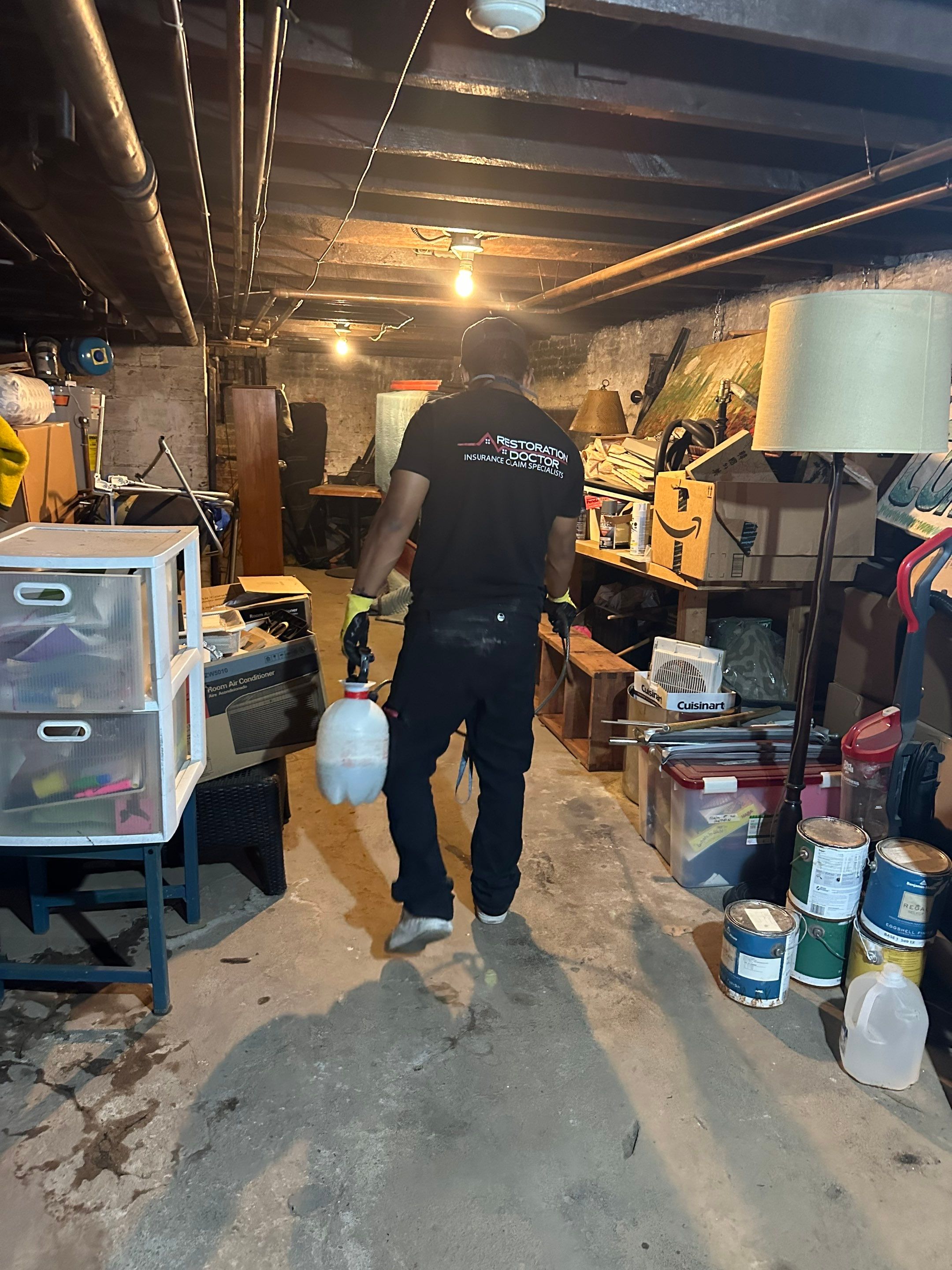
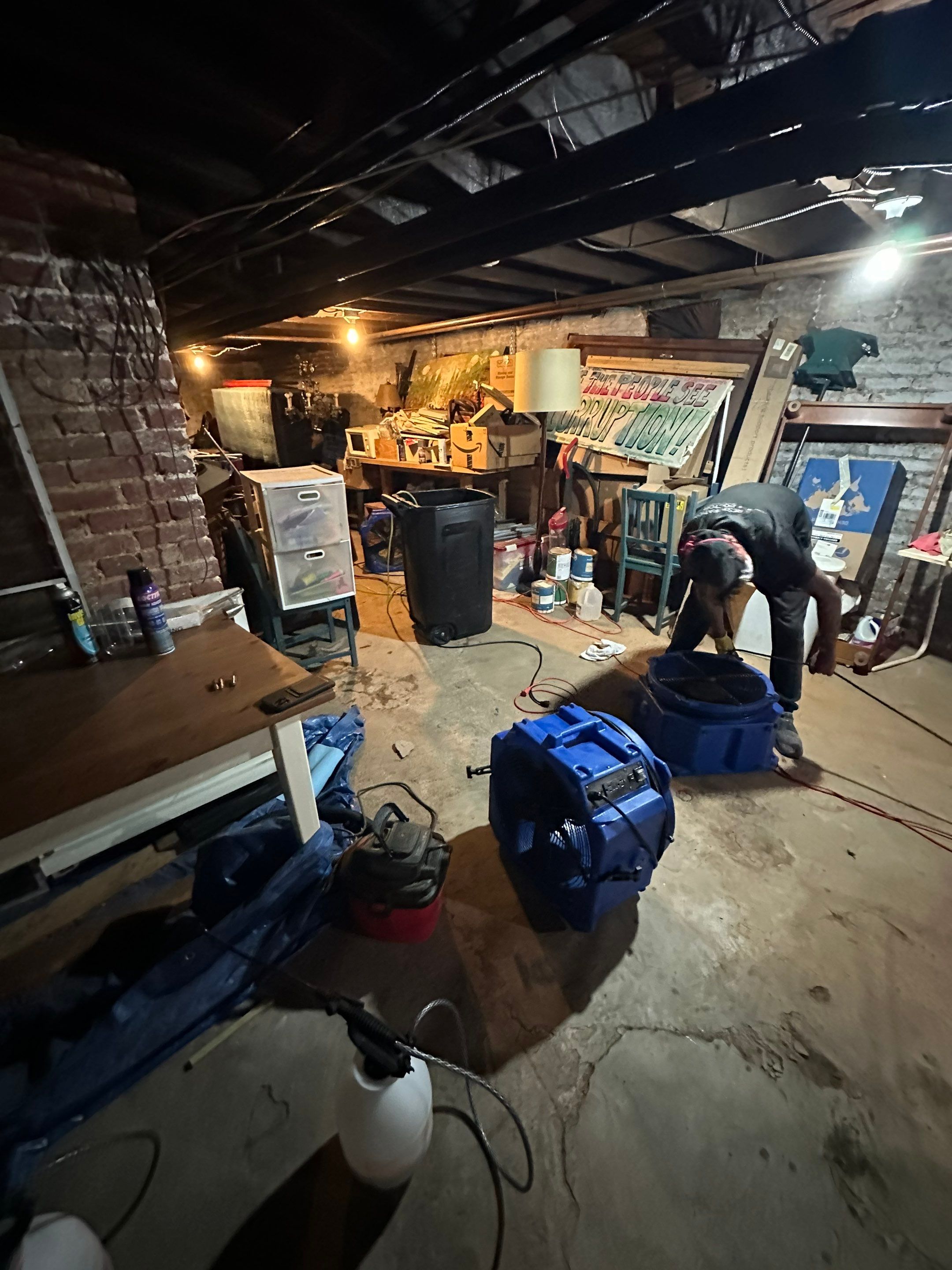
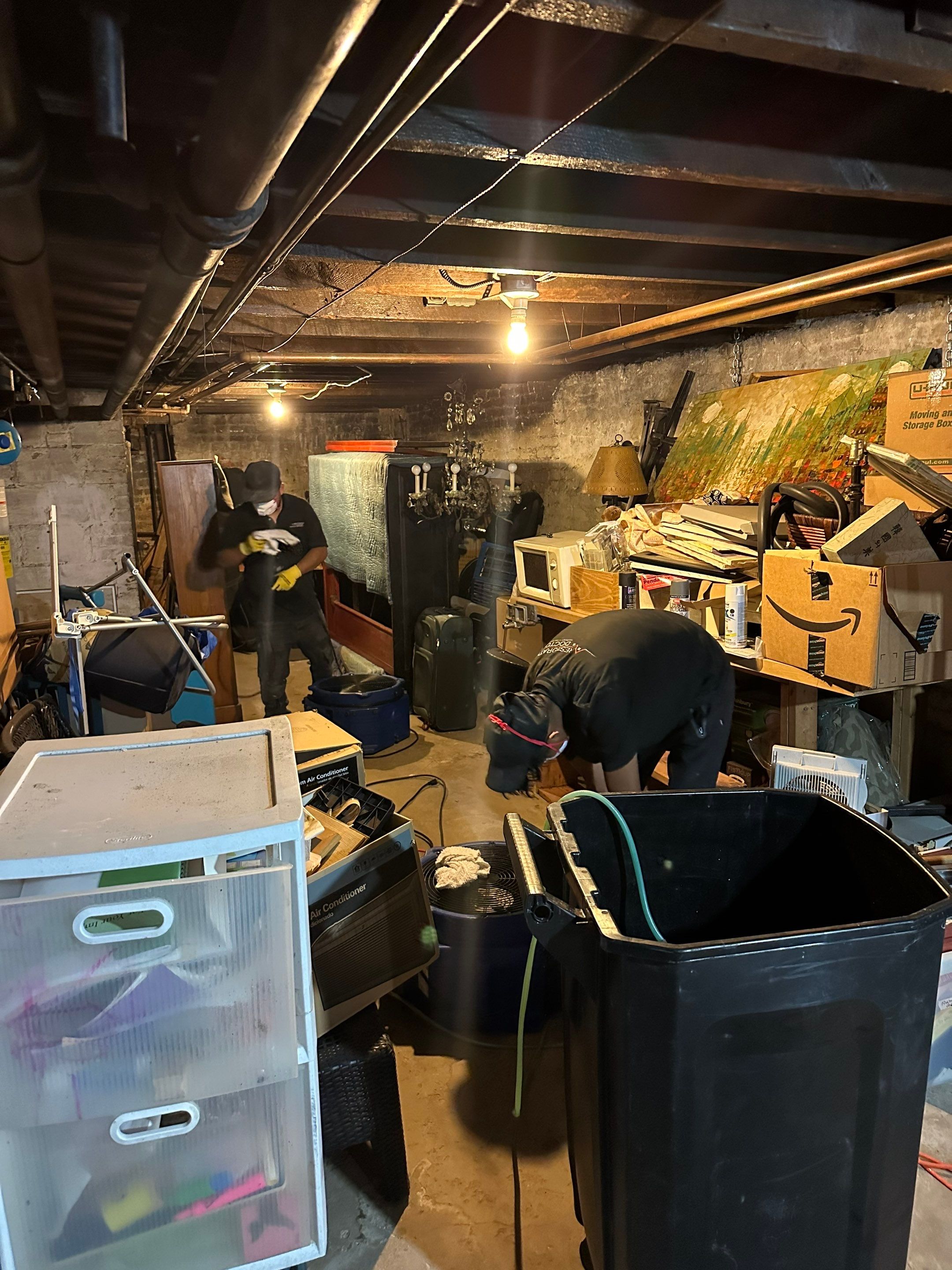
About this water damage restoration project
When a water heater failed in a Washington, DC basement—a common failure mode in homes across the region's established neighborhoods, where aging mechanical systems meet the stress of freeze-thaw cycles and summer humidity—the result was a complete basement flood and conditions that quickly invited mold colonization. The standing hot water required immediate extraction to halt further damage to flooring, drywall, and the homeowner's stored belongings.
We deployed industrial extractors to remove the water, then positioned commercial dehumidifiers and air movers to bring the space back to dry standard, mapping moisture levels in structural materials throughout the process. With the basement dried, we applied antimicrobial treatments to surfaces at risk of mold growth, following IICRC S520 protocols for prevention in post-water environments. Damaged drywall sections and compromised flooring were removed where saturation had exceeded repair thresholds.
The final phase addressed reconstruction—replacing what could not be salvaged and ensuring the mechanical system that caused the loss was properly addressed. The homeowner's review reflected relief that the basement was returned to safe, usable condition, with no lingering moisture or contamination risk in a space that had been fully submerged hours earlier.
Frequently asked questions
How does a burst water heater in a Washington, D.C. basement lead to mold growth?
In D.C.'s hot, humid Mid-Atlantic summers, standing water from a burst water heater creates ideal conditions for mold colonization, particularly in below-grade basements where ventilation is limited and moisture lingers. Restoration Doctor responded to this situation by extracting the hot water immediately, then deploying industrial dehumidifiers and air movers to dry structural materials before spores could establish. The combination of prompt extraction and controlled drying prevented widespread colonization in the affected basement.
What does flooring and carpet remediation involve after basement water damage in D.C.?
For this Washington, D.C. basement flooded by a water heater failure, Restoration Doctor assessed whether carpeting and subflooring could be salvaged through extraction and drying or required removal. Carpet padding typically cannot be saved after prolonged saturation, and any materials showing mold growth or structural compromise were removed and replaced. The goal was to eliminate hidden moisture reservoirs that could sustain microbial activity in the dense, humid urban environment.
How long does structural drying take after a basement flood in Washington, D.C.?
Drying timelines depend on the volume of water, the materials affected, and ambient humidity, but in D.C.'s humid climate, basement drying often requires several days of continuous dehumidification and air movement. Restoration Doctor monitored moisture levels in walls, flooring, and concrete until readings returned to dry standards, ensuring no residual dampness remained to support mold. The process is complete when psychrometric measurements confirm equilibrium, not when surfaces feel dry to the touch.
Can mold spread from a flooded basement to upper floors in a D.C. rowhouse?
Yes—airborne mold spores can migrate through HVAC returns, stairwells, and wall cavities, particularly in the connected floor plans common to historic D.C. rowhouses. During this basement remediation, Restoration Doctor contained the affected area and used negative air pressure to prevent spore dispersal while cleaning and treating surfaces. Proper containment and air filtration are essential in multi-story urban structures where vertical airflow can carry contamination throughout the building.
What mold prevention treatments are used after water extraction in Washington, D.C.?
Following extraction and structural drying of this D.C. basement, Restoration Doctor applied EPA-registered antimicrobial solutions to surfaces that had been wet but showed no visible growth, reducing the risk of future colonization. Prevention focuses on eliminating moisture—the primary driver—rather than relying solely on chemical treatments. In D.C.'s persistently humid conditions, maintaining low indoor humidity and repairing any plumbing vulnerabilities are the long-term safeguards against recurrence.
Explore more restoration work
All projects in Washington · Water Damage Restoration in Washington
Water, fire, or mold damage in Washington?
Restoration Doctor responds 24/7 across Washington and Northern Virginia. Free assessment and transparent, insurance-friendly estimates — no obligation.
See our Water Damage Restoration services at restorationdoctors.com →