Basement Dampness from Poor Insulation
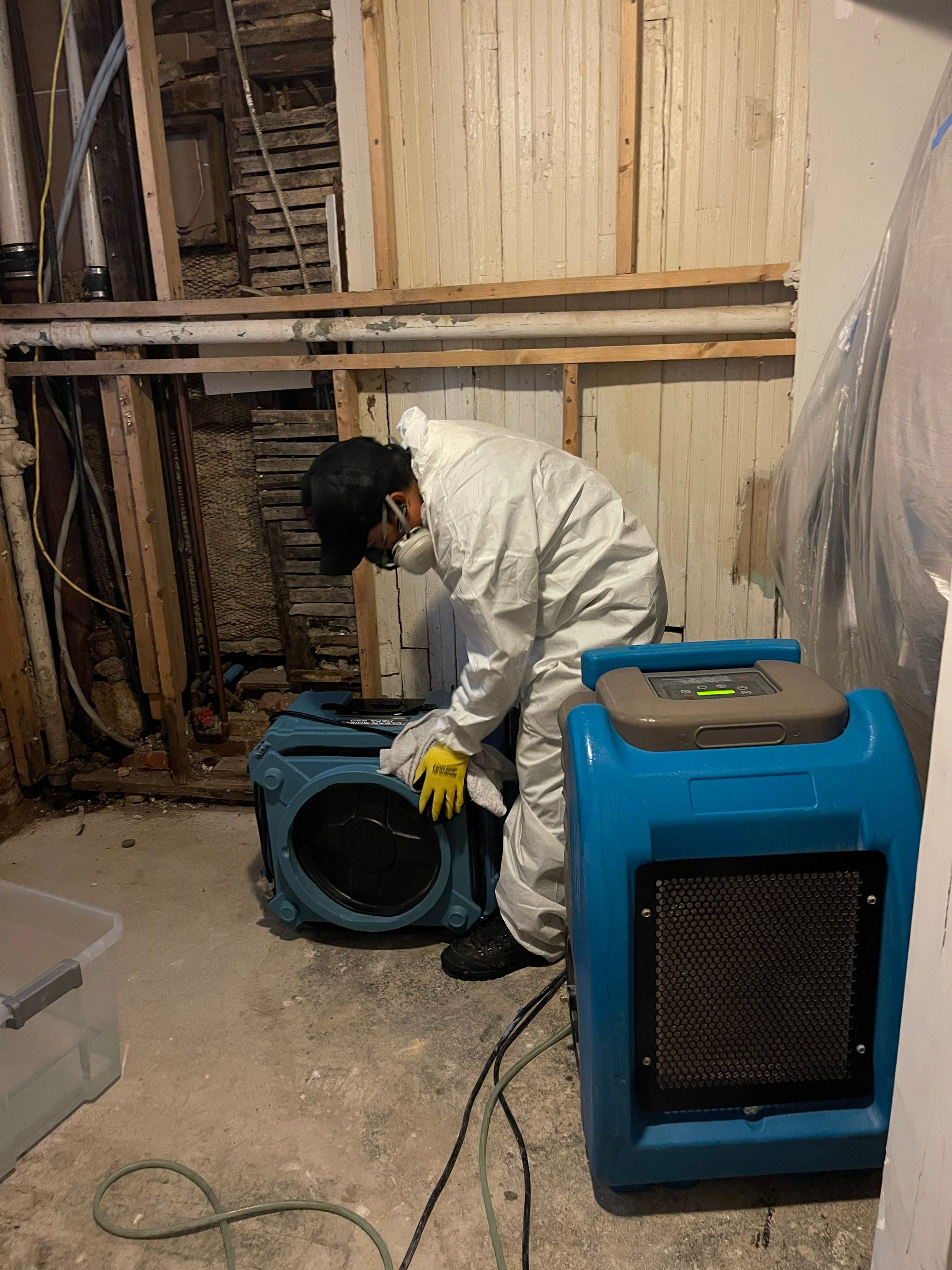
About this water damage restoration project
A basement in Washington, D.C.'s dense urban core developed persistent dampness where inadequate insulation met the district's humid Mid-Atlantic summers, creating condensation that soaked structural surfaces and set the stage for mold colonization. The aging rowhouse infrastructure common to these rehabilitated neighborhoods often traps moisture in below-grade spaces, turning minor insulation gaps into chronic problems.
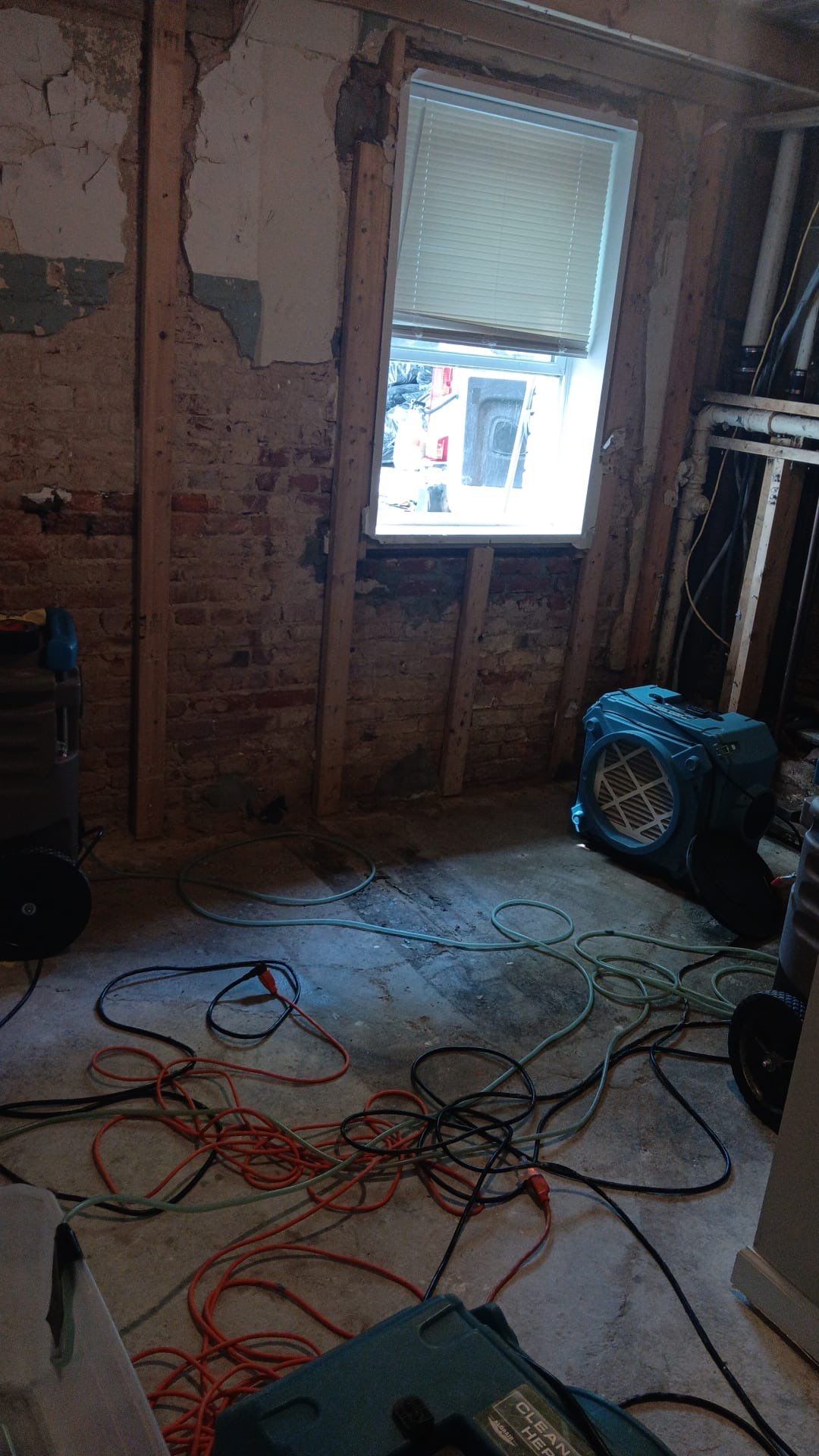
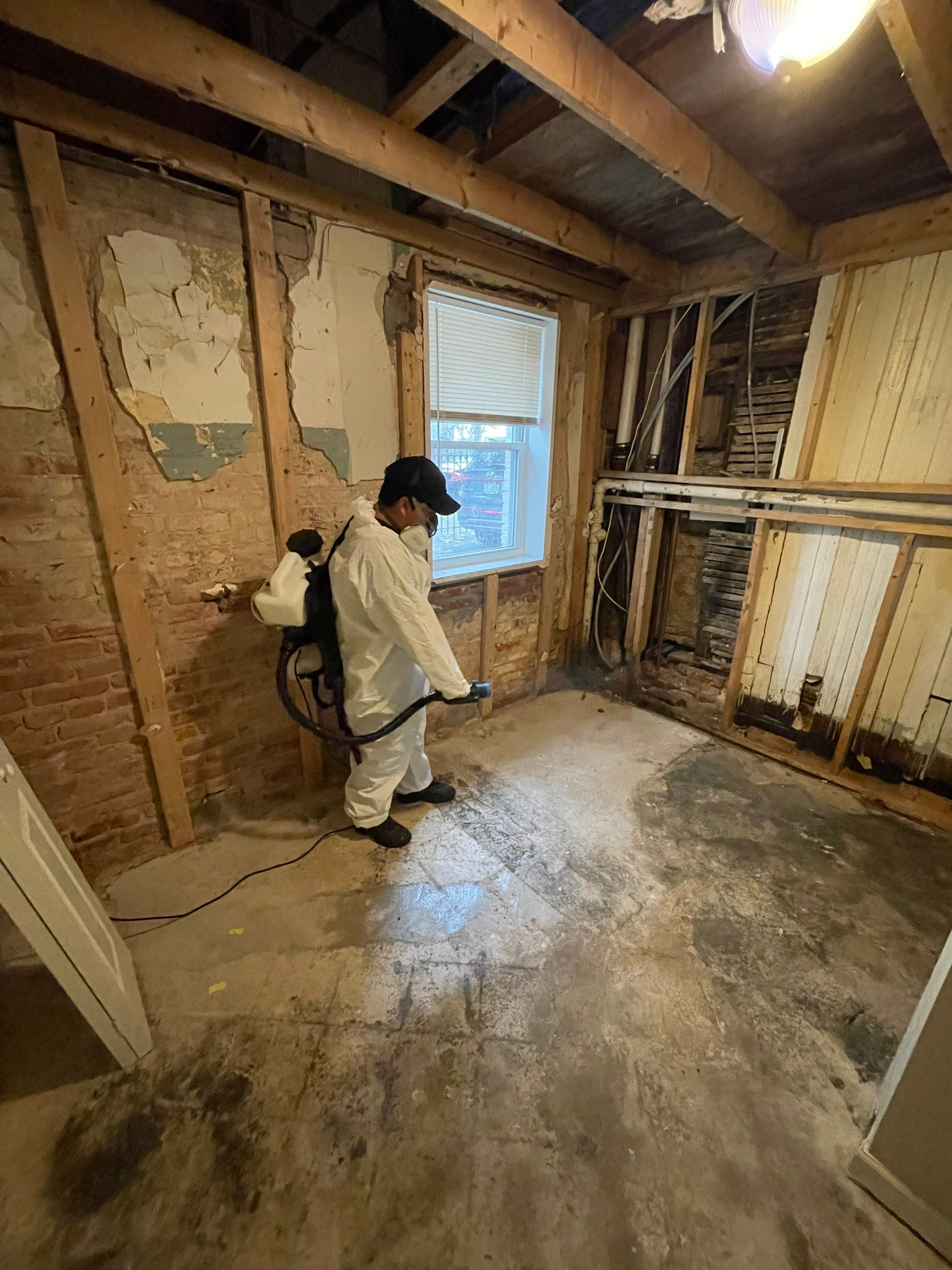
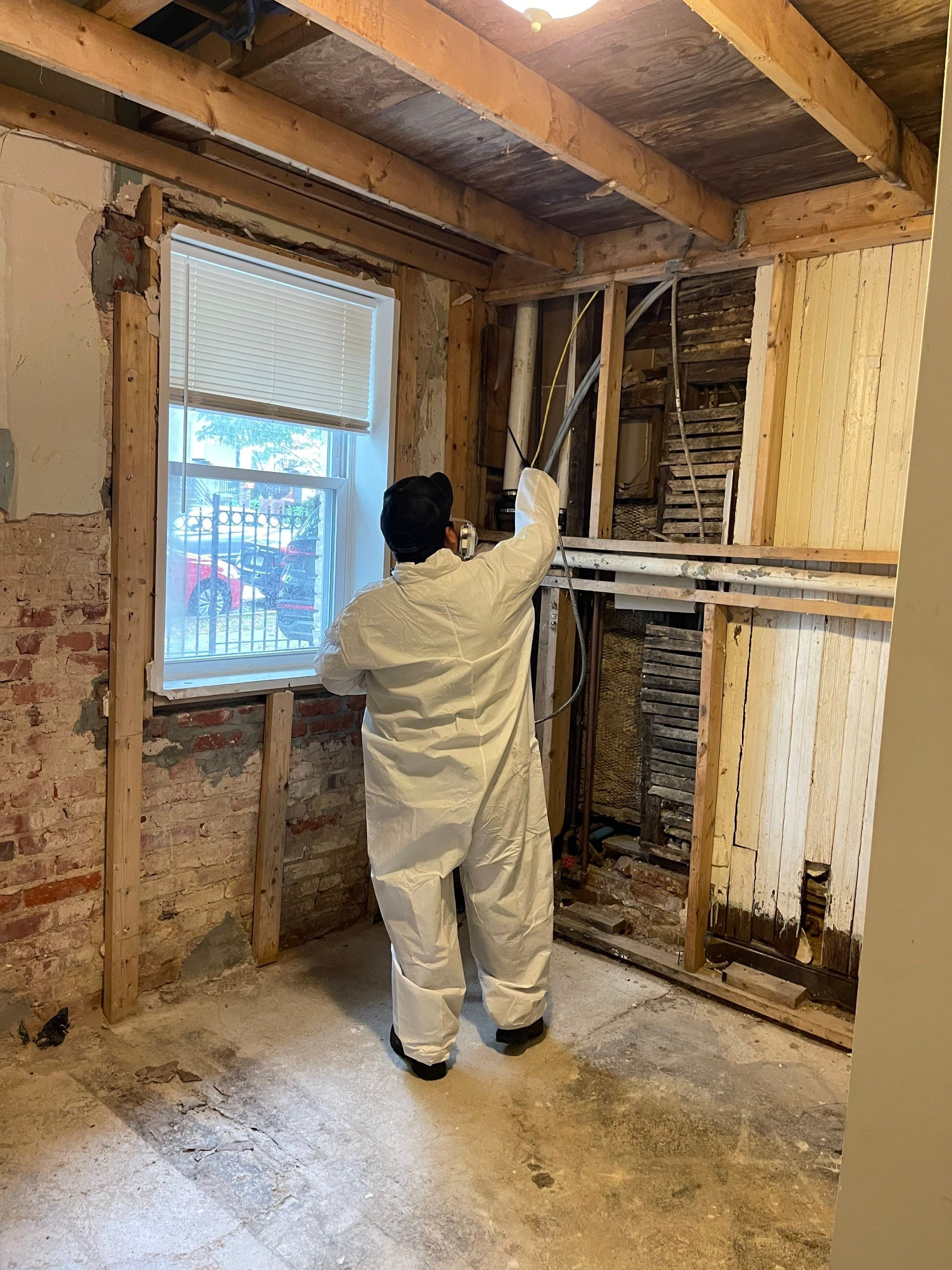
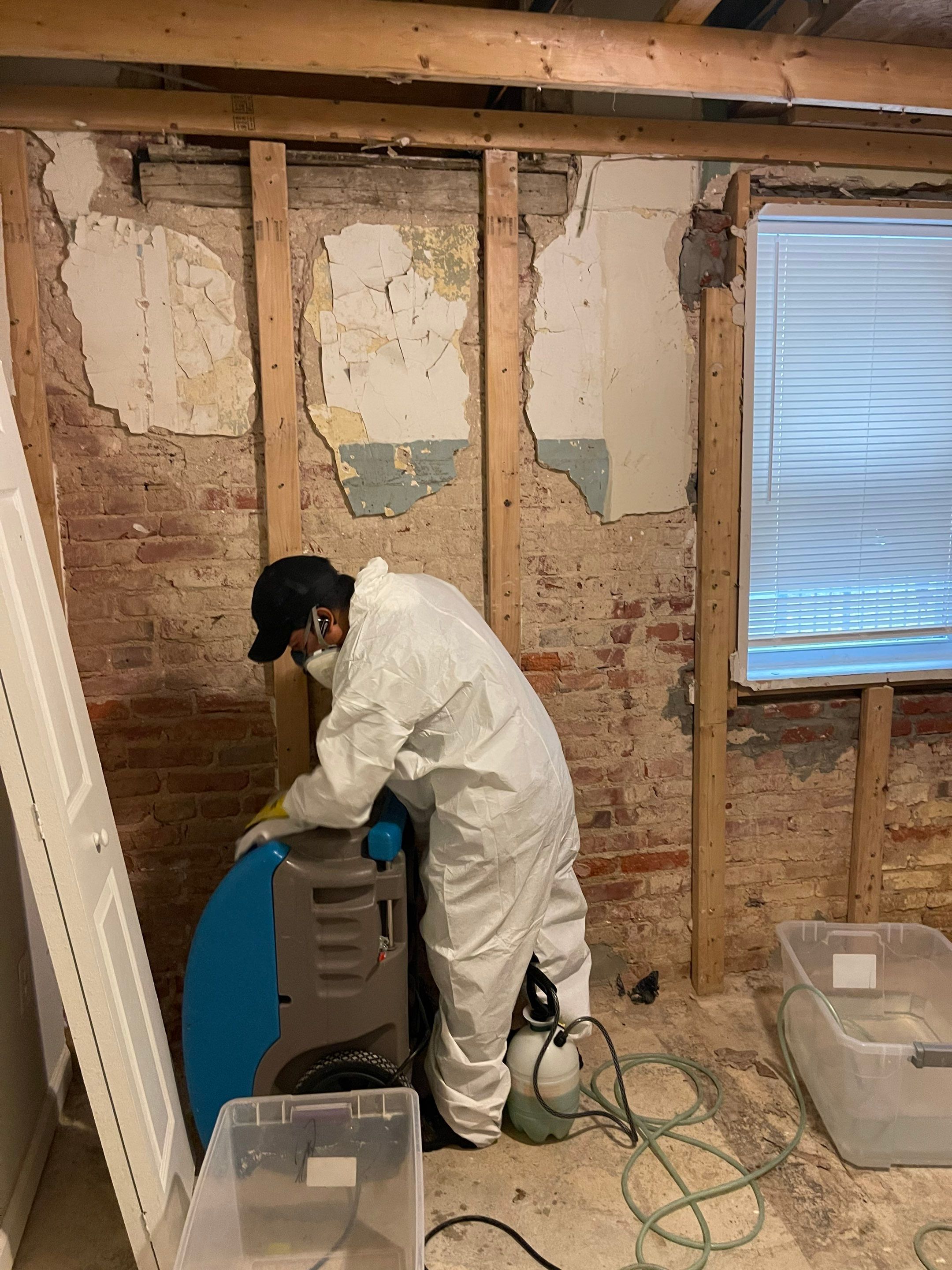
Our assessment identified standing water pooled along foundation walls and widespread dampness in exposed framing. We extracted the water, then used moisture mapping to trace elevated readings through wall cavities and subfloor assemblies where condensation had accumulated over time. Controlled drying with commercial dehumidifiers brought moisture levels back within acceptable ranges, followed by antimicrobial application to surfaces where early mold growth had taken hold—work aligned with IICRC S520 mold remediation protocols.
After the space dried, we upgraded the insulation envelope to eliminate the thermal bridging that had caused the original condensation, repaired compromised structural elements, and restored salvageable contents. The combination of immediate water removal, targeted antimicrobial treatment, and corrected insulation gave the homeowner a dry basement and a durable solution to prevent recurrence in a climate where summer humidity tests every gap in a building's envelope.
Frequently asked questions
Why does basement condensation lead to mold growth in Washington, DC rowhouses and older urban buildings?
Washington's hot, humid Mid-Atlantic summers drive warm, moisture-laden air into cool basement spaces with inadequate insulation, causing condensation on walls and floors. When that moisture persists, mold can colonize porous materials within days. Restoration Doctor addresses this by eliminating the standing water, mapping residual moisture in structural components, thoroughly drying affected areas with dehumidification, and applying antimicrobial treatments to inhibit regrowth—then upgrading insulation to break the condensation cycle at its source.
What does moisture mapping involve during a water intrusion and mold remediation project in DC?
Moisture mapping uses calibrated meters to measure water content in framing, drywall, concrete, and other materials throughout the affected basement, identifying hidden pockets that visual inspection alone would miss. Restoration Doctor documents these readings to guide targeted drying and to verify when structural components have returned to acceptable dry standards. This data-driven approach ensures no residual dampness remains to fuel future mold growth, which is critical in Washington's dense, older housing stock where plumbing and drainage failures can spread moisture through shared walls and foundations.
How long does structural drying and dehumidification typically take after basement water extraction in Washington, DC?
Drying timelines depend on the volume of water, the materials affected, and ambient humidity—Washington's summer conditions can slow evaporation if not actively managed. Restoration Doctor uses commercial dehumidifiers and air movers to accelerate moisture removal, with most basement drying projects reaching acceptable levels within several days to a week. Daily moisture readings confirm progress, and work continues until structural components meet the dry standard necessary to safely proceed with antimicrobial treatment and repairs.
What preventative measures can protect a DC basement from recurring condensation and mold after remediation?
Restoration Doctor addresses the root cause by upgrading basement insulation to reduce temperature differentials that drive condensation, improving ventilation to manage humidity, and sealing penetrations where exterior moisture can enter. In Washington's aging urban infrastructure, where stormwater drainage and plumbing failures are common, we also recommend regular monitoring of basement humidity levels and prompt attention to any new leaks or dampness. These layered defenses provide lasting protection against the conditions that allowed the initial mold growth.
Explore more restoration work
All projects in Washington · Water Damage Restoration in Washington
Water, fire, or mold damage in Washington?
Restoration Doctor responds 24/7 across Washington and Northern Virginia. Free assessment and transparent, insurance-friendly estimates — no obligation.
See our Water Damage Restoration services at restorationdoctors.com →