Air Conditioner Leak in Attic Causes Extensive Damage
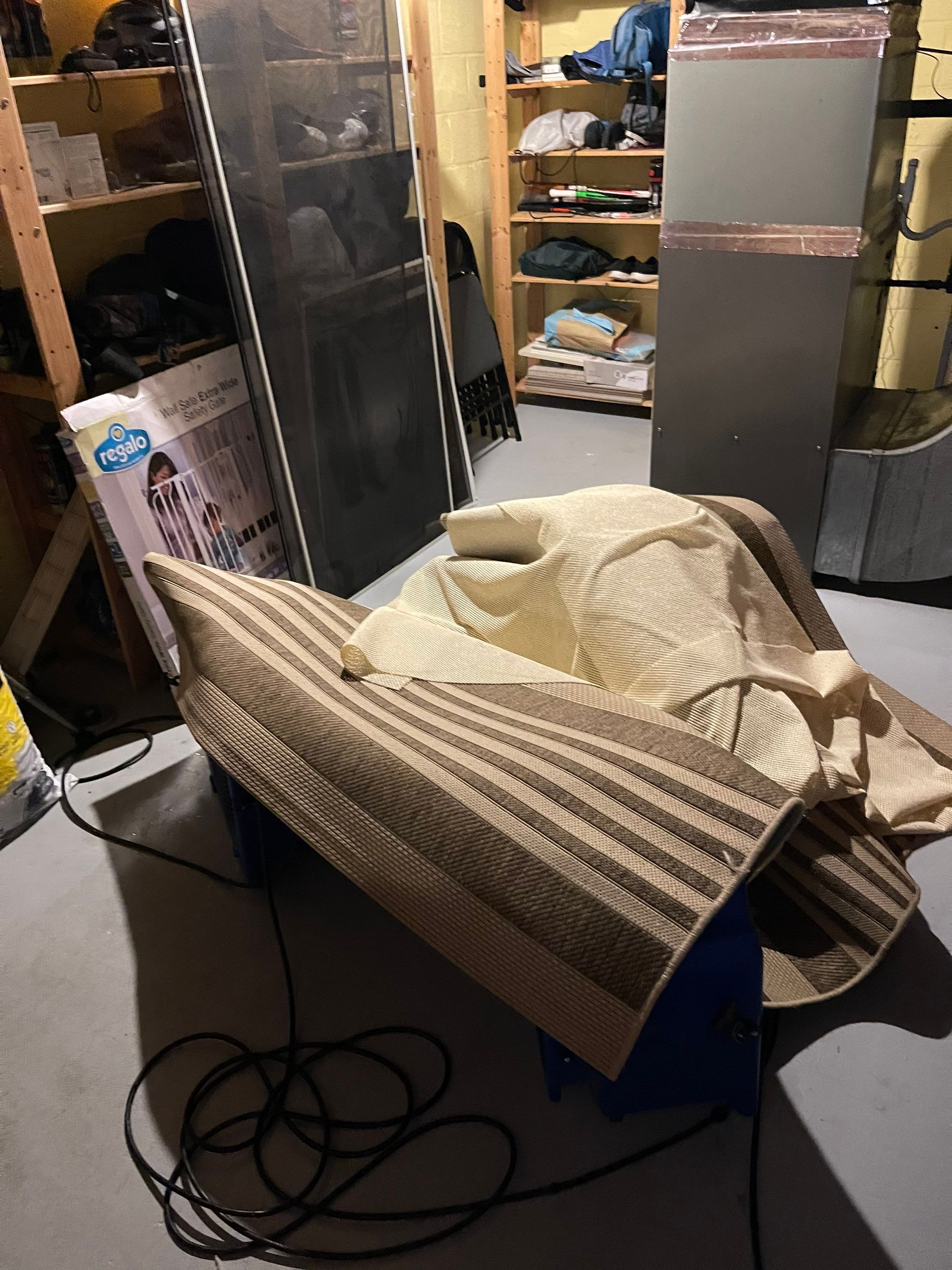
About this water damage restoration project
In the region's typical mix of established single-family neighborhoods, hot, humid Mid-Atlantic summers place steady demand on air conditioning systems—and when an attic-mounted unit developed a leak in this Washington home, water dripped steadily through the ceiling into upper-floor rooms, creating conditions favorable to mold growth. The homeowner discovered the damage after noticing discoloration and a persistent musty odor, prompting our dispatch to the 20007 property.
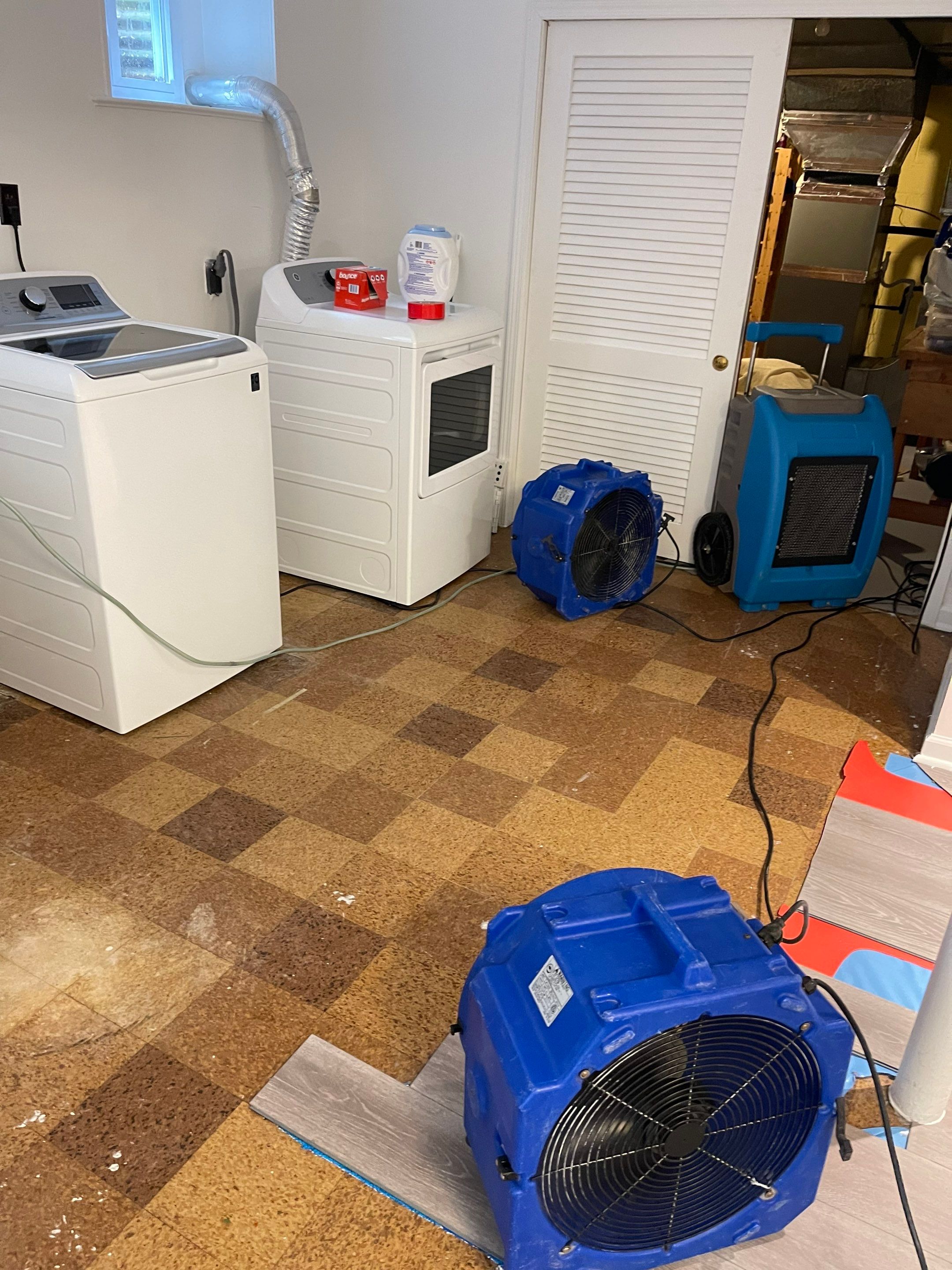
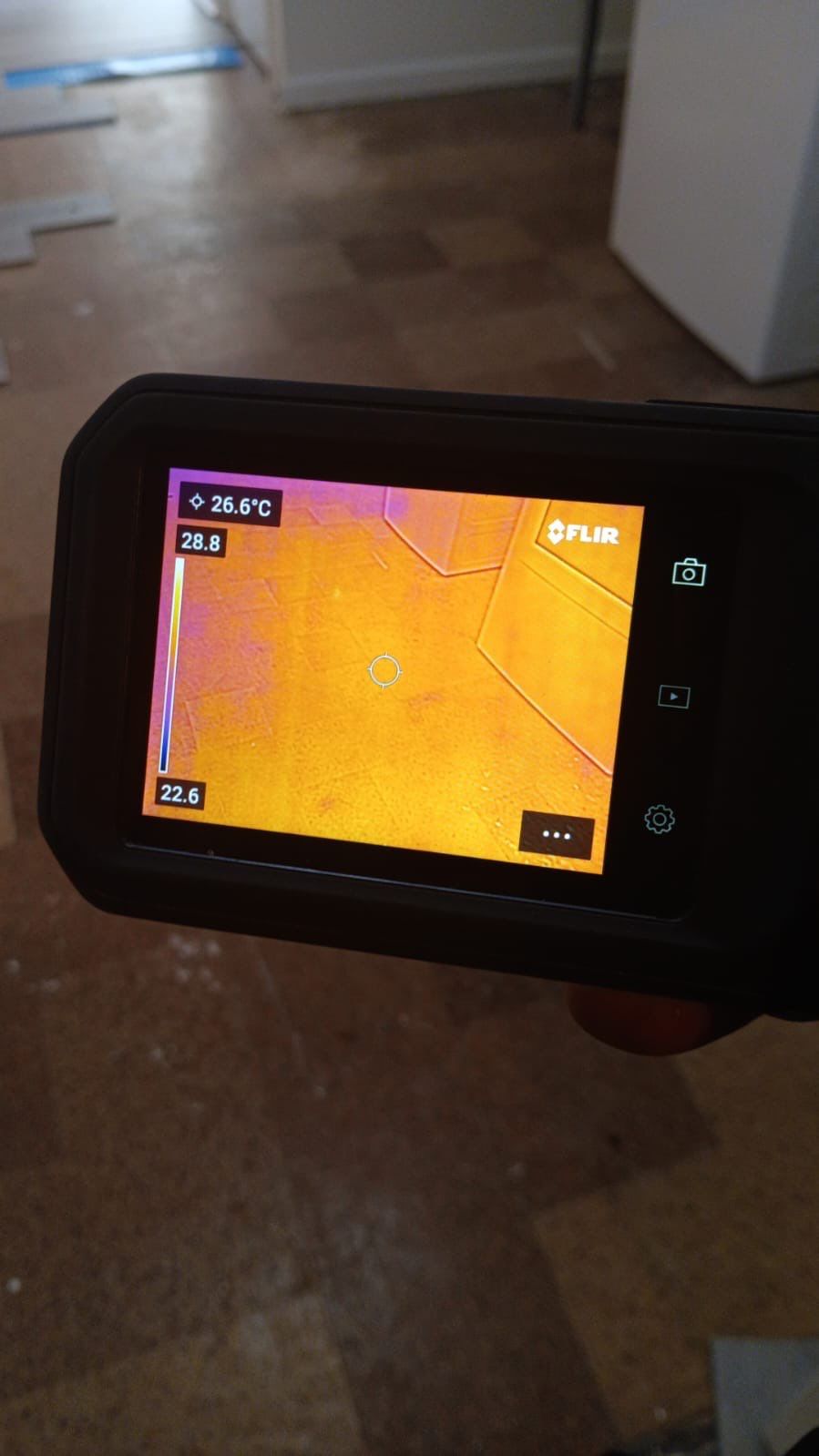
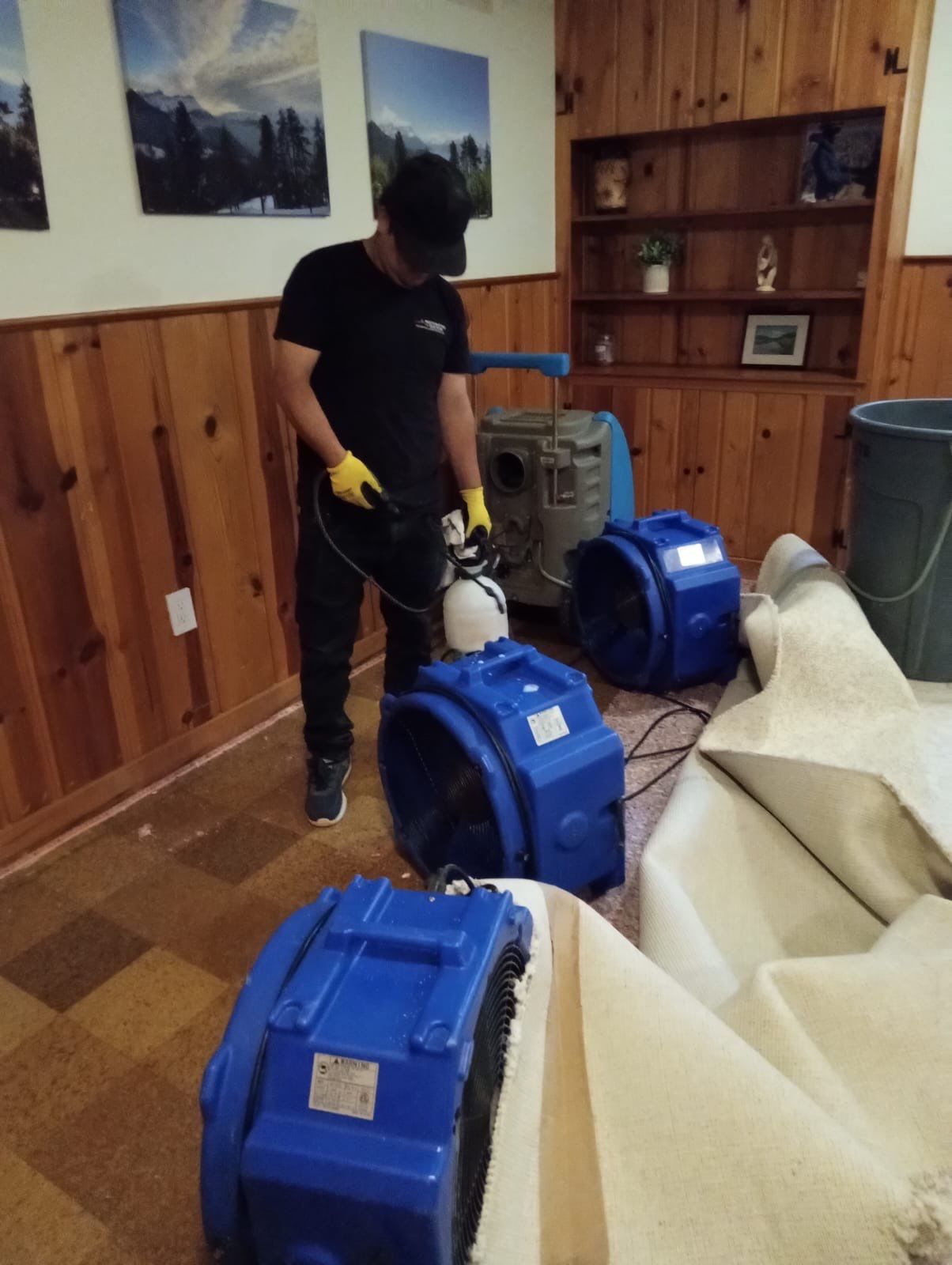
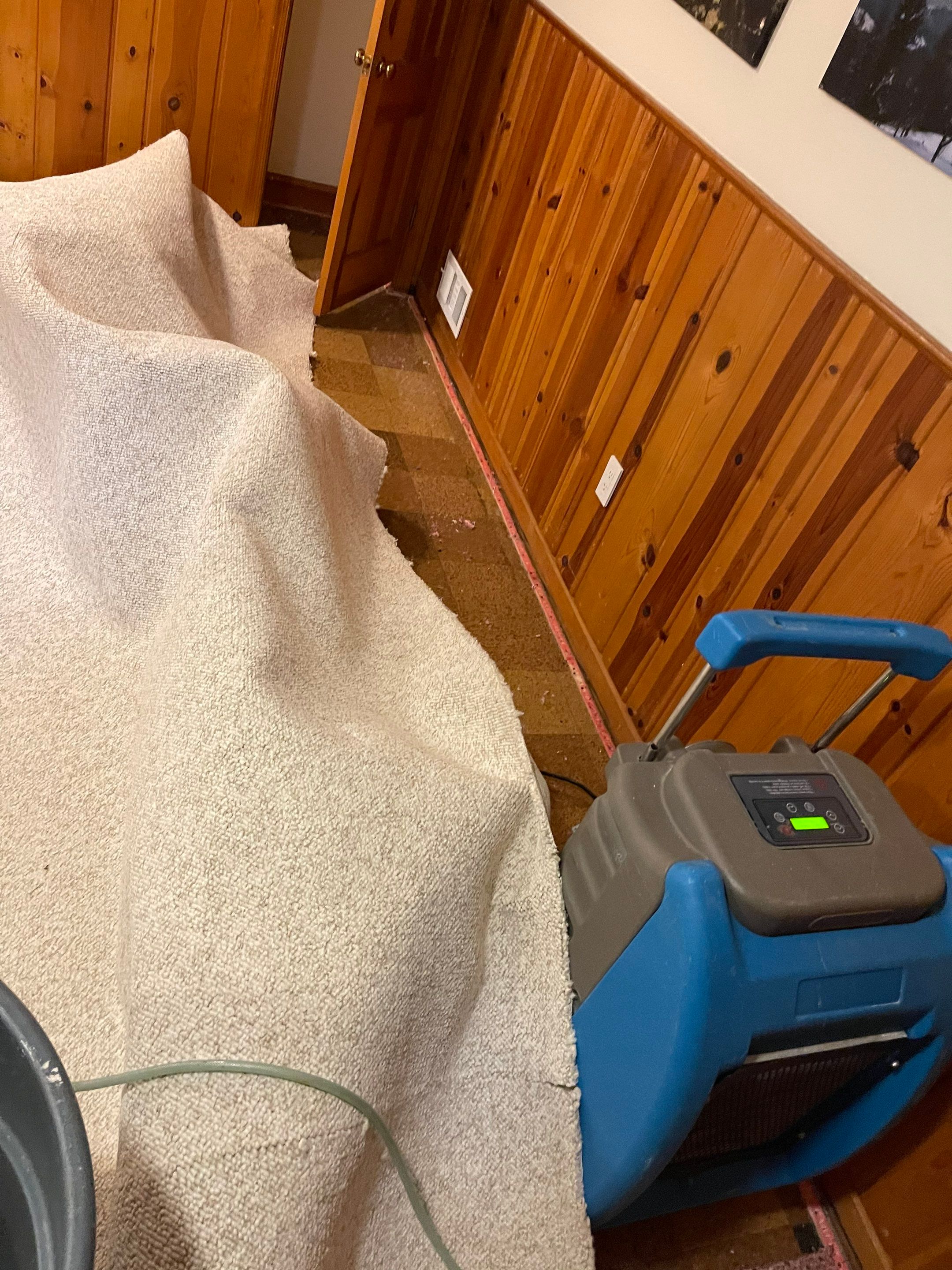
We began by locating and repairing the failed condensate line that had caused the intrusion, then extracted standing water from affected floors and furnishings using truck-mounted equipment. Following IICRC S520 protocols for mold remediation, we removed compromised insulation and treated exposed framing and drywall with antimicrobial solutions to arrest further colonization. Industrial dehumidifiers and air movers ran continuously to dry the building envelope to stable moisture levels, a process we monitored with daily readings until all materials returned to normal equilibrium.
Once drying was complete, we rebuilt the ceiling assemblies, replaced insulation to code, and restored salvageable personal belongings through controlled cleaning. The homeowner expressed relief that the work progressed efficiently and that the home returned to a safe, habitable state without lingering odor or visible damage.
Frequently asked questions
What caused the mold growth after the attic air conditioner leak in my Washington, D.C. home?
Restoration Doctor found that water dripping from the leaking AC unit saturated ceiling insulation and drywall in the upper-floor rooms, creating sustained moisture conditions ideal for mold colonization. In Washington's hot, humid Mid-Atlantic summers, these damp building cavities can support fungal growth within days if not dried promptly. Our team applied industrial drying equipment and mold inhibitors to interrupt that process and restore safe indoor air quality.
How did Restoration Doctor dry the ceiling and insulation after extracting the standing water?
After extracting pooled water from the affected upper-floor areas, we deployed industrial-grade dehumidifiers and air movers to target the saturated ceiling assembly and wall cavities. Moisture meters guided our technicians in monitoring insulation, drywall, and framing until readings returned to standard dry conditions. This controlled drying prevented secondary mold amplification and allowed us to proceed safely with structural repairs.
Why is attic HVAC equipment a common water-intrusion source in D.C.'s historic rowhouses and mid-rise buildings?
Restoration Doctor often responds to attic AC failures in Washington's dense urban housing stock, where condensate drain lines and aging equipment sit above finished living spaces with limited drainage pathways. When a drain clogs or a drip pan overflows, gravity carries water directly through ceilings into occupied rooms below. Regular HVAC maintenance and drain-line inspections can reduce the risk of these vertical water migrations in multi-story urban structures.
What does mold remediation involve after water damage in Washington, D.C.?
Restoration Doctor's mold remediation service in Washington follows IICRC S520 protocols: containing affected areas to prevent spore spread, removing non-salvageable materials like saturated insulation or carpet, HEPA-vacuuming surfaces, and applying EPA-registered antimicrobial treatments where appropriate. For this attic-leak job, we treated exposed framing and applied inhibitors to dried surfaces before reinstalling ceiling finishes, ensuring the home returned to a healthy, mold-free baseline.
Can flooring and carpet be saved after water intrusion, or does everything need replacement?
Restoration Doctor evaluates each material individually based on water category, saturation depth, and drying response. In this Washington job, carpet padding absorbed ceiling drip and required removal, while some hardwood or tile in adjacent rooms dried successfully with targeted equipment placement. Our goal is always to restore rather than replace when materials can be returned to pre-loss condition safely and cost-effectively.
Explore more restoration work
All projects in Washington · Water Damage Restoration in Washington
Water, fire, or mold damage in Washington?
Restoration Doctor responds 24/7 across Washington and Northern Virginia. Free assessment and transparent, insurance-friendly estimates — no obligation.
See our Water Damage Restoration services at restorationdoctors.com →