water leak originating from an upstairs bathroom
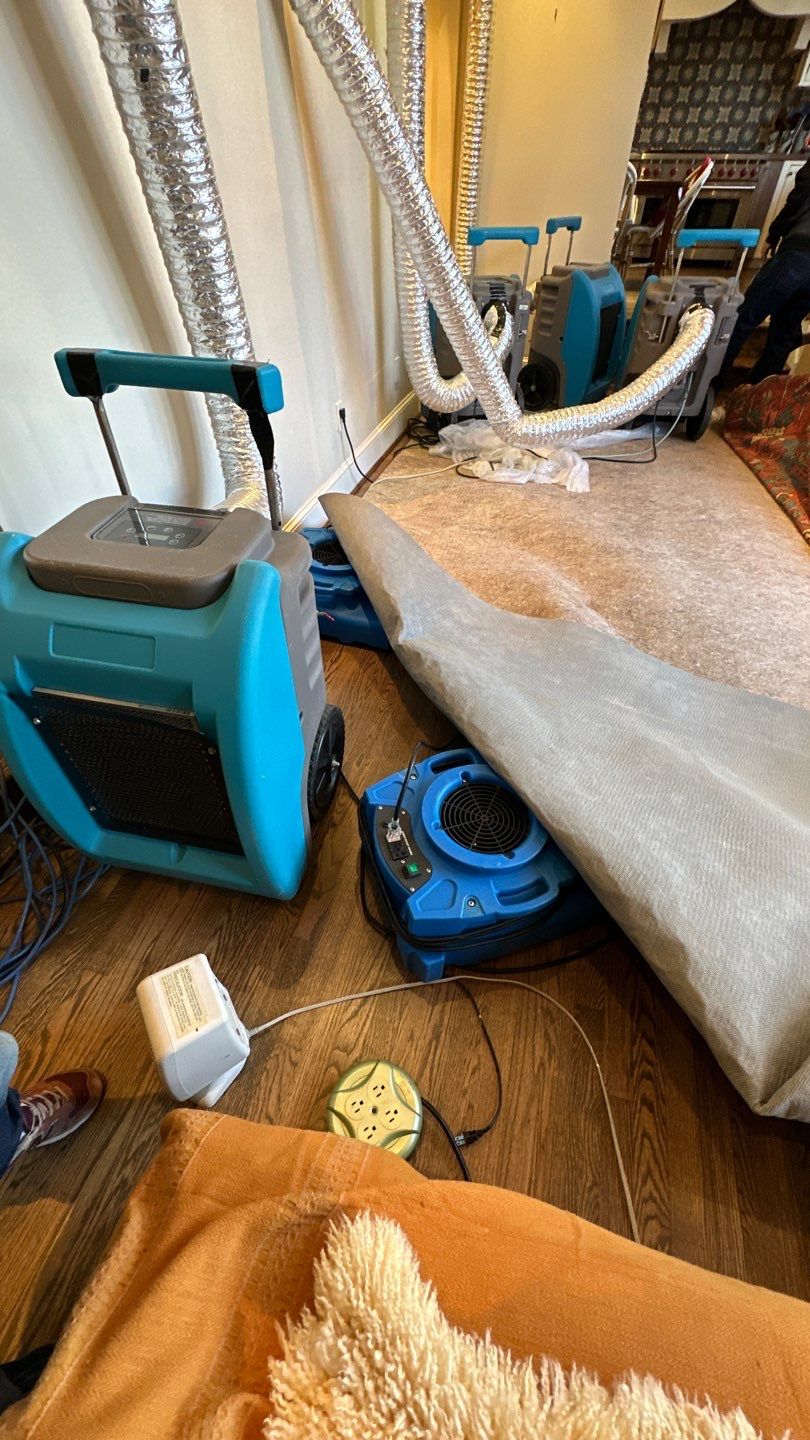
About this mold remediation project
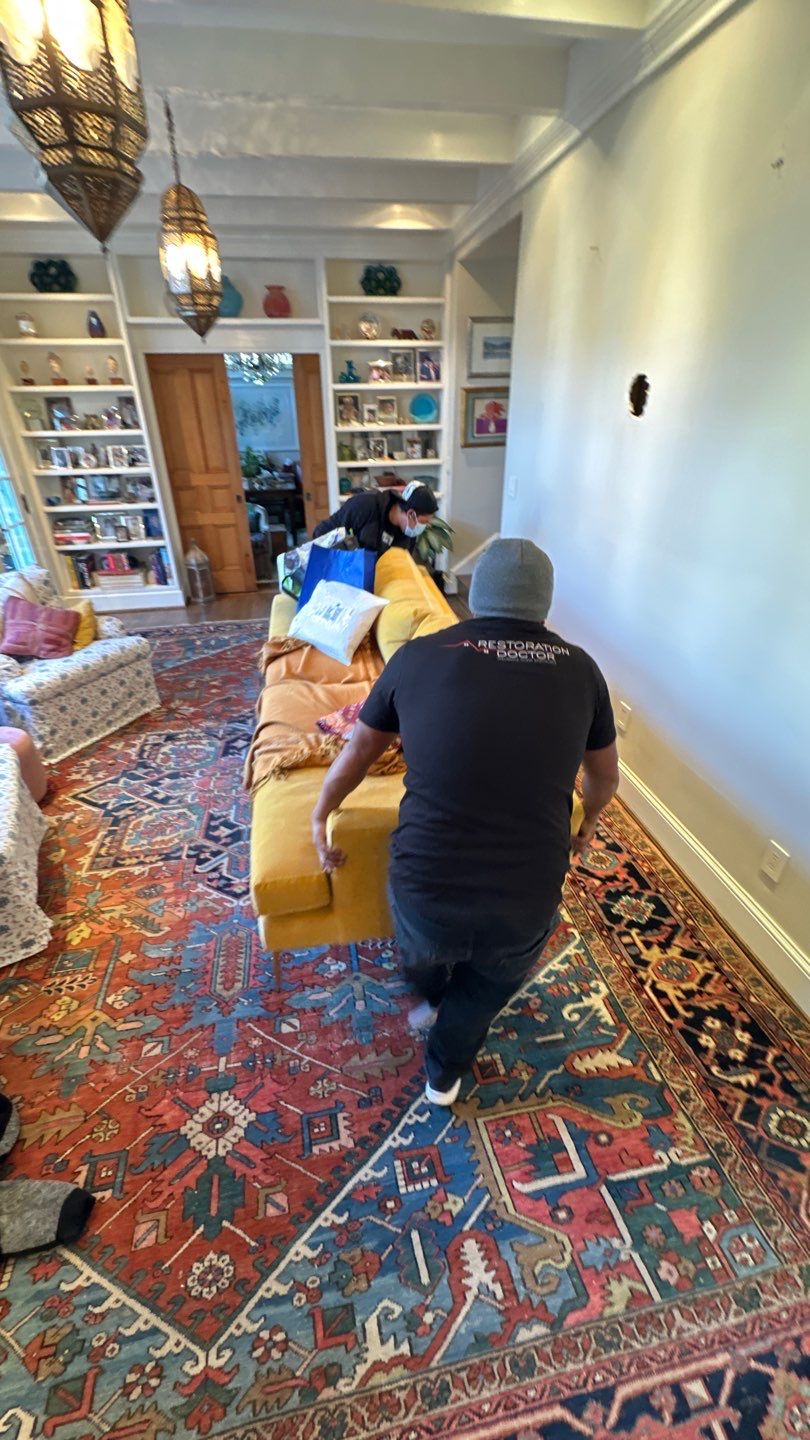
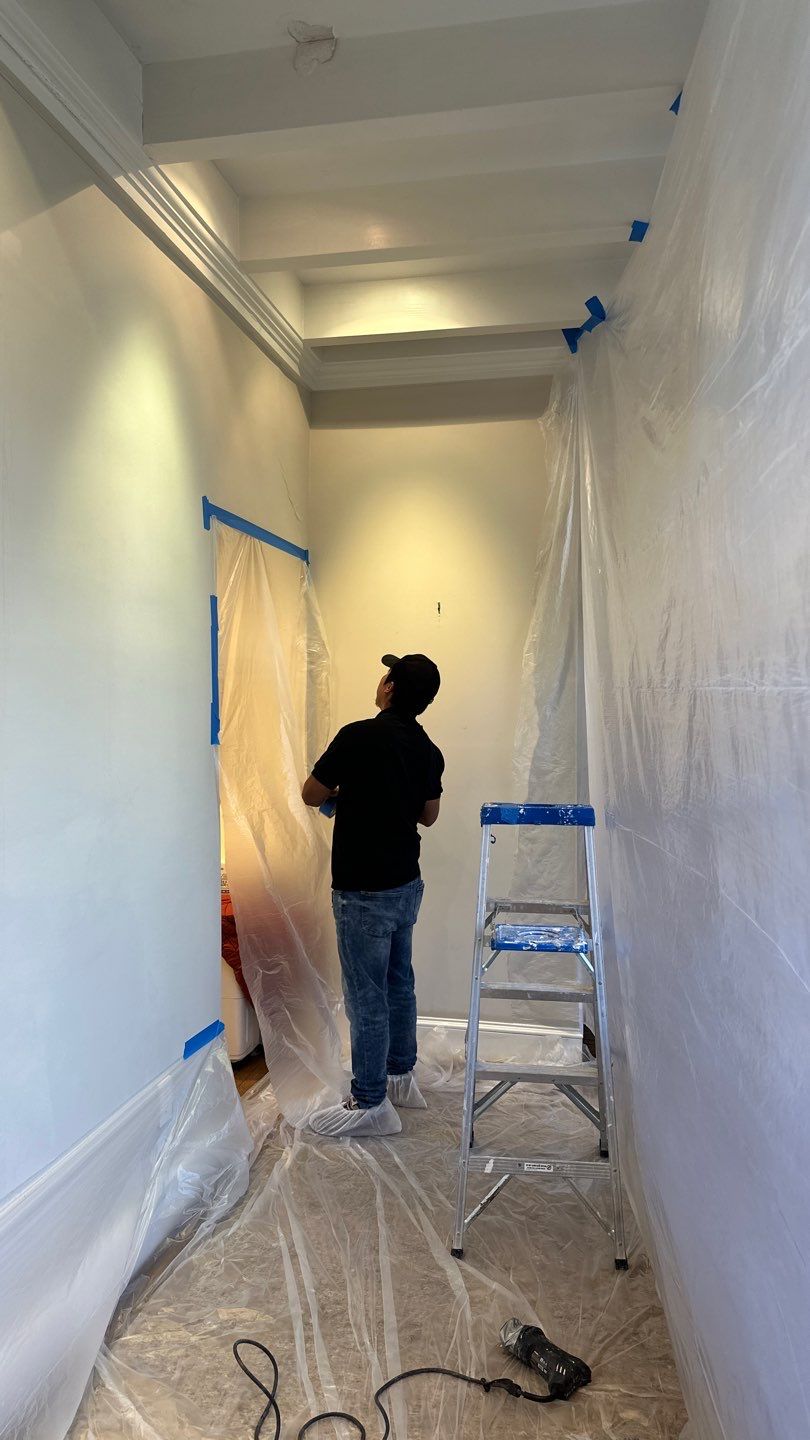
When an upstairs bathroom leak sent water cascading into the living room below, a Washington, DC homeowner faced the dual threat common to the region's humid Mid-Atlantic climate: immediate structural damage to wood flooring and the elevated risk of mold taking hold in saturated materials. The leak had pooled across the living room's wooden floors, demanding rapid extraction and thorough moisture management.
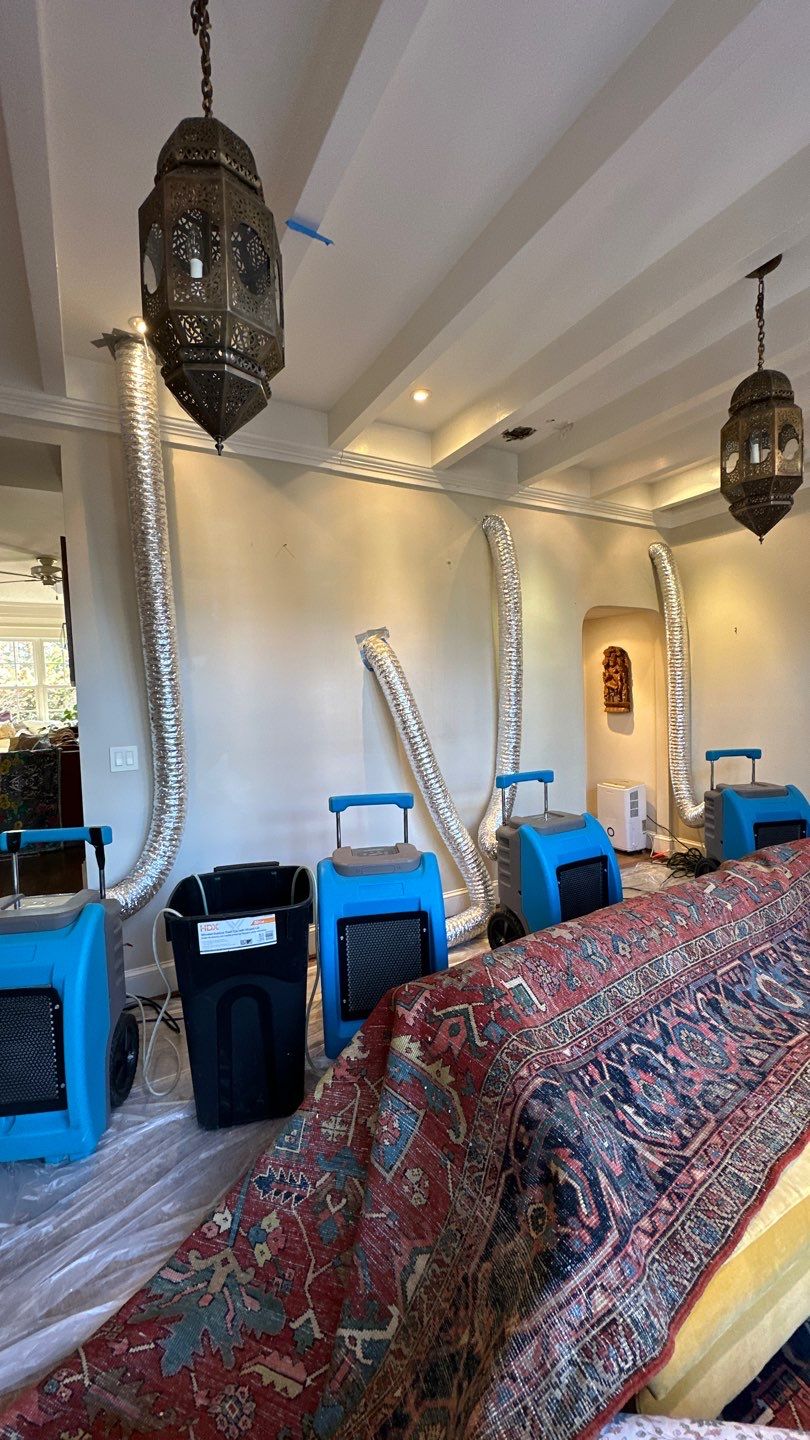
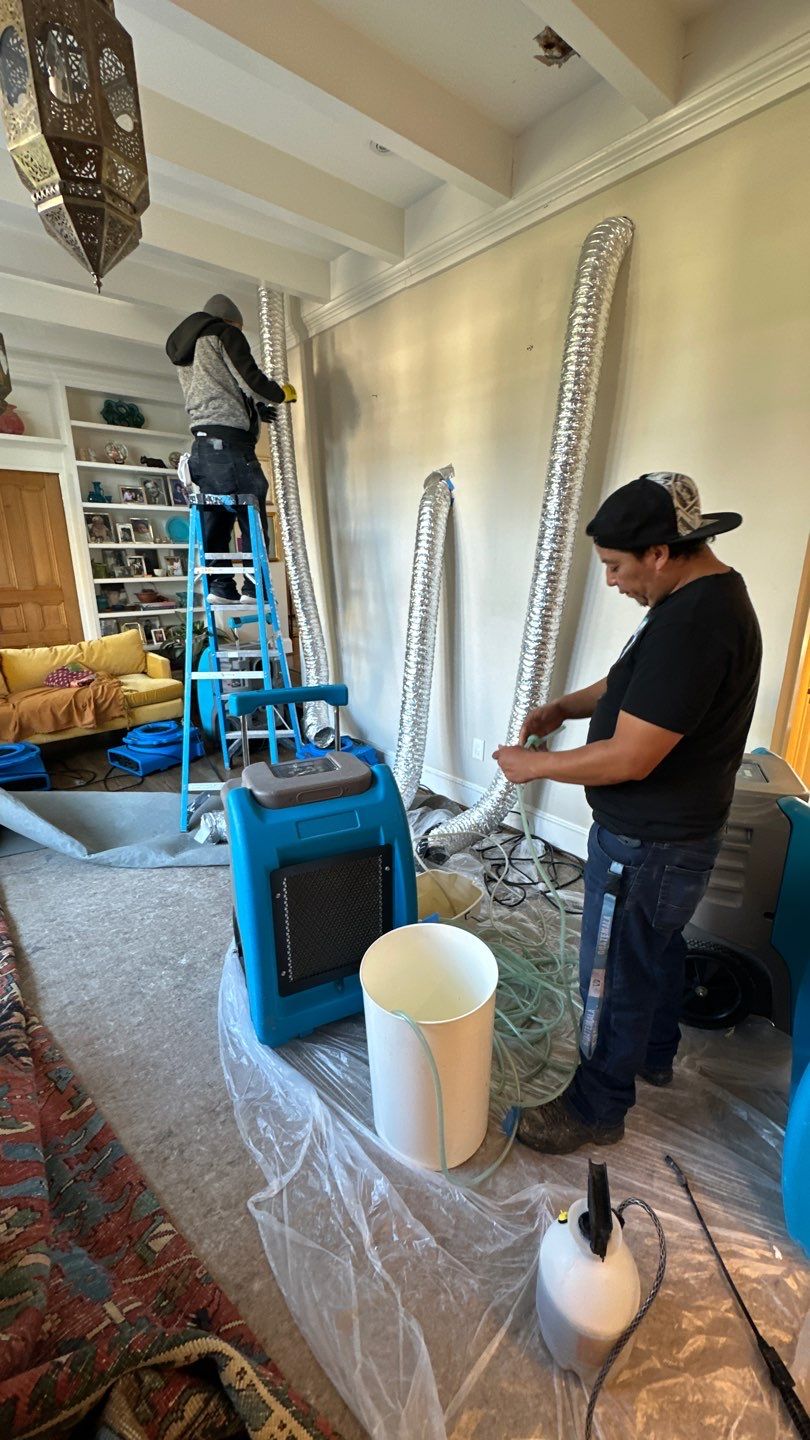
We began by removing standing water with truck-mounted extractors, then staged industrial dehumidifiers and air movers to pull residual moisture from the wood and subfloor. Monitoring continued until readings confirmed the living room had returned to dry-standard conditions, following IICRC S500 protocols for water-damaged structures. With the moisture threat eliminated, we sanitized all affected surfaces to prevent secondary microbial growth—a critical step given the timeframe between the leak's discovery and our arrival.
The final phase addressed the flooring itself: damaged sections were either restored through targeted sanding and refinishing or replaced where water had compromised structural integrity. The homeowner's review reflected relief that the living room returned to its original appearance without the broader rebuild they had anticipated, and that the work kept mold from establishing in a space their family uses daily.
Frequently asked questions
How does a bathroom leak on an upper floor cause living room damage in Washington, DC homes?
In the region's typical single-family homes, water from an upstairs bathroom leak travels downward through floor joists and subfloor assemblies, often pooling on the ceiling below before breaching into living spaces. Restoration Doctor responded to this Washington job by extracting standing water that had migrated from the bathroom above into the living room, then drying the structural pathway to prevent hidden moisture from feeding mold in wall cavities or beneath flooring.
Why did Restoration Doctor sanitize after drying the wooden floors?
Once standing water was extracted and the living room structurally dried, sanitizing the wood surfaces was necessary to eliminate organic residues and biofilm that water intrusion deposits, which can support microbial growth even after moisture levels normalize. For this Washington job, Restoration Doctor applied antimicrobial treatment to the affected flooring and adjacent surfaces before repair, ensuring the space would not develop mold colonies as humidity levels fluctuate during the Mid-Atlantic's hot, humid summer months.
What happens to hardwood floors after prolonged water exposure in the DC metro?
Wood flooring absorbs moisture rapidly, causing cupping, warping, and delamination of finish layers, especially when standing water remains for more than a few hours. At this Washington property, Restoration Doctor assessed the living room's wooden floors after extraction and dehumidification, then repaired sections where the wood had stabilized and replaced boards that had sustained structural damage beyond drying, restoring the floor to its original appearance and integrity.
How long does industrial dehumidification typically run after a water intrusion like this?
Drying duration depends on the volume of water, the materials affected, and ambient conditions—the Mid-Atlantic's summer humidity can extend timelines if not controlled. For this Washington living room job, Restoration Doctor deployed industrial-grade dehumidifiers and air movers immediately after extraction, monitoring moisture readings in the wood subfloor and framing until levels returned to dry standard, a process that typically spans several days but varies by the extent of saturation and the building's ventilation capacity.
Does water damage from a bathroom leak require mold remediation, or just drying?
If standing water is extracted and structural drying begins promptly—before microbial colonization establishes—the work remains water mitigation rather than formal mold remediation under IICRC S520. Restoration Doctor's swift response to this Washington job kept the scope within water-damage protocol: extraction, drying, and preventive sanitizing ensured the living room did not cross into active mold growth, which the region's humid summers would otherwise support if moisture lingered in porous materials.
Explore more restoration work
All projects in Washington · Mold Remediation in Washington
Water, fire, or mold damage in Washington?
Restoration Doctor responds 24/7 across Washington and Northern Virginia. Free assessment and transparent, insurance-friendly estimates — no obligation.
See our Mold Remediation services at restorationdoctors.com →