Northwest DC Flooded Basement
About this mold remediation project
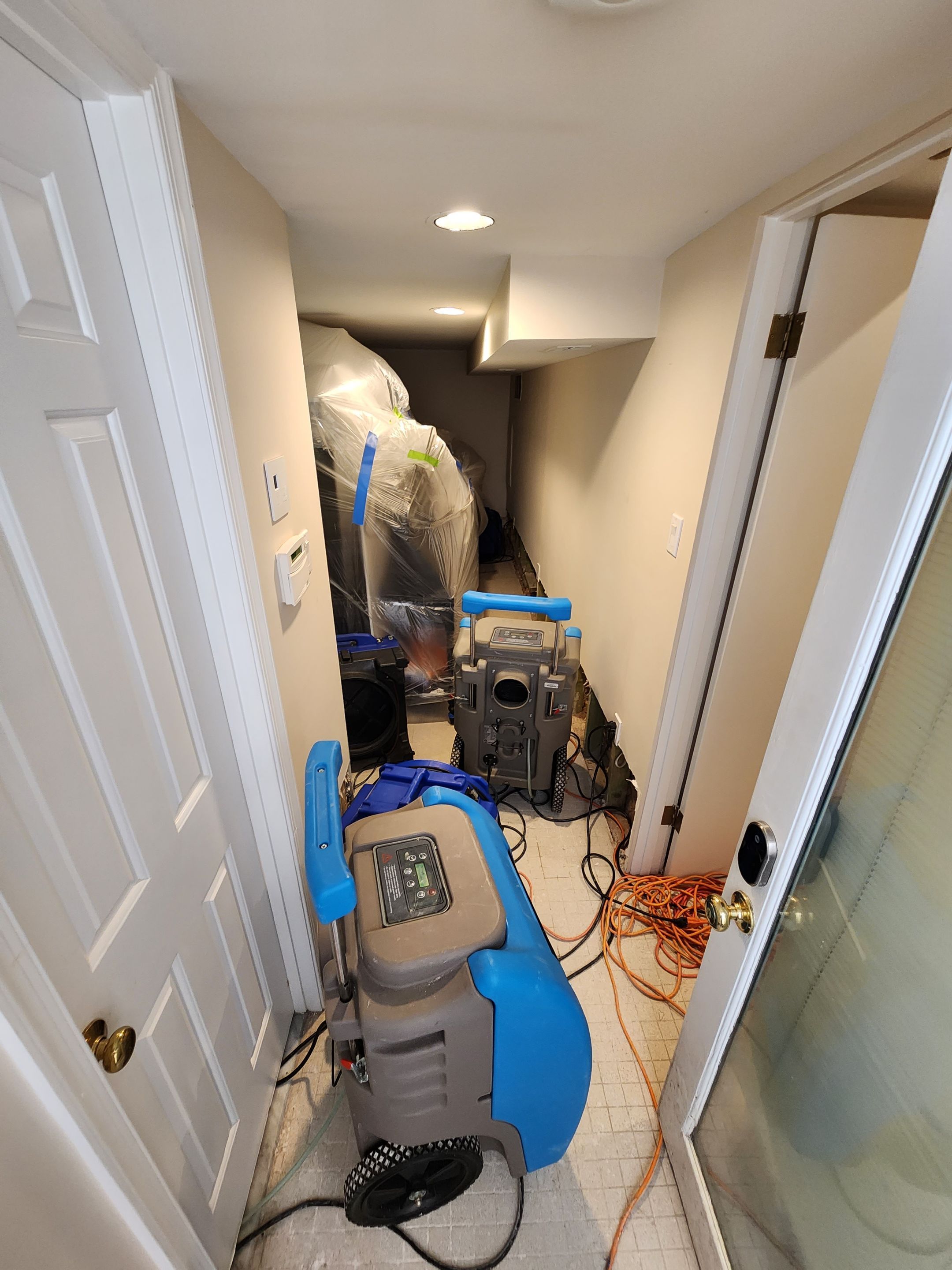
A flooded basement in Northwest DC required immediate attention to prevent the mold growth that had already begun following a severe storm. In Washington's dense mix of rowhouses and rehabilitated urban neighborhoods, aging infrastructure and intense Mid-Atlantic summer humidity create conditions where standing water quickly escalates from a drainage problem to a microbial hazard.
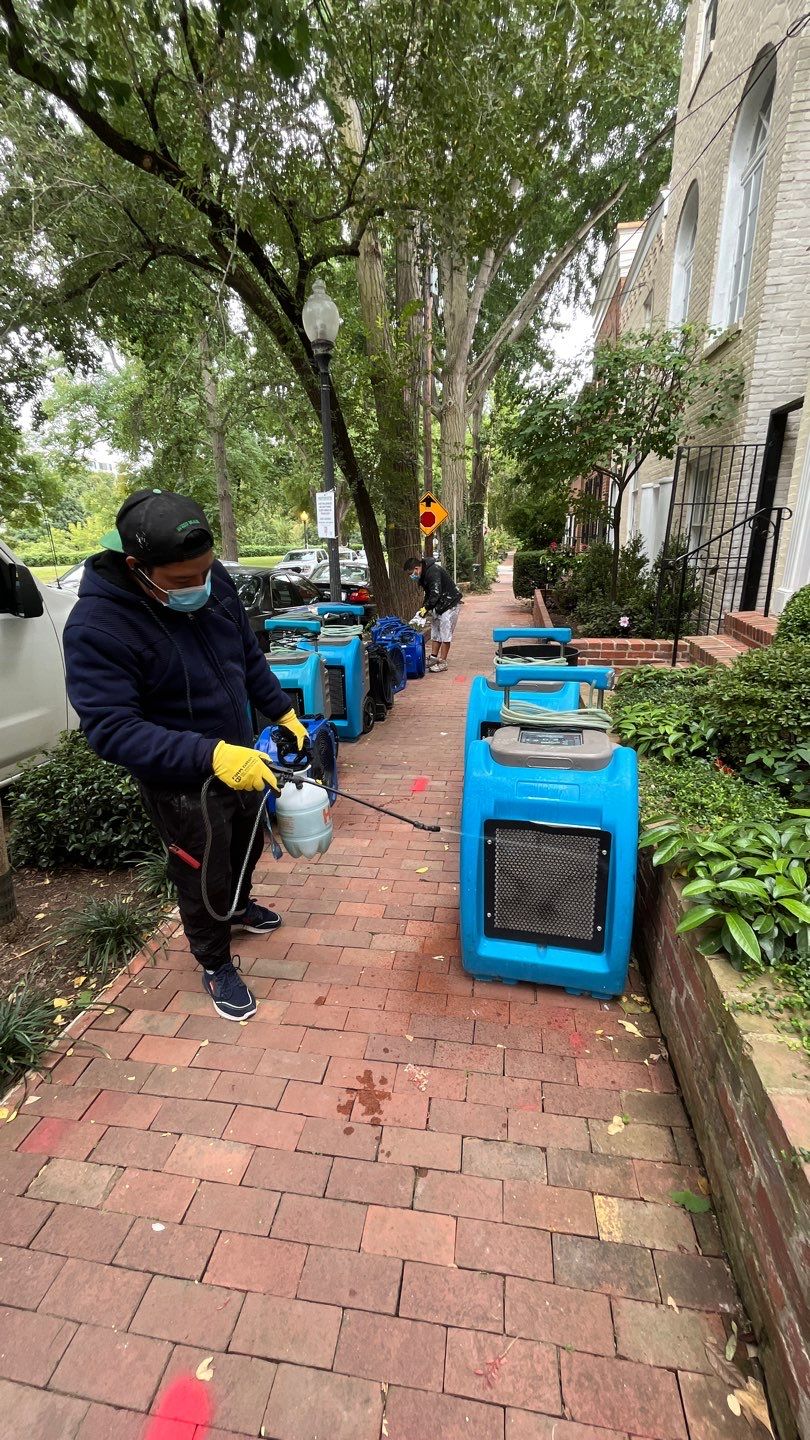
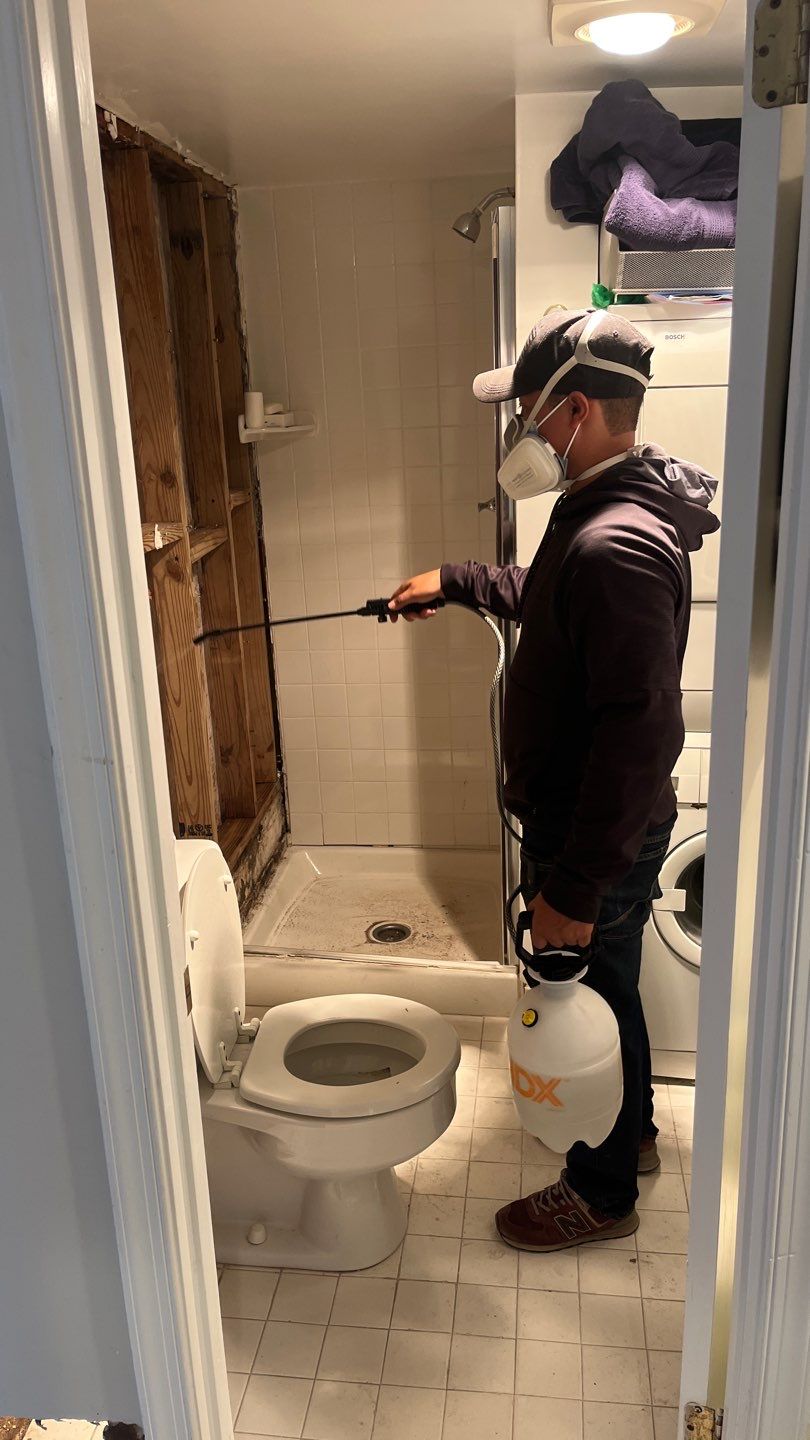
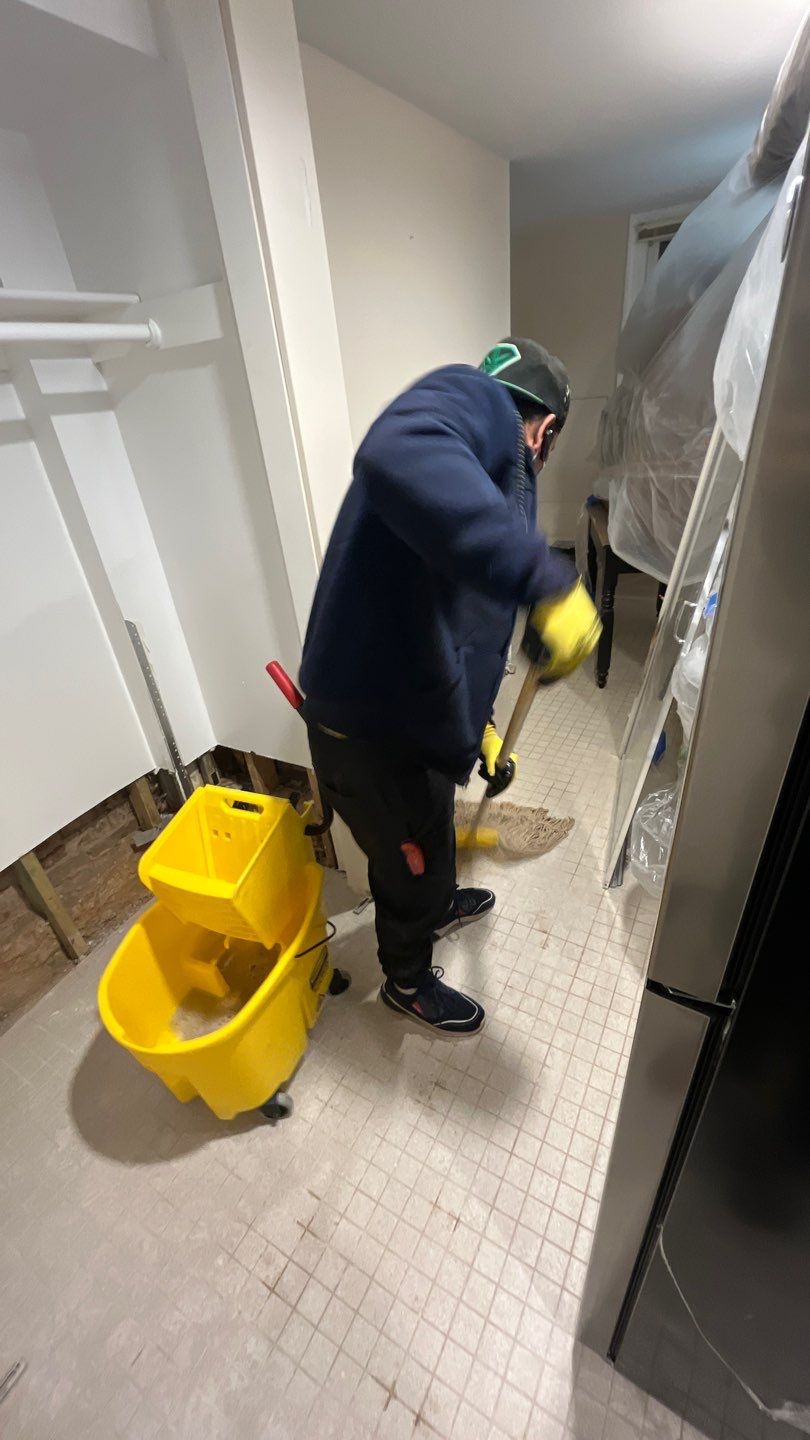
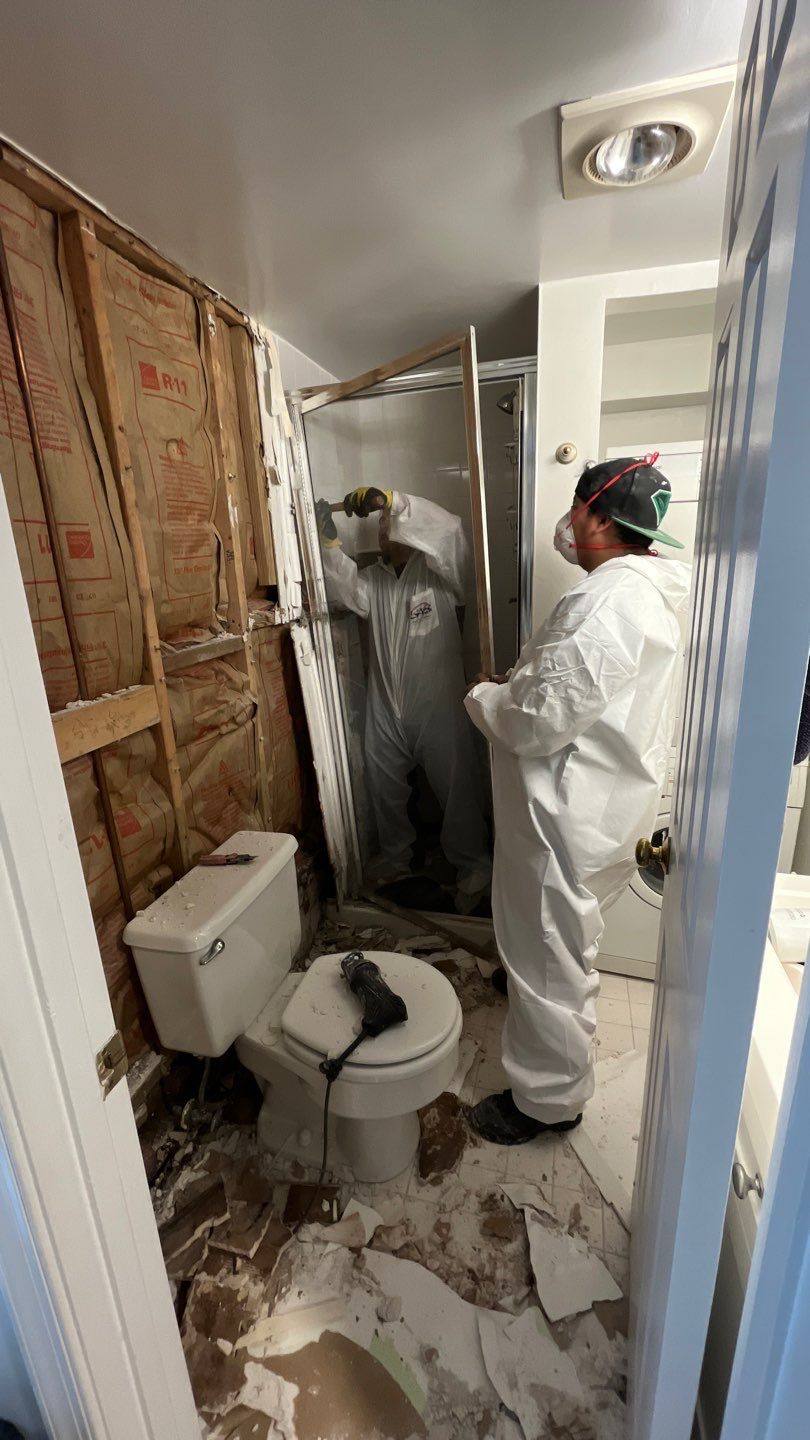
Our team began with complete water extraction, removing all standing moisture from the affected basement space. Once extraction was complete, we deployed commercial drying equipment to bring the concrete and framing materials to safe moisture levels, a process guided by the IICRC S520 mold remediation standard. The visible mold growth was contained and removed using appropriate antimicrobial protocols, followed by thorough sanitization of all affected surfaces.
The basement was returned to a dry, sanitized condition, with no remaining moisture sources that could support future microbial activity. By addressing both the immediate water intrusion and the resulting mold contamination in sequence, we eliminated the health risk and restored the below-grade space to safe occupancy.
Frequently asked questions
Why is mold remediation especially urgent after basement flooding in Washington, DC rowhouses?
In Washington's dense urban neighborhoods, historic rowhouses and rehabilitated buildings often have basements with limited ventilation and aging materials that trap moisture. Restoration Doctor responds quickly to flooded basements because the District's hot, humid summers create ideal conditions for mold colonization within days of water intrusion. Our extraction, structural drying, and sanitization process removes standing water and reduces humidity to levels that prevent microbial growth, protecting both the structure and indoor air quality.
What does standing-water extraction involve during mold remediation in a DC basement?
For this Northwest DC property, Restoration Doctor deployed truck-mounted extractors and submersible pumps to remove all standing water from the flooded basement following the severe storm. Extraction is the critical first step—any water left behind continues to saturate porous materials like drywall, wood framing, and concrete, feeding the conditions mold needs to establish. We then transitioned immediately to structural drying with commercial dehumidifiers and air movers to bring moisture levels down to safe thresholds.
How does Restoration Doctor sanitize a basement after water damage and mold risk in Washington?
After drying the Northwest DC basement to stable moisture readings, our IICRC-certified technicians applied EPA-registered antimicrobial treatments to all affected surfaces—concrete floors, foundation walls, and any exposed framing. Sanitizing addresses both visible contamination and microbial residue left by the floodwater, which in urban storm events often carries organic debris and sediment. This step ensures the space is hygienically clean and safe for occupancy, not just visibly dry.
Does homeowners insurance typically cover mold remediation after a storm flood in DC?
Coverage depends on the policy and the sequence of events. Restoration Doctor works directly with insurers throughout Washington to document the water intrusion, our extraction and drying timeline, and the mold remediation scope. Most standard policies cover mold if it results from a sudden, covered peril like storm flooding—provided the homeowner mitigates promptly. We provide detailed photo documentation and moisture logs to support the claim and help homeowners navigate the process.
What makes aging urban infrastructure in DC a risk factor for basement water intrusion and mold?
Washington's older neighborhoods rely on combined sewer systems and aging stormwater infrastructure that can overwhelm during heavy rain, forcing water into basements through foundation cracks, floor drains, or window wells. Restoration Doctor sees this pattern frequently in the District's rowhouse stock, where tight lot spacing and impermeable surfaces concentrate runoff. Our remediation approach addresses both the immediate flood damage and the elevated mold risk that DC's humid climate amplifies once water enters below-grade spaces.
Explore more restoration work
All projects in Washington · Mold Remediation in Washington
Water, fire, or mold damage in Washington?
Restoration Doctor responds 24/7 across Washington and Northern Virginia. Free assessment and transparent, insurance-friendly estimates — no obligation.
See our Mold Remediation services at restorationdoctors.com →