Flooding incident in Washington
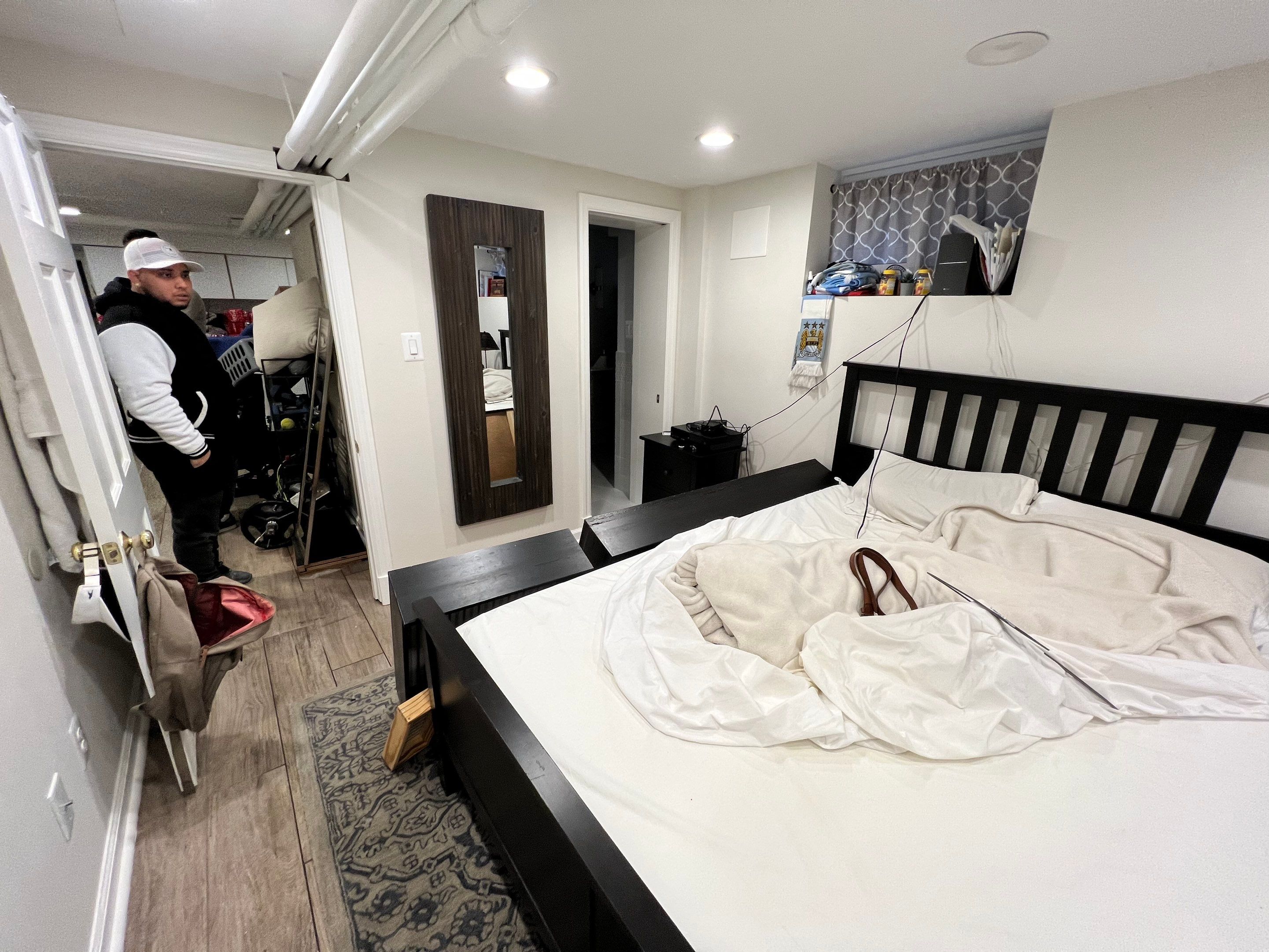
About this mold remediation project
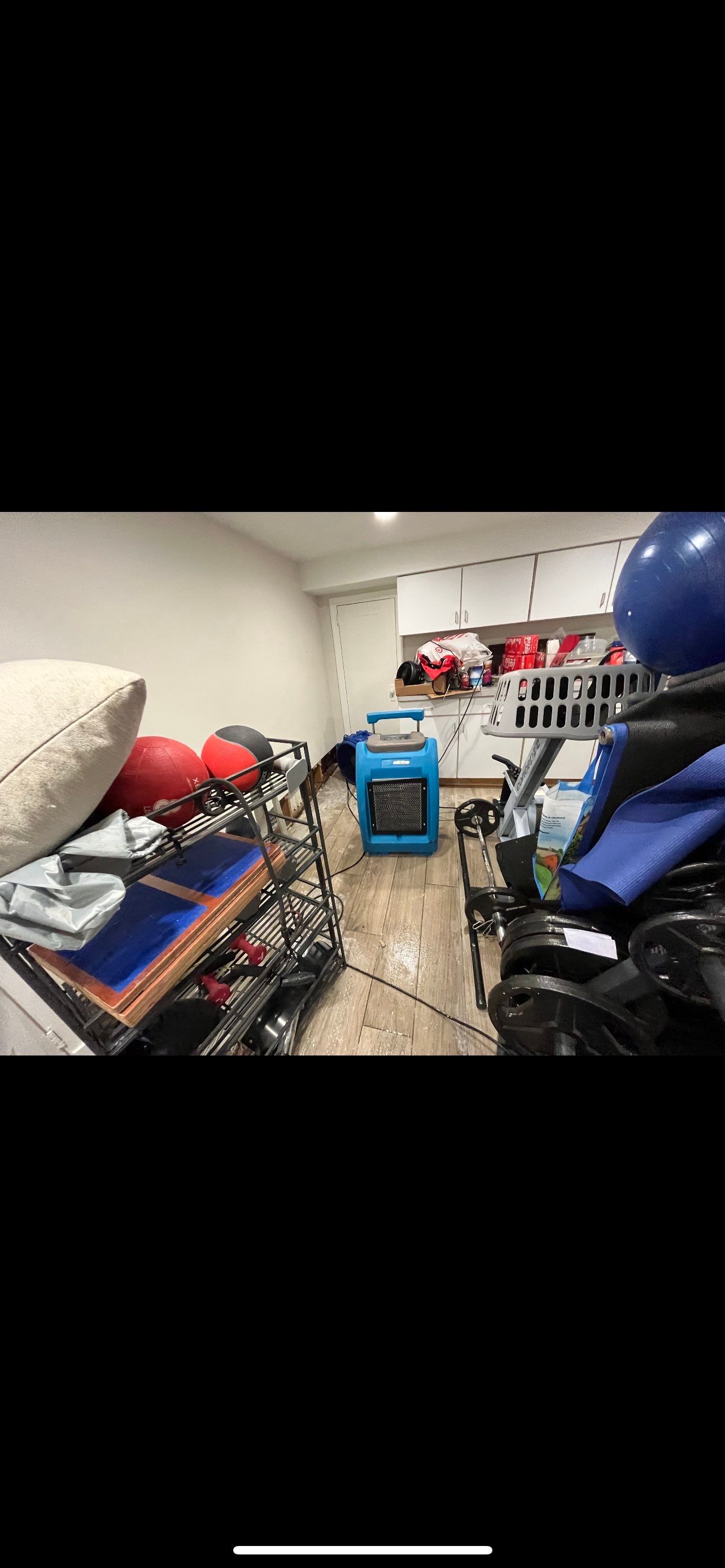
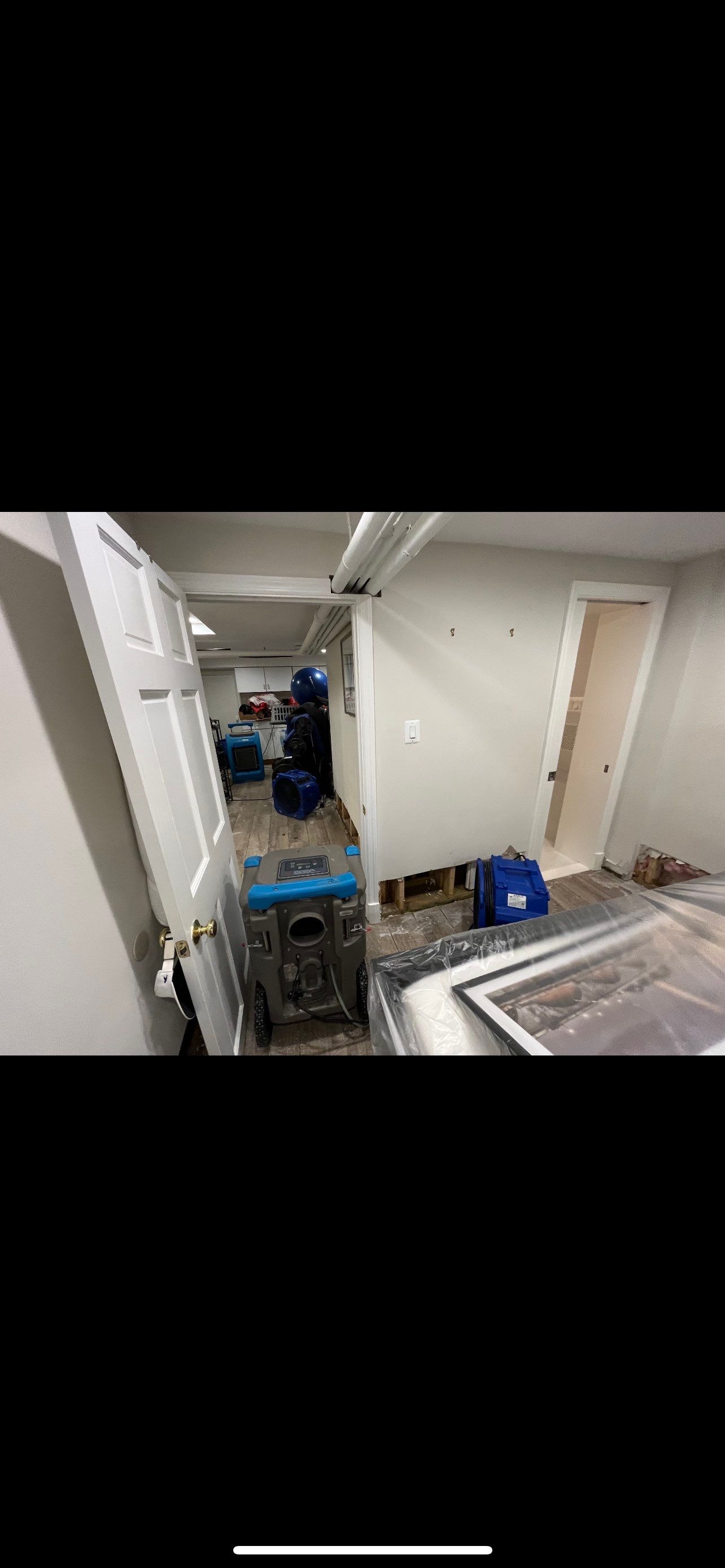
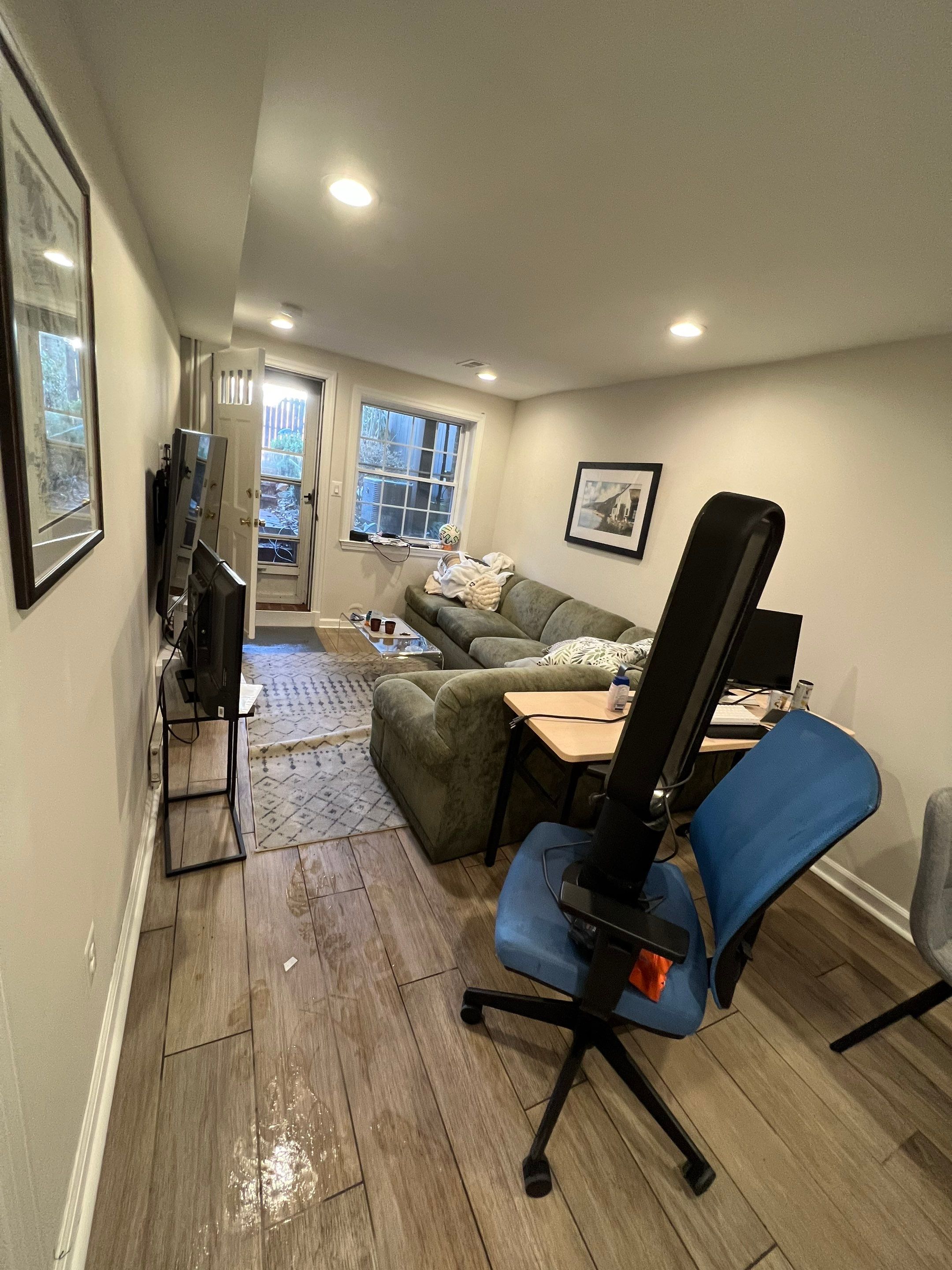
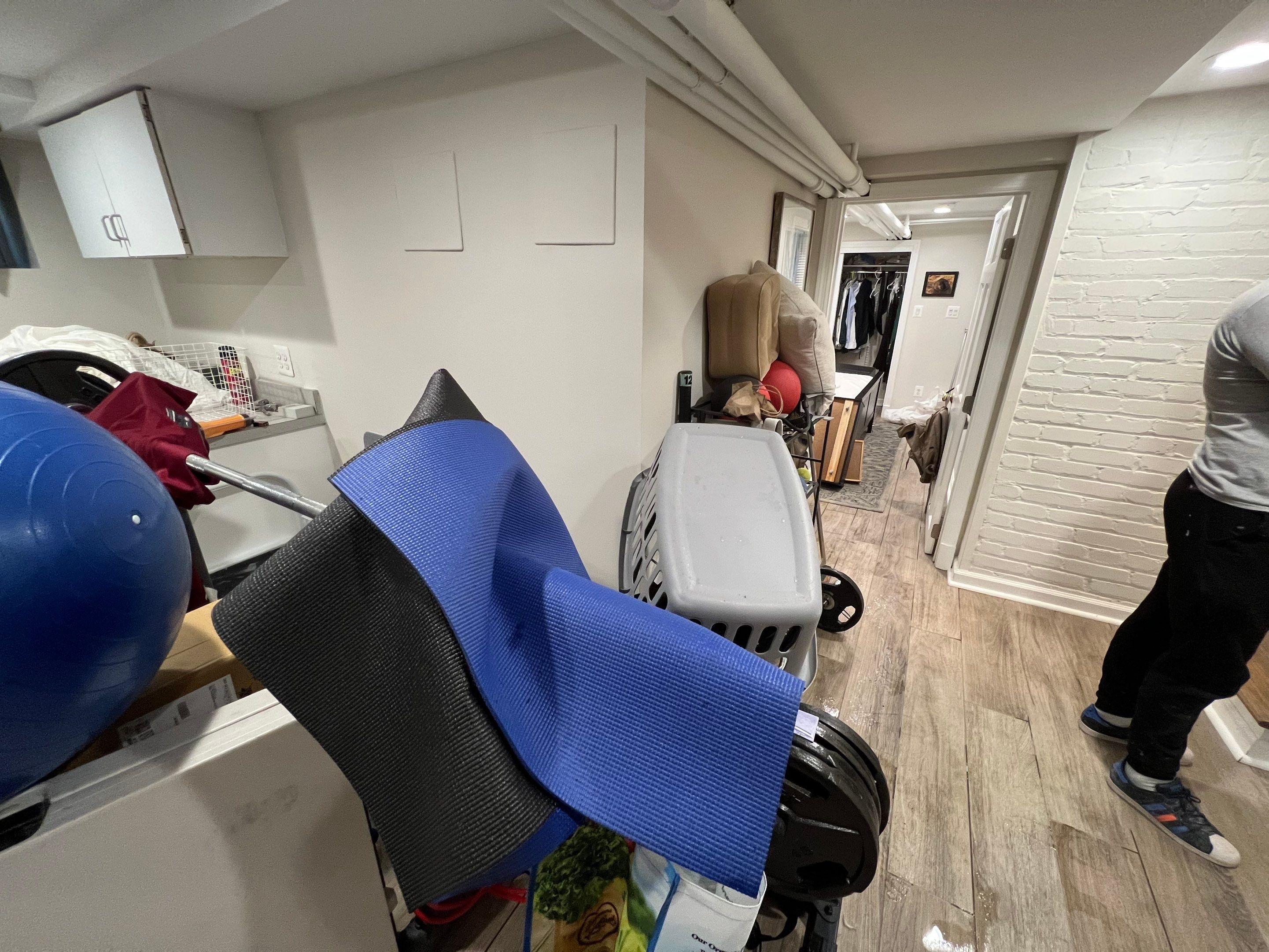
A water leak in a Washington residential property triggered both immediate flooding and the conditions for mold growth—a common sequence in the Mid-Atlantic's humid summer climate, where moisture lingers in the region's established housing stock. The leak had progressed far enough to compromise the garage ceiling and bathroom floorboards, requiring us to address both the acute water intrusion and the secondary microbial risk.
We extracted standing water first, then deployed commercial dehumidifiers and air movers to bring structural cavities to target dryness, following IICRC S500 protocols to arrest mold colonization before it established. With moisture levels stabilized, we removed affected ceiling and flooring materials in the garage and bathroom, then rebuilt those assemblies to restore structural integrity. The scope included antimicrobial treatment of affected framing and thorough sanitization of all exposed surfaces.
Odor elimination completed the work, ensuring no residual mustiness from the water event. The homeowners stayed informed at each decision point—a detail reflected in their review—and the property returned to safe occupancy with both the visible damage and the hidden microbial threat resolved.
Frequently asked questions
How does flooding in Washington, DC lead to mold growth after the water is removed?
In the hot, humid Mid-Atlantic climate of Washington, DC, moisture trapped in building materials after flooding creates ideal conditions for mold colonization, often within a day or two if not properly dried. Restoration Doctor addressed this risk by extracting standing water immediately, then using advanced structural drying equipment to bring moisture levels down throughout the affected areas. Thorough drying of the garage ceiling, bathroom subfloor, and other saturated materials was essential to prevent secondary mold damage in the region's typical housing stock.
What does mold remediation involve when it follows a major water leak in a home?
Restoration Doctor's mold remediation process begins with controlling the moisture source—in this Washington, DC property, that meant extracting standing water and drying the structure using professional-grade equipment. Once moisture levels were stabilized, the team repaired water-damaged building elements like the garage ceiling and bathroom flooring, then sanitized all affected surfaces to eliminate mold spores and prevent recurrence. The work follows IICRC S520 mold remediation standards to ensure the environment is safe for occupancy.
Why did the bathroom floor and garage ceiling require repair after the water intrusion?
Standing water from the leak saturated the bathroom floorboards and compromised the garage ceiling structure, weakening materials and creating conditions for mold growth if left untreated. Restoration Doctor removed damaged sections, dried the underlying framing, and rebuilt those areas to restore structural integrity. This targeted repair approach prevented the need for a full rebuild while ensuring the home in Washington, DC was safe and sound.
Can carpeting be saved after a flood, or does it always need replacement?
Whether carpet can be restored depends on the category of water, how long it remained wet, and the extent of contamination. In this Washington, DC job, Restoration Doctor evaluated the flooring after extraction and drying; where carpet and pad were salvageable through professional cleaning and sanitizing, they were retained, and where damage was too severe, remediation included removal. The decision is always made on-site based on moisture readings and the condition of the materials.
How long does it take to fully dry a home after standing water is extracted?
Drying timelines vary with the extent of saturation, the materials involved, and ambient humidity—particularly relevant in Washington's humid summer climate, which can slow evaporation. Restoration Doctor uses moisture meters and psychrometric monitoring to track progress, adjusting dehumidification and air movement until readings confirm the structure has returned to a dry standard. For a loss of this scope, with standing water affecting multiple rooms and building assemblies, drying typically takes several days of continuous equipment operation.
Explore more restoration work
All projects in Washington · Mold Remediation in Washington
Water, fire, or mold damage in Washington?
Restoration Doctor responds 24/7 across Washington and Northern Virginia. Free assessment and transparent, insurance-friendly estimates — no obligation.
See our Mold Remediation services at restorationdoctors.com →