Flood from a Nearby River
About this mold remediation project
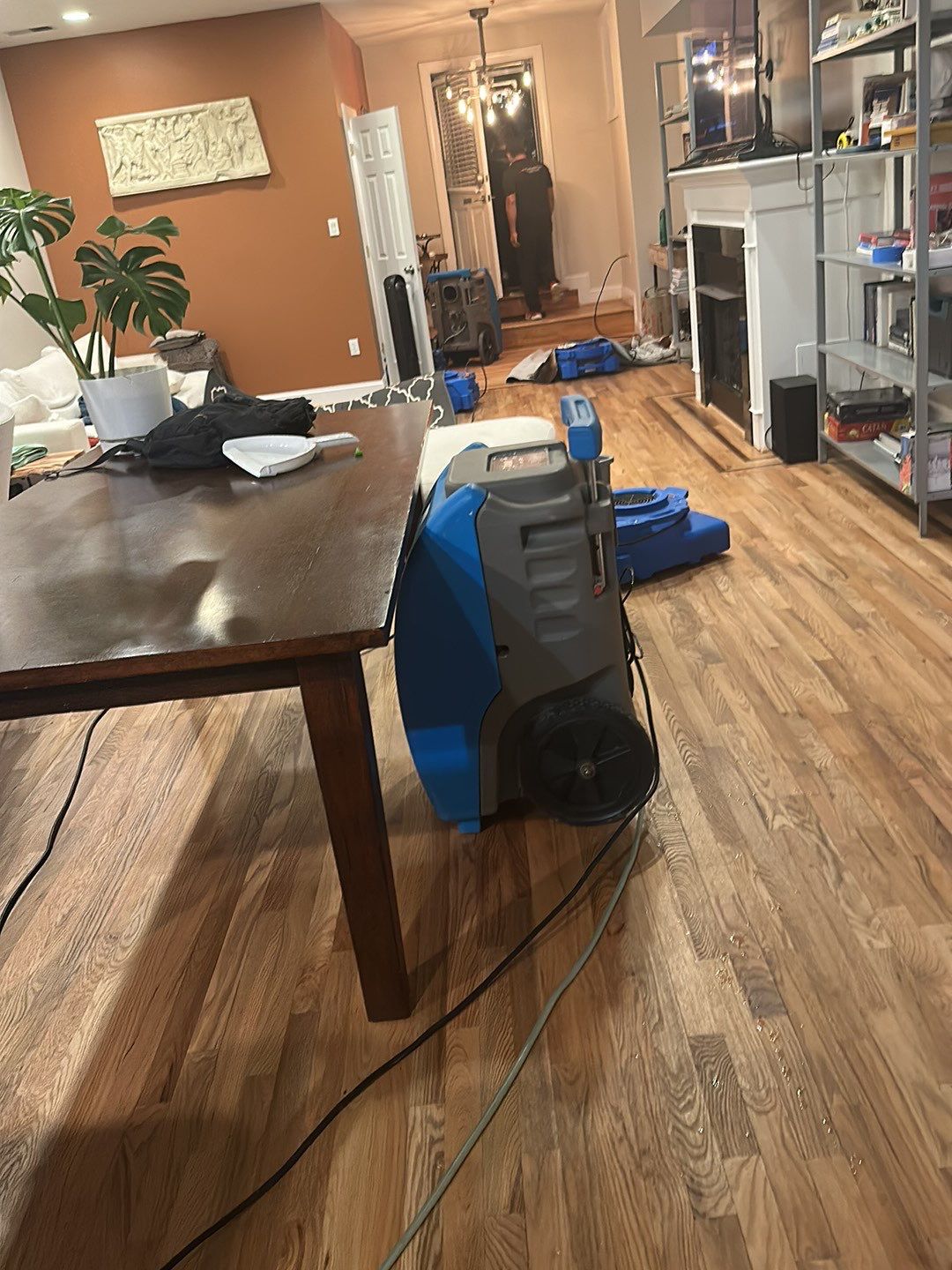
A historic rowhouse in Washington, D.C., suffered severe first-floor damage after floodwater from an overflowing river breached the foundation. In a district where aging urban infrastructure often compounds stormwater events, the sheer volume of water required immediate extraction to prevent further structural compromise and secondary contamination.
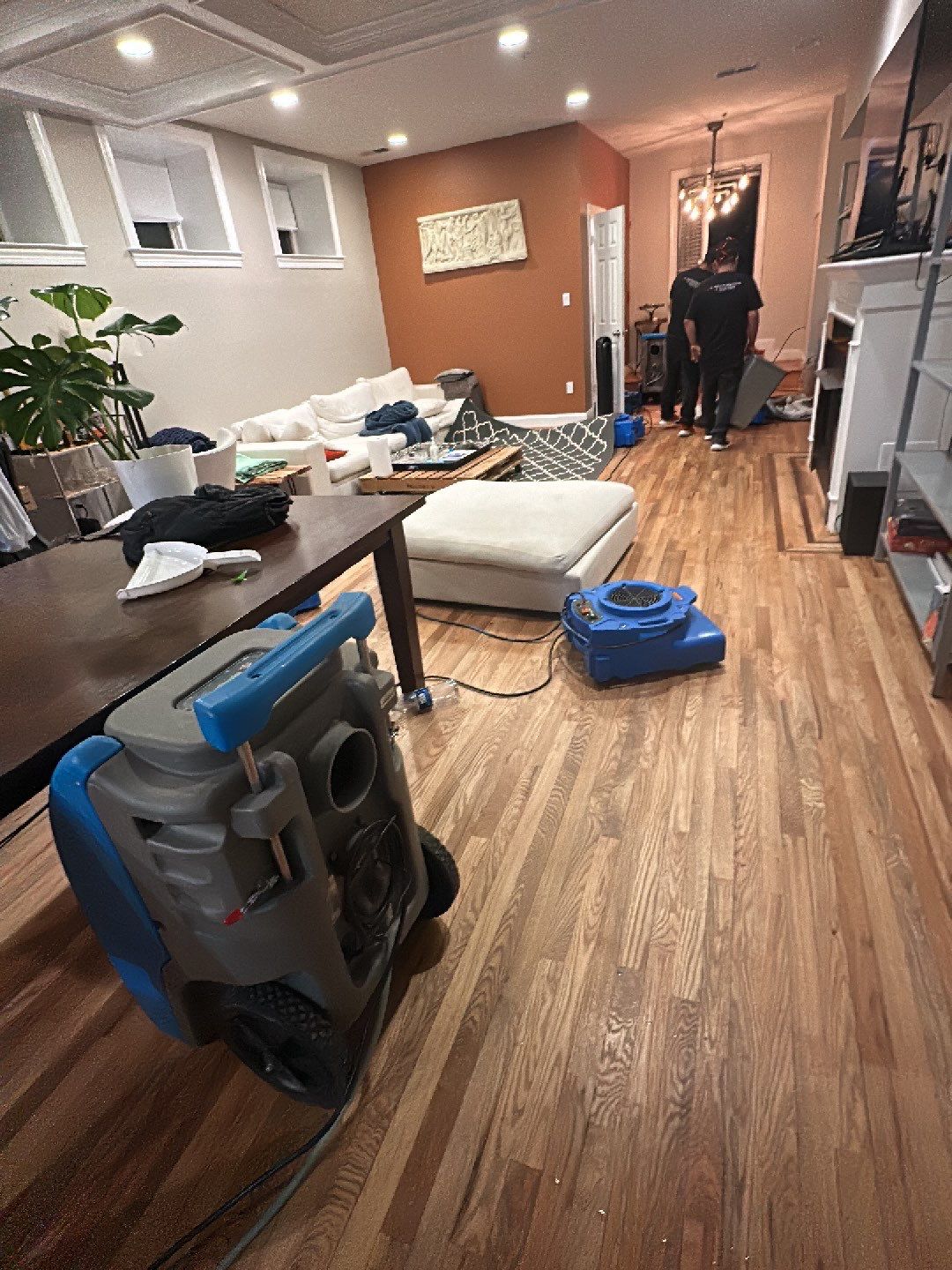
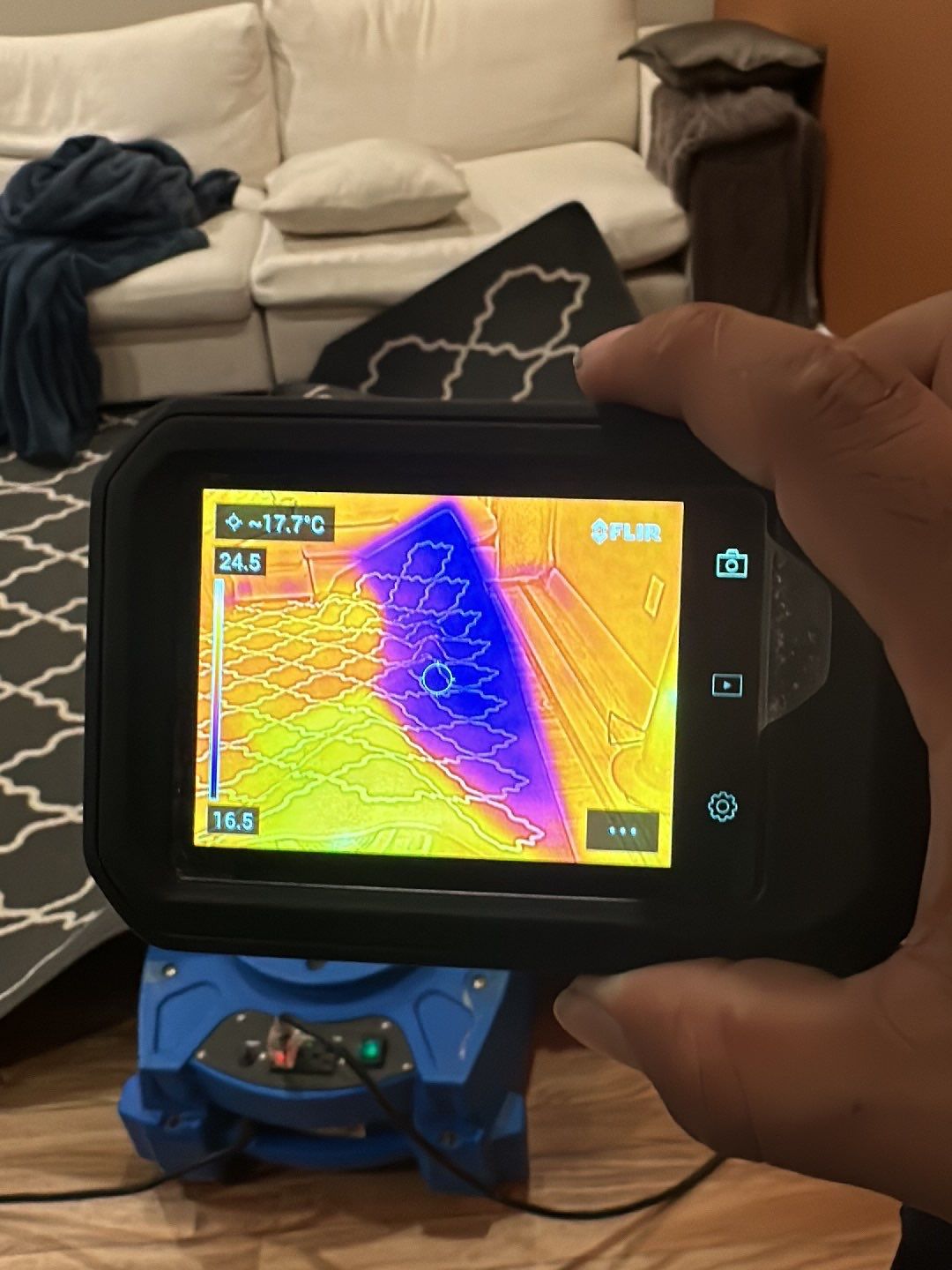
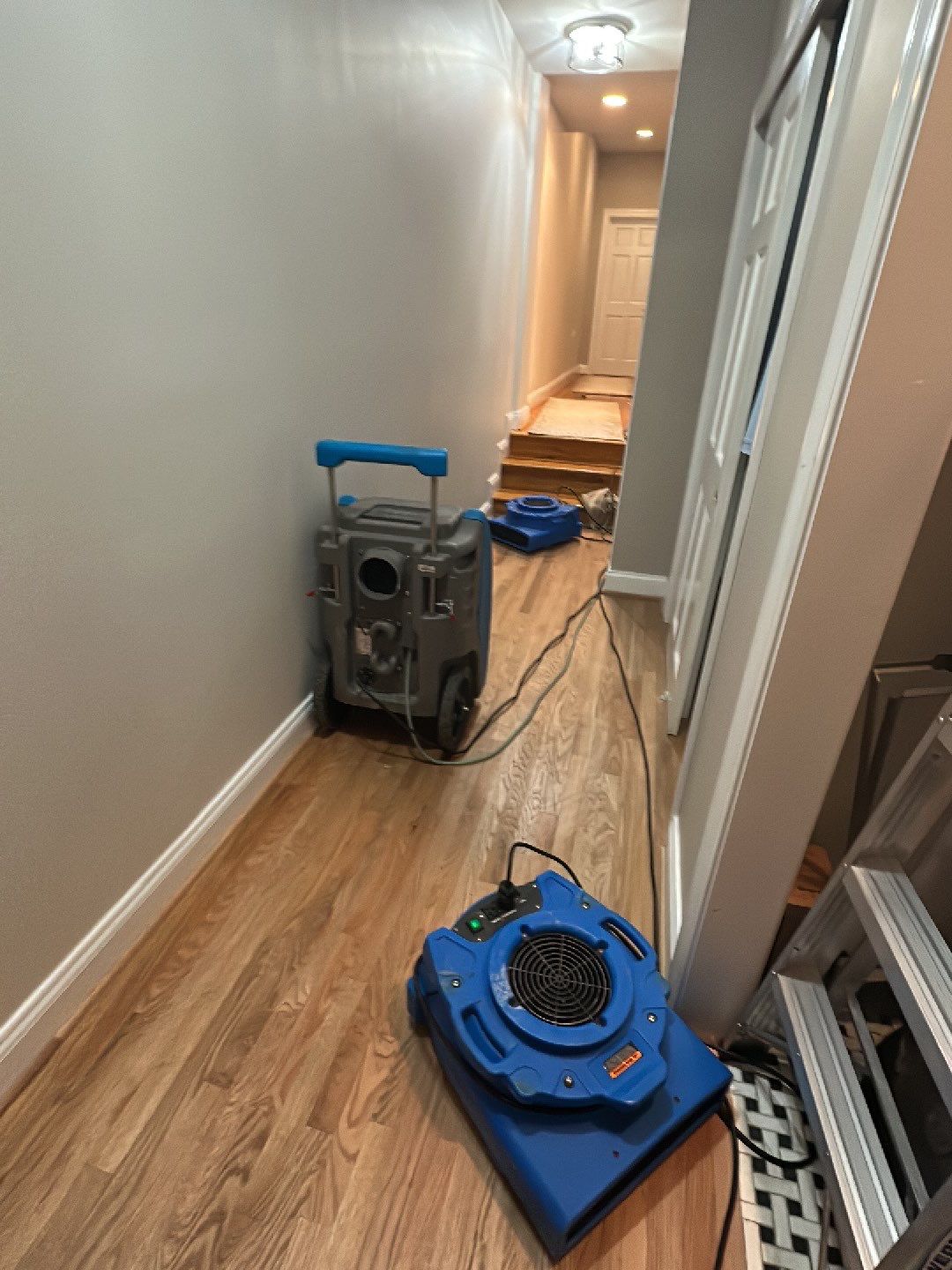
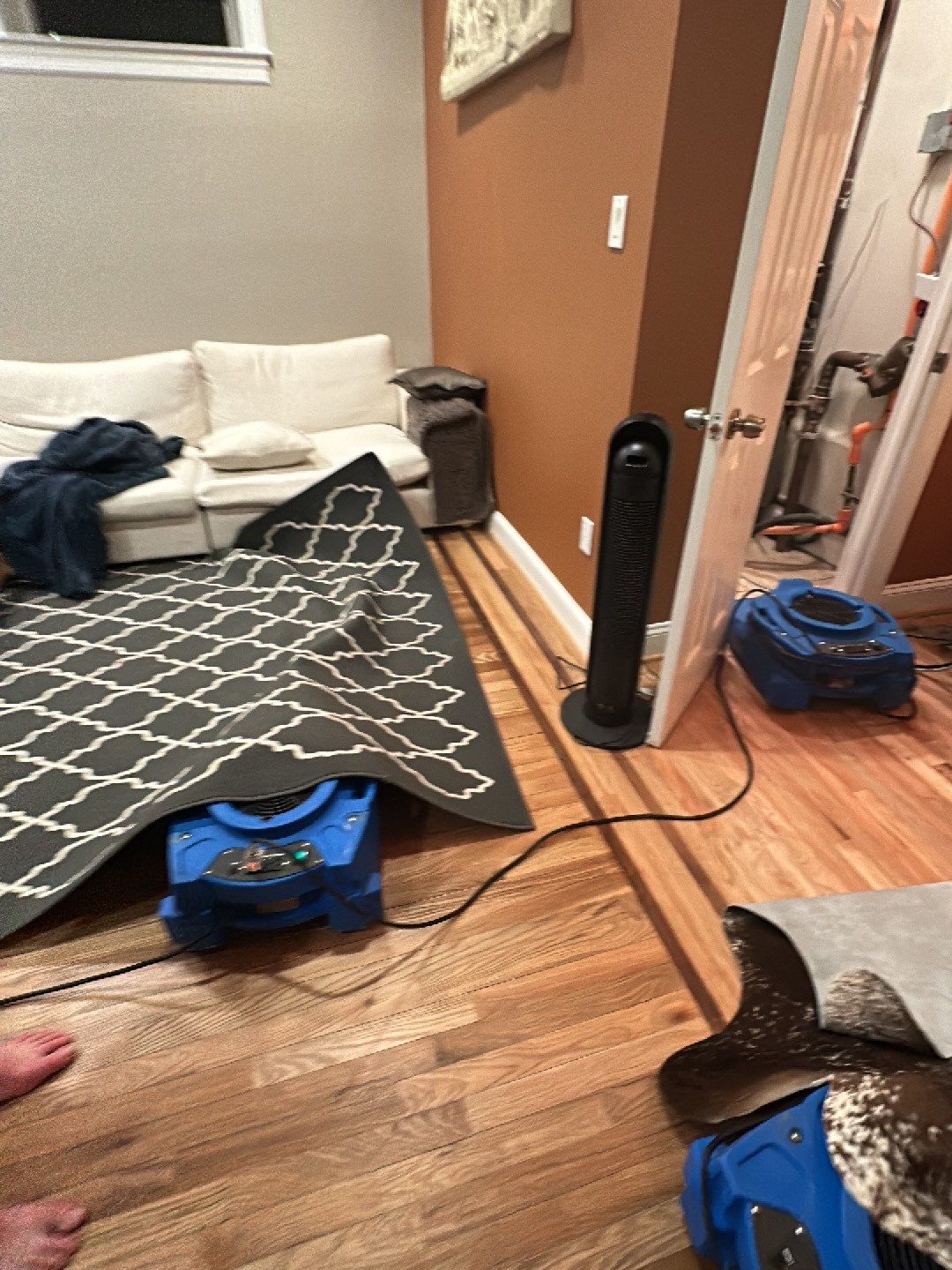
Our crew deployed industrial extractors and truck-mounted pumps to remove standing water, then staged commercial dehumidifiers and air movers throughout the affected rooms. The drying phase followed IICRC S500 protocol, with daily moisture readings to ensure structural elements—hardwood subflooring, plaster walls, and wooden trim original to the building—reached equilibrium before remediation could begin. Once drying was complete, we applied EPA-registered antimicrobial treatments to all affected surfaces, then removed and disposed of porous materials that had absorbed flood contaminants beyond salvage.
The final restoration phase included subfloor repair, baseboard replacement, and repainting to match the home's historic character. The homeowner noted in their review that the finished work respected the rowhouse's original details while eliminating all visible and environmental traces of the flood. The project restored both the structure and the residents' confidence in their home's resilience.
Frequently asked questions
How does flooding from the Potomac or Anacostia rivers lead to mold growth in Washington, D.C. rowhouses?
When river flooding saturates the first floor of a D.C. rowhouse—common in low-lying urban neighborhoods—standing water soaks structural materials and creates the sustained moisture mold needs to colonize, often within 24 to 48 hours. Restoration Doctor responded to this Washington home by extracting floodwater immediately, then deploying industrial dehumidifiers and air movers to dry framing, subfloors, and walls before mold could establish. The humid Mid-Atlantic climate accelerates this timeline, making rapid structural drying essential to prevent a secondary mold problem after the initial water intrusion.
What does mold remediation after severe flooding involve in a Washington, D.C. home?
Restoration Doctor's mold remediation for this flood-damaged D.C. residence began with complete standing-water extraction and a damage assessment to map moisture penetration in flooring, carpet, and wall cavities. We then dried all affected structural elements using commercial dehumidification equipment, removed and disposed of non-salvageable materials like saturated carpet, and sanitized all surfaces to eliminate mold spores and prevent regrowth. The process followed IICRC S520 mold remediation standards to ensure the home was safe for occupancy and restored to its pre-loss condition.
Why is dehumidification critical after river flooding in dense D.C. neighborhoods?
In Washington's tightly packed rowhouse blocks, floodwater trapped in basements and first floors evaporates slowly, keeping relative humidity high enough to sustain mold growth on drywall, wood trim, and subflooring. Restoration Doctor placed industrial dehumidifiers throughout this home to pull moisture from the air and accelerate structural drying, preventing hidden mold colonization behind walls and under flooring. Without aggressive dehumidification, the district's humid summers would extend drying times and increase the risk of long-term microbial contamination.
How long does mold remediation take after a major flood in Washington, D.C.?
The timeline for mold remediation following severe flooding depends on the extent of water intrusion, the materials affected, and how quickly drying begins. For this Washington home, Restoration Doctor completed water extraction within hours of arrival, then ran dehumidification and structural drying equipment continuously until moisture readings returned to normal—typically several days for a first-floor flood of this scale. Full restoration, including flooring repair and sanitization, followed once all structural elements were confirmed dry and mold-free.
Can flooring and carpet be saved after river flooding, or must they be replaced?
Carpet and padding saturated by floodwater—especially from rivers carrying sediment and contaminants—are rarely salvageable and pose a mold risk if retained. Restoration Doctor removed all compromised carpet and padding from this D.C. home's first floor, then dried and sanitized the underlying subfloor before installing replacement materials. Hardwood or tile flooring can sometimes be saved if dried promptly and inspected for warping or delamination, but porous materials like carpet must be discarded to ensure a healthy indoor environment.
Explore more restoration work
All projects in Washington · Mold Remediation in Washington
Water, fire, or mold damage in Washington?
Restoration Doctor responds 24/7 across Washington and Northern Virginia. Free assessment and transparent, insurance-friendly estimates — no obligation.
See our Mold Remediation services at restorationdoctors.com →