Commercial Office Water Damage Extraction Due to Roof Leak in Washington, DC
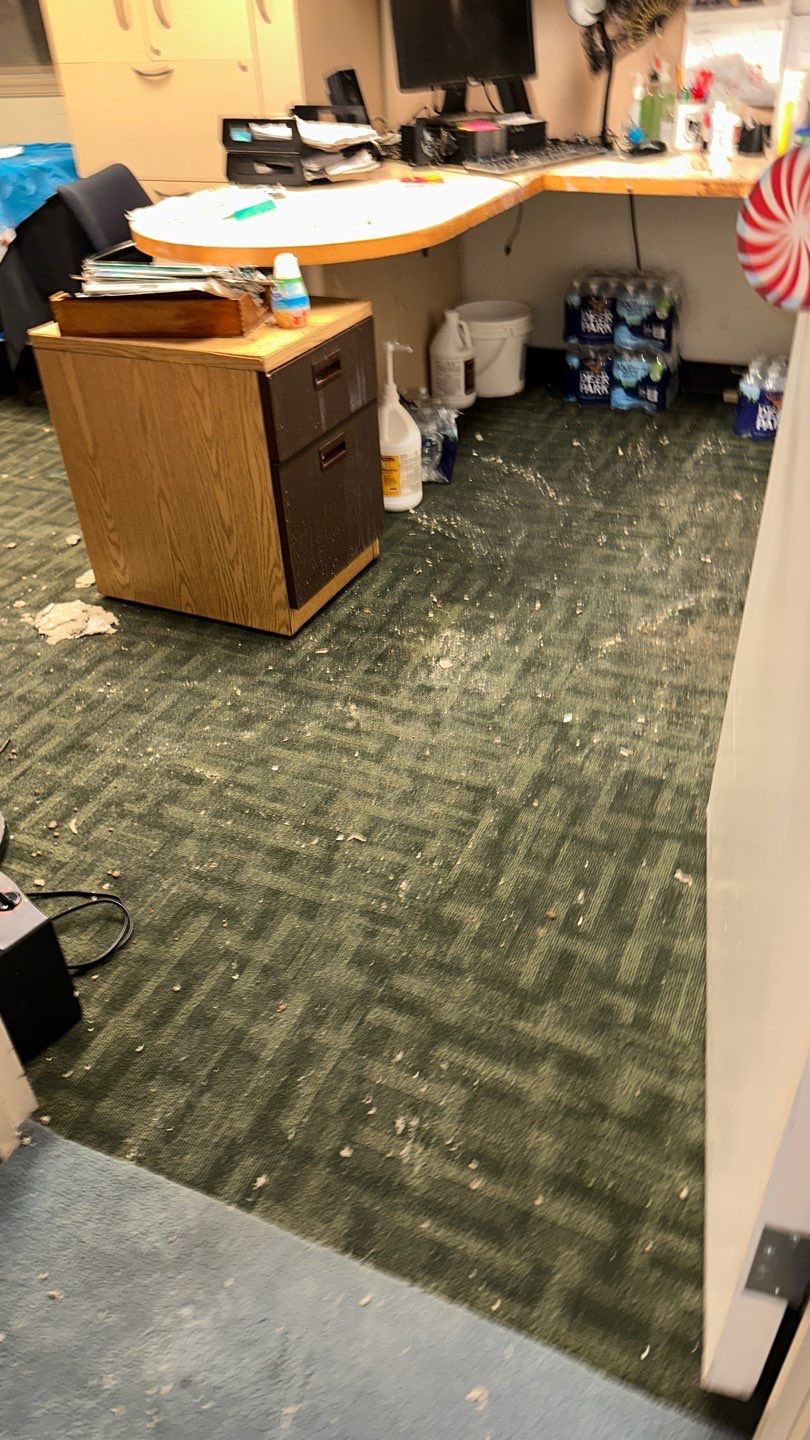
About this mold remediation project
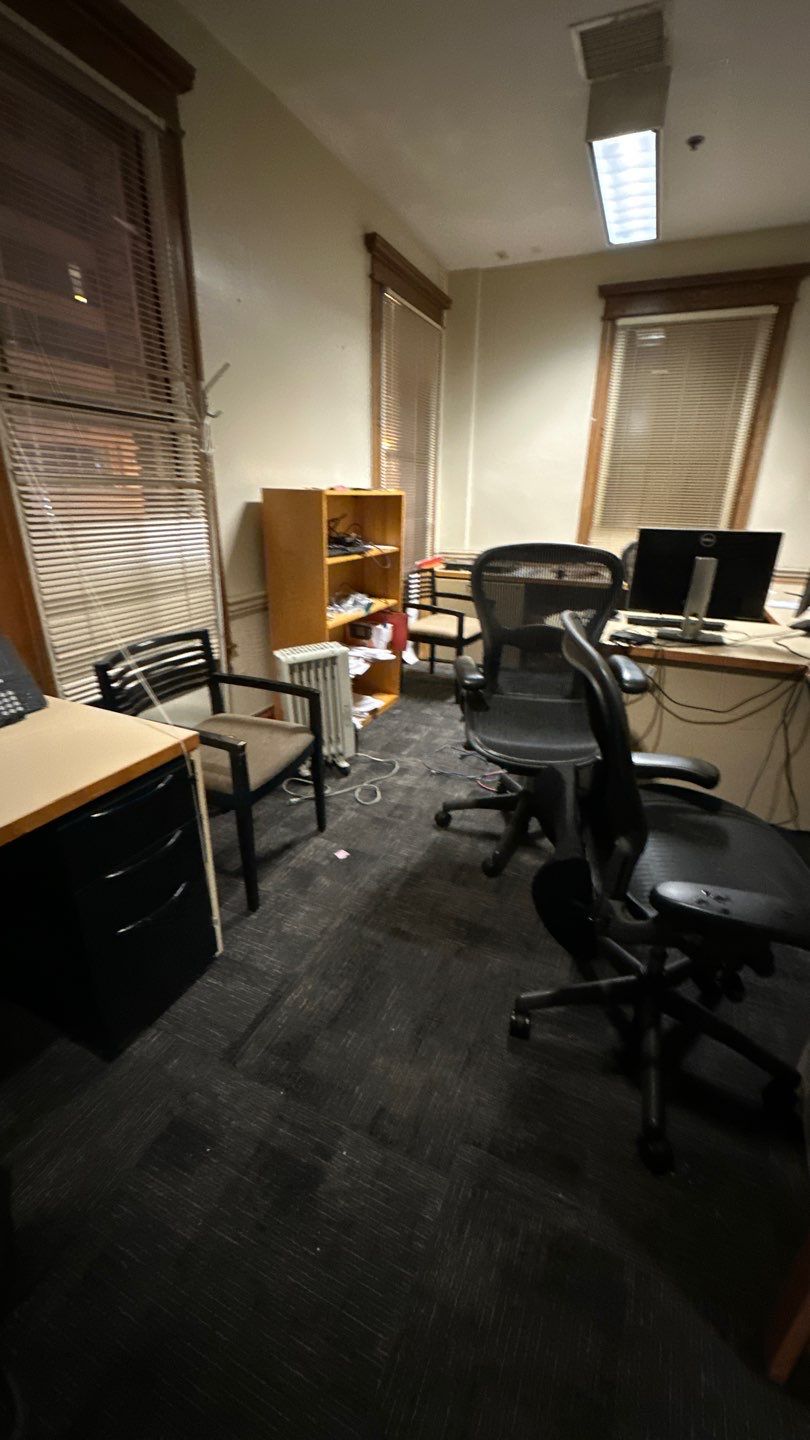
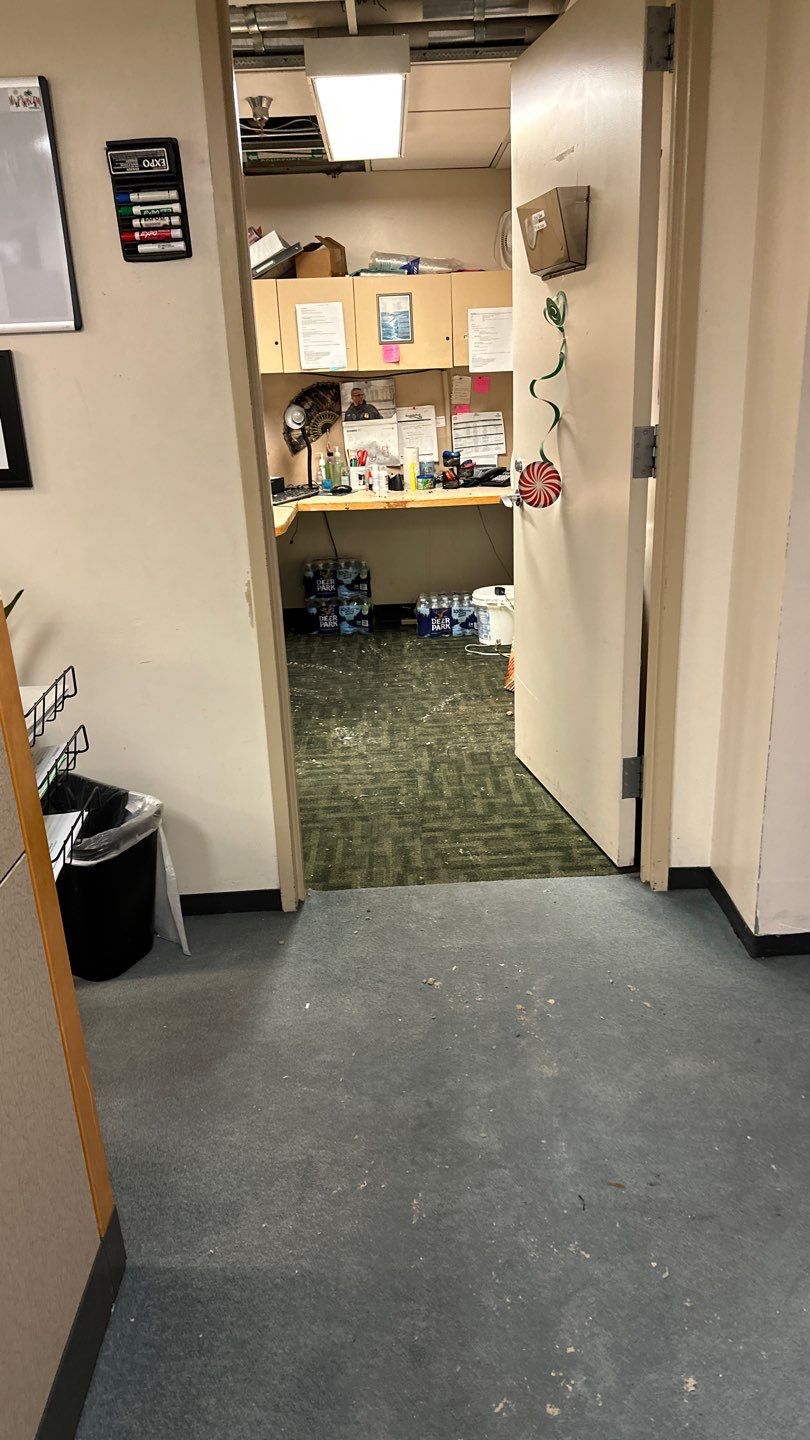
When heavy rainfall overwhelmed an aging roof system in Washington, DC—where the Mid-Atlantic's humid summers and freeze-thaw winters accelerate wear on commercial building envelopes—the resulting leak sent standing water cascading into an occupied office space. The intrusion compromised not only structural elements but also electrical systems, and within days, the moisture load triggered visible mold growth in the affected zones.
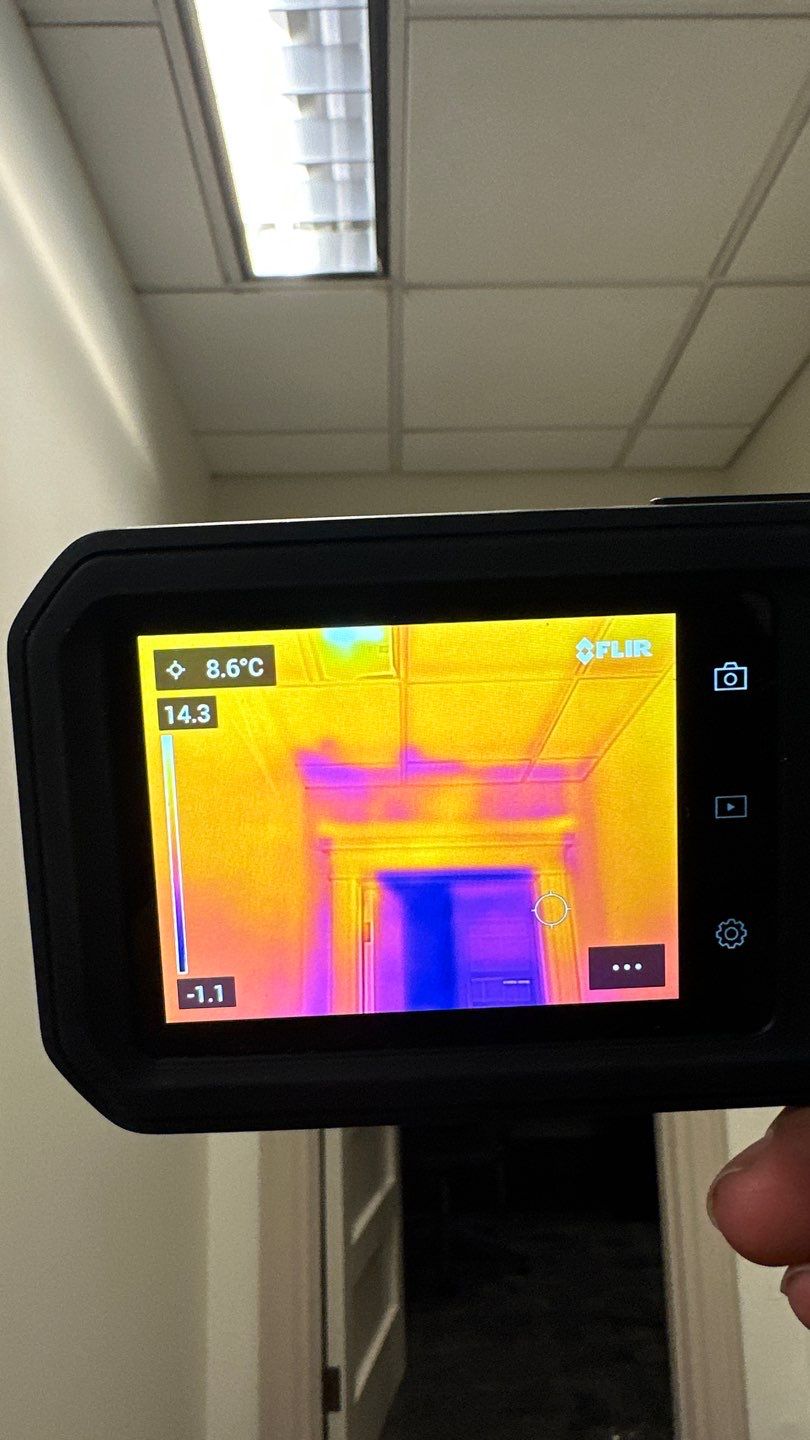
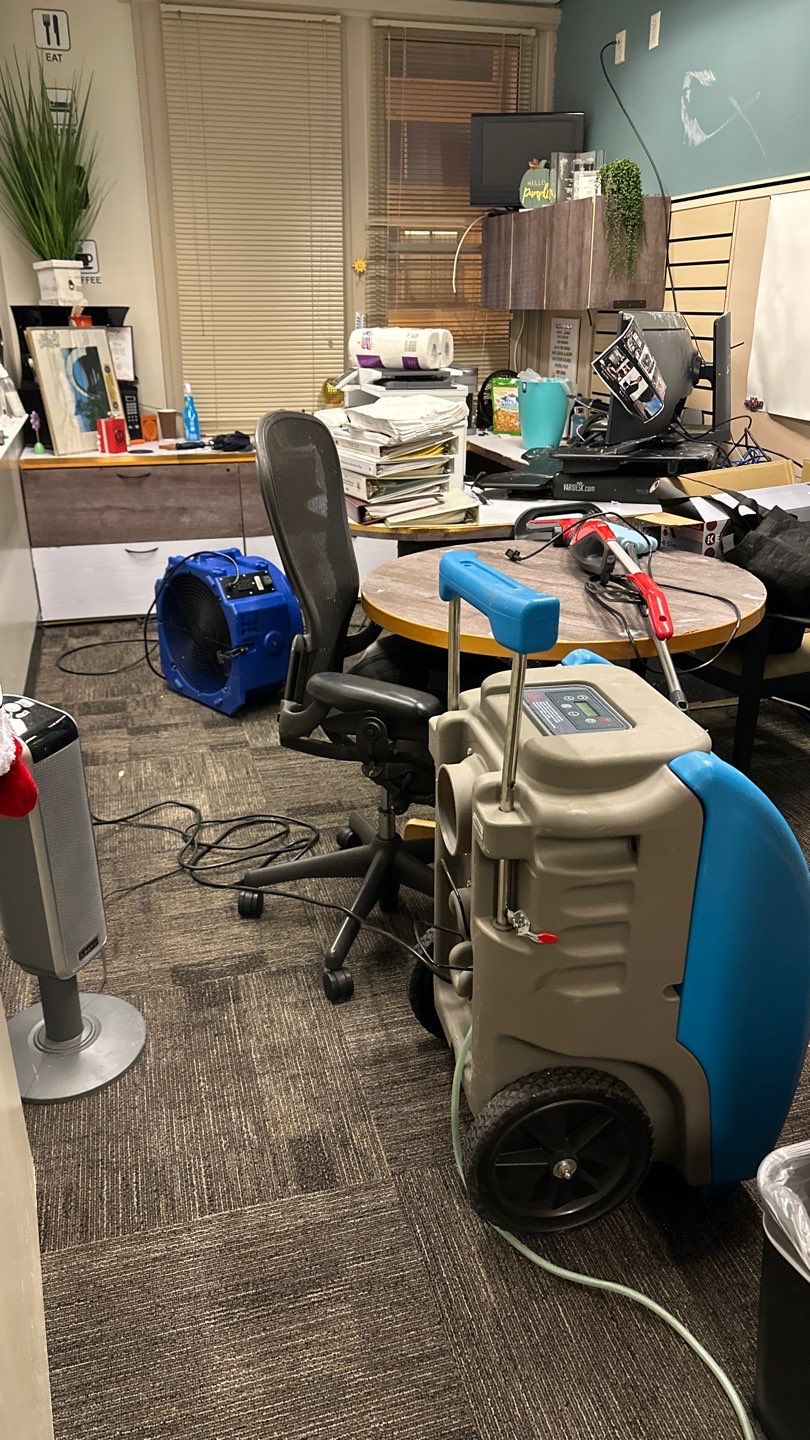
Our team began with immediate water extraction, removing standing water and then mapping the full extent of saturation throughout the impacted areas. Following IICRC S520 protocols for mold remediation, we established containment barriers, deployed air scrubbers to control airborne spores, and removed compromised materials where surface cleaning could not restore safe conditions. Structural repairs followed remediation, and we coordinated with licensed electricians to assess and restore the building's electrical systems before any areas were returned to service.
Thorough drying and post-remediation air quality verification ensured the space met standards for reoccupancy. The client noted in their review that the coordinated approach allowed them to resume operations with minimal extended downtime, a priority in any commercial loss where revenue depends on access to the facility.
Frequently asked questions
How does a roof leak lead to mold growth in a Washington, DC commercial building?
When a roof leak allows heavy rainfall to penetrate a building in Washington, DC, the standing water and elevated moisture create ideal conditions for mold colonization, especially in the region's humid Mid-Atlantic climate. Restoration Doctor responded to this commercial office by extracting standing water, implementing structural drying protocols, and performing complete mold remediation to address both the visible growth and underlying moisture issues. Our process included air quality improvement measures to ensure the workspace was safe for occupancy.
What steps are involved in remediating mold after water intrusion in a DC office?
Restoration Doctor's mold remediation for this Washington, DC commercial property began with standing-water extraction and moisture assessment of all affected areas. We then implemented thorough structural drying to bring materials to standard levels, followed by containment and removal of mold-affected materials, antimicrobial treatment, and HEPA filtration to restore indoor air quality. Electrical systems damaged by the water intrusion were also addressed to ensure safe restoration of business operations.
Can mold remediation be completed without disrupting an entire office building?
Restoration Doctor uses containment barriers and negative air pressure systems to isolate affected areas during mold remediation, which allowed this Washington, DC commercial office to minimize operational disruption. Our phased approach—extraction, drying, remediation, and structural repair—was sequenced to restore sections of the building progressively. The goal was to return the workspace to normal operations as quickly as possible while ensuring thorough remediation and air quality restoration.
Why is structural drying necessary after water extraction in a mold remediation project?
Removing standing water is only the first step; structural drying eliminates residual moisture trapped in building materials that would otherwise support continued mold growth. For this Washington, DC office affected by roof-leak water intrusion, Restoration Doctor used dehumidification and airflow equipment to dry framing, drywall, and subfloors to appropriate levels before beginning mold remediation. In the Mid-Atlantic's humid summer climate, thorough drying is essential to prevent recolonization after remediation is complete.
How does mold remediation improve air quality in a commercial building?
Mold remediation addresses both surface growth and airborne spores that compromise indoor air quality, which was critical for this Washington, DC office following water damage and mold development. Restoration Doctor used HEPA filtration during the remediation process and applied antimicrobial treatments to affected surfaces, then verified air quality improvements before the space was returned to occupancy. Clean air is a core outcome of proper remediation, not just removal of visible mold.
Explore more restoration work
All projects in Washington · Mold Remediation in Washington
Water, fire, or mold damage in Washington?
Restoration Doctor responds 24/7 across Washington and Northern Virginia. Free assessment and transparent, insurance-friendly estimates — no obligation.
See our Mold Remediation services at restorationdoctors.com →