Basement Flood Restoration with Care
About this mold remediation project
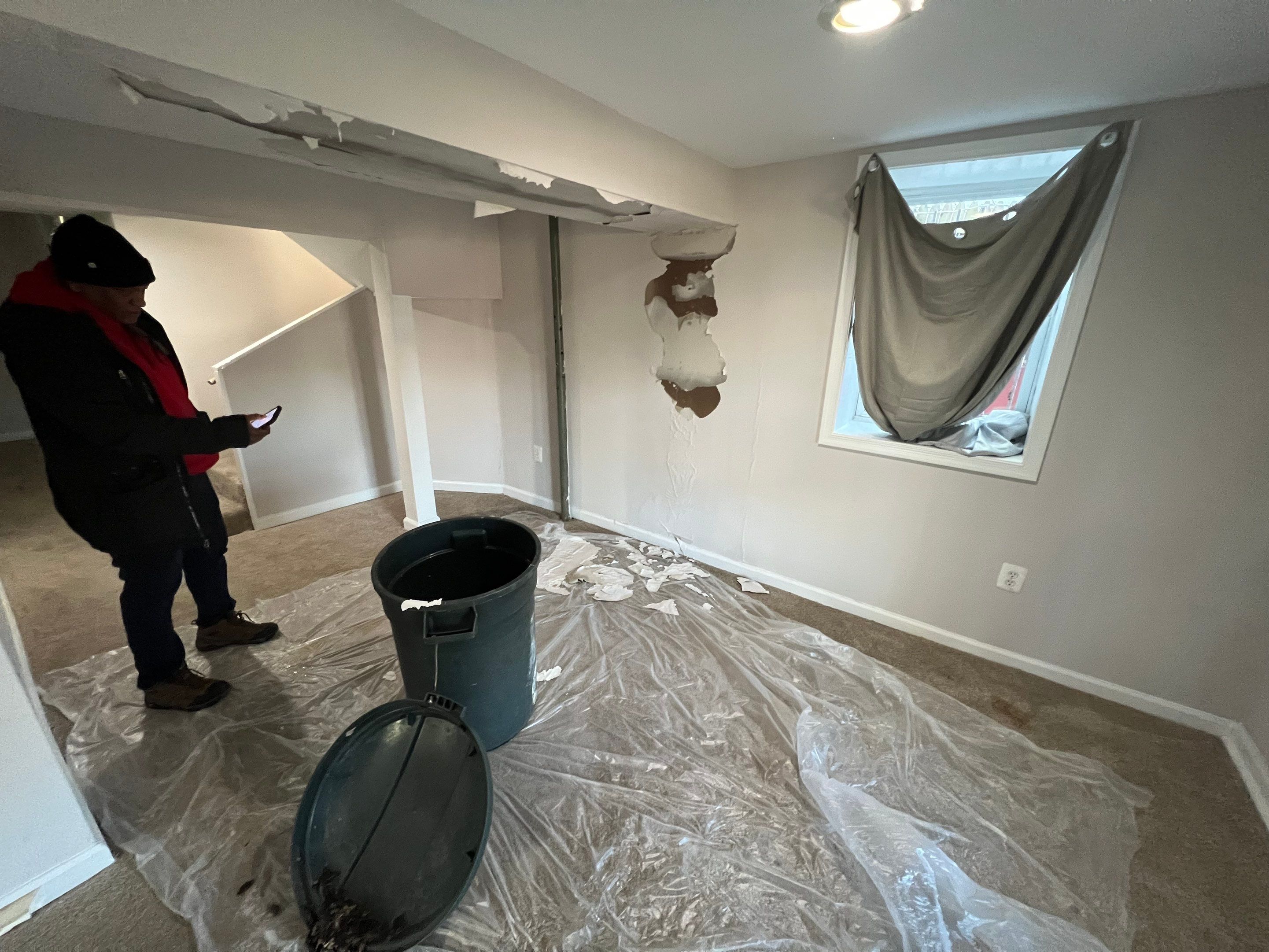
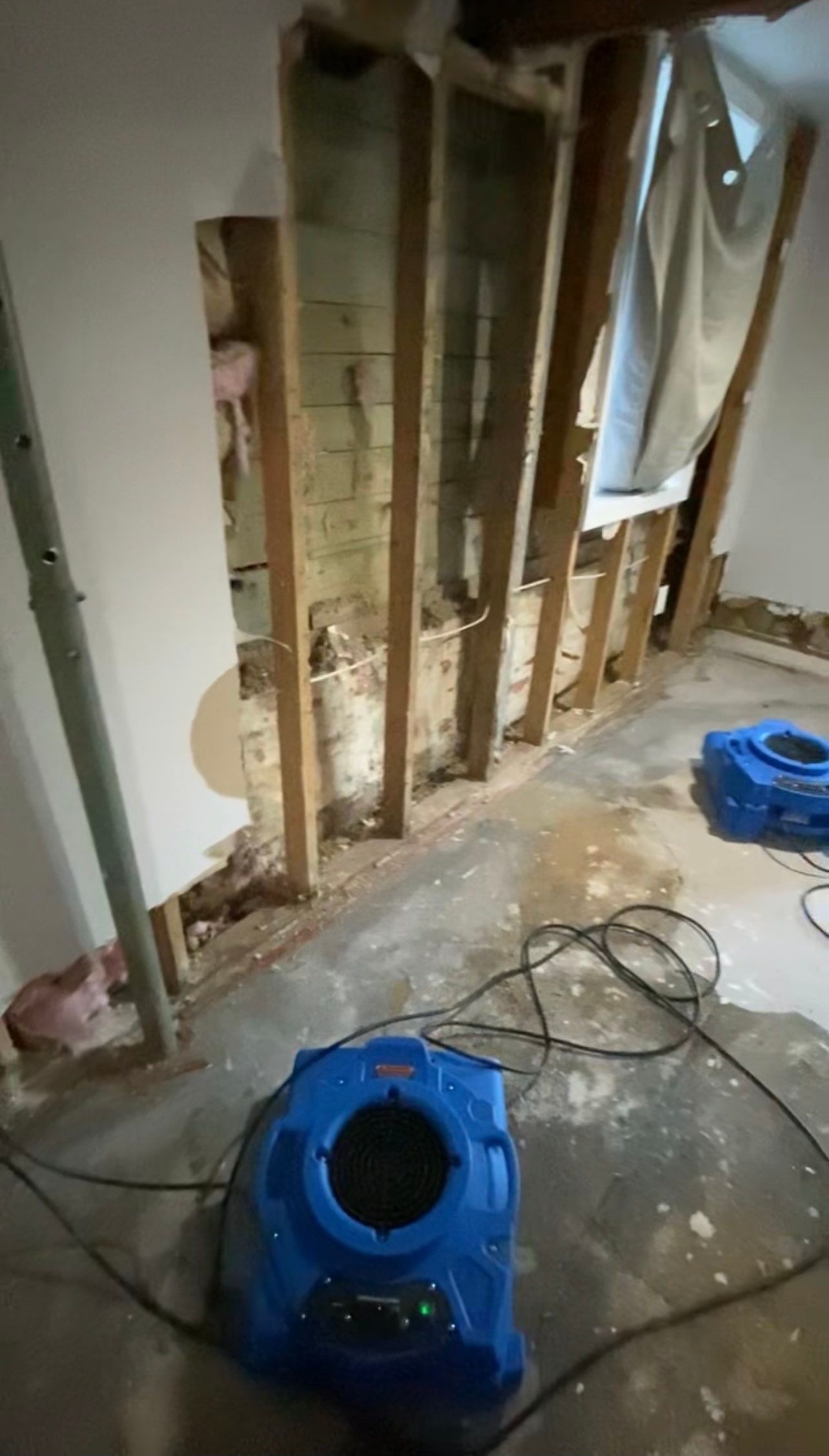
A basement flood in Washington's established neighborhoods posed an immediate threat not only to the structure but to the homeowner's stored belongings—a concern amplified in the region's humid Mid-Atlantic climate, where standing water accelerates both structural damage and microbial growth. The job began with careful triage: before extraction could start, valuable contents were shielded with cardboard and padding to prevent secondary damage during the work.
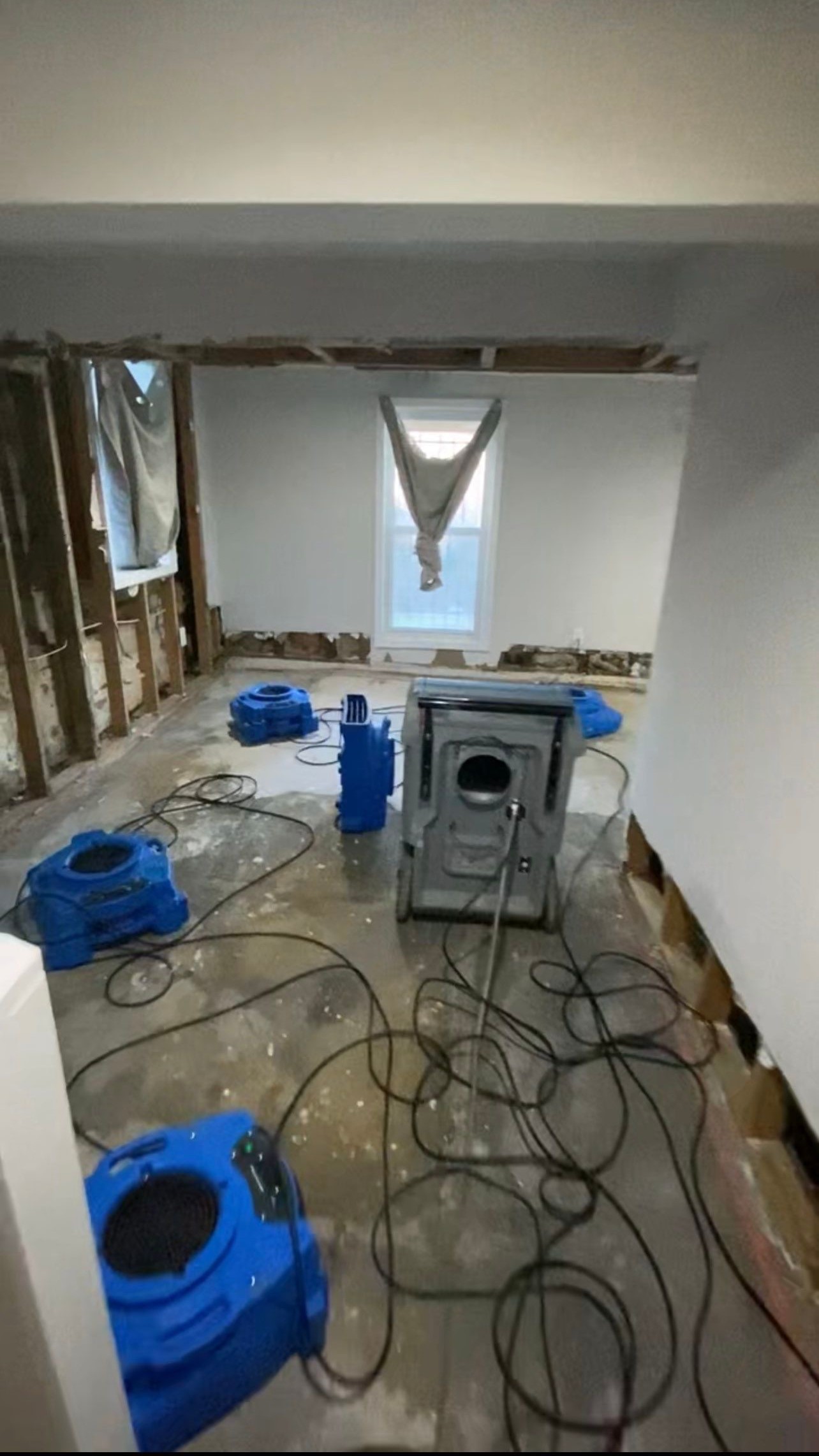
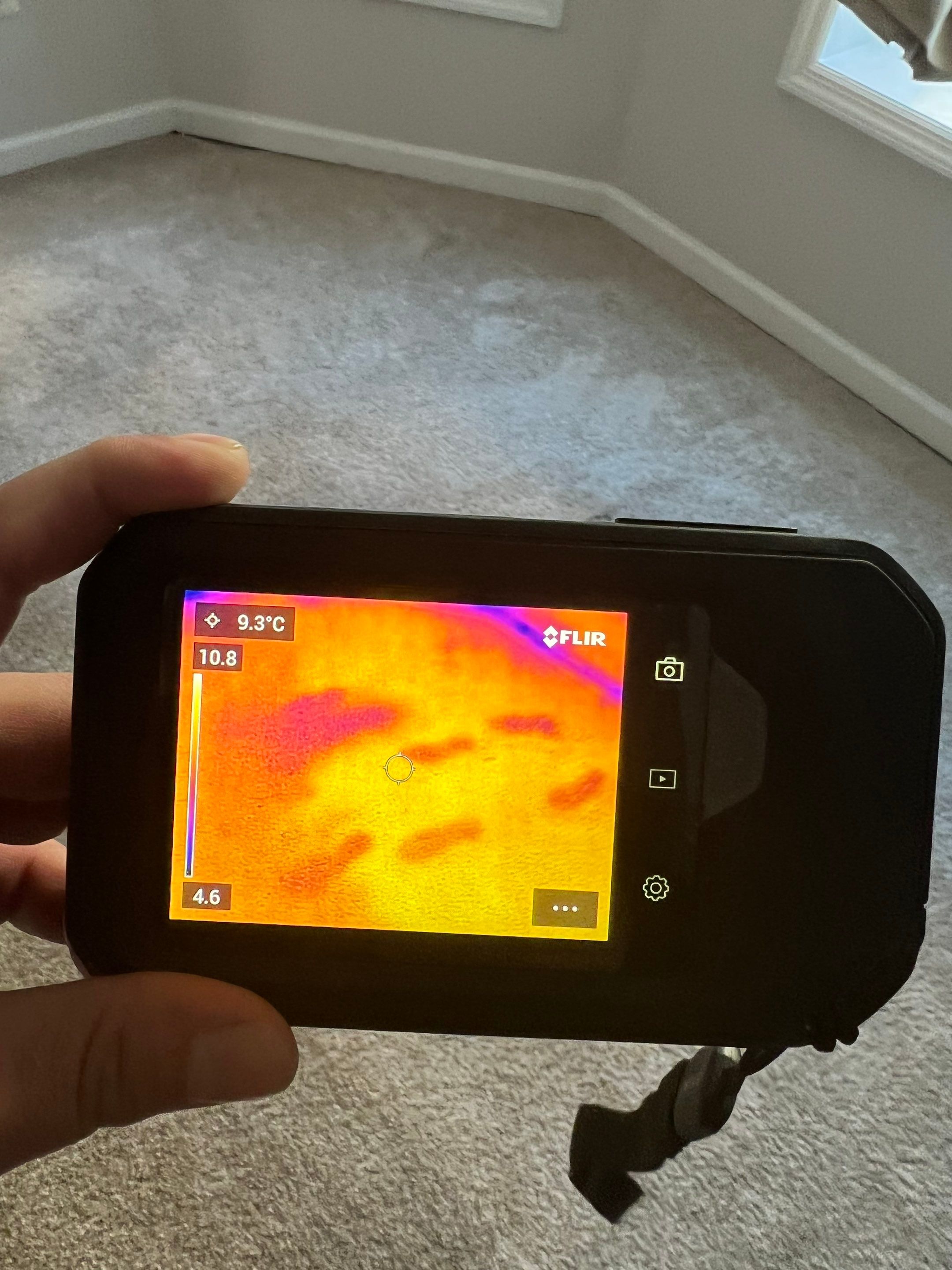
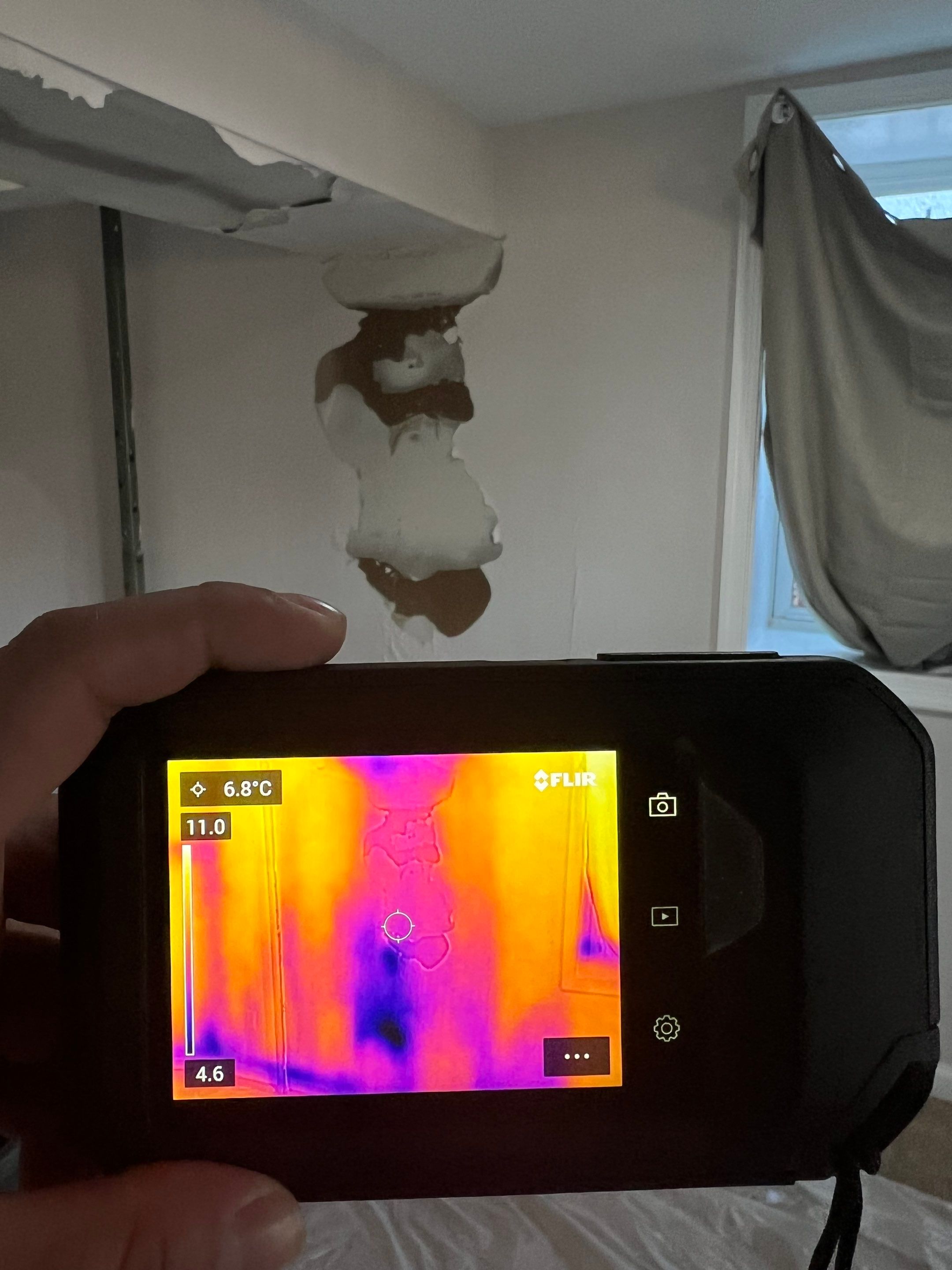
High-powered pumps cleared all standing water from the basement, followed by the deployment of industrial dehumidifiers and air movers to pull residual moisture from concrete and framing. With the space dried to stable conditions, antimicrobial treatments were applied to all affected surfaces—a step aligned with IICRC S520 protocol for environments where water intrusion had created conditions favorable to mold colonization.
A final walkthrough confirmed that the basement had returned to a dry, sanitized state and that the protected contents remained unharmed throughout the process. The homeowner's review reflected satisfaction with both the technical outcome and the care taken to preserve what mattered most during a stressful loss.
Frequently asked questions
How does standing water in a basement lead to mold growth in Washington, DC's humid climate?
In Washington's hot, humid Mid-Atlantic summers, standing water creates ideal conditions for mold colonization, especially in below-grade spaces like basements where moisture lingers. Restoration Doctor responded to this basement flood by extracting all standing water with high-powered pumps, then running industrial dehumidifiers and air movers to dry structural materials thoroughly. Antimicrobial treatments were applied after drying to sanitize affected surfaces and prevent future mold establishment.
What happens to personal belongings during emergency water extraction and mold remediation in DC rowhouse basements?
Restoration Doctor prioritizes contents protection during active water removal and drying operations. In this basement restoration, valuable belongings were shielded with cardboard barriers and padding before extraction equipment was deployed, keeping items safe throughout the dehumidification and sanitizing phases. A final inspection confirmed that all protected contents remained unharmed while the structural drying and antimicrobial treatment were completed.
How long does it take to fully dry a flooded basement in Washington, DC after water extraction?
Drying timelines depend on the volume of water, the materials affected, and ambient humidity levels—Washington's summer humidity can slow evaporation if not managed with professional equipment. Restoration Doctor used industrial dehumidifiers and air movers following pump extraction in this basement to accelerate structural drying, with progress monitored until moisture readings confirmed the space was safe for sanitizing. The entire process, from extraction through final inspection, was completed without damage to stored belongings.
Why is antimicrobial treatment necessary after a basement water intrusion in urban DC neighborhoods?
Aging urban infrastructure and dense housing in Washington concentrate moisture issues, making post-flood sanitizing essential to prevent microbial growth on damp surfaces. After extracting standing water and drying this basement's structural materials, Restoration Doctor applied antimicrobial treatments to all affected areas, ensuring the space was hygienically restored and safe for continued use.
Explore more restoration work
All projects in Washington · Mold Remediation in Washington
Water, fire, or mold damage in Washington?
Restoration Doctor responds 24/7 across Washington and Northern Virginia. Free assessment and transparent, insurance-friendly estimates — no obligation.
See our Mold Remediation services at restorationdoctors.com →