Basement Flood from Improperly Sealed Windows
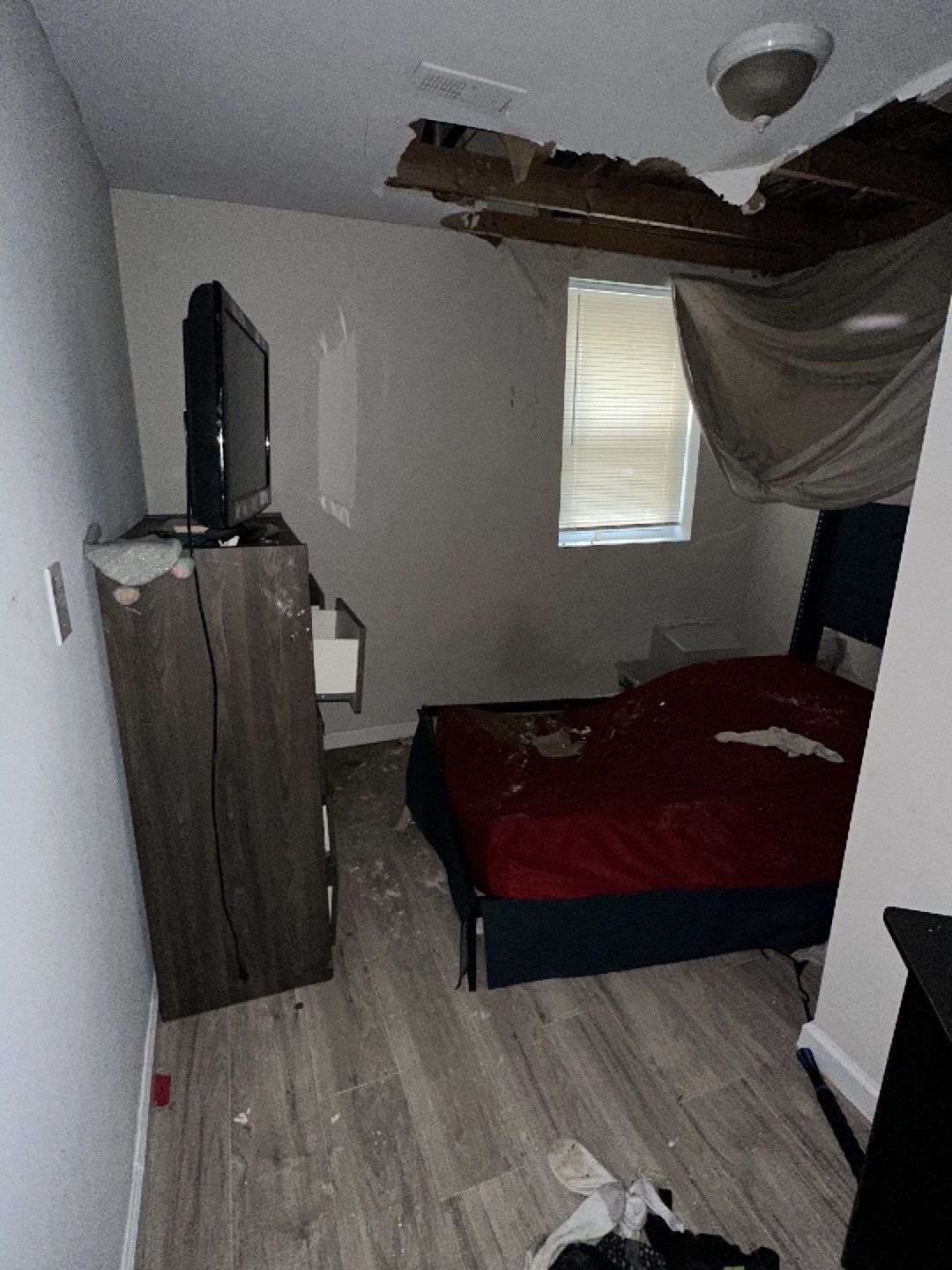
About this mold remediation project
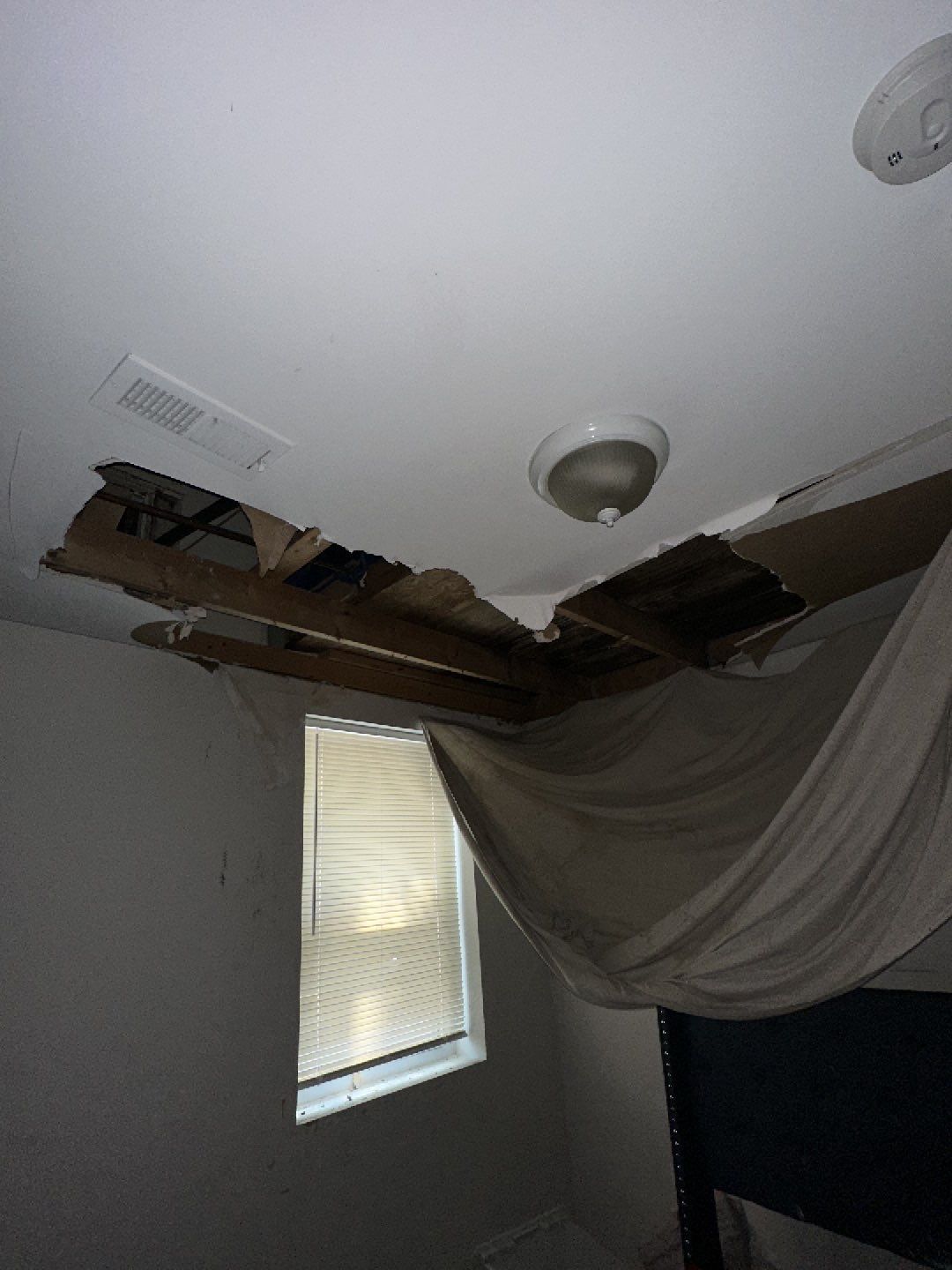
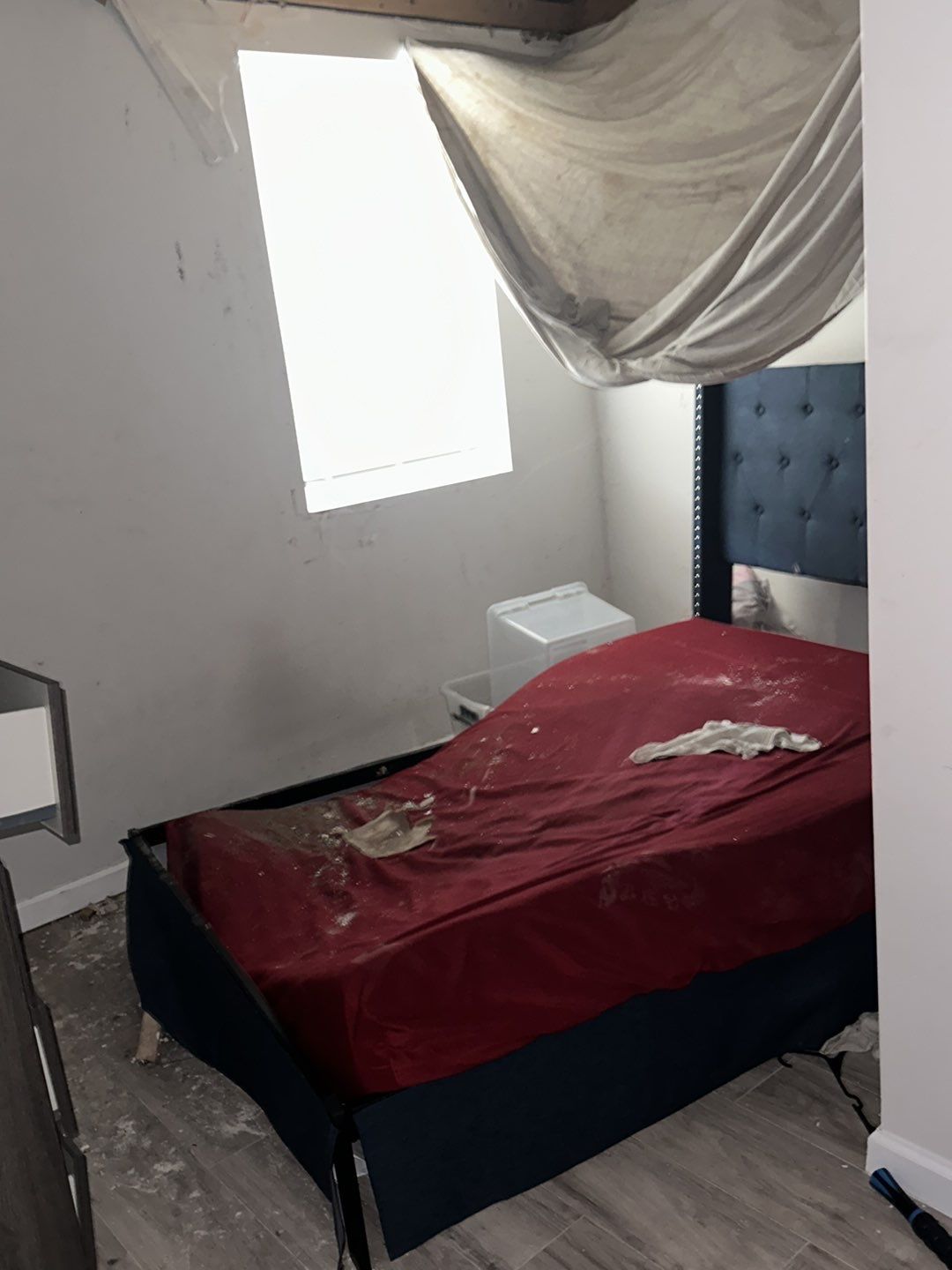
Heavy rainstorm runoff overwhelmed outdated window seals in a Washington basement, a loss pattern that recurs across the region's older housing stock when original weatherproofing fails under Mid-Atlantic downpours. Water pooled against foundation walls and breached the envelope, flooding the below-grade space and saturating structural materials.
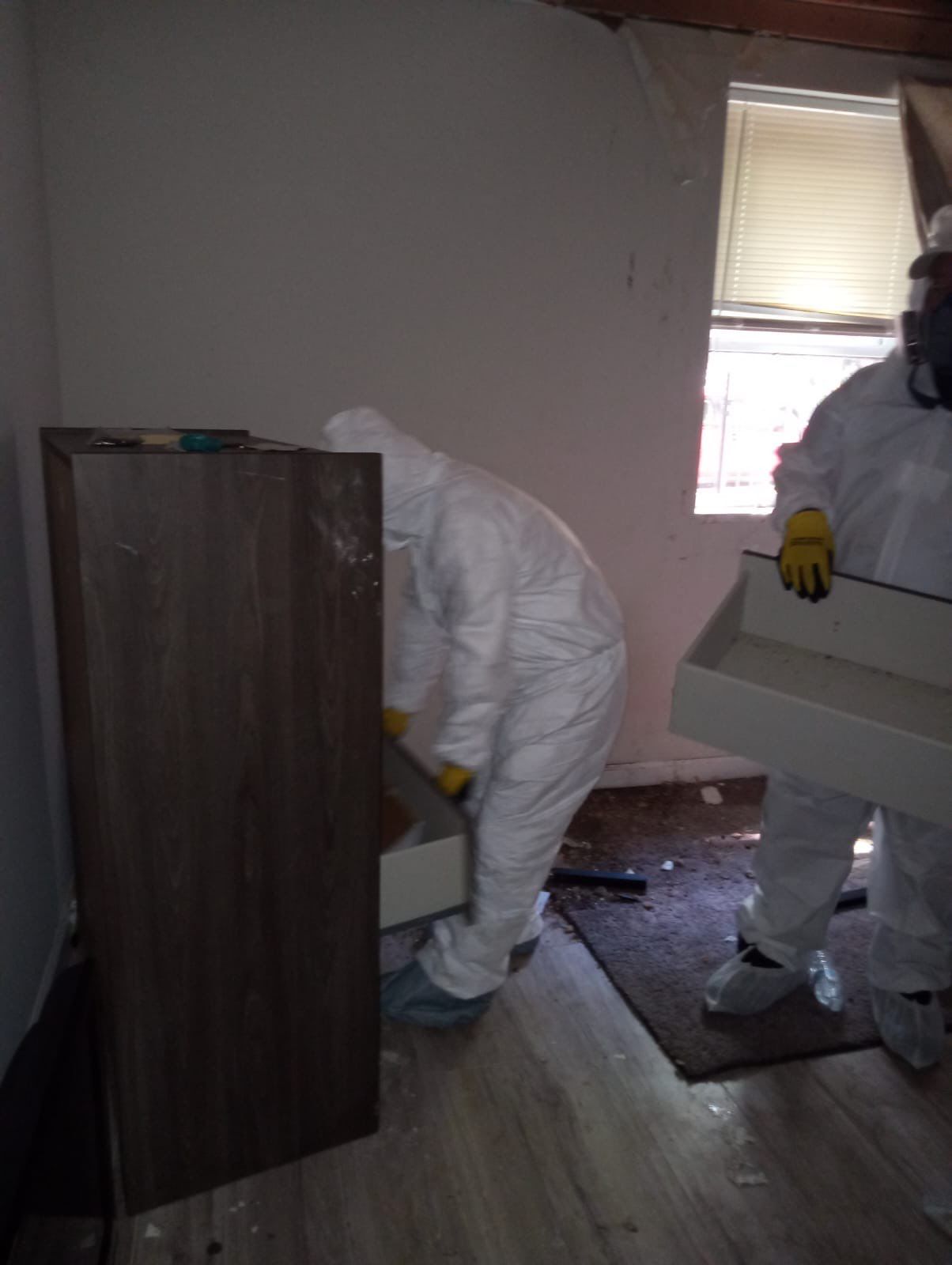
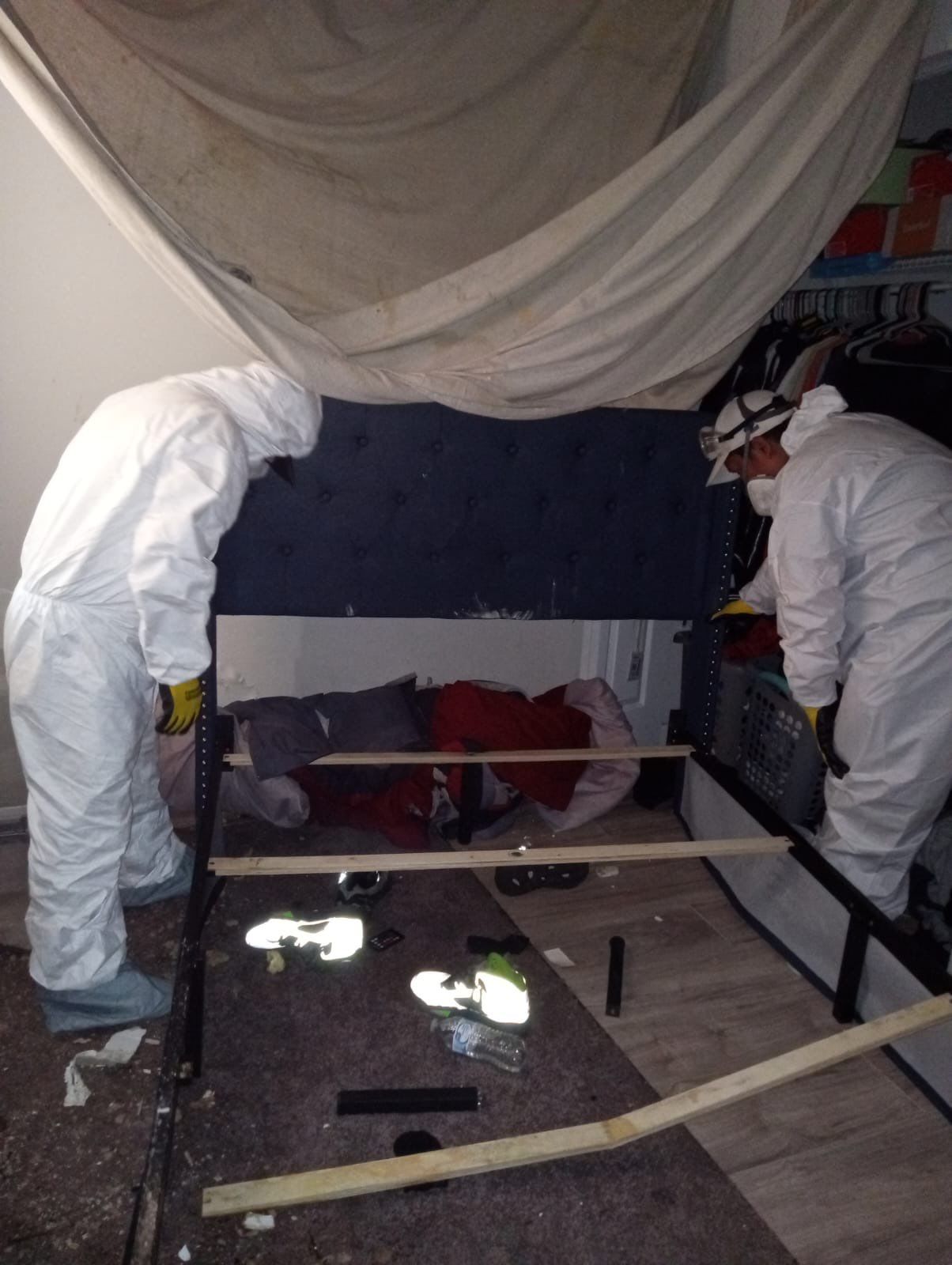
We extracted standing water with truck-mounted equipment, then mapped residual moisture using thermal imaging and pin meters to trace saturation into concealed wall cavities. Industrial dehumidifiers and air movers ran continuously to drive drying, while antimicrobial application targeted surfaces at elevated risk for secondary microbial amplification—a necessary intervention given the humid regional climate that accelerates colonization on damp organics. The scope aligned with IICRC S500 water-damage protocols and transitioned to S520 mold-remediation containment where affected materials required removal.
Window assemblies were resealed with appropriate exterior-grade barriers, damaged framing was rebuilt to code, and salvageable furnishings were cleaned and returned to service. The homeowner noted the thoroughness of both the technical work and the communication throughout the project, and the basement returned to occupancy dry, structurally sound, and protected against the next storm cycle.
Frequently asked questions
How does basement flooding through window leaks lead to mold in Washington, DC rowhouses?
In Washington's dense mix of historic rowhouses and rehabilitated urban neighborhoods, aging window seals and below-grade openings are common entry points during heavy Mid-Atlantic rainstorms. When standing water infiltrates basement spaces—especially those with limited ventilation—the district's hot, humid summers create ideal conditions for mold colonization on porous materials like drywall and wood framing. Restoration Doctor's mold remediation work in DC begins with water extraction and structural drying to interrupt that growth cycle before containment and removal.
What does the standing-water extraction and dehumidification process involve after a DC basement flood?
For this Washington job, Restoration Doctor's technicians first extracted standing water using truck-mounted or portable extraction units, then deployed industrial dehumidifiers and air movers to pull residual moisture from concrete, framing, and furnishings. Moisture mapping with thermal and pin-type meters guided equipment placement, ensuring hidden pockets in the below-grade envelope dried to standard. This drying phase is critical in the district's humid climate, where trapped moisture accelerates mold growth on organic building materials.
Why is window resealing part of a mold remediation project in Washington, DC?
Mold remediation addresses the biological contamination, but without correcting the water-intrusion pathway—in this case, outdated or improperly sealed basement windows—the problem recurs with the next storm. Restoration Doctor resealed the failed window assemblies after drying and sanitizing, creating a moisture barrier that protects the rehabilitated basement from Washington's concentrated stormwater runoff and aging urban infrastructure. Remediation and source correction together deliver a durable outcome.
How long does mold remediation typically take for a flooded basement in Washington?
Timeline depends on the extent of water intrusion, the materials affected, and drying conditions, but a basement flood with standing water and visible mold growth in Washington often requires three to seven days for extraction, drying, containment, and remediation. Restoration Doctor's approach prioritizes thorough moisture removal first—rushing remediation before structural drying is complete invites re-growth in the district's humid environment. Each phase is verified with moisture readings before advancing.
Does homeowners insurance cover mold remediation after a basement window leak in DC?
Coverage hinges on whether the water intrusion was sudden and accidental versus the result of deferred maintenance or gradual seepage. A heavy rainstorm overwhelming outdated window seals may qualify as a covered peril, but policies typically exclude mold that developed because the homeowner delayed mitigation. Restoration Doctor works with Washington-area policyholders and adjusters to document the timeline and scope, helping clarify what portion of the extraction, drying, and remediation falls within the policy.
Explore more restoration work
All projects in Washington · Mold Remediation in Washington
Water, fire, or mold damage in Washington?
Restoration Doctor responds 24/7 across Washington and Northern Virginia. Free assessment and transparent, insurance-friendly estimates — no obligation.
See our Mold Remediation services at restorationdoctors.com →