Basement and Kitchen Water Damage Repair
About this water damage restoration project
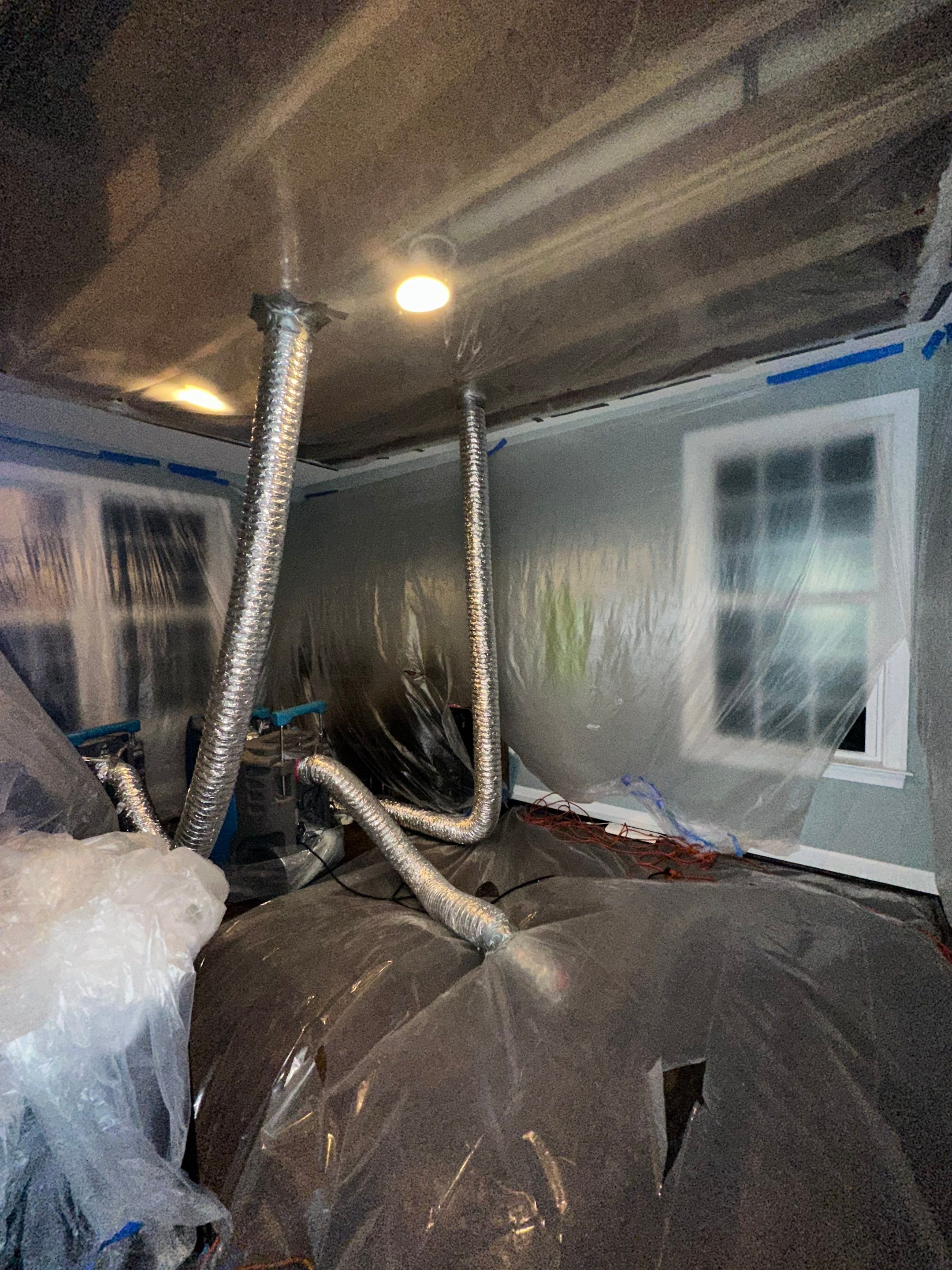
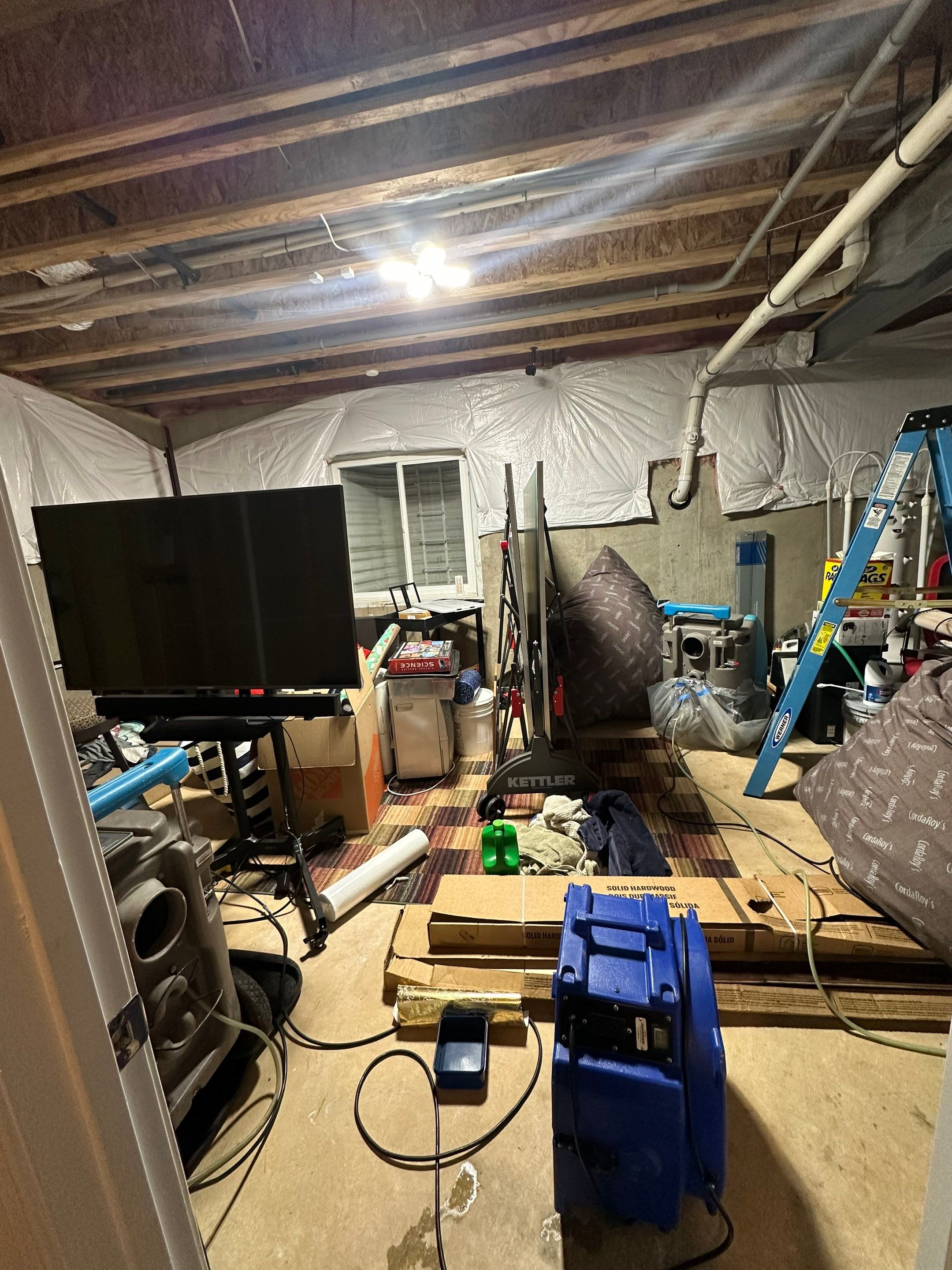
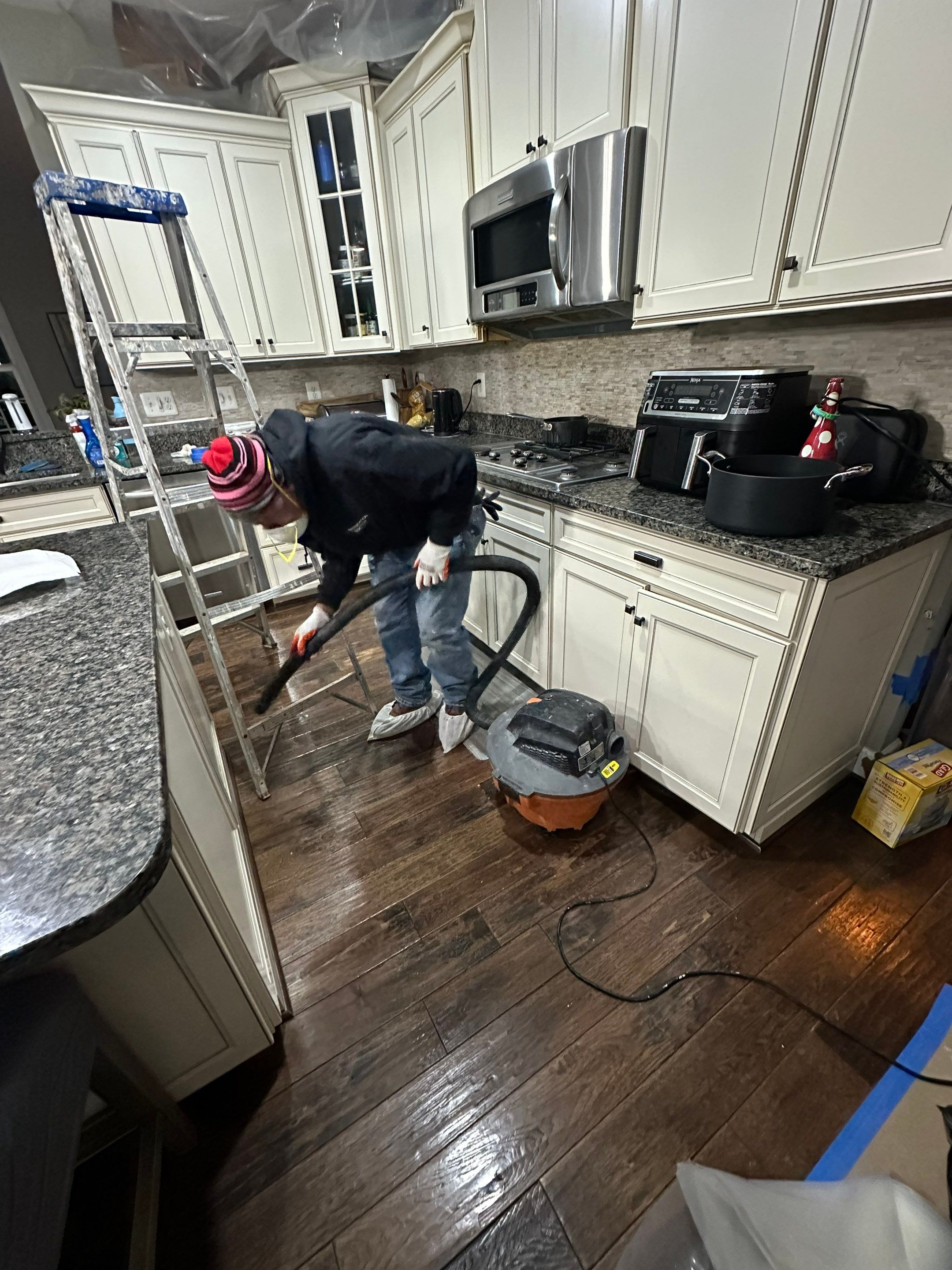
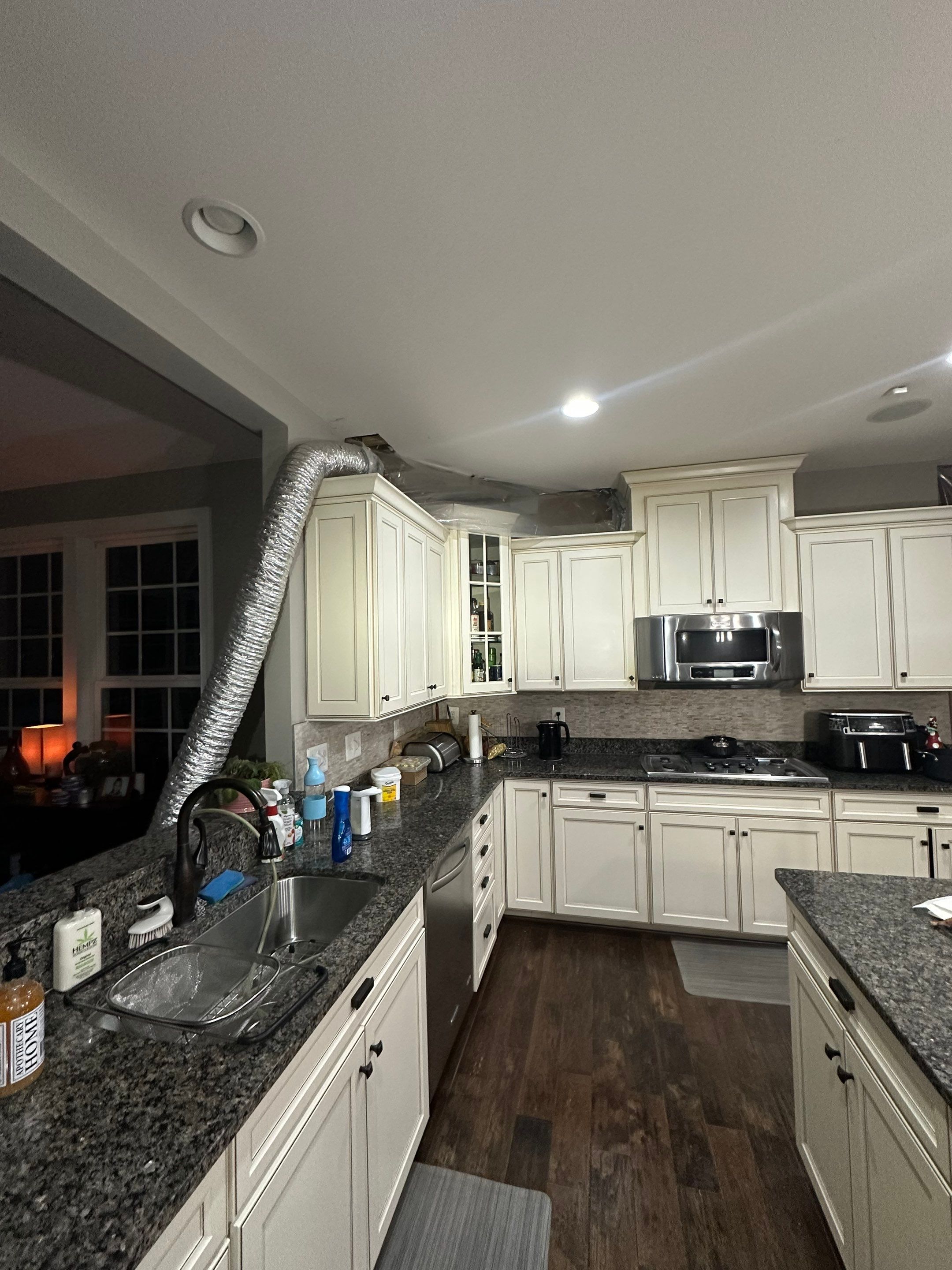
A significant water leak reached both the basement and kitchen of this Leesburg home, threatening a property type common to Loudoun County's blend of historic-district and newer suburban construction, where hot, humid Mid-Atlantic summers can turn unresolved moisture into a larger problem if drying isn't started quickly. The leak's dual-floor impact required immediate containment strategy before extraction could begin.
Our crew first protected undamaged areas with barriers, isolating the affected basement and kitchen zones to prevent cross-contamination of dry spaces. With containment in place, we deployed commercial dehumidifiers and air movers throughout both levels, drawing moisture from structural cavities and finishes. This drying approach follows IICRC S500 water-damage protocol, using psychrometric monitoring to confirm that ambient conditions had returned to normal ranges before equipment was pulled.
The homeowner noted in their review how the rapid setup and thorough drying process kept what could have been a multi-room disaster confined to the original leak path. By the time monitoring confirmed stable readings, both the basement and kitchen had been restored to a dry, safe condition, with no secondary moisture migration into adjacent framing or subfloor assemblies.
Reviews from Restoration Doctor customers
Incredible work! The team was professional, efficient and restored my home to perfection after flood damage. Highly recommend them for their excellent service.
Frequently asked questions
How does Restoration Doctor handle water damage that affects multiple floors in a Leesburg home?
When water intrusion spreads across levels—such as from a kitchen leak into a basement—Restoration Doctor isolates unaffected areas with protective barriers and deploys targeted drying equipment to each impacted zone. In Loudoun County homes, where construction varies from historic-district properties to newer subdivisions, our technicians adjust containment and airflow strategies to match the building's layout and materials. This multi-level approach prevents secondary damage while drying structural elements thoroughly.
Why is structural drying necessary after a water leak is stopped?
Stopping the source addresses only half the problem—moisture absorbed into framing, subfloors, and wall cavities continues to threaten the structure and indoor air quality. Restoration Doctor uses dehumidifiers and air movers to pull trapped moisture from these hidden spaces, measured against IICRC S500 drying standards. Without proper structural drying, Leesburg's humid Mid-Atlantic summers can turn residual dampness into mold colonization within days.
What equipment does Restoration Doctor use for water damage remediation in Leesburg?
For structural drying jobs in Loudoun County, Restoration Doctor deploys commercial-grade dehumidifiers to reduce ambient humidity and high-velocity air movers to accelerate evaporation from wet surfaces and cavities. The specific equipment count and placement depend on the affected square footage and materials—hardwood, drywall, and concrete each release moisture at different rates. Protective coverings shield undamaged areas while drying equipment runs continuously until moisture readings normalize.
How long does it take to dry out a home after water damage in Leesburg?
Drying timelines vary with the extent of water intrusion, affected materials, and ambient conditions—Leesburg's summer humidity can slow evaporation if not actively managed with dehumidification. Restoration Doctor monitors moisture levels daily and adjusts equipment as needed, with most residential structural drying projects reaching target readings within several days to a week. We do not remove equipment until measurements confirm the structure has returned to a dry standard.
Does water damage restoration in Loudoun County require mold remediation?
Not automatically—prompt structural drying often prevents mold from establishing if completed before spores colonize wet materials. Restoration Doctor's rapid deployment of containment and drying equipment on this Leesburg job aimed to keep the environment inhospitable to mold growth. If water sat long enough for visible growth or if high humidity persisted in the home's history, separate mold remediation under IICRC S520 protocols may follow the drying phase.
Explore more restoration work
All projects in Leesburg · Water Damage Restoration in Leesburg
Water, fire, or mold damage in Leesburg?
Restoration Doctor responds 24/7 across Leesburg and Northern Virginia. Free assessment and transparent, insurance-friendly estimates — no obligation.
See our Water Damage Restoration services at restorationdoctors.com →