Thorough inspection and remediation process
About this water damage restoration project
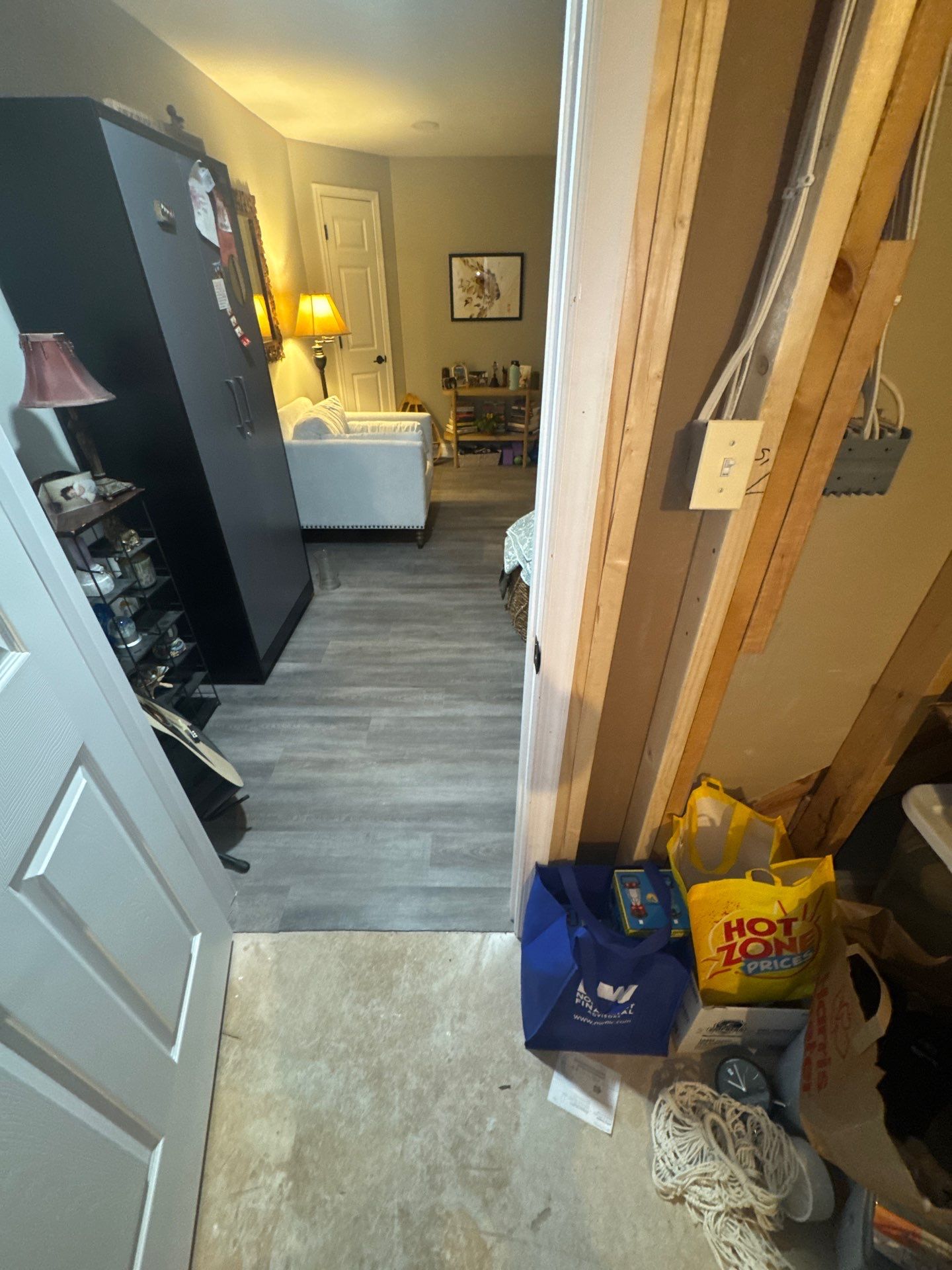
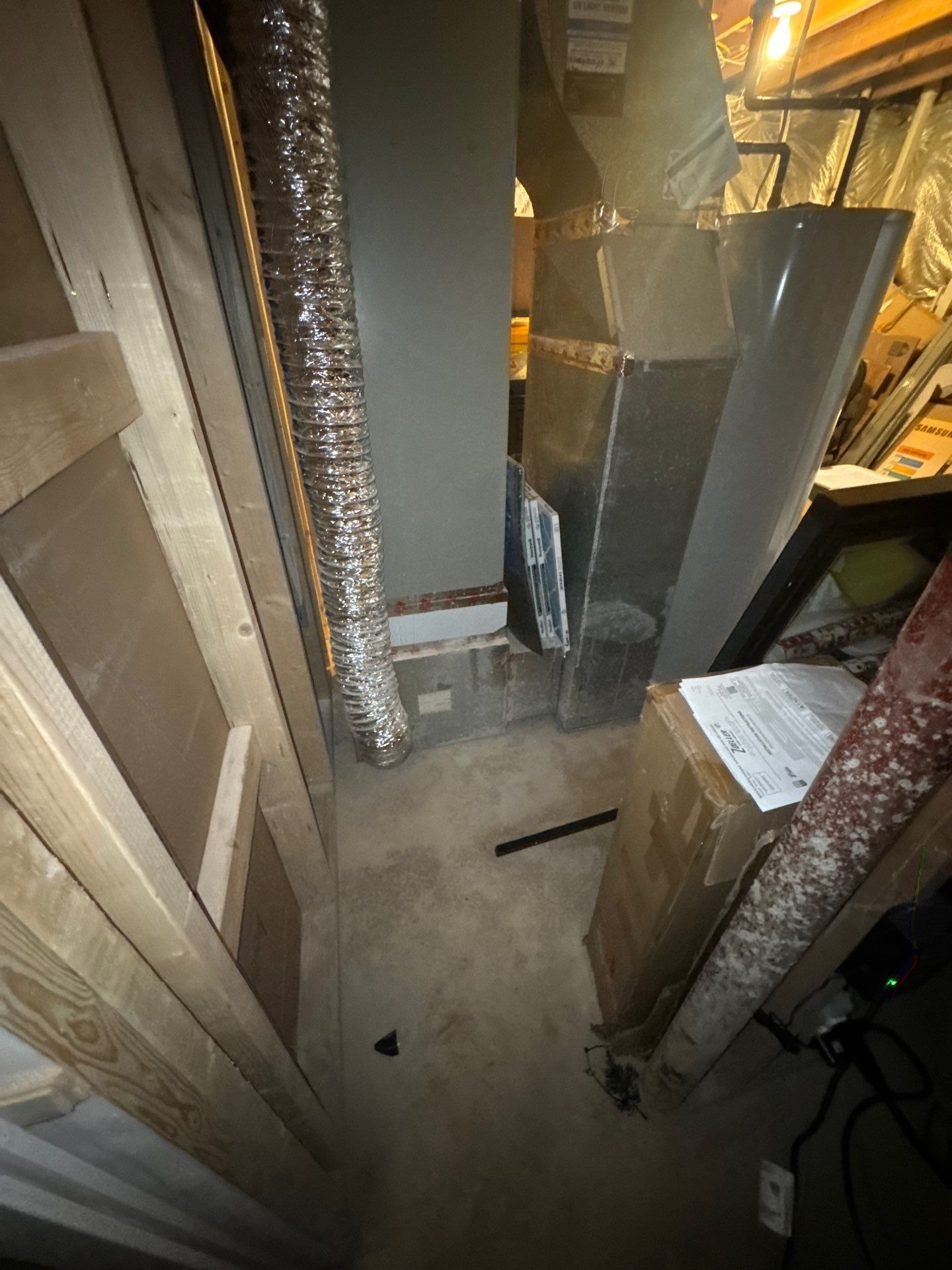
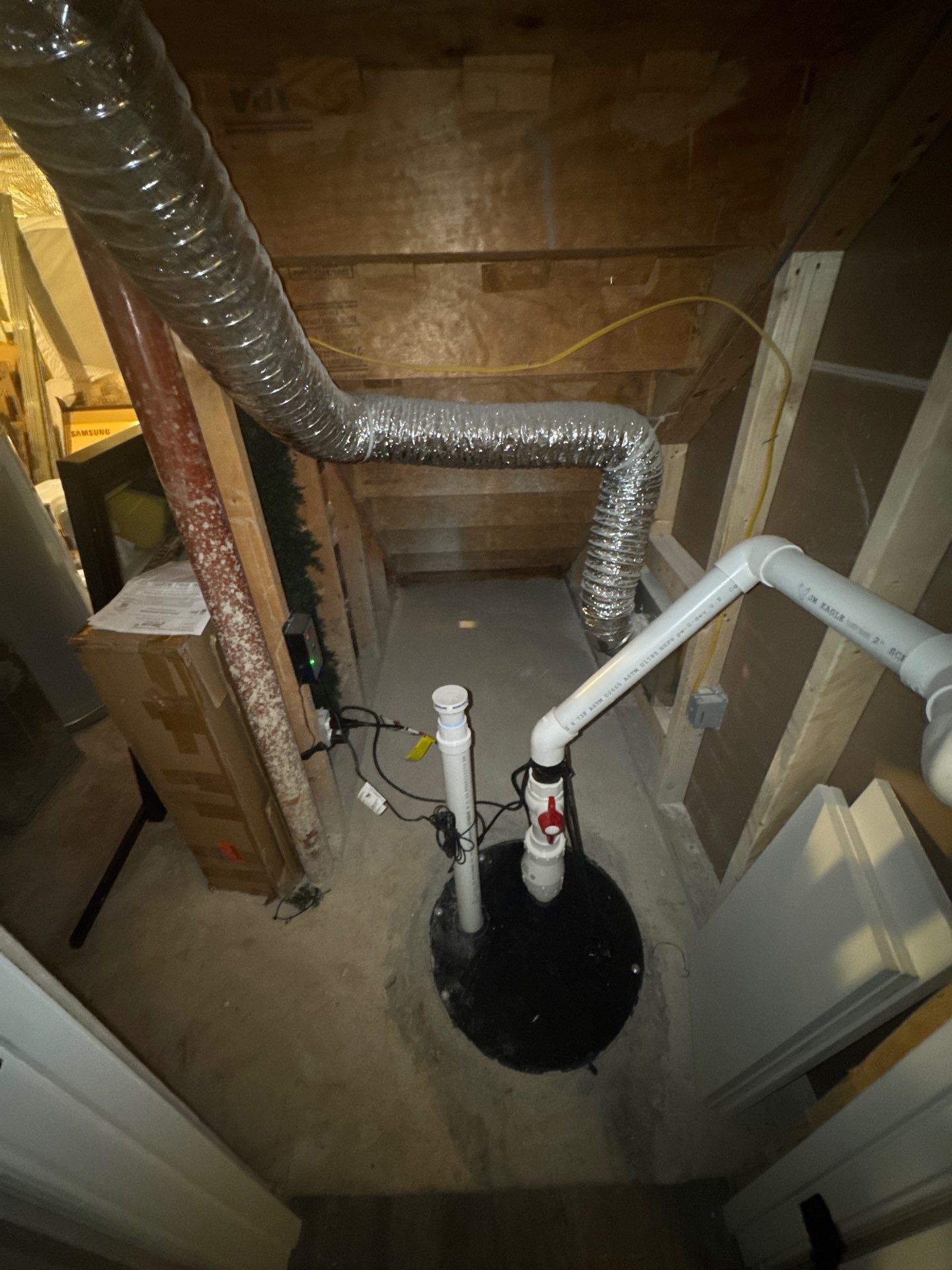
A significant water intrusion in this Leesburg residential property—located in Loudoun County, where the region's housing blend ranges from historic-district structures to newer suburban construction—demanded a methodical response to prevent long-term moisture compromise. The homeowner contacted Restoration Doctor after discovering active water damage that had already begun affecting interior finishes.
Our team conducted a thorough inspection to map the extent of saturation, then moved directly into extraction to remove standing water from affected areas. With moisture removed, we turned to the structural components: damaged wall sections were repaired to restore building envelope integrity, and targeted drying equipment was deployed to pull residual moisture from framing and subfloors. This sequenced approach—inspect, extract, repair, dry—followed IICRC S500 water damage restoration protocols to ensure no hidden moisture remained that could later support microbial growth.
The homeowner expressed satisfaction with both the thoroughness of the work and the condition of the property at project completion, noting the care taken throughout the remediation process.
Frequently asked questions
How quickly does standing water need to be extracted in a Leesburg home to prevent structural damage?
In Loudoun County's humid Mid-Atlantic climate, standing water should be extracted as soon as possible—ideally within the first 24 hours—to limit absorption into structural materials and prevent secondary mold growth. Restoration Doctor responded to this Leesburg property with immediate extraction equipment to remove standing water, followed by targeted structural drying to bring affected materials back to safe moisture levels. The combination of swift extraction and controlled drying is essential in both historic-district homes and newer subdivisions, where different building materials respond differently to prolonged moisture exposure.
What does structural drying involve after water extraction in a residential property?
Structural drying uses commercial air movers and dehumidifiers to remove moisture trapped in walls, subfloors, and framing after standing water is extracted. For this Leesburg job, Restoration Doctor set up drying equipment to pull moisture from the affected structural components and monitored progress with moisture meters until readings returned to normal. This process typically runs continuously for several days, depending on the extent of saturation and the materials involved, and is critical to preventing warping, rot, and mold colonization in the weeks following the initial water event.
Why is wall repair sometimes necessary after a water damage event in Leesburg?
Water-damaged drywall and insulation often cannot be dried in place if they have been saturated for an extended period or if contamination is present. Restoration Doctor removed and replaced compromised wall sections in this Leesburg home to eliminate moisture reservoirs and restore structural integrity. In Loudoun County's hot, humid summers, any residual moisture left in wall cavities can quickly become a mold incubator, so selective demolition and replacement is a standard part of thorough water-damage remediation rather than a sign of excessive damage.
Does homeowners insurance typically cover emergency water extraction and structural drying?
Most homeowners policies cover sudden and accidental water damage—such as a burst pipe or appliance failure—including the cost of extraction, drying, and necessary repairs. Restoration Doctor works directly with insurance adjusters in Leesburg and throughout Loudoun County to document the scope of loss and ensure that covered services are billed appropriately. Coverage varies by policy and cause of loss, so it's important to report the damage to your carrier immediately and request a detailed estimate that aligns with your policy's terms.
What are the long-term risks if structural drying is incomplete after water damage?
Incomplete drying leaves hidden moisture in framing, subfloors, and wall cavities, which can lead to wood rot, fastener corrosion, and mold growth that may not become visible for weeks or months. Restoration Doctor's approach on this Leesburg property included moisture mapping and verification readings to confirm that all affected materials reached safe levels before equipment was removed. In the humid Mid-Atlantic climate, even small pockets of residual moisture can sustain microbial growth, so thorough drying and documentation—consistent with IICRC S500 guidelines—are essential to long-term building health.
Explore more restoration work
All projects in Leesburg · Water Damage Restoration in Leesburg
Water, fire, or mold damage in Leesburg?
Restoration Doctor responds 24/7 across Leesburg and Northern Virginia. Free assessment and transparent, insurance-friendly estimates — no obligation.
See our Water Damage Restoration services at restorationdoctors.com →