Ceiling repair and mold remediation
About this mold remediation project
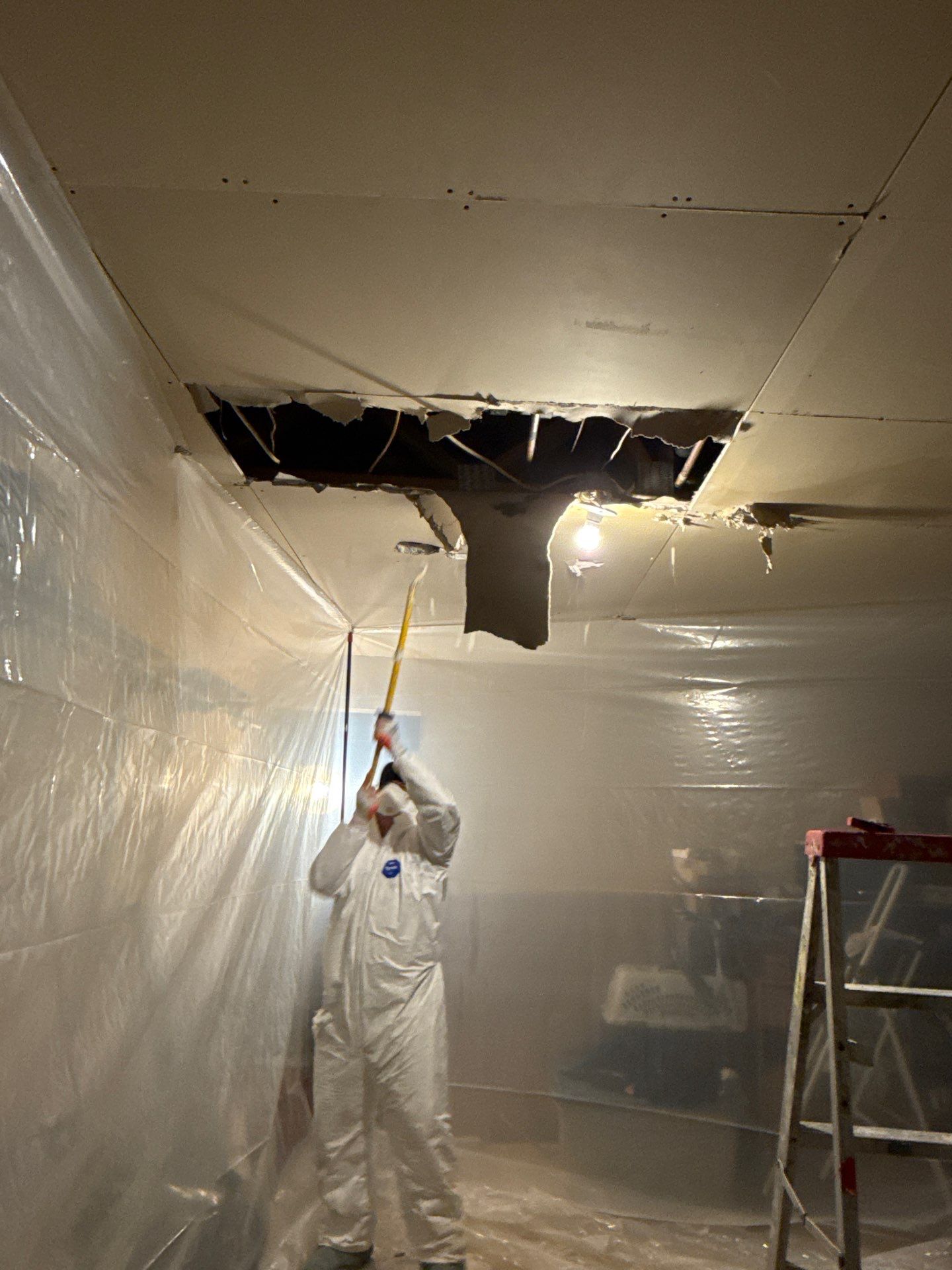
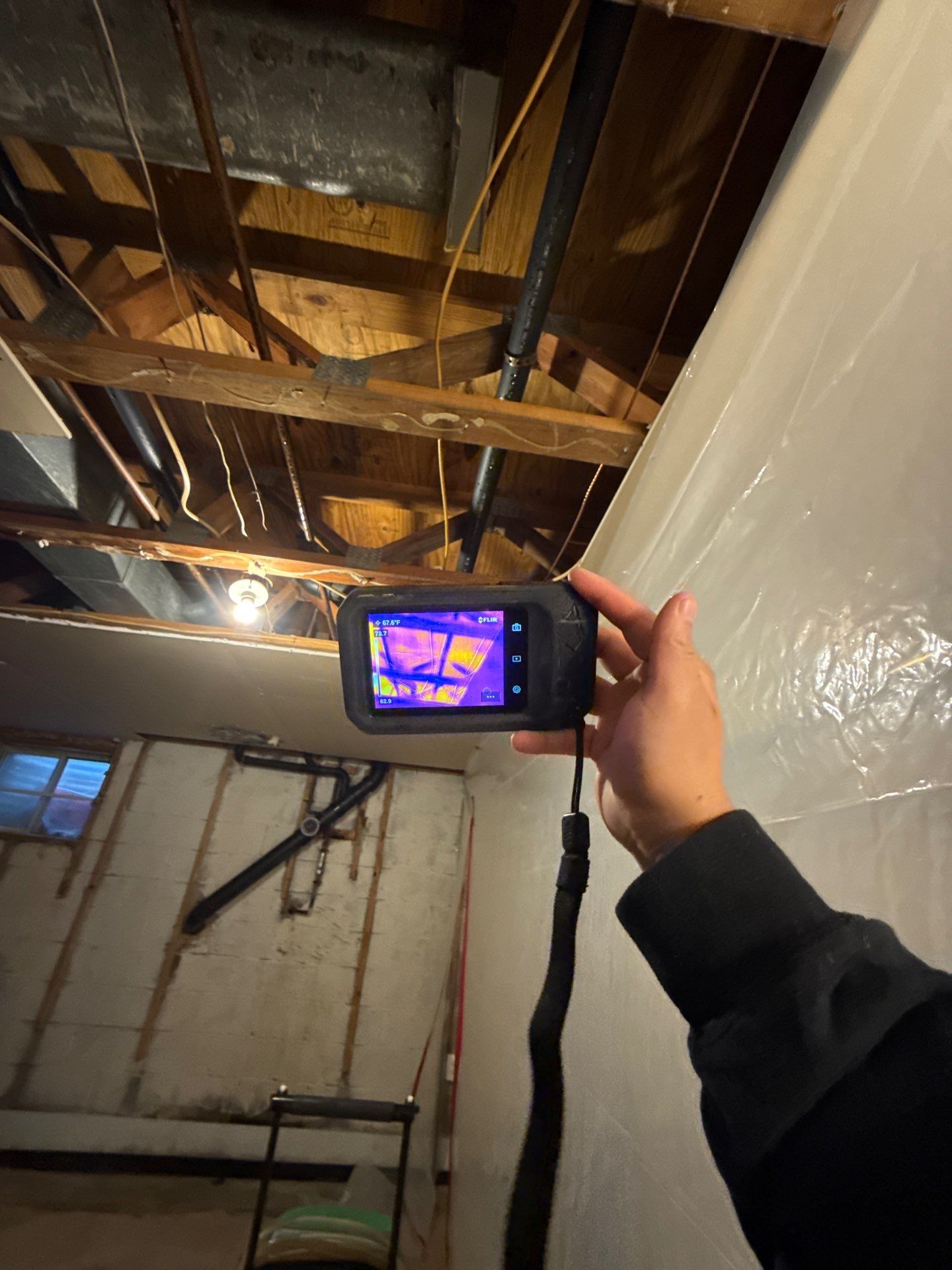
A Leesburg home in Loudoun County's suburban development presented with mold growth following unresolved water intrusion—a progression that hot, humid Mid-Atlantic summers accelerate when moisture remains unchecked in conditioned spaces. The ceiling damage and visible colonization indicated the need for containment and coordinated remediation under IICRC S520 protocols.
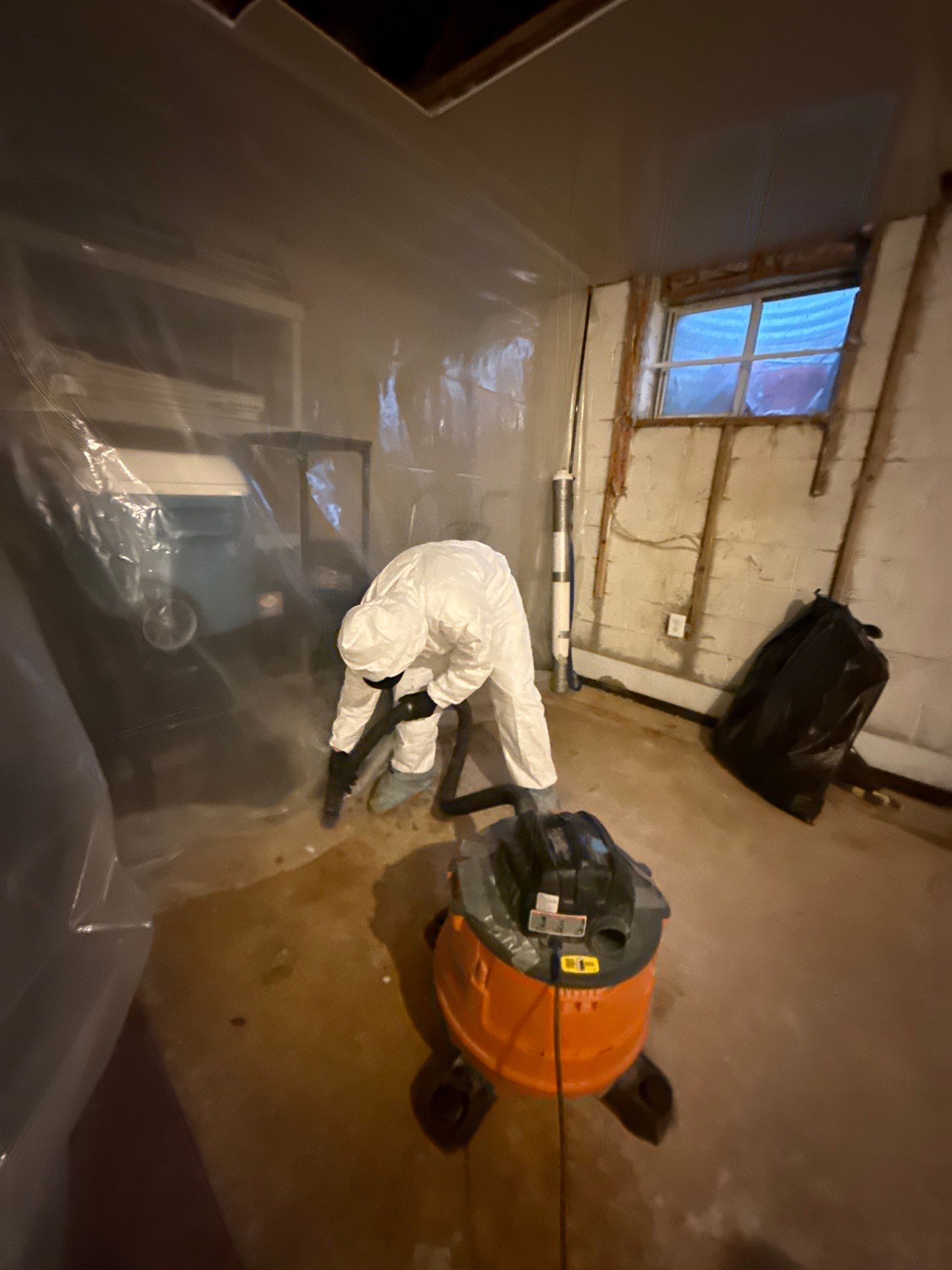
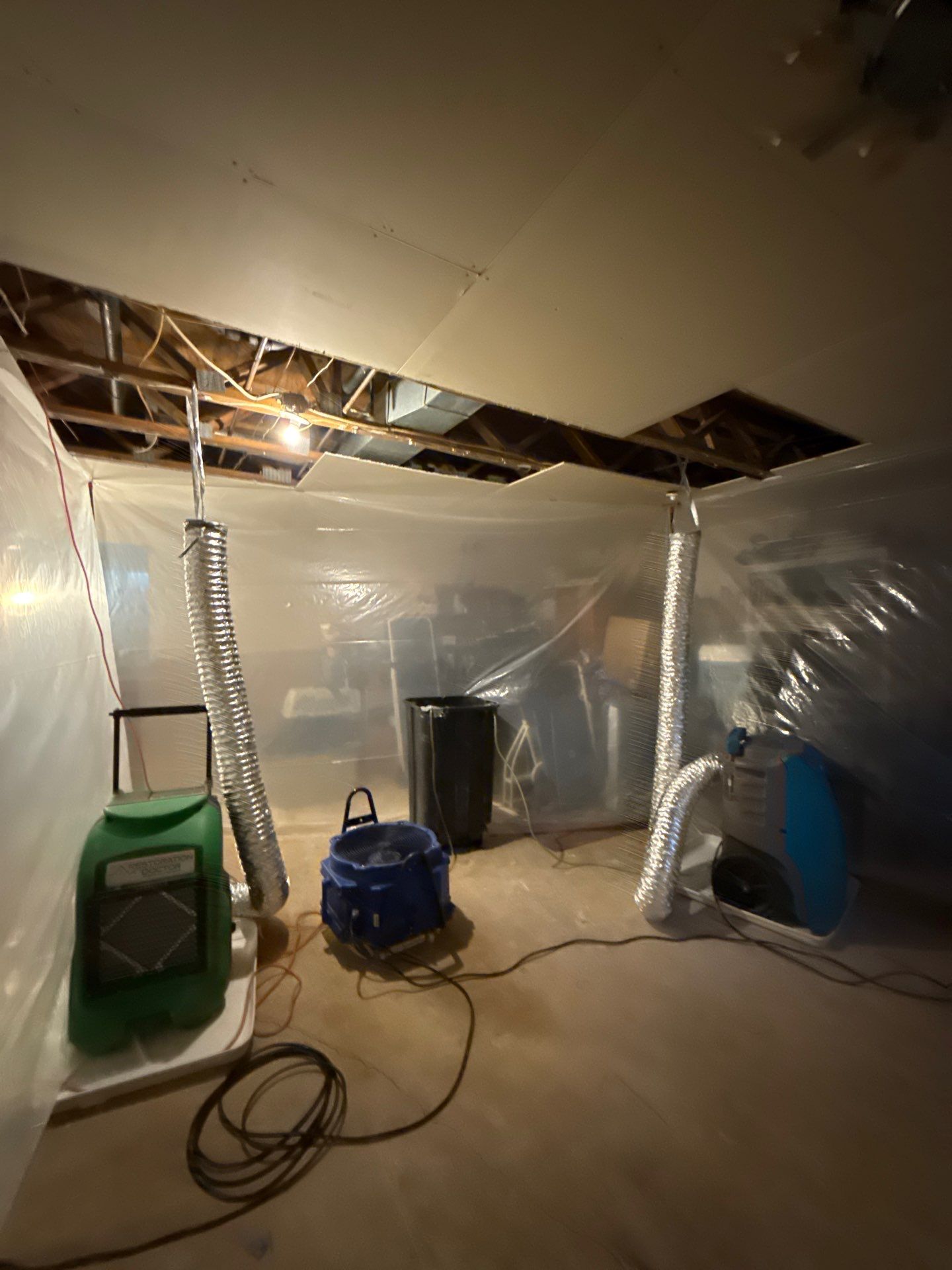
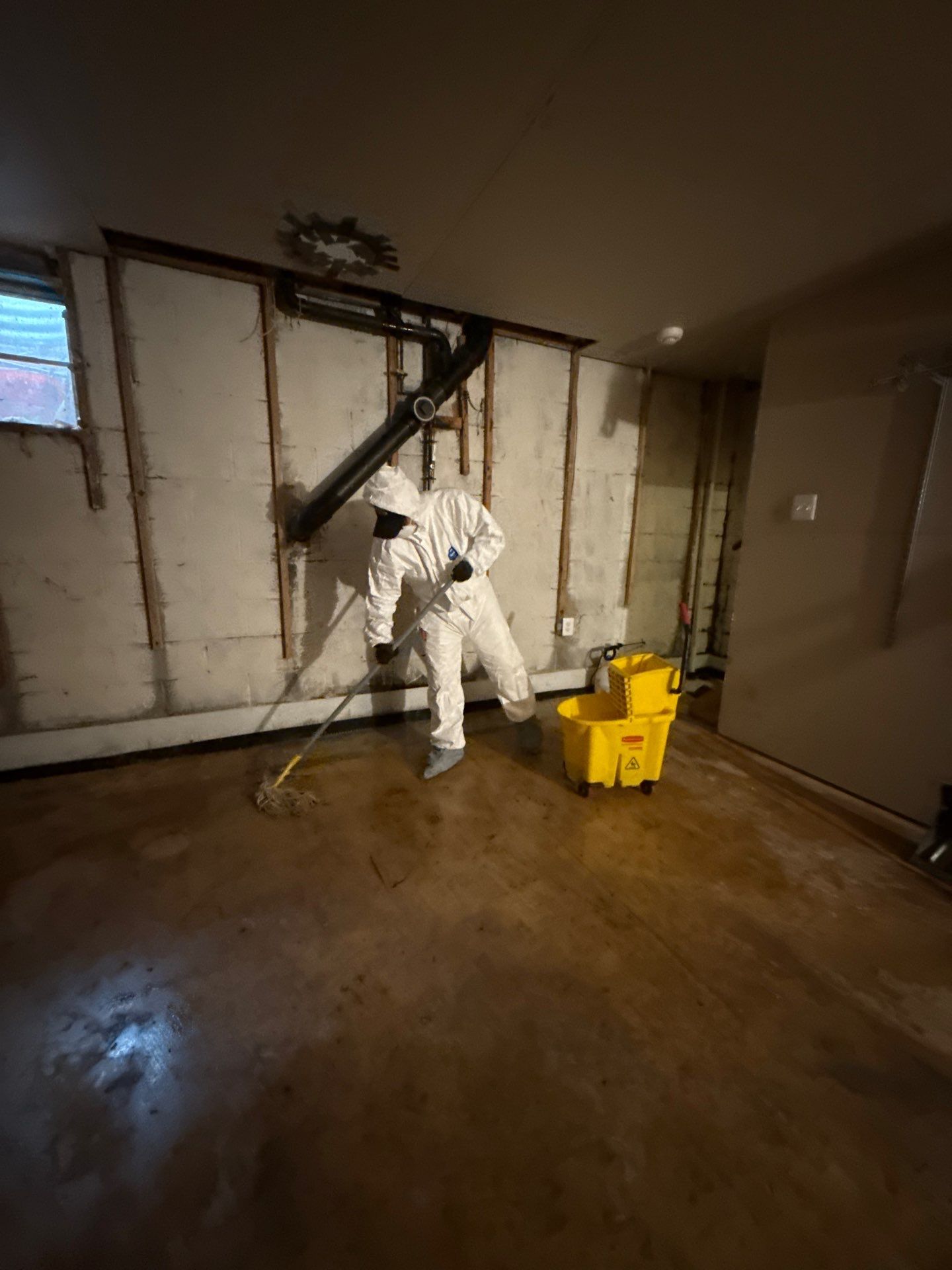
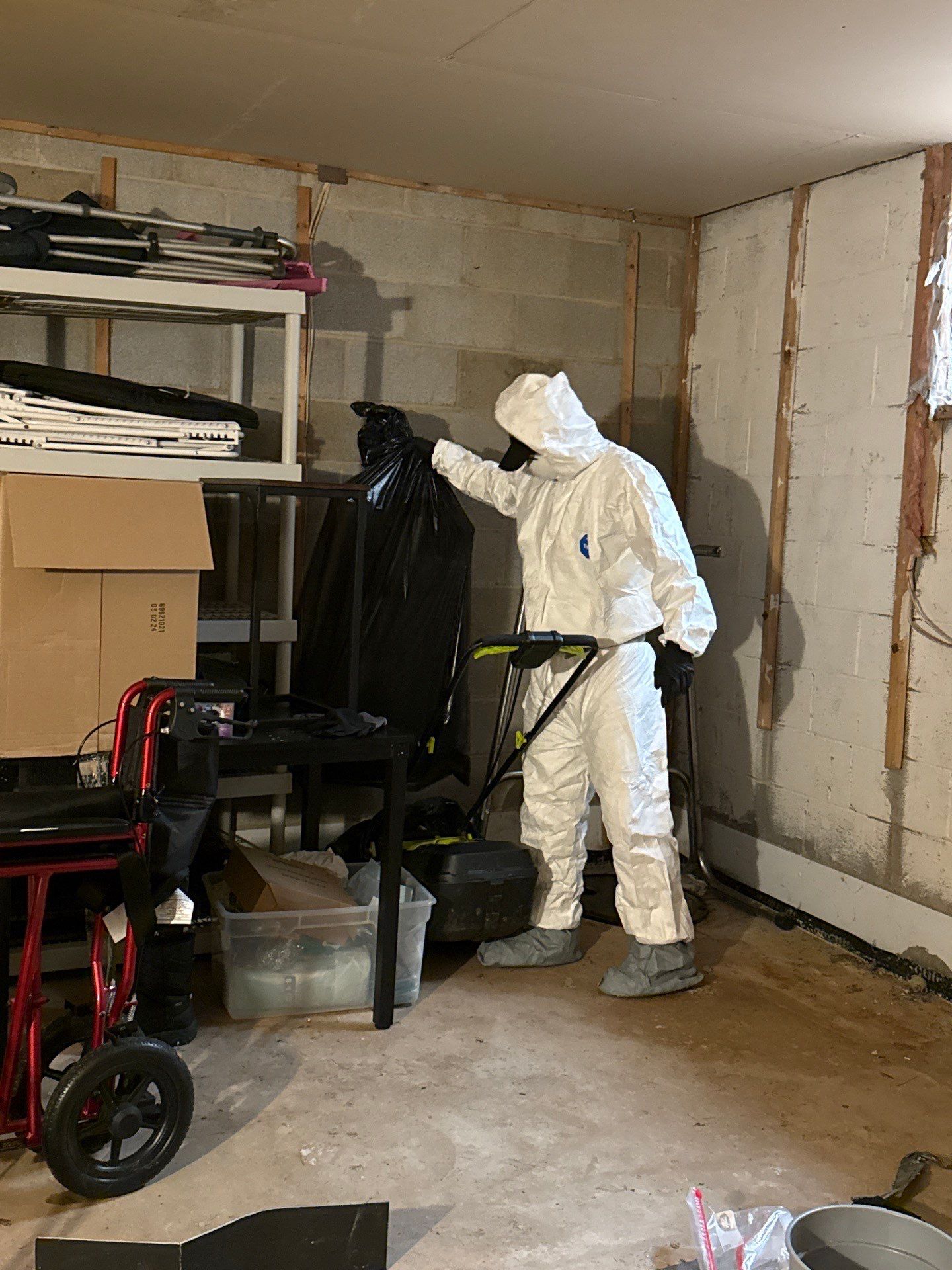
We began by protecting the homeowner's belongings with plastic sheeting, then extracted standing water with commercial vacuums and positioned drying equipment to stabilize moisture levels throughout the affected rooms. Once conditions allowed, we built a physical containment barrier to isolate the work zone, preventing cross-contamination during the removal of compromised ceiling and wall sections. Damaged drywall was cut out and replaced, and the ceiling structure was repaired to original profile.
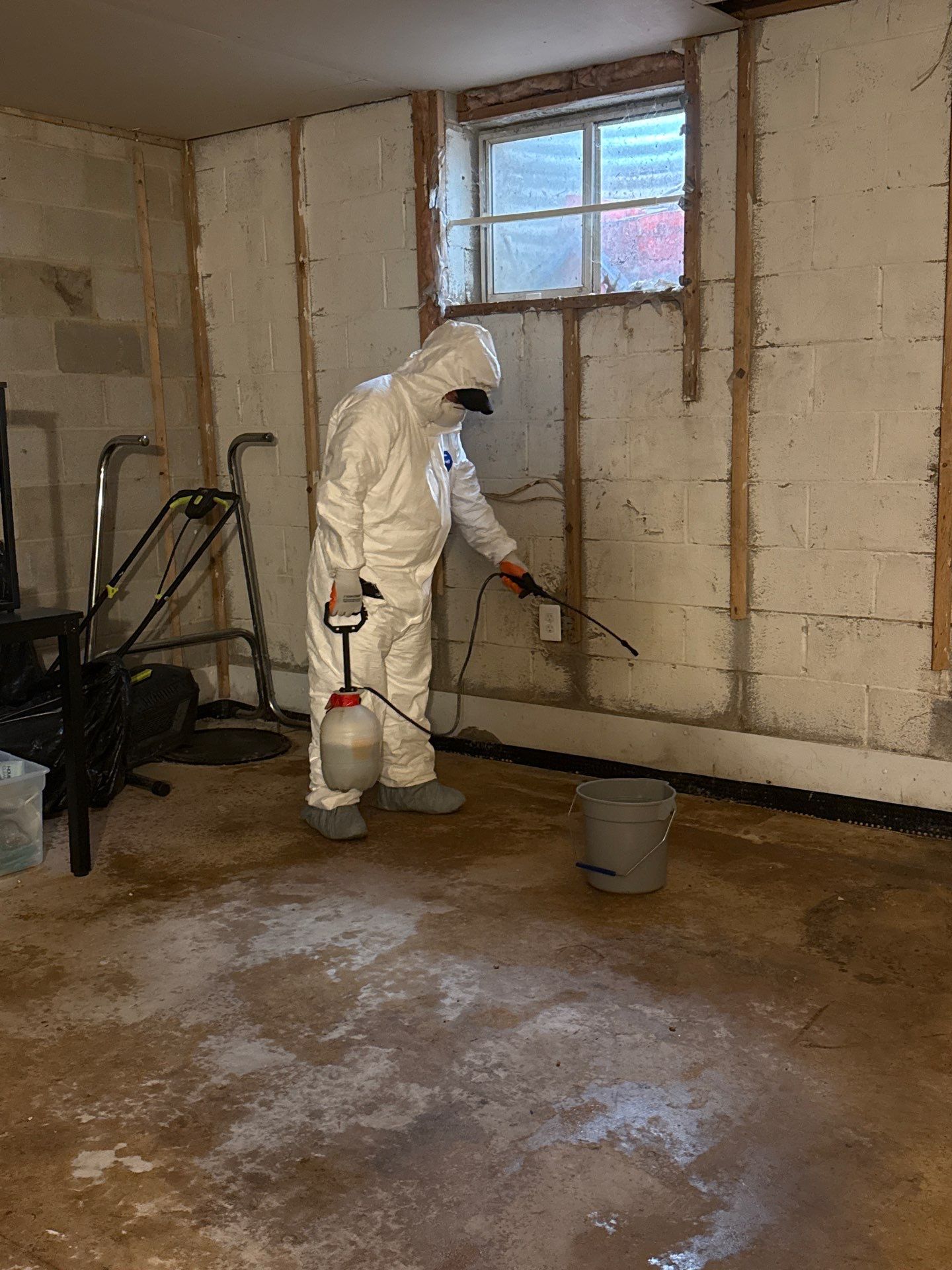
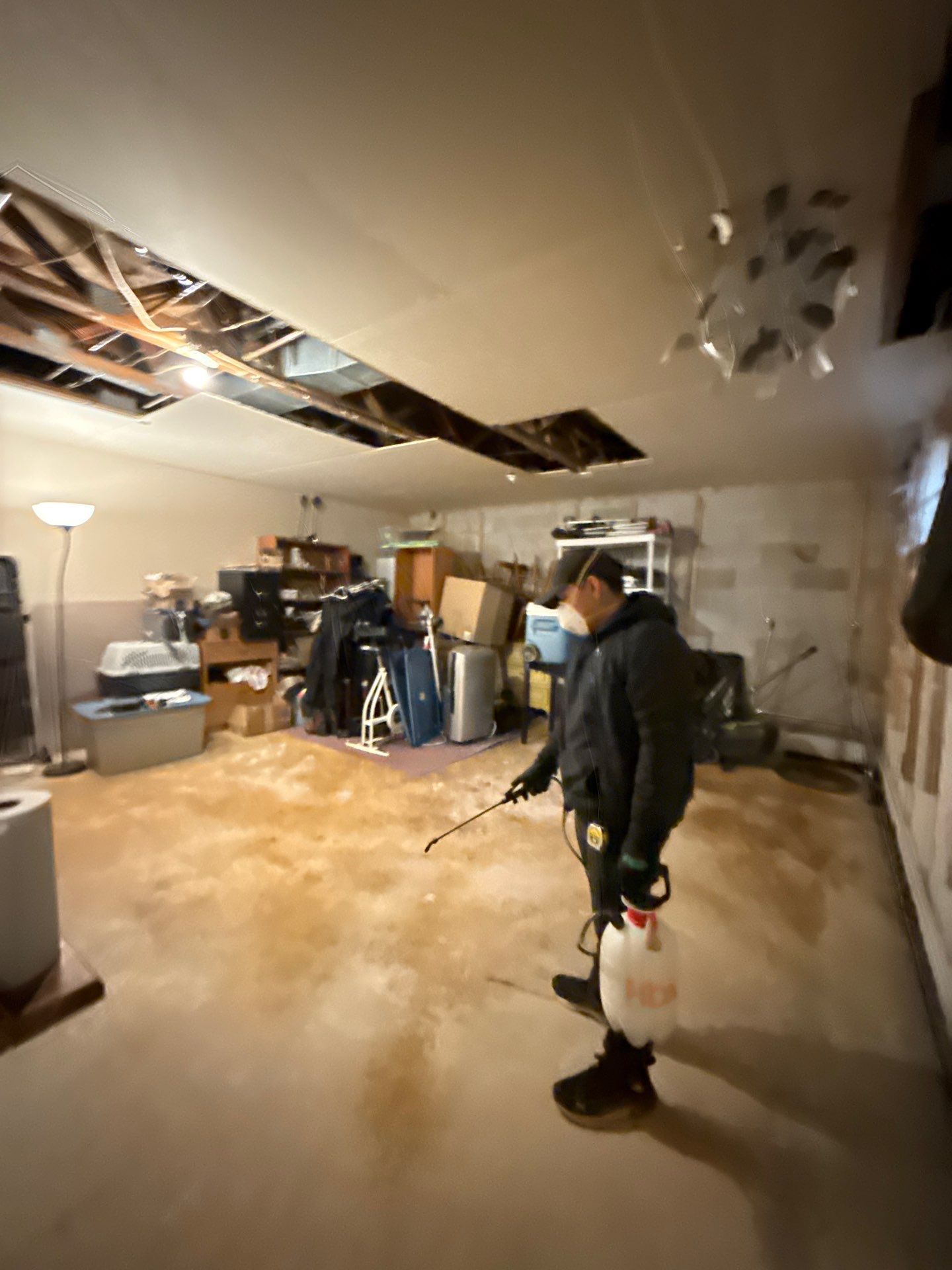
Following reconstruction, we applied antimicrobial treatment to all exposed surfaces within the containment area, addressing both visible growth and potential residual spores. Air scrubbers and negative-air machines maintained controlled airflow during the process, ensuring that remediation activities did not distribute contaminants to unaffected portions of the home.
The homeowner reported high satisfaction with the outcome, and the space was returned to safe occupancy with both the water source addressed and the mold liability resolved.
Frequently asked questions
Why was a containment barrier necessary for this mold remediation job in Leesburg?
Restoration Doctor built a containment barrier to isolate the affected areas and prevent mold spores from spreading to uncontaminated parts of the home during remediation work. In Loudoun County's humid Mid-Atlantic climate, uncontrolled spore migration during demo and cleanup can seed new growth in adjacent rooms. The barrier, combined with negative air pressure, kept the work zone sealed until all contaminated materials were removed and surfaces sanitized.
How does standing water after a leak lead to mold growth in Leesburg homes?
When standing water from intrusion sits on subflooring, drywall, or framing, it saturates porous materials and raises indoor humidity—conditions that allow mold to colonize quickly in Leesburg's warm, humid summers. Restoration Doctor extracted the standing water with commercial vacuums and deployed structural drying equipment to bring moisture levels down before spores could establish. Prompt extraction and drying are critical in Loudoun County's climate, where elevated humidity accelerates microbial activity.
What does wall replacement involve during mold remediation in Loudoun County?
Restoration Doctor removed and replaced drywall sections that had absorbed moisture and supported mold colonization beyond what surface cleaning could address. In both historic-district homes and newer subdivisions across Loudoun County, paper-faced drywall is a common finish material that becomes non-salvageable once deeply wetted and colonized. After the contaminated sections were cut out and discarded, new drywall was installed, taped, and finished to match the surrounding surfaces.
How long does mold remediation typically take in Leesburg, VA?
Duration depends on the extent of water intrusion, the number of affected rooms, and drying conditions, but a job involving containment, extraction, structural drying, and selective demolition like this one in Leesburg often spans several days to a week. Restoration Doctor monitors moisture readings throughout to ensure materials reach dry-standard before reconstruction begins. Loudoun County's summer humidity can extend drying time if ventilation and dehumidification aren't carefully managed.
What sanitization measures prevent mold from returning after remediation?
Restoration Doctor applied EPA-registered antimicrobial treatments to all affected surfaces after the contaminated materials were removed and the structure dried to standard. These treatments inhibit residual spore germination on framing, subfloors, and other non-removed components. Sanitization alone is not a substitute for source removal and drying, but it provides an additional layer of protection in Leesburg's mold-favorable climate once the moisture problem is resolved.
Explore more restoration work
All projects in Leesburg · Mold Remediation in Leesburg
Water, fire, or mold damage in Leesburg?
Restoration Doctor responds 24/7 across Leesburg and Northern Virginia. Free assessment and transparent, insurance-friendly estimates — no obligation.
See our Mold Remediation services at restorationdoctors.com →