Pipe Leak Repair and Mold Prevention
About this mold remediation project
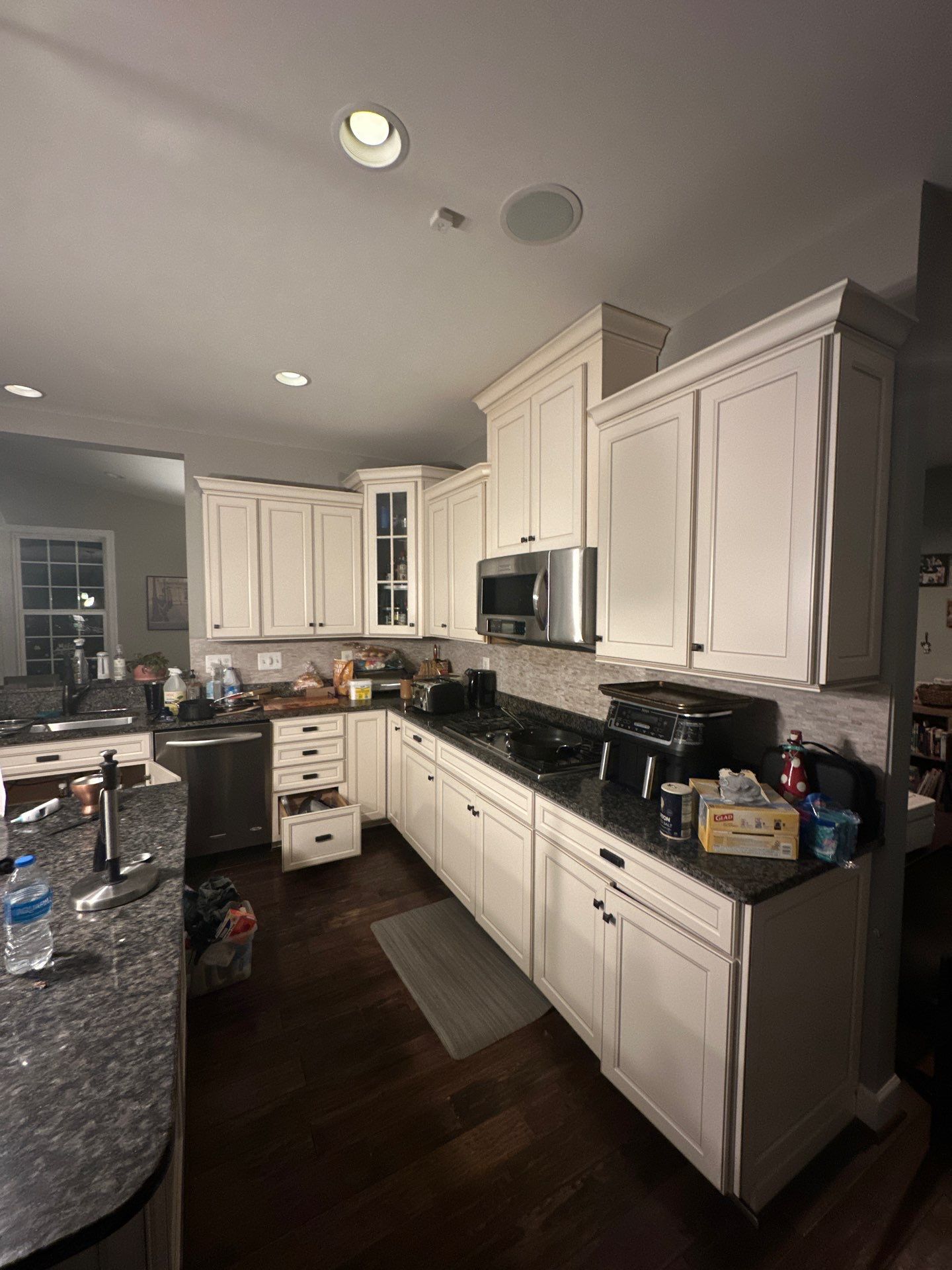
A leaking water pipe in a Leesburg home presented the dual risk common to Loudoun County's humid Mid-Atlantic climate: immediate water damage compounded by conditions favorable to mold if moisture is not fully resolved. The homeowner contacted us after discovering the leak had affected multiple areas, including ceiling materials.
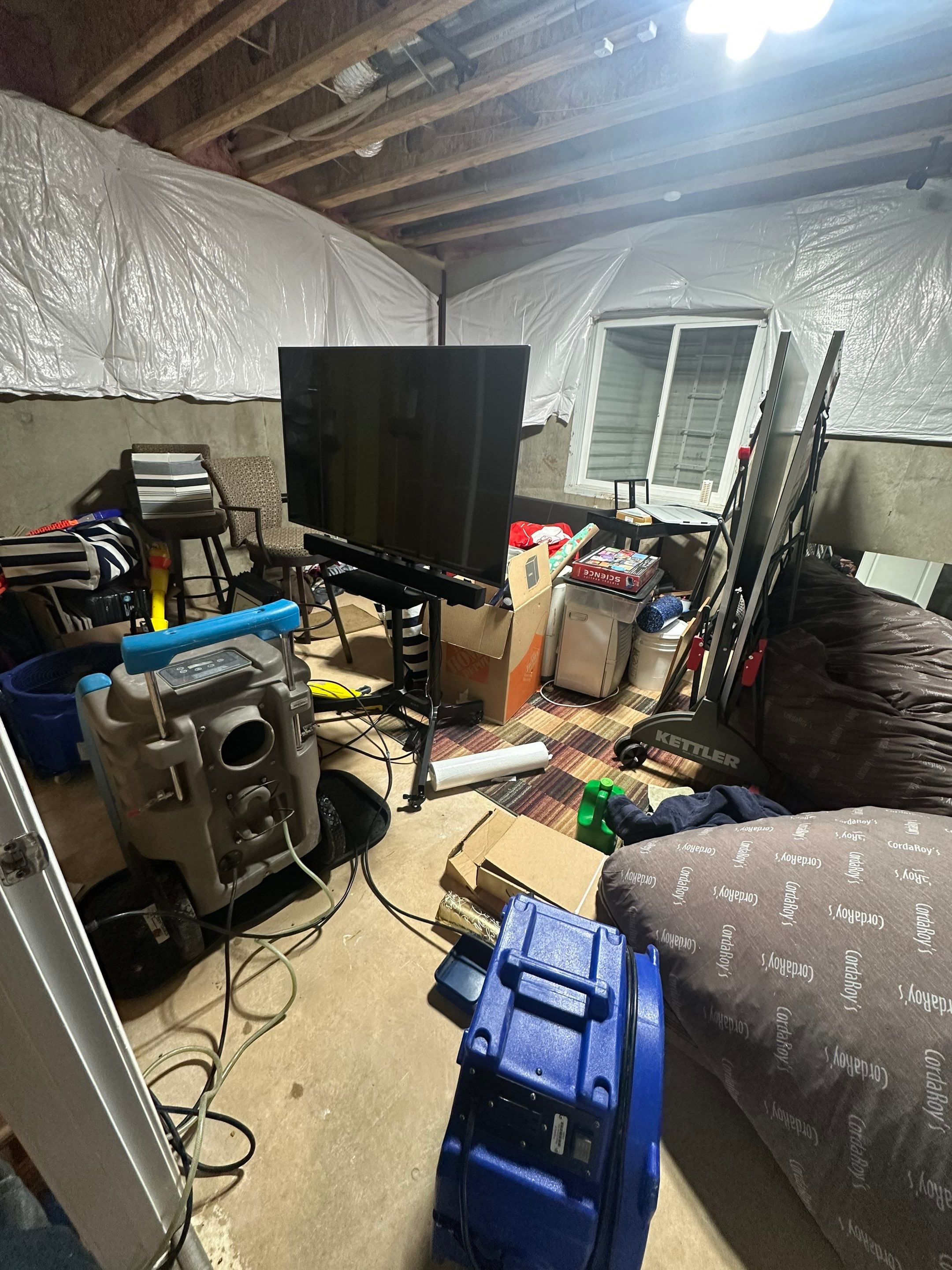
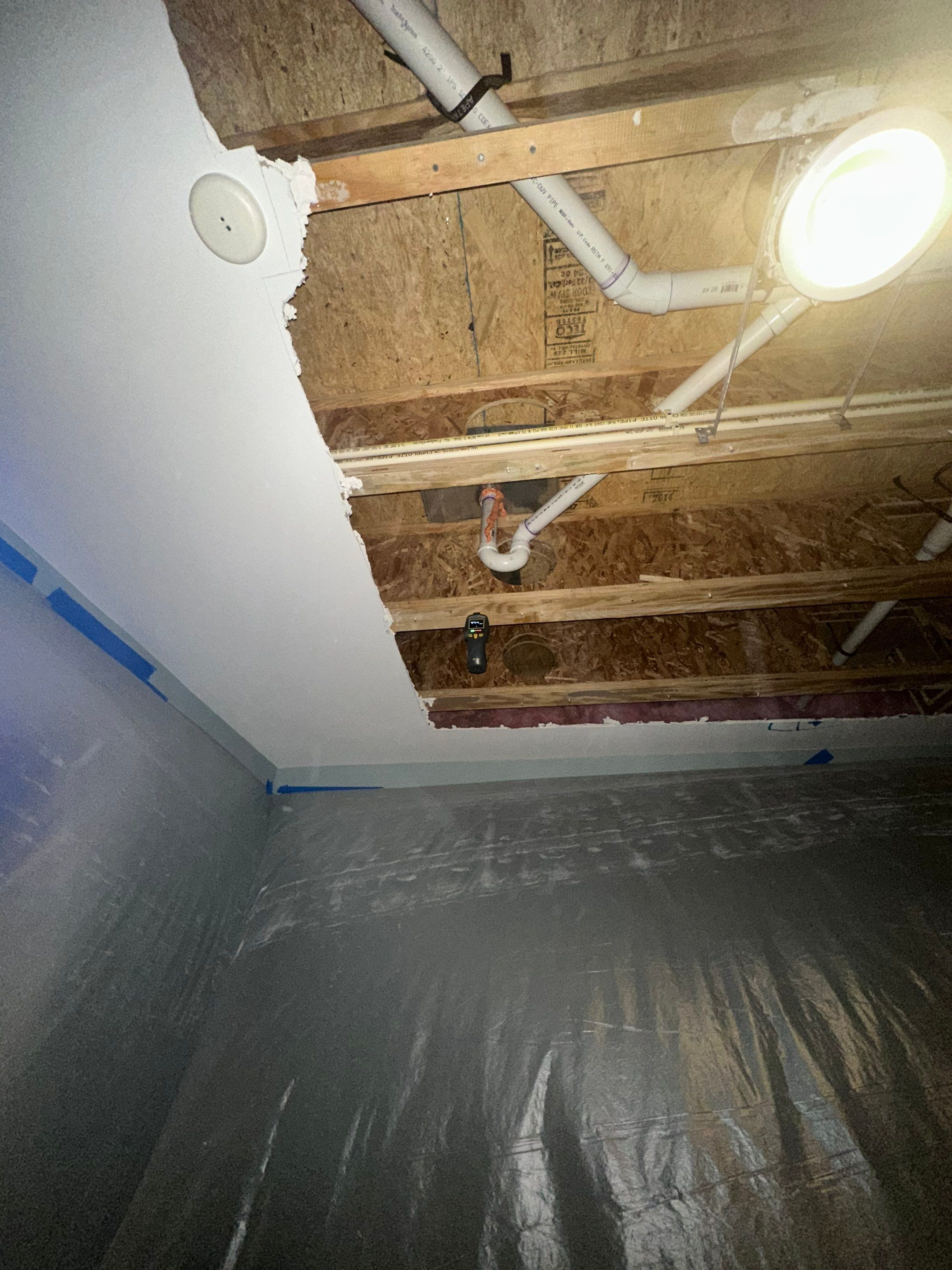
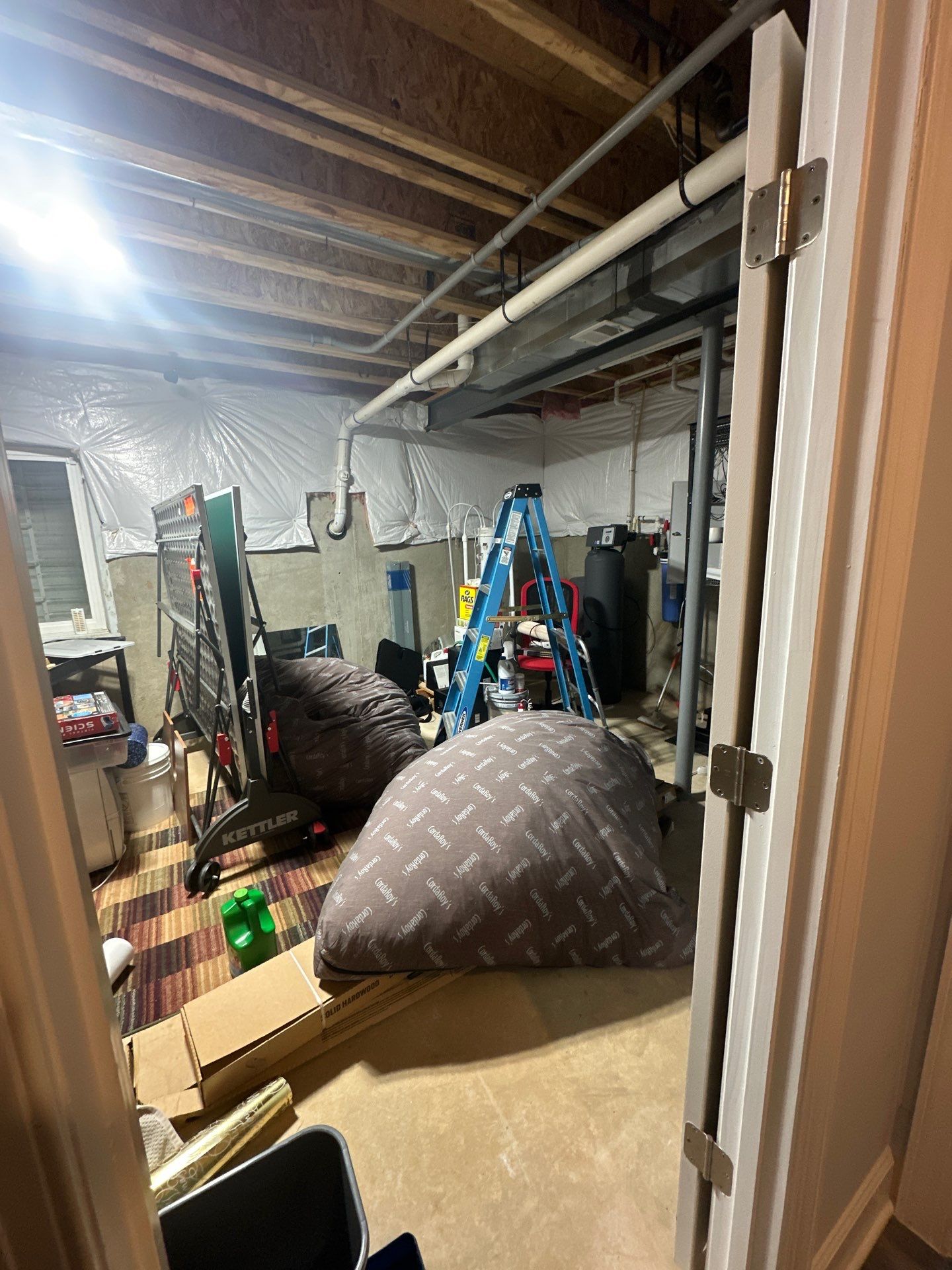
We began with thermal imaging to map the full extent of moisture intrusion beyond what was visible, a diagnostic step that prevents overlooking hidden saturation. The compromised ceiling section was removed, and we deployed air movers and a dehumidifier to dry structural cavities and adjacent materials. Once drying was confirmed, we sanitized all affected surfaces to eliminate potential mold spores before they could establish in the elevated humidity typical of the region's summer months.
The homeowner later noted their satisfaction with the thoroughness of the work. By addressing both the visible damage and the underlying moisture conditions, the project closed out a common pipe-failure scenario without allowing it to escalate into a larger remediation need.
Frequently asked questions
How does thermal imaging help detect hidden moisture after a pipe leak in a Leesburg home?
Thermal imaging allows Restoration Doctor technicians to map temperature differentials behind walls and ceilings without invasive demolition, revealing wet building materials that aren't visible to the eye. In this Leesburg mold remediation project, we used infrared scanning to trace the full extent of water migration from the leaking pipe through multiple rooms, ensuring no pockets of moisture were left to fuel secondary mold growth. This non-destructive assessment is especially valuable in Loudoun County's mix of historic and newer construction, where hidden cavities and varied framing can conceal damage.
Why was ceiling replacement necessary in this Leesburg water-intrusion case?
The affected ceiling drywall had absorbed enough water from the overhead pipe leak that it lost structural integrity and became a substrate for potential mold colonization. Restoration Doctor removed and replaced the compromised section rather than attempting to dry saturated gypsum in place, which is standard practice under IICRC S500 guidance when materials are category-2 water-affected or visibly degraded. Controlled removal also allowed us to inspect the ceiling cavity for additional hidden moisture before sealing the assembly back up.
What role did dehumidification play in drying this Leesburg property after the leak was stopped?
Once the pipe was repaired and standing water extracted, Restoration Doctor deployed commercial dehumidifiers alongside air movers to pull moisture vapor from the air and accelerate evaporation from structural materials like framing and subfloor. Hot, humid Mid-Atlantic summers in Loudoun County mean ambient conditions alone won't dry a water-damaged interior to safe levels—active dehumidification prevents the elevated relative humidity that mold spores need to germinate on damp surfaces. We monitored daily until moisture readings returned to baseline dry standards.
How does sanitizing differ from mold remediation in a post-water-damage scenario?
In this Leesburg job, sanitizing referred to the antimicrobial treatment of surfaces after structural drying was complete, applied as a preventive measure because the water intrusion had persisted long enough to create mold-favorable conditions. True mold remediation—containment, HEPA filtration, removal of colonized materials—would have been required if visible growth or air-quality testing confirmed active contamination; here, Restoration Doctor's thermal inspection and prompt drying kept the loss in the preventive zone. The sanitizing step addresses surface bioburden and residual spore load on non-porous materials that dried in place.
Is mold remediation after a pipe leak typically covered by homeowners insurance in Leesburg?
Coverage depends on whether the leak was sudden and accidental versus a long-term maintenance issue; most Loudoun County policies will cover mold remediation if it's a direct result of a covered peril like a burst supply line, but exclude it if the pipe had been slowly seeping unnoticed for months. Restoration Doctor works directly with adjusters to document the timeline and scope—thermal imaging reports and moisture logs help demonstrate that the response was prompt and the mold risk was a consequence of the insured event. Policyholders should review their declarations page for any mold sub-limits or exclusions before a loss occurs.
Explore more restoration work
All projects in Leesburg · Mold Remediation in Leesburg
Water, fire, or mold damage in Leesburg?
Restoration Doctor responds 24/7 across Leesburg and Northern Virginia. Free assessment and transparent, insurance-friendly estimates — no obligation.
See our Mold Remediation services at restorationdoctors.com →