Severe Storm-Induced Roof Damage
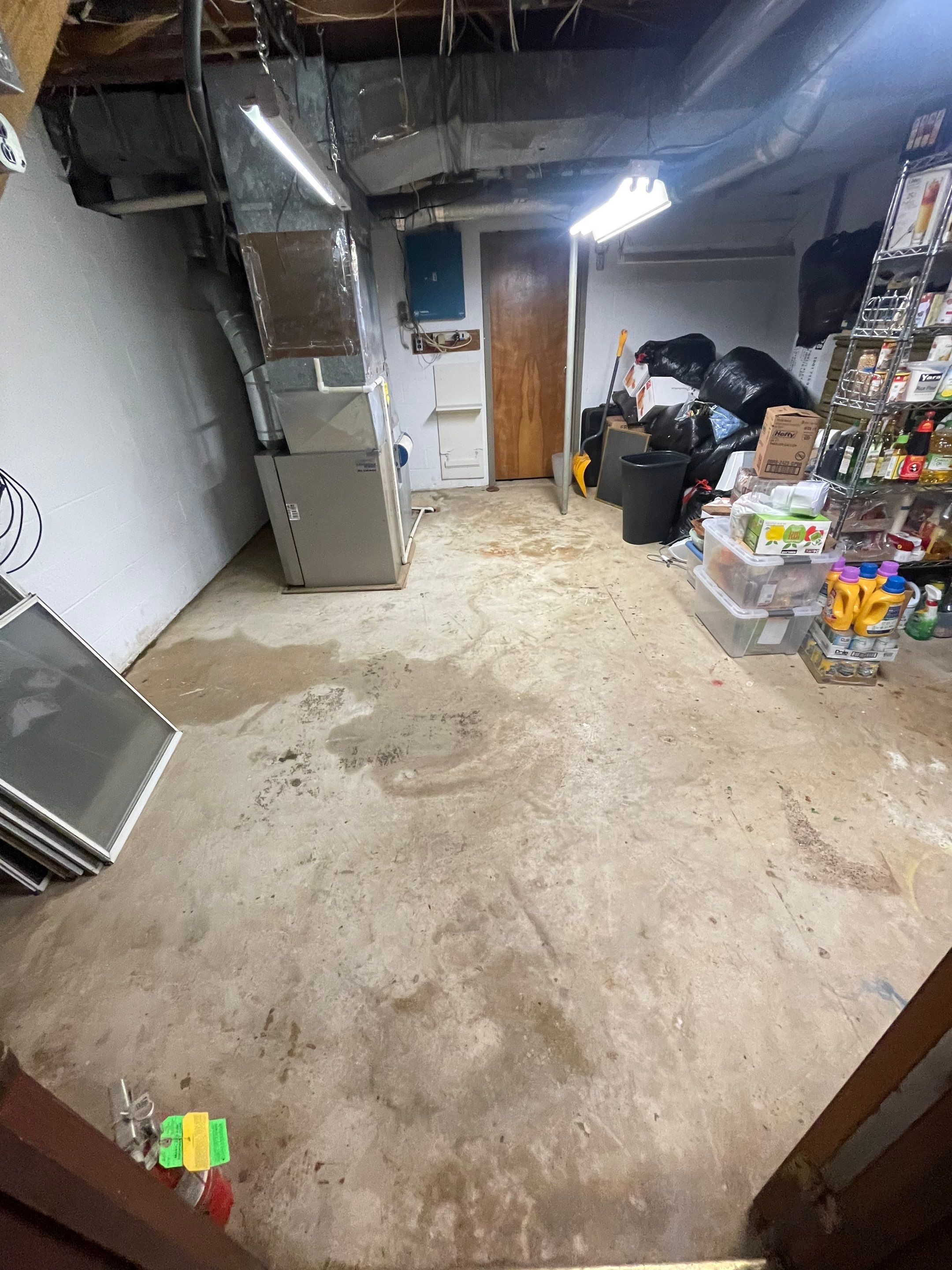
About this water damage restoration project
When a severe thunderstorm drove a fallen tree branch through the roof of an established single-family home in Kensington, the immediate concern was not just the structural breach but the water now pooling in both the attic and living spaces below. In a region where humid Mid-Atlantic summers can accelerate microbial growth, the timeline from intrusion to mold colonization is measured in days, not weeks.
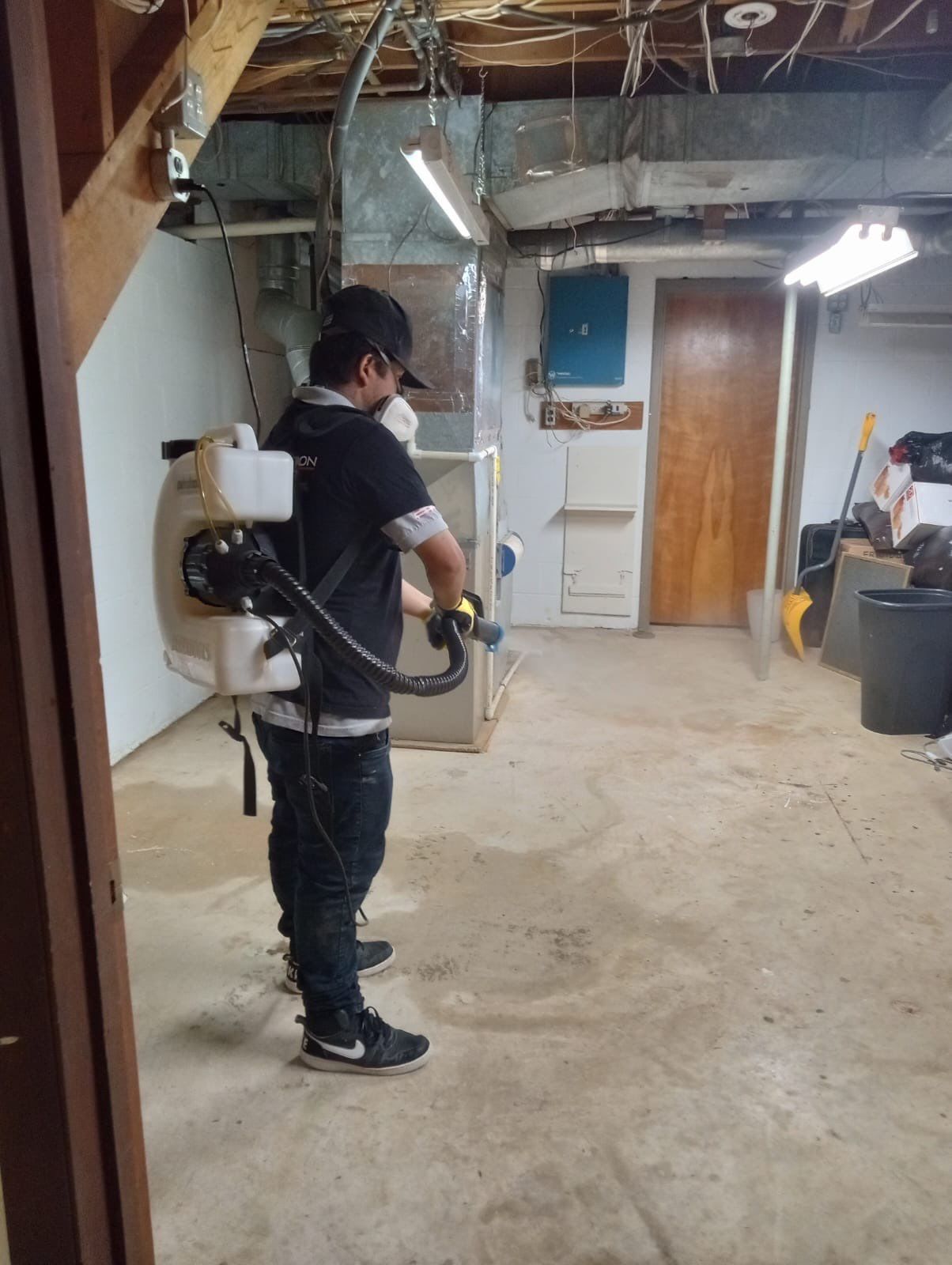
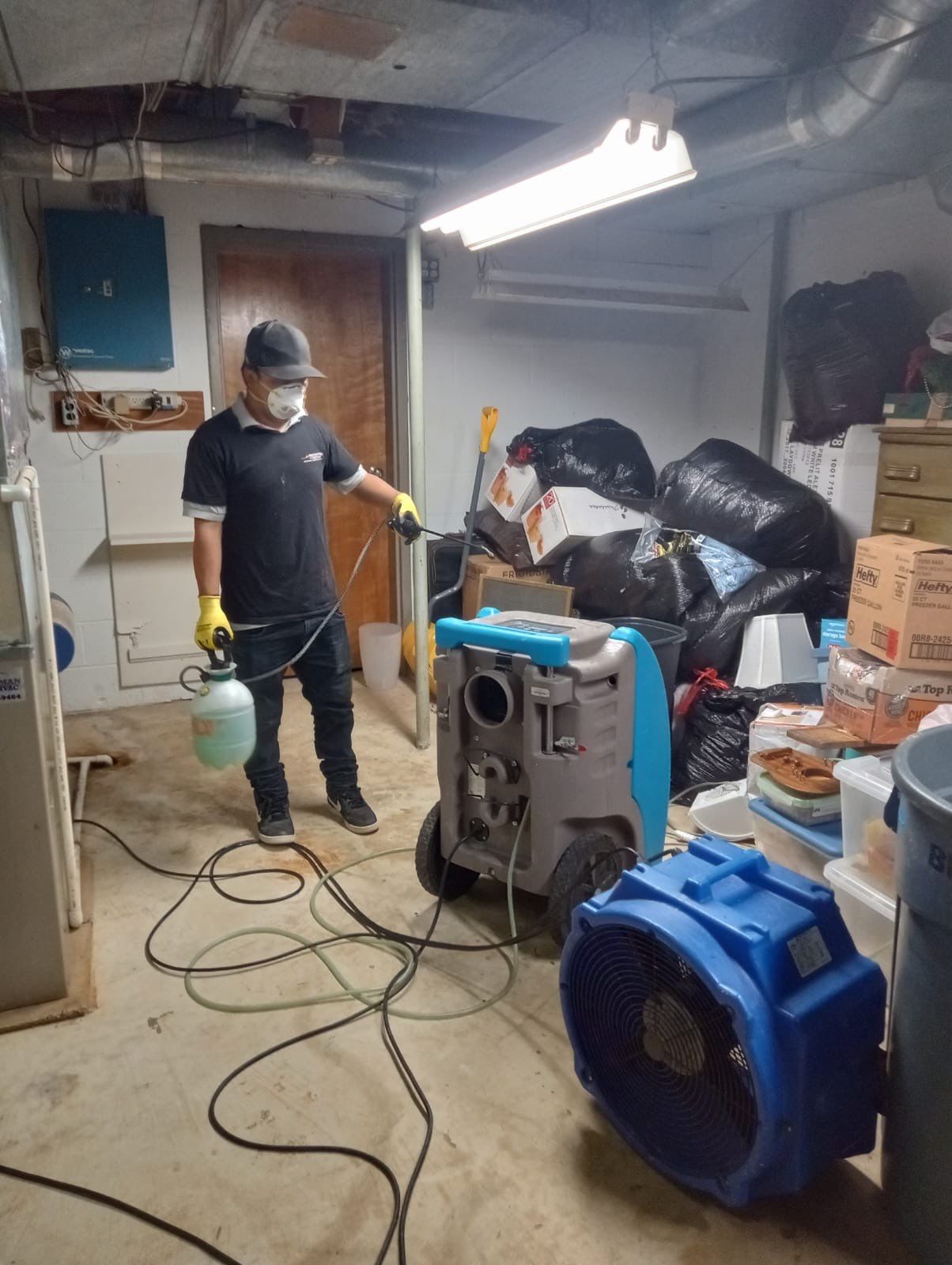
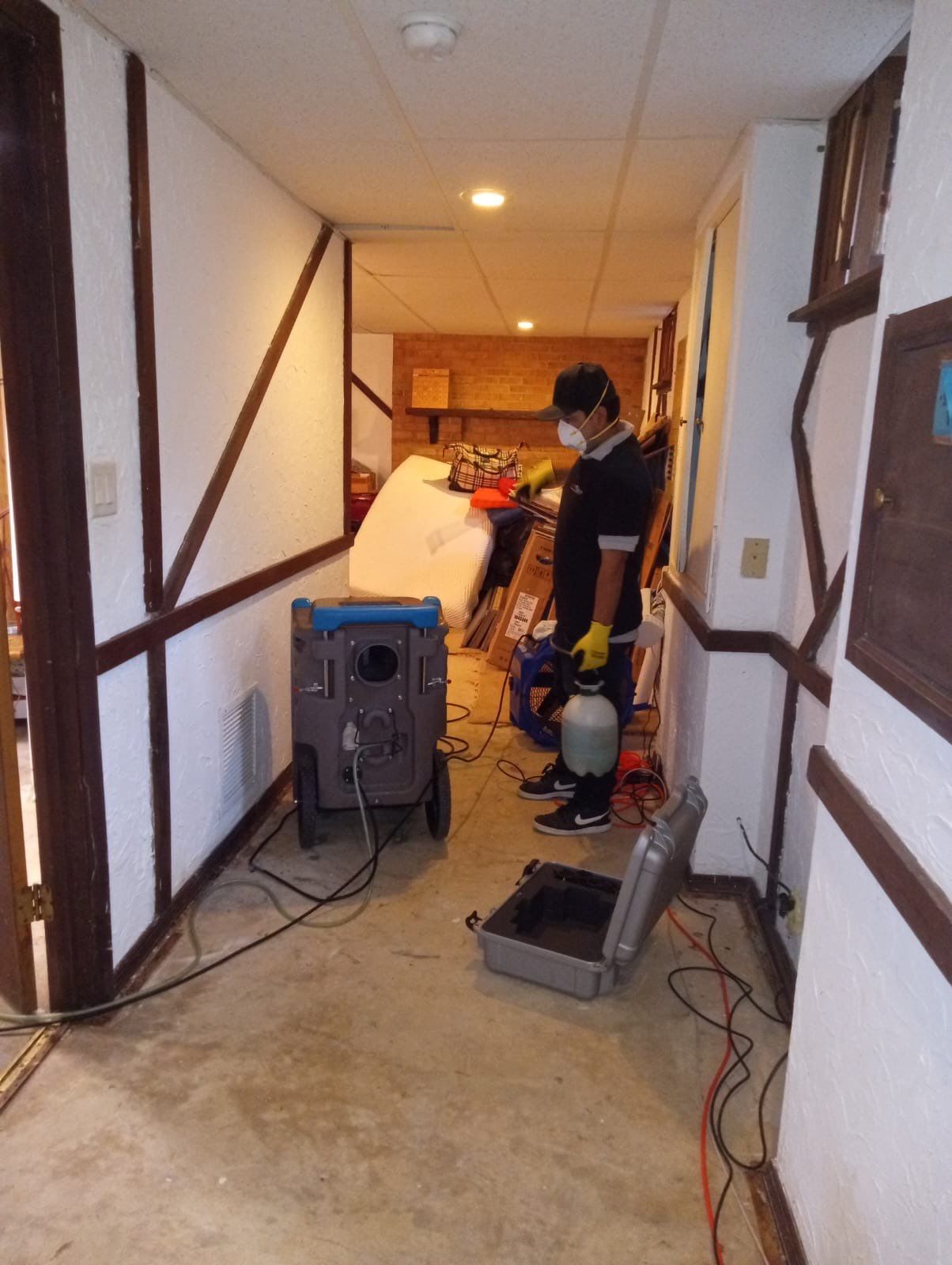
Our crew arrived to find standing water throughout the upper floor. We first secured the compromised roof with emergency tarping to prevent further infiltration, then deployed extractors to remove standing water from the attic and affected rooms. A full moisture assessment mapped the extent of wetting into ceiling cavities and wall assemblies. Industrial dehumidifiers and air movers ran continuously until all materials returned to dry standard, a process guided by IICRC S500 protocols to prevent secondary damage.
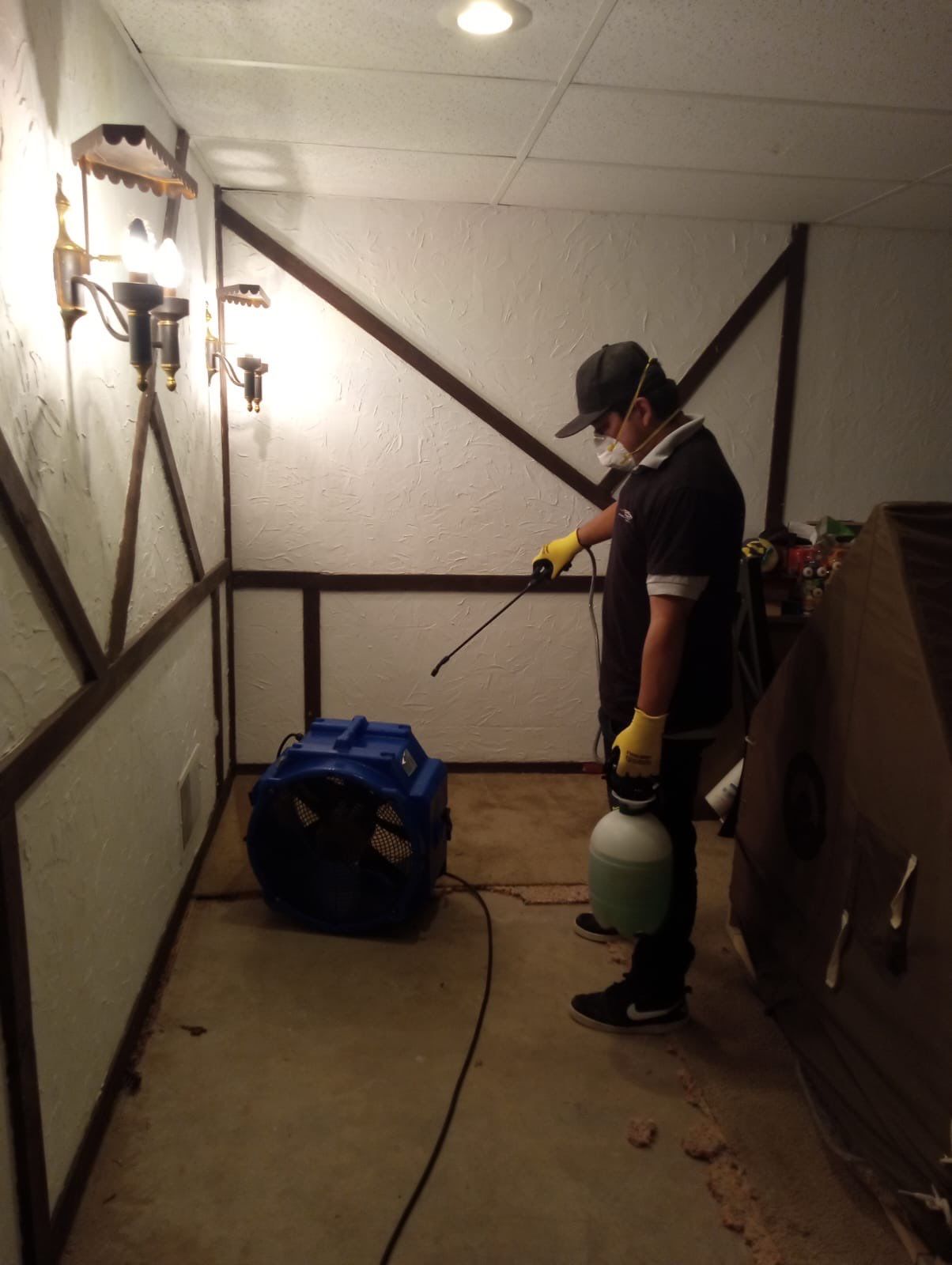
Once drying was verified, we rebuilt the damaged roof structure, replaced compromised insulation and drywall, and applied antimicrobial treatment to all previously wetted surfaces. The homeowner noted in their review how thoroughly the team worked to restore not just function but finish. The home was returned to pre-loss condition with no residual moisture pathways that might later support mold, a critical outcome given the original cause of loss.
Frequently asked questions
How did a fallen tree branch during a thunderstorm lead to both water damage and mold growth in this Kensington home?
The branch punctured the roof, allowing rainwater to enter the attic and living spaces below. When water intrusion isn't addressed immediately, moisture saturates porous materials like insulation and drywall, creating conditions where mold can colonize within days—especially common in Montgomery County's humid Mid-Atlantic climate. Restoration Doctor responded with emergency tarping, extraction, and controlled drying to halt the progression before beginning mold remediation.
What does the structural drying phase involve after standing water is extracted from an attic and living area?
After extraction removes visible water, structural drying uses industrial dehumidifiers and air movers to pull moisture from materials like framing, subflooring, and wall cavities that absorbed water during the intrusion. Restoration Doctor monitors humidity and material moisture levels throughout the process to ensure thorough drying before sanitizing and mold remediation can proceed safely. This step prevents hidden moisture pockets that would otherwise fuel future mold growth.
Why is sanitizing necessary after water intrusion in a Kensington home, even if mold remediation is also performed?
Storm water that enters through a roof breach carries contaminants—organic debris, airborne particulates, and microbial load from exterior surfaces. Sanitizing treated all affected surfaces after drying to address bacteria and residues distinct from the mold colonies that had already begun to form. Restoration Doctor's protocol ensures both the visible mold and the broader contamination layer are addressed, leaving the home safe for occupancy.
How long does a water damage restoration project typically take in Montgomery County after a roof breach and mold development?
Timeline depends on the extent of water migration and how long moisture sat before mitigation began. A job involving attic and living-space extraction, full structural drying, and mold remediation—like this Kensington project—often requires one to two weeks from emergency response through final restoration, though drying alone can span several days depending on material saturation. Restoration Doctor provides progress updates as conditions are monitored and verified dry before moving to rebuild.
Can older homes in established Kensington neighborhoods face greater risk of secondary damage after a roof leak?
Yes—many early-to-mid 20th century homes in Montgomery County were built with solid wood framing, plaster, and materials that absorb and hold moisture more readily than modern construction. When a roof breach allows water into these assemblies, the saturation spreads through wall cavities and ceiling joists, extending drying time and mold risk. Restoration Doctor's moisture mapping and targeted drying approach accounts for the construction methods typical to the area's housing stock.
Explore more restoration work
All projects in Kensington · Water Damage Restoration in Kensington
Water, fire, or mold damage in Kensington?
Restoration Doctor responds 24/7 across Kensington and Northern Virginia. Free assessment and transparent, insurance-friendly estimates — no obligation.
See our Water Damage Restoration services at restorationdoctors.com →